
Match the hardware to the load path
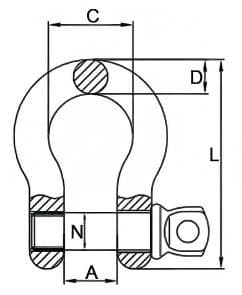
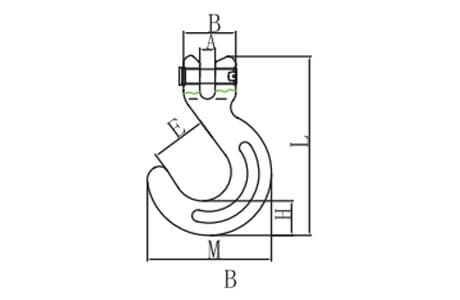
Rate every piece in the load path for the load it actually sees. A shackle or eye bolt pulled off its axis carries less than its vertical rating; a hook must seat the sling in its bowl, not on its tip; and a master link has to take every leg of the sling at once. Where a range comes in carbon and alloy steel of the same frame, the alloy version carries more — the size table lists the two as separate rows with their own ratings.
Questions we get asked
About this range
- 01Which shackle do I need — anchor (bow) or chain (dee)?
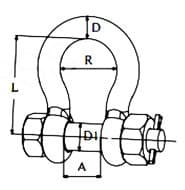
- A chain (dee) shackle is for a straight, in-line pull. An anchor (bow) shackle has a rounder body that accepts more than one sling or a pull at an angle to the pin. For a permanent or long-term installation choose a bolt-type shackle, whose nut and cotter pin cannot unscrew in service; a screw-pin shackle suits rigging that is made and broken often.
- 02What is the difference between WLL, SWL and breaking load?
- WLL — working load limit — is the most the manufacturer rates a part to carry in service. SWL, safe working load, is the older term and is sometimes set lower for a particular installation. The minimum breaking load is what the part withstood in test, several times its WLL, and it is never a working figure.
- 03Do the parts come with test certificates?
- Yes. Each consignment ships with the manufacturer's test certificate. If your site needs more — third-party certification or witnessed proof testing — say so on the RFQ and we will confirm what we can arrange.
Category
Rigging Hardware
Shackles, hooks, master links, rings, swivels, eye bolts, turnbuckles, snap hooks, lifting points, pad eyes and rigging pins — forged, cast and stainless rigging hardware, each size under its own Indus part number.
Size range
Every size above is a part number you can quote from. Open any listing for its full table.
Delivery
Rigging Hardware across the Gulf
Ex-stock from Dubai, delivered within 3 working days in the UAE.
Rigging hardware is bought on its working load limit and its certificate, and both travel with the part: every shackle, hook, chain and sling ships from Dubai with the manufacturer's test certificate, so the receiving inspection checks a document against a stamp rather than a claim. Hardware and fittings go by air or courier in cartons; wire rope, chain, hoists and anchors are heavy enough that sea freight is usually the sensible answer.
Beyond the Gulf
- East Africa
- Kenya, Madagascar, Mozambique
- West & Central Africa
- Nigeria, DR Congo, Equatorial Guinea
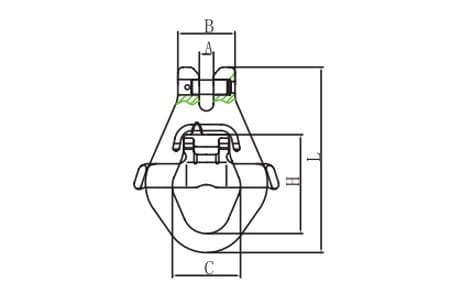

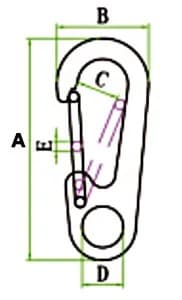
Stainless Steel Carabiner Snap Hook with Eyelet — DIN 5299

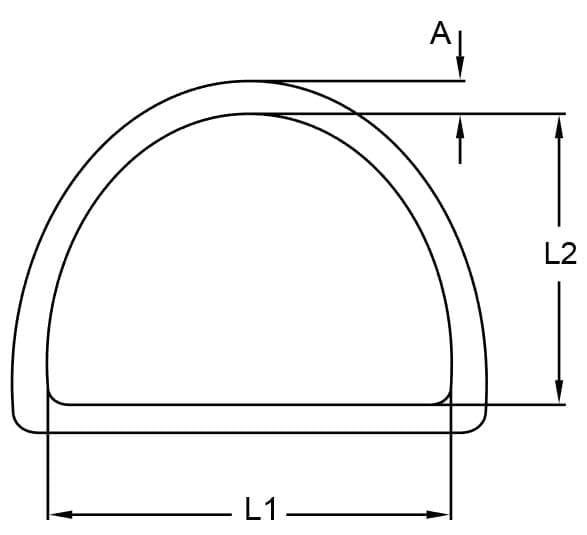
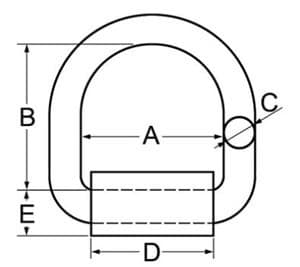
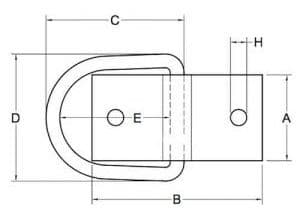
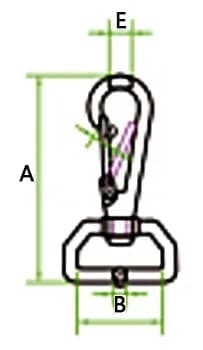
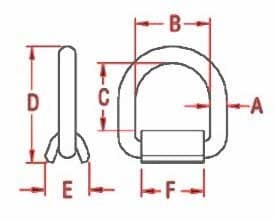
Weld-On D Ring with Mounting Clip

Stainless Steel Swivel Locking Snap Hook
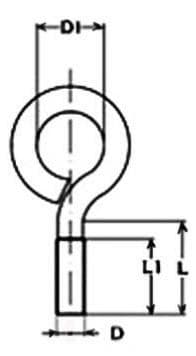
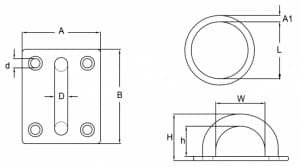
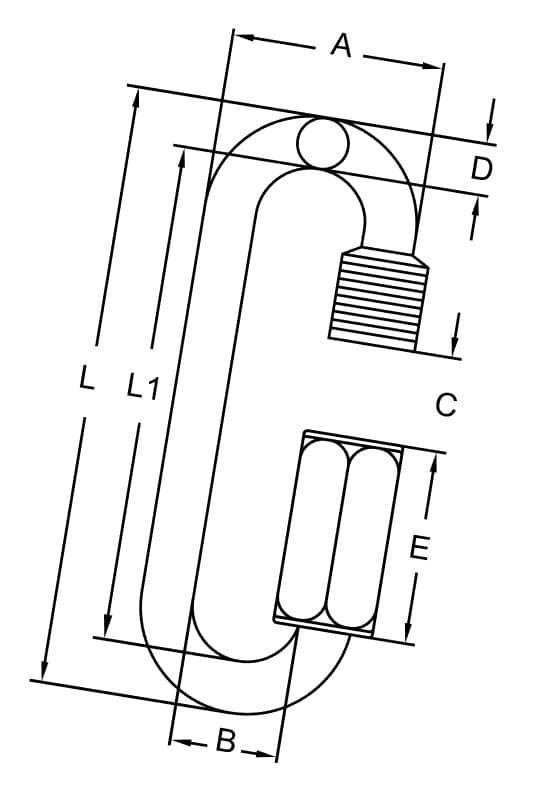

Stainless Steel Carabiner Snap Hook with Screw Nut — DIN 5299
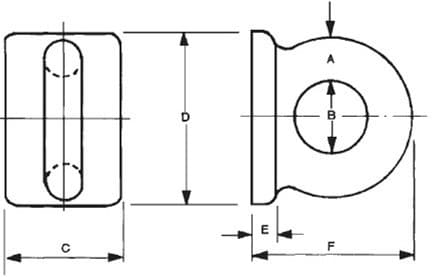
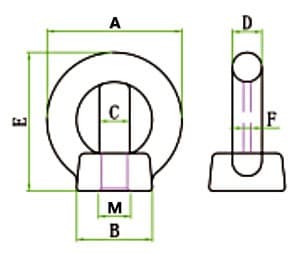

Stainless Steel Swivel Eye Boat Snap Hook
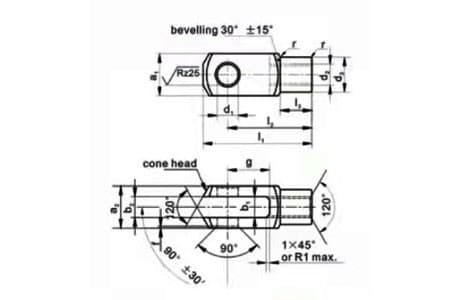
Fork Head Clevis Joint — DIN 71752

Hitch Pin with Lynch Pin and Chain — Zinc Plated
Stainless Steel Oversized Bow Shackle — US Type, Bolt Pin, Precision Cast
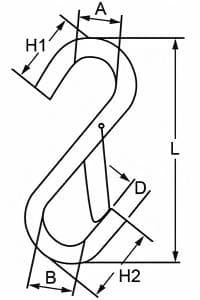
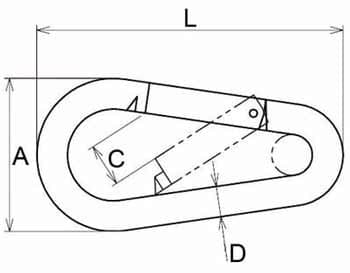
Stainless Steel Pear Shaped Spring Snap Hook
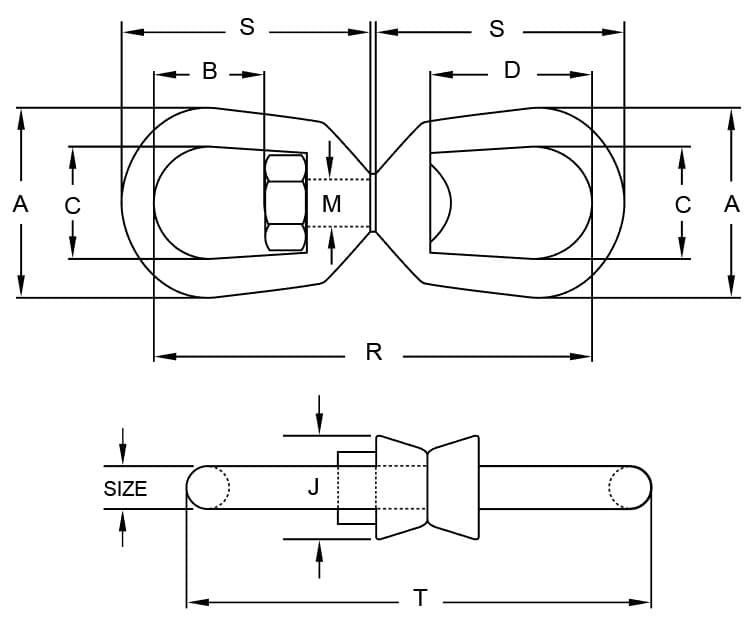
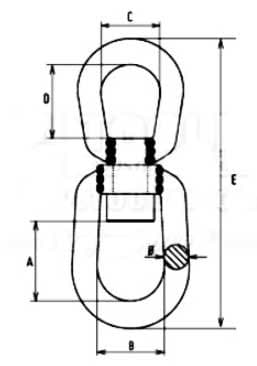
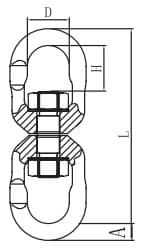
Stainless Steel Regular Swivel — G-402 Pattern
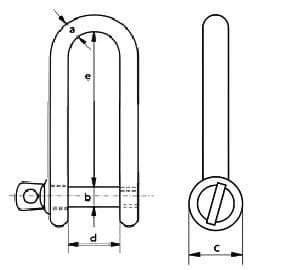
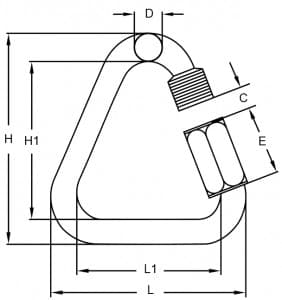
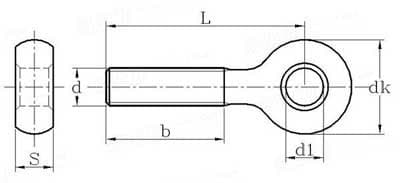
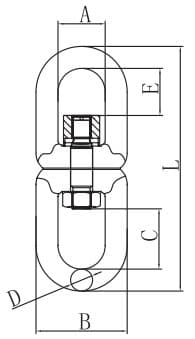
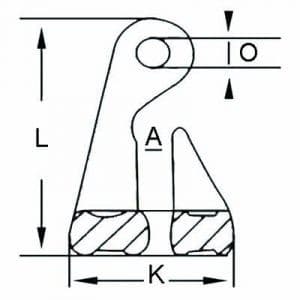
Eye Bend Hook, Forged Alloy — Type A

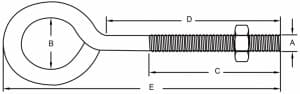
Stainless Steel Shoulder Eye Bolt with Nut and Washer — UNC Thread
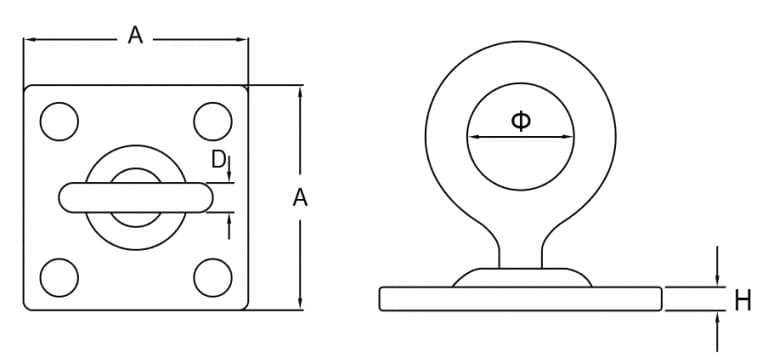
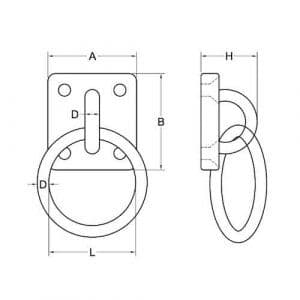
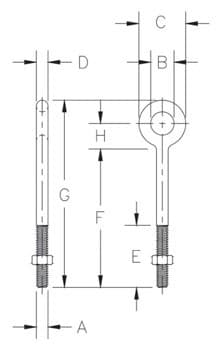
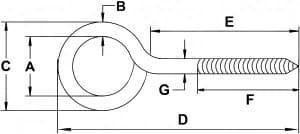
Stainless Steel Regular Nut Eye Bolt — G-291 Pattern
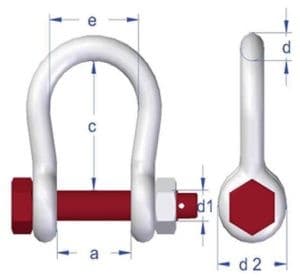

From the blog
Written about this range
Lifting & rigging
Crosby pattern numbers decoded: G-209, G-2130, S-320 and what the letters mean
G-209, S-209, G-2130, A-342 — Crosby’s catalogue numbers have become the trade’s shorthand for rigging shapes. The letter tells you the finish or material; the number tells you the shape. Here is the key, a table of the common numbers, and why a part made to a Crosby pattern is not a Crosby part.
4 min read
Lifting & rigging
Types of shackles: anchor vs chain, and screw pin vs bolt type vs round pin
A shackle is chosen on two decisions: the body shape, which sets the directions it can be loaded from, and the pin, which sets how securely it stays closed. Here is how anchor and chain shackles differ, when each pin type is right, and how material changes the rating at the same size.
8 min read
Lifting & rigging
Lifting equipment inspection in the UAE: what Abu Dhabi and Dubai require
In Abu Dhabi, lifting accessories must be thoroughly examined by an approved third party at least every six months and lifting equipment every twelve — it is written into the emirate’s code of practice. Dubai requires annual certification by an EIAC-accredited inspector, and accredited inspectors apply six months to accessories. Here is what each document says.
8 min read