Size range
575orderable sizes18with a size tableEvery size is a part number you can quote from.


 Category image · Lifting & Rigging


Questions we get asked
From the blog
Lifting & rigging
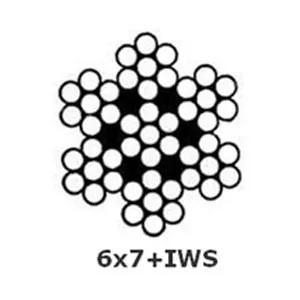
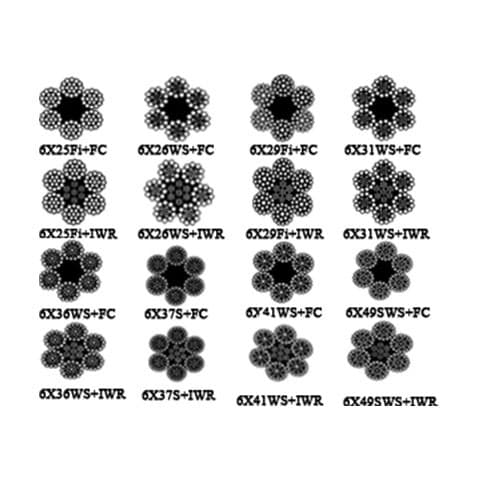
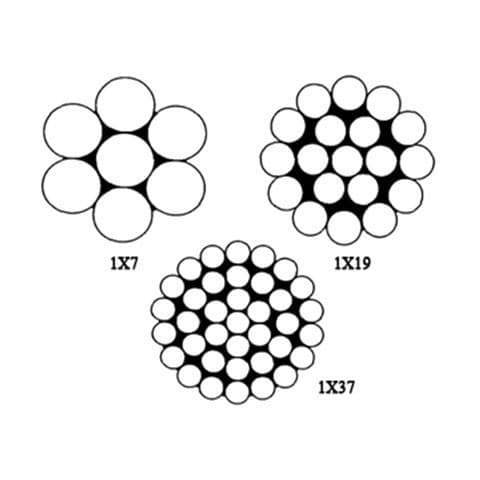
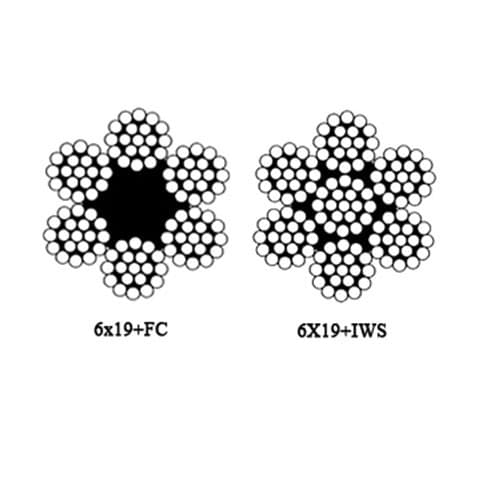
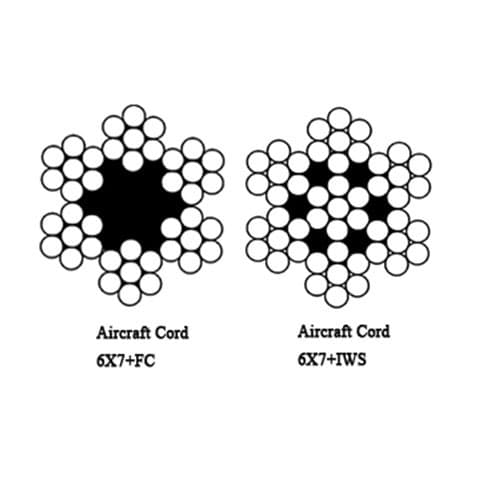
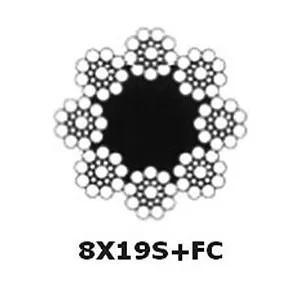
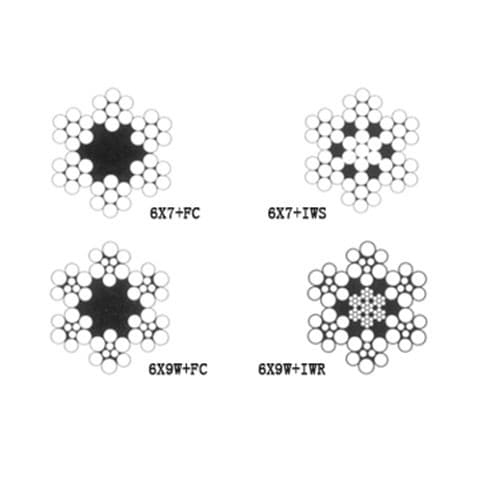
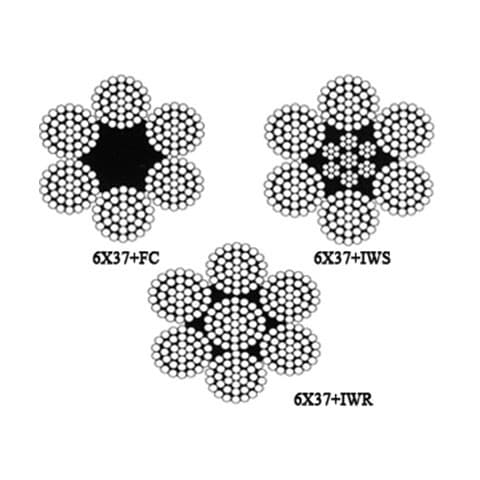
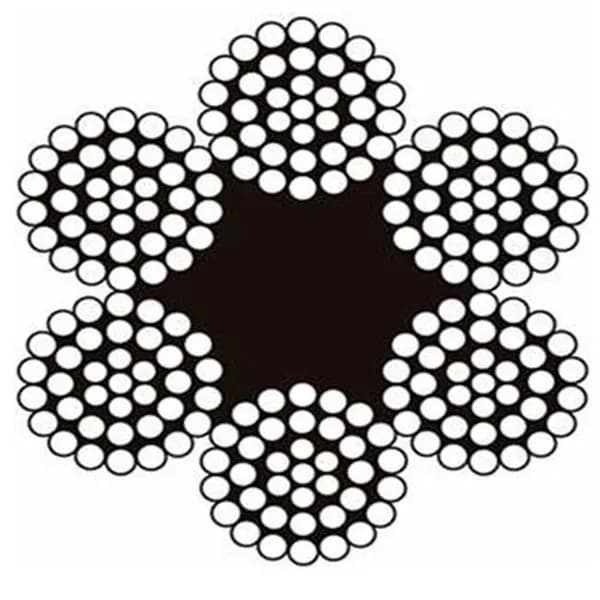
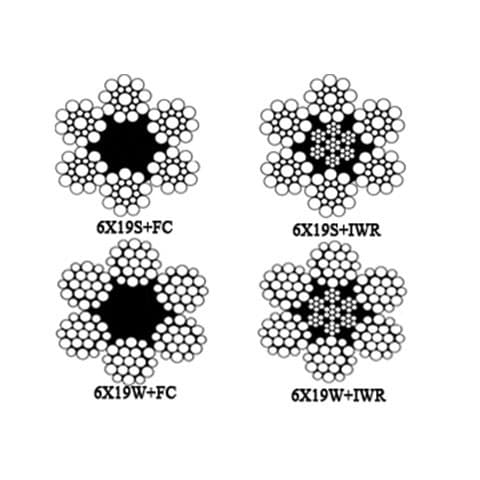
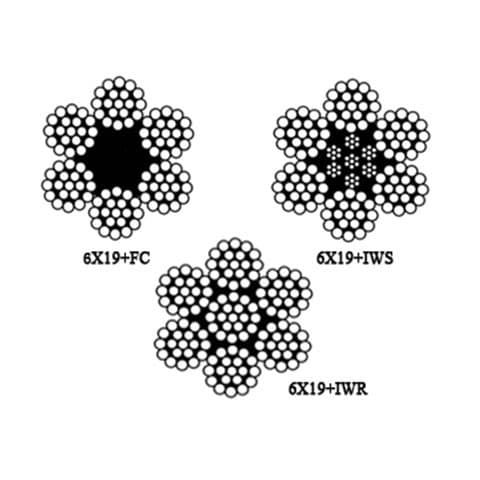
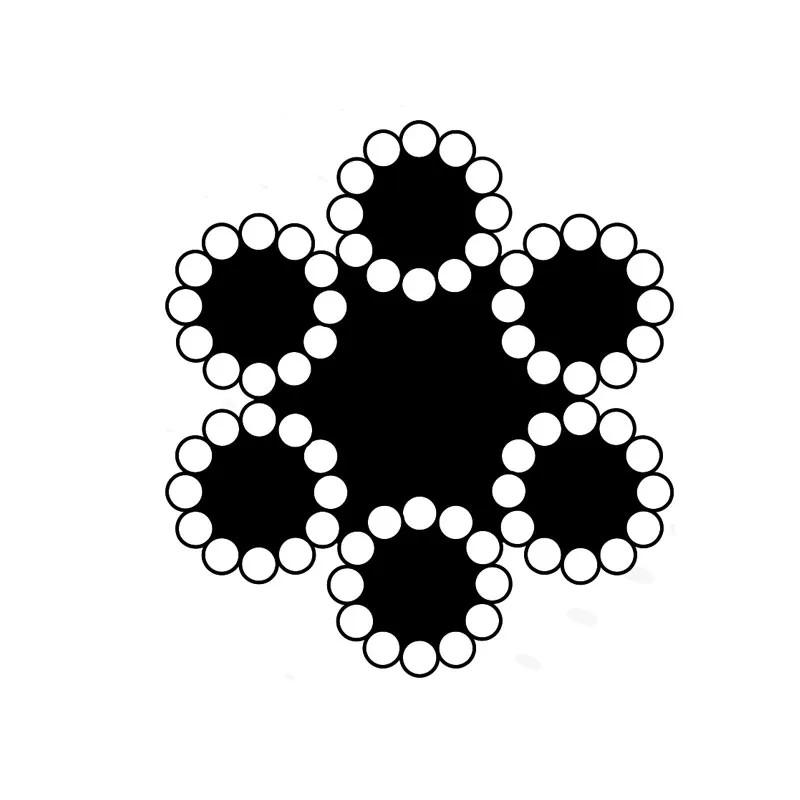
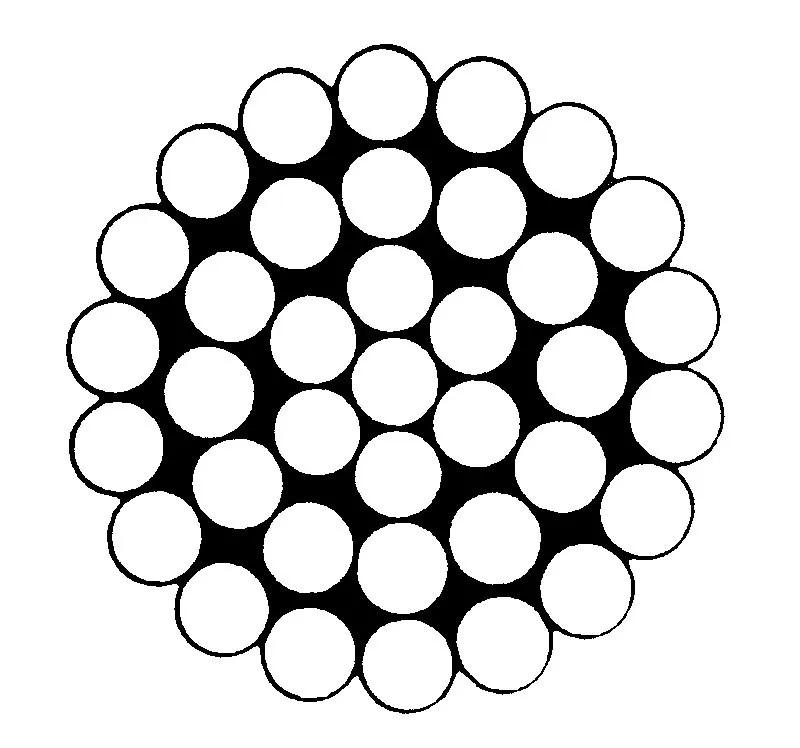
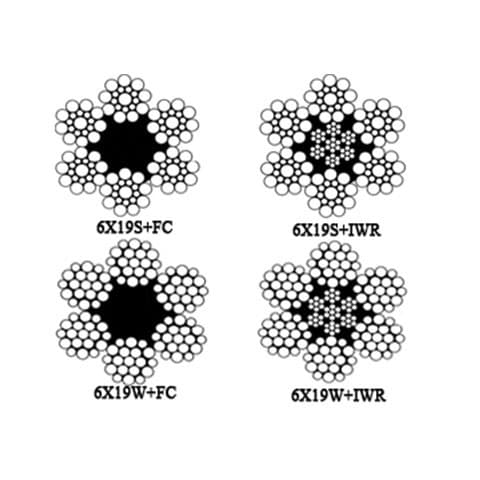
A wire rope designation such as 6x36WS-IWRC 1770 B sZ tells you almost everything about how the rope will behave. The surprise is how little the construction changes its strength: at 12 mm, the common six-strand ropes break within about 12% of each other. What changes is flexibility, abrasion resistance and crush resistance.
8 min read
Rigging capacity charts
Minimum breaking loads for steel wire rope from 5 mm to 60 mm in 6x19 line-contact, 6x36WS and compacted constructions, by tensile grade and core, in kN and tonnes — with a construction-by-construction comparison, weights, and how a breaking load becomes a working load.
8 min read
Rigging capacity charts
Working load limits for single, two-leg and four-leg wire rope slings from 6 mm to 70 mm, Flemish-eye slings by hitch to 105 mm, and soft-eye slings at 5:1 and 6:1 to 110 mm — with the mode factors, the reasons two 12 mm slings can carry different ratings, and the limits on heat and bending.
9 min read