Size range
243orderable sizes7with a size tableEvery size is a part number you can quote from.

Questions we get asked
From the blog
Rigging capacity charts
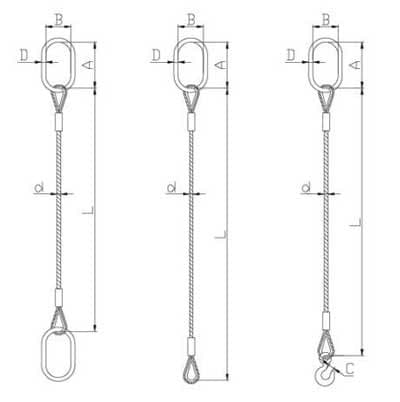
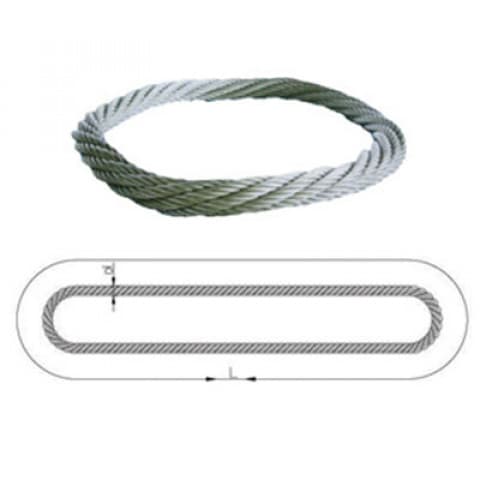
Working load limits for single, two-leg and four-leg wire rope slings from 6 mm to 70 mm, Flemish-eye slings by hitch to 105 mm, and soft-eye slings at 5:1 and 6:1 to 110 mm — with the mode factors, the reasons two 12 mm slings can carry different ratings, and the limits on heat and bending.
9 min read
Rigging capacity charts
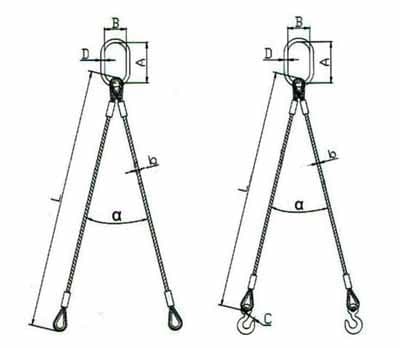
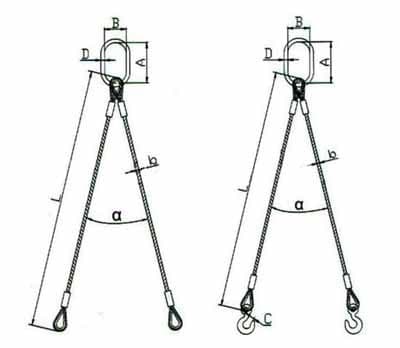
Two sling legs do not each carry half the load unless they hang straight down. At 45° from vertical each leg carries 71% of the load; at 60° each carries all of it. Here is the chart, the one-line formula behind it, and how rating tables for multi-leg slings build it in.
7 min read
Lifting & rigging
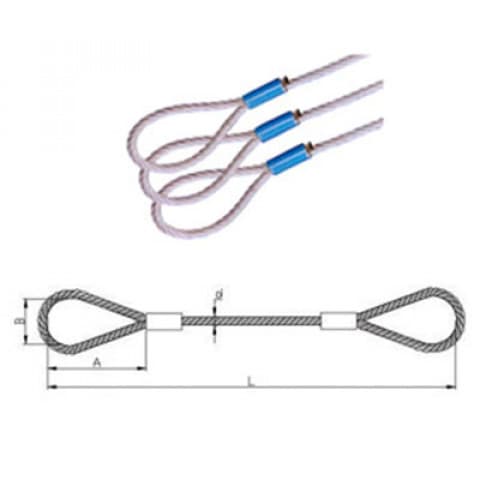
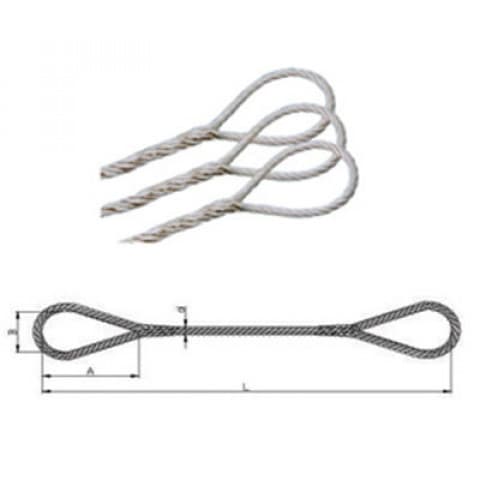
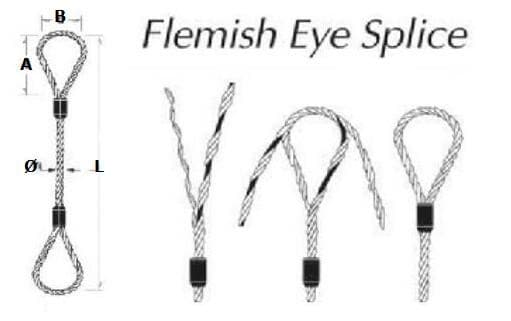
Every way of making an eye in wire rope keeps a different share of the rope’s strength. Sockets keep all of it; ferrule-secured and Flemish eyes about 90% or better; a hand splice less, and less again as the rope gets bigger. Here is the efficiency table, how each eye is made, and where each one belongs.
4 min read