
Questions we get asked
About this range
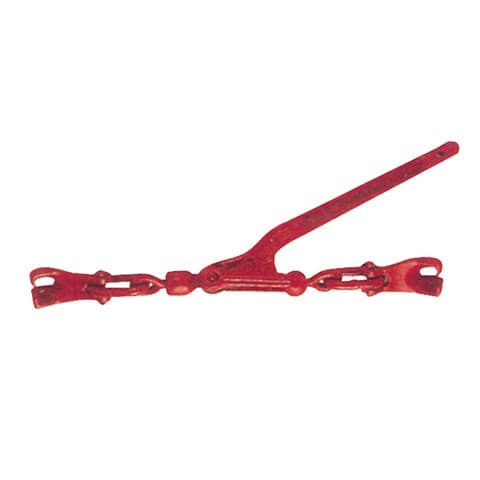
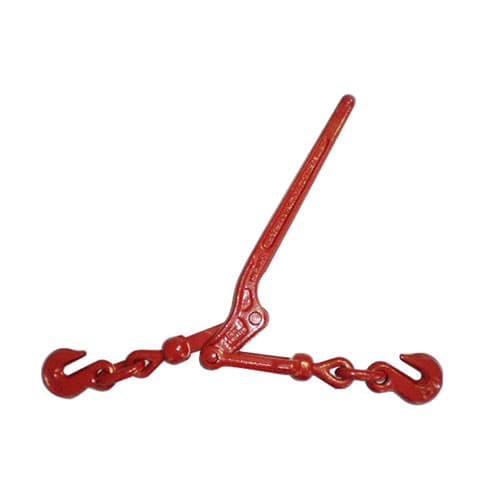
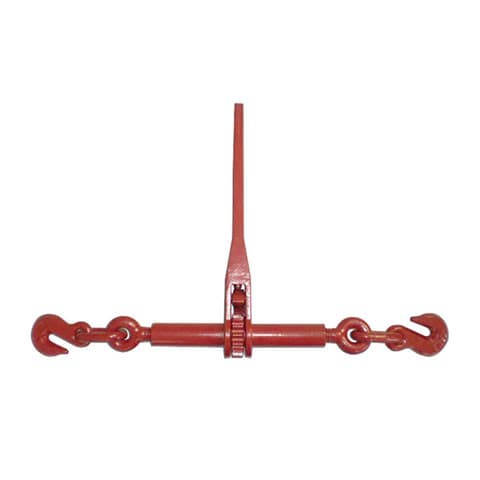
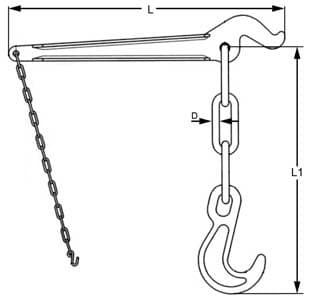
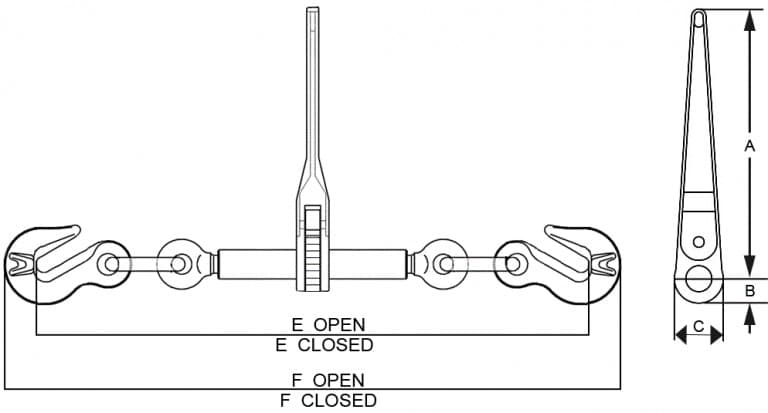
- 01Ratchet or lever binder?
- A ratchet binder tensions gradually and releases under control, so it suits operators who tension and release often. A lever binder is quicker but stores energy in the handle and must be released with care.
- 02Are load binders lifting equipment?
- No. A load binder tensions a chain tie-down to secure a load for transport. Its WLL is a tensioning rating and it is not for lifting.
Category
Load Binders
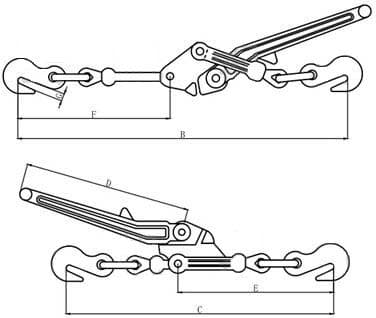
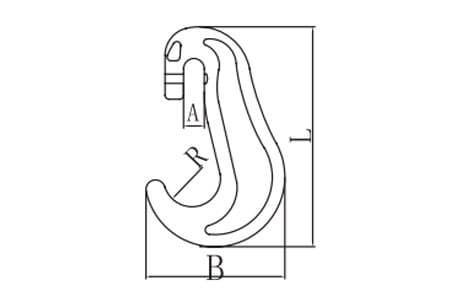
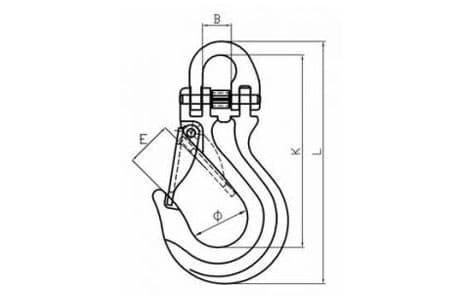
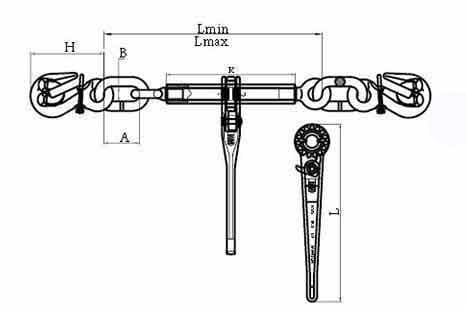
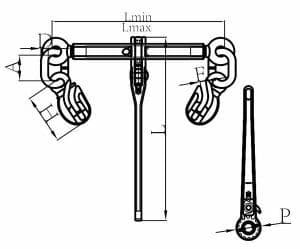
Ratchet and lever load binders in Grade 70, Grade 80 and Grade 100, with lashing and winch hooks, for tensioning chain tie-downs.
Size range
Every size above is a part number you can quote from. Open any listing for its full table.
Delivery
Load Binders across the Gulf
Ex-stock from Dubai, delivered within 3 working days in the UAE.
Rigging hardware is bought on its working load limit and its certificate, and both travel with the part: every shackle, hook, chain and sling ships from Dubai with the manufacturer's test certificate, so the receiving inspection checks a document against a stamp rather than a claim. Hardware and fittings go by air or courier in cartons; wire rope, chain, hoists and anchors are heavy enough that sea freight is usually the sensible answer.
Beyond the Gulf
- West & Central Africa
- Nigeria, Guinea, Ivory Coast
- North Africa
- Egypt, Tunisia, Mauritania



From the blog
Written about this range
Lifting & rigging
Lever vs ratchet load binders: the kickback hazard, and which to use
A lever binder tensions a chain in one swing of the handle — and can whip back just as fast. A ratchet binder takes longer to tighten but gives twice the mechanical advantage and a controlled release. Both carry the same rating for the same chain size. Here is how they compare and how to use either safely.
3 min read
Lifting & rigging
Ratchet strap vs chain and binder: securing loads on a truck or trailer
A 50 mm ratchet strap might be rated 2,000 daN, yet tightened by hand it typically pulls only 250 to 500 daN on the load. That gap decides how loads are secured: straps are good for clamping light and finished loads down; chain and binders for heavy, hard-edged ones. Here is how the ratings work and how many tie-downs a load needs.
4 min read