
Bolted, welded or swivelling
A swivel lifting point turns and pivots to line up with the sling, so it keeps its rating at an angle where a fixed eye bolt would not. Bolt-on points need the thread engagement and tightening torque the maker states; weld-on points need a qualified welder, a base material that suits the weld and inspection before first use. Pad eyes and deck eye plates are fixing points: check whether a size is rated for lifting or only for lashing before you rig from it.
Questions we get asked
About this range
- 01Can I lift at an angle from an eye bolt?
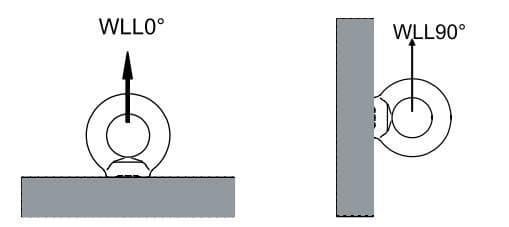
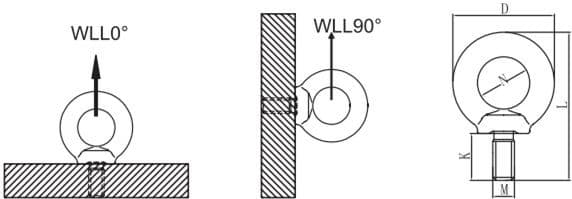
- A plain eye bolt is rated for a straight pull along the thread axis; at an angle its capacity falls sharply. A shoulder eye bolt seated fully takes an angled pull at a reduced rating. Where the pull will be angled or will change direction, use a swivel lifting point, which turns to follow the sling.
- 02What is the difference between WLL, SWL and breaking load?
- WLL — working load limit — is the most the manufacturer rates a part to carry in service. SWL, safe working load, is the older term and is sometimes set lower for a particular installation. The minimum breaking load is what the part withstood in test, several times its WLL, and it is never a working figure.
- 03Do the parts come with test certificates?
- Yes. Each consignment ships with the manufacturer's test certificate. If your site needs more — third-party certification or witnessed proof testing — say so on the RFQ and we will confirm what we can arrange.
Category
Lifting Points & Pad Eyes
Swivel, bolt-on and weld-on lifting points, Grade 80 eye bolts and eye nuts, pad eyes, deck eye plates and lashing D rings, with the WLL of every rated size.
Size range
Every size above is a part number you can quote from. Open any listing for its full table.
Delivery
Lifting Points & Pad Eyes across the Gulf
Ex-stock from Dubai, delivered within 3 working days in the UAE.
Rigging hardware is bought on its working load limit and its certificate, and both travel with the part: every shackle, hook, chain and sling ships from Dubai with the manufacturer's test certificate, so the receiving inspection checks a document against a stamp rather than a claim. Hardware and fittings go by air or courier in cartons; wire rope, chain, hoists and anchors are heavy enough that sea freight is usually the sensible answer.
Beyond the Gulf
- East Africa
- Kenya, Madagascar, Mozambique
- South-East Asia
- Singapore, Brunei, Timor-Leste
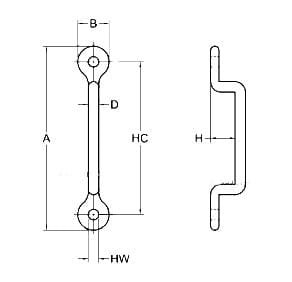
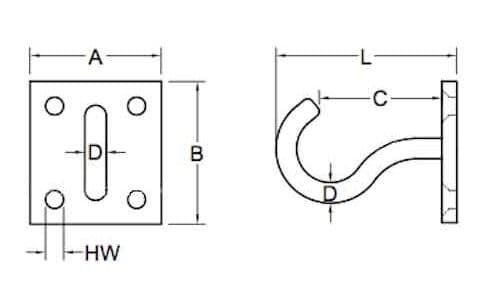
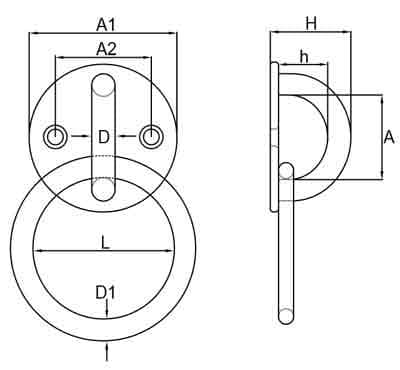
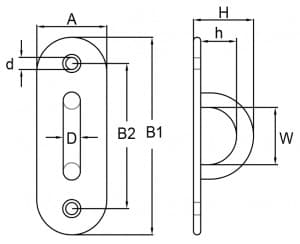
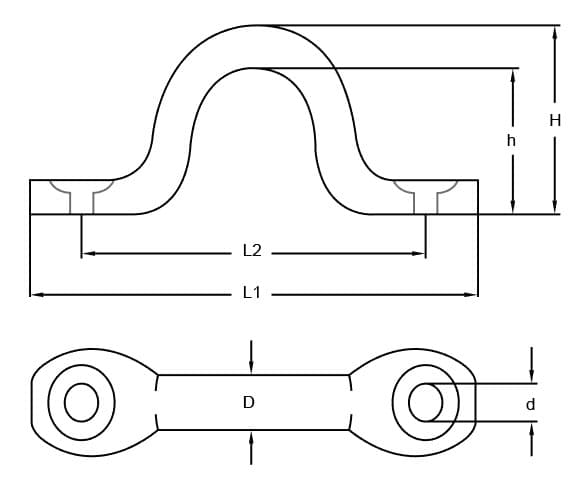
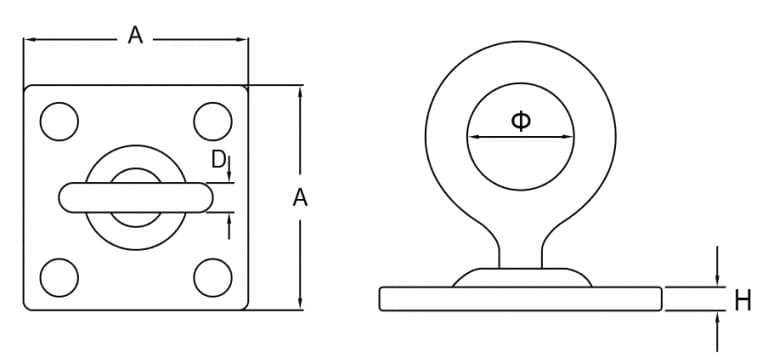
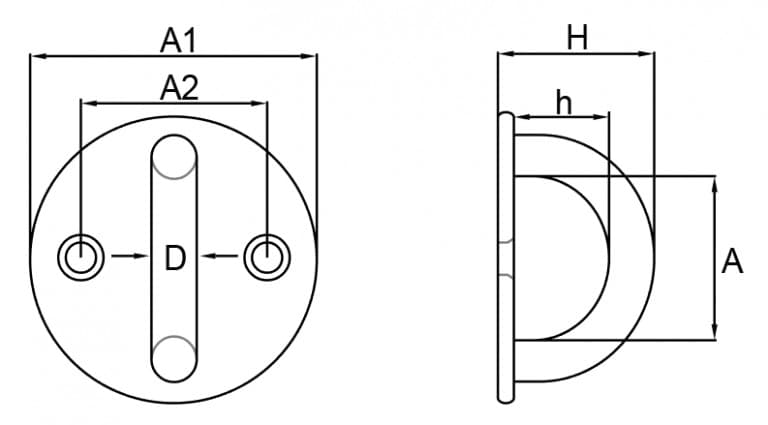
Stainless Steel Round Pad Eye Plate with Ring
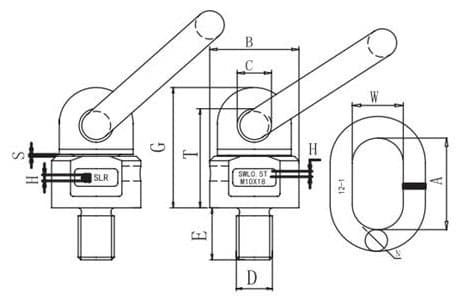
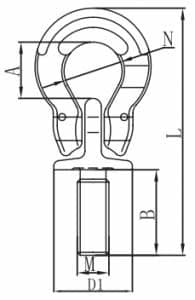
Grade 80 Swivel Lifting Screw Point

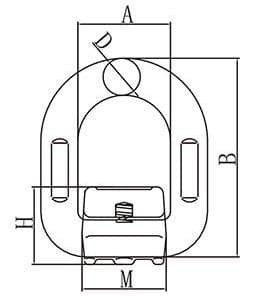
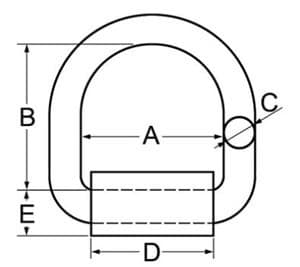
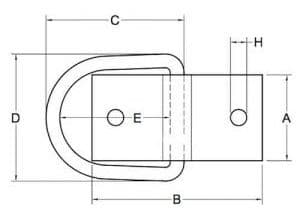
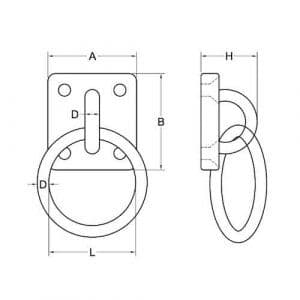
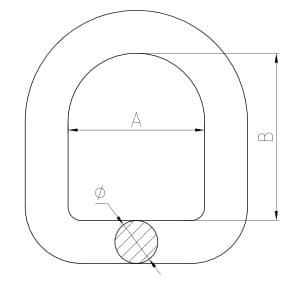
Weld-On D Ring with Mounting Clip
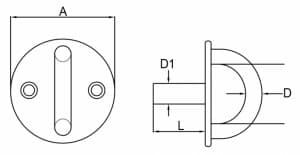
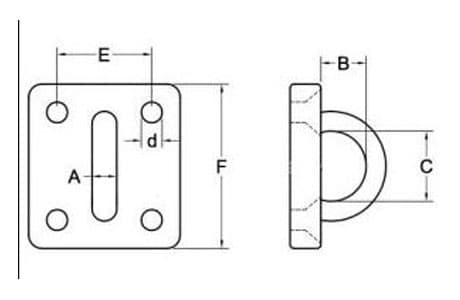
Stainless Steel Round Eye Plate with Threaded Stud
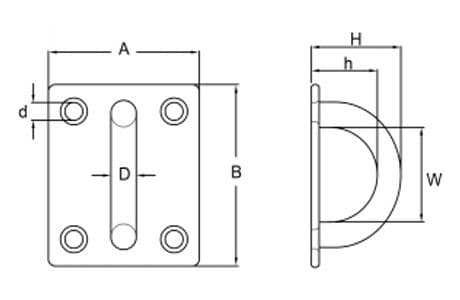
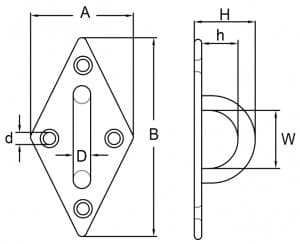
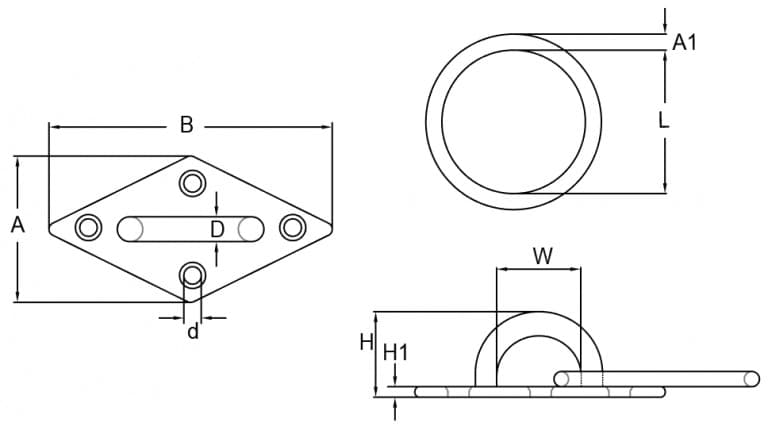
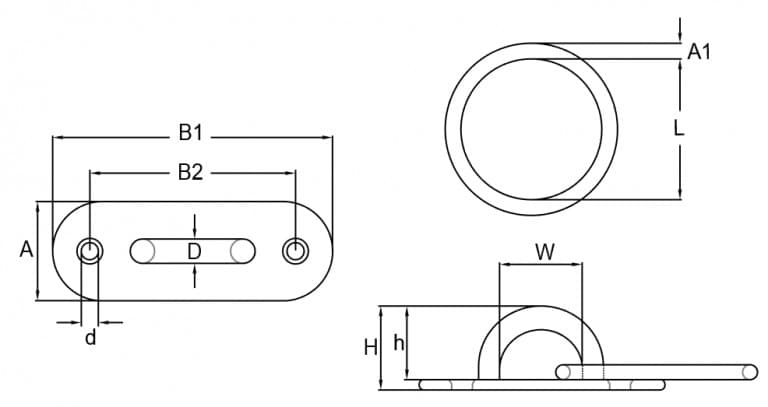
Stainless Steel Diamond Pad Eye with Ring
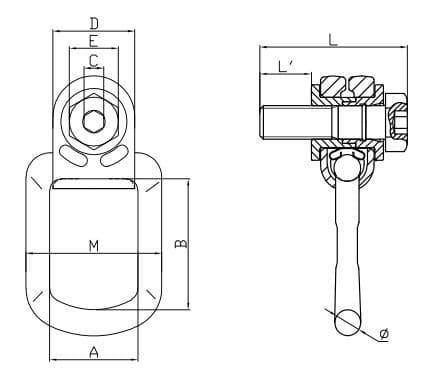
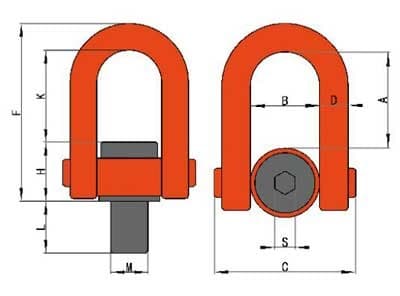
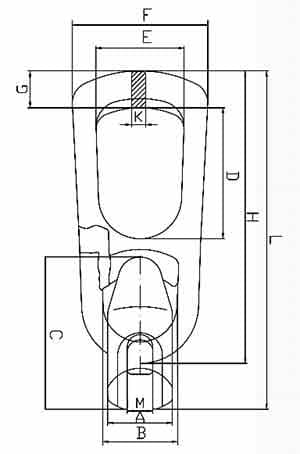
Grade 80 Double Swivel Shackle
From the blog
Written about this range
Lifting & rigging
Precast concrete lifting clutches: how spherical-head anchor systems work, and how to use them safely
A lifting clutch hooks onto the spherical head of an anchor cast into a precast unit, and is released by hand once the unit is set down. The system is only as safe as its weakest decision: the anchor’s load class, the concrete’s strength at lifting, and the angle of pull. Here is how the system works and the rules makers set.
5 min read
Lifting & rigging
Lifting points compared: weld-on pad eyes, bolt-on and swivel lifting points, and eye bolts
A weld-on lifting point is only as good as its weld. A bolt-on point is only as good as its thread engagement and torque. A swivel point turns to face the sling, but not every one keeps its full rating sideways. Here is how the four kinds of lifting point compare, and what each needs to be fitted properly.
5 min read
Lifting & rigging
Eye bolt types and angled loads: plain, shoulder and DIN 580 collar eye bolts
A plain eye bolt is rated for a straight pull only. A shoulder eye bolt pulled at 45° keeps 30% of its rating. A DIN 580 collar eye bolt has its own table for angled loads and none at all for a pull across the eye. Here is how each type is rated, fitted and derated.
7 min read