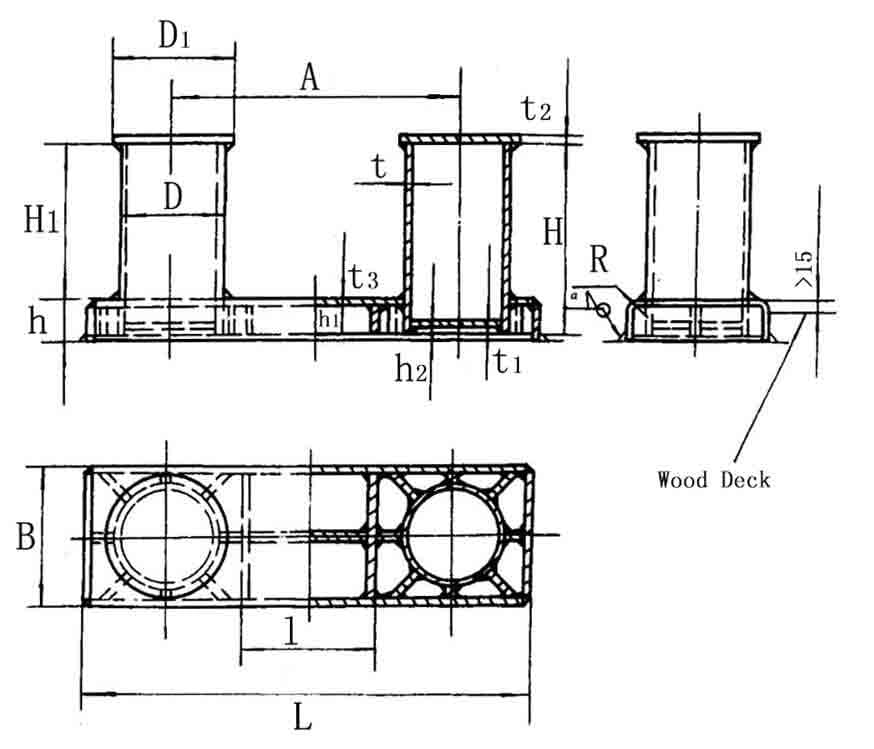
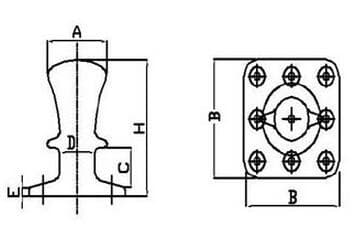
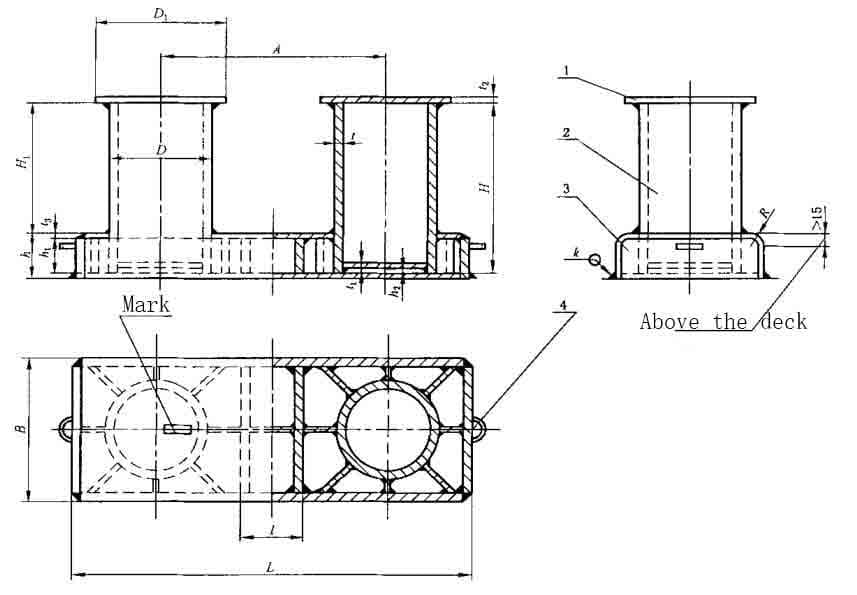
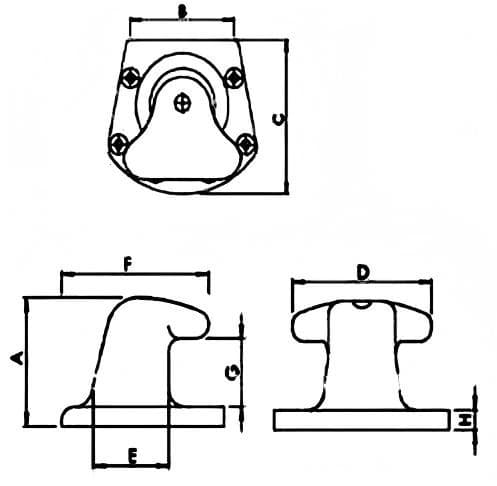
- 01What does the nominal size of a marine bollard mean?
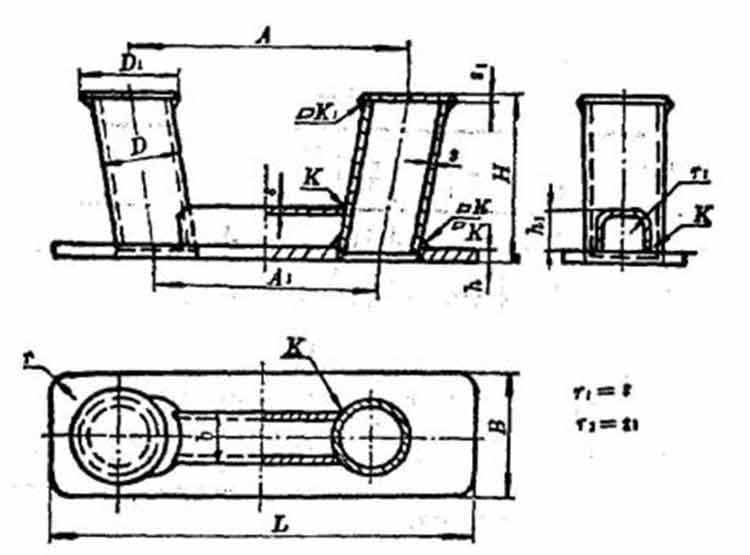
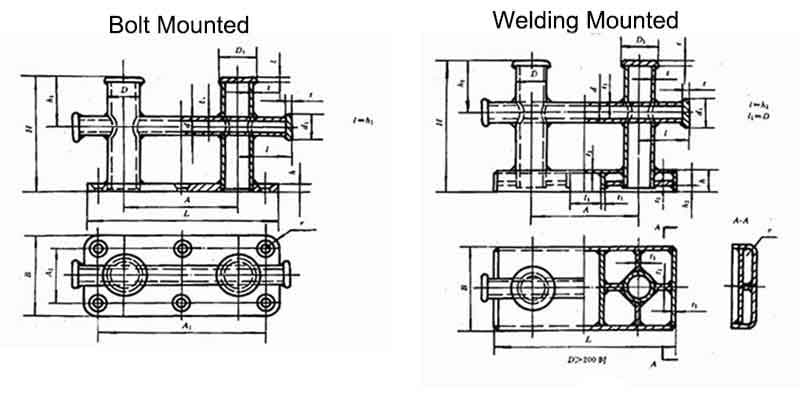
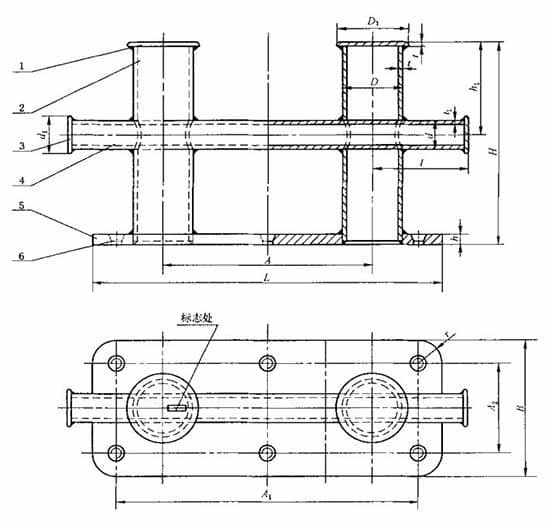
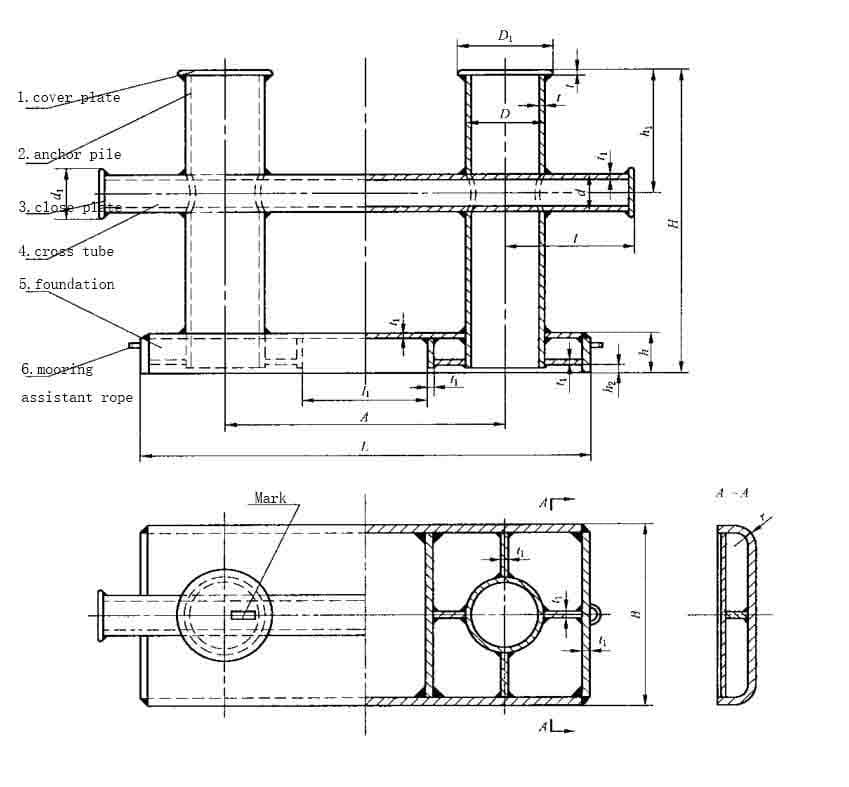
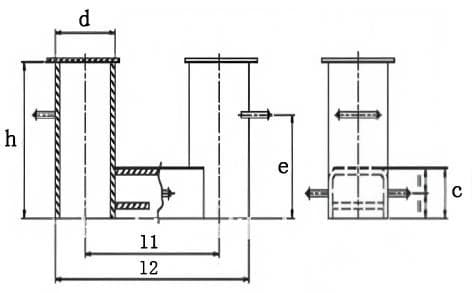
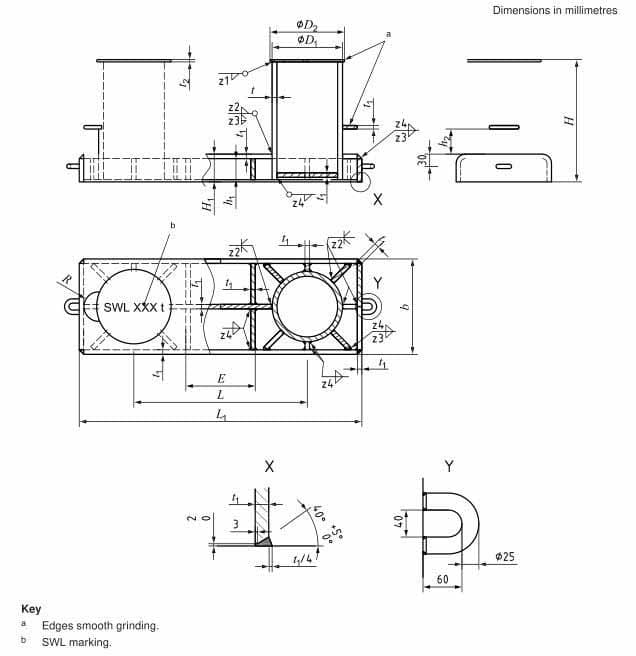
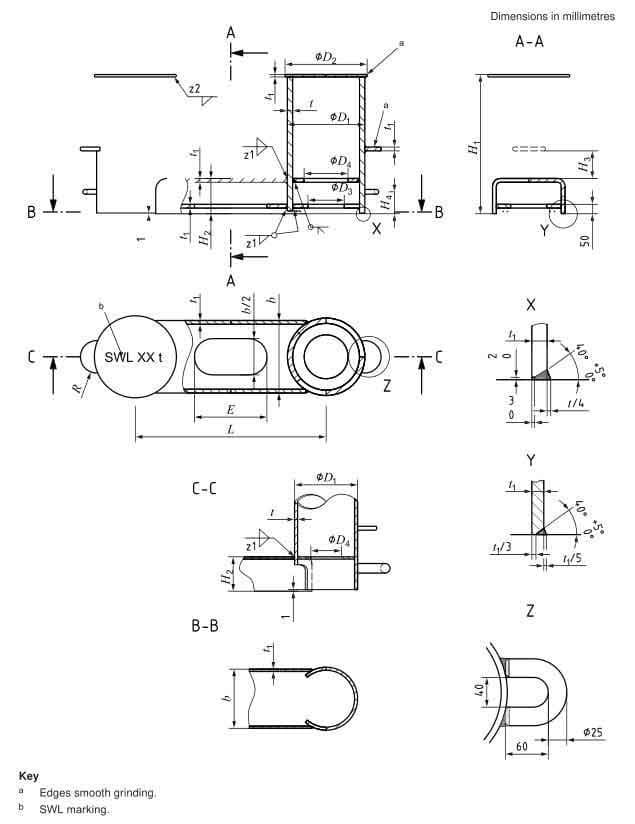
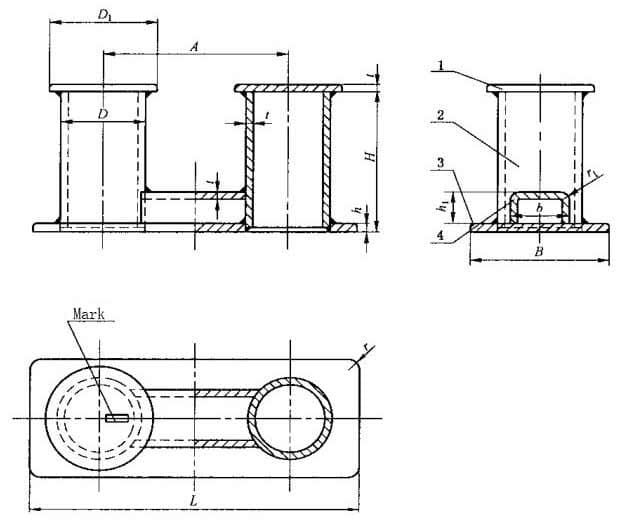
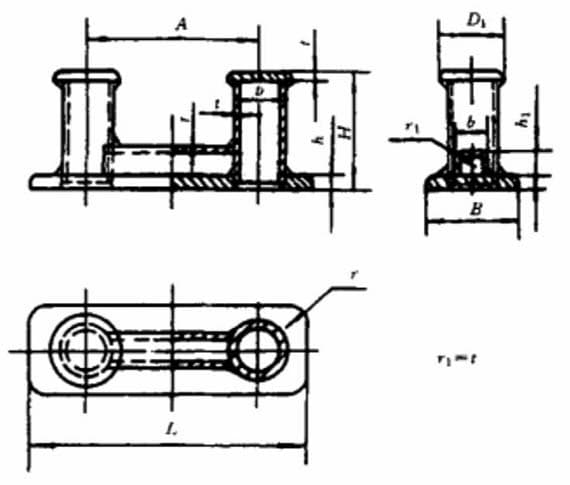
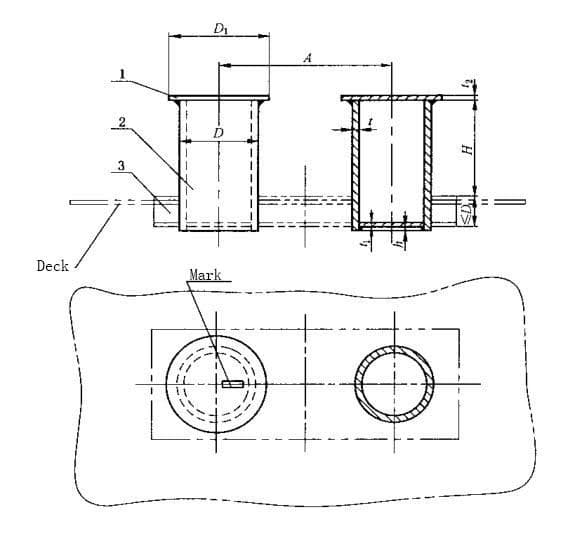
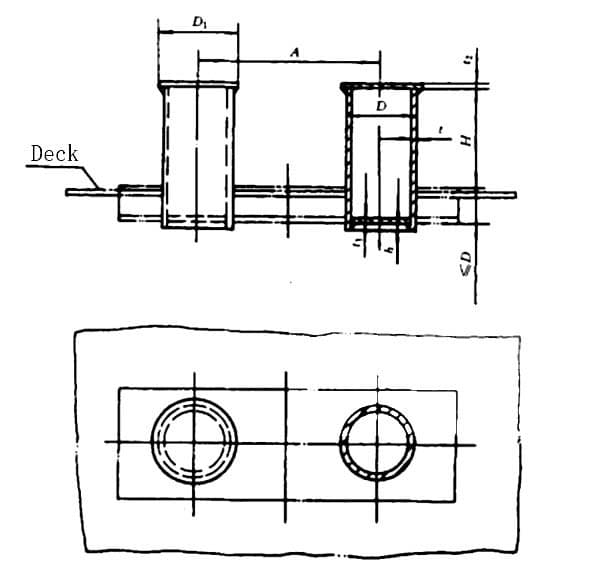
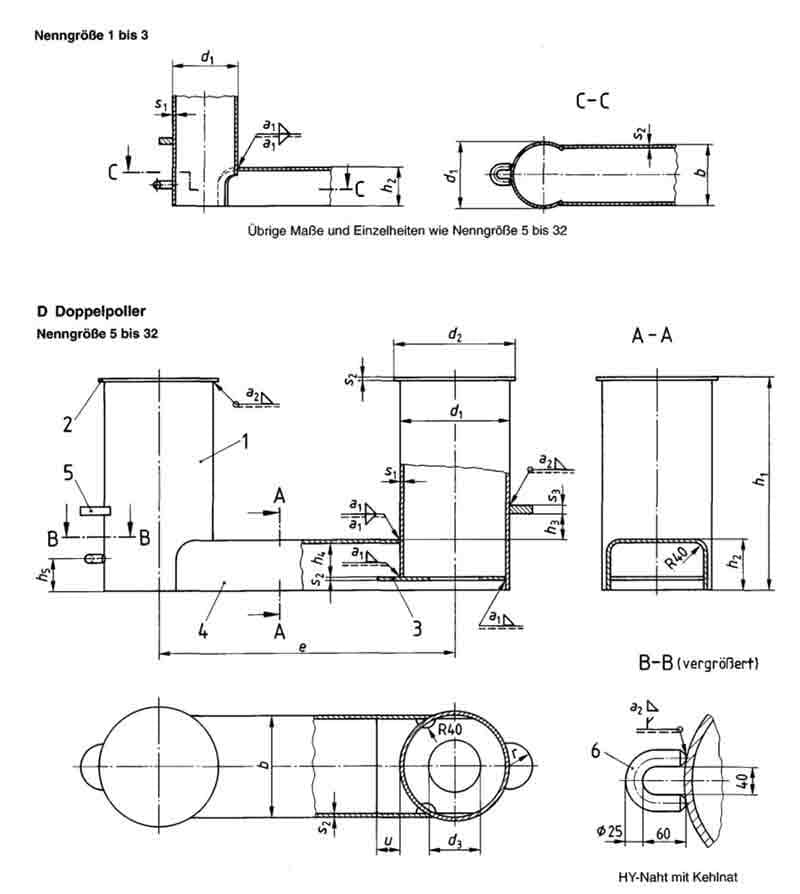
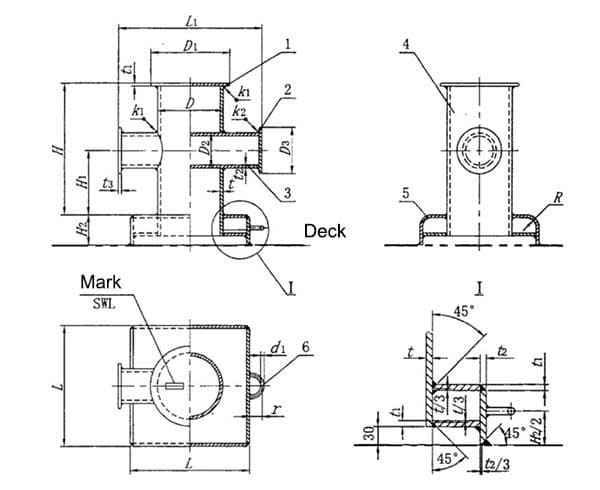
- For a double bollard to GB/T 554, ISO 13795 or JIS F 2001, the nominal size is the diameter of the pillar in millimetres; the standard sets the published load and dimensions that go with it. Quote the standard, the type and the nominal size on the RFQ.
- 02Should I fit a double bollard or a cross bollard?
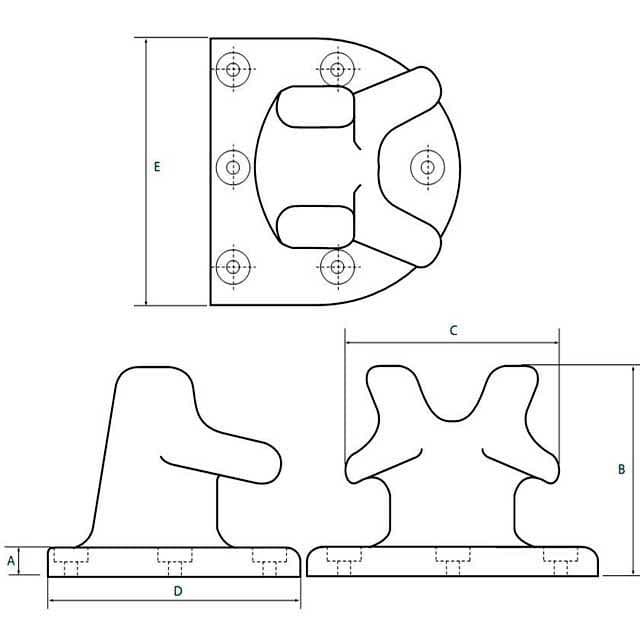
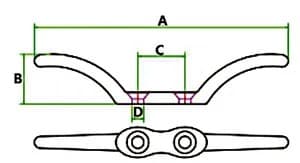
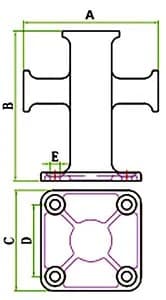
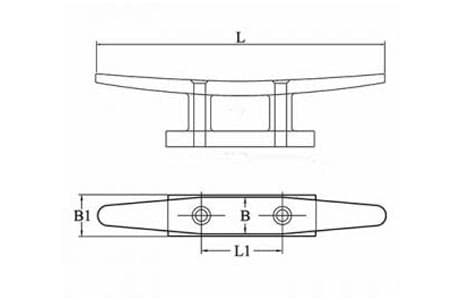
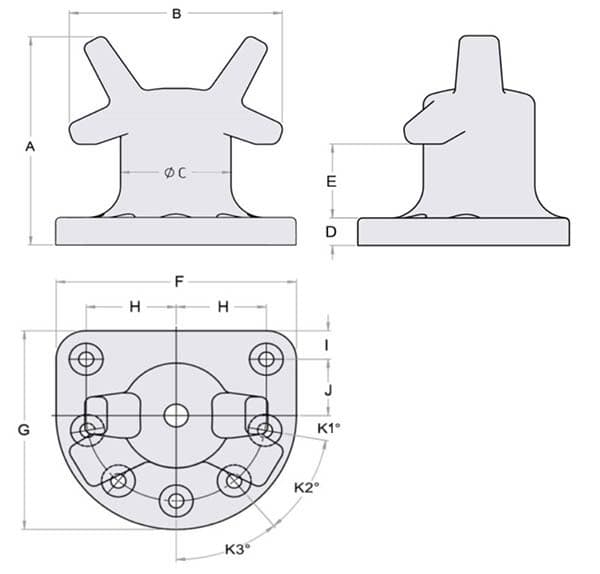
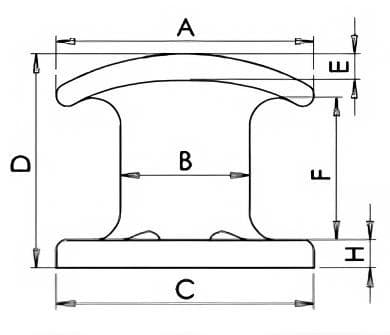
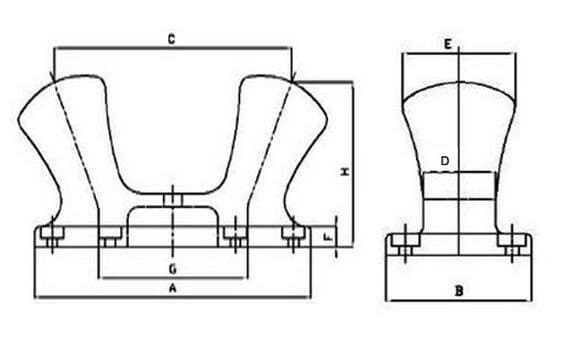
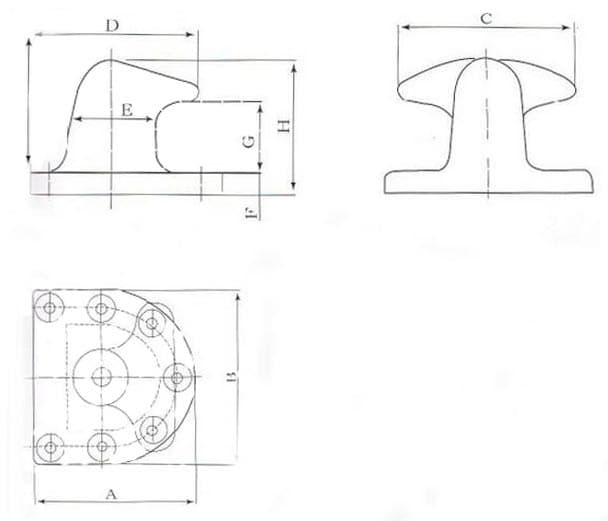
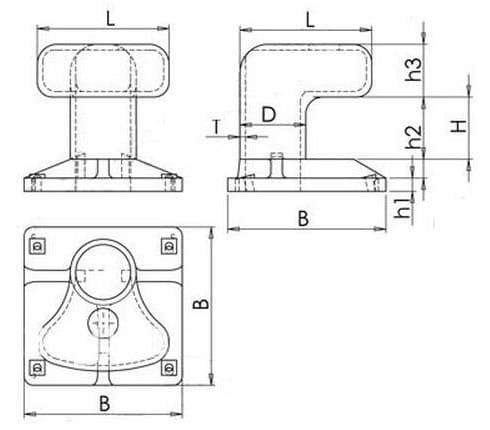
- Fit a double bollard where lines are made fast in figure-of-eight turns around two posts, and a cross bollard where a single post with a cross bar or horns must stop the turns riding up. Double bollards suit larger vessels and heavy mooring lines. Cross bollards are common on smaller craft and where the line leads up at an angle. Either way, match the type and nominal size to the vessel's mooring arrangement drawing.
- 03Can I replace a JIS bollard with a GB/T 554 or ISO 13795 bollard of the same nominal size?
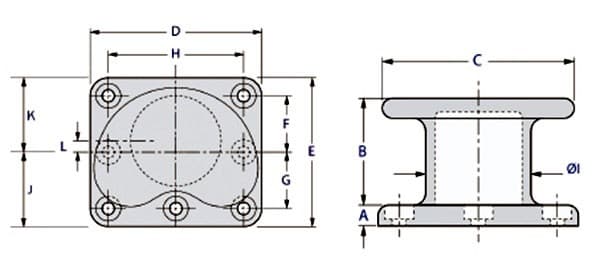
- Not without checking, because each standard sets its own pillar spacing, base dimensions, plate thickness and load for a given nominal size. A replacement must fit the existing deck reinforcement and carry the load the mooring arrangement was designed for. Compare the drawings and size tables side by side, and on a classed vessel confirm the change with the class surveyor before ordering.
- 04How is a dock bollard fixed to a quay?
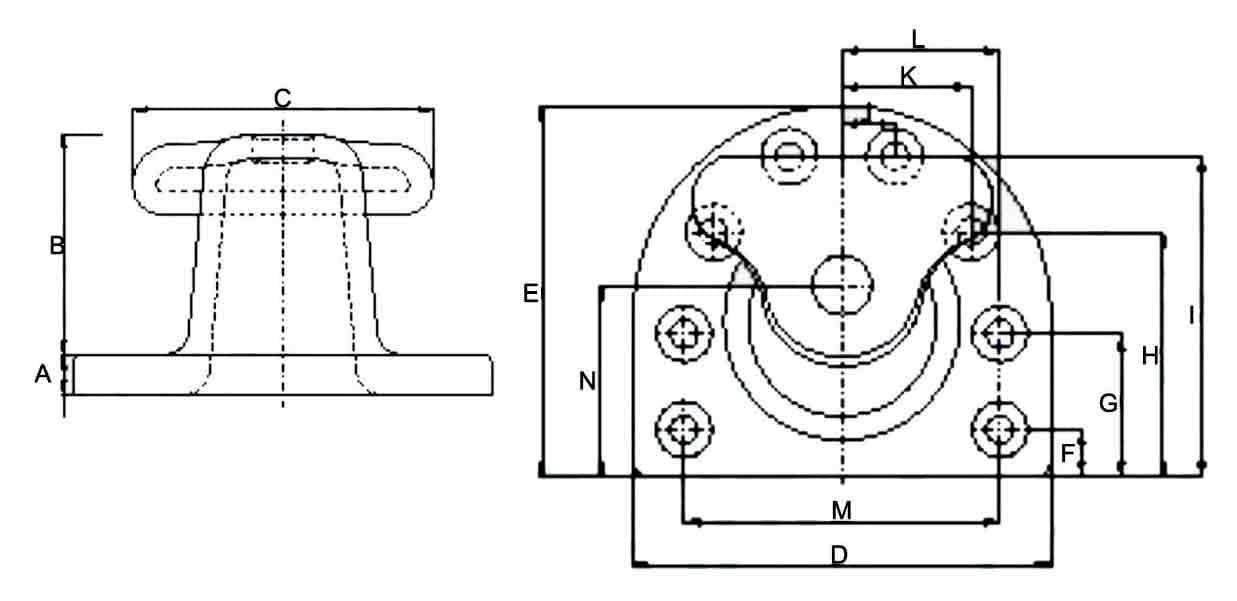
- A dock bollard is held down by anchor bolts cast into the quay concrete, usually with an anchor plate or frame below, and the base is grouted level. The number, size and embedment of the bolts are part of the bollard's design and must be checked by the quay's structural engineer for the line pull. Order the anchor bolt set with the bollard so the pattern matches, and set it to template before the concrete is poured.
- 05What is the difference between a bollard, a fairlead and a chock?
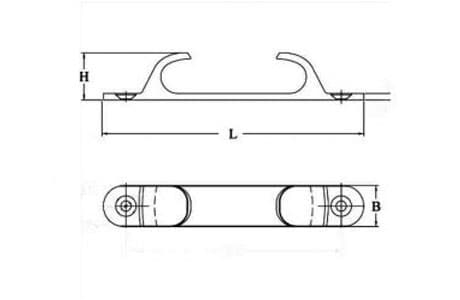
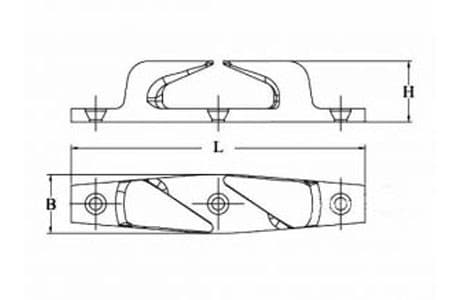
- A bollard is the strongpoint the line is made fast to; a fairlead or chock only guides the line to it and keeps it from chafing on the deck edge. Fairleads and chocks change the line's direction and so carry load, but the line is not belayed on them. Their position and size come from the same mooring arrangement as the bollards, and the line diameter decides the opening needed.
- 06What do I need to send for a bollard quotation?
- Send the standard, type and nominal size for each bollard, the material, the quantity, and whether it is for a ship's deck or a quay. Add the vessel's class society if a class certificate is needed, and for dock bollards whether you need the anchor bolt set. If you only have an old bollard to replace, send its dimensions and any markings, and we will match it to a standard or say where it does not fit one.