- 01Which shackle do I need — anchor (bow) or chain (dee)?
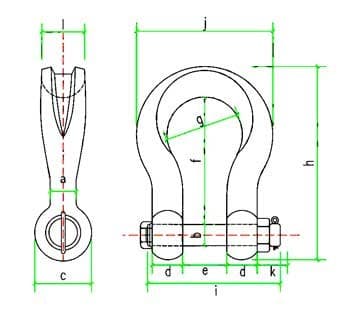
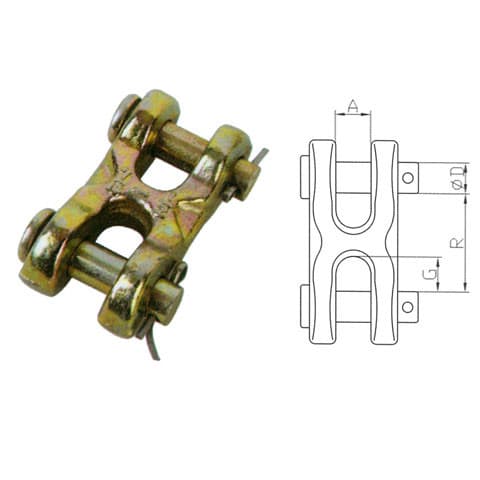
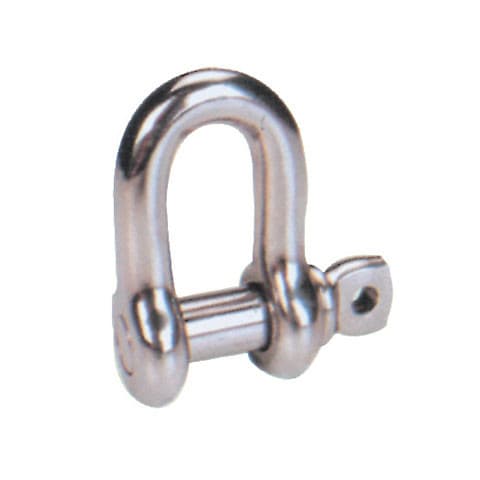
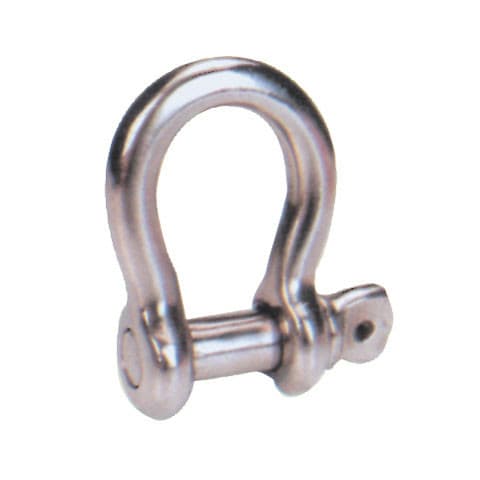
- A chain (dee) shackle is for a straight, in-line pull. An anchor (bow) shackle has a rounder body that accepts more than one sling or a pull at an angle to the pin. For a permanent or long-term installation choose a bolt-type shackle, whose nut and cotter pin cannot unscrew in service; a screw-pin shackle suits rigging that is made and broken often.
- 02What is the difference between WLL, SWL and breaking load?
- WLL — working load limit — is the most the manufacturer rates a part to carry in service. SWL, safe working load, is the older term and is sometimes set lower for a particular installation. The minimum breaking load is what the part withstood in test, several times its WLL, and it is never a working figure.
- 03Do the parts come with test certificates?
- Yes. Each consignment ships with the manufacturer's test certificate. If your site needs more — third-party certification or witnessed proof testing — say so on the RFQ and we will confirm what we can arrange.
- 04Which rigging hardware is not meant for overhead lifting?
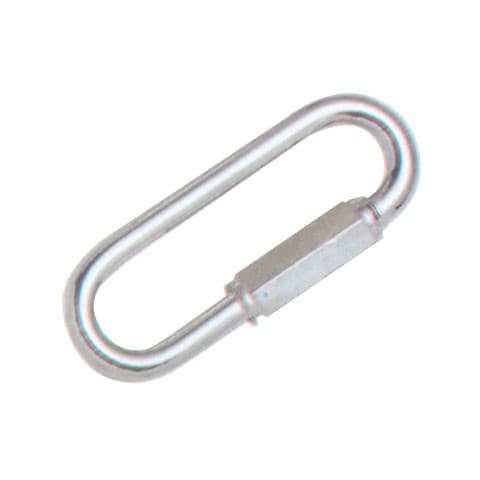
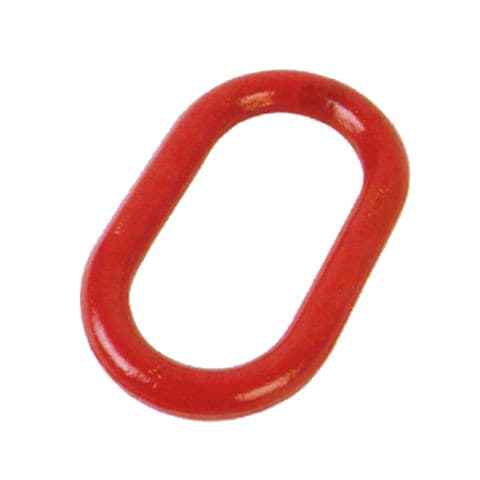
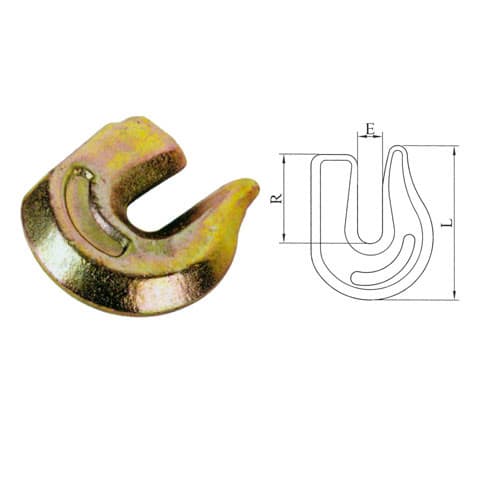
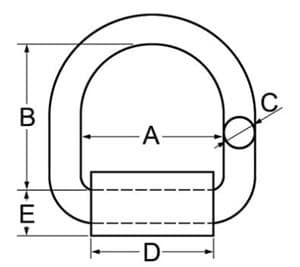
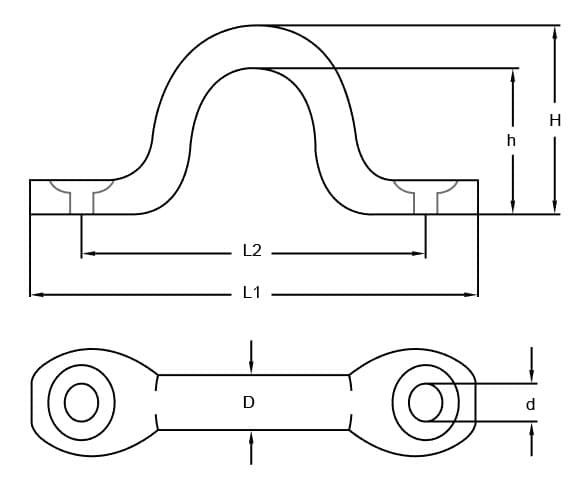
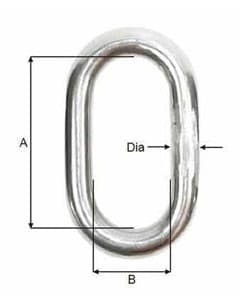
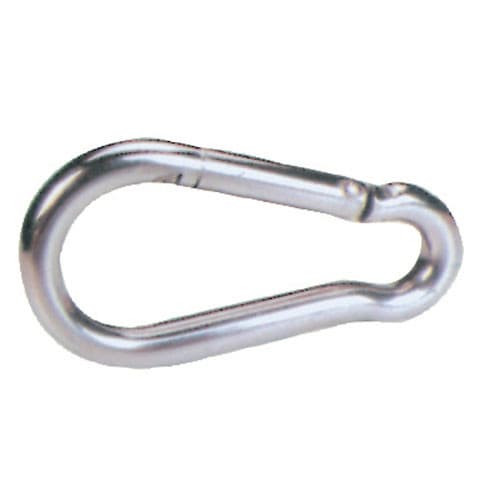
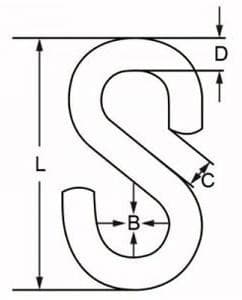
- Anything without a published working load limit for lifting. On this shelf that typically includes cold shut and repair links, S hooks, most snap hooks and quick links, lag screw and wire-turned eye bolts, DIN 444 swing bolts, strap staples and lashing D rings, and commercial-grade shackles. These are made for fencing, lashing, light connecting and general duty. If a product page gives no WLL, or gives a lashing capacity instead, treat the item as not rated for lifting and use a rated shackle, hook, master link or lifting point instead.
- 05Can I mix US-pattern and European-pattern fittings in one rig?
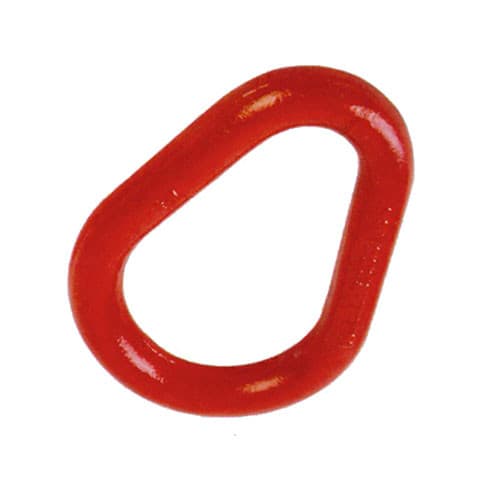
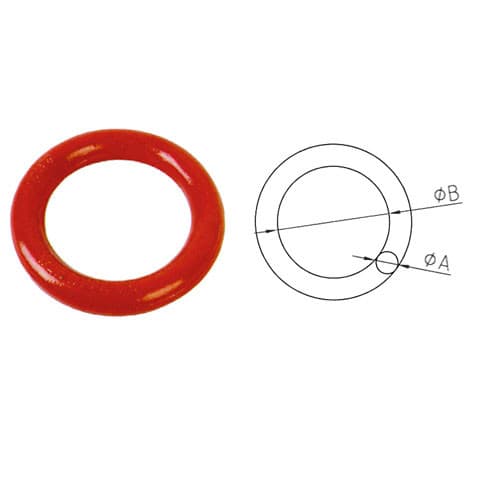
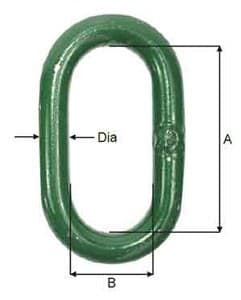
- Yes, provided every component is rated for the load it carries and the parts fit each other properly. Patterns differ in dimensions, so check the fit: a shackle pin must pass through a hook eye or lifting point without forcing, a master link must sit freely in the crane hook bowl, and no fitting should bear on another's tip or bind at an angle. The assembly is only as strong as its lowest-rated component, so rate the rig on that one, not on the heaviest part.
- 06Stainless, galvanised or alloy rigging hardware — which should I use?
- Choose on rating first, then on environment. Grade 8 alloy fittings carry the highest rating for their size and suit heavy lifting; galvanised carbon steel is the general choice outdoors; stainless suits splash zones, food plant and architectural rigging where rust staining is unacceptable. Do not assume a stainless or galvanised part has the same WLL as an alloy part of the same nominal size — ratings are set by each maker for each material, and the size table on the product page shows them as separate rows.