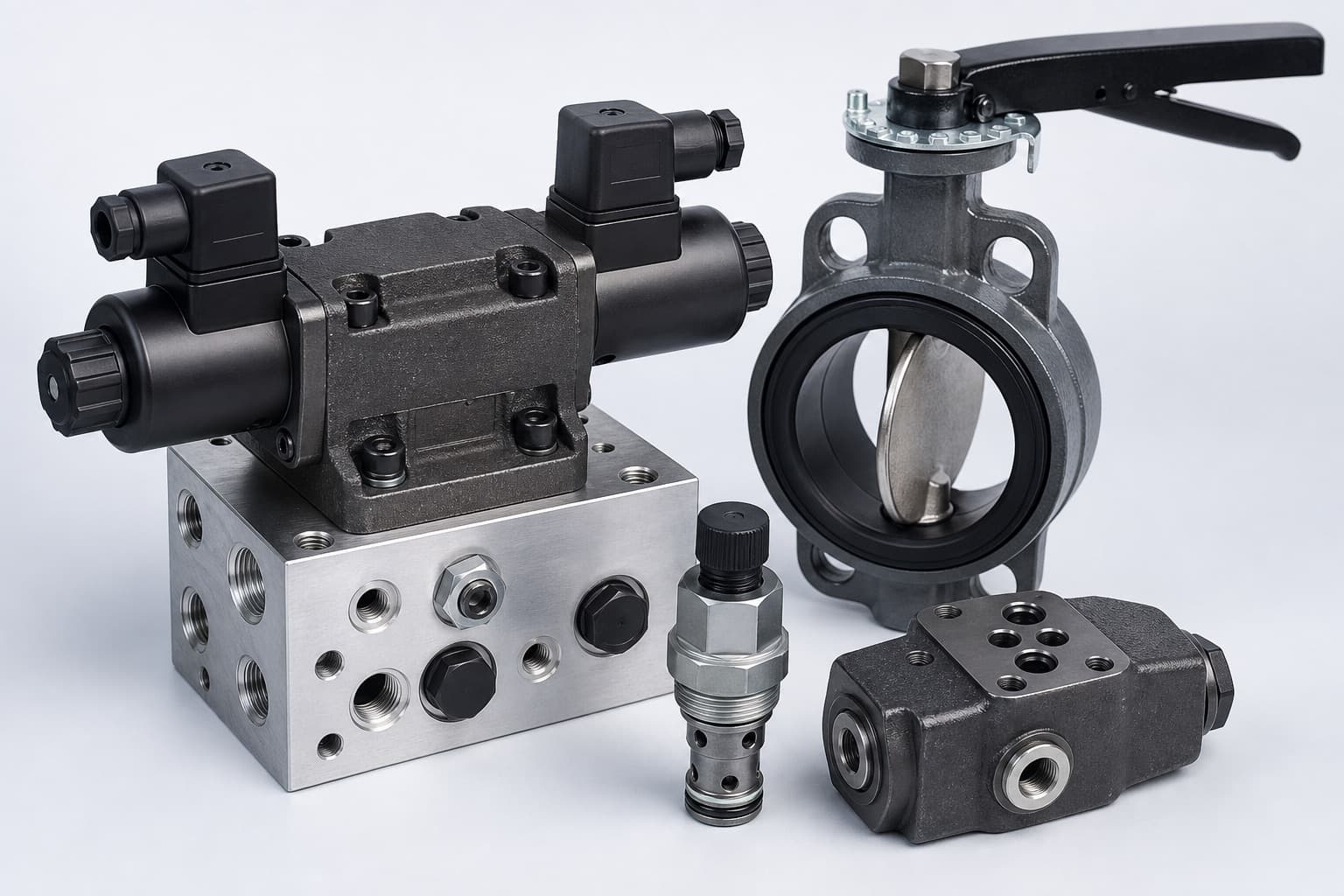
- 01What is the difference between DEMCO NE-C, NE-I, NE-D and NF-C butterfly valves?
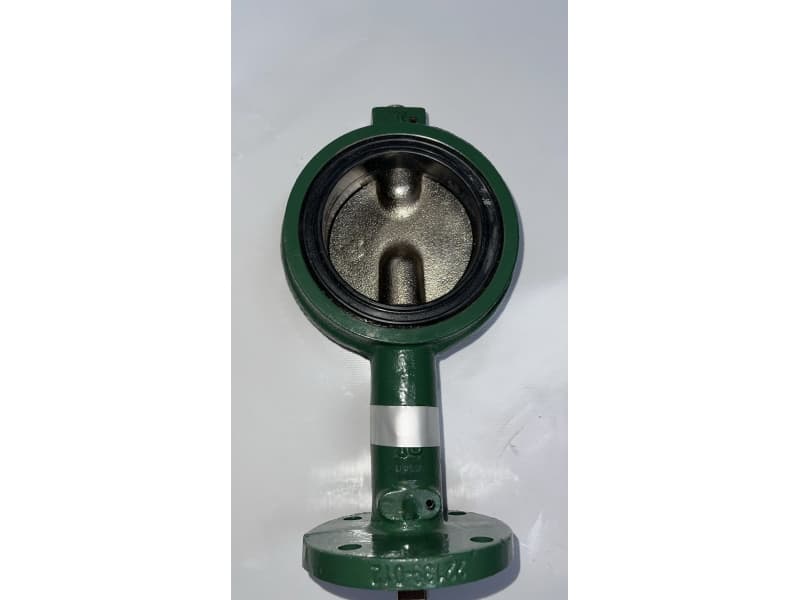
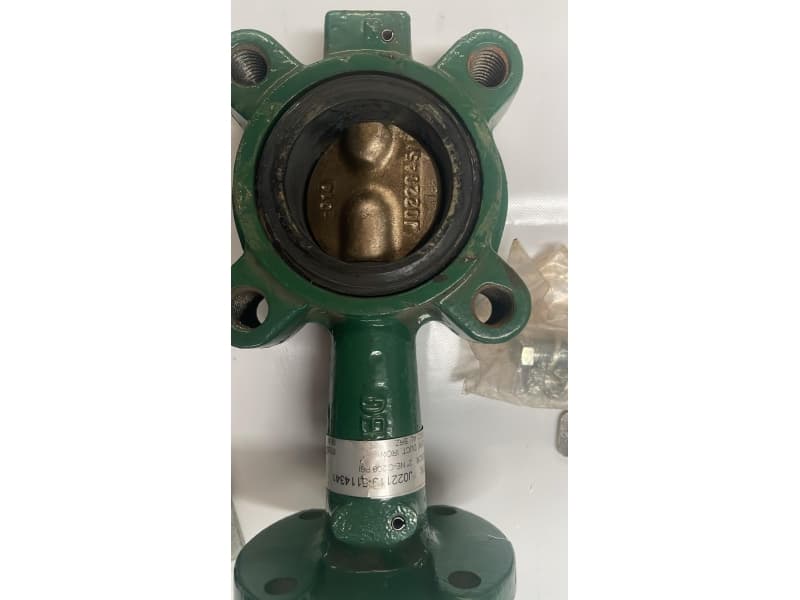
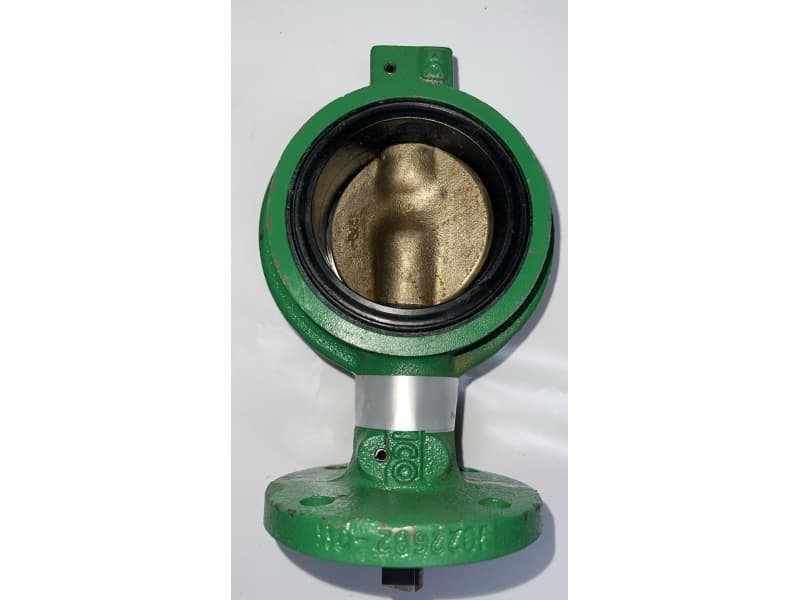
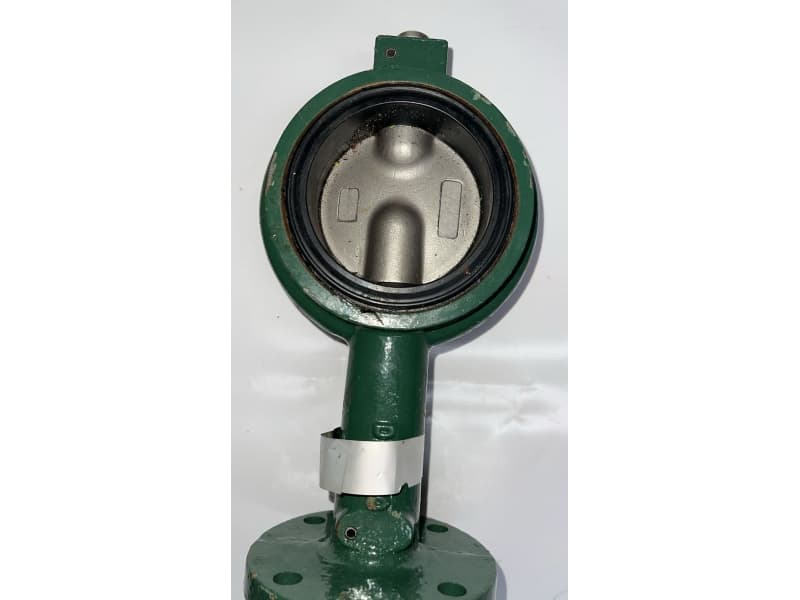
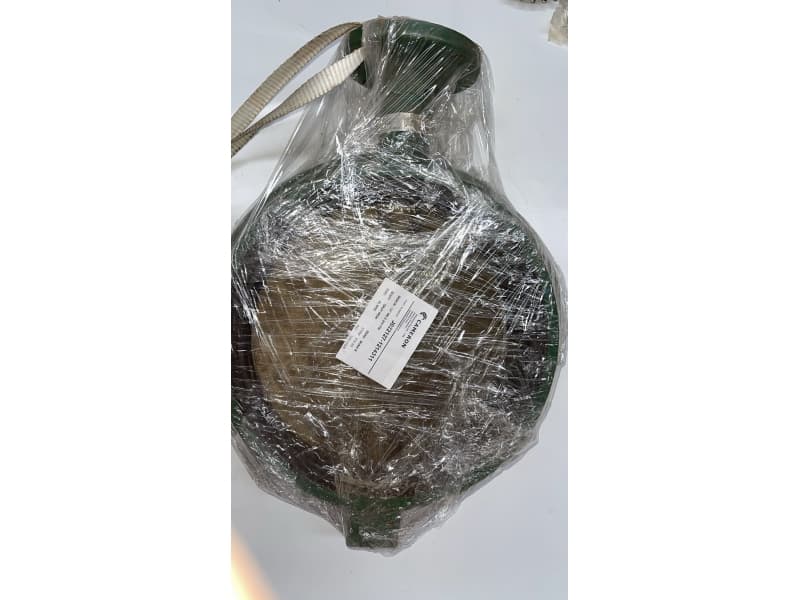
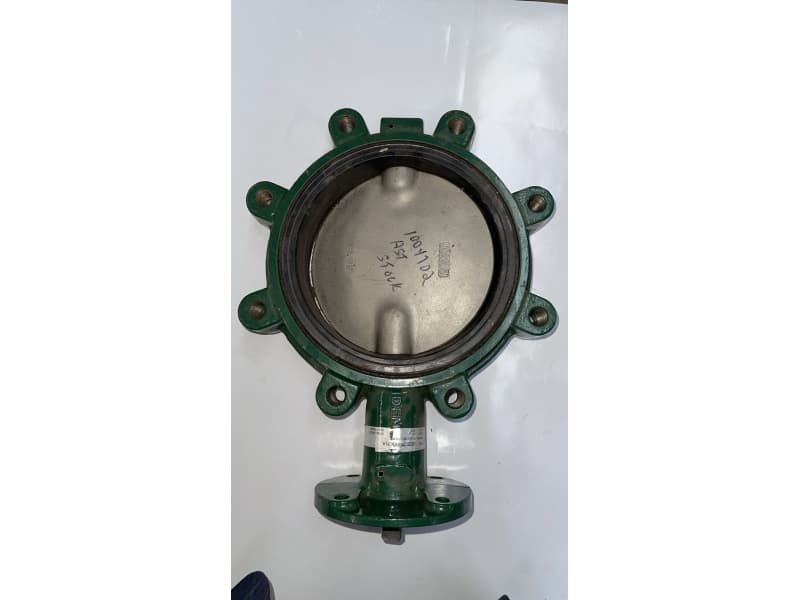
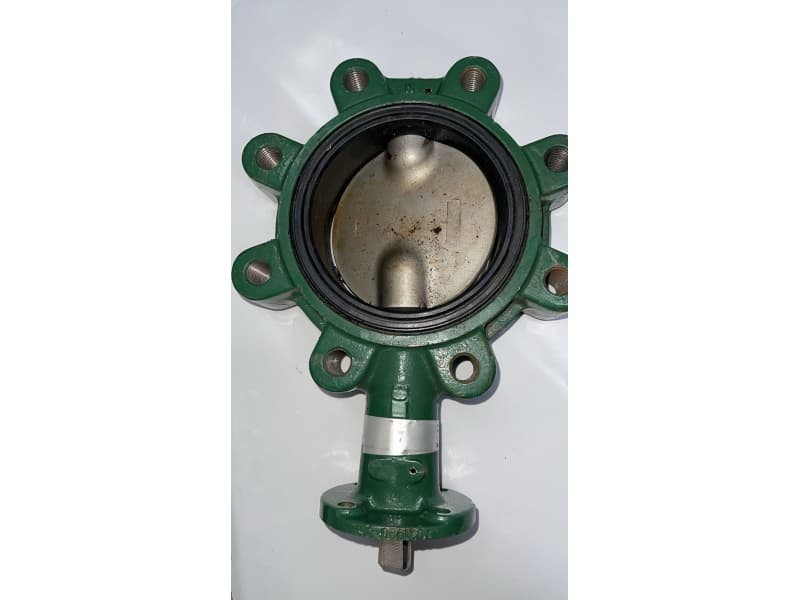
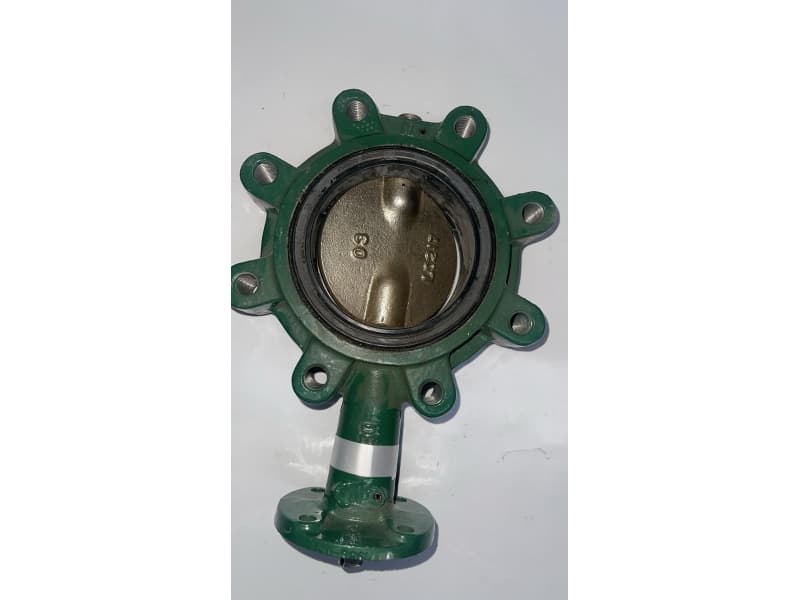
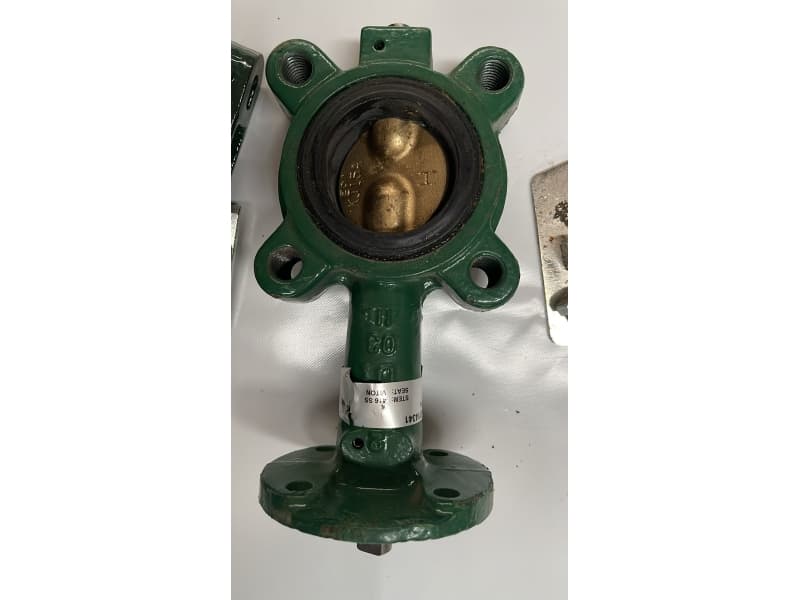
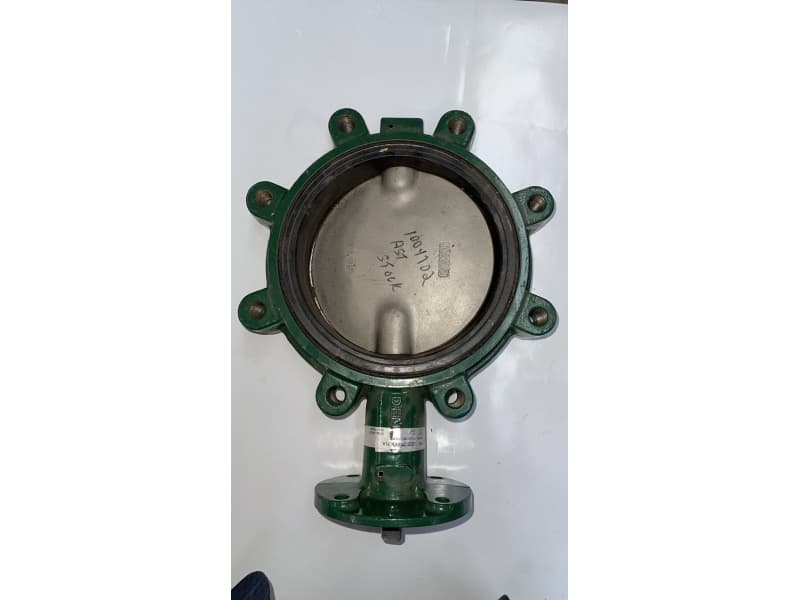
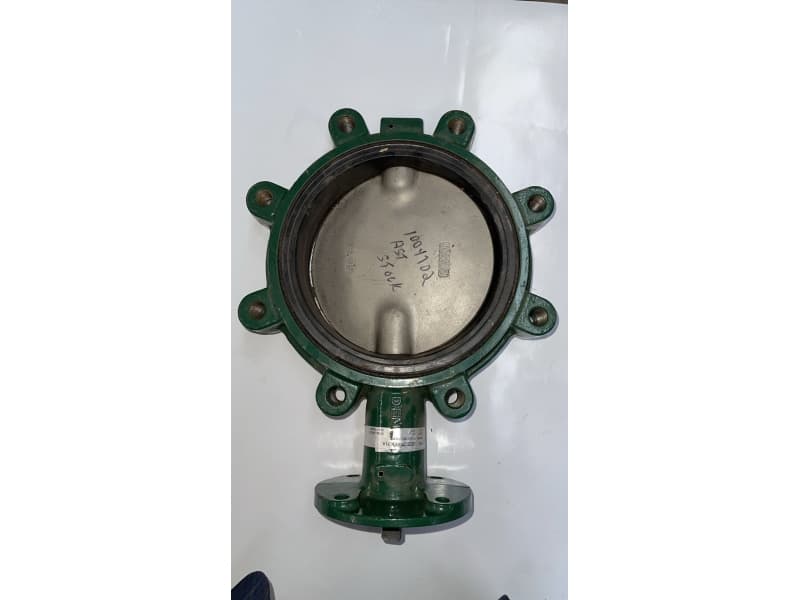
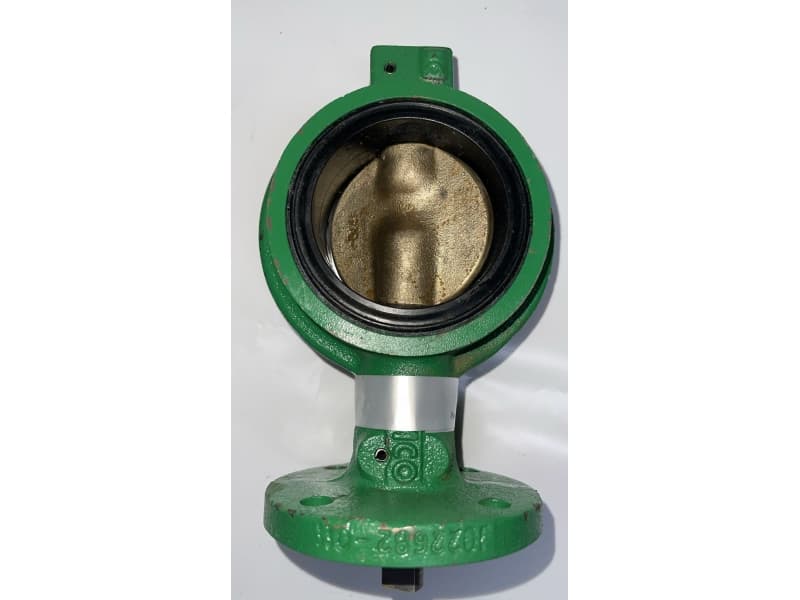
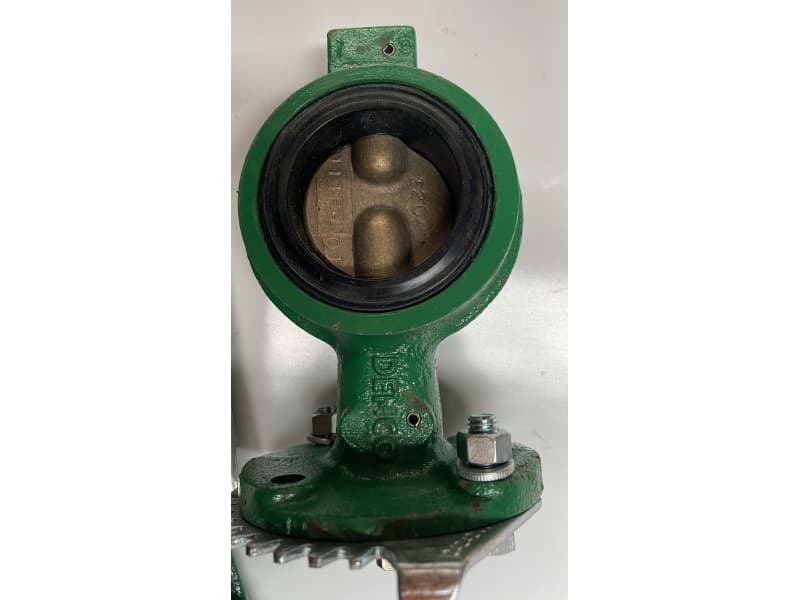
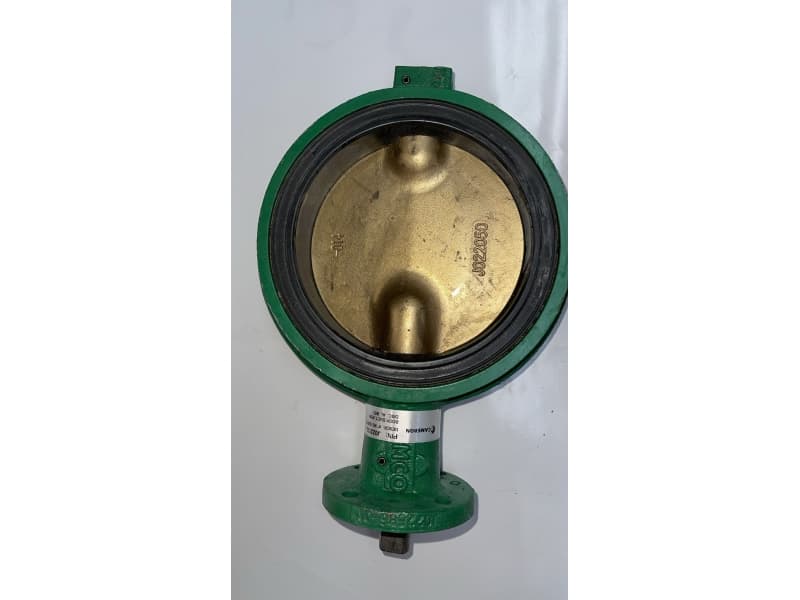
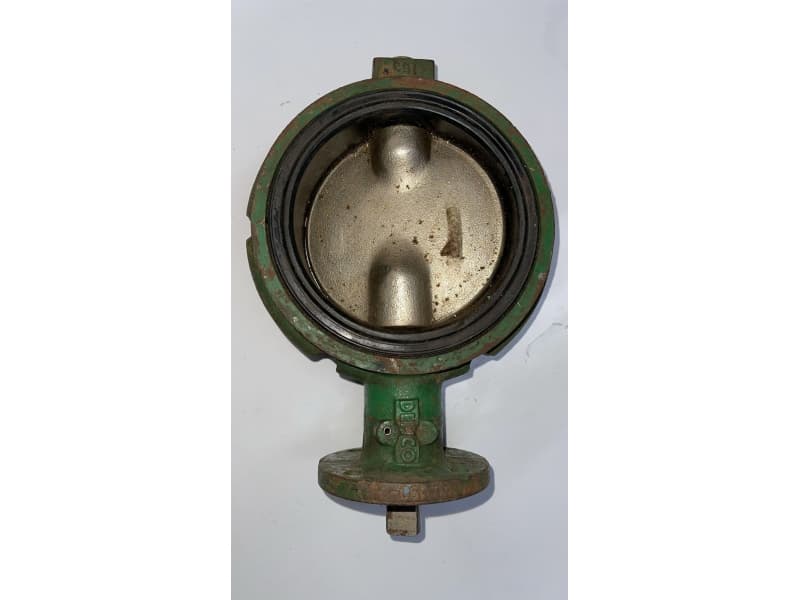
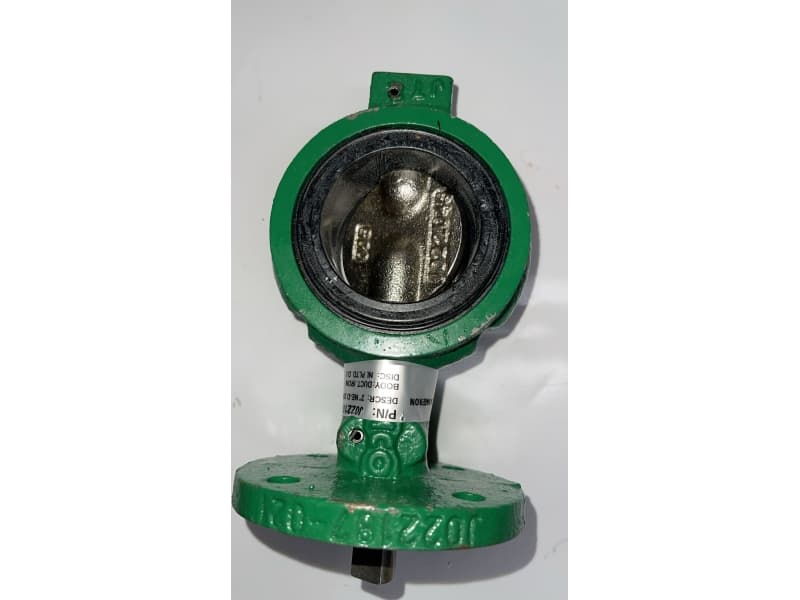
- Mainly the neck and the size range. NE-C has a long neck, so the operator sits clear of up to 2″ of pipe insulation on Class 150 flanges, and is cast in wafer and tapped-lug patterns; NF-C is the large-bore long-neck series for 14″ to 36″. NE-I has a short neck for 2″ to 12″ valves between Class 125/150 flanges, in a wide choice of body materials, and is the basis of the sanitary versions. NE-D is short-necked with notches in the body to fit common lightweight flange patterns used in bulk handling and transport.
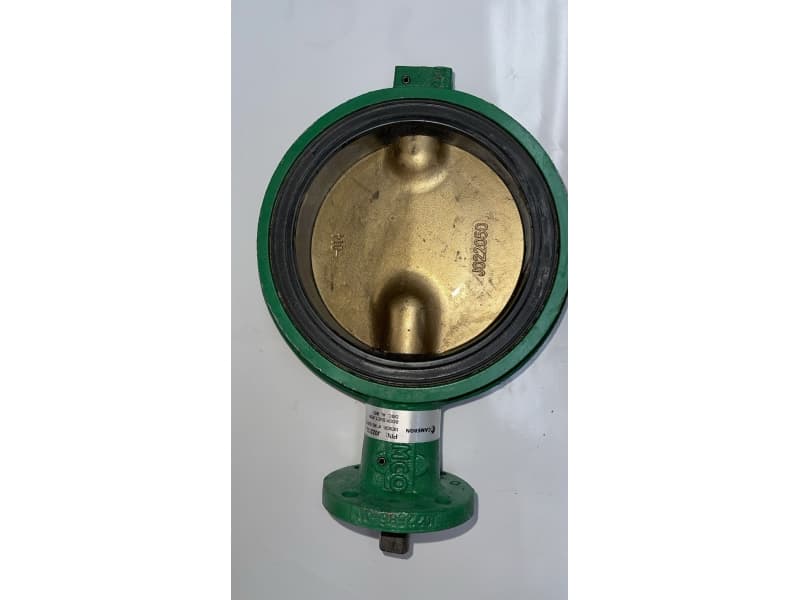
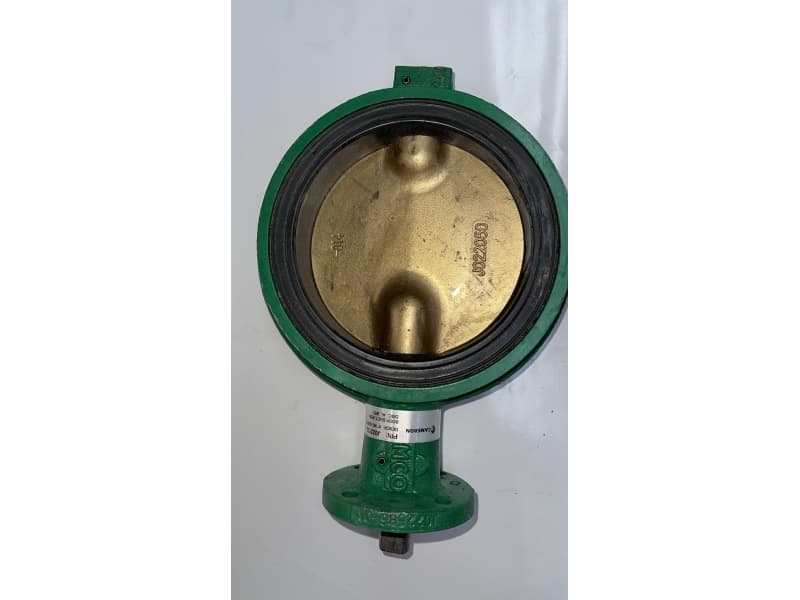
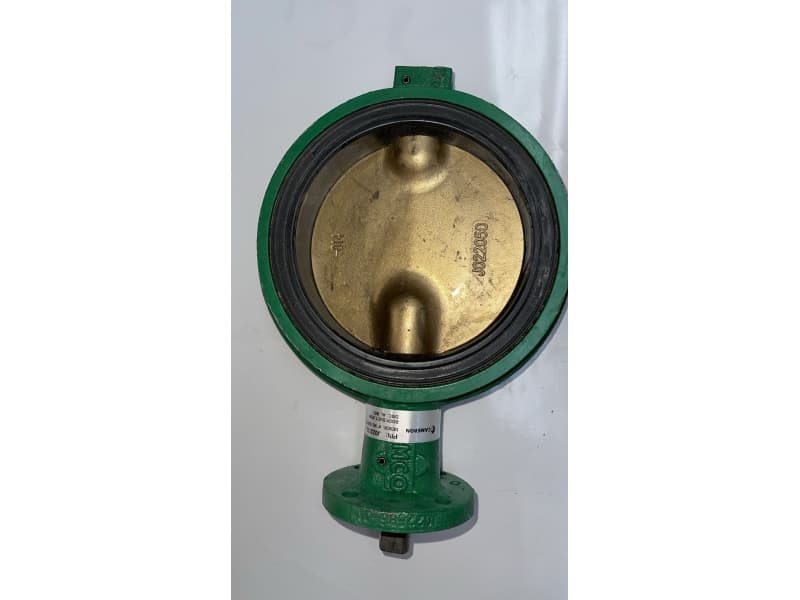
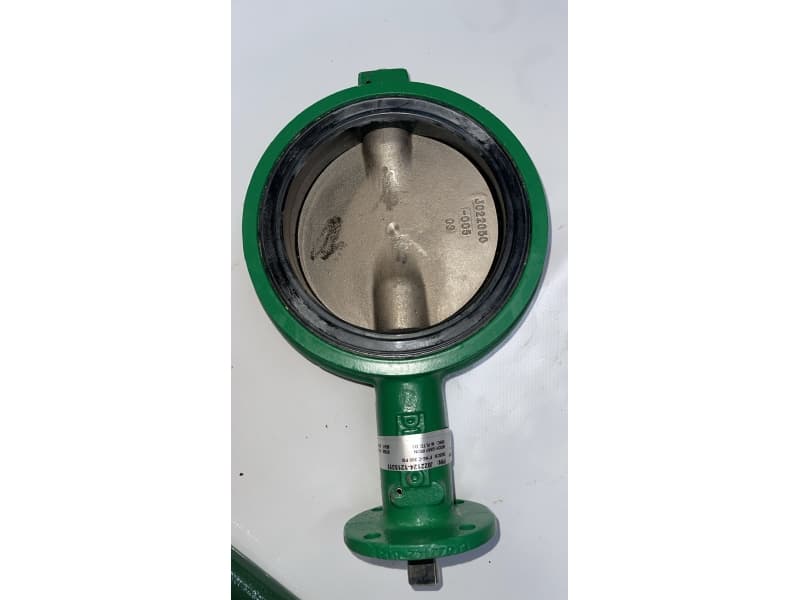
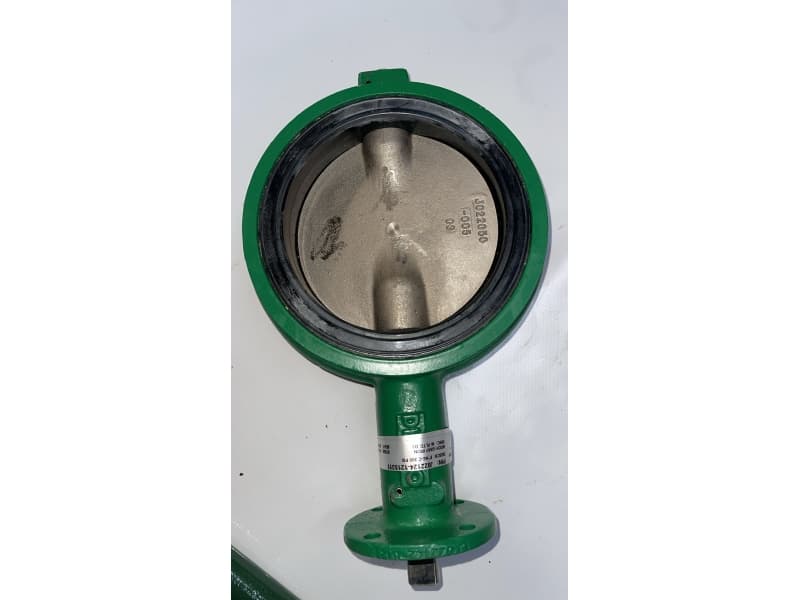
- 02How do I read a DEMCO butterfly part number such as J022122-1215311?
- The base number gives series and size: for 200 psi NE-C valves the last two digits run 19 for 2″ to 27 for 12″, so 22 is 4″. In the suffix, the first digit is body pattern (1 wafer, 5 lug), the second the body (1 ductile iron, 2 cast iron, 4 carbon steel), the third the stem (1 416 SS, 2 316 SS), the fourth the disc (2 316 SS, 3 Monel, 4 aluminium bronze, 5 nickel-plated ductile iron), then two digits for the seat (31 Buna-N, 34 Viton, 35 EPDM) and an operator code. Where the nameplate text and the code disagree, go by the nameplate.
- 03Which disc material should a DEMCO butterfly valve have?
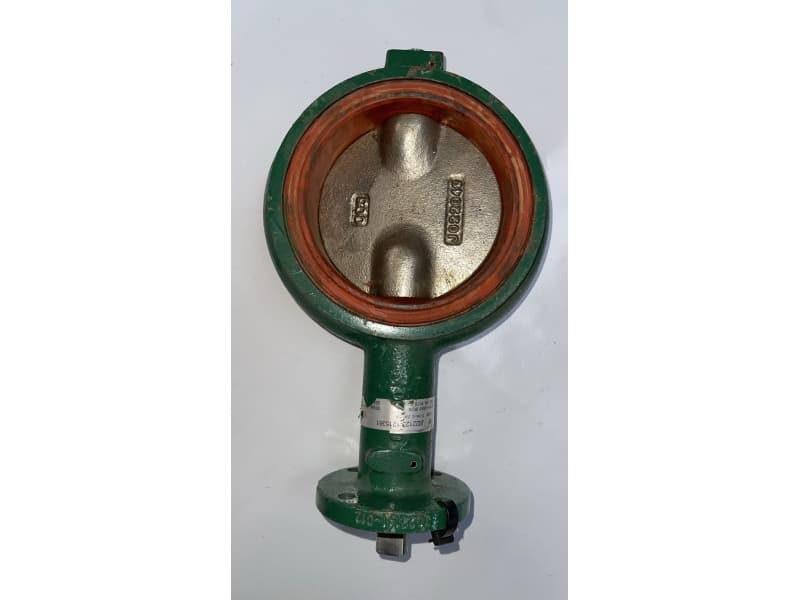
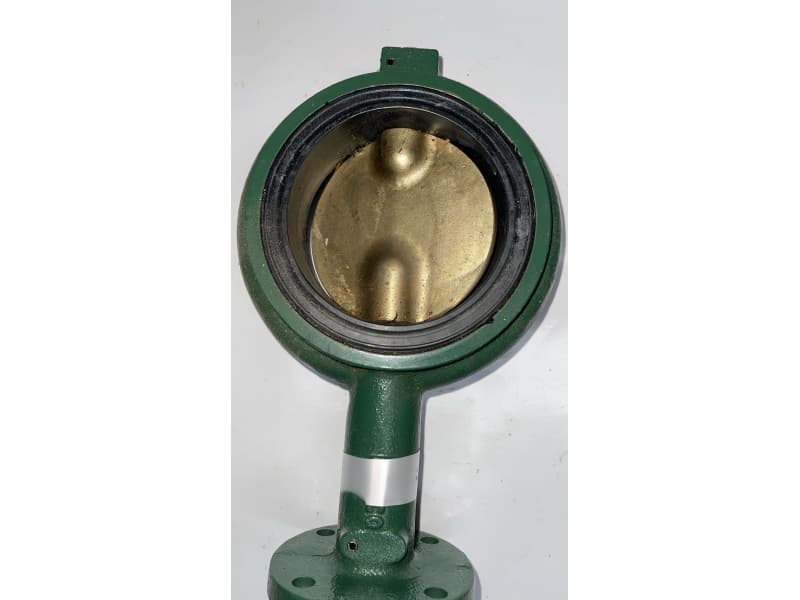
- Choose the disc by what the medium does to metal, as you choose the seat by what it does to rubber. Nickel-plated ductile iron is the economical disc for water, air and other non-corrosive service; aluminium bronze suits seawater and brackish water; 316 stainless steel suits food, beverage, many chemicals and corrosive water; Monel is used for seawater and some acids and chlorides where stainless pits. Tell us the medium, concentration and temperature and we confirm disc, seat and stem together.
- 04Double-acting or spring-return pneumatic actuator for a butterfly valve?
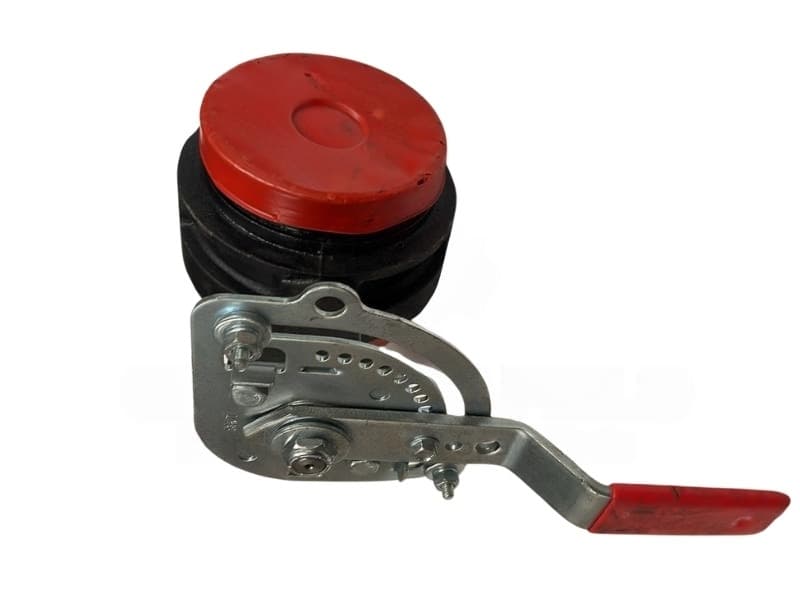
- Spring-return if the valve must go to a safe position when air or power is lost; double-acting if it should stay where it was. A DEMCO DR spring-return actuator drives open with air and closes on its springs, or the reverse, so it fails closed or open as specified; a double-acting actuator uses air to drive both ways, is smaller for the same torque and holds its last position on air failure. Size either for the valve's seating torque at the available air supply pressure, and add a solenoid valve, limit switches or positioner as the control system needs.
- 05Do DEMCO butterfly valves need flange gaskets, and how should they be installed?
- No separate flange gaskets are normally needed: the resilient seat extends over the body faces and seals against the flanges. Install the valve with the disc slightly open so the seat is not pinched, centre it, then tighten the flange bolts evenly in a cross pattern. Check that the disc clears the bore of the adjoining pipe, fittings and any lined or heavy-wall pipe as it swings open. Never weld flanges with the valve between them, and fully cycle the valve before pressurising.
- 06When should I choose a Victaulic grooved butterfly valve instead of a flanged one?
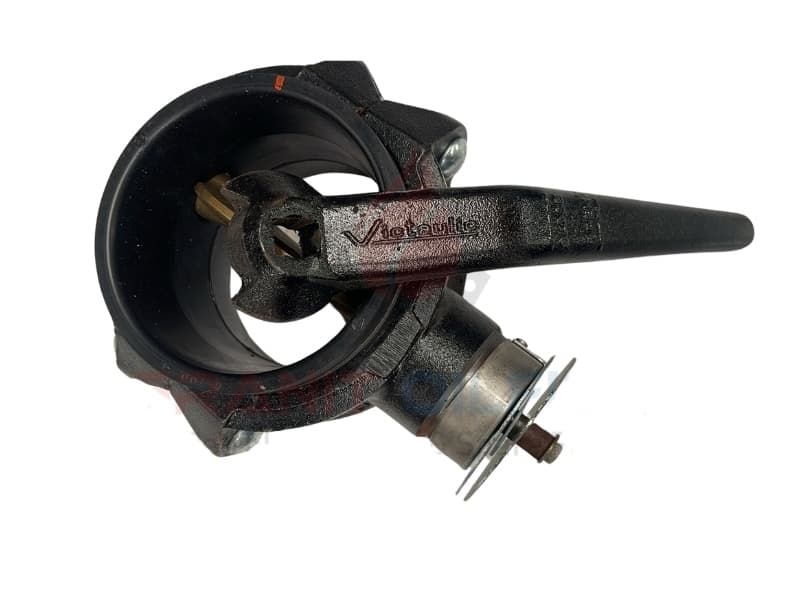
- When the line is grooved pipe, typically in fire protection, HVAC, water and mining service. A grooved valve such as Victaulic Series 700 joins the pipe with two couplings, so there are no flange bolts to tighten, it installs and removes quickly, and the coupling accepts some movement. It has to match the groove system of the pipe, so state the pipe outside diameter (3″ is 88.9 mm, 4″ is 114.3 mm) and groove type. In a flanged plant, a DEMCO wafer or lug valve avoids adding flange adaptors.