- 01What does a pneumatic muffler do?
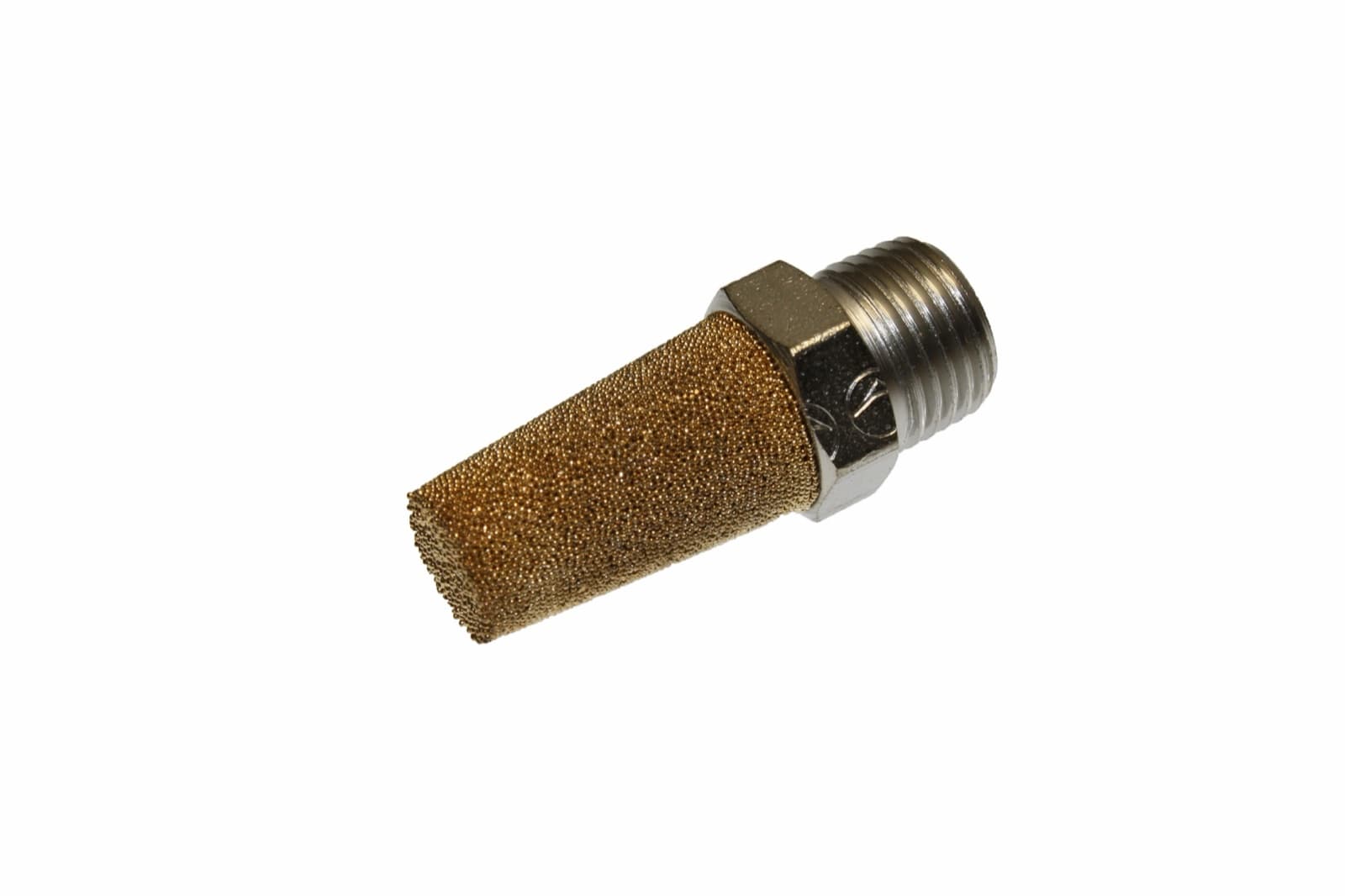
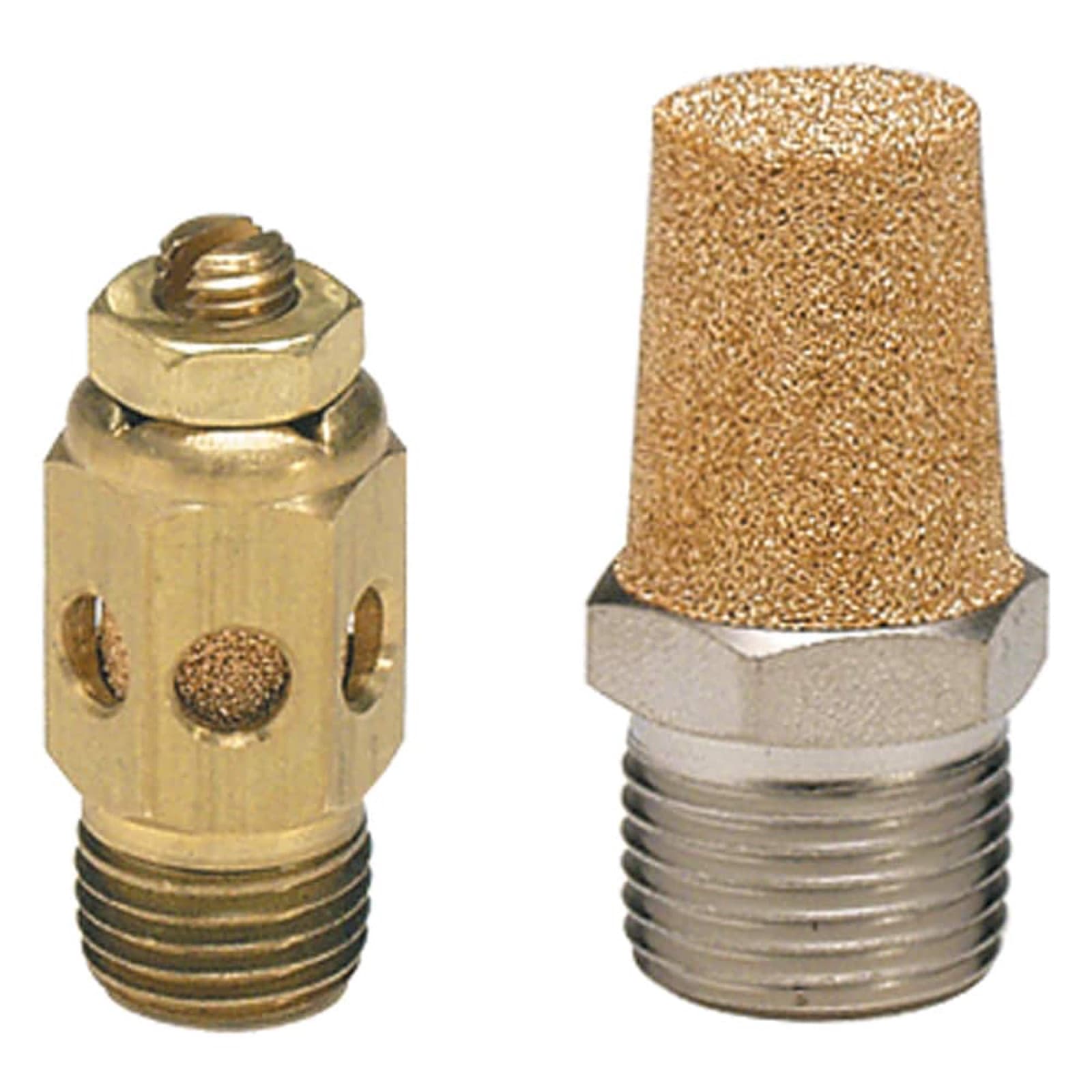
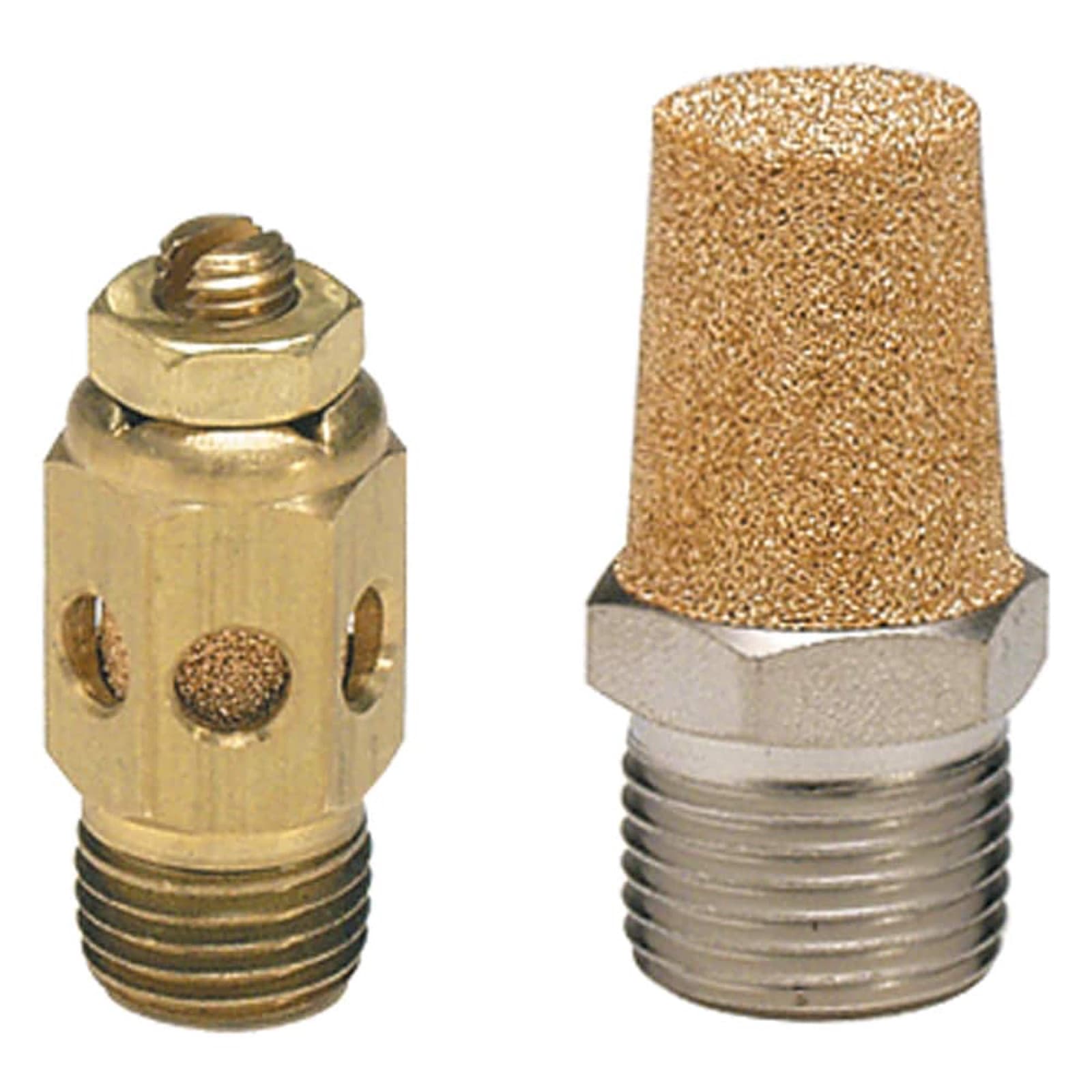
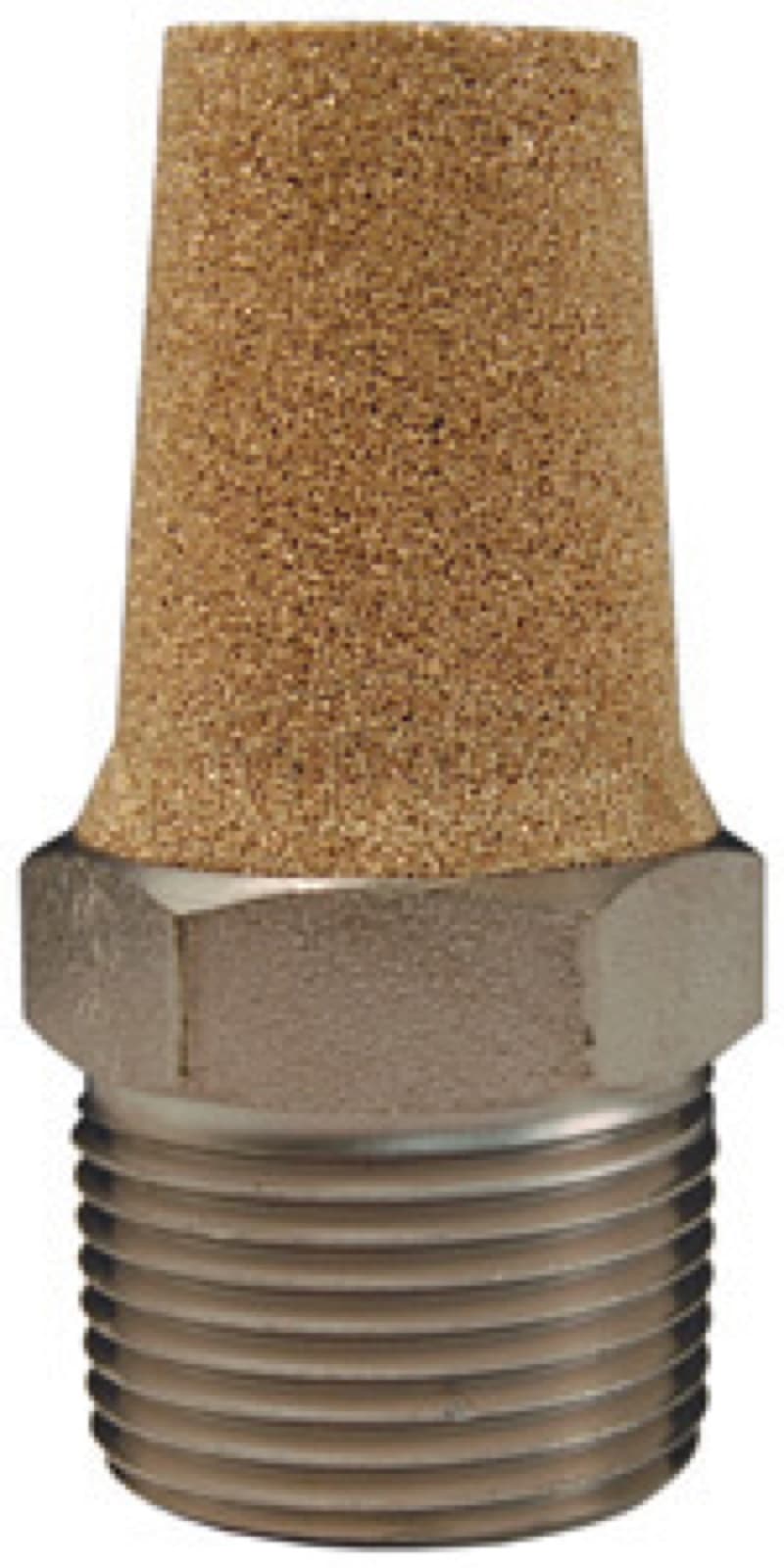
- It slows and spreads the air leaving a valve's exhaust port through a porous element, which cuts the noise of the exhaust blast. It also stops dirt getting into the valve through an open exhaust port. Fit one to every exhaust port that vents to atmosphere.
- 02Why did my cylinder slow down after a silencer was fitted?
- The silencer is too small for the exhaust flow or is clogged. Either one raises back pressure in the exhaust, which slows the stroke that exhausts through it. Fit a larger silencer, or clean or replace the clogged one; if the element is loaded with oil, the air upstream needs better filtration or less lubrication.
- 03What is a speed-control muffler?
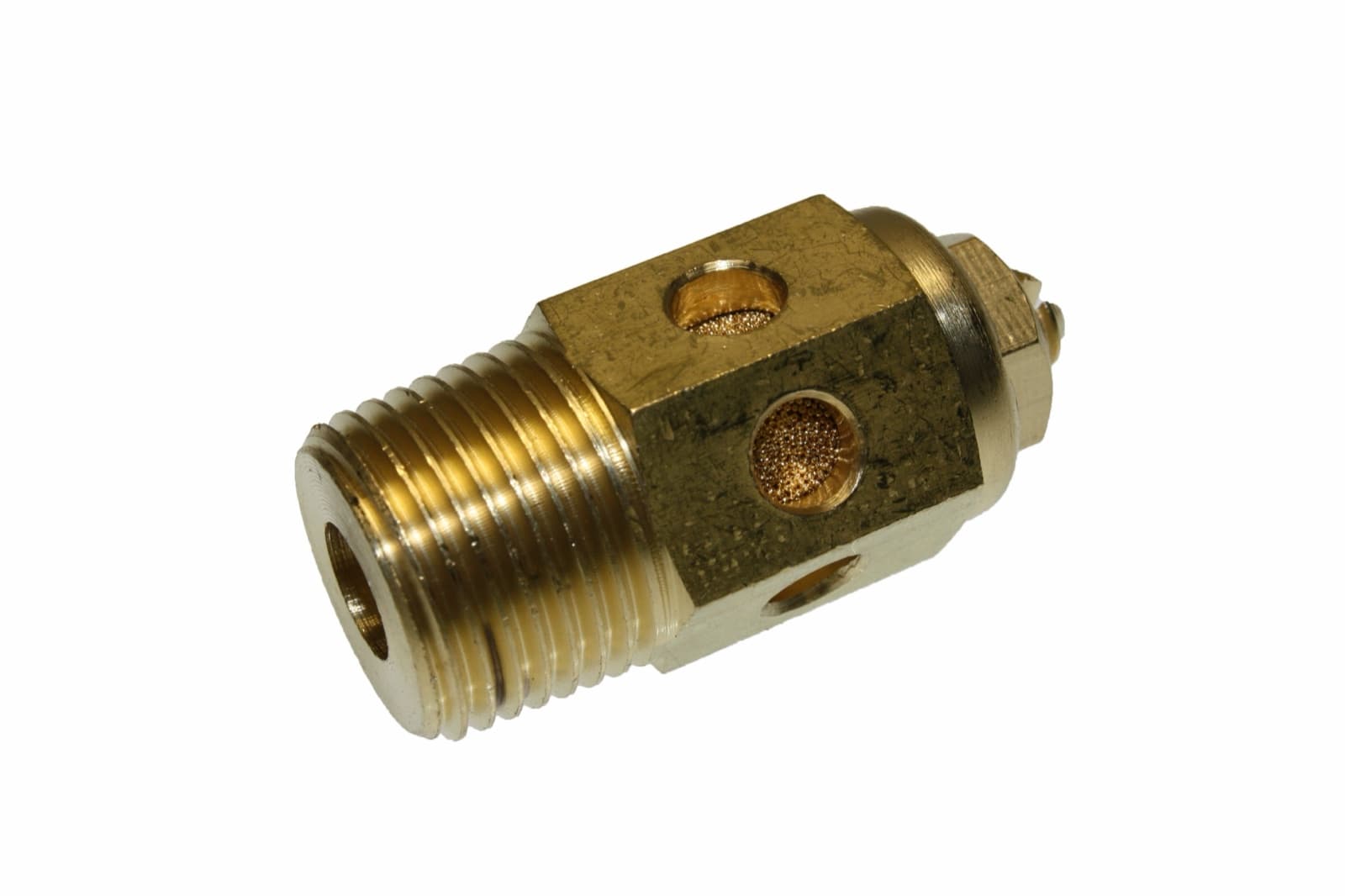
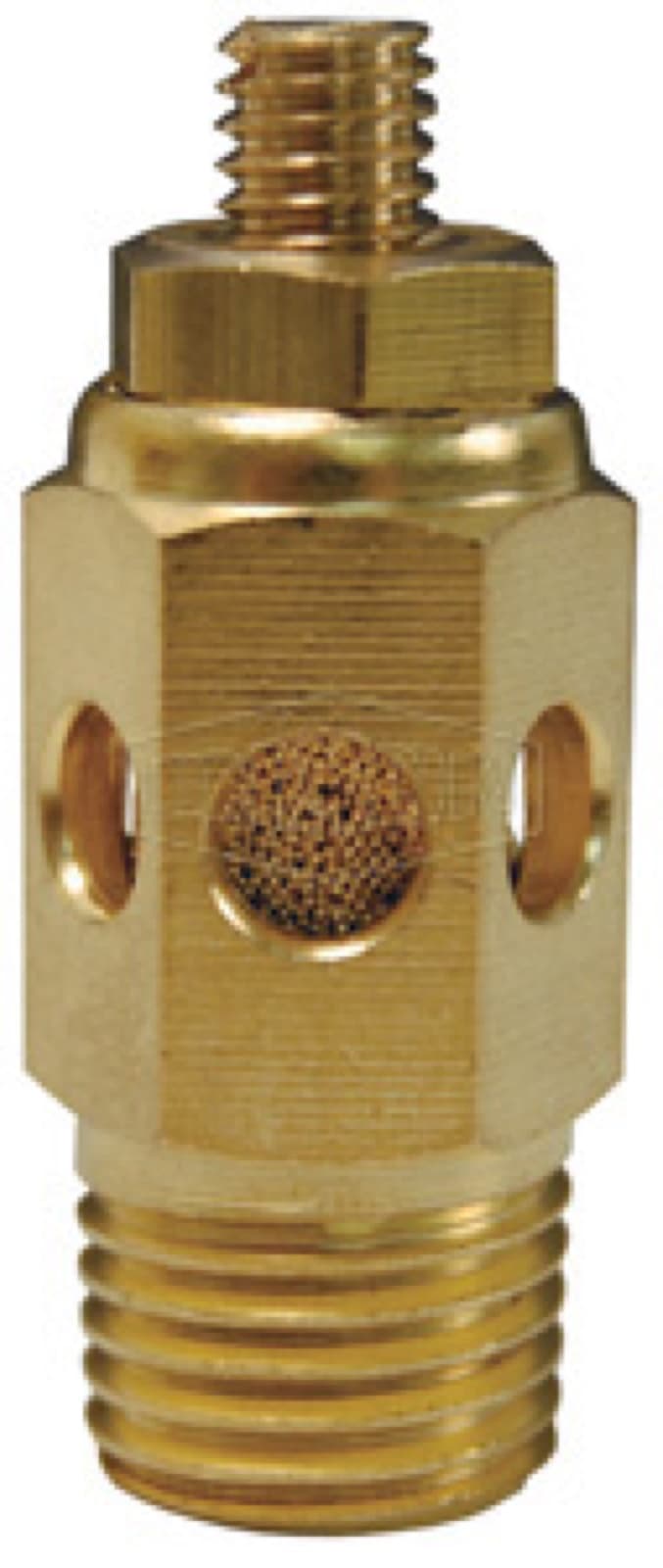
- A silencer with a built-in adjustable restrictor. Screwed into a valve's exhaust port, it meters the air leaving that side of the cylinder, giving meter-out speed control from the valve while also silencing it. The Dixon, Texas Pneumatic Tools and Parker EM muffler/flow controls on this shelf are of this type.
- 04Do I need an exhaust mist eliminator?
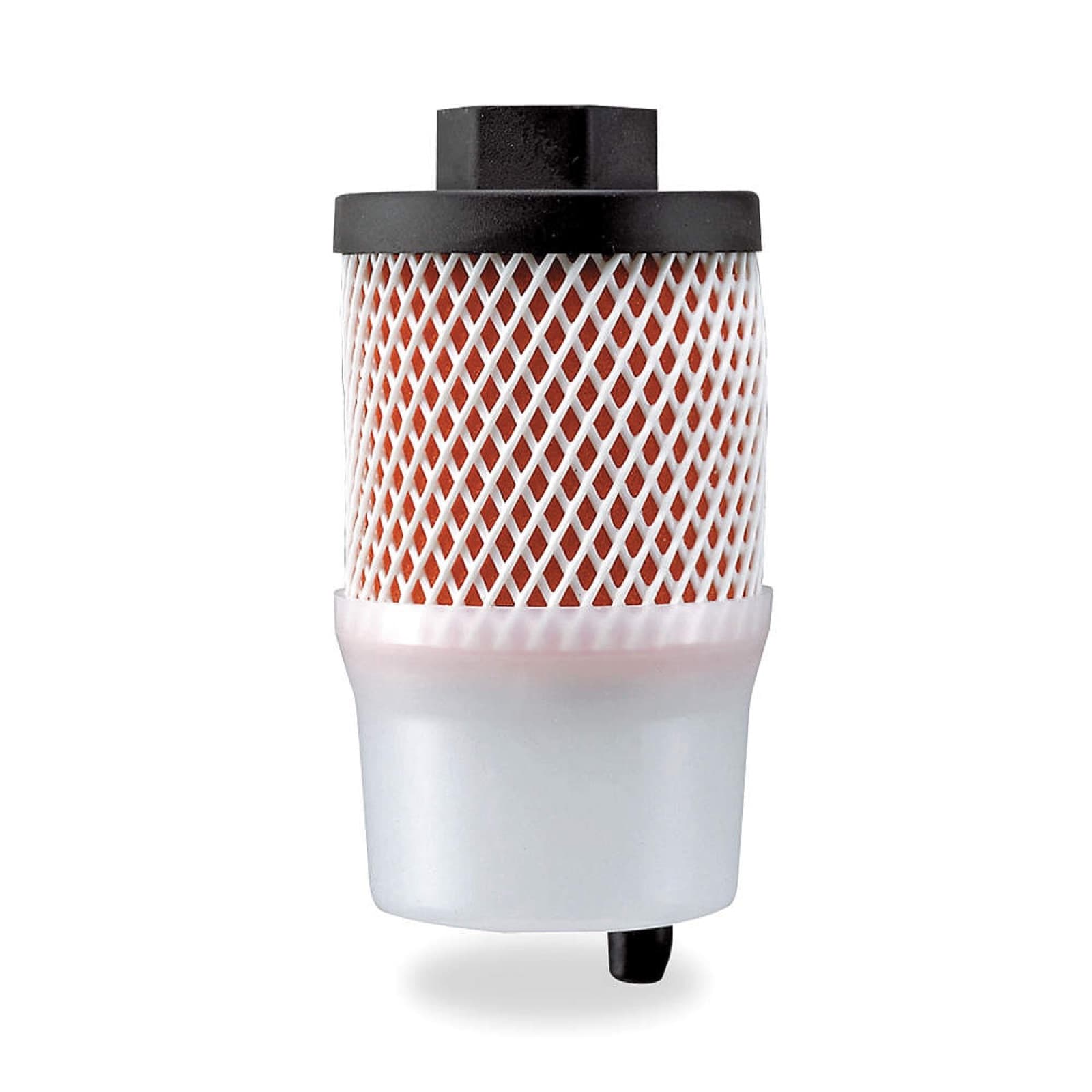
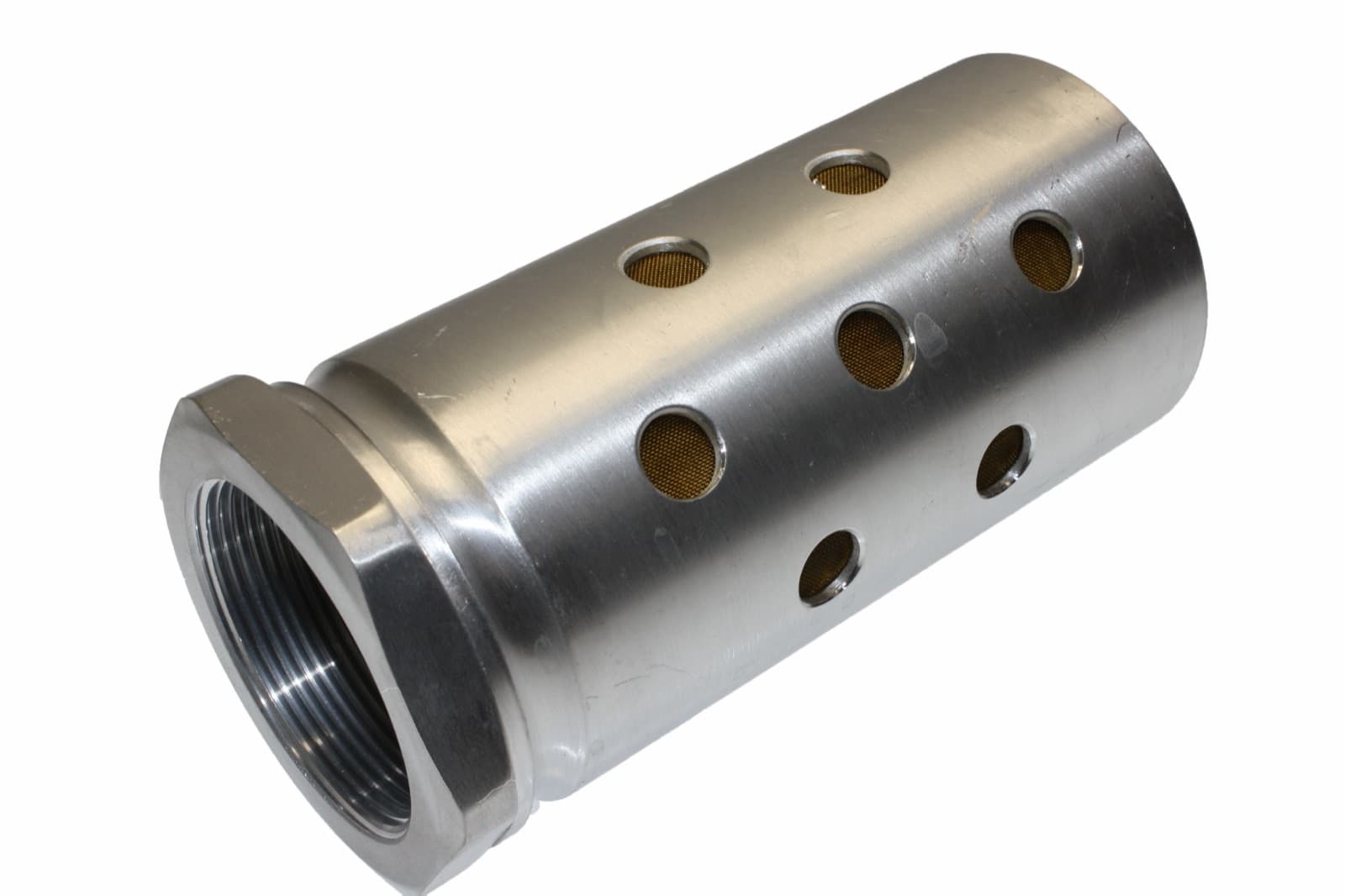
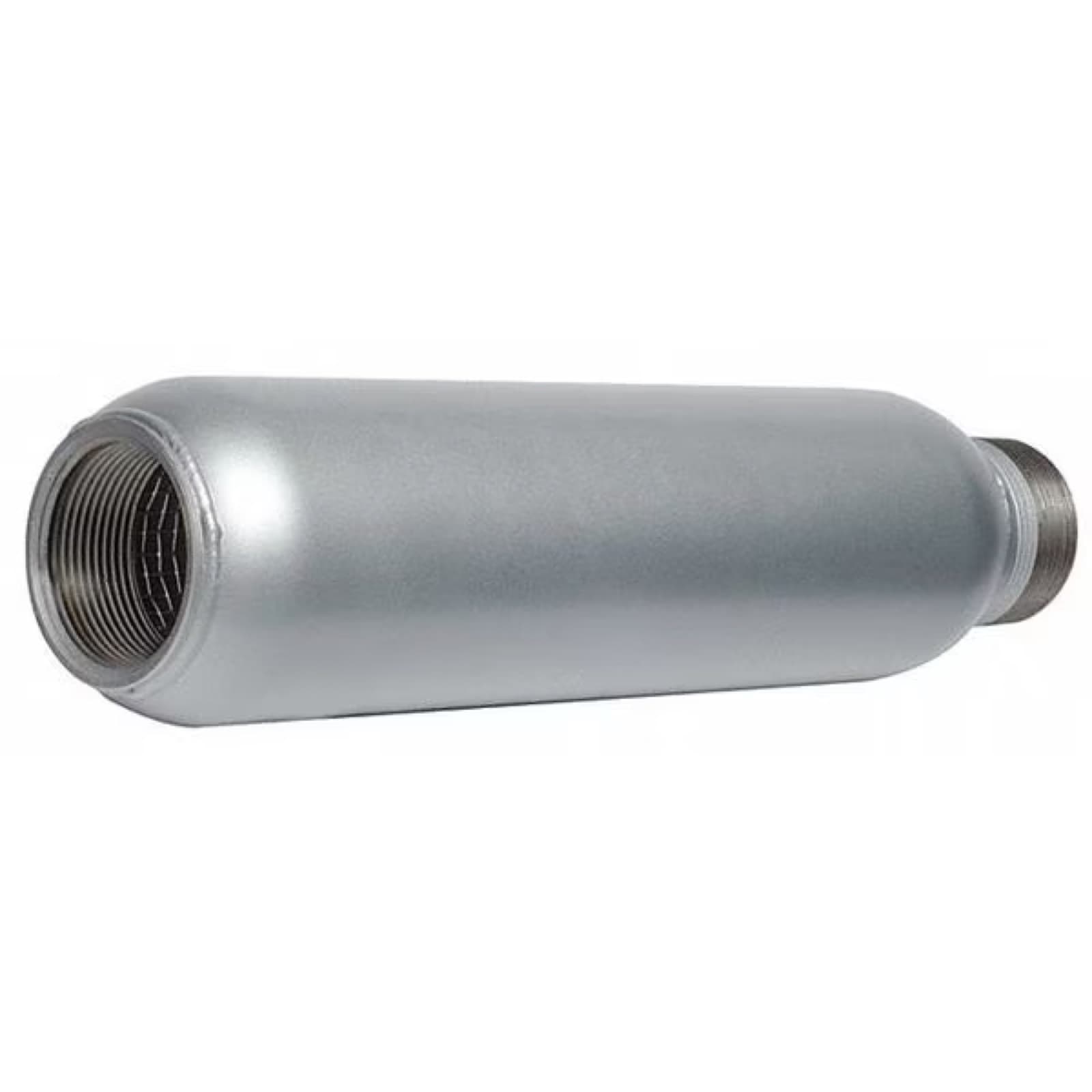
- Where the air is lubricated, the valve exhaust carries oil mist, which coats machines and floors and is breathed by people nearby. An exhaust mist eliminator, such as the Wilkerson XMC Series, silences the exhaust and catches that oil. On dry, unlubricated air an ordinary silencer is enough.
- 05Can a sintered bronze silencer be cleaned?
- Usually: wash it in a suitable solvent, blow it through from the inside out with clean air, and refit it. If flow is still restricted after cleaning, replace it; they are inexpensive next to the cost of a slow machine.
- 06What are the Transair parts on this shelf?
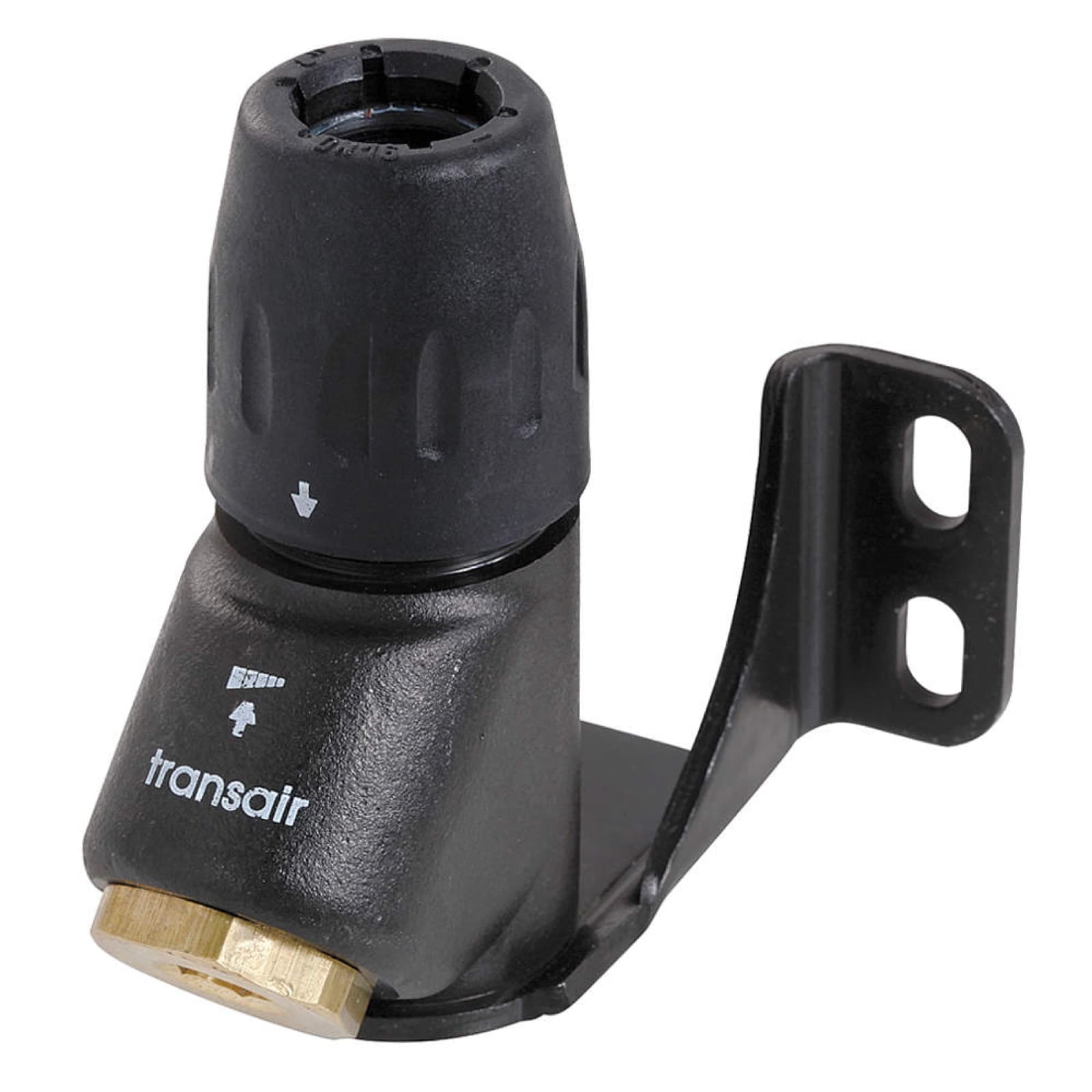
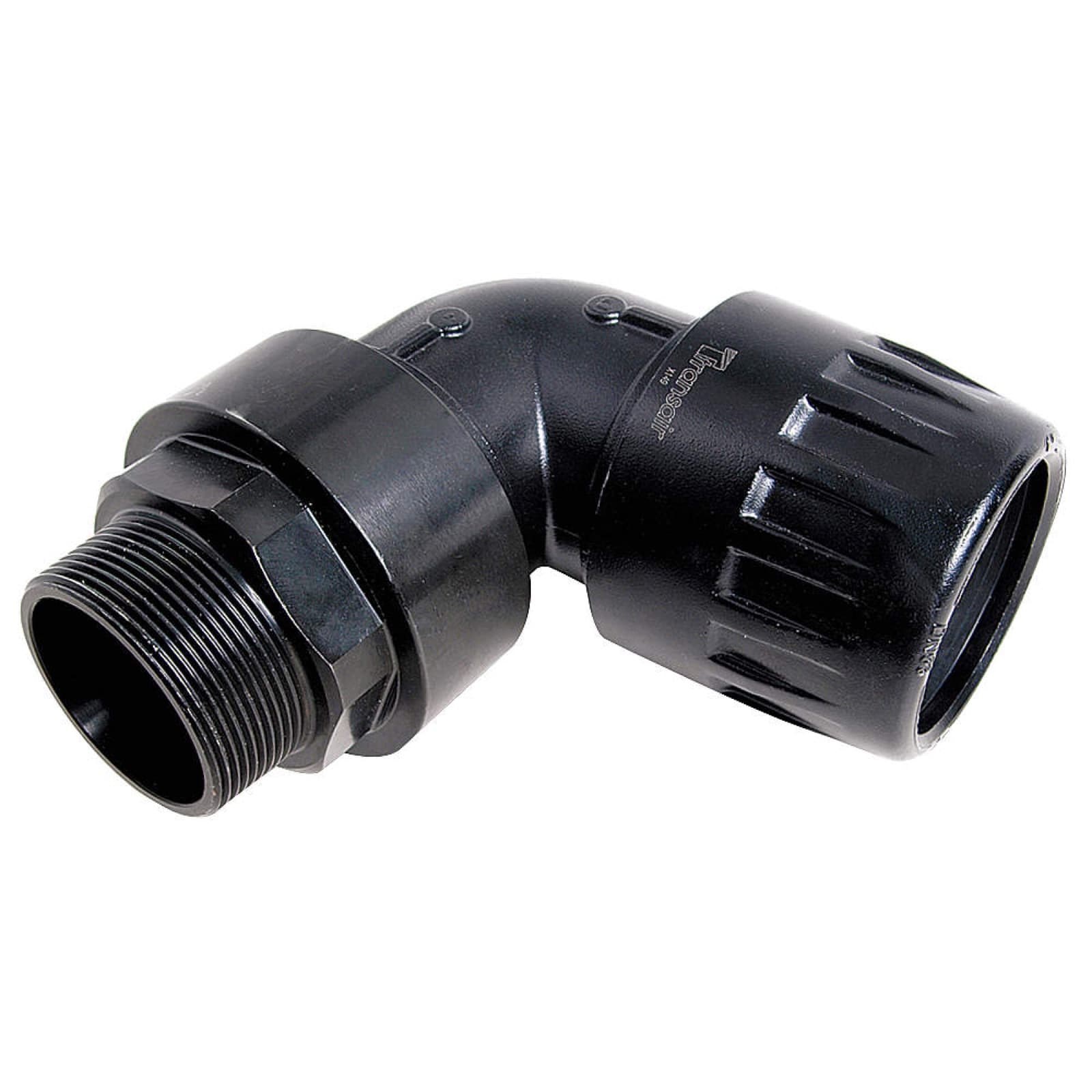
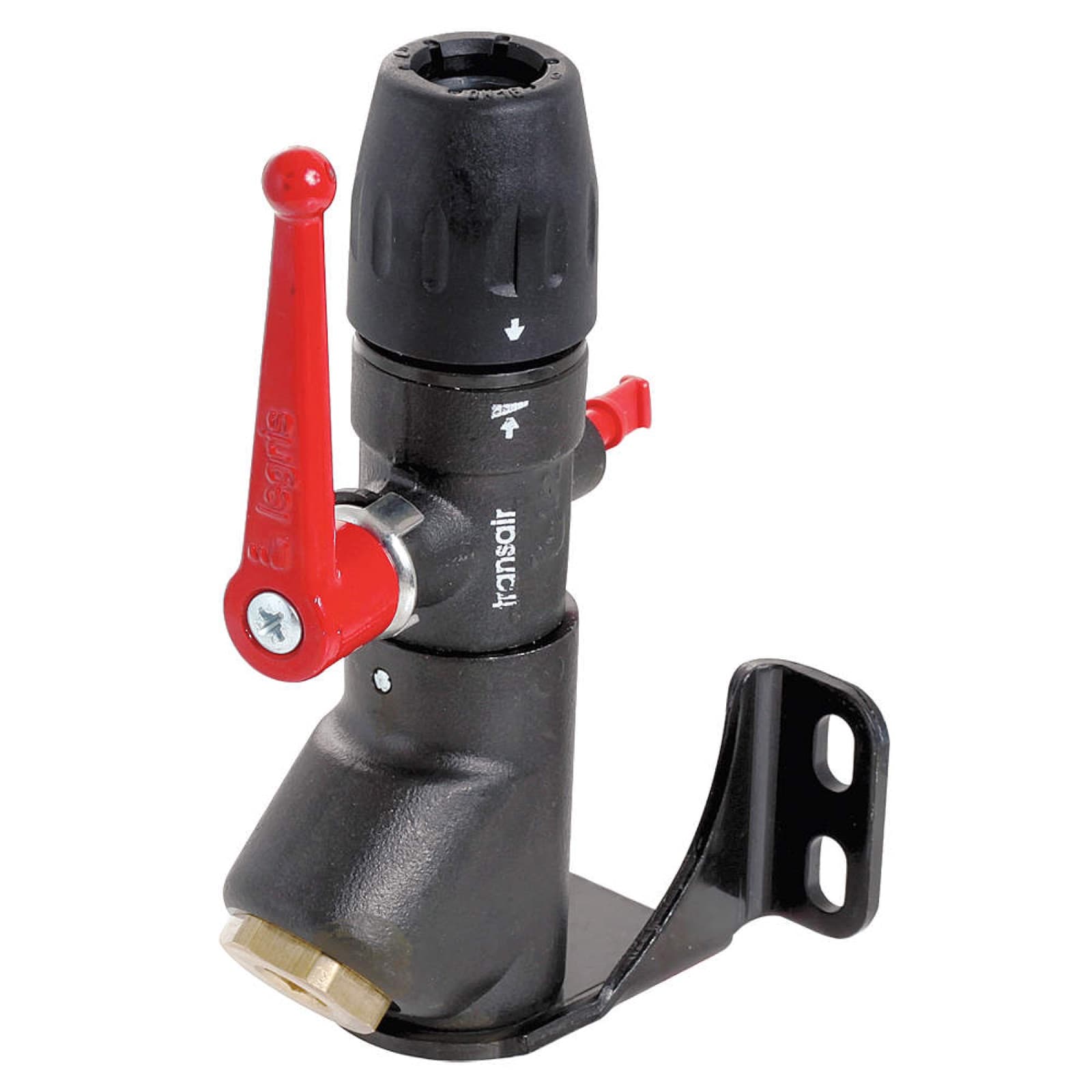
- Transair is Parker's aluminium pipe system for compressed air distribution. This shelf carries Transair ball valves, elbows and wall brackets; they fit Transair pipe of the matching outside diameter, so quote the pipe size with your enquiry.