
Category
Spiral Hose Crimp Fittings
Spiral hose crimp fittings are one-piece hose ends built on a heavier body for four-spiral-wire hydraulic hose, where the pressure and impulse loads exceed what braided hose carries. This shelf carries Indus Hydraulics fittings from Dubai for EN 856 4SP and SAE 100R12 hose, with BSP 60° cone, DIN light and heavy 24° cone, JIC 37°, ORFS, SAE 45° flare, NPT, SAE O-ring boss, JIS and Komatsu ends and SAE Code 61 and Code 62 flange heads, straight and in 45° and 90° elbows.
The heavier body for spiral hose
These fittings suit four- and six-spiral hose — EN 856 4SP and SAE 100R12 — where the wall is thicker and the impulse loads higher than braided hose can take. The port ends match the braided range: BSP 60° cone, DIN light and heavy 24° cone, JIC 37°, ORFS and more, straight and in 45° and 90° elbows.
Choose by identifying the port end and reading the hose layline. A braided-hose fitting will not hold on spiral hose: the two ranges share port ends, not tails.
EN 856 and the connection standards
The tails are made for EN 856 spiral hose and SAE 100R12. The port ends follow their connection standards: 24° cone to ISO 8434-1, 37° flare to SAE J514, O-ring face seal to SAE J1453 and BSP to ISO 228-1.
Size range
Every size above is a part number you can quote from. Open any listing for its full table.
Delivery
Spiral Hose Crimp Fittings across the Gulf
Ex-stock from Dubai, delivered within 3 working days in the UAE.
Hose and fittings are the bulk of what leaves this warehouse, and they travel well: a crated batch of assemblies with its crimp records, or a box of adapters on an airway bill. Buyers outside the UAE usually order to a measured list rather than to a part number, because a hose is defined by its ends, its length and its route rather than by a code. Send those and we will quote against them.
Beyond the Gulf
- South-East Asia
- Singapore, Brunei, Timor-Leste
- North Africa
- Egypt, Tunisia, Mauritania
- East Africa
- Kenya, Djibouti, Madagascar
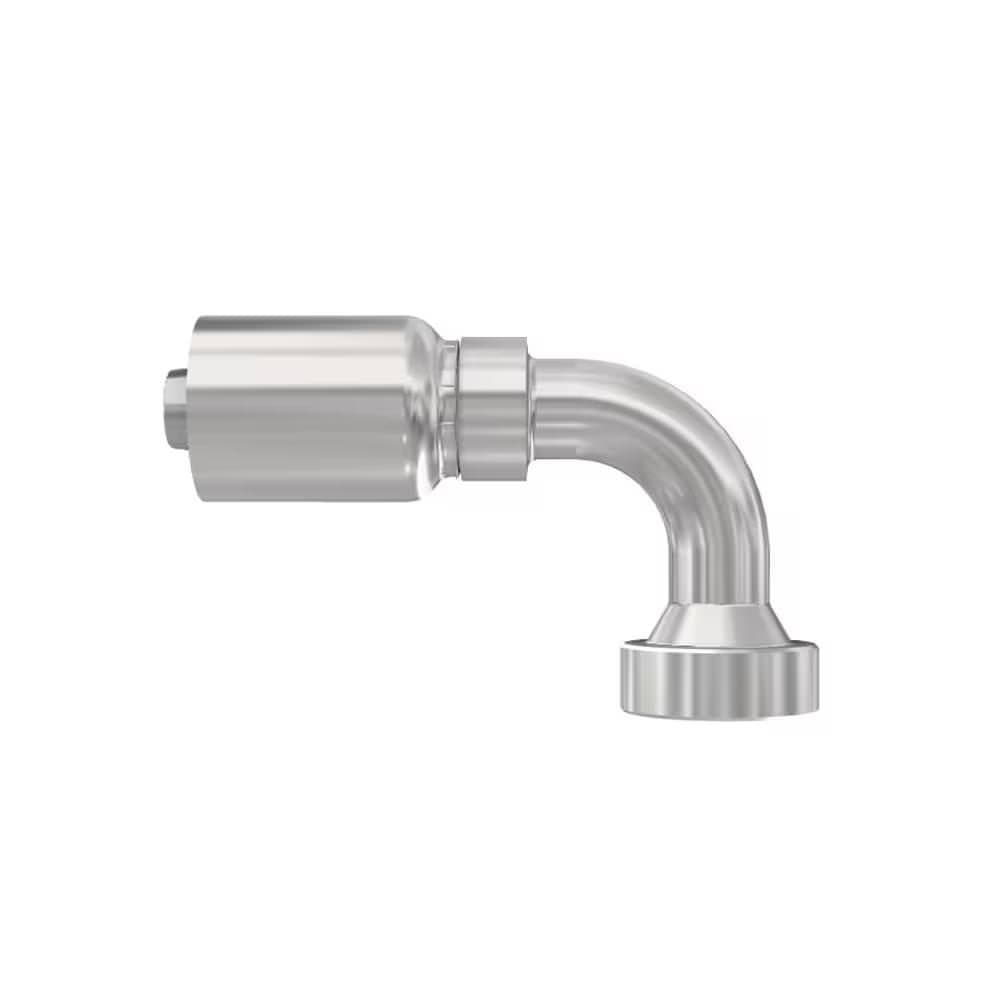
Parker 1XN77 Caterpillar® Flange Head Crimp Fitting, 90° Elbow (77 Series)
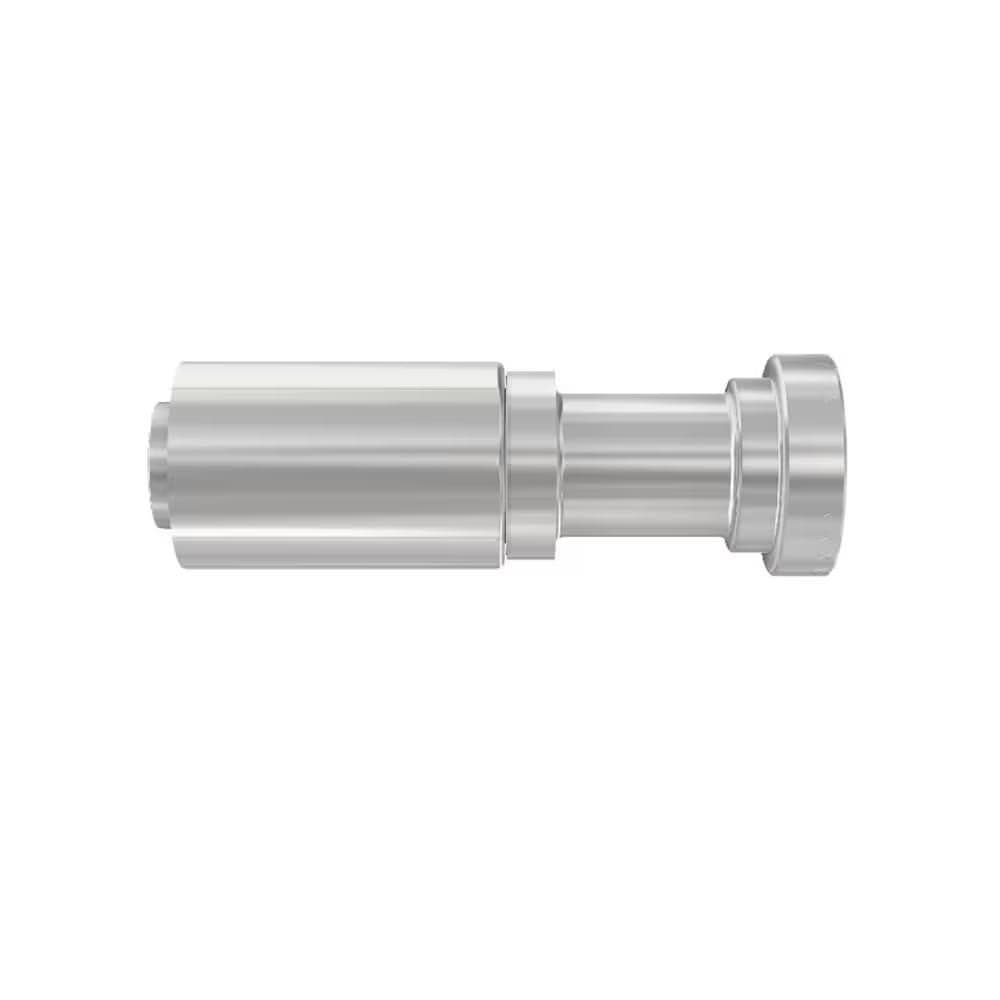
Parker 1XA77 Caterpillar® Flange Head Crimp Fitting, Straight (77 Series)
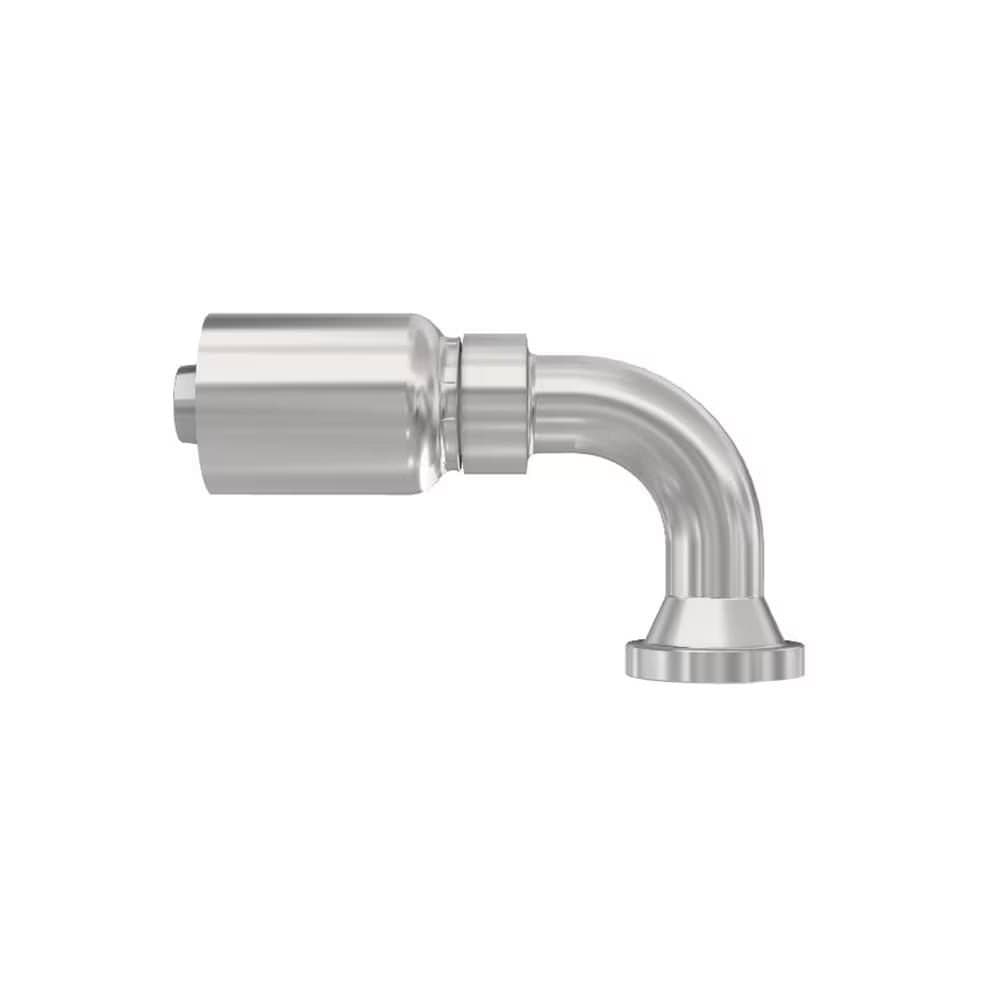
Parker 1K977 Komatsu® Flange Head Crimp Fitting, 90° Elbow (77 Series)
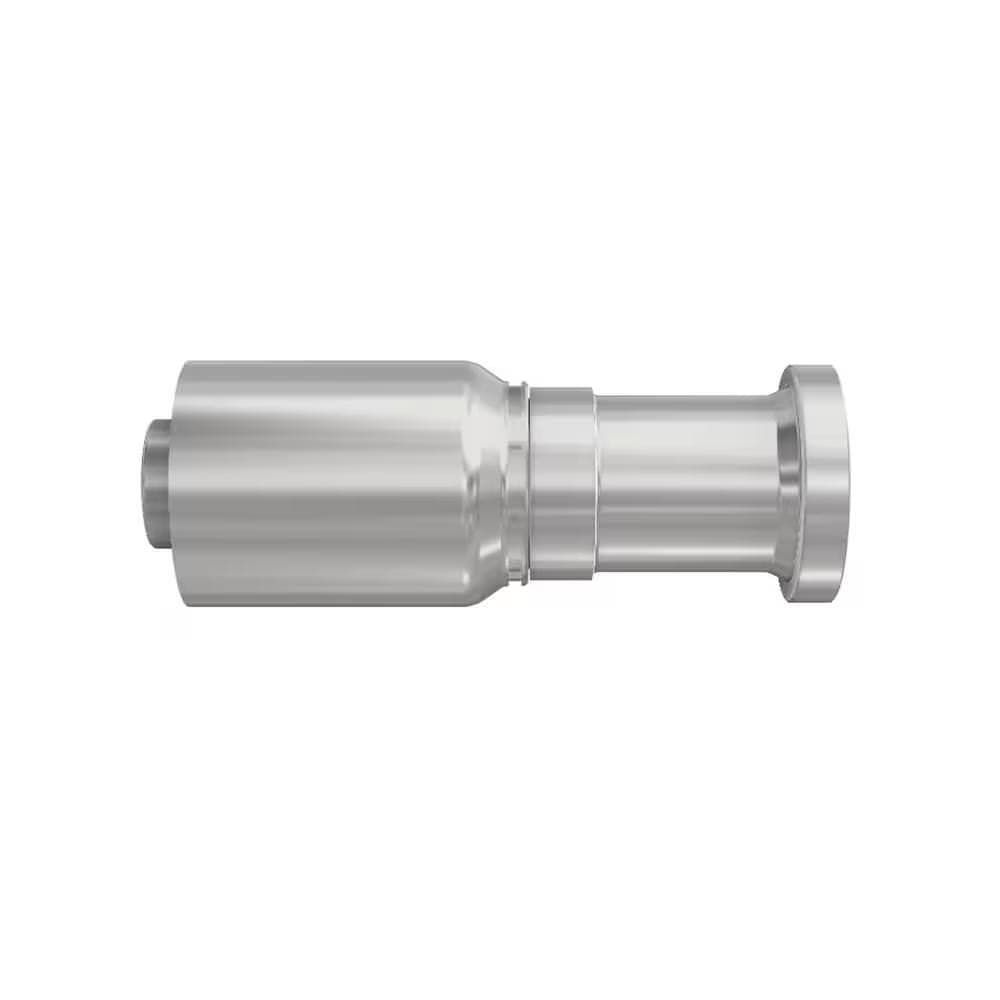
Parker 1K577 Komatsu® Flange Head Crimp Fitting, Straight (77 Series)
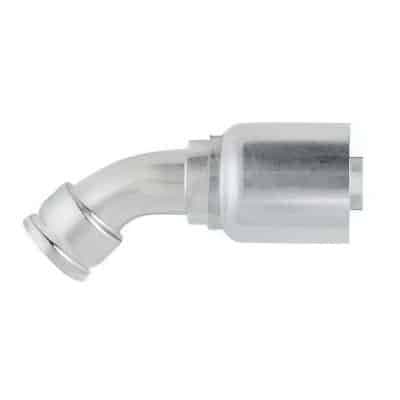
Parker 1X777 Full Flange, SAE Code 61 or Code 62 Crimp Fitting, 45° Elbow (77 Series)
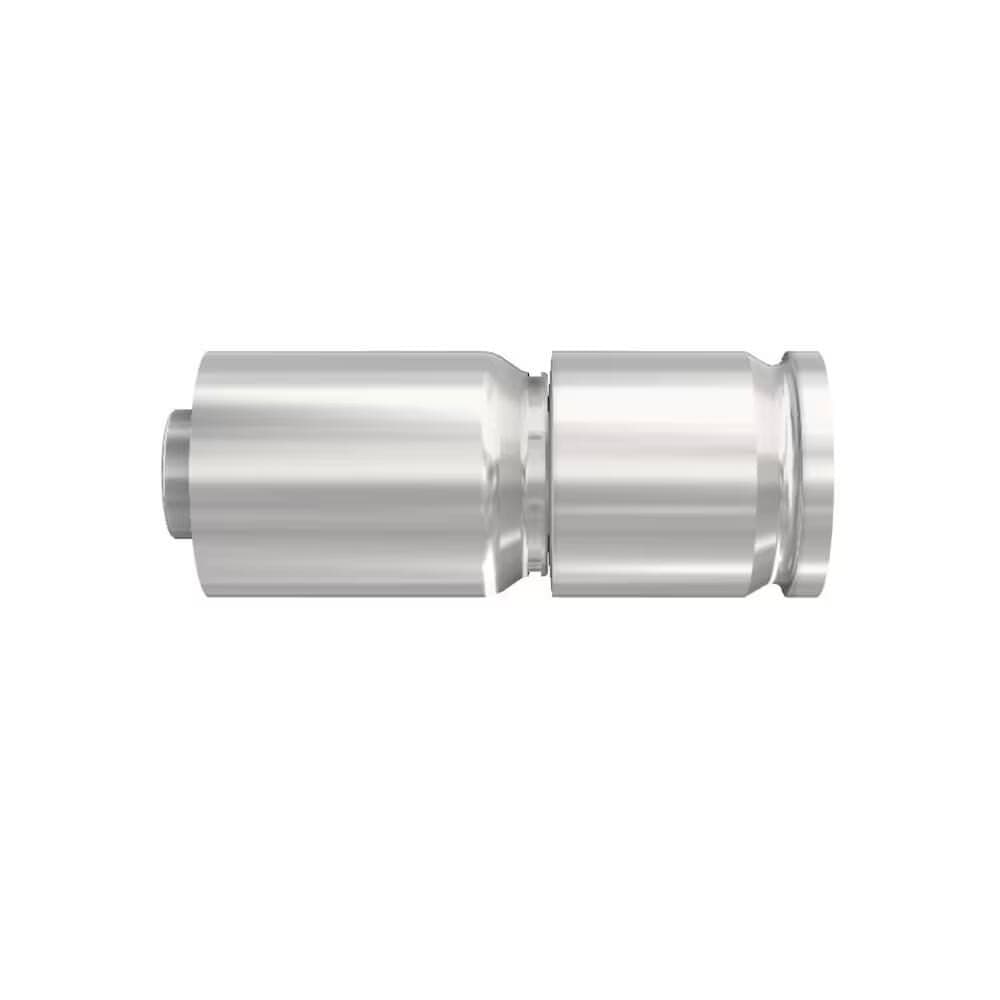
Parker 1X577 Full Flange, SAE Code 61 or Code 62 Crimp Fitting, Straight (77 Series)
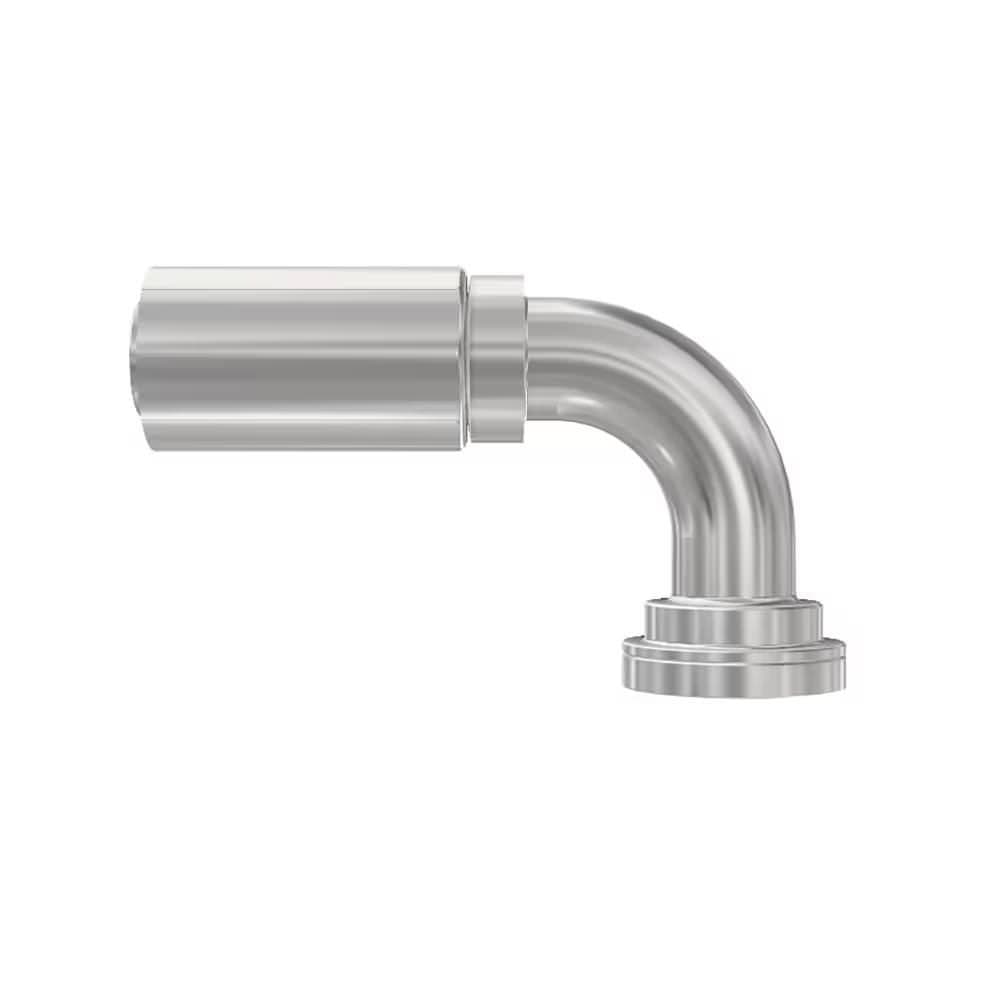
Parker 16N77 SAE Code 62 Flange Head Crimp Fitting, 90° Elbow (77 Series)
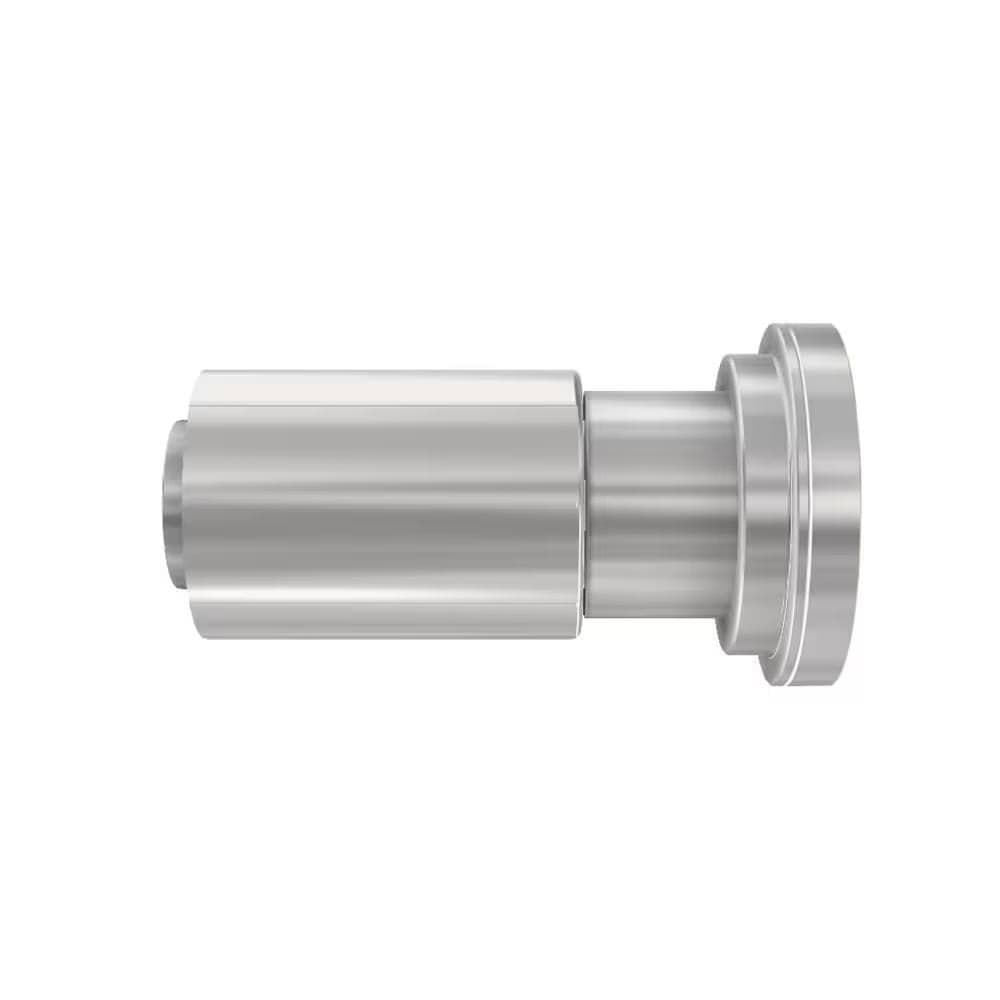
Parker 16A77 SAE Code 62 Flange Head Crimp Fitting, Straight (77 Series)
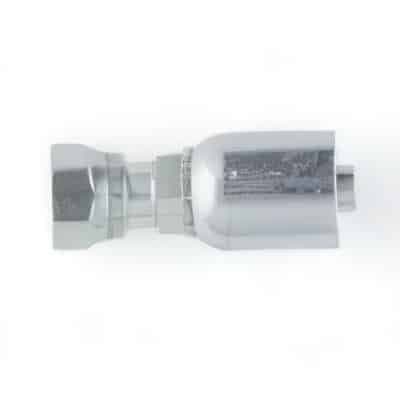
Parker 1JS77 Female Seal-Lok O-Ring Face Seal (ORFS) Crimp Fitting, Swivel, Straight, Long (77 Series)
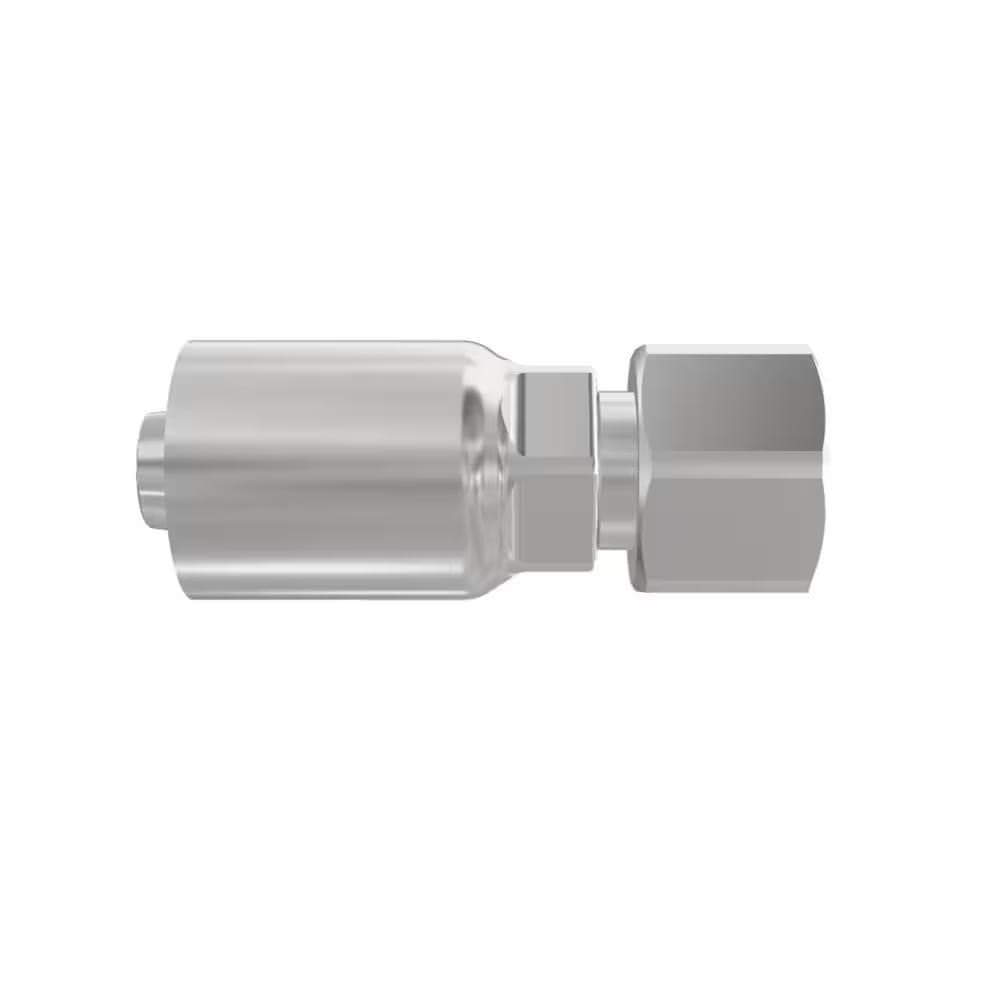
Parker 1JC77 Female Seal-Lok O-Ring Face Seal (ORFS) Crimp Fitting, Swivel, Straight, Short (77 Series)

Parker 10677 Female JIC 37° Crimp Fitting, Swivel, Straight (77 Series)

Parker 1J977 Female Seal-Lok O-Ring Face Seal (ORFS) Crimp Fitting, Swivel, 90° Elbow, Short Drop (77 Series)
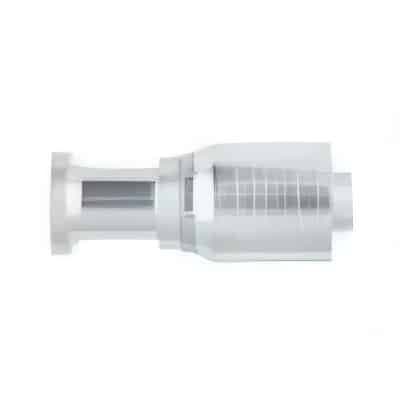
Parker 14A77 SAE Code 61 Flange Head (5,000 psi) Crimp Fitting, Straight (77 Series)
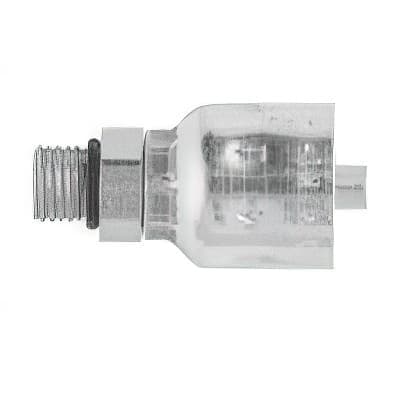
Parker 10577 Male SAE O-Ring Boss (ORB) Crimp Fitting, Rigid, Straight (77 Series)
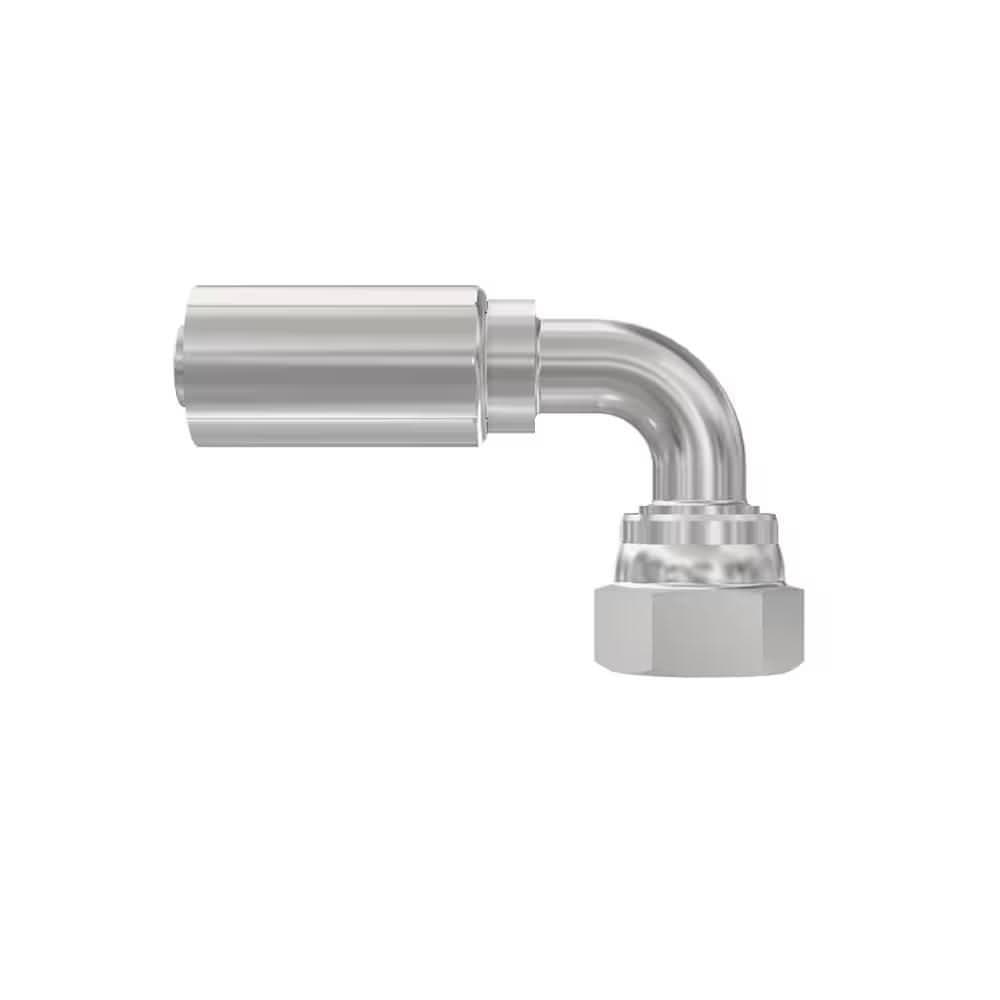
Parker 13977 Female JIC 37° Crimp Fitting, Swivel, 90° Elbow, Short Drop (77 Series)
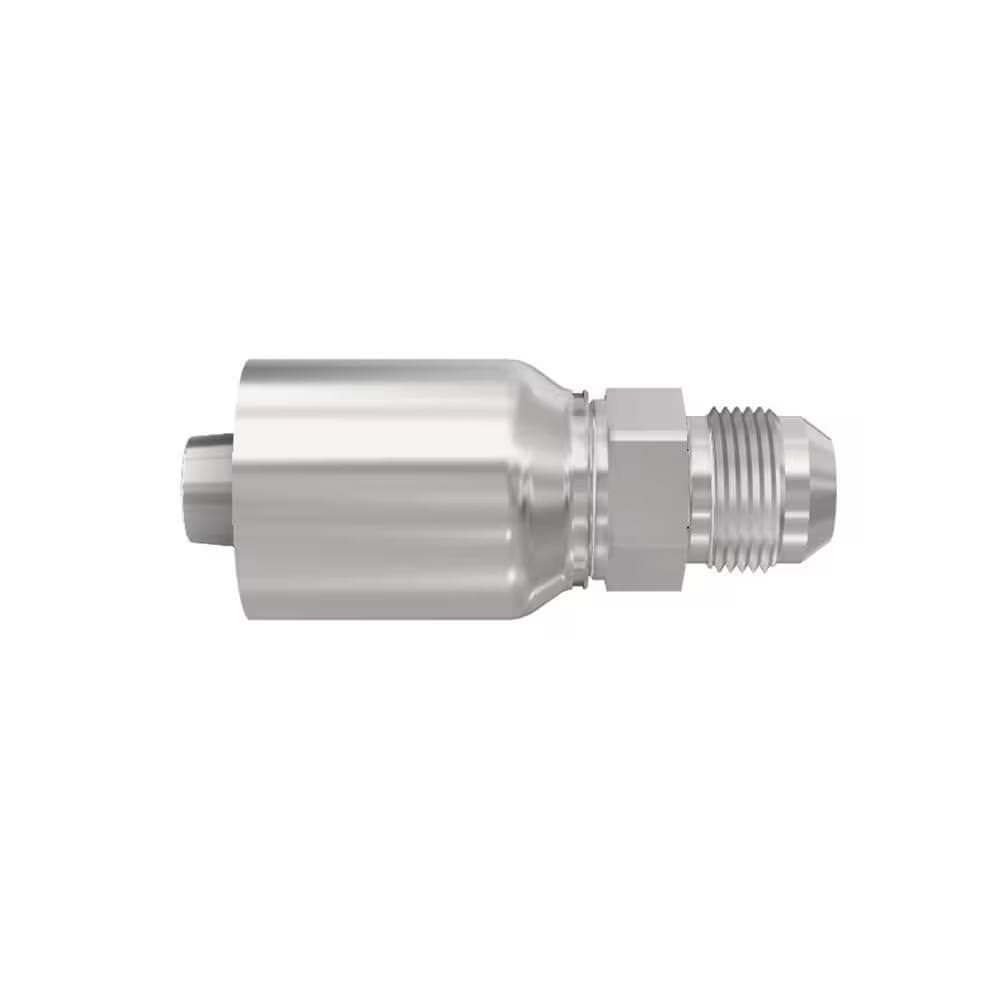
Parker 10377 Male JIC 37° Crimp Fitting, Rigid, Straight (77 Series)

Parker 1J177 Female Seal-Lok O-Ring Face Seal (ORFS) Crimp Fitting, Swivel, 90° Elbow, Long Drop (77 Series)
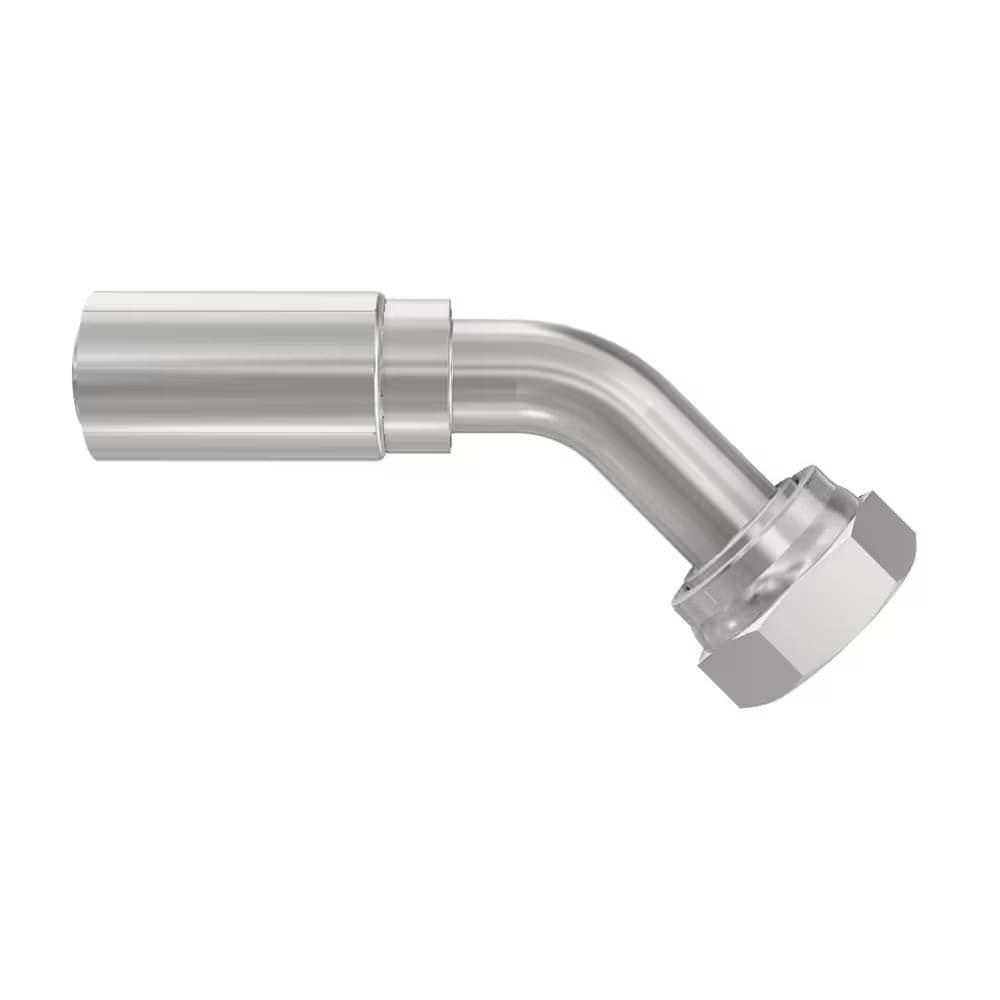
Parker 13777 Female JIC 37° Crimp Fitting, Swivel, 45° Elbow, Short Drop (77 Series)
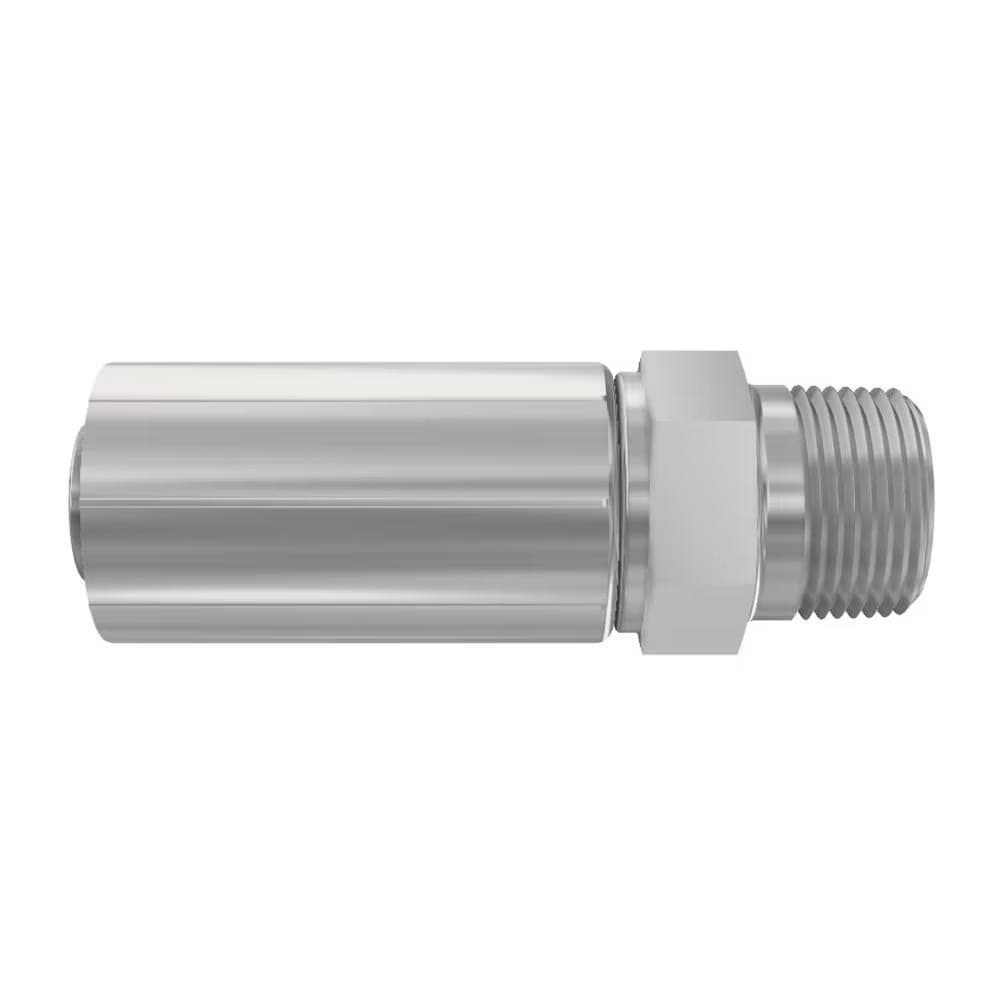
Parker 10177 Male NPTF Pipe Crimp Fitting, Rigid, Straight (77 Series)
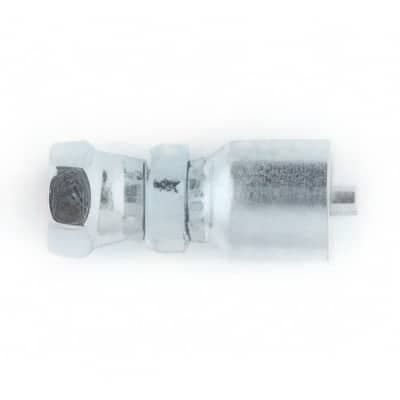
Parker 1GU77 Female BSP Parallel Pipe (60° Cone) Crimp Fitting, Swivel, Straight (77 Series)

Parker 1J777 Female Seal-Lok O-Ring Face Seal (ORFS) Crimp Fitting, Swivel, 45° Elbow (77 Series)

Parker 11C77 Female Metric S (24° Cone) Crimp Fitting, Swivel, 90° Elbow (77 Series)
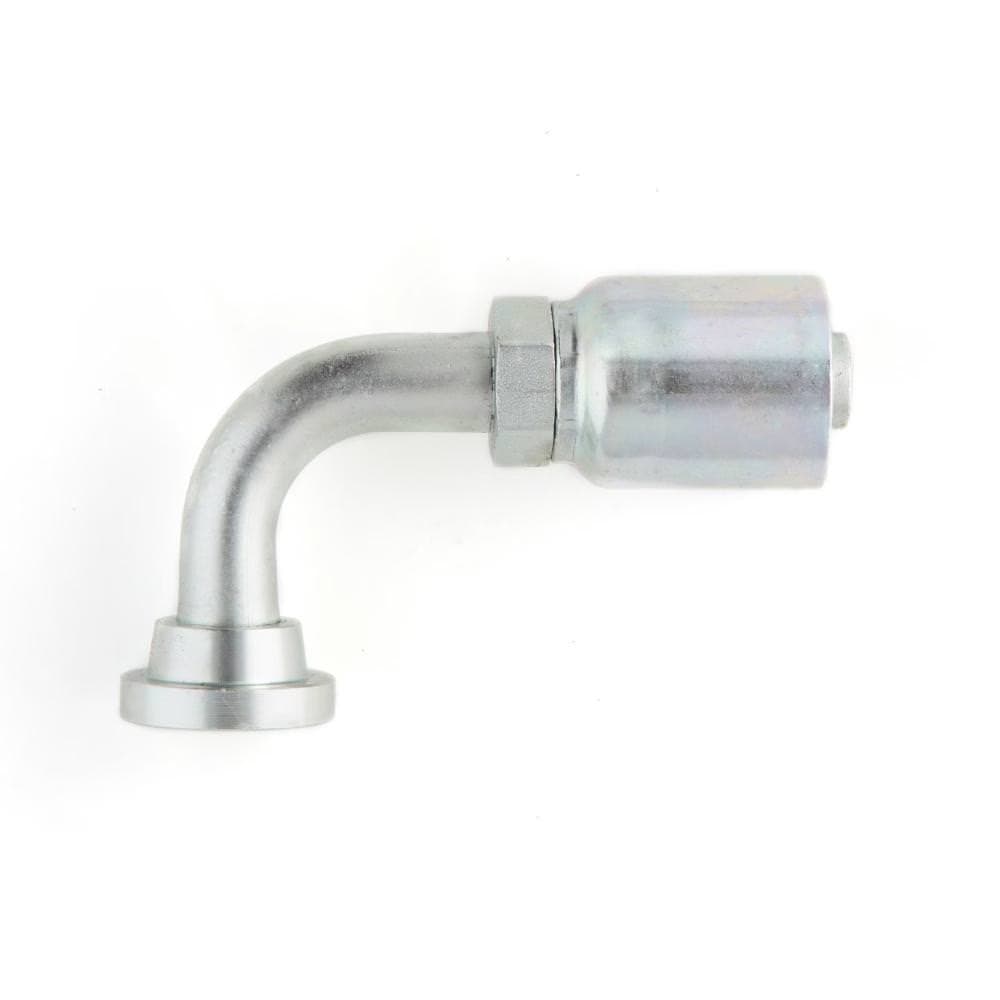
Parker 11977 SAE Code 61 Flange Head Crimp Fitting, 90° Elbow (77 Series)
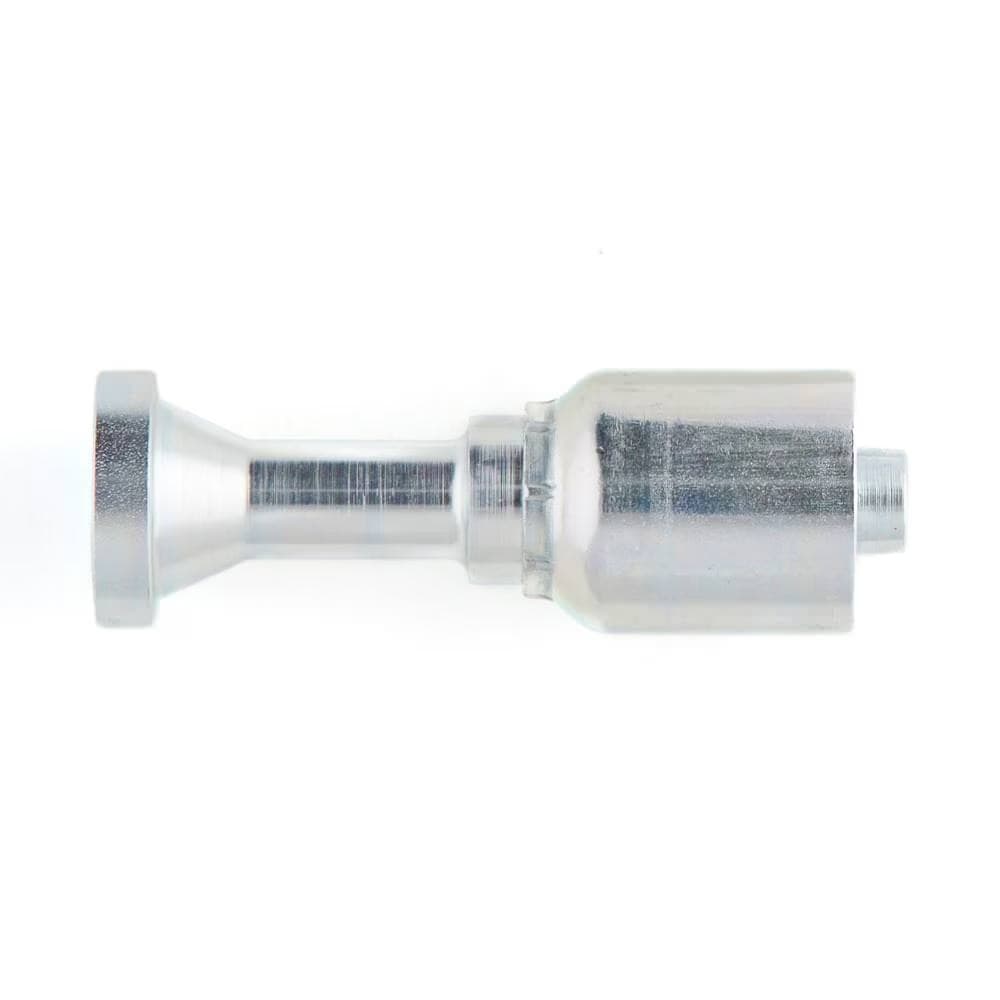
Parker 11577 SAE Code 61 Flange Head Crimp Fitting, Straight (77 Series)
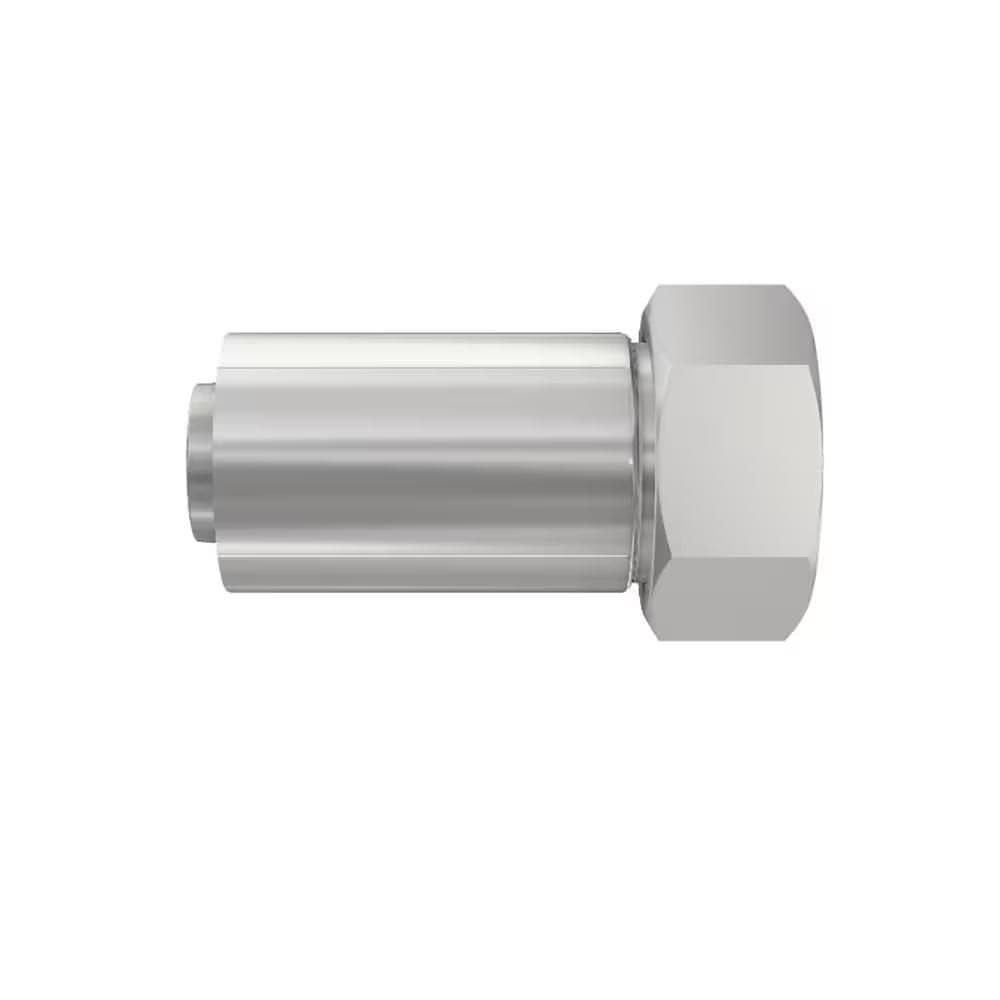
Parker 1C977 Female Metric S (24° Cone with O-Ring) Crimp Fitting, Swivel, Straight (77 Series)
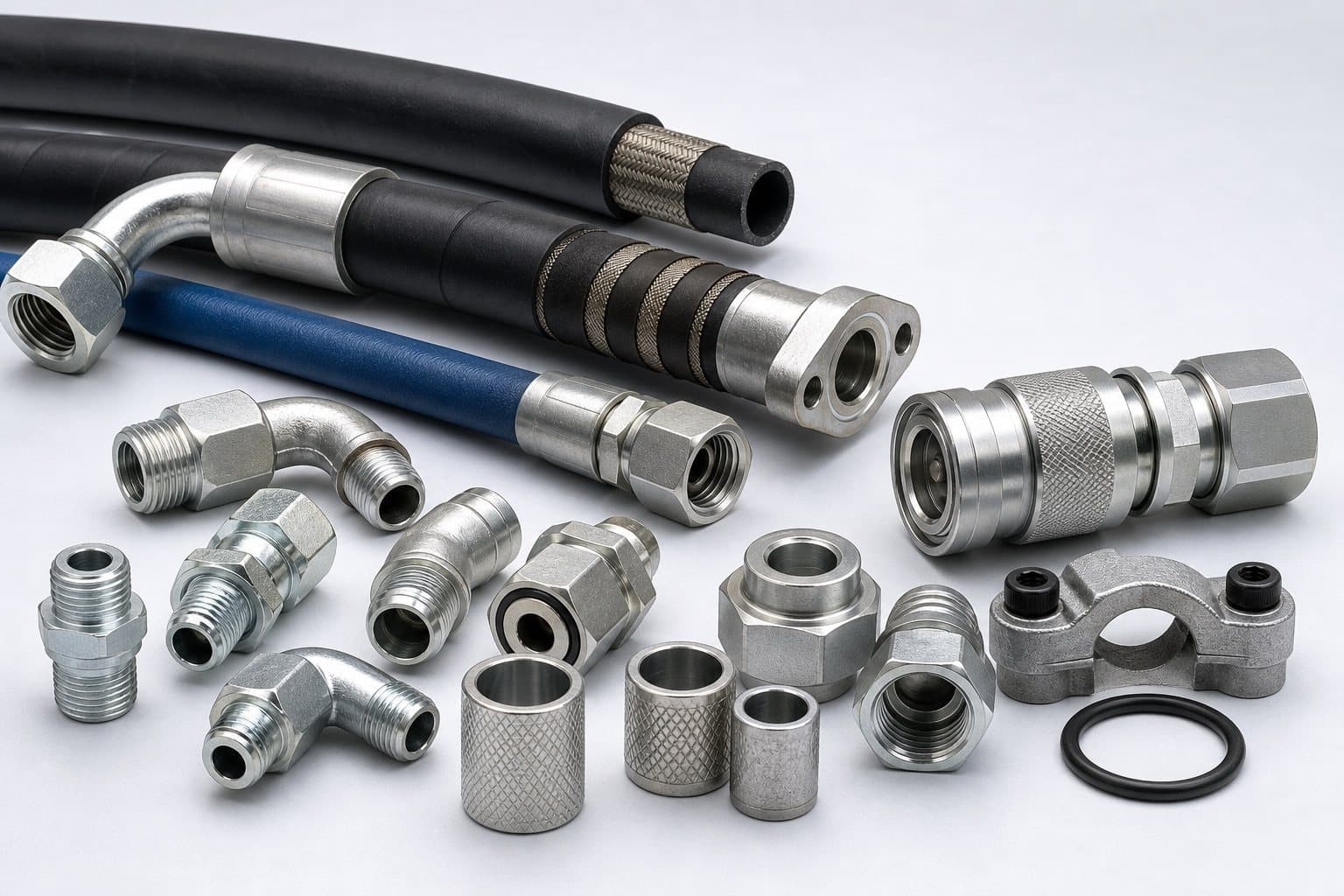 Category image · Hoses & Fittings
Parker 1ZM77 Male Metric (24° Cone) Crimp Fitting, Rigid, Straight (77 Series)
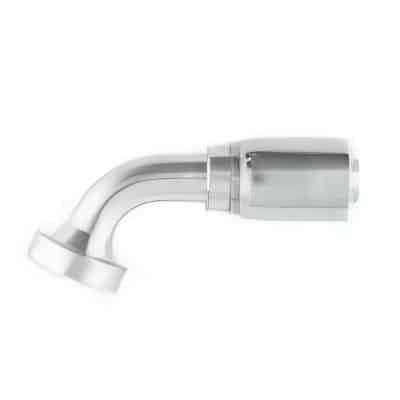
Parker 1XF77 Caterpillar® Flange Head Crimp Fitting, 45° Elbow (77 Series)
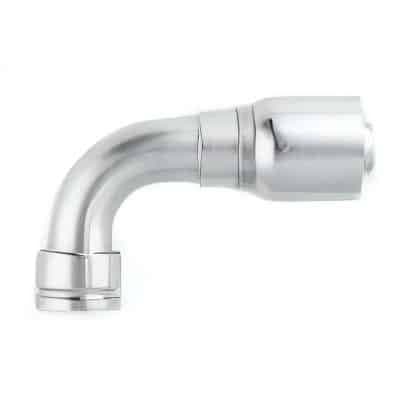
Parker 1X977 Full Flange, SAE Code 61 or Code 62 Crimp Fitting, 90° Elbow (77 Series)
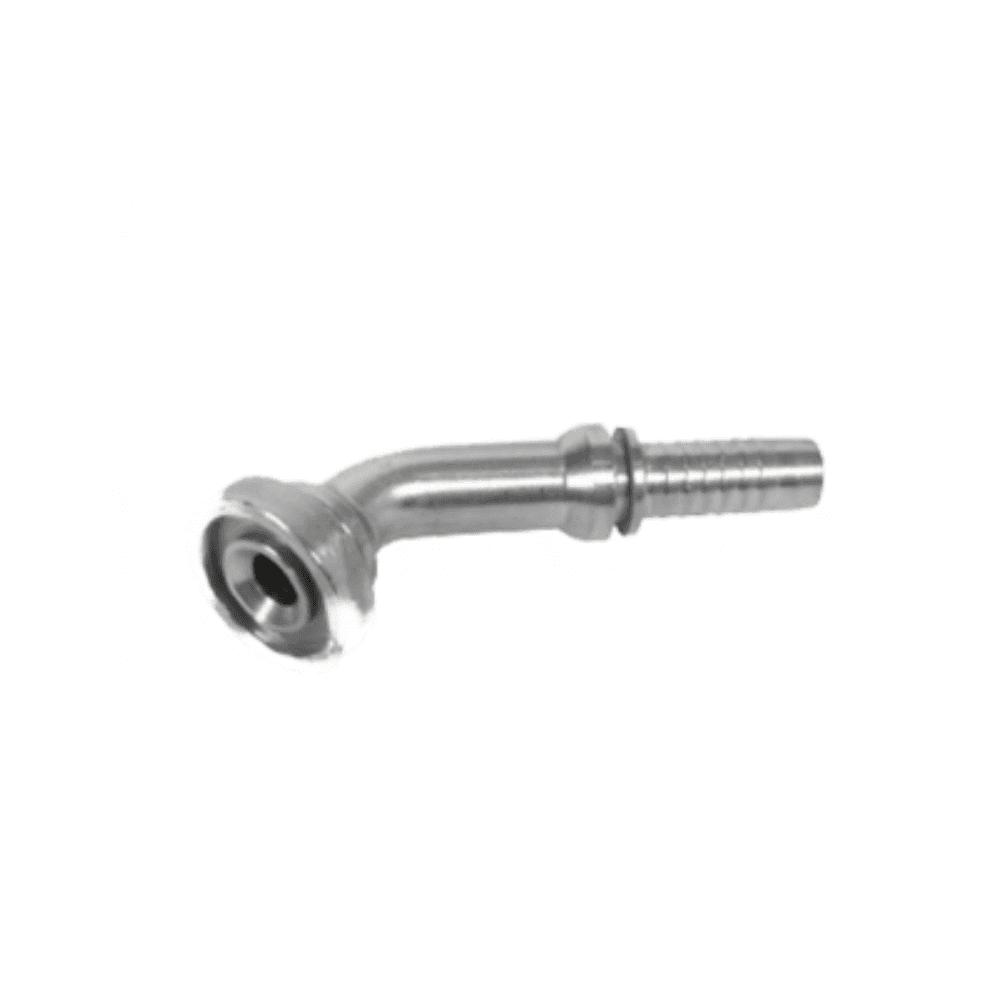
SAE Code 62 Flange Head 45° Elbow Crimp Fitting for Spiral Hose
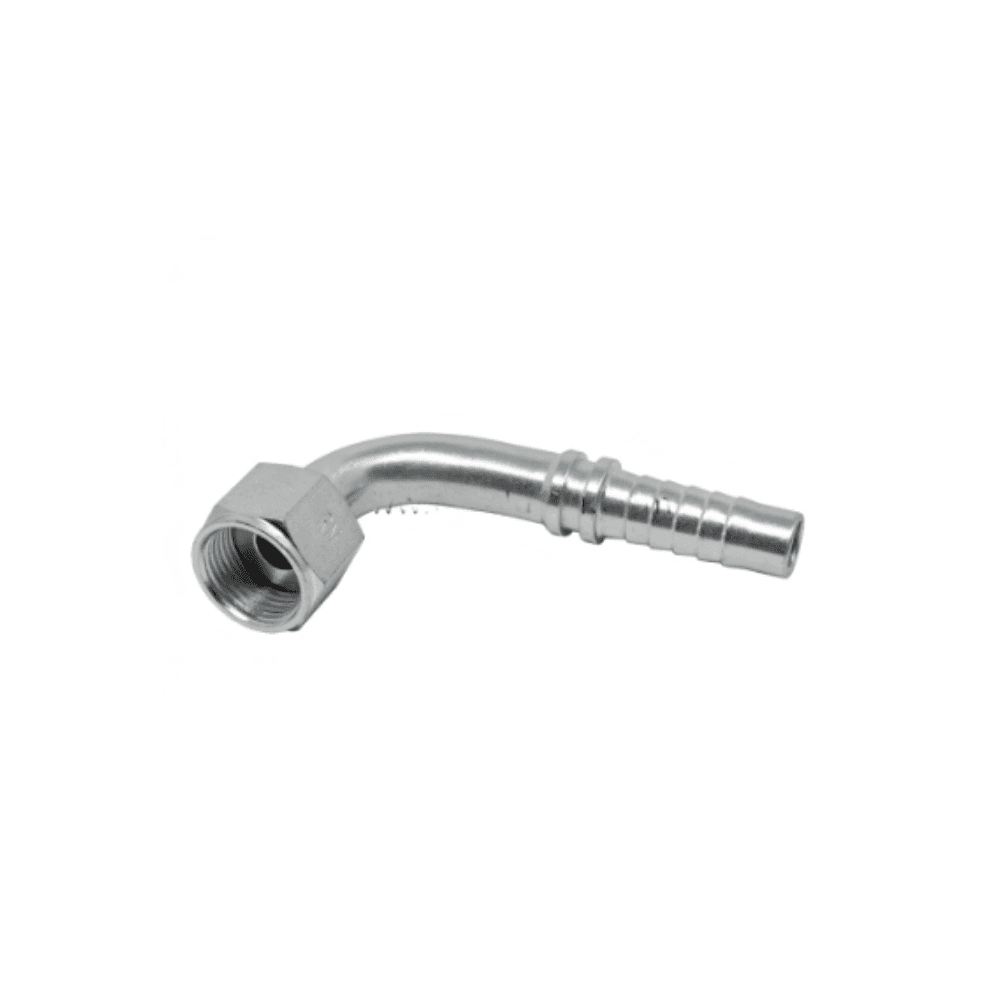
ORFS Female Swivel 90° Elbow Crimp Fitting for Spiral Hose
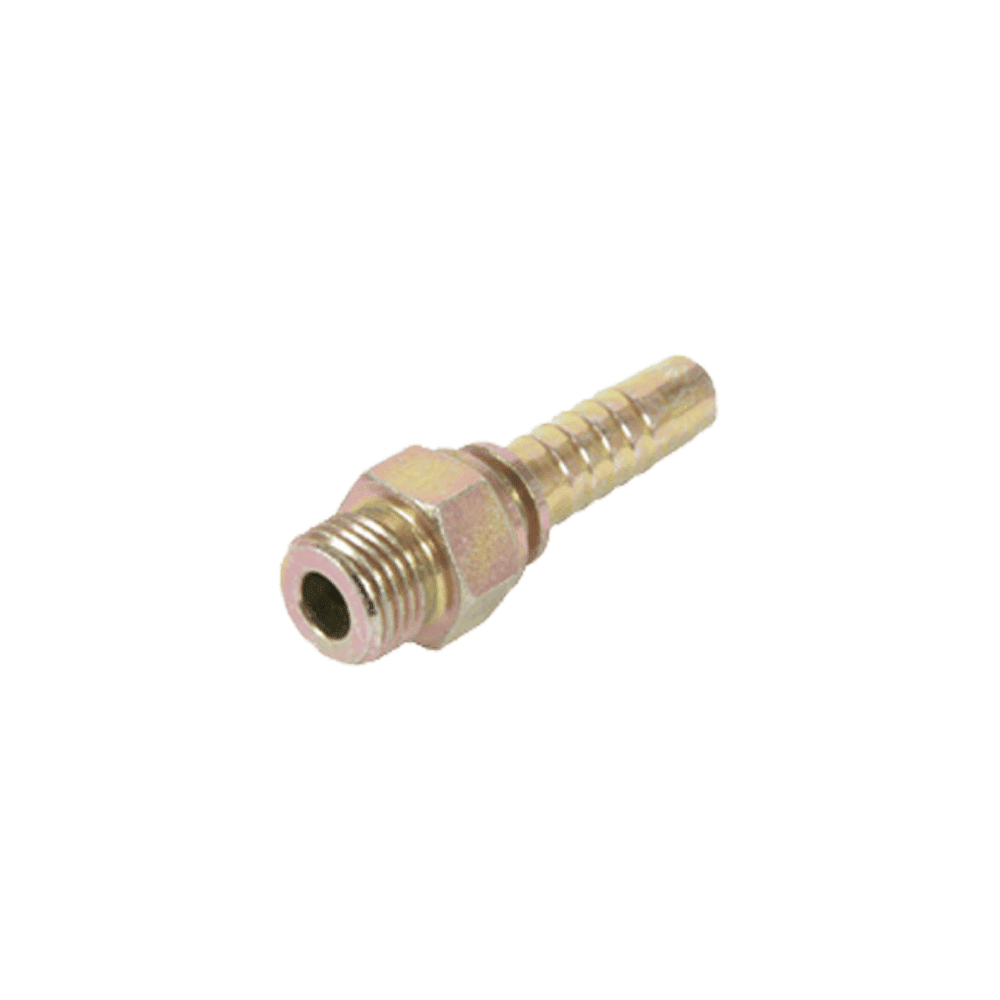
SAE O-Ring Boss Male Crimp Fitting for Spiral Hose
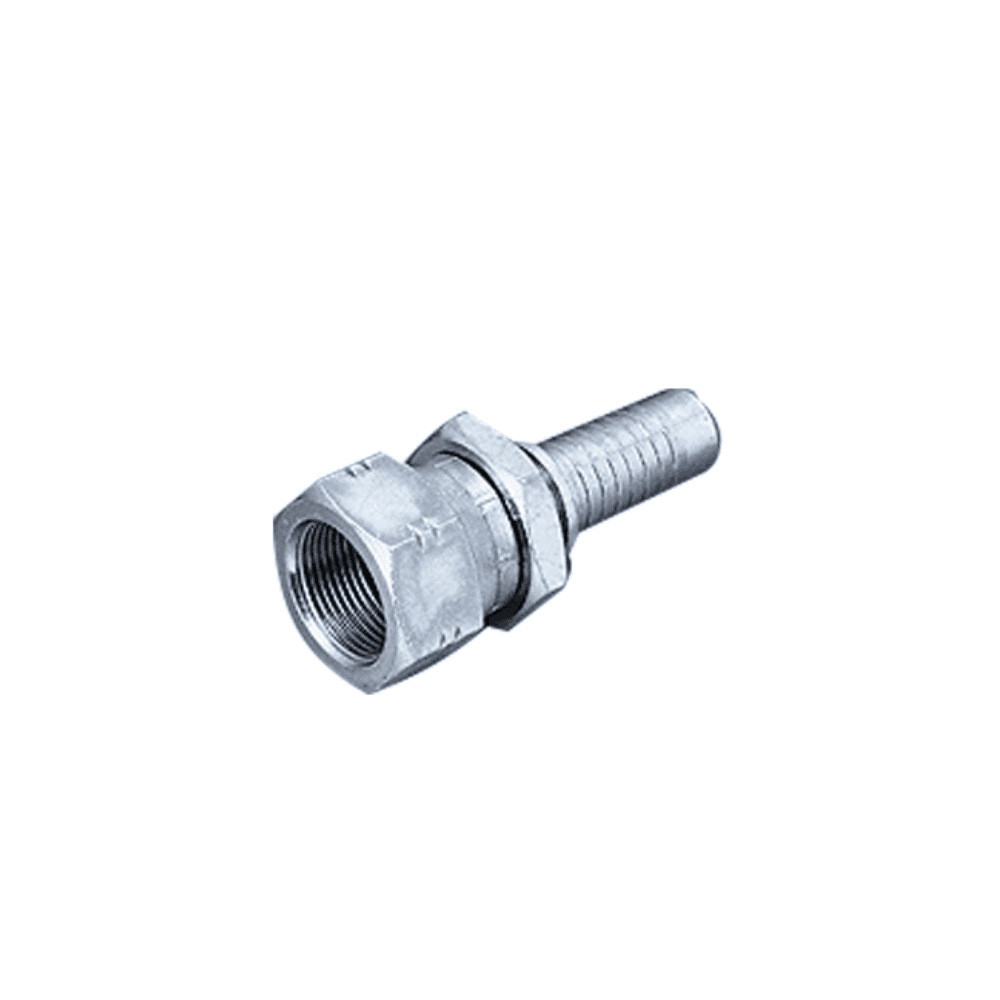
Komatsu JIS Metric 30° Female Swivel Crimp Fitting for Spiral Hose
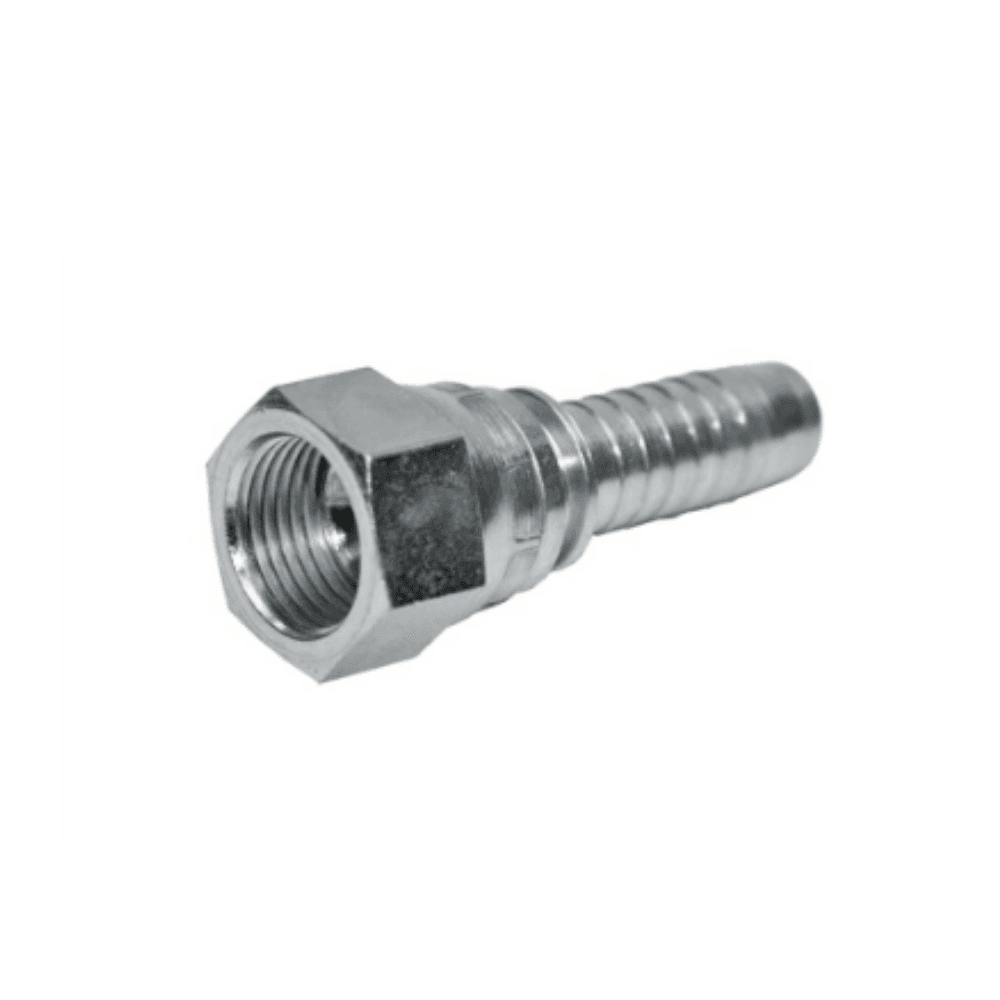
JIC 37° Female Swivel Crimp Fitting for Spiral Hose
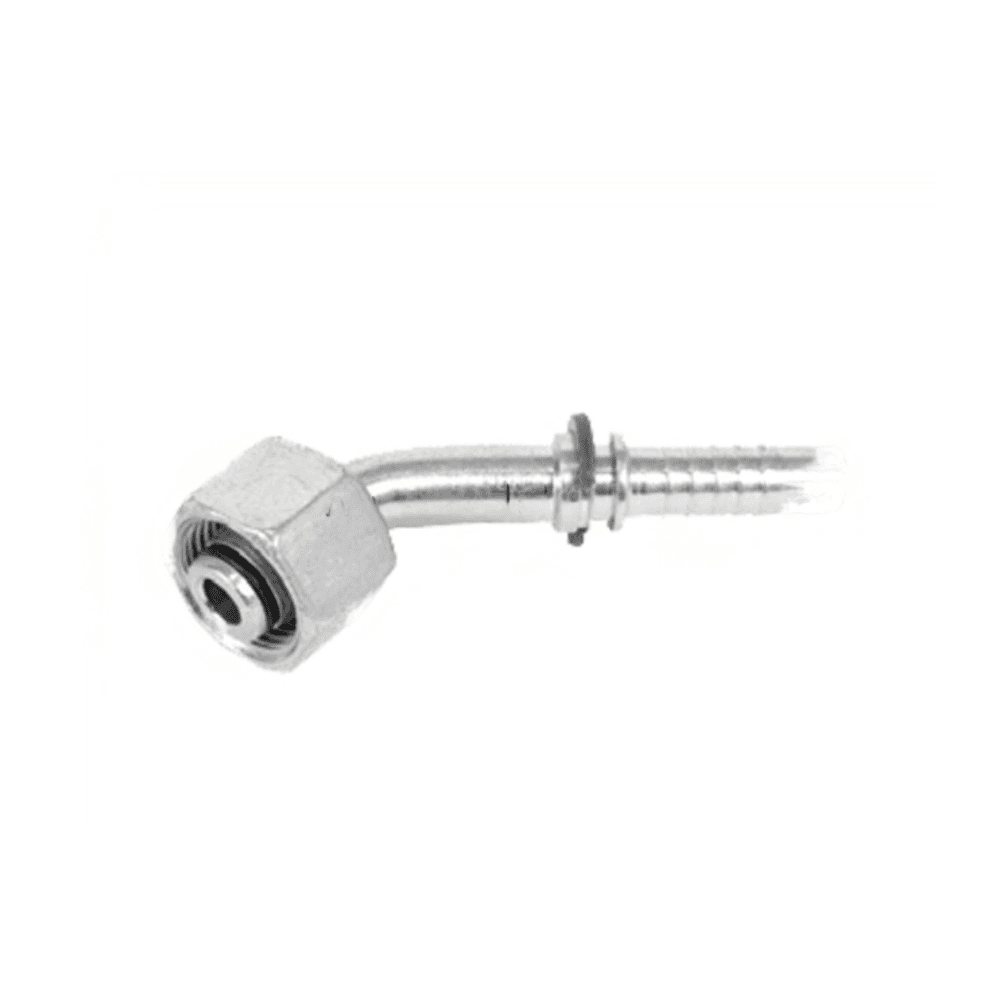
DIN Light Metric 24° Female Swivel 45° Elbow Crimp Fitting for Spiral Hose
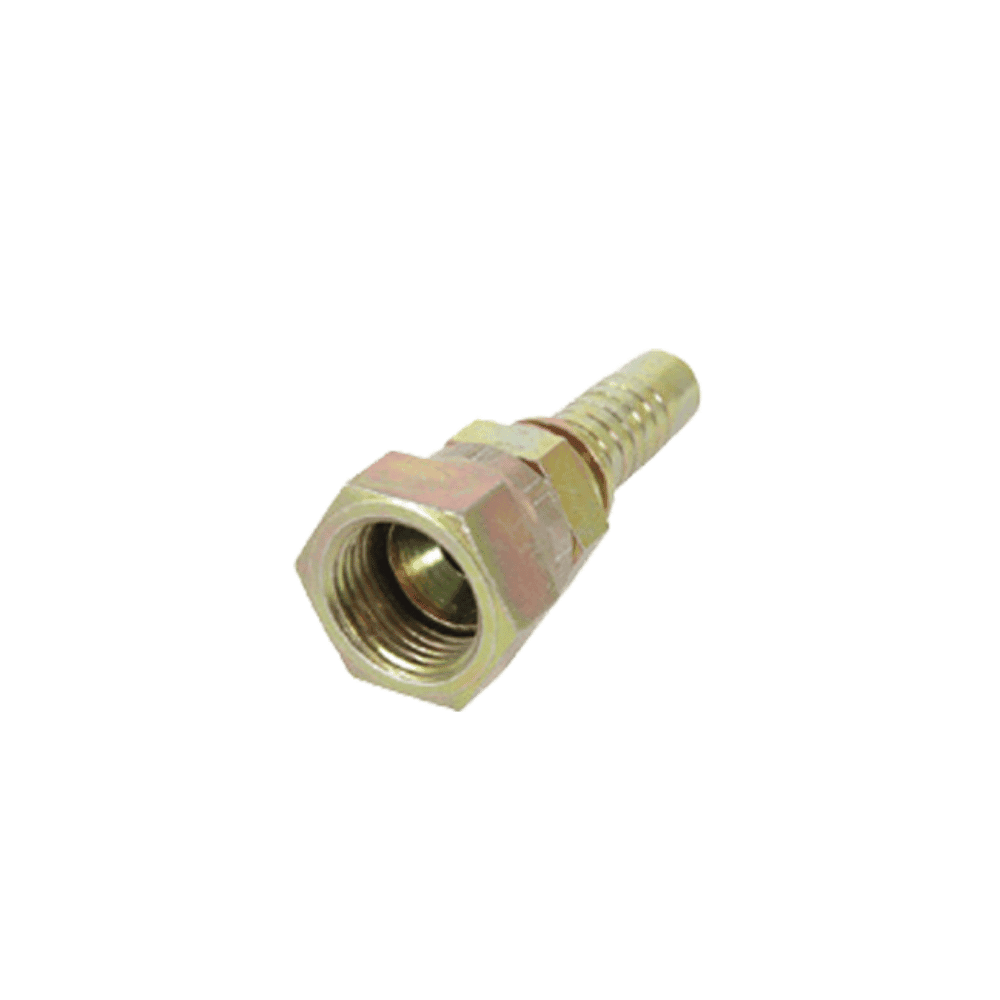
JIS BSP 30° Female Swivel Crimp Fitting for Spiral Hose
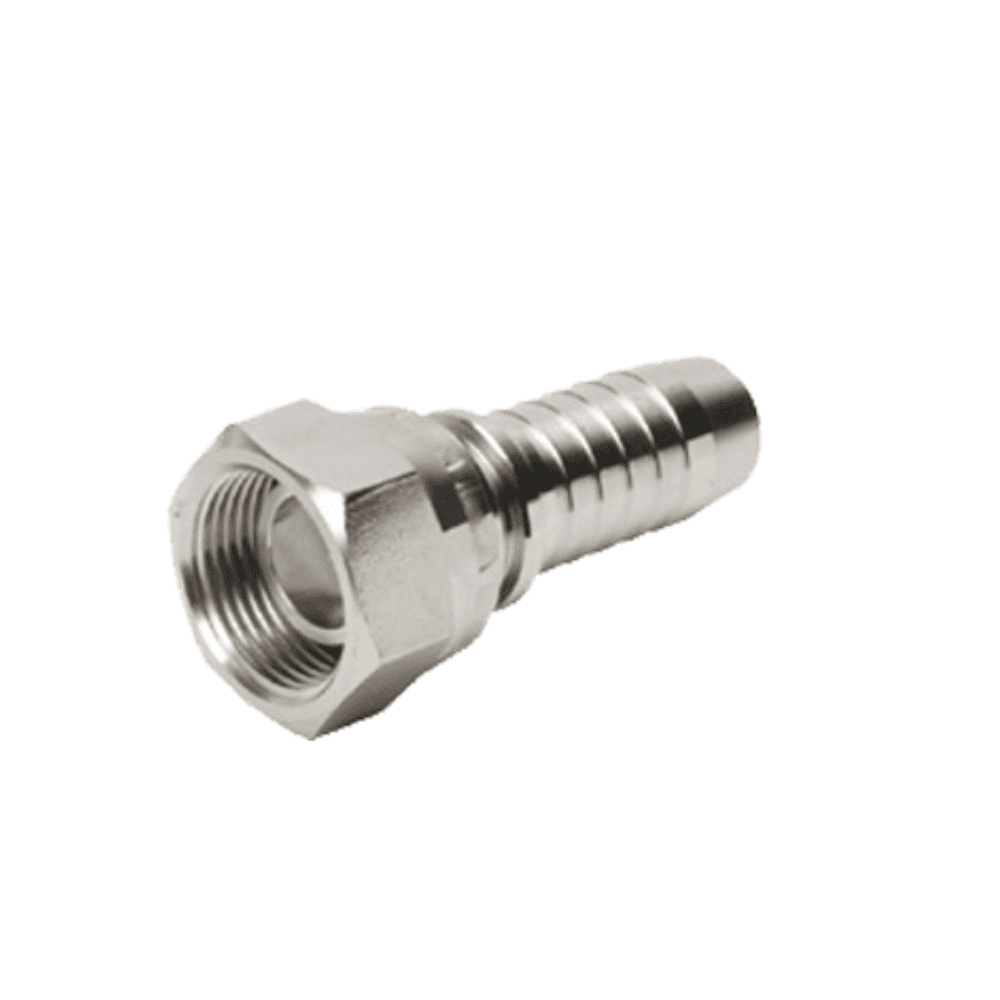
BSP Female Swivel 60° Cone Crimp Fitting for Spiral Hose
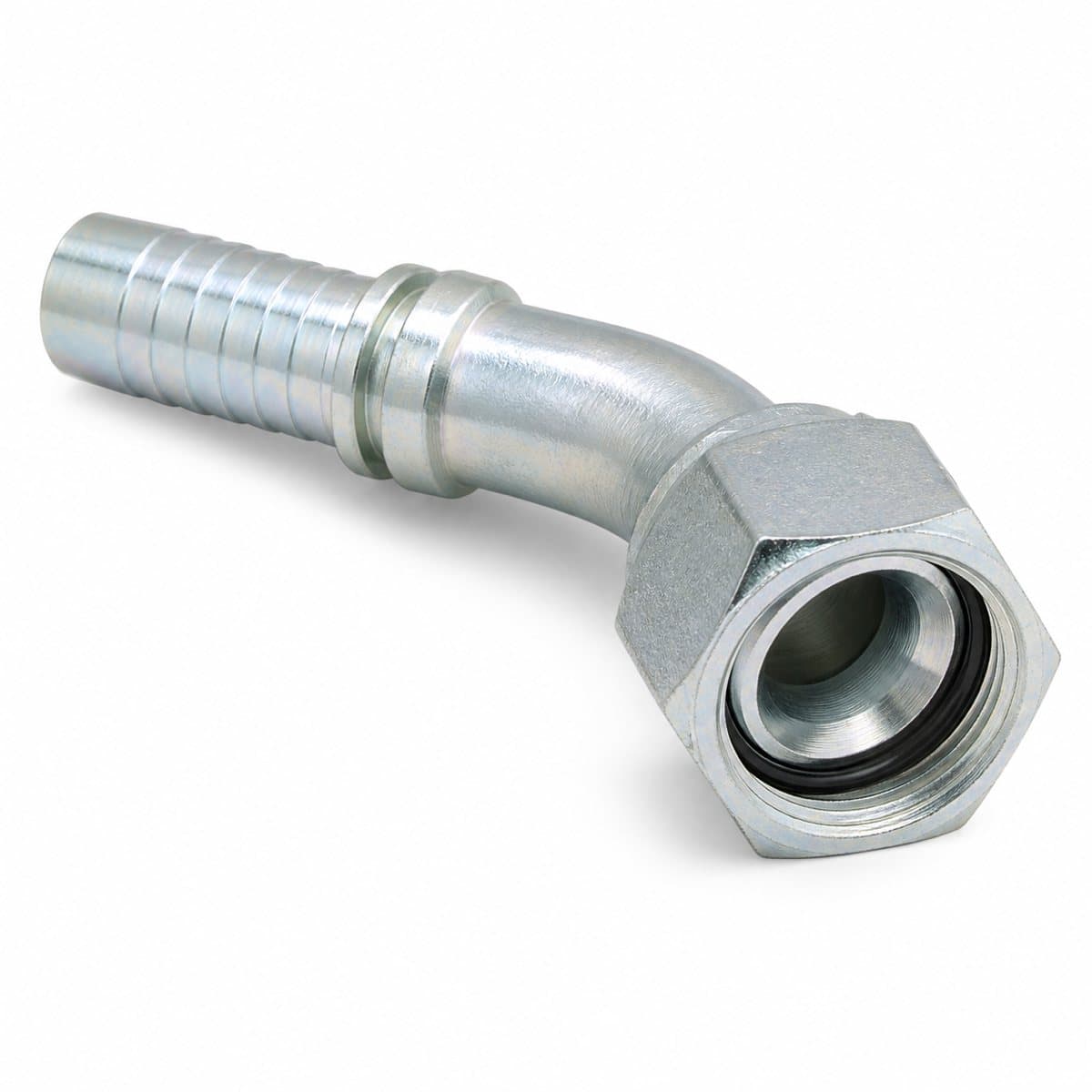
DIN Heavy Metric 24° Female Swivel 45° Elbow Crimp Fitting for Spiral Hose
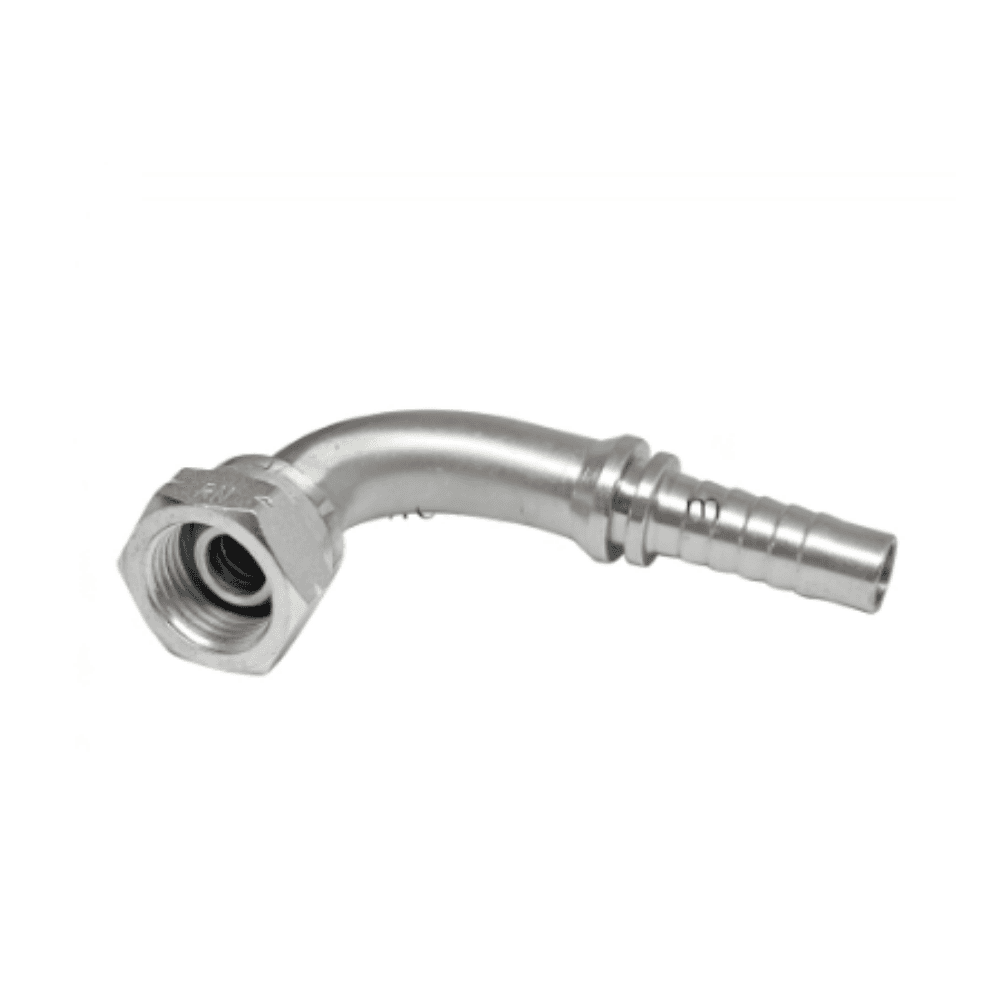
BSP Female Swivel 60° Cone 90° Elbow Crimp Fitting for Spiral Hose
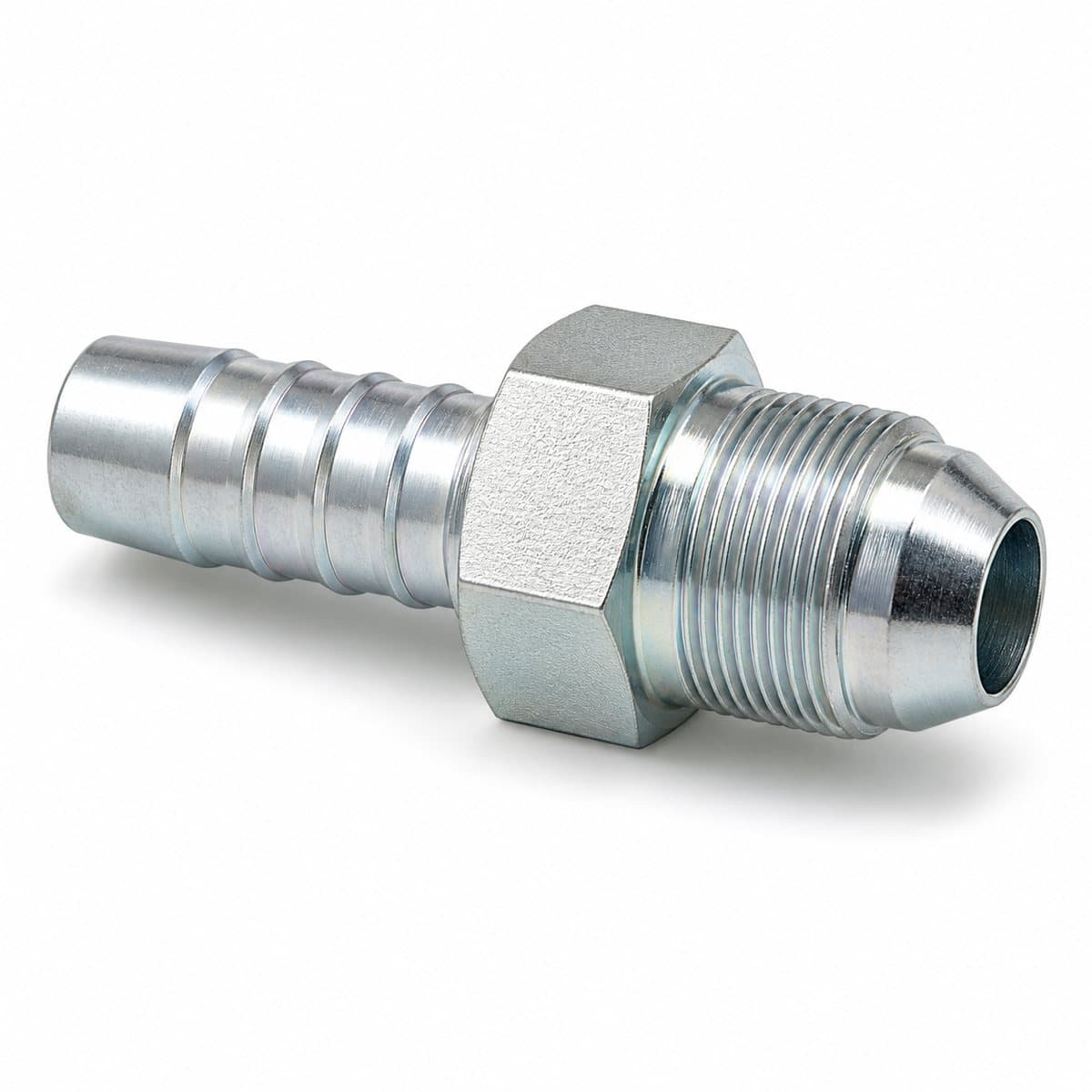
DIN Heavy Metric 24° Cone Male Crimp Fitting for Spiral Hose
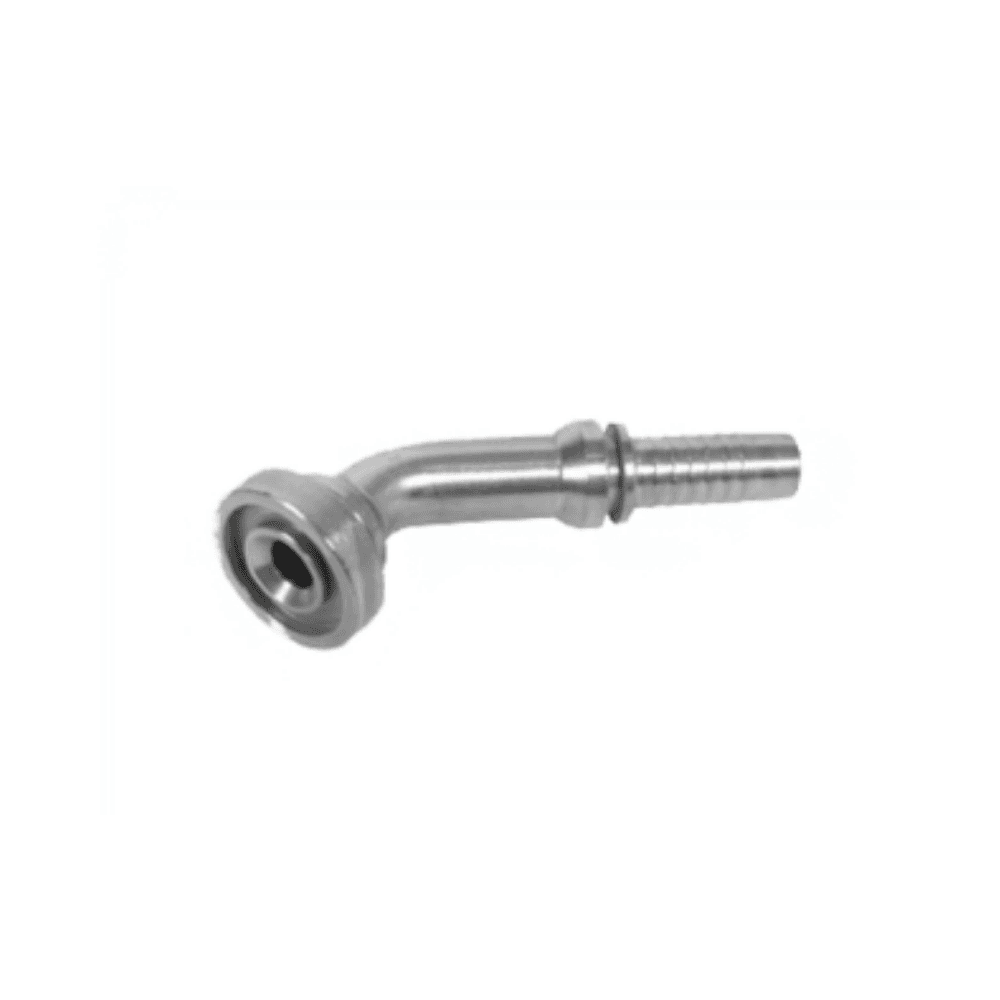
SAE Code 61 Flange Head 45° Elbow Crimp Fitting for Spiral Hose
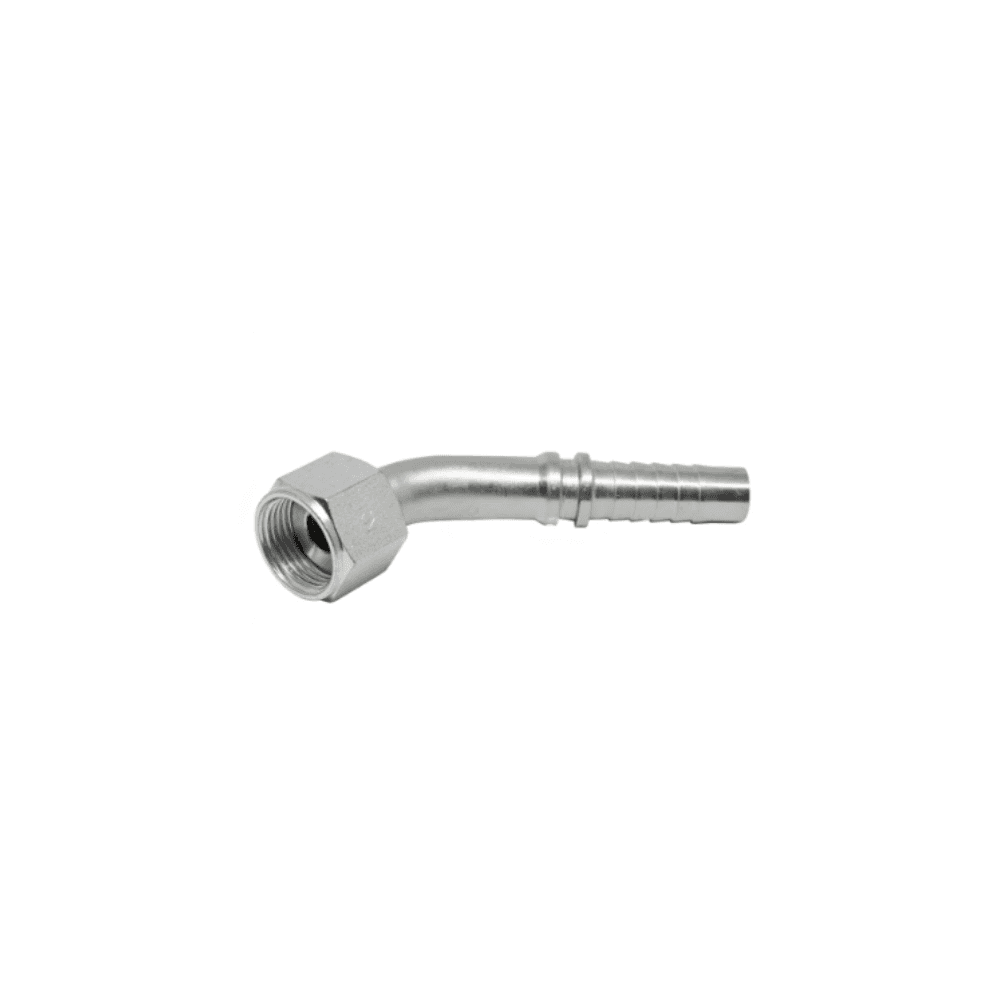
ORFS Female Swivel 45° Elbow Crimp Fitting for Spiral Hose
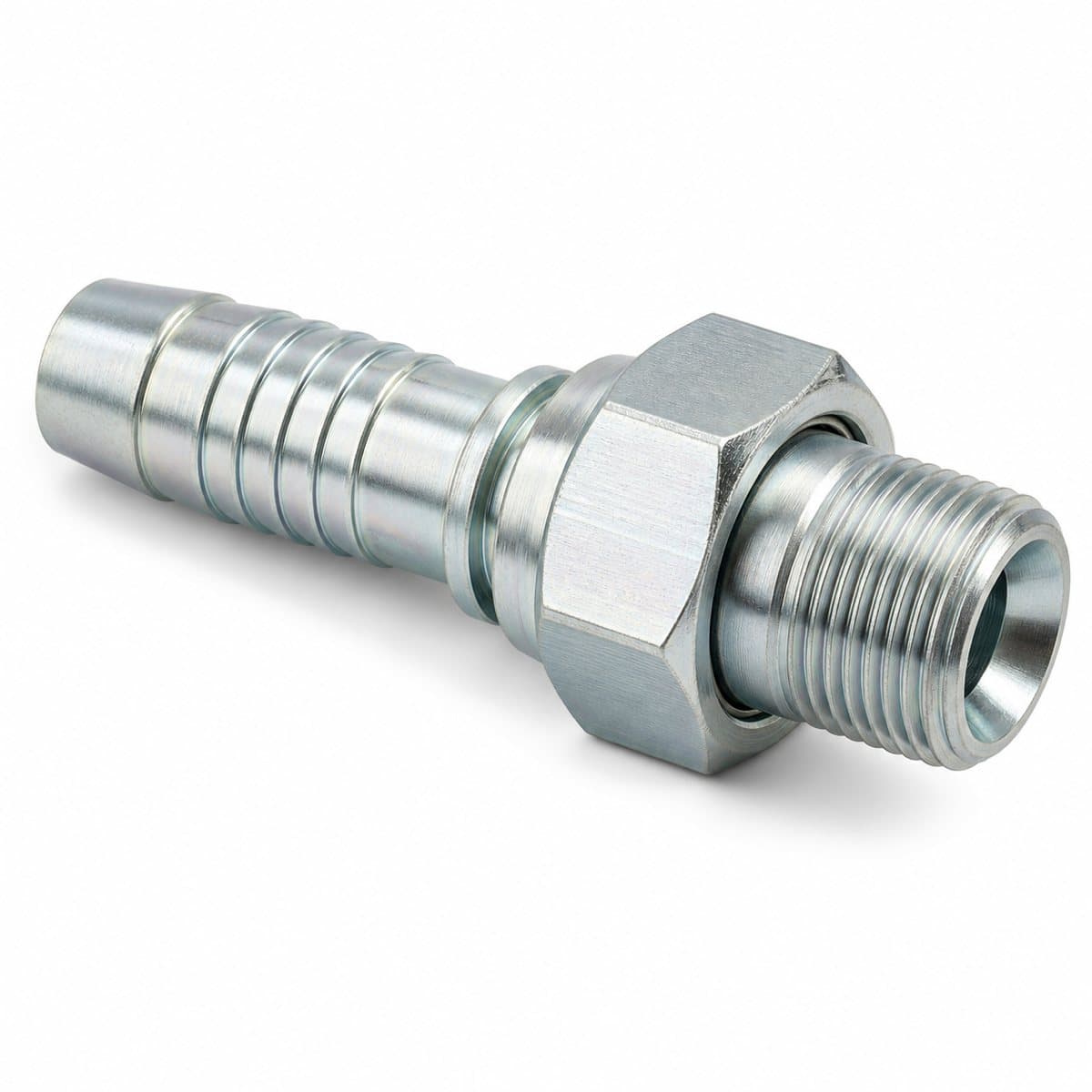
NPT Male Swivel Crimp Fitting for Spiral Hose
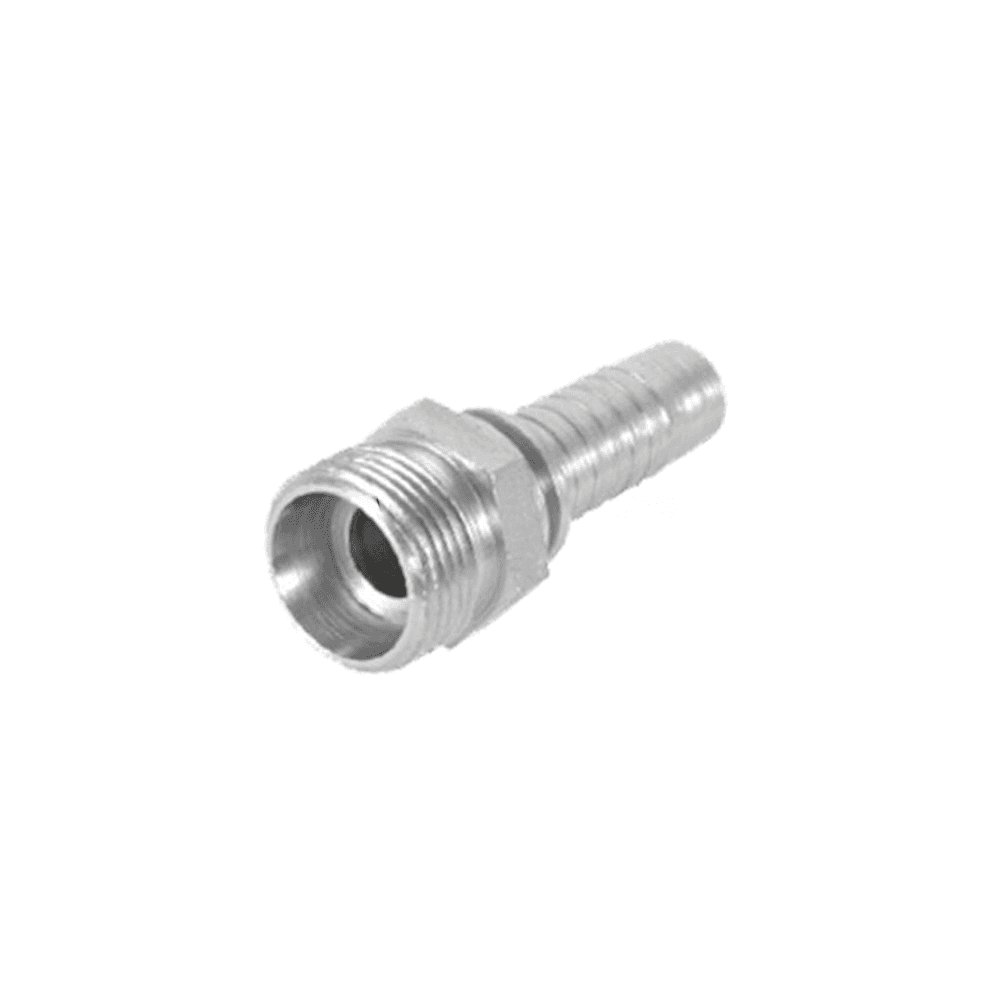
DIN Light Metric 24° Cone Male Crimp Fitting for Spiral Hose
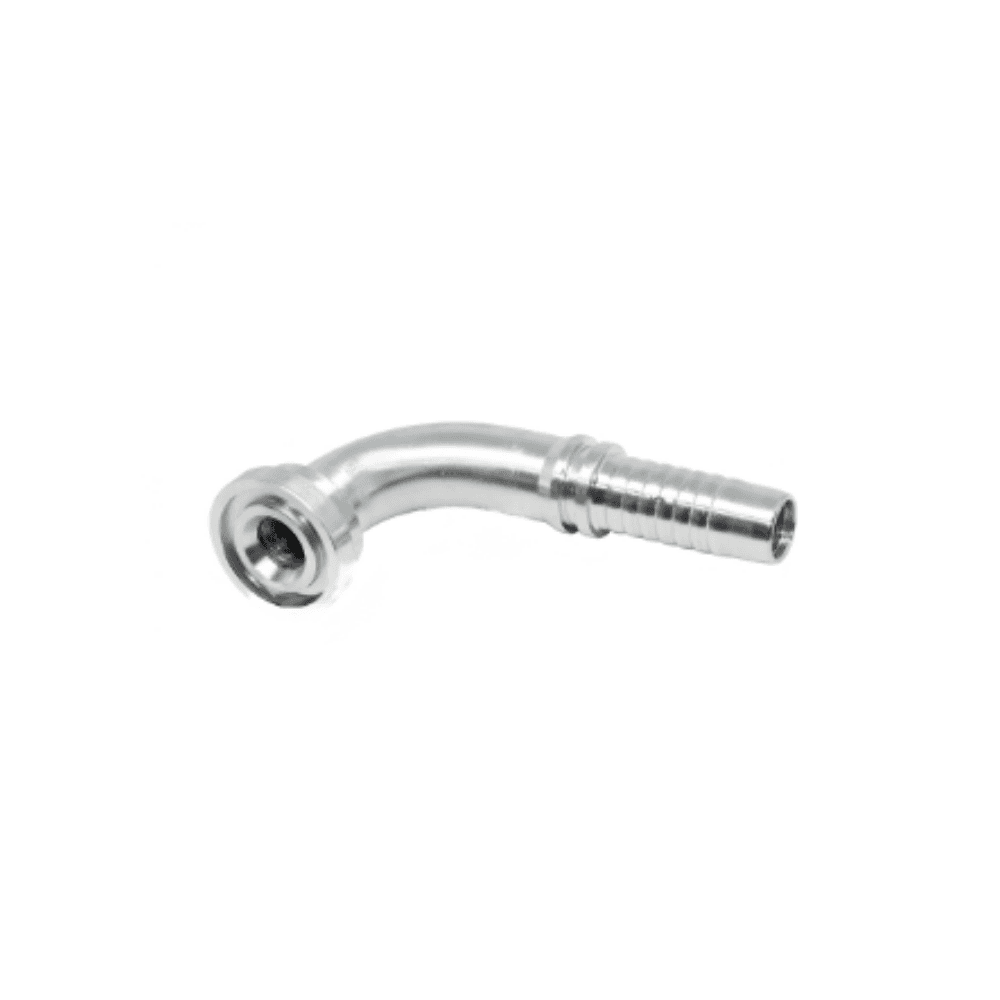
SAE Code 61 Flange Head 90° Elbow Crimp Fitting for Spiral Hose
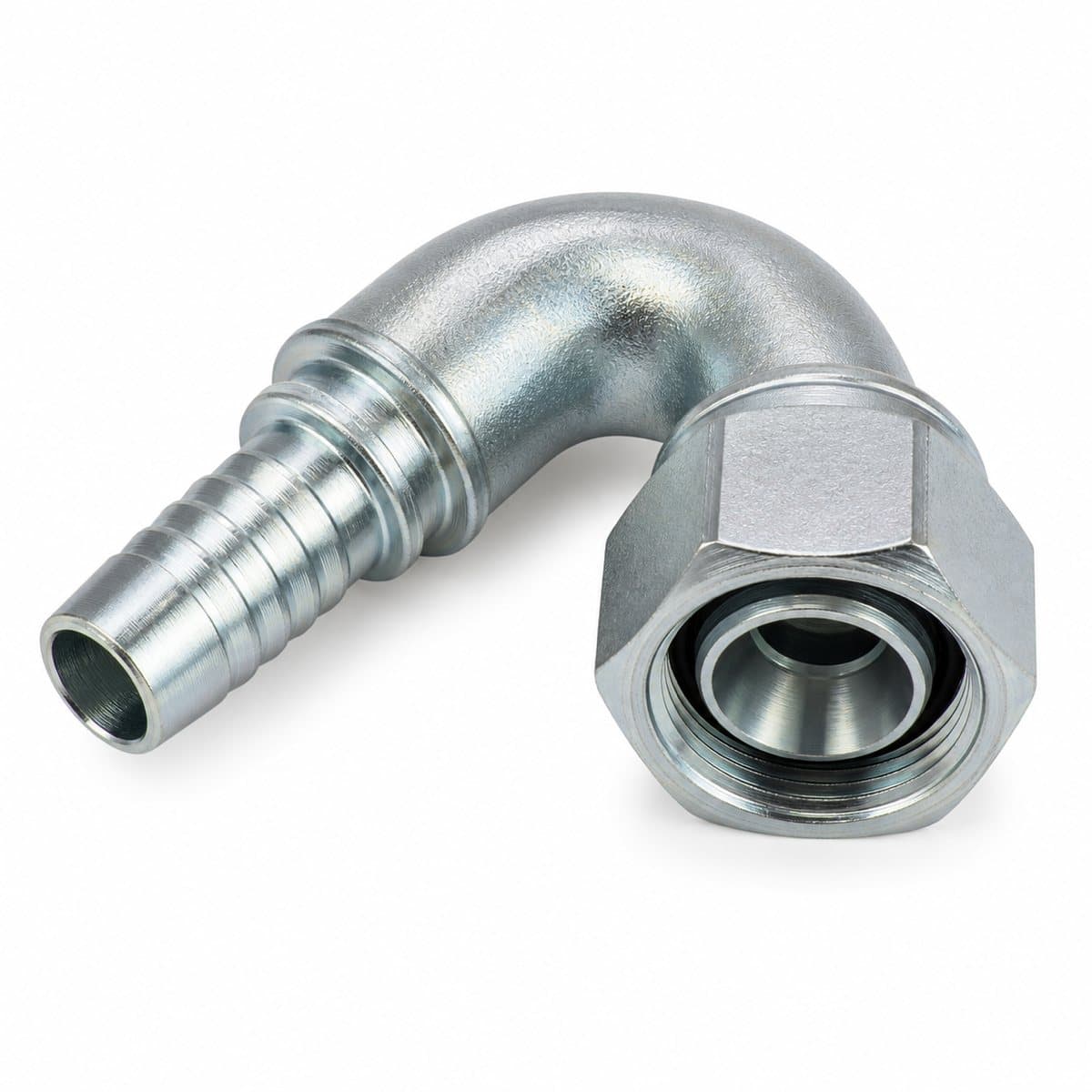
DIN Heavy Metric 24° Female Swivel 90° Elbow Crimp Fitting for Spiral Hose
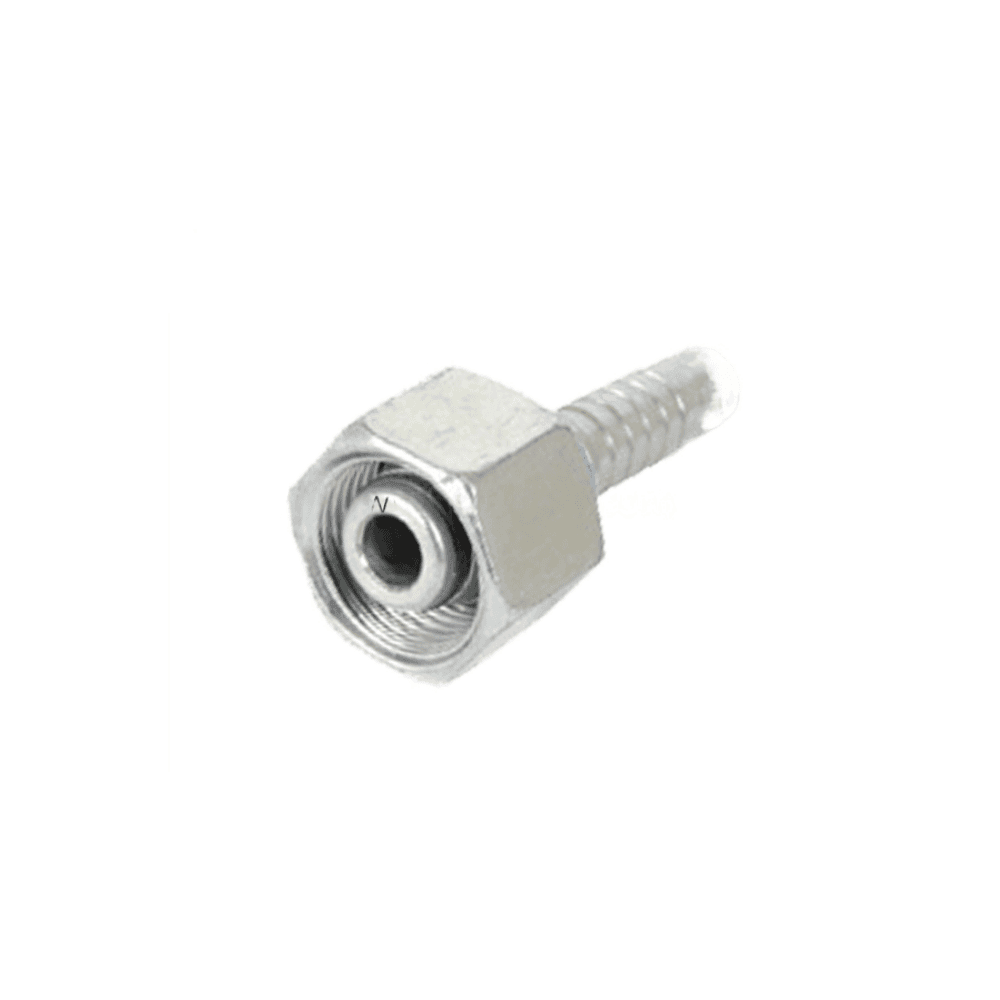
DIN Light Metric 24° Female Swivel Crimp Fitting for Spiral Hose
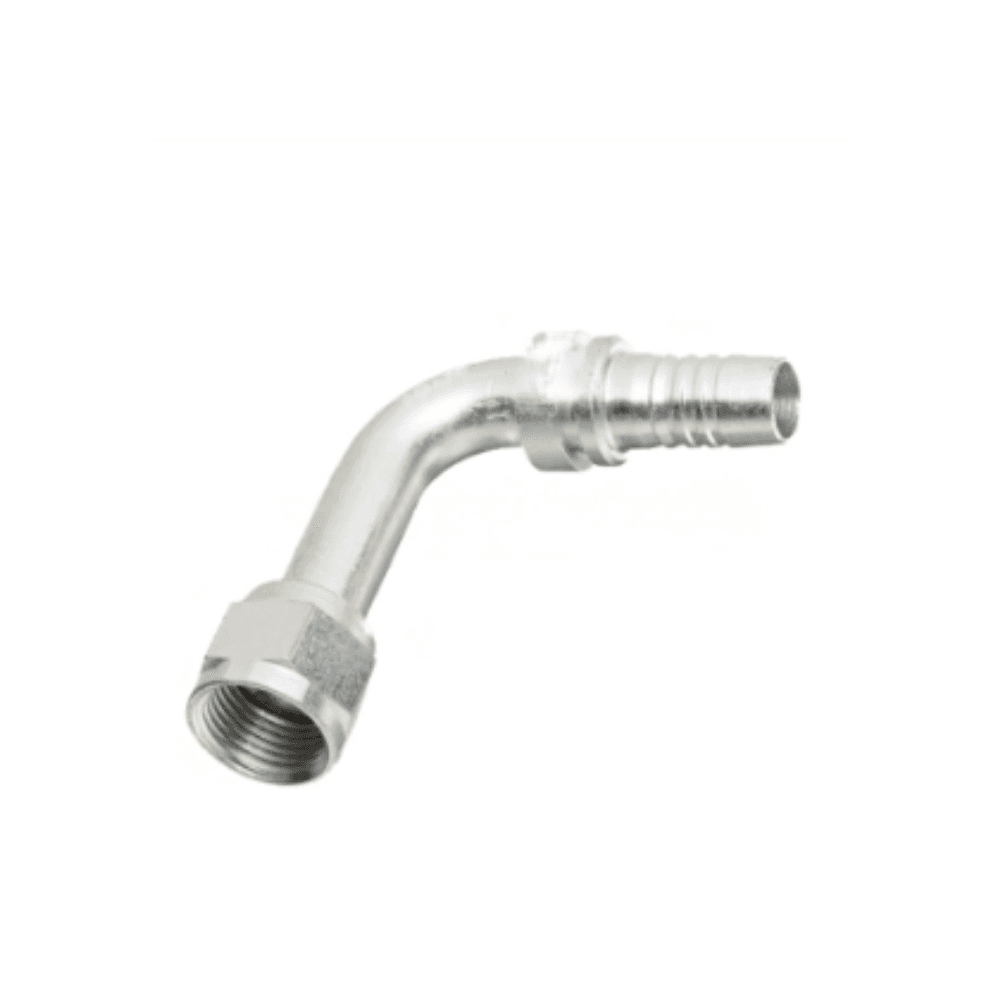
JIC 37° Female Swivel 90° Long Drop Crimp Fitting for Spiral Hose
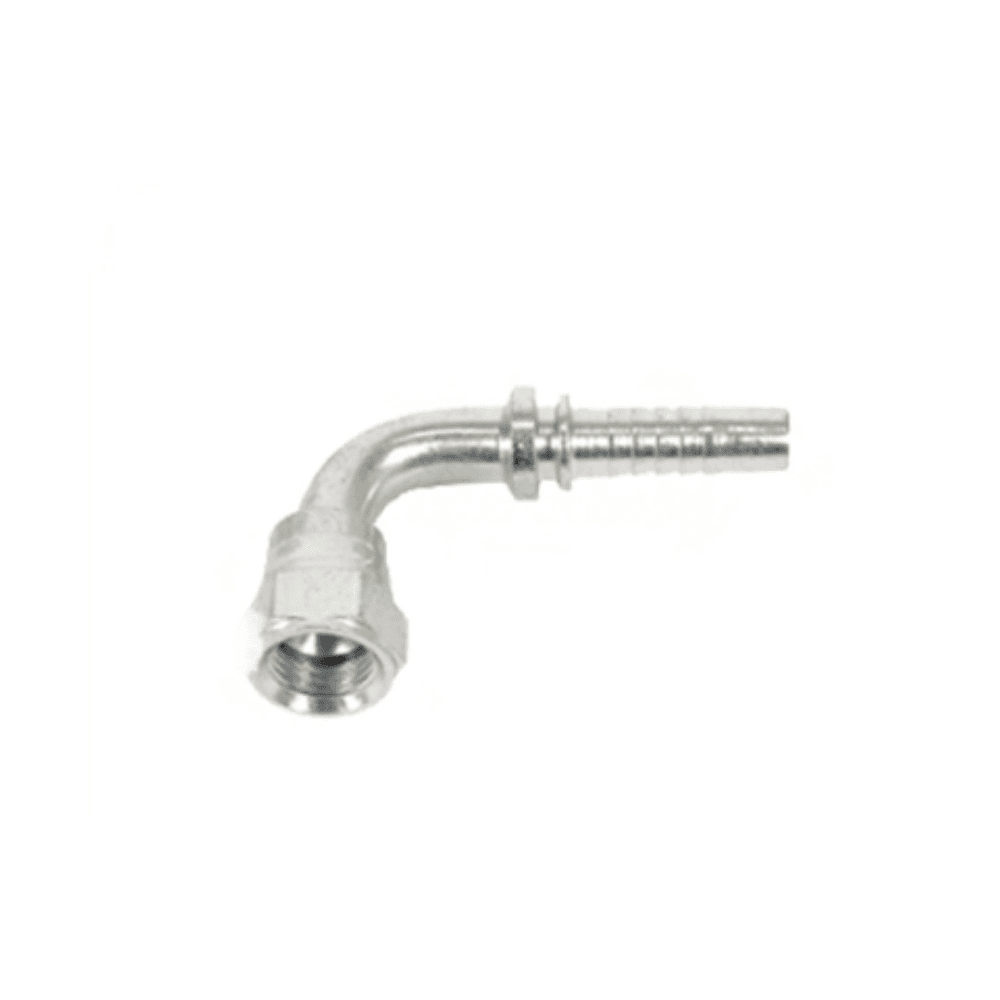
JIC 37° Female Swivel 90° Elbow Crimp Fitting for Spiral Hose
Questions we get asked
About this range
- 01Can I use these on 4SH or R13 hose?
- They are listed for 4SP and R12. 4SH, R13 and R15 are higher-pressure constructions with their own fittings and ferrules — tell us the hose and we will confirm the correct series.
- 02Why are spiral-hose fittings heavier?
- Spiral hose carries higher pressures and impulse loads, and its thicker wall and wire layers need a longer, stronger grip. The heavier body and its crimp are designed for that construction.
- 03Are these one-piece fittings?
- Yes. Crimp them to the diameter specified for the hose and fitting, with the matching dies.
- 04Why do larger spiral hose assemblies use flange heads instead of threaded ends?
- Because at -16 and above a threaded swivel needs very high torque to seal, is hard to make up in the field and is more likely to loosen under impulse. An SAE Code 61 or Code 62 flange head seals on an O-ring clamped by four bolts, which is easier to assemble on large high-pressure lines and can be released without turning the hose. Code 62 is the higher-pressure pattern; the two are not interchangeable.
- 05How close to the fitting can spiral hose bend?
- Not at the fitting itself: leave a straight length of hose behind the ferrule before the bend starts, and never bend tighter than the hose’s minimum bend radius. A bend that starts at the ferrule concentrates strain on the wire where it leaves the crimp, which is where spiral assemblies usually fail. Where the routing turns sharply at the port, use a 45° or 90° elbow fitting instead of bending the hose.
- 06Can a crimped spiral hose fitting be reused?
- No. The ferrule is permanently deformed onto the hose and its grip cannot be restored once it is cut off, so the fitting is scrapped with the hose. Recrimping a used fitting onto new hose is a known cause of blow-offs. Keep the old assembly for its length and orientation, and order new fittings for the replacement.
From the blog
Written about this range
Assembly, crimping & certification
Braided against spiral hose fittings: why the same thread comes in two crimp series
A JIC female swivel for 2SN and a JIC female swivel for 4SP look alike and are different parts. Which hoses each series fits, the end families in each, and what happens when they are swapped.
4 min read
Assembly, crimping & certification
Hydraulic hose assembly: specifying, cutting, crimping, testing and tagging
A hose assembly is a manufactured part, not a length of hose with ends on. The steps that make one right — from the specification to the crimp diameter, the proof test and the tag — and the mistakes that make one wrong.
6 min read