
Category
Stainless Steel Hydraulic Fittings
Stainless steel hydraulic fittings are hose ends, adapters and flanges machined from SS316L for lines where zinc-plated carbon steel corrodes: offshore, washdown, chemical and coastal plant. This shelf carries Indus Hydraulics SS316L fittings from Dubai in BSP 60° cone and flat seat, metric 24° cone, JIC 37°, ORFS, NPT and NPSM forms, double-hex swivels, SAE Code 61 and Code 62 flanges with seals, banjos, standpipes and hydrowashing couplings.
Where carbon steel will not last
SS316L fittings are for washdown, offshore, chemical handling and coastal plant, where plated carbon steel corrodes. The range mirrors the carbon-steel families — BSP, JIC 37°, ORFS, metric, NPT/NPSM and SAE flanges — plus banjos, standpipes and hydrowashing couplings.
Match materials through the joint: a single stainless fitting in a plated port moves the corrosion to the port rather than ending it. Where the whole system cannot change, decide deliberately which part is the sacrificial one.
The same connection standards, in 316L
The ends follow the same connection standards as their carbon-steel equivalents: SAE J518 / ISO 6162 for four-bolt flanges (Code 61 and Code 62), SAE J514 for 37° flare, SAE J1453 for O-ring face seal, ISO 8434-1 for 24° cone and ISO 228-1 for BSP.
Size range
Every size above is a part number you can quote from. Open any listing for its full table.
Delivery
Stainless Steel Hydraulic Fittings across the Gulf
Ex-stock from Dubai, delivered within 3 working days in the UAE.
Hose and fittings are the bulk of what leaves this warehouse, and they travel well: a crated batch of assemblies with its crimp records, or a box of adapters on an airway bill. Buyers outside the UAE usually order to a measured list rather than to a part number, because a hose is defined by its ends, its length and its route rather than by a code. Send those and we will quote against them.
Beyond the Gulf
- East Africa
- Kenya, Mozambique, Tanzania
- West & Central Africa
- Nigeria, Republic of the Congo, DR Congo
- Southern Africa
- South Africa, Namibia, Botswana
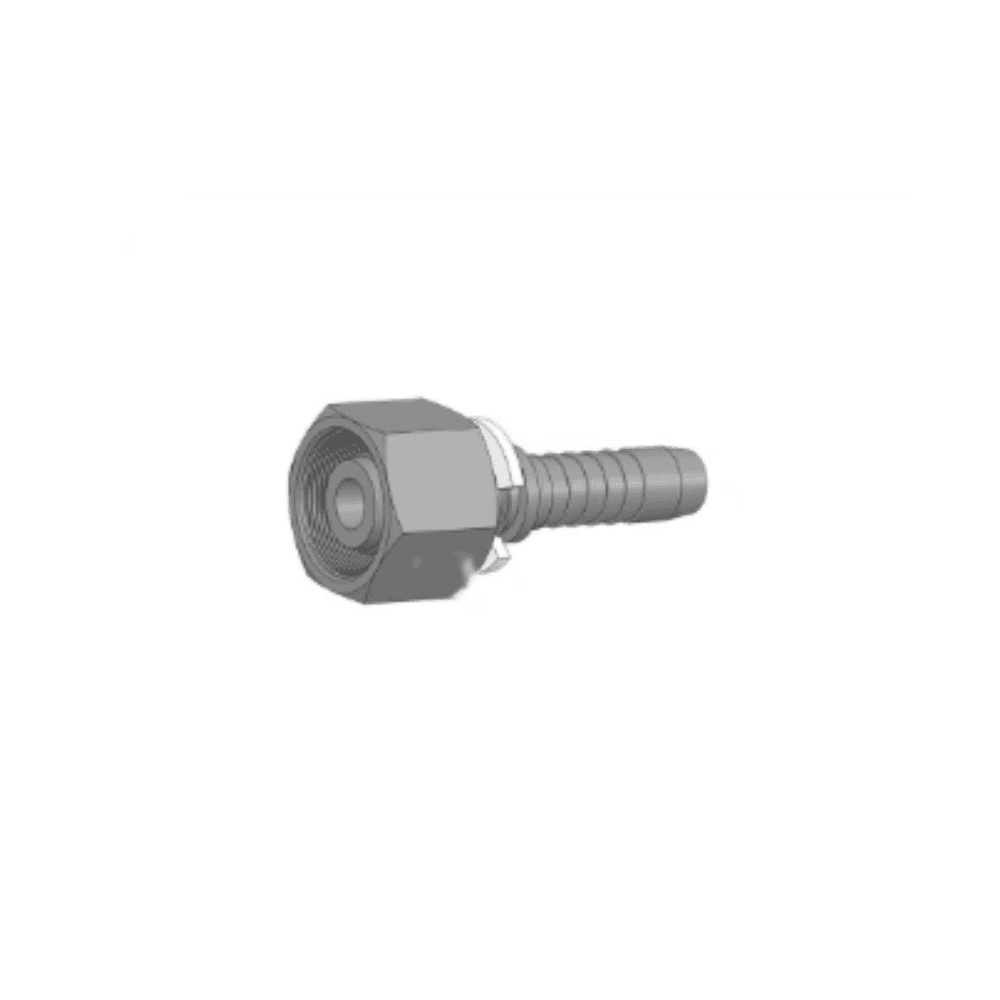
Metric female swivel with O-ring 24° cone
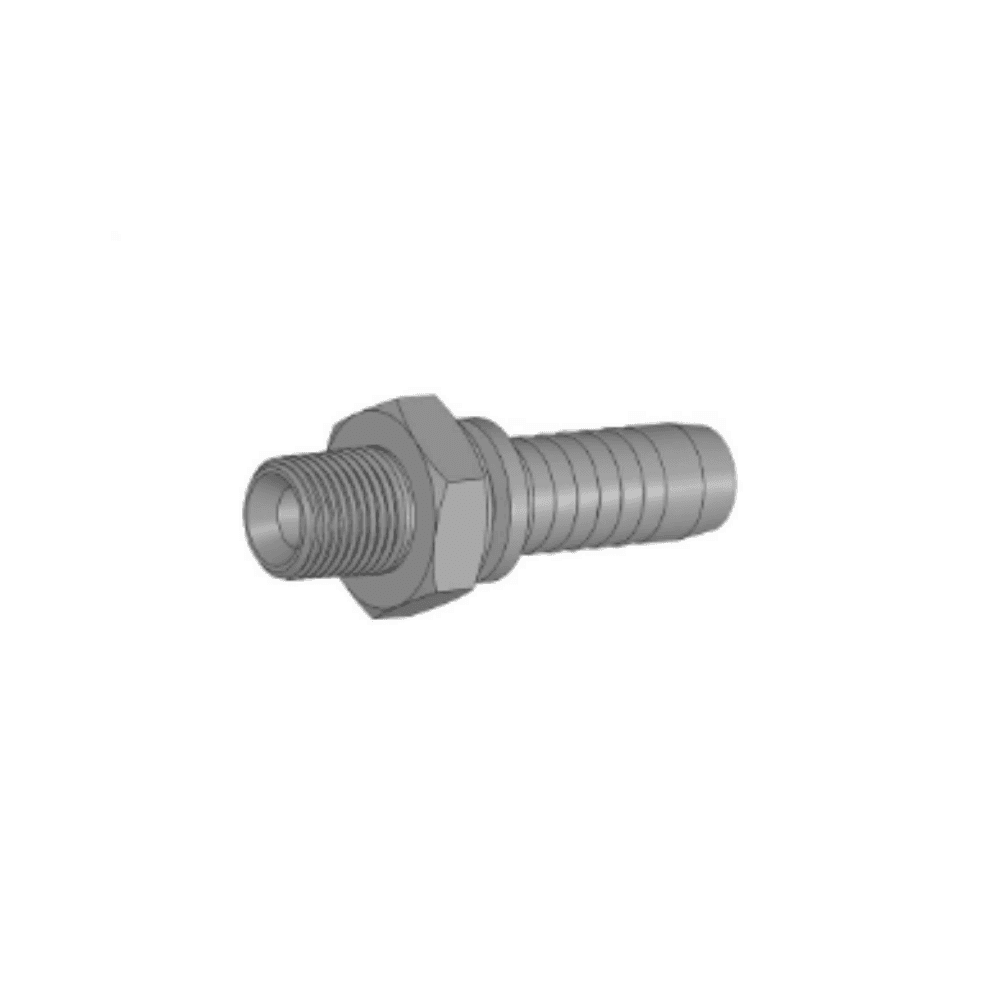
NPT male pipe straight
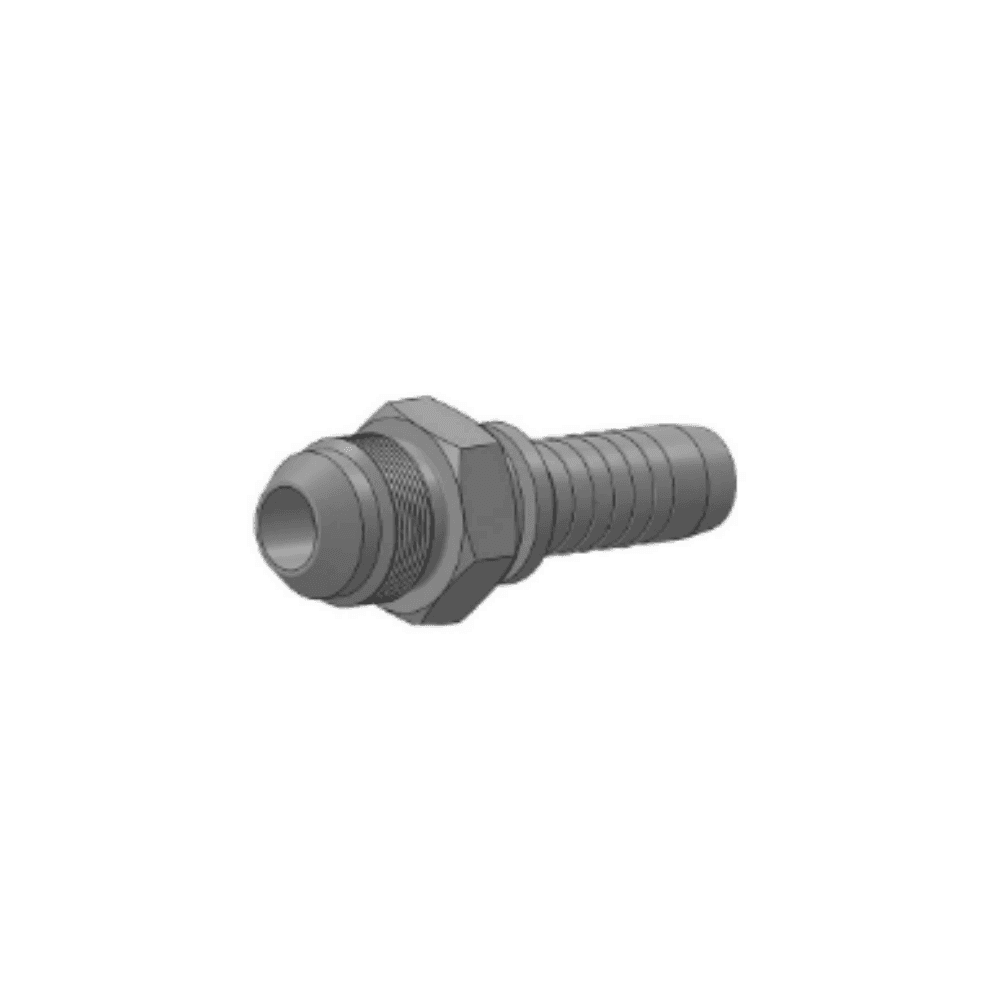
Male JIC 37°
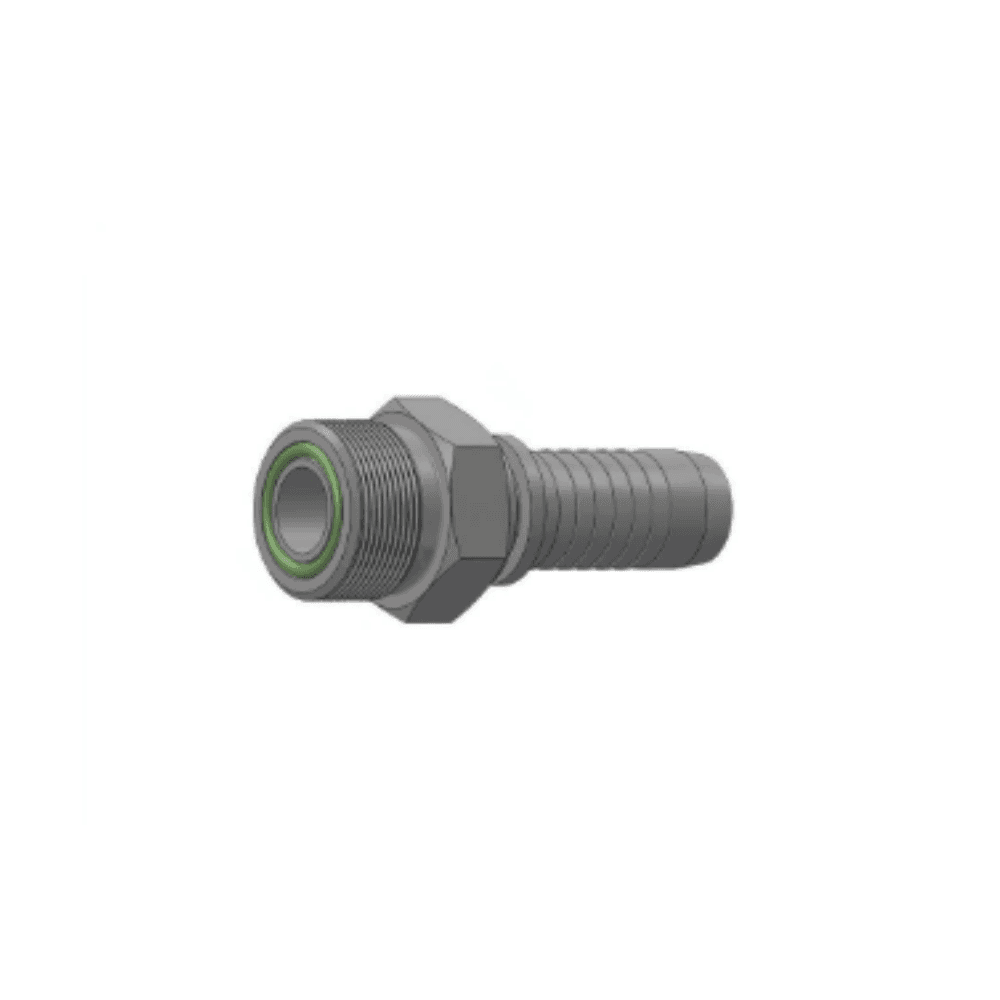
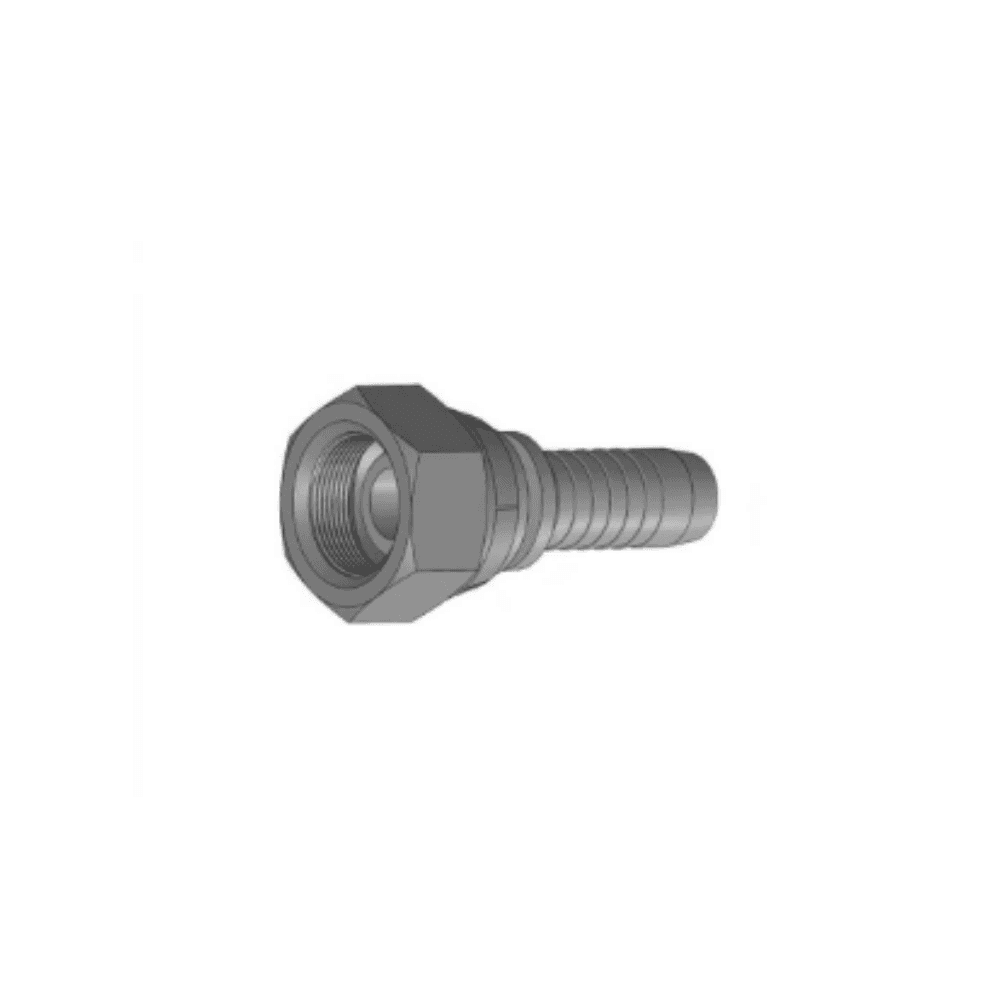
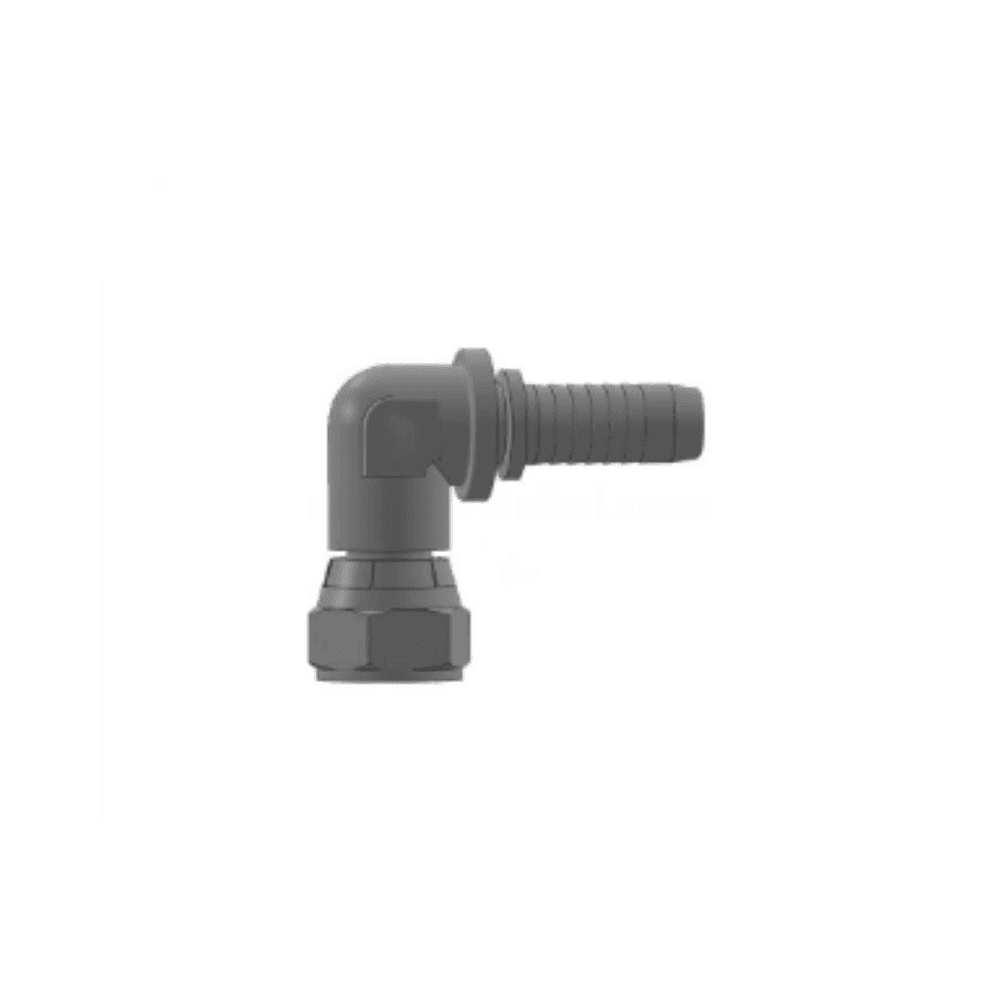
JIC 37° swivel female (90° compact elbow)
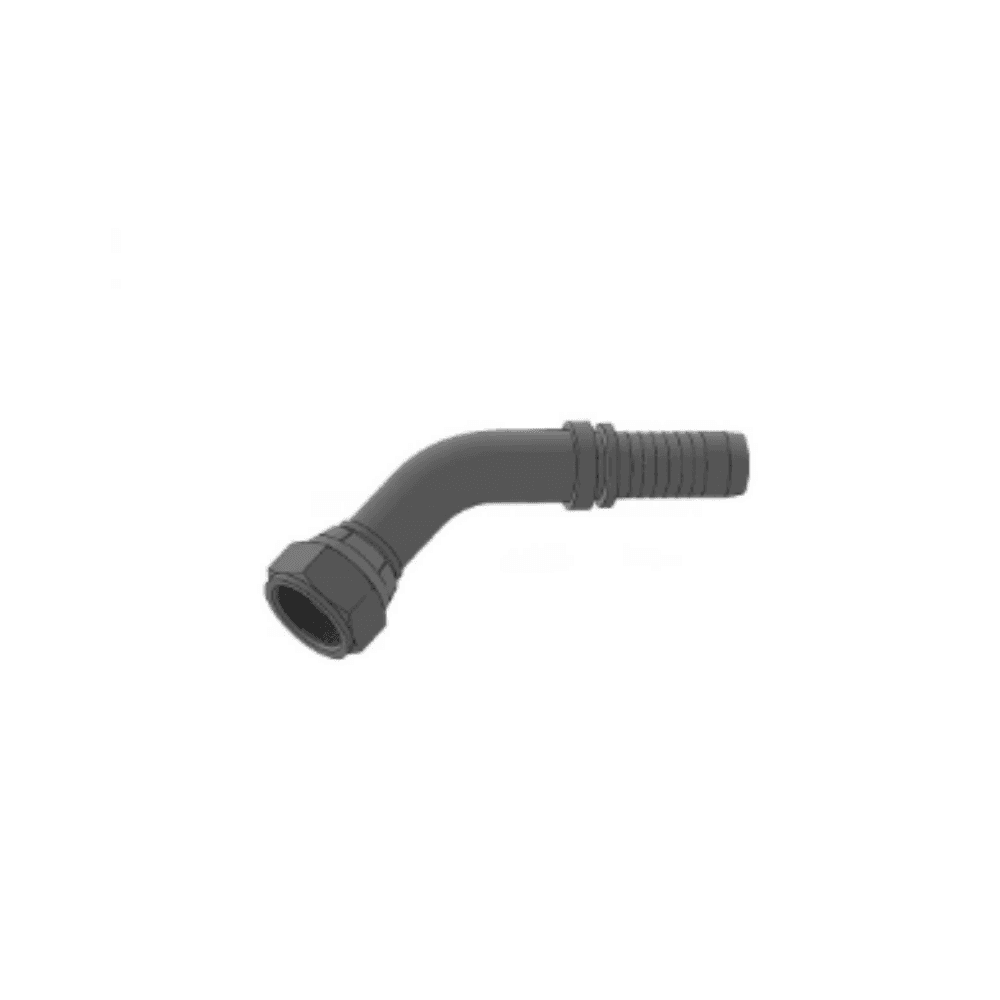
JIC 37° swivel female (45° elbow)
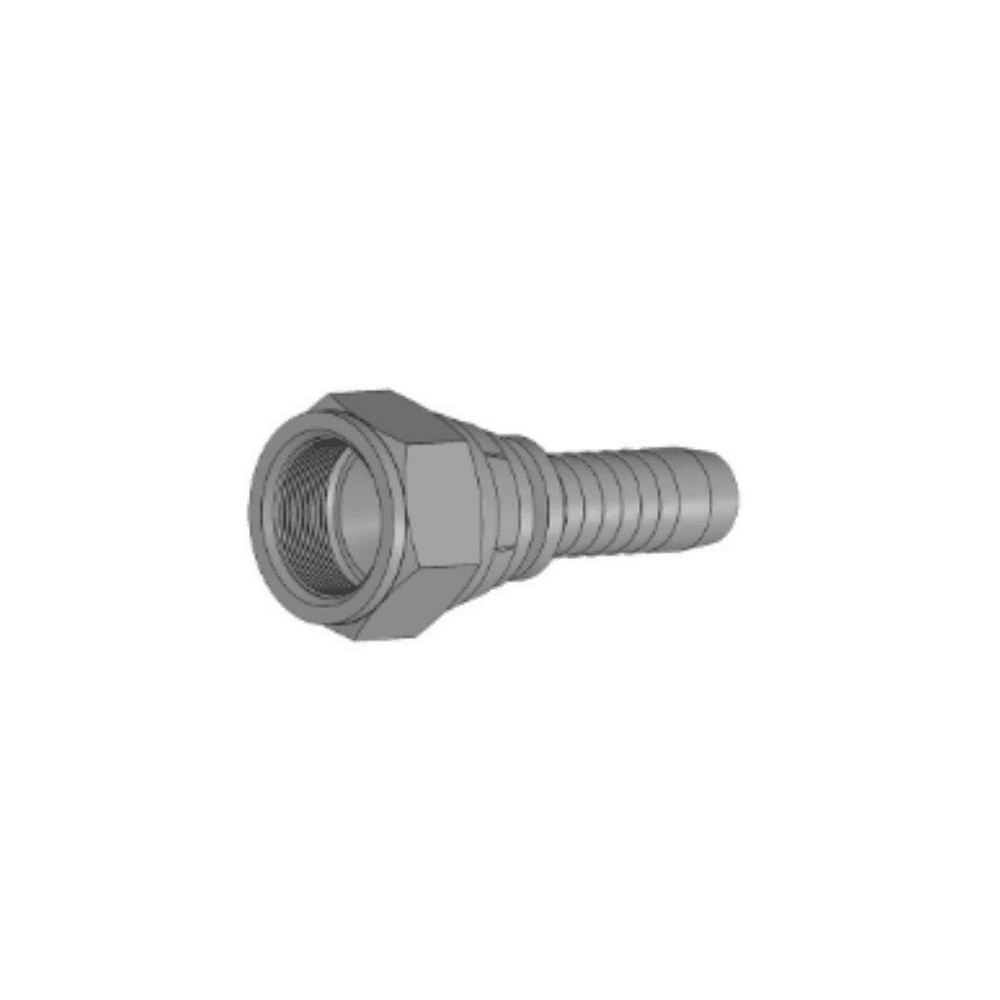
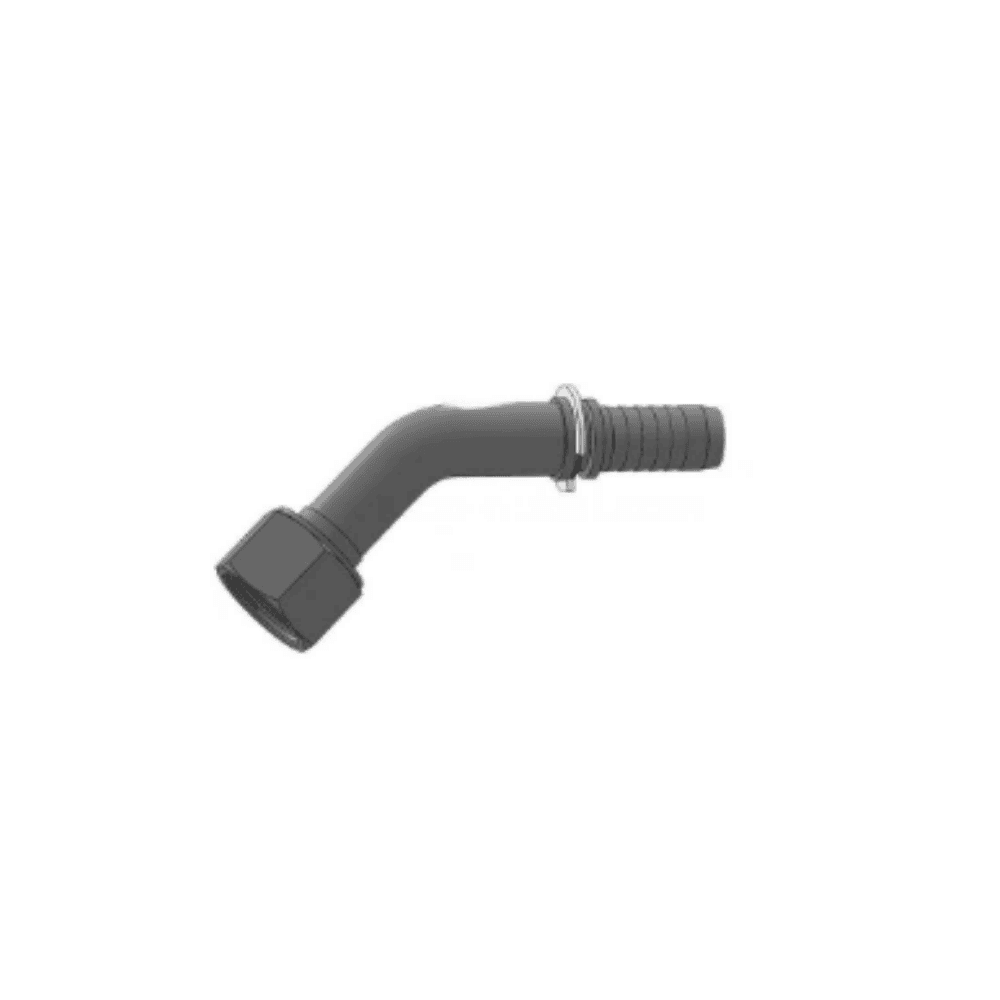
ORFS swivel female (45° elbow)
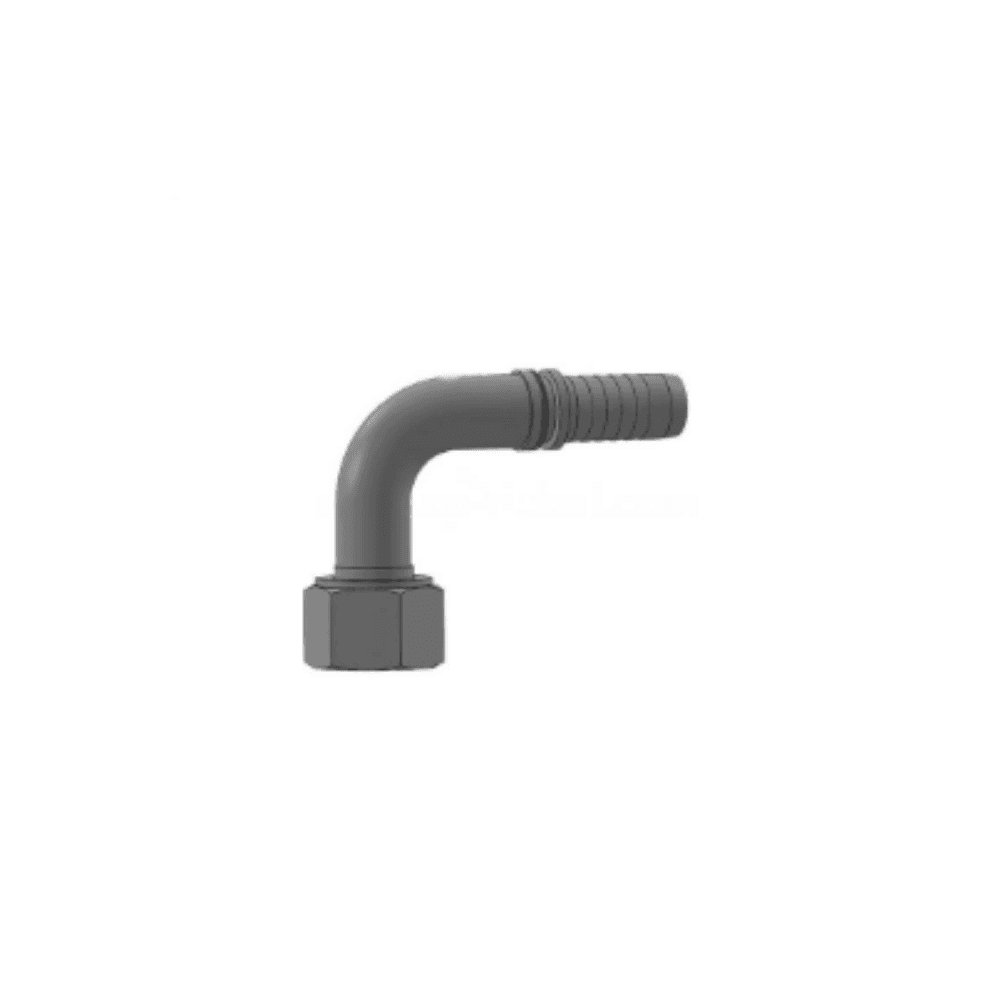
ORFS swivel female (90° elbow)
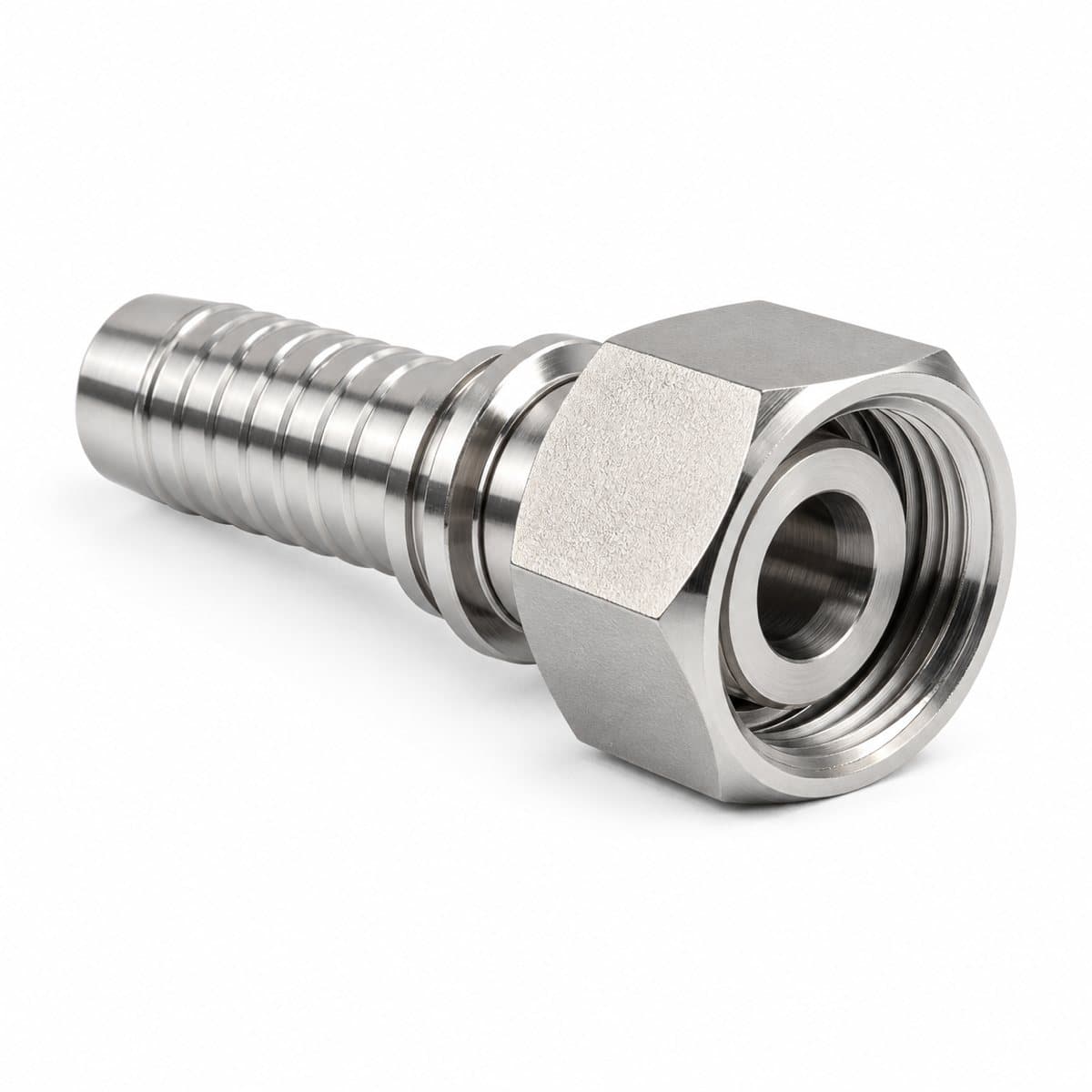
ORFS swivel female straight
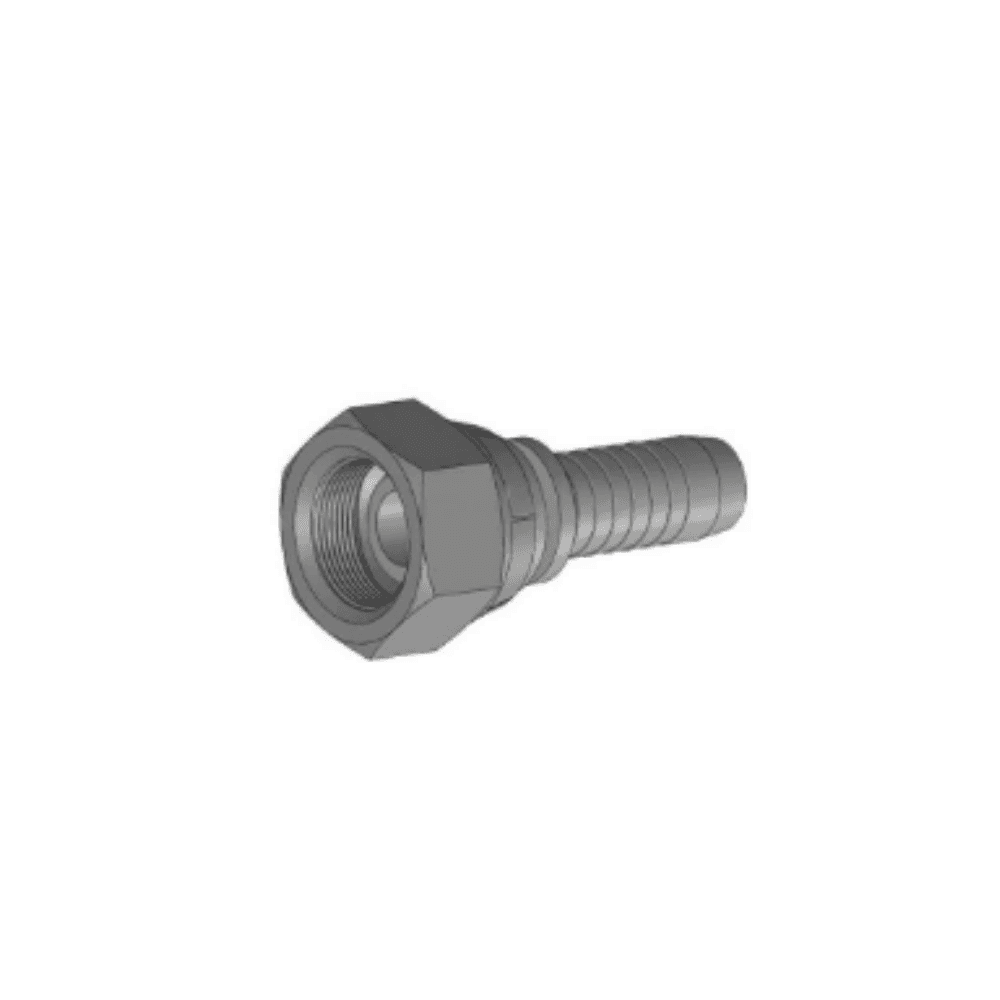
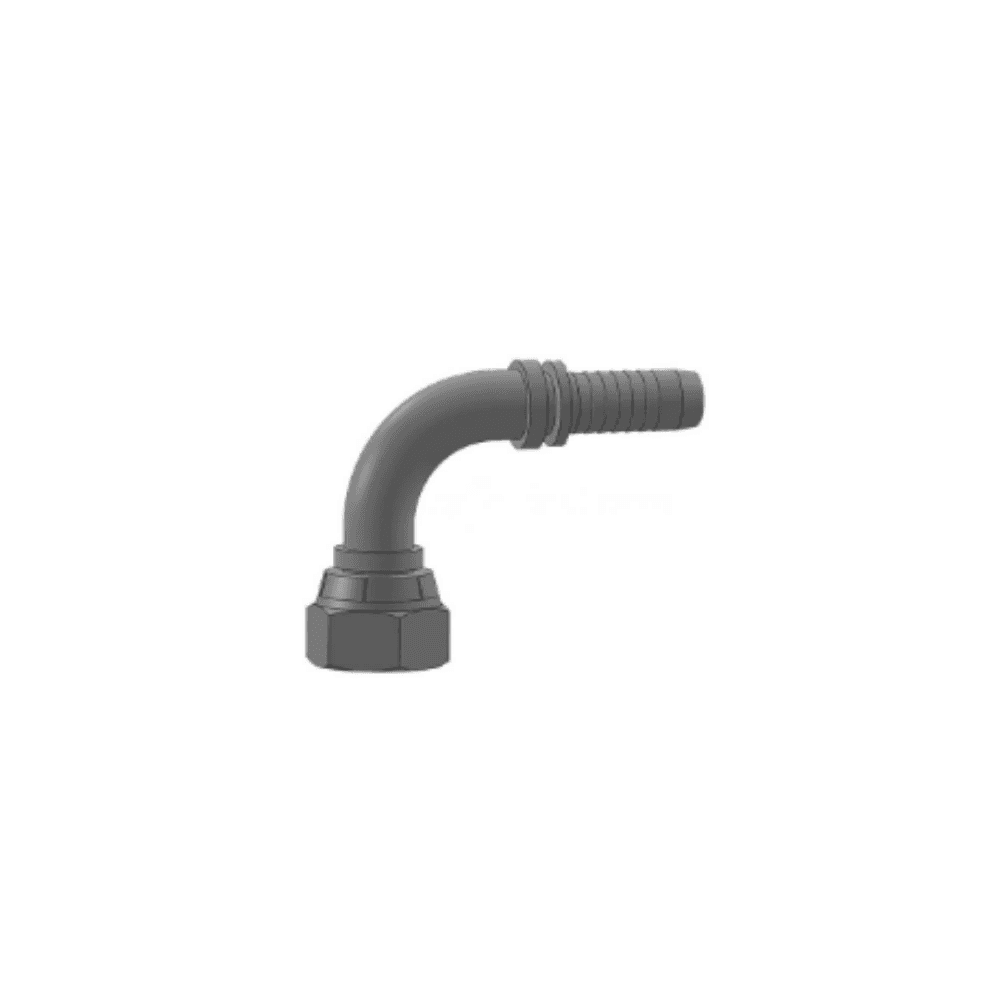
BSP Swivel Female 60° cone (90° elbow)

6000 psi SAE flange (90° elbow) – code 62

6000 psi SAE flange (45° elbow) – code 62


3000 psi SAE flange 90° elbow code 61


Stainless Steel THY Series Crimp Hose Fitting × Tube Stub
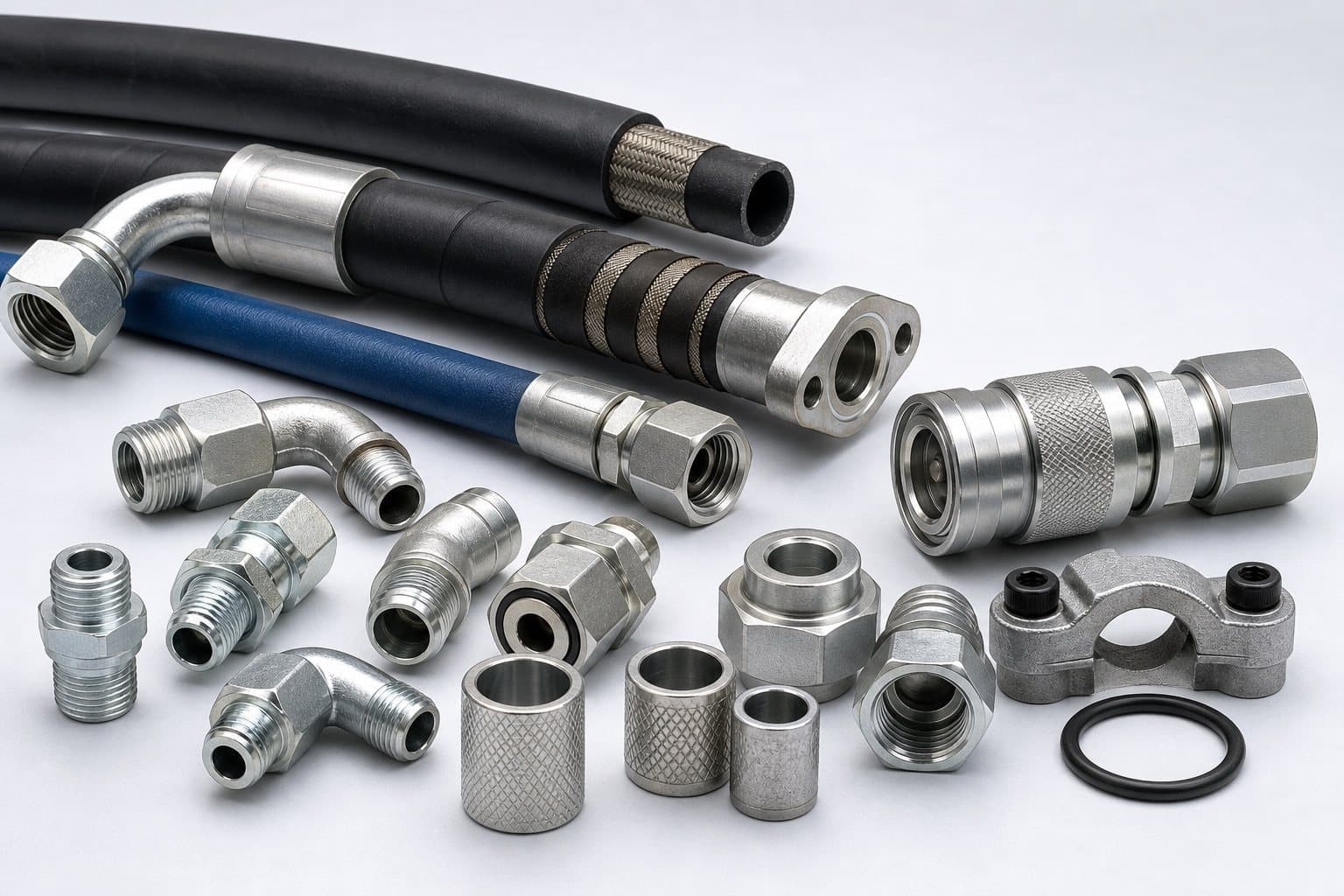 Category image · Hoses & Fittings
Stainless Steel THY Series Crimp Hose Fitting × ORB Male
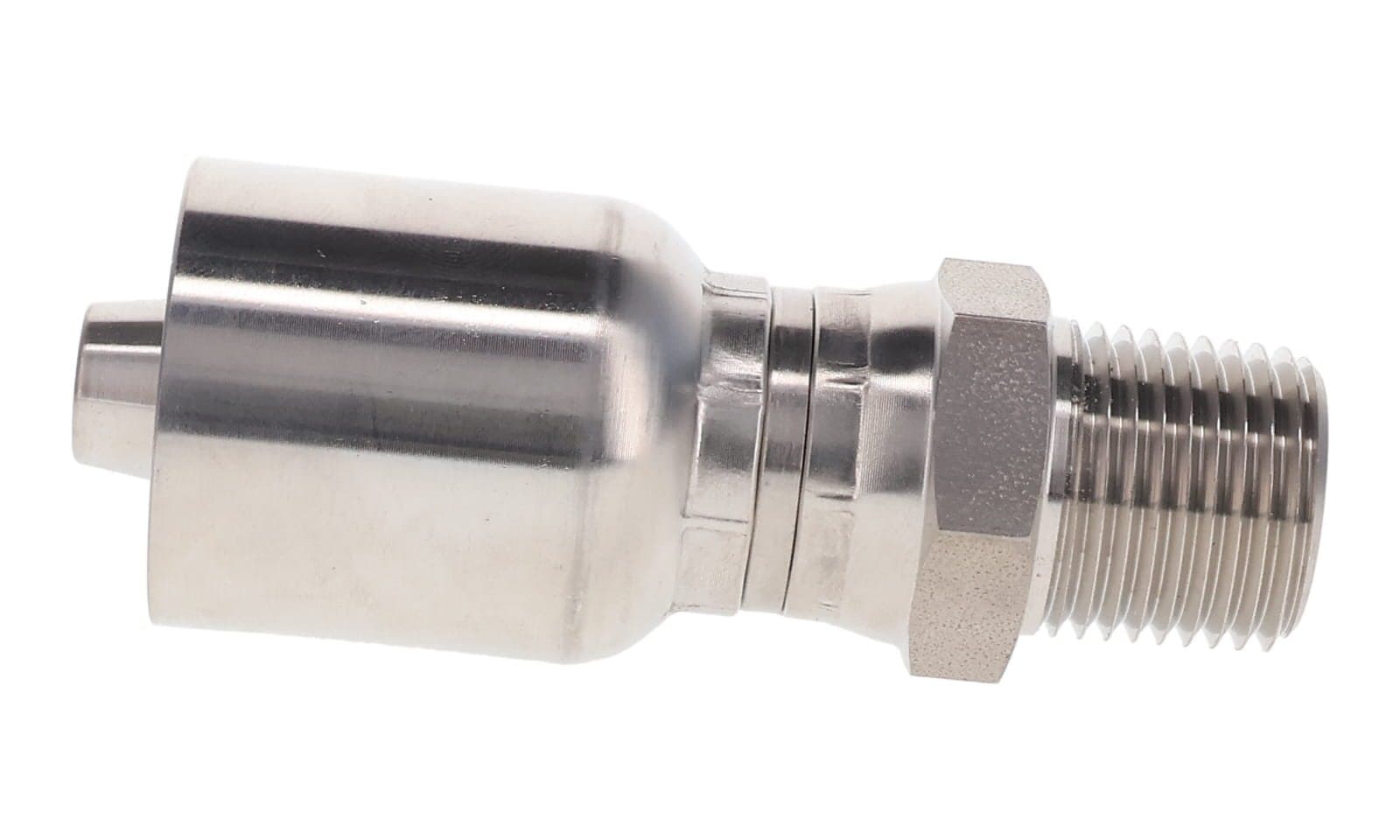
Stainless Steel 43 Series Crimp Hose Fitting × NPT Male Swivel
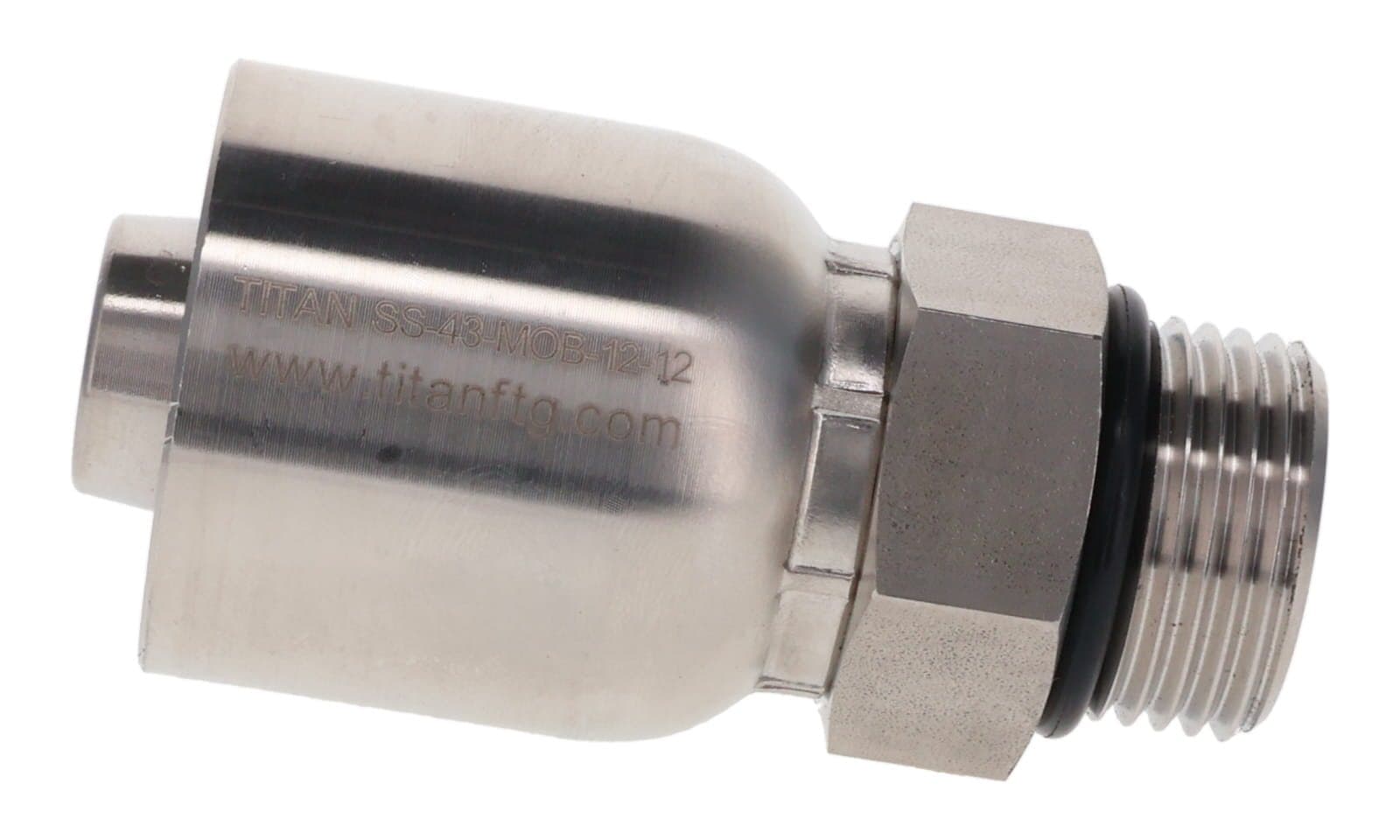
Stainless Steel 43 Series Crimp Hose Fitting × ORB Male
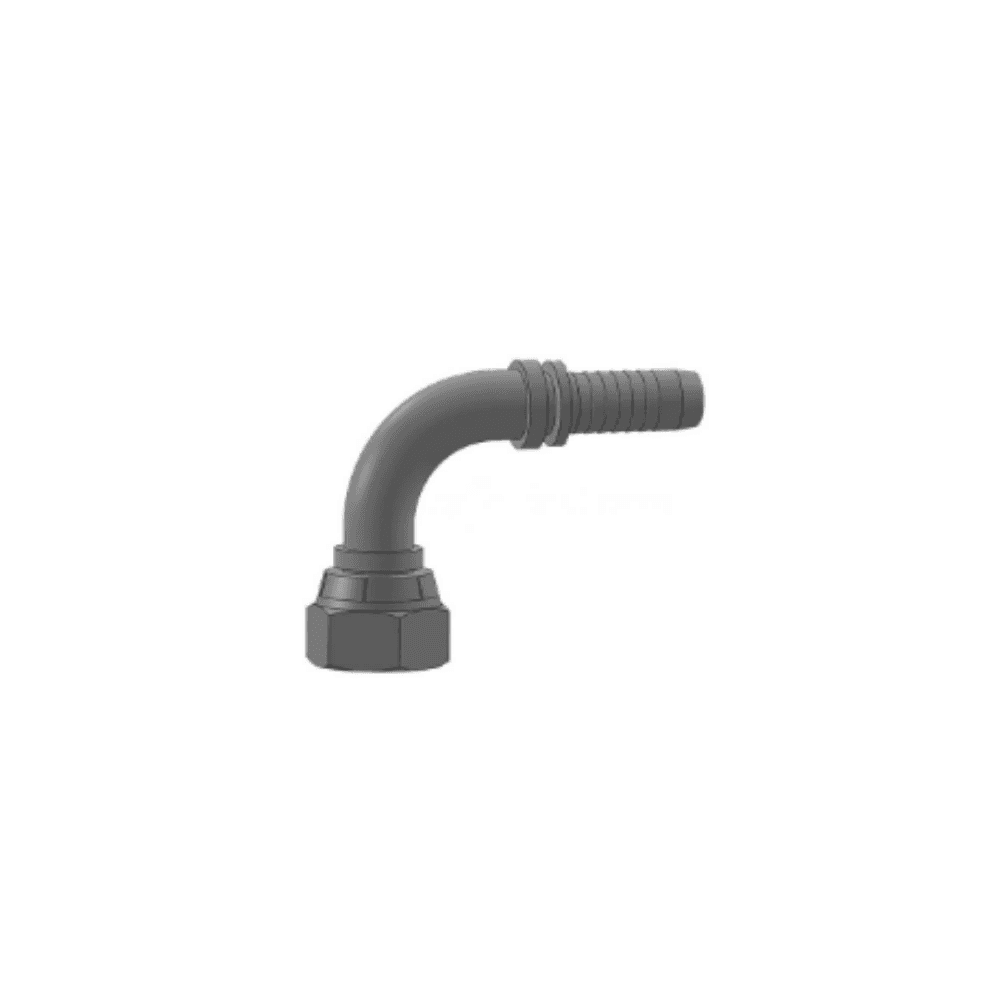
BSP swivel female flat seat (90° elbow)
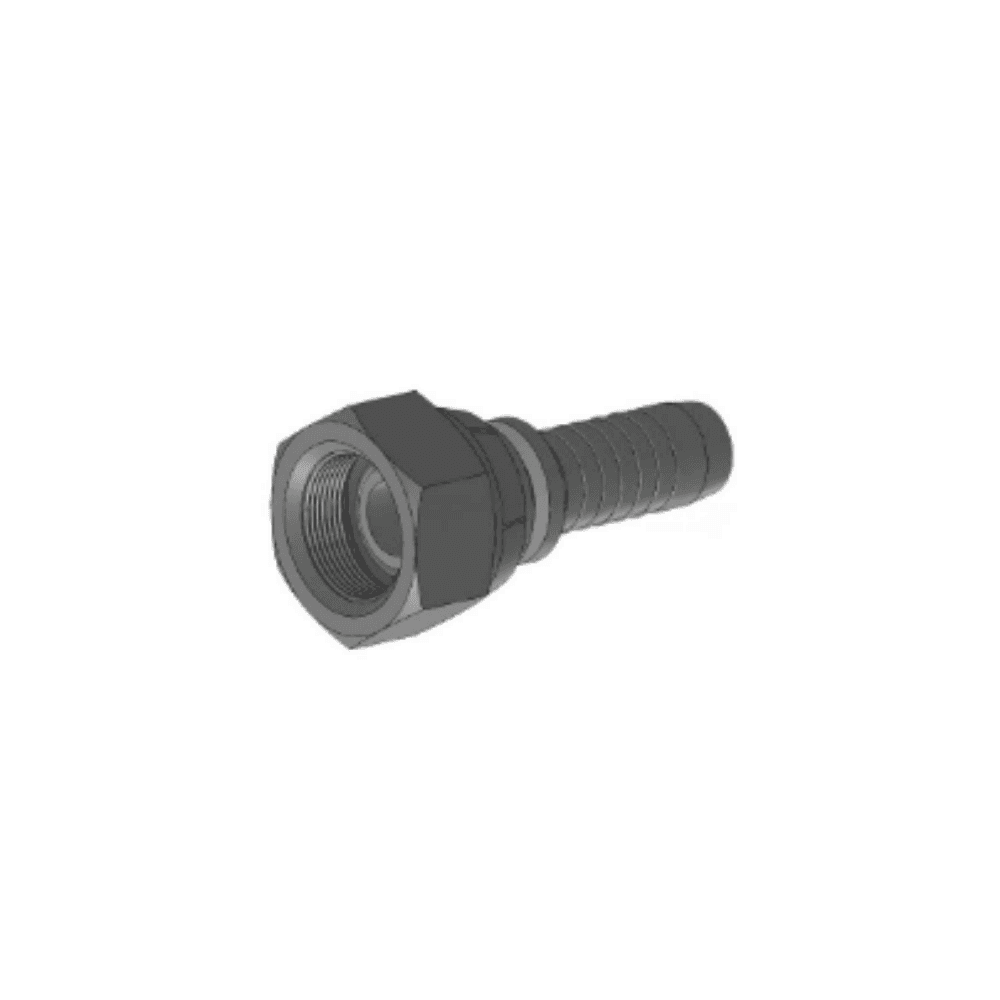
BSP swivel female 60° cone with O-ring
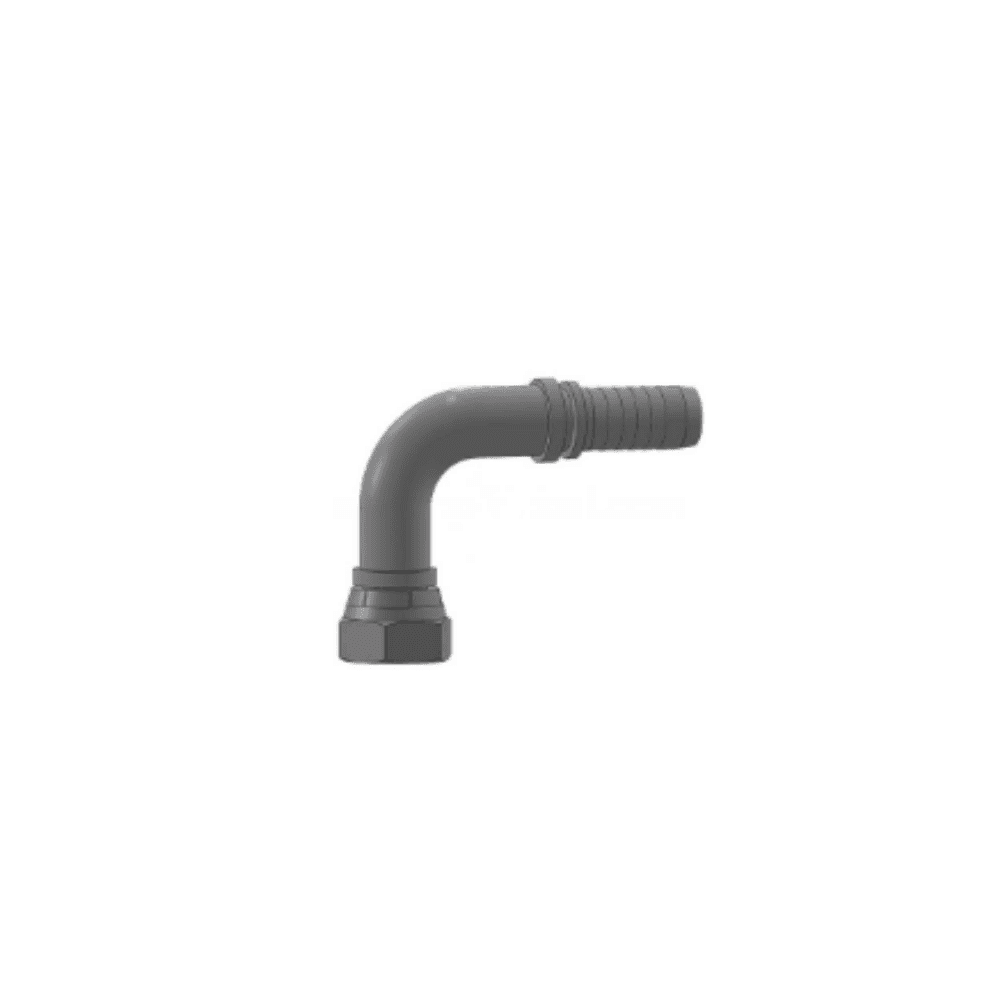
BSP swivel female 60° cone with O-ring (90° elbow)
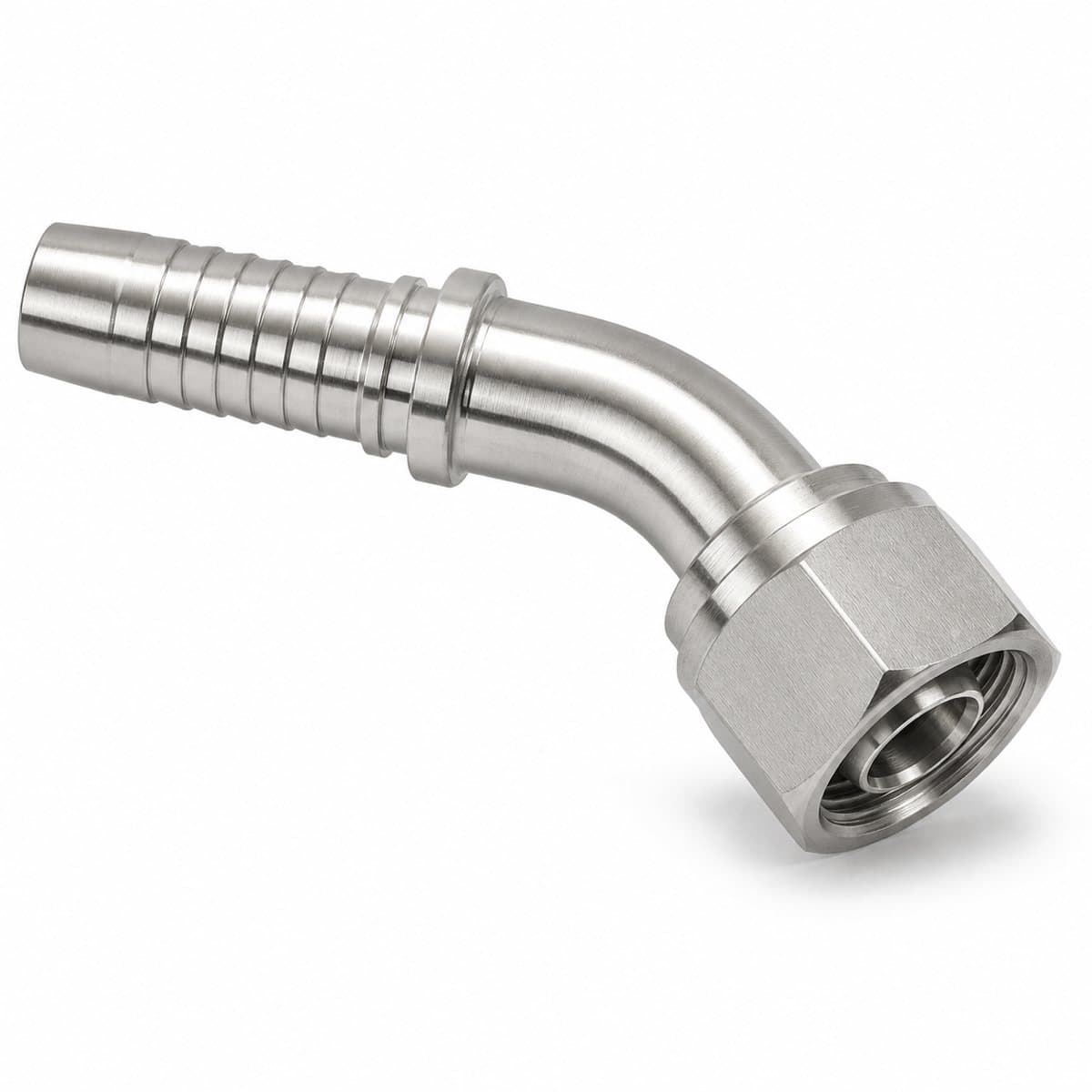
NPSM swivel female 60° cone (45° elbow)
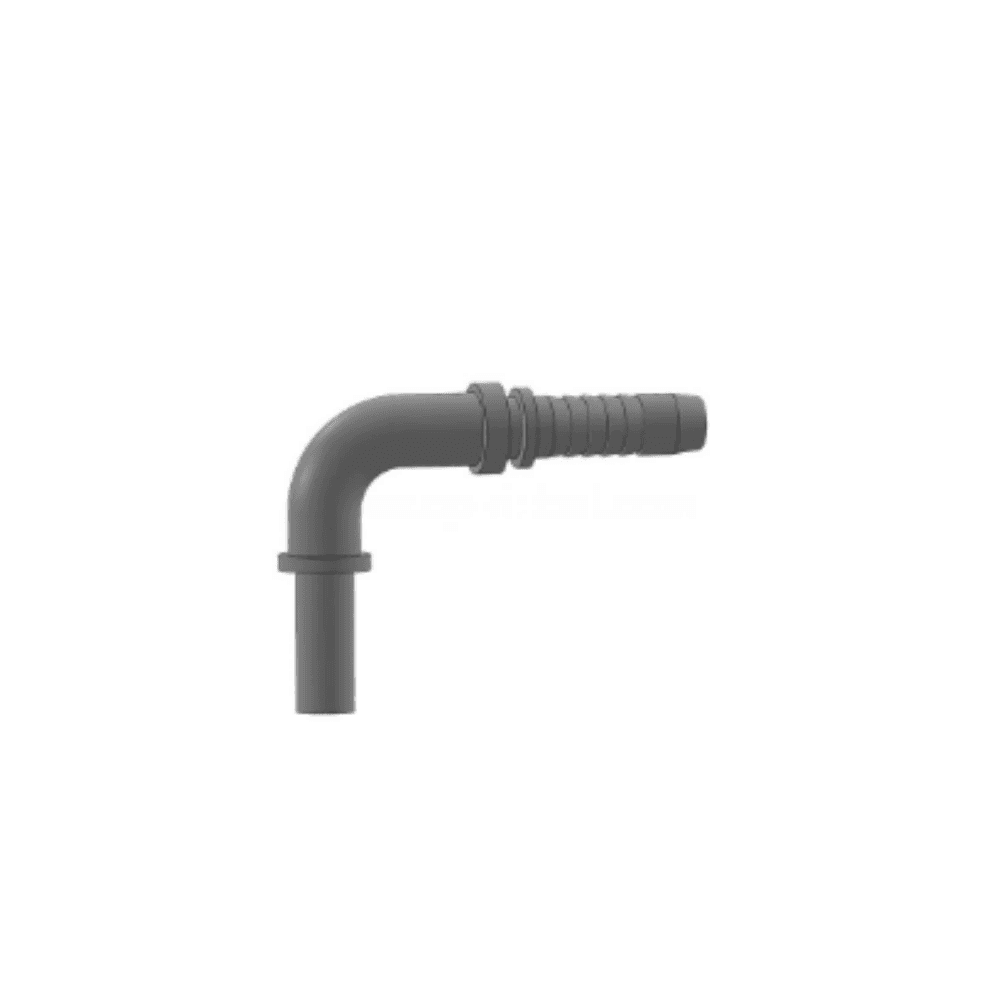
Gas tube standpipes (90° elbow)
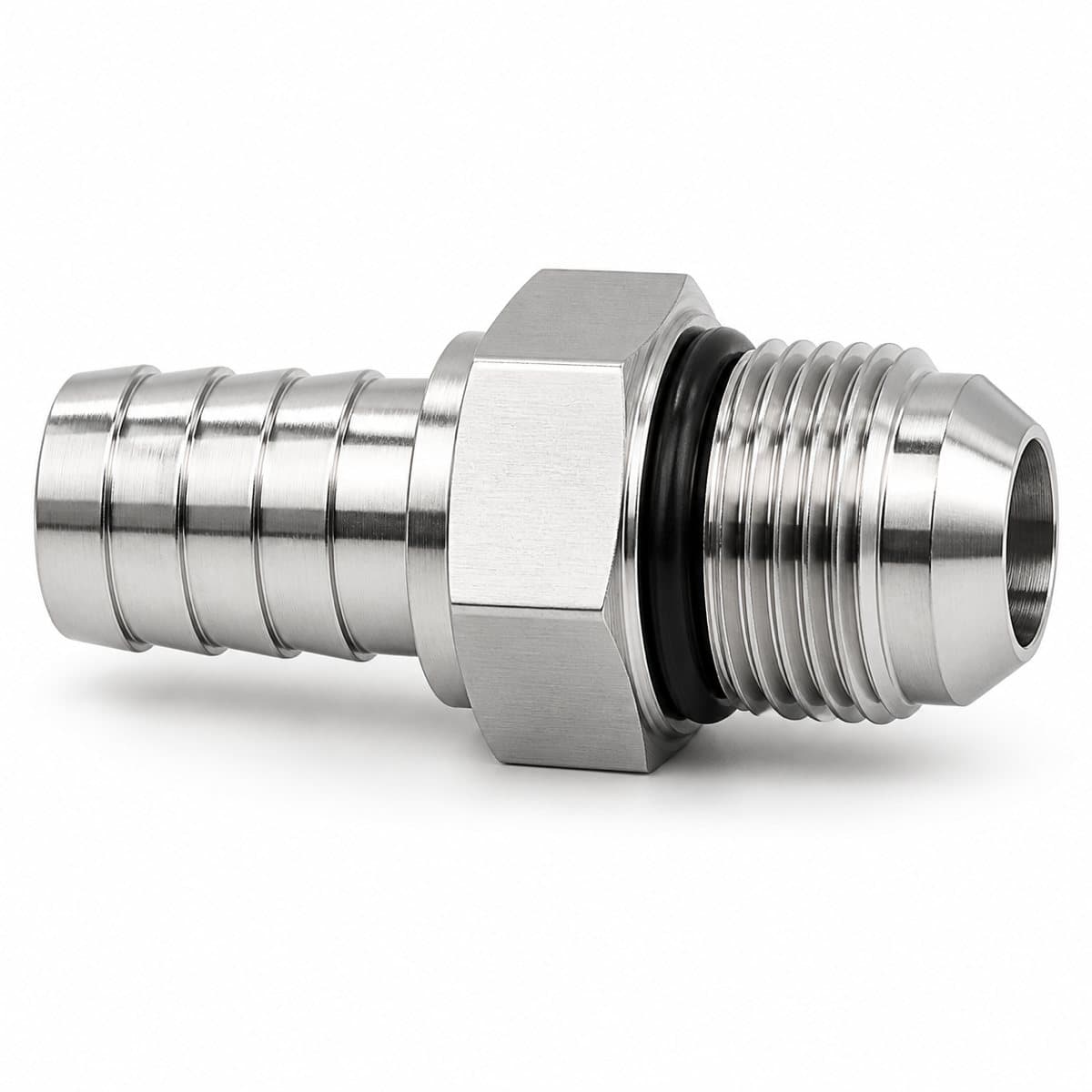
Male JIC 37° with O-ring
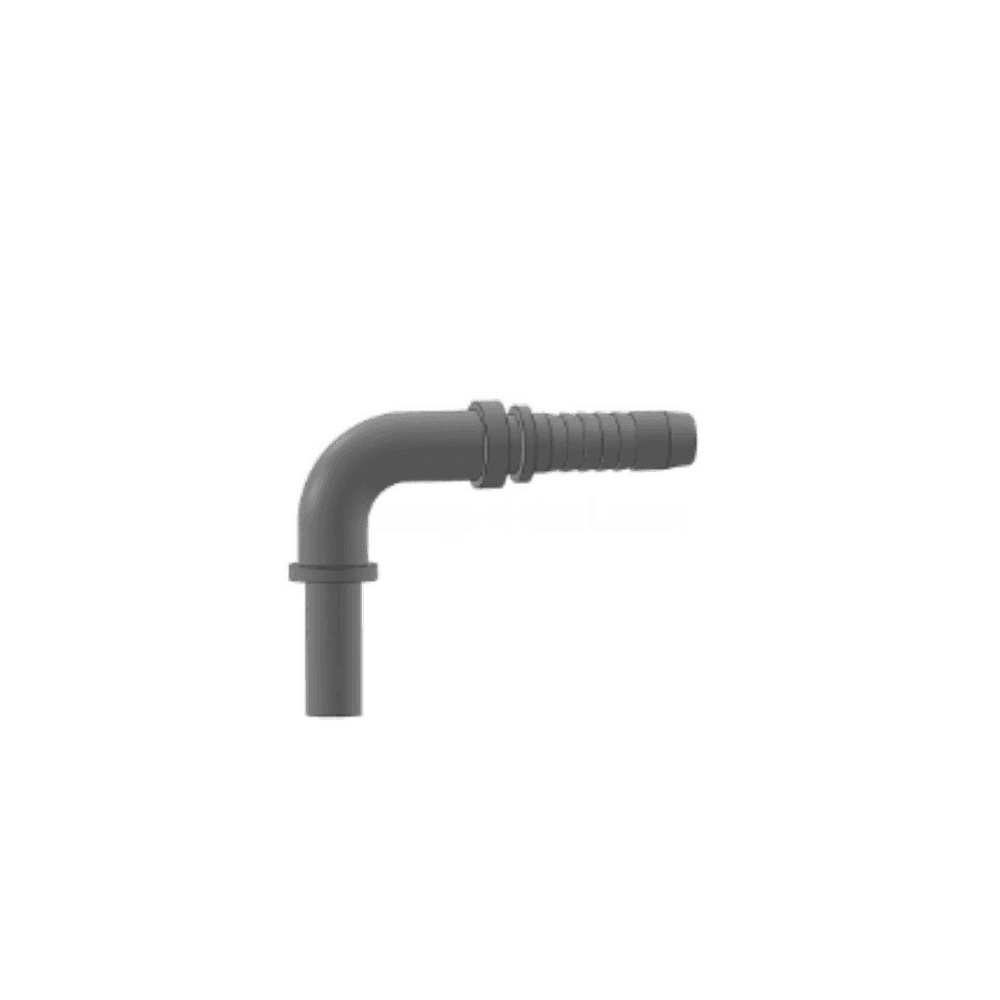
Metric standpipe DIN 2353 fittings (90° elbow)
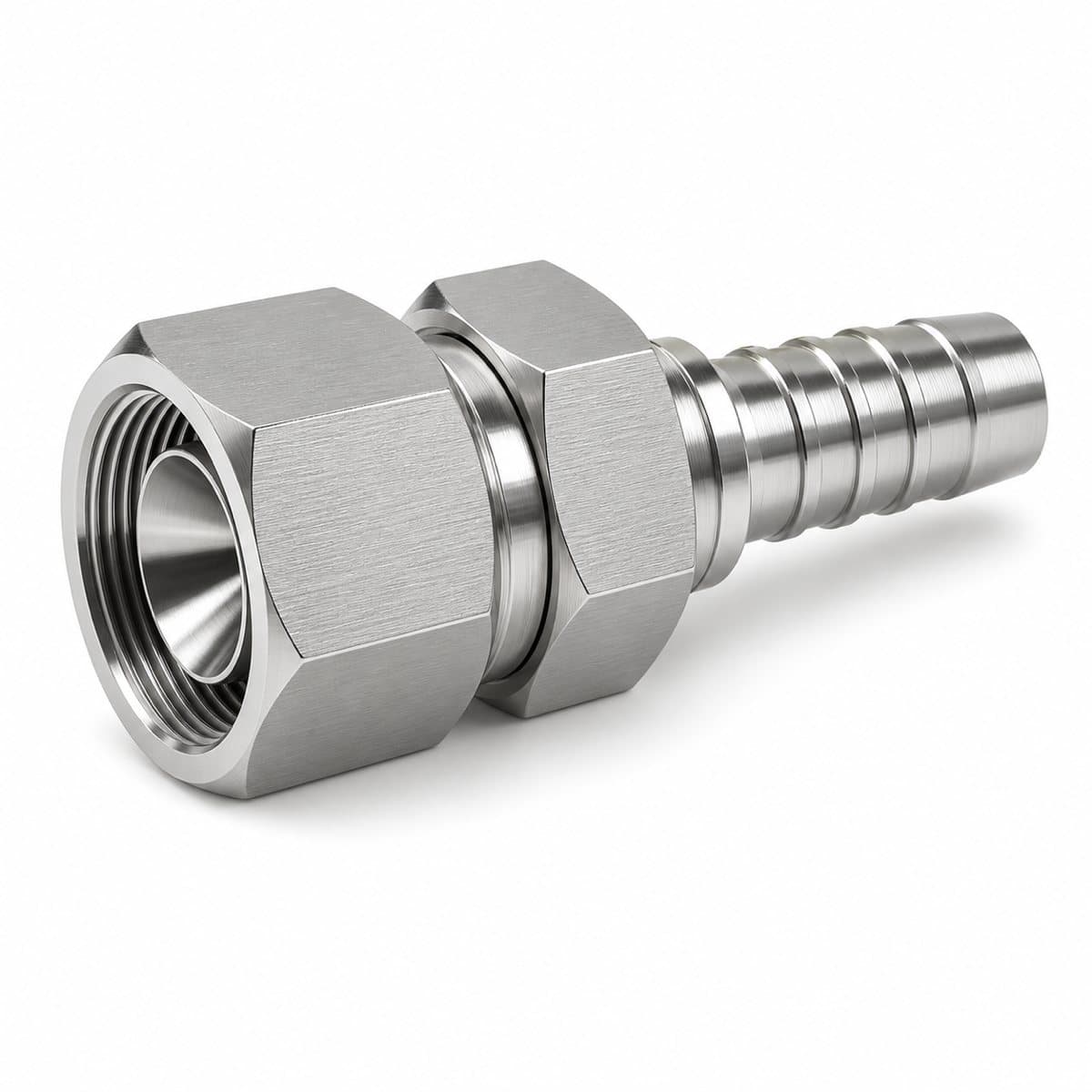
Double hexagonal NPSM swivel female cone 60°
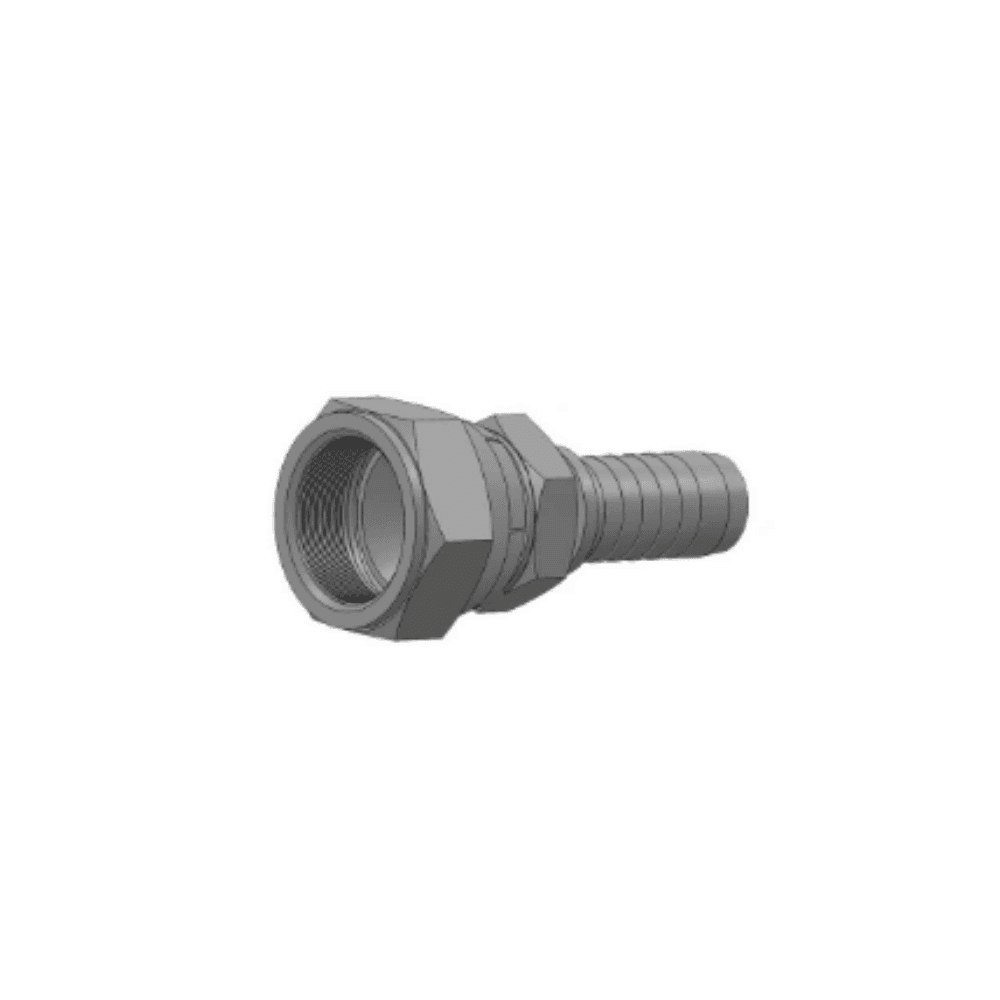
Double hexagonal JIC 37° swivel female
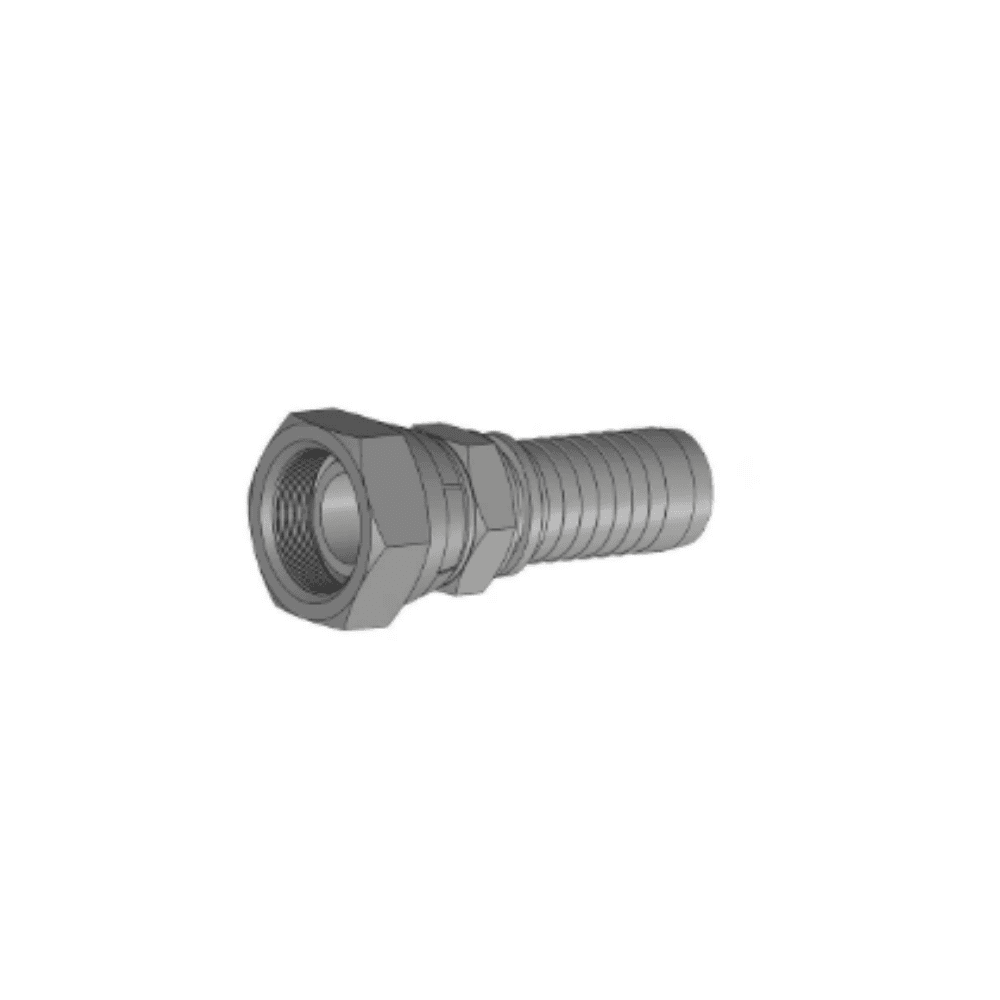
Double hexagonal BSP swivel female cone 60°
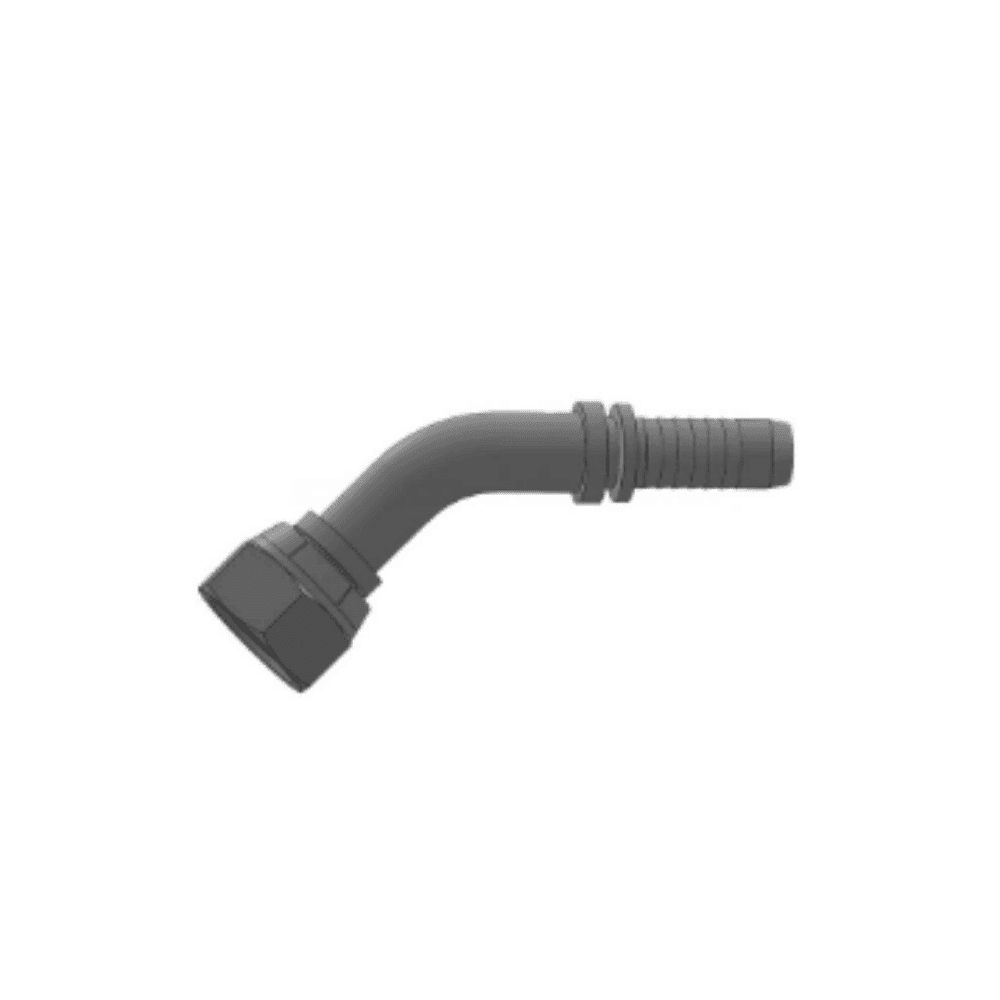
BSP swivel female flat seat (45° elbow)
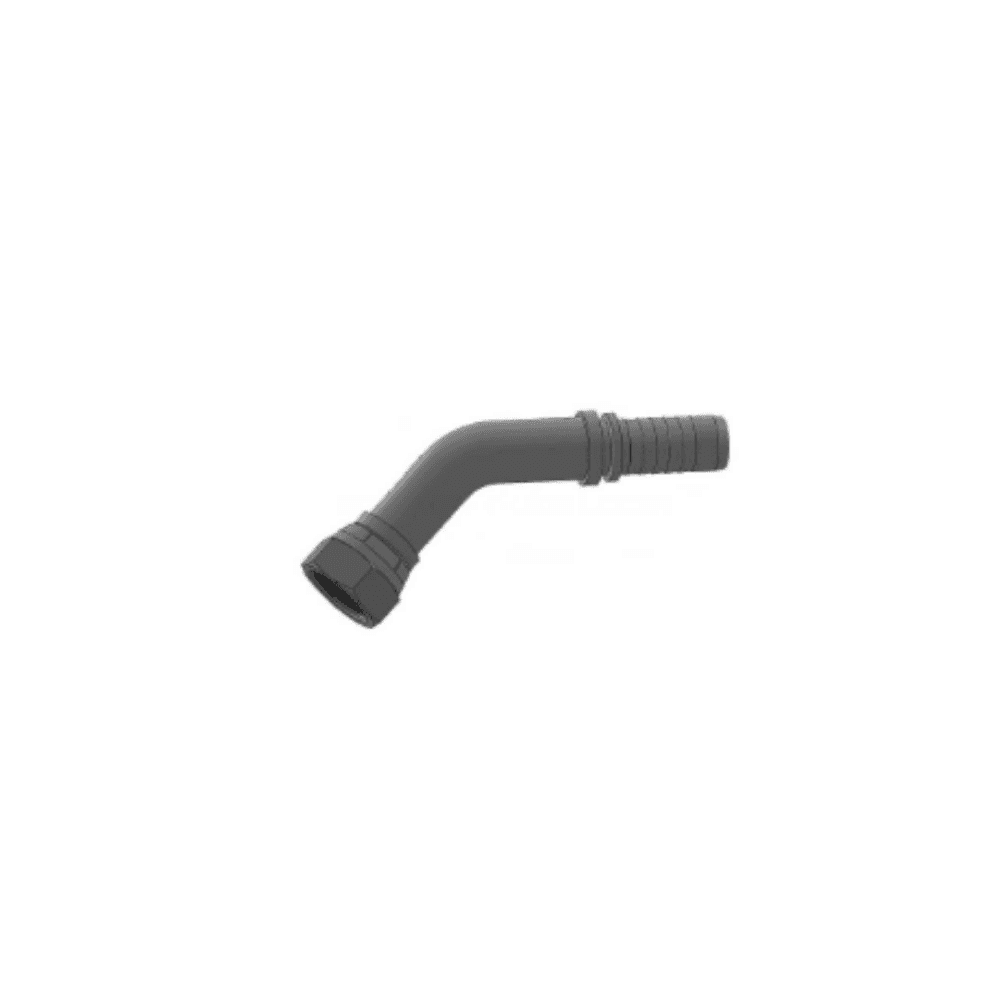
BSP swivel female 60° cone with O-ring (45° elbow)
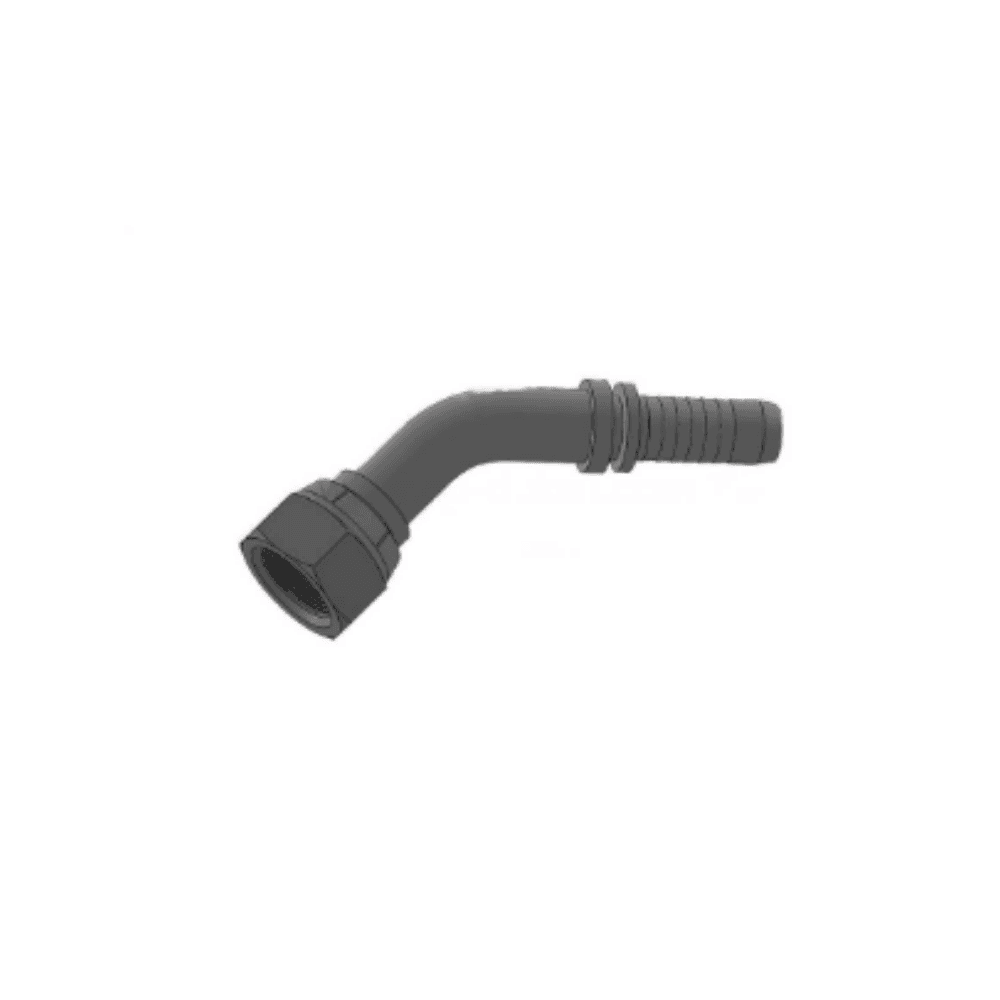
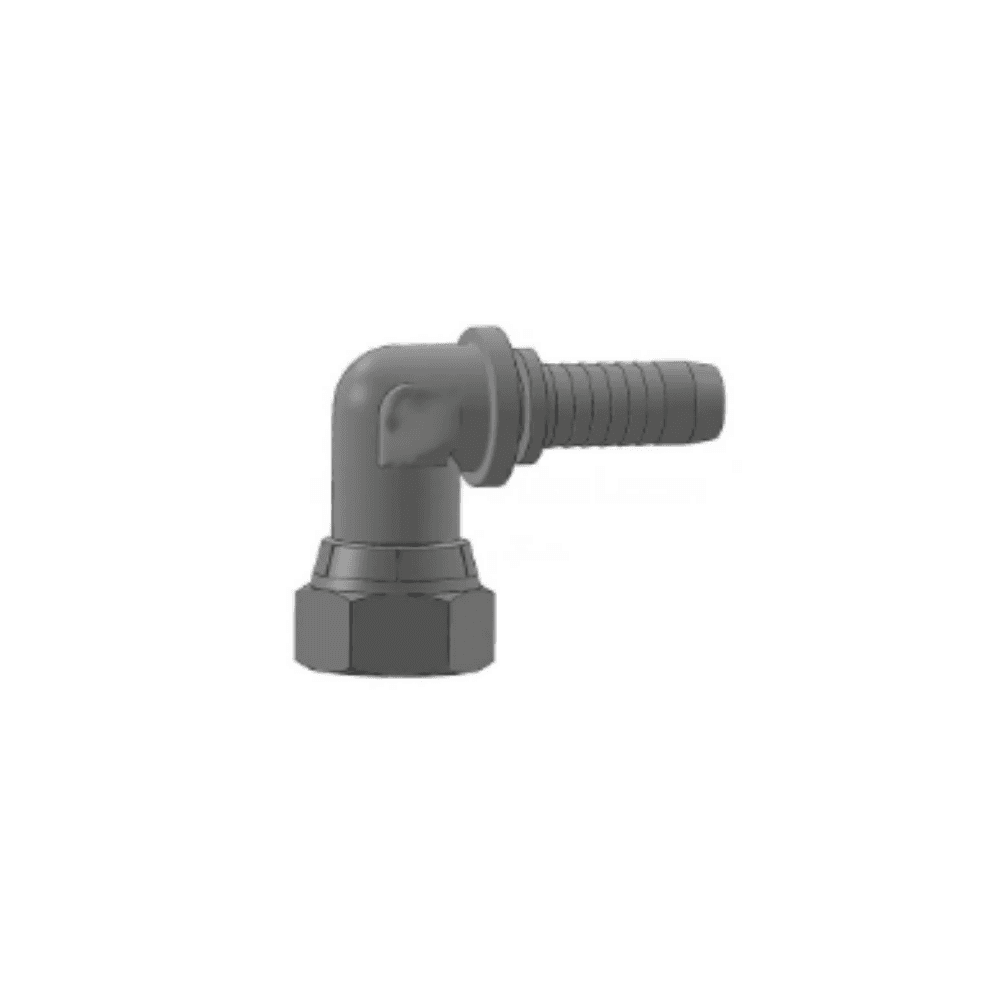
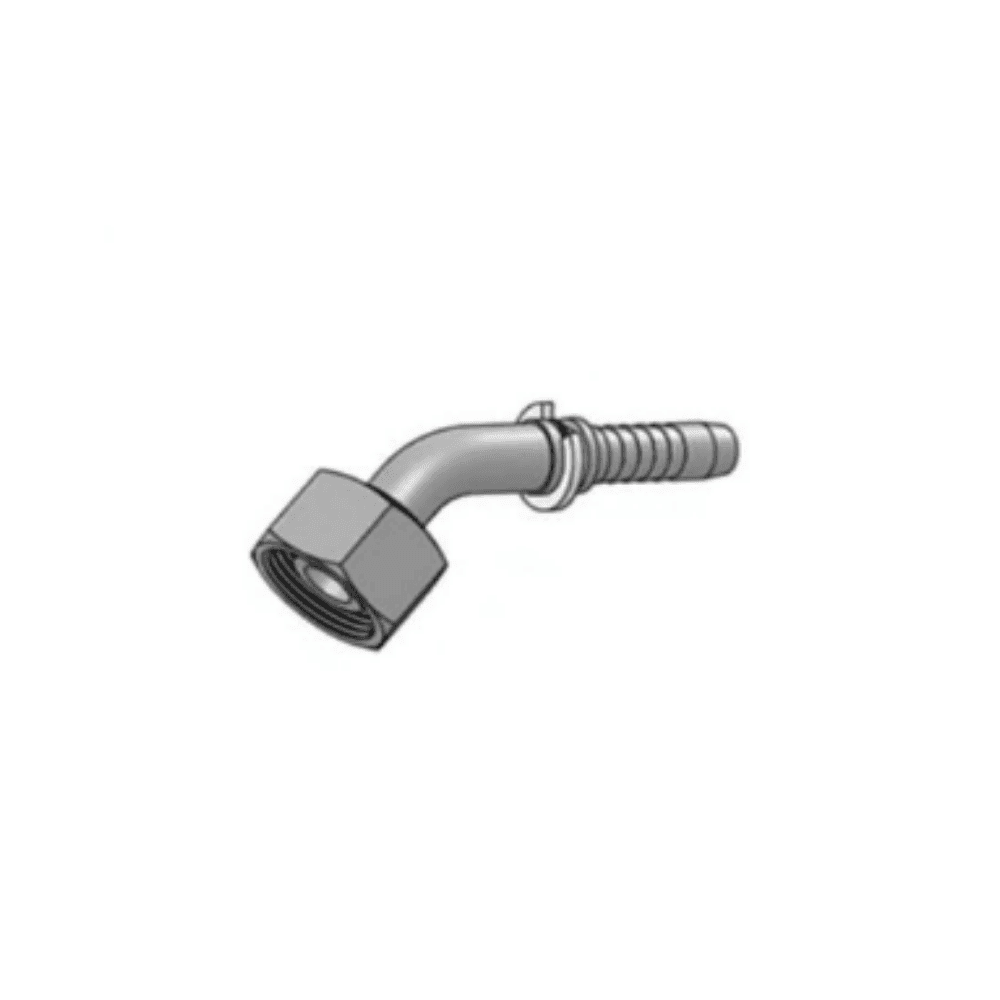
Metric swivel female with O-ring 24° cone (45° elbow)
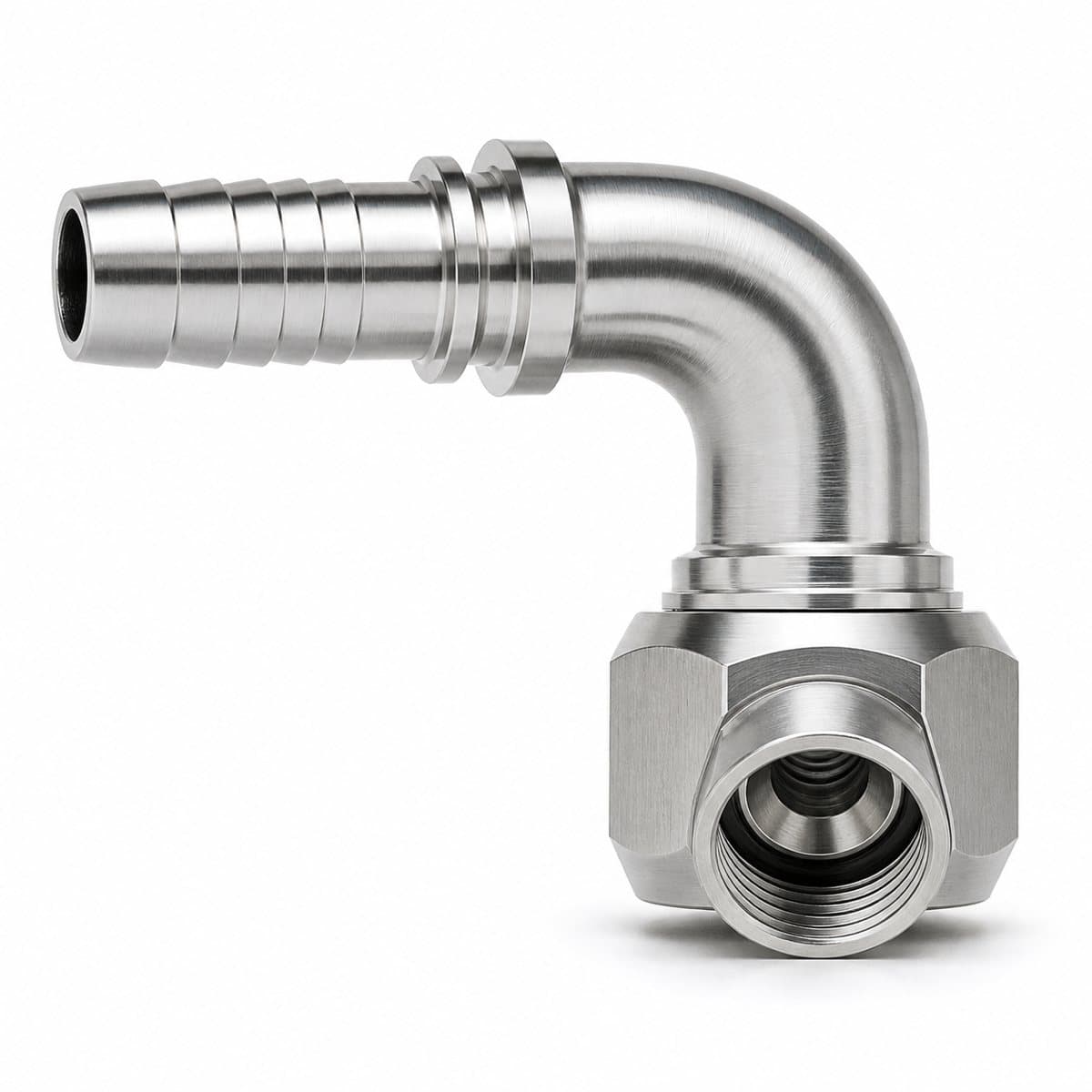
NPSM swivel female 60° cone (90° elbow)
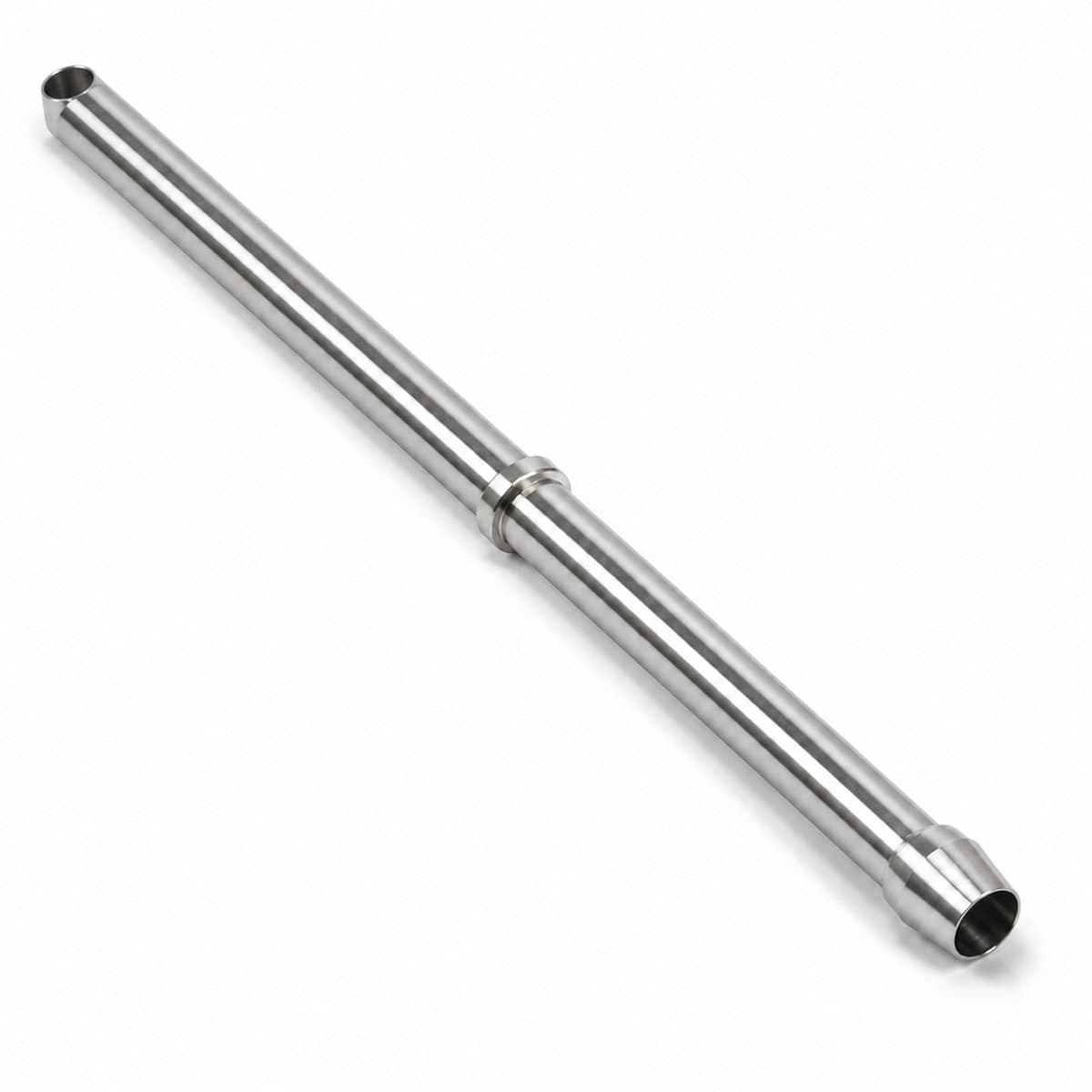
Standpipes for hydrowashing machines
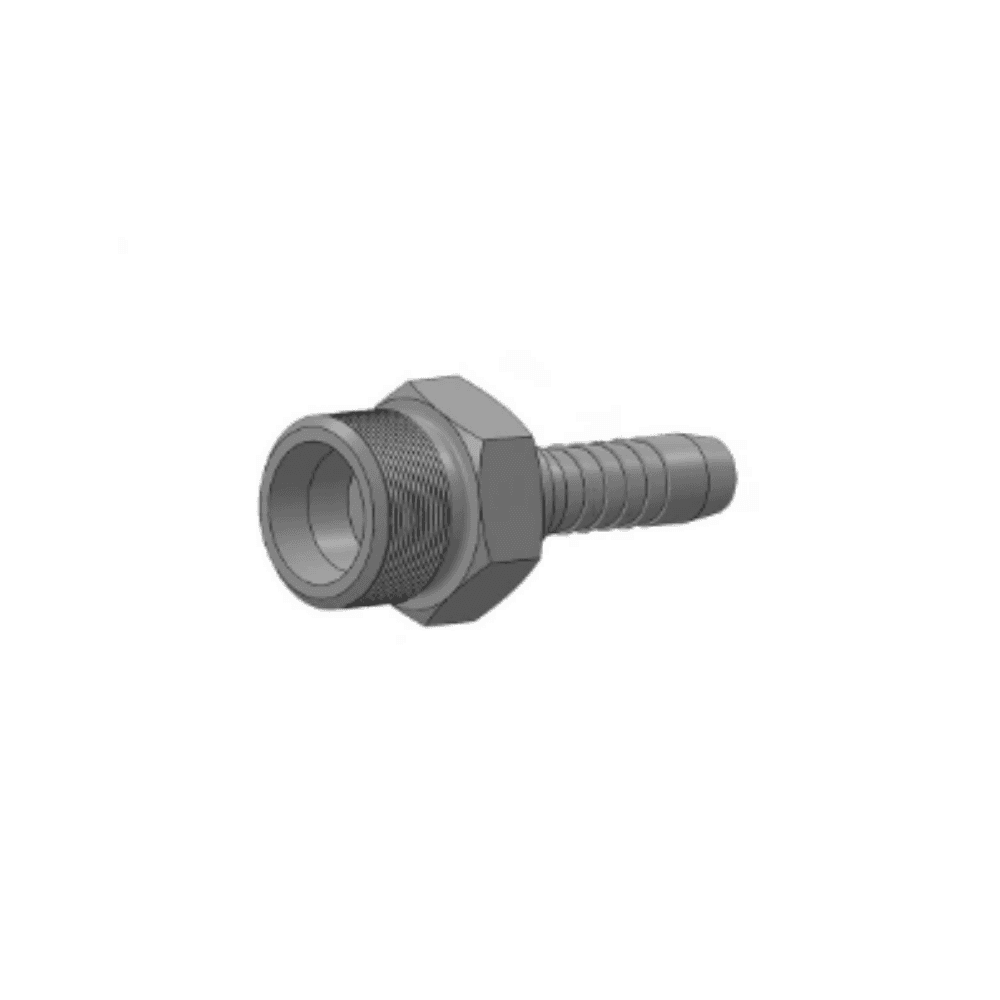
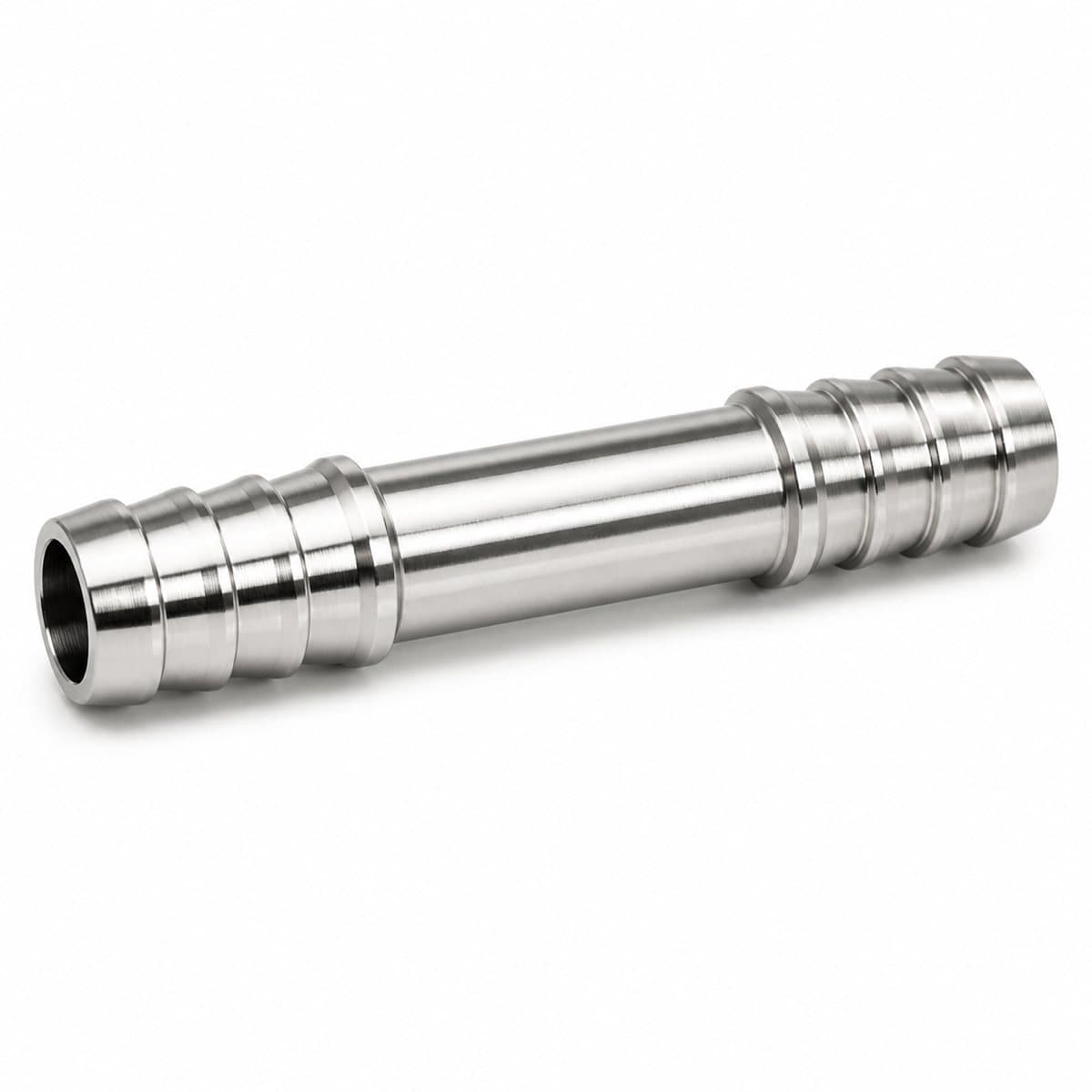
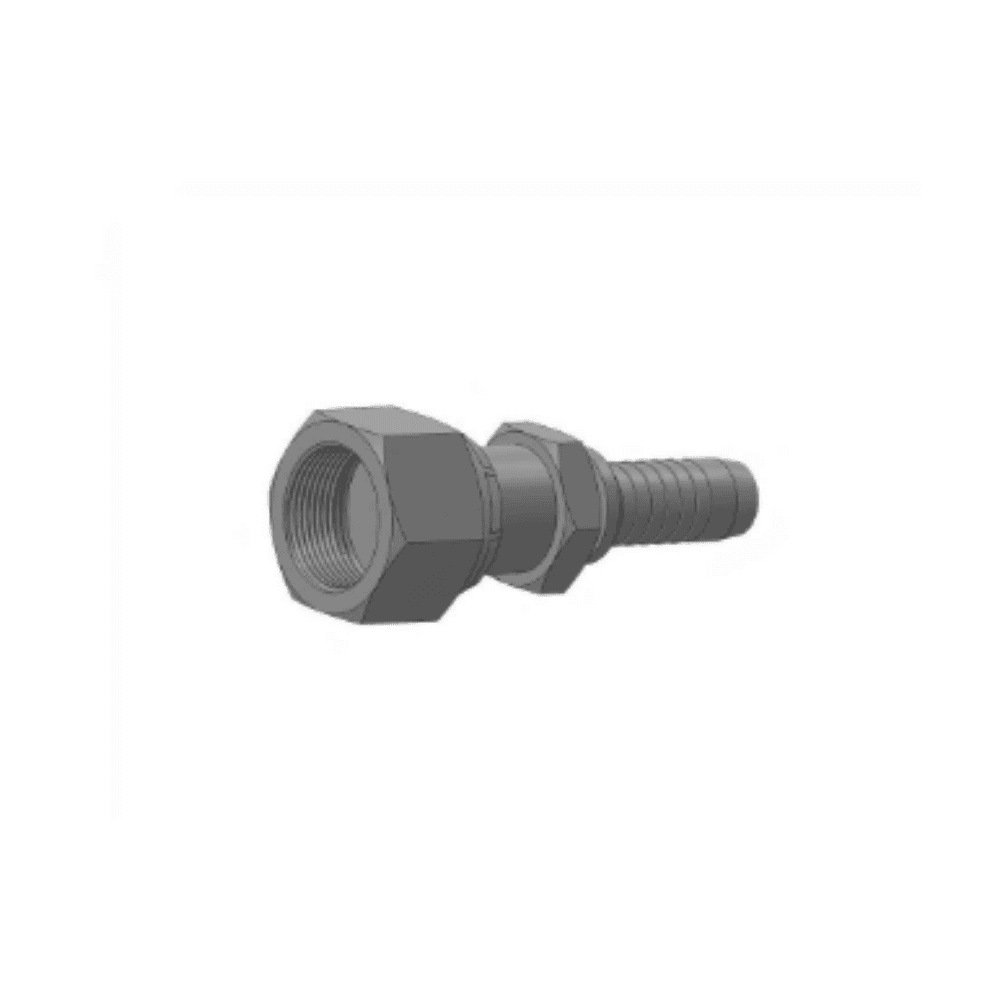
Double hexagonal ORFS swivel female straight
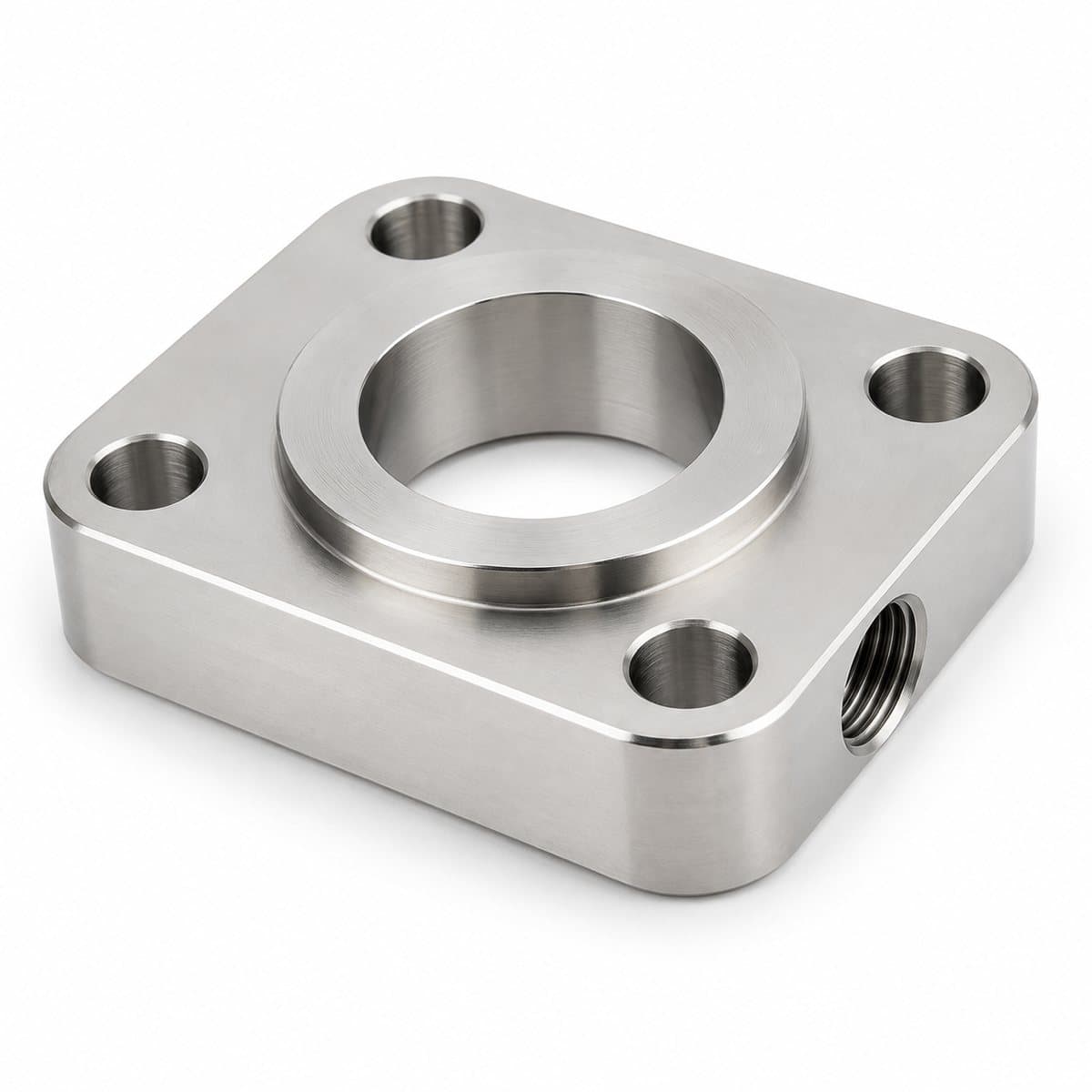
SAE counter-flange
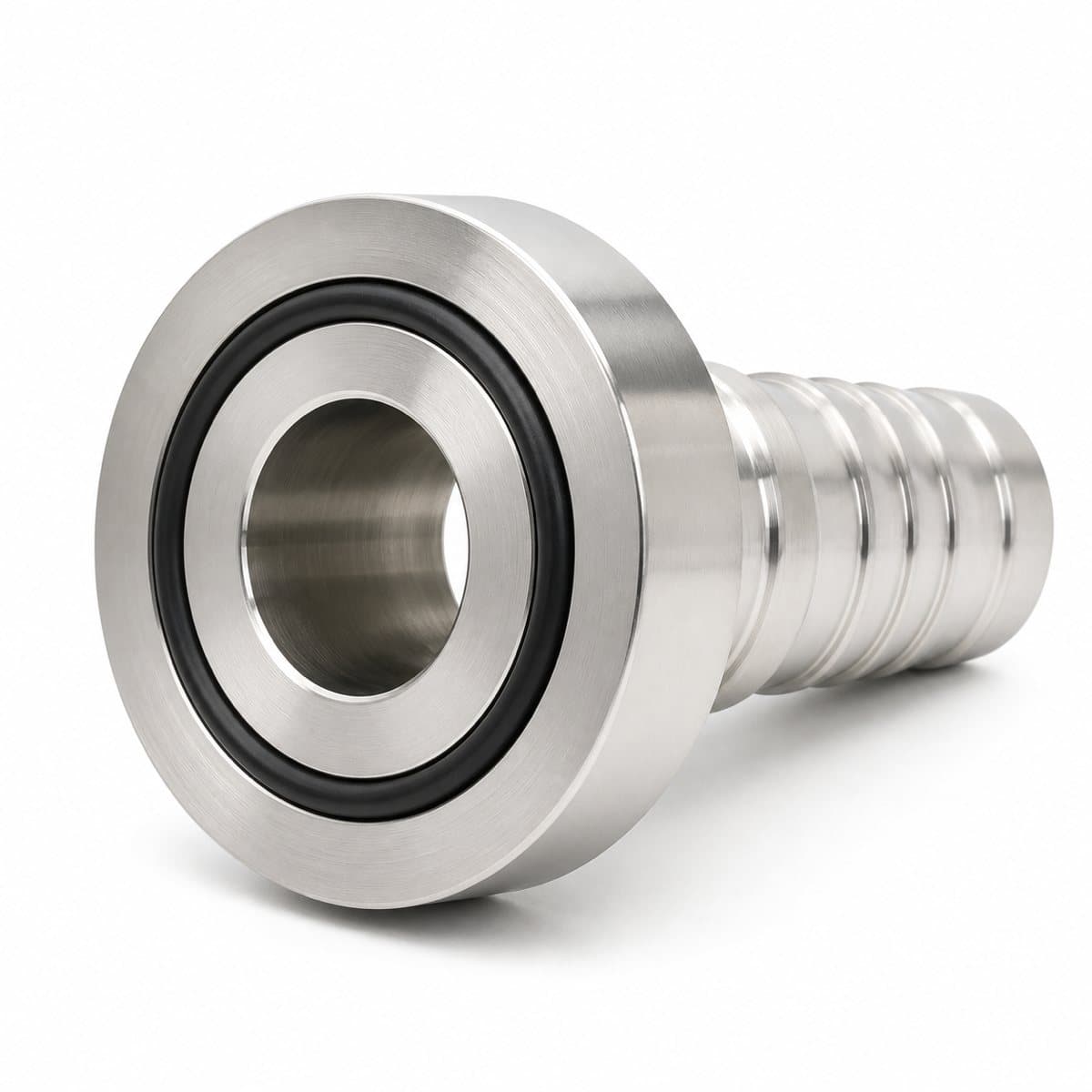

Hexagonal nuts for hydrowashing machines
Questions we get asked
About this range
- 01Is 316L stainless rated as high as carbon steel?
- Not always. A stainless fitting can carry a lower working pressure than a carbon-steel part of the same size and form, so check the rating on the listing against the line rather than assuming the carbon-steel figure.
- 02Can stainless fittings be used with carbon-steel adapters?
- They will connect, but in a wet or salty environment the joint becomes a galvanic cell and the less noble part corrodes faster. Match materials where the exposure is severe.
- 03Do you supply material certificates?
- Ask for EN 10204 material certificates at quotation if your order needs them, and we will confirm what is available for each item.
- 04Why 316L rather than 304 stainless?
- 316L contains molybdenum, which gives it much better resistance to pitting in chlorides — seawater, salt air and many cleaning chemicals — than 304. The L means low carbon, which limits carbide formation when the part is welded, so welded standpipes and weld fittings keep their corrosion resistance at the joint. For Gulf coastal and offshore service, 316L is the usual minimum grade.
- 05Will 316L fittings rust on a coastal site?
- They can show surface staining in hot, salty air, but they do not corrode through the way plated carbon steel does. Brown tea-staining on 316L in the Gulf is common where salt deposits sit on the surface and are never washed off, and crevices under clamps and tags are where it starts. Rinsing with fresh water during routine maintenance largely prevents it; heavy pitting points to a harsher environment and a higher grade.
- 06How can I tell a stainless fitting from plated steel?
- A magnet is the quickest check: plated carbon steel is strongly magnetic, while 316L is essentially non-magnetic. Cold-worked or machined areas of stainless can pull slightly, so a weak attraction is not proof of steel. Plated steel also shows yellow or silver zinc plating that wears through to grey at edges and threads. For a documented check, ask for the material certificate when you order.
From the blog
Written about this range
Buying fittings & adapters
Plating and corrosion on fittings: what survives a humid coastal site
The plating decides how long a fitting lasts on the outside of a machine. What the common finishes are, how they are rated, and where the corrosion actually starts.
3 min read
Buying fittings & adapters
316L stainless hydraulic fittings: what the range covers, and how it behaves differently
BSP, JIC, ORFS, metric, NPT and NPSM, SAE flanges, standpipes and banjos, all in passivated 316L. What each family covers, the pressure and bolting rules on the flanges, and the galling problem.
4 min read
Failure analysis
Galvanic corrosion in fittings: what an upgrade moves rather than fixes
Put stainless into a plated steel port on a wet, salty site and the corrosion does not stop — it changes address. Sometimes that is the right trade.
3 min read