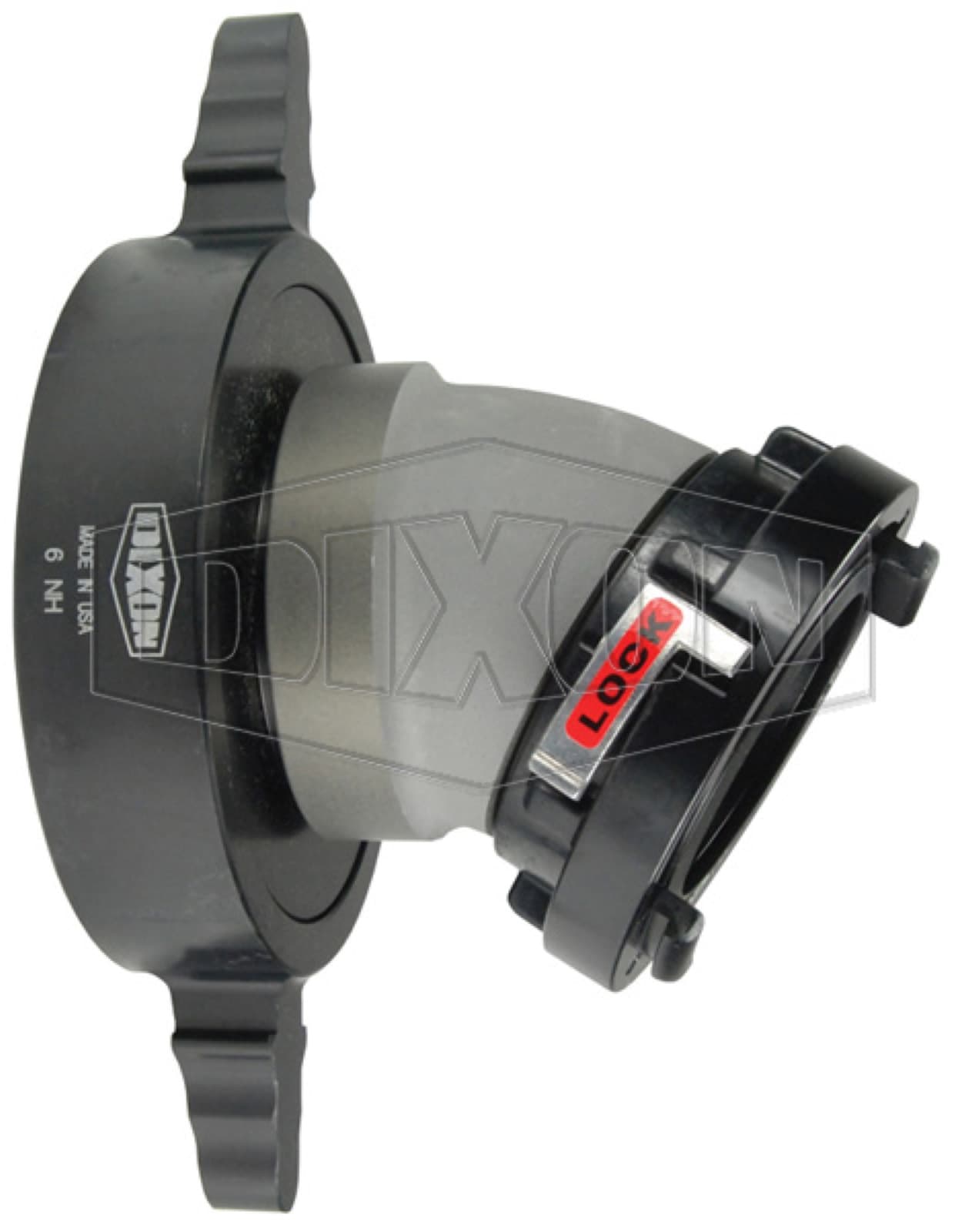
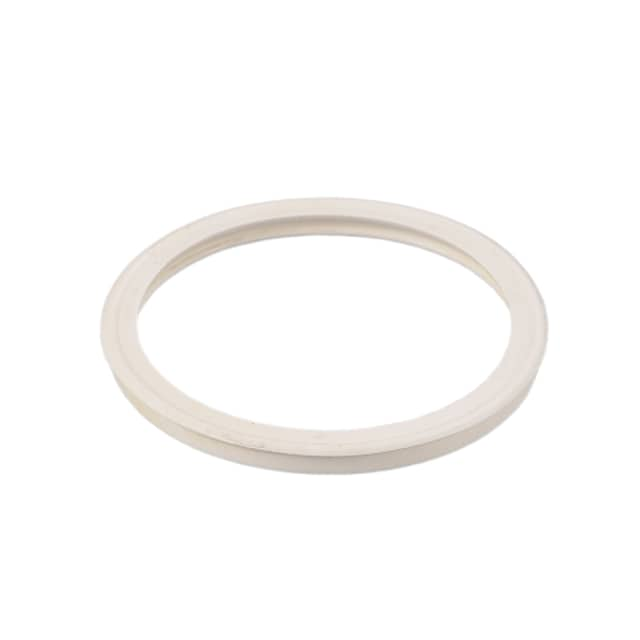
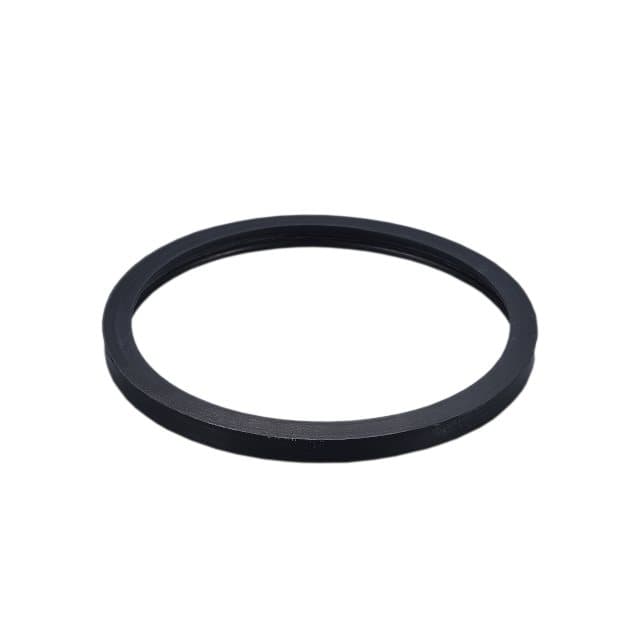
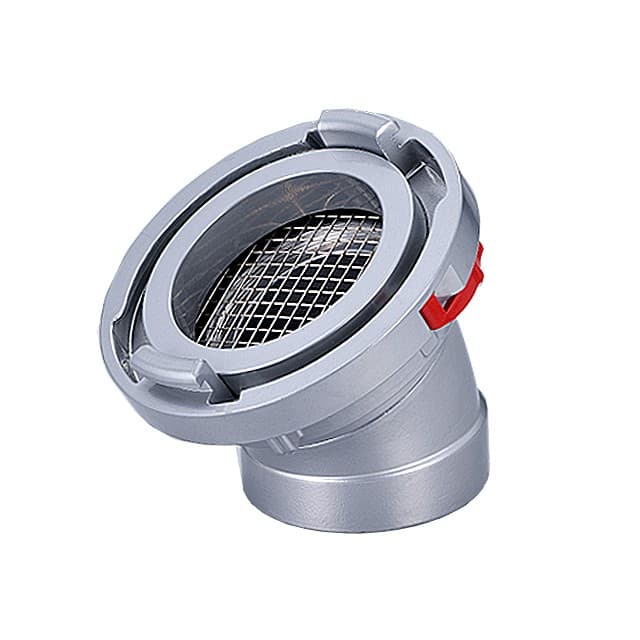
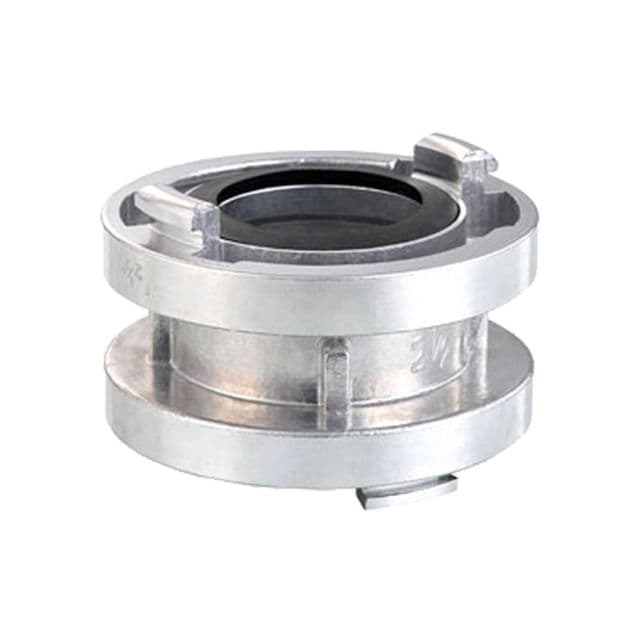
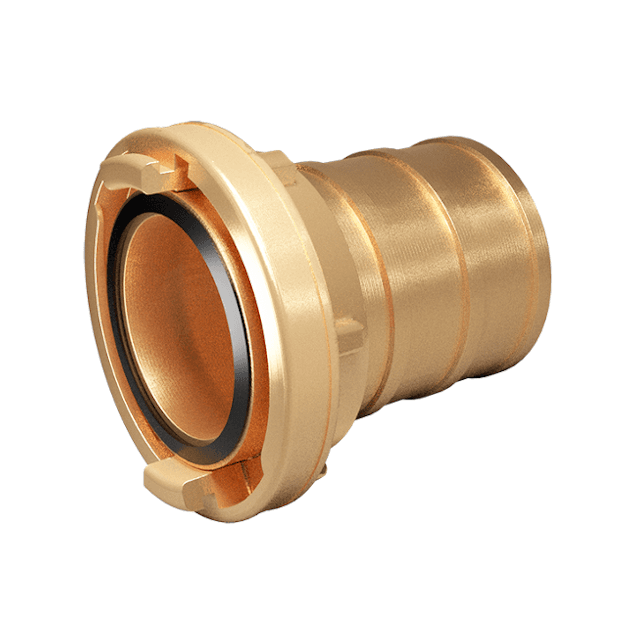
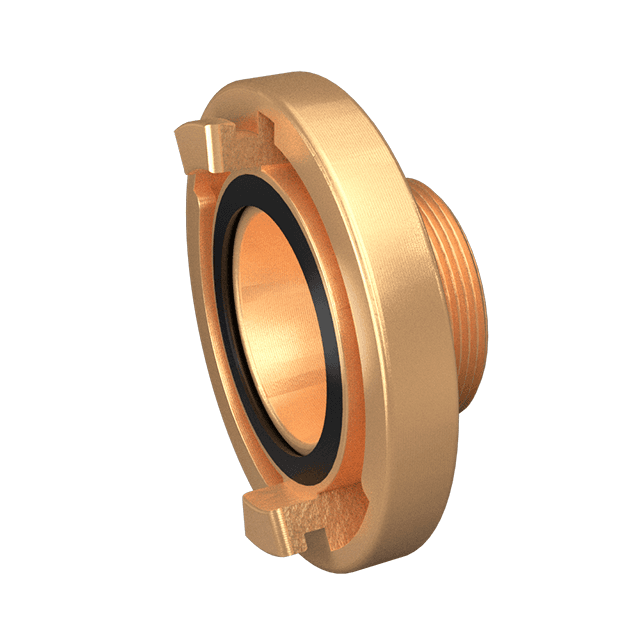
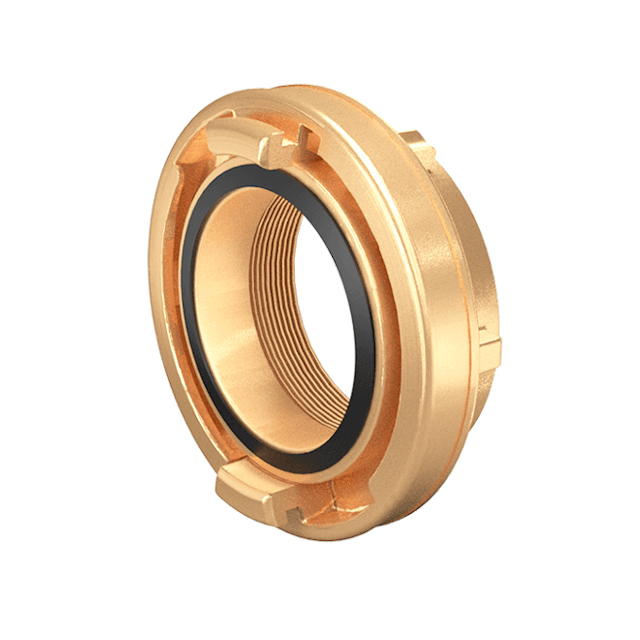
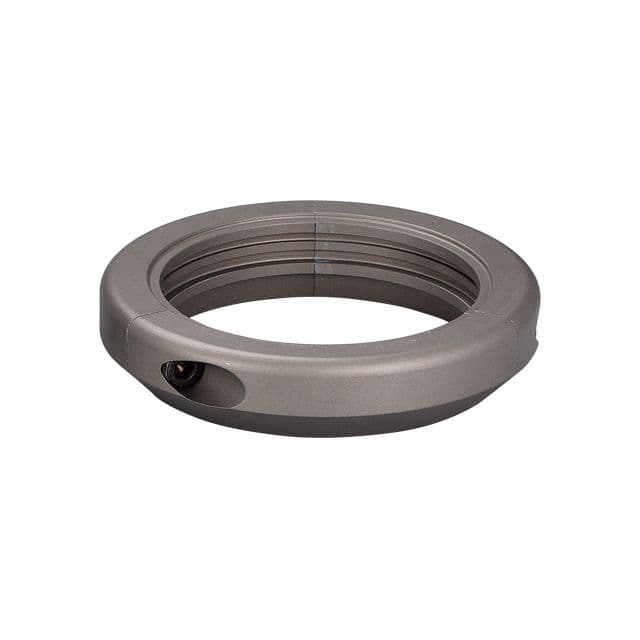
- 01Do Storz couplings need a gasket?
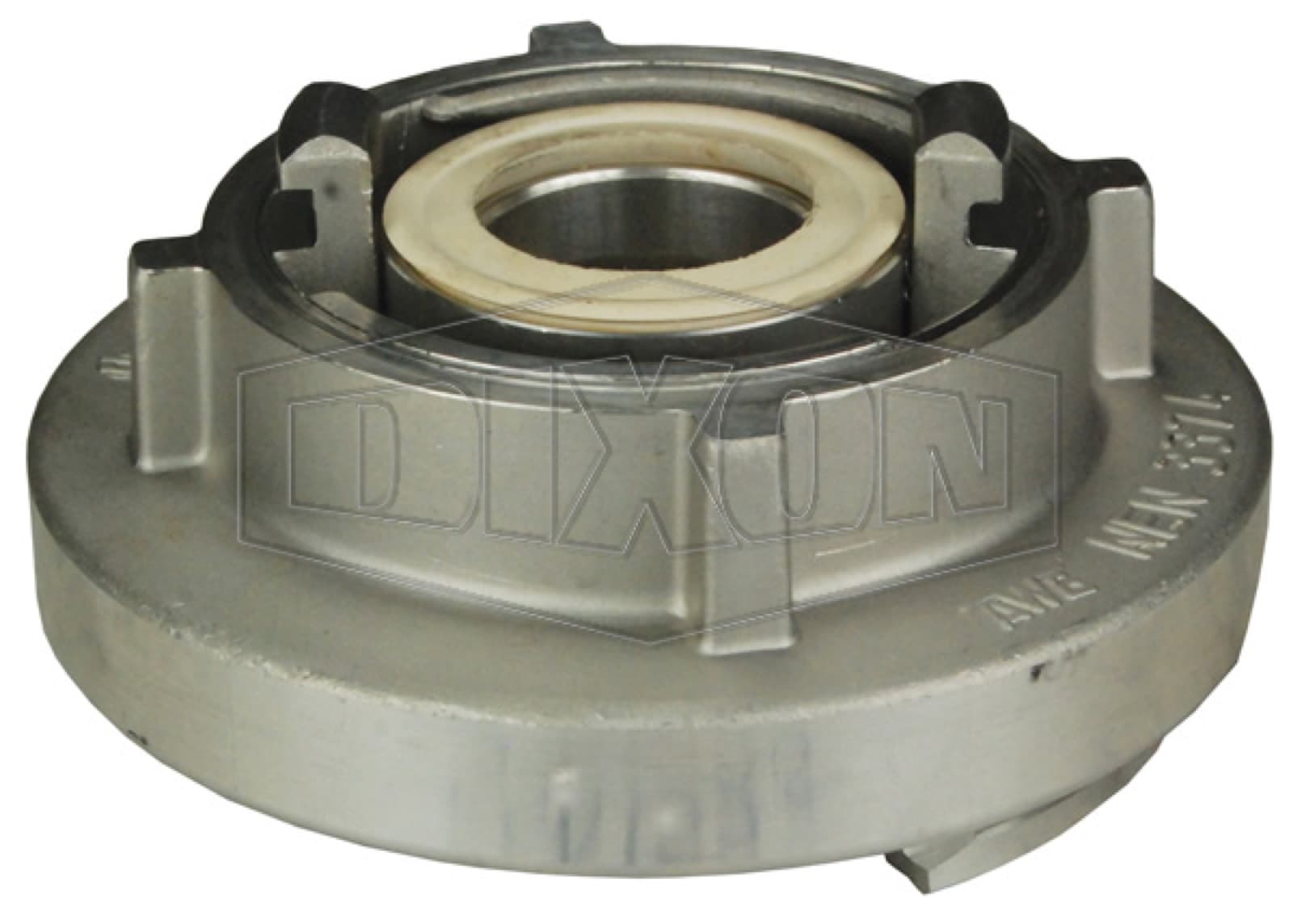
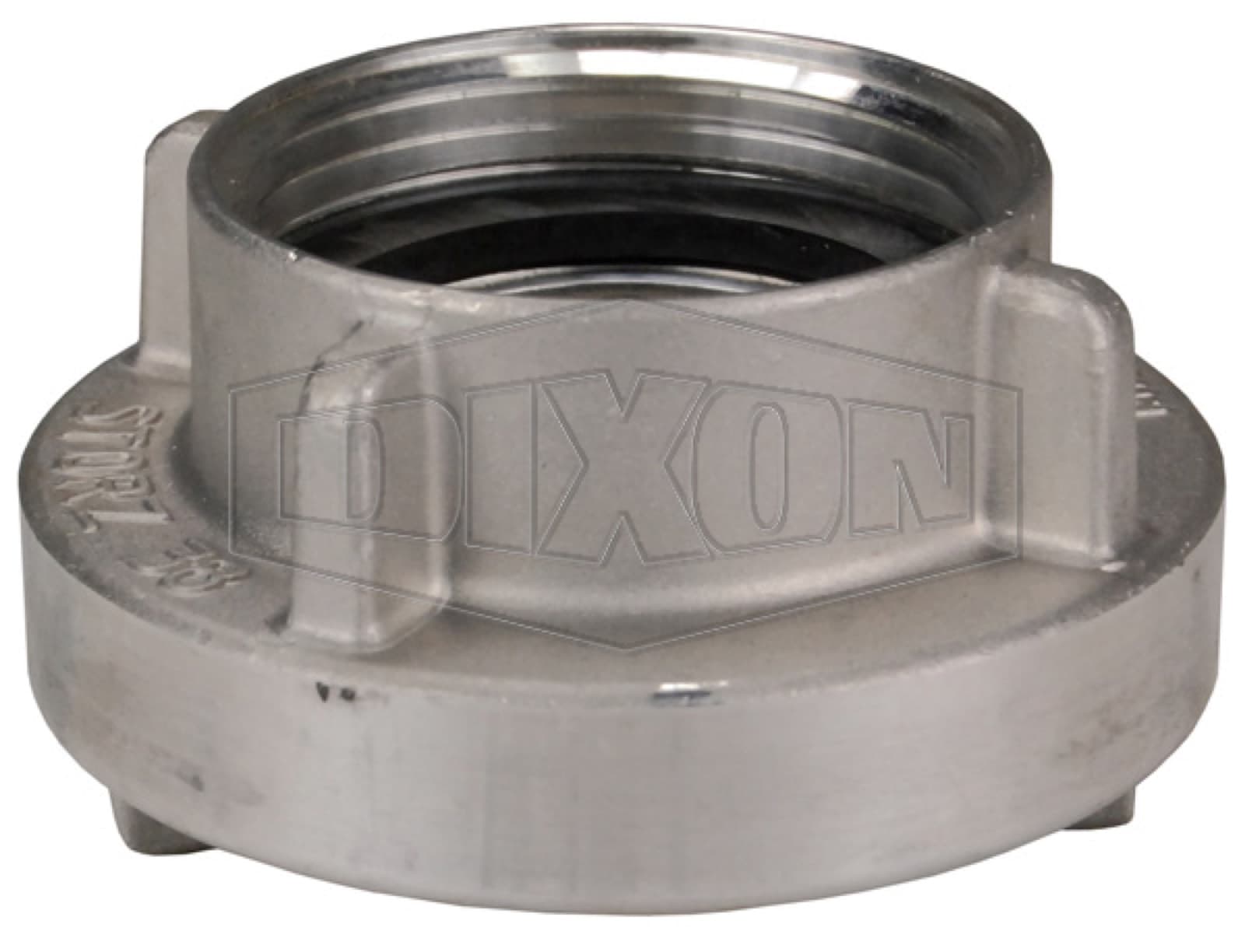
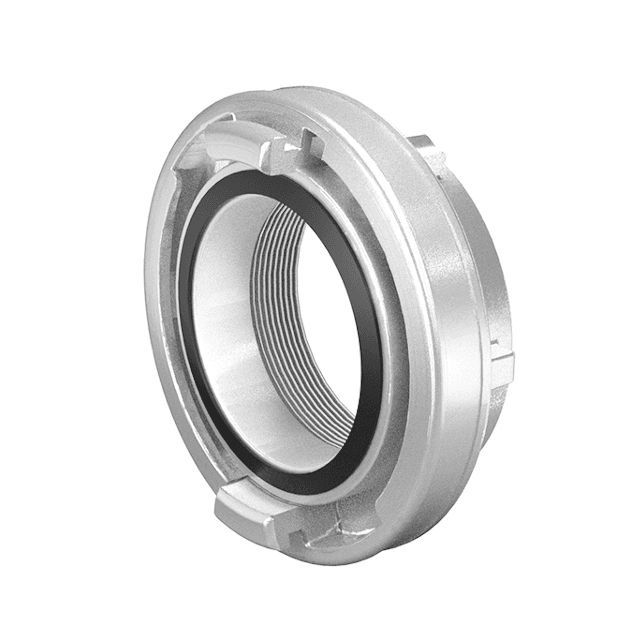
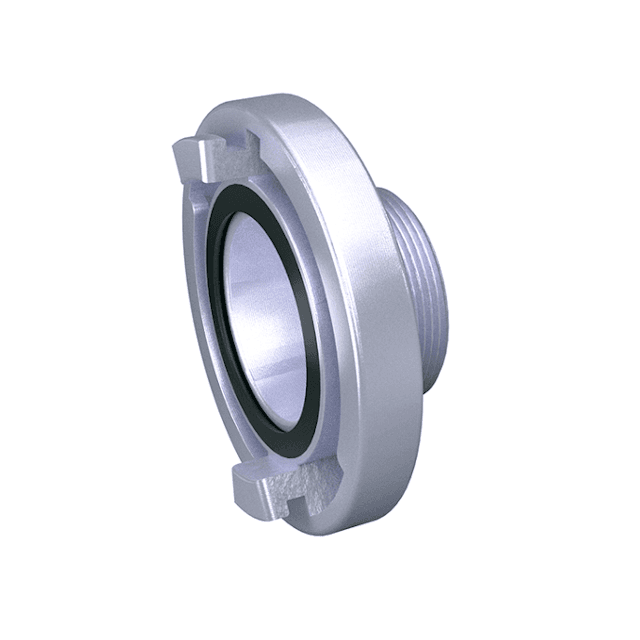
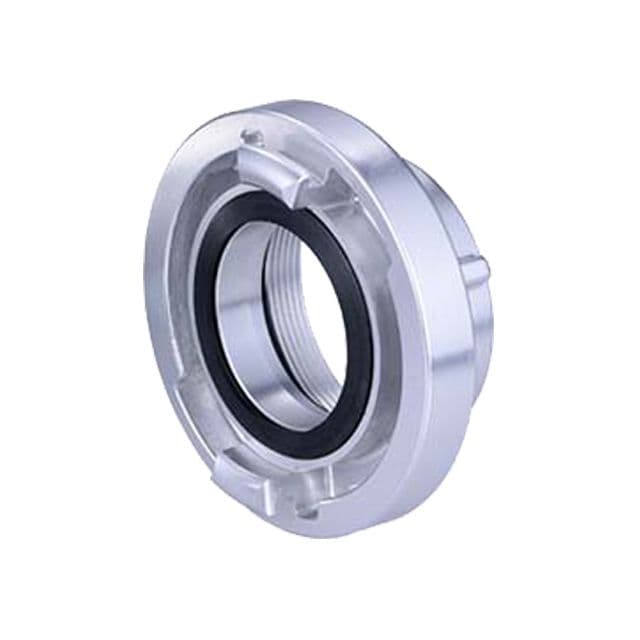
- Yes — the seal is a gasket in each head, and suction service uses a different gasket from pressure service. Both are on this shelf. Replace a hardened or cracked gasket rather than forcing the heads tighter.
- 02Can two different Storz sizes connect?
- Not directly. A head connects only to a head of the same size; a reducer joins two sizes.
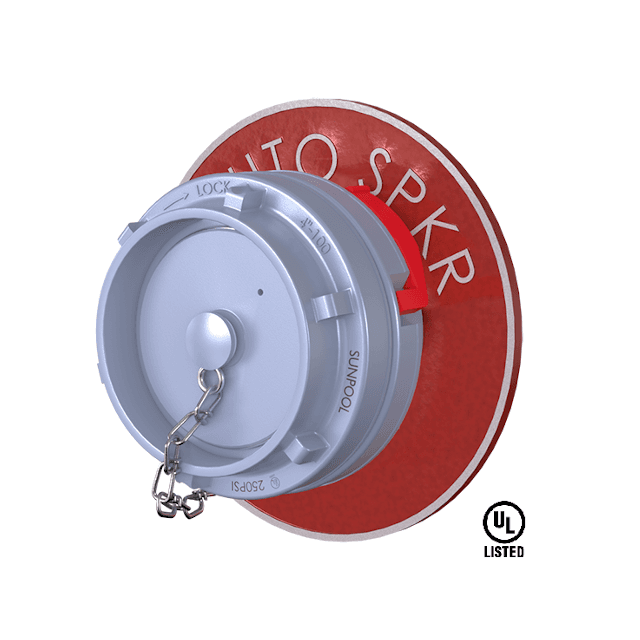
- 03What is an FDC?
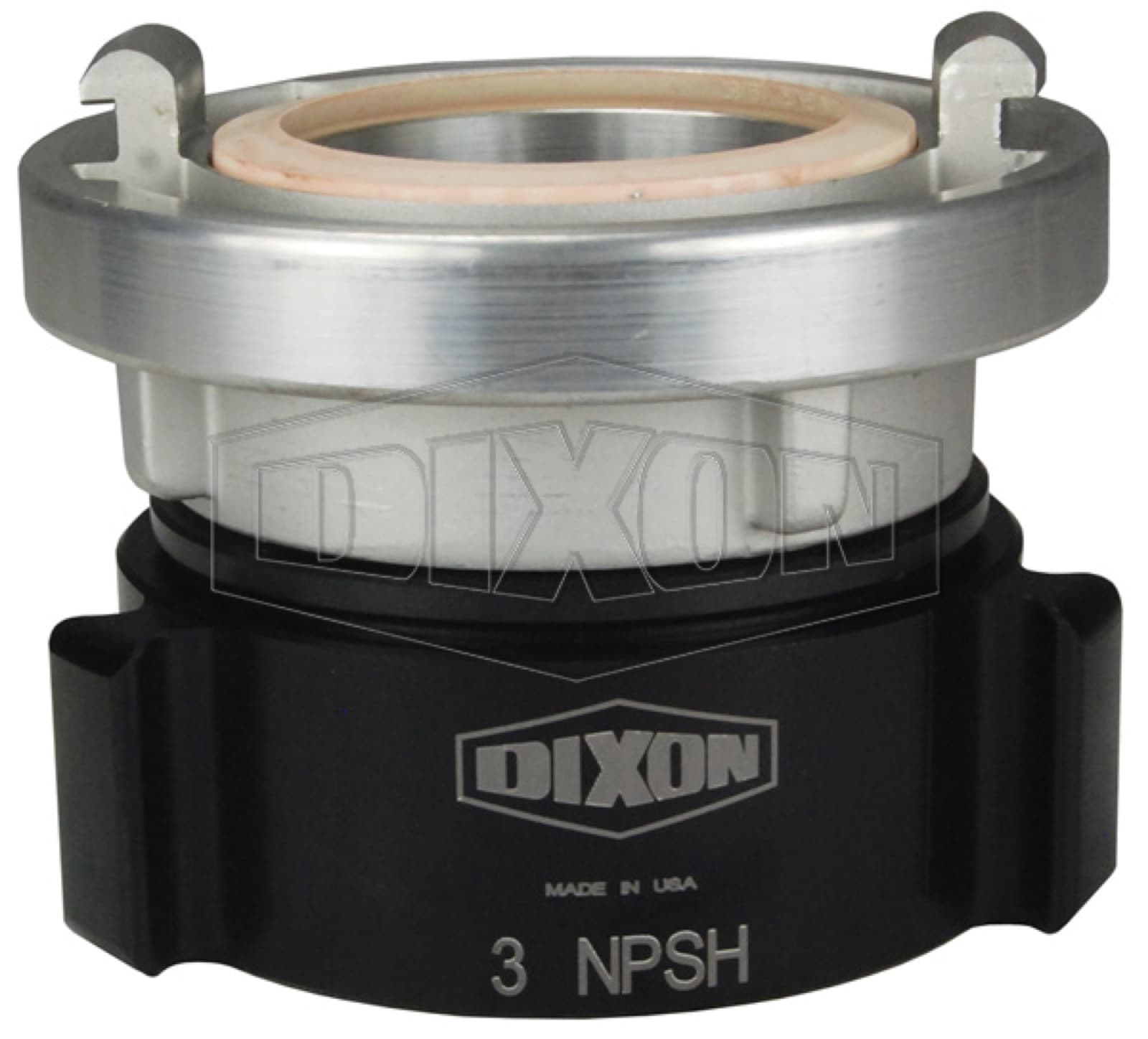
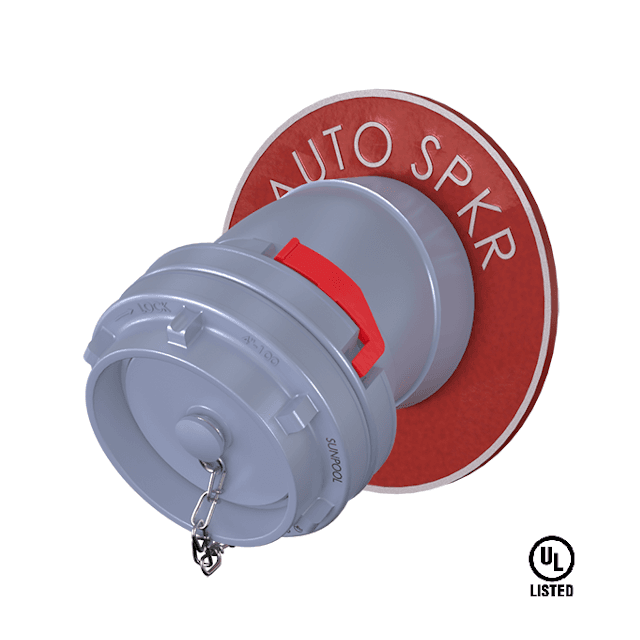
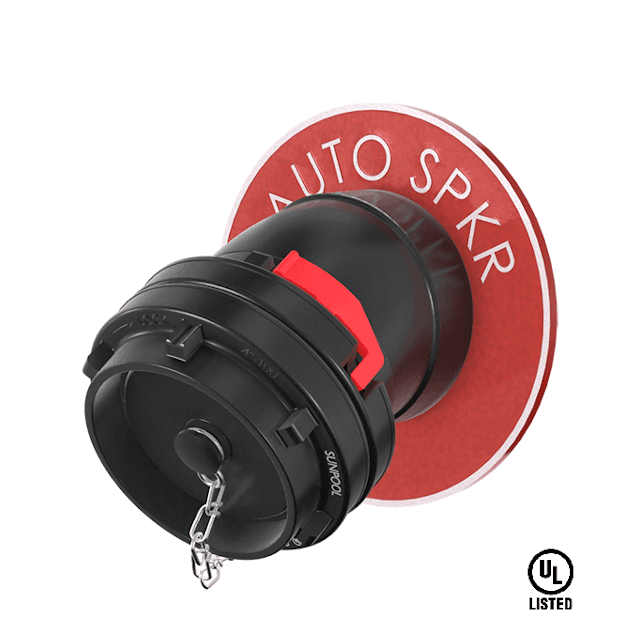
- A fire department connection — the inlet on a building’s fire-protection system where fire service hose connects. The Storz FDCs here are UL listed.
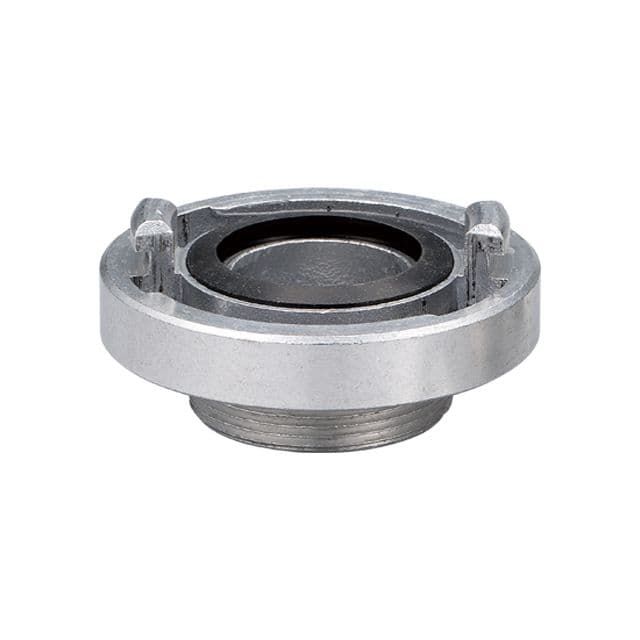
- 04What does a Storz size such as 52-C or 75-B mean, and will they connect?
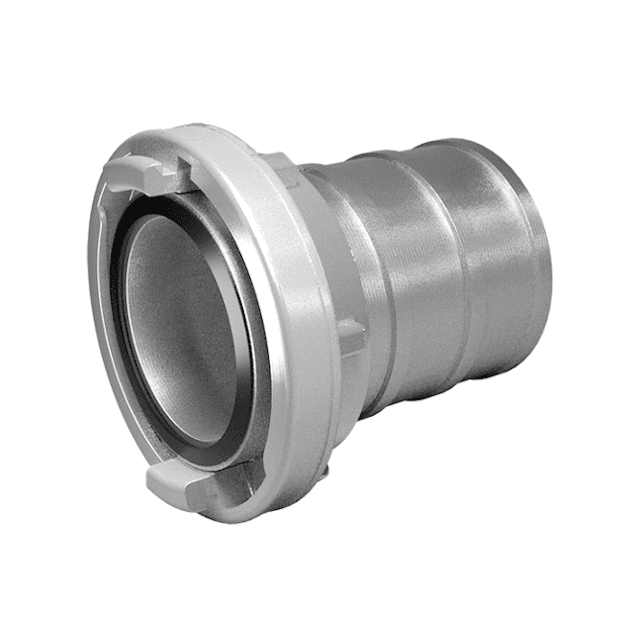
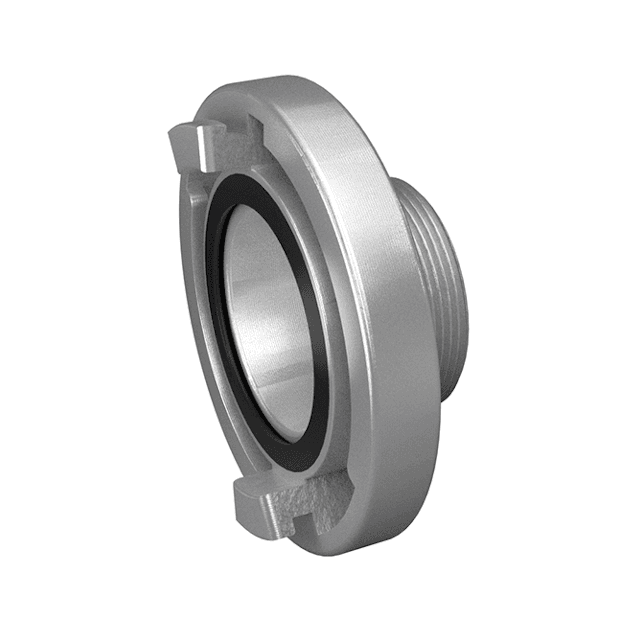
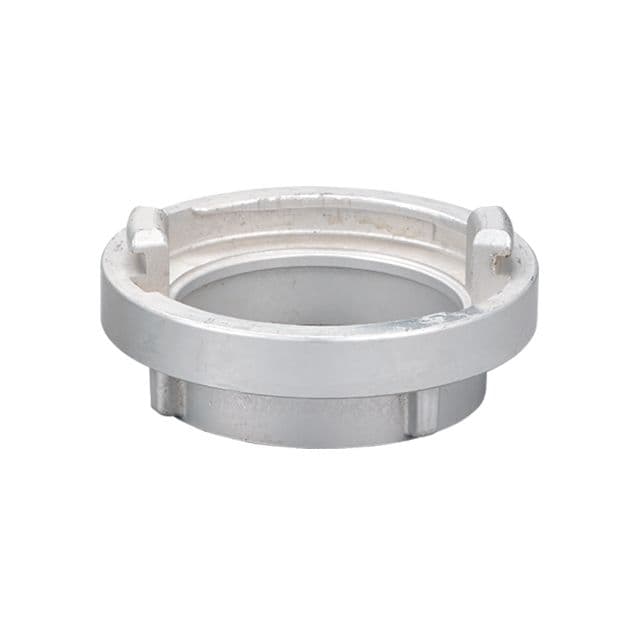
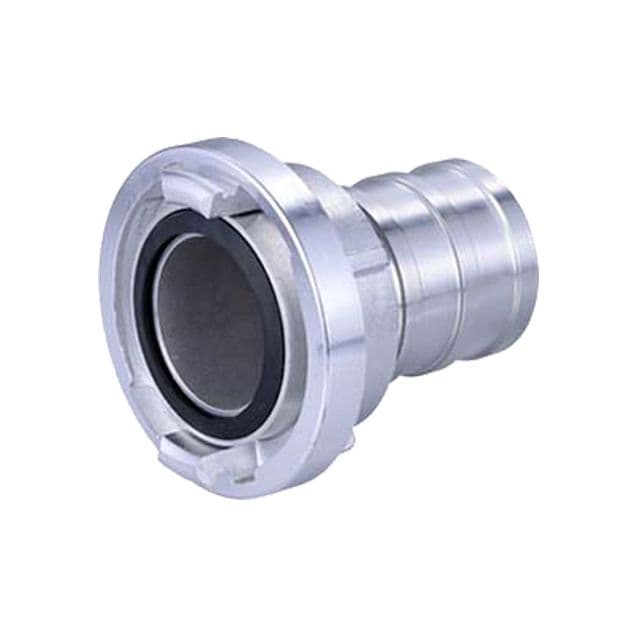
- The number is the nominal hose bore in millimetres and the letter is the head size, set by the distance between the lugs: D is 31 mm, C is 66 mm, B is 89 mm and A is 133 mm. Heads connect only when their lug distance matches, so a 52-C and a 42-C, which share the C head, couple to each other, while a C head will not couple to a B. North American Storz is usually named in inches, so measure the lug distance or send a photo with a rule across the head when matching a coupling already in service.
- 05Aluminium, brass or stainless steel Storz couplings: which should I choose?
- Aluminium for portable fire and dewatering hose, where weight matters and the water is clean; hard-anodised aluminium adds wear and corrosion resistance. Brass for heavier-duty and longer-life service and for water with some salt or contamination. Stainless steel for seawater, chemicals, food and process plant, where corrosion resistance and cleanability count. Heads of the same size connect whatever the material, but for permanent connections avoid leaving dissimilar metals coupled in wet, salty conditions.
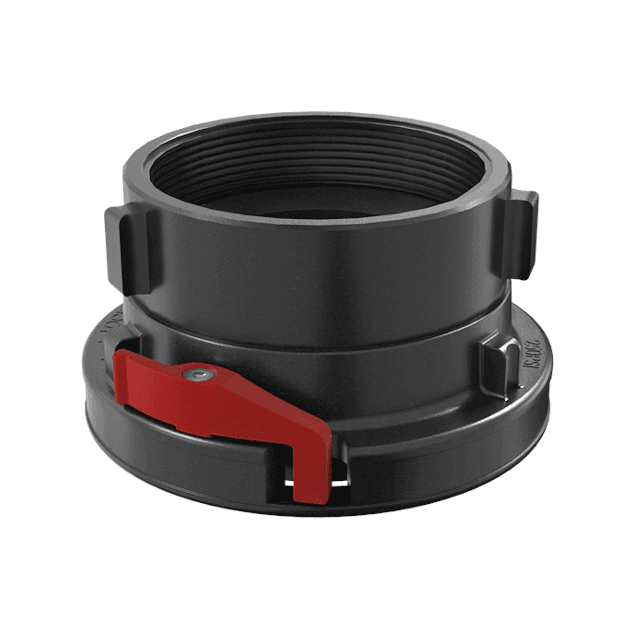
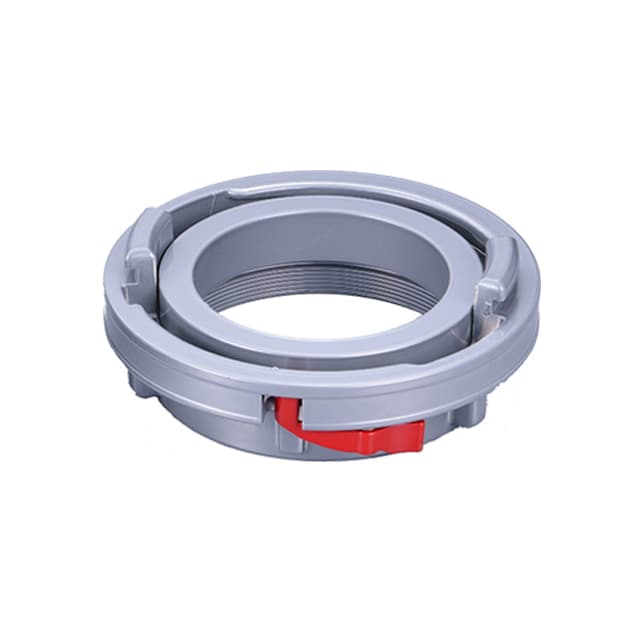
- 06What does the safety latch on a Storz coupling do?
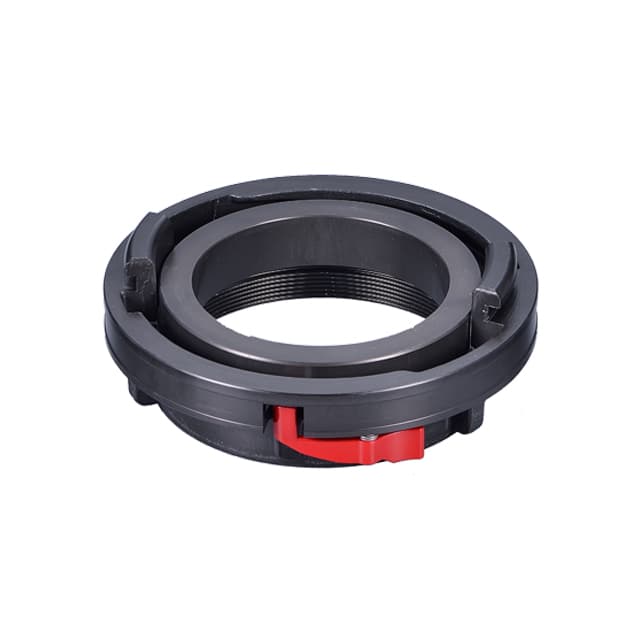
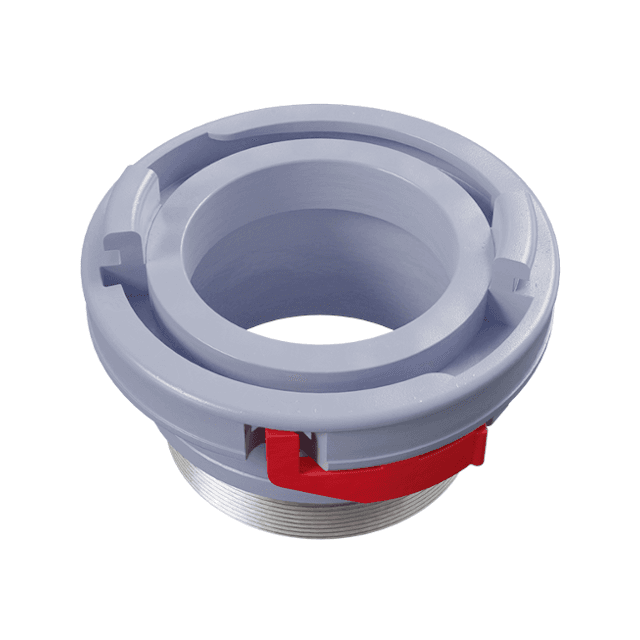
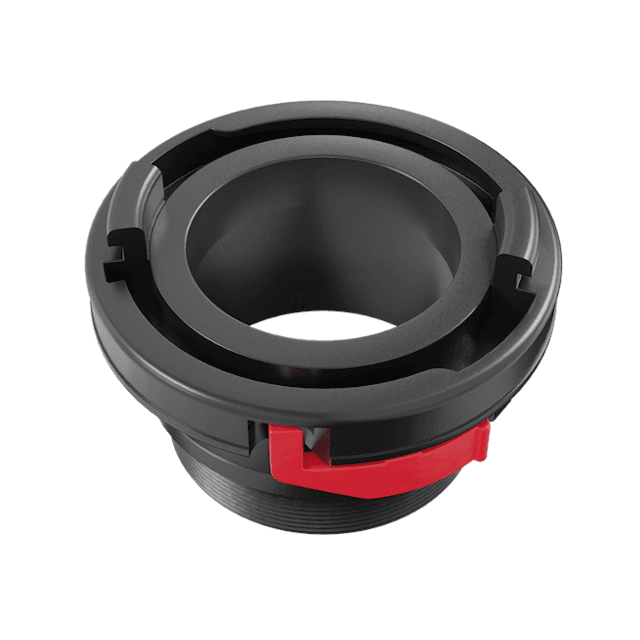
- It locks the two heads once they are turned together, so vibration, hose movement or a knock cannot rotate them apart. A standard Storz joint is held only by friction between the lugs and the gasket compression, and a hose that whips or is dragged can work it loose. The latch has to be released by hand before the heads can be turned to uncouple. It suits pressurised fire lines, fixed connections and any service where an accidental disconnection would be dangerous.