
Category
Ring Joint Gaskets
Ring joint gaskets are solid metal rings that seal high-pressure flanges by being crushed into matching grooves cut in each flange face, used on API 6A wellhead equipment and ASME B16.5 flanges in high-pressure and high-temperature service. Indus supplies them from Dubai by ring number: Style R oval and octagonal rings from R-12 to R-66 for ASME Class 150 to 2500 and API 6B flanges, pressure-energised RX rings from RX-24 to RX-74, and BX rings from BX-151 to BX-169 for API 6BX flanges, with the flanges each ring fits listed on its page.
Ring number, profile, then material
Take the ring number from the flange: the ASME size and class, or the API bore and pressure, or the number stamped on the old ring, which shares its groove number with the flange. Then the profile: R oval or octagonal, RX for API 6B flanges where pressure energising is wanted, or BX for 6BX flanges. Then material, which must be softer than the groove: soft iron, low-carbon steel, F5, 304, 316 or Inconel 625, set by the fluid, temperature and flange material. Send ring number, profile, material, quantity and any certificate needs.
ASME B16.20 and API 6A
ASME B16.20 gives dimensions, tolerances, materials and marking for R, RX and BX ring joint gaskets used with ASME B16.5 and API 6A flanges; API 6A specifies the R, RX and BX rings for API flanges. B16.20 sets maximum hardness by material: soft iron 90 HB, low-carbon steel 120 HB, F5 130 HB, and 304, 316 and 347 stainless 160 HB. Rings are marked with the maker's identification, ring number and material. BX rings carry a pressure-passage hole to equalise pressure across the ring.
Delivery
Ring Joint Gaskets across the Gulf
Ex-stock from Dubai, delivered within 3 working days in the UAE.
Flow iron is heavy, standardised and slow to source locally, which is exactly the combination that makes it worth freighting. Unions, pups, swivels and wellhead components ship from Dubai against their figure number and pressure rating, crated with mill and test documentation. Sea freight is normally the right answer here — the weight punishes air and the work is usually planned.
Beyond the Gulf
- North America & Caribbean
- the United States, Panama, Trinidad and Tobago
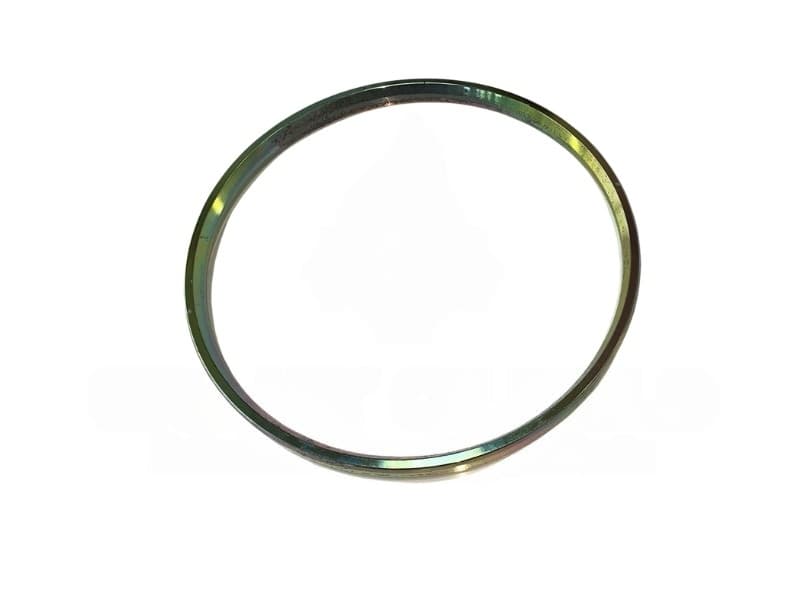
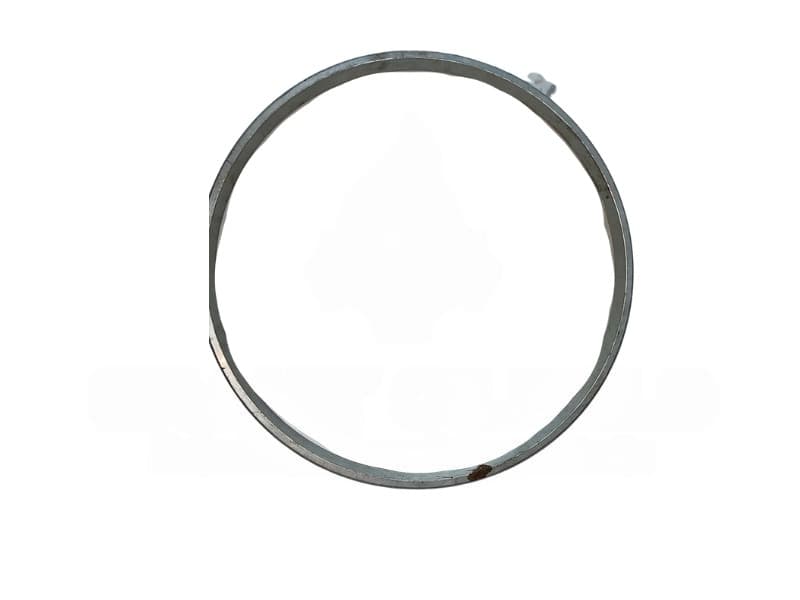
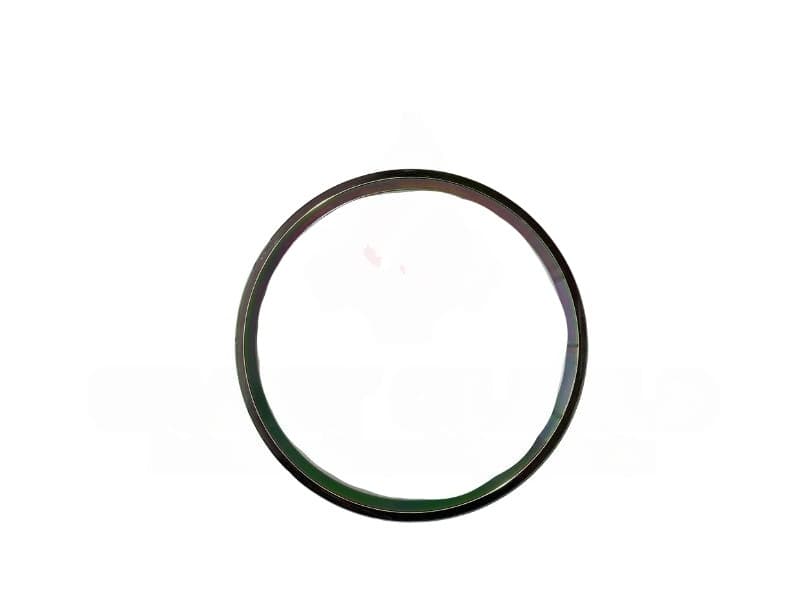
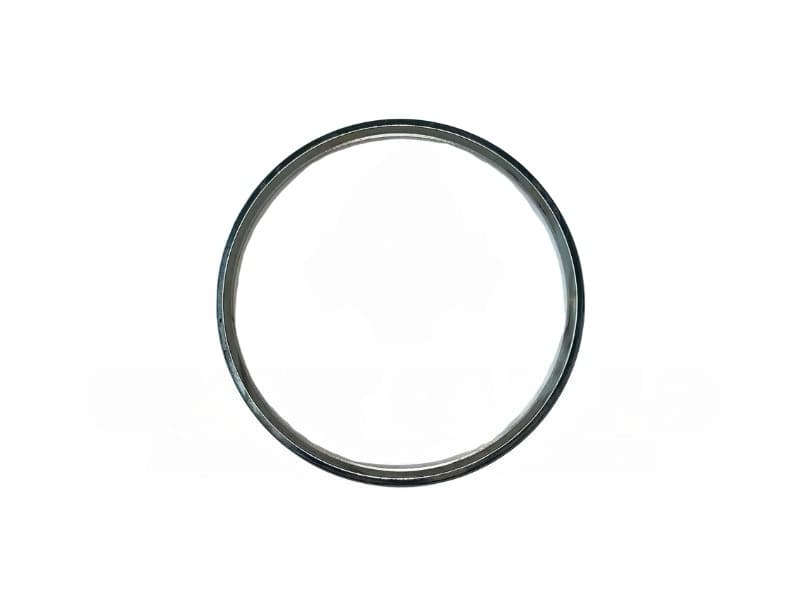
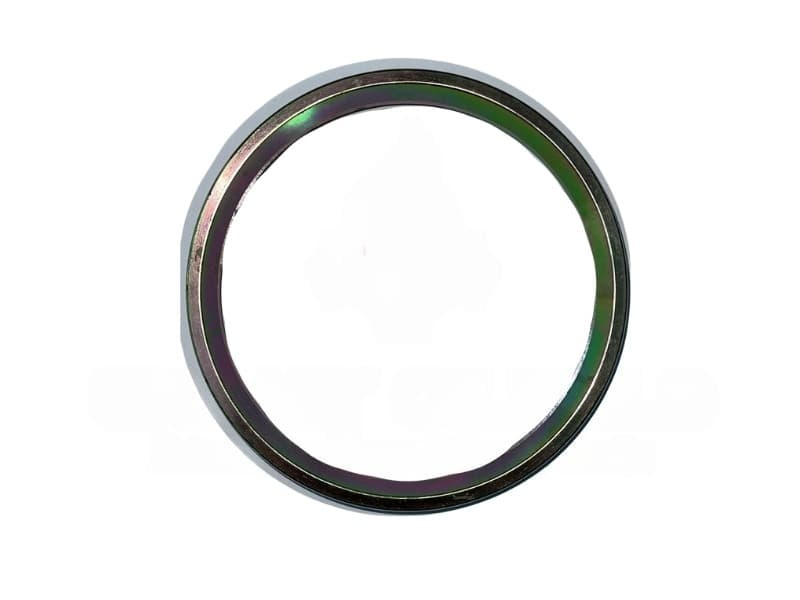
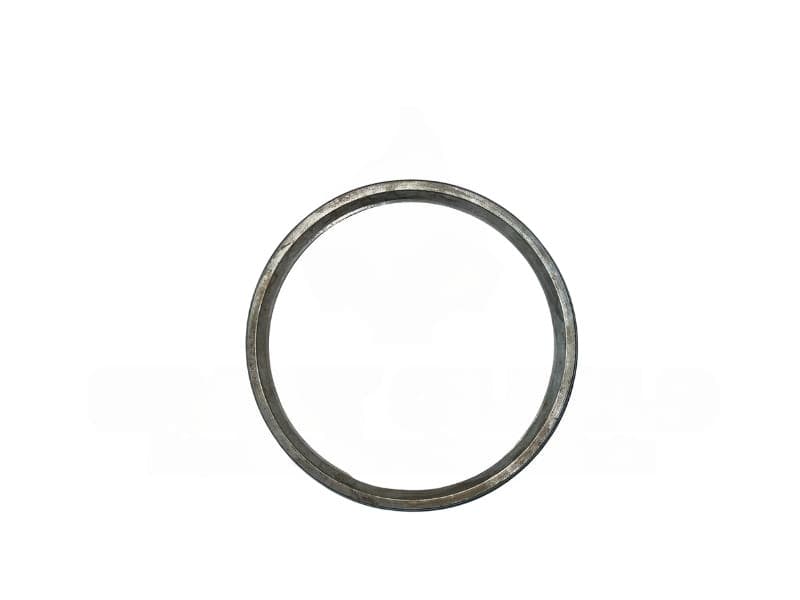
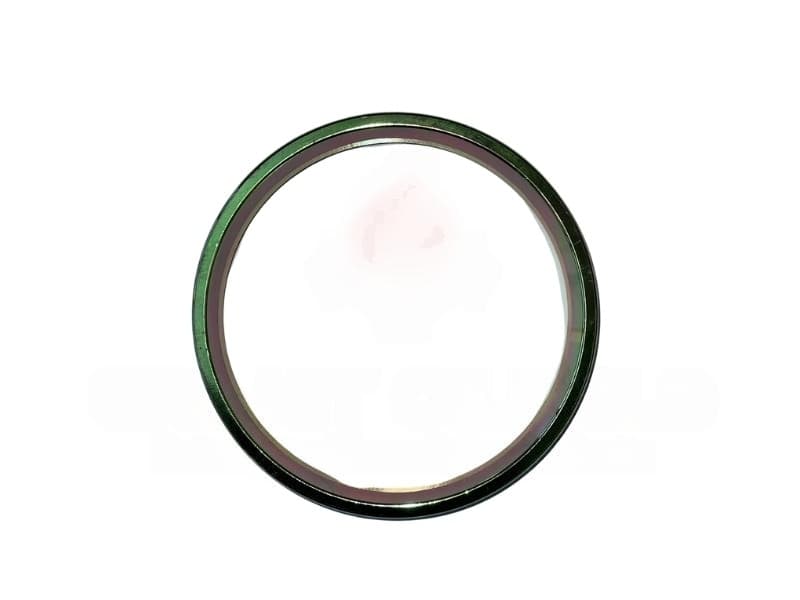
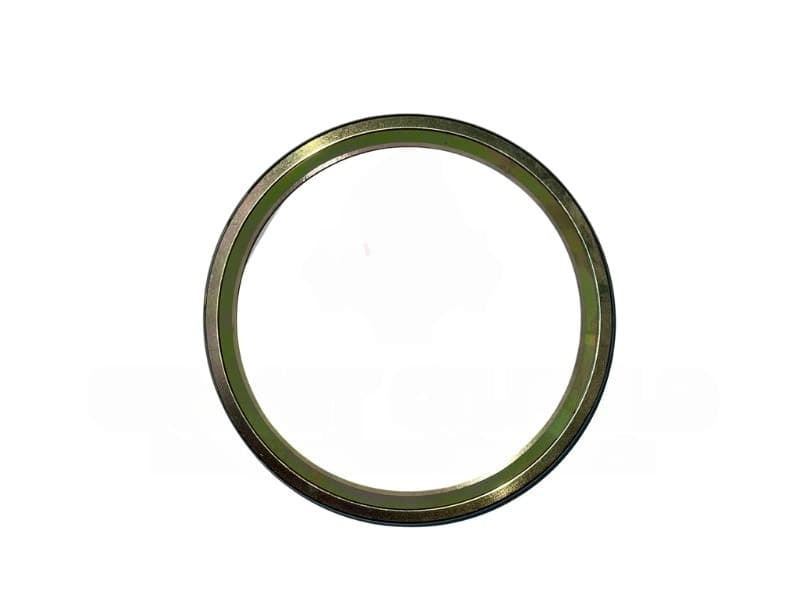
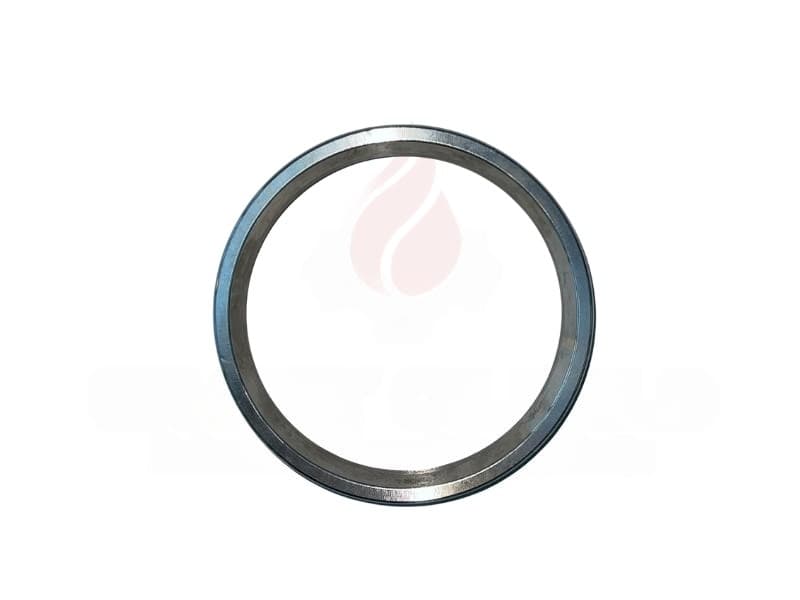
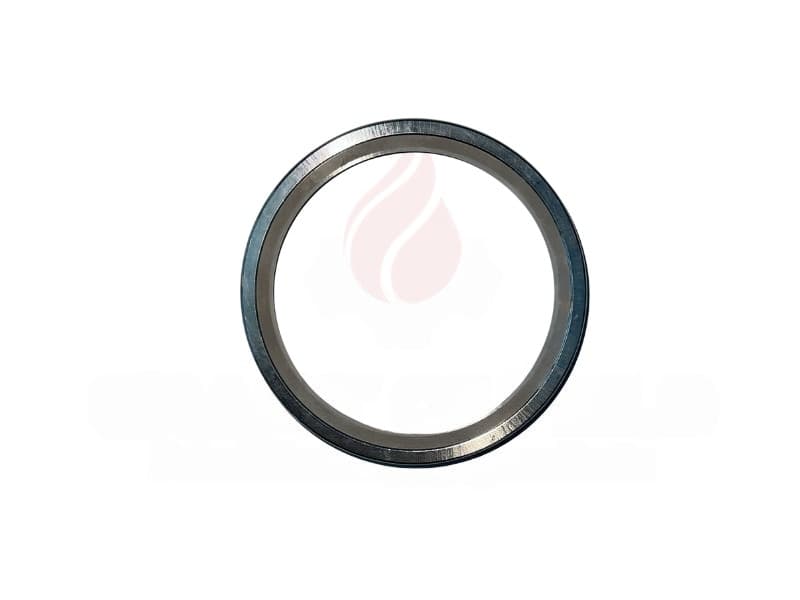
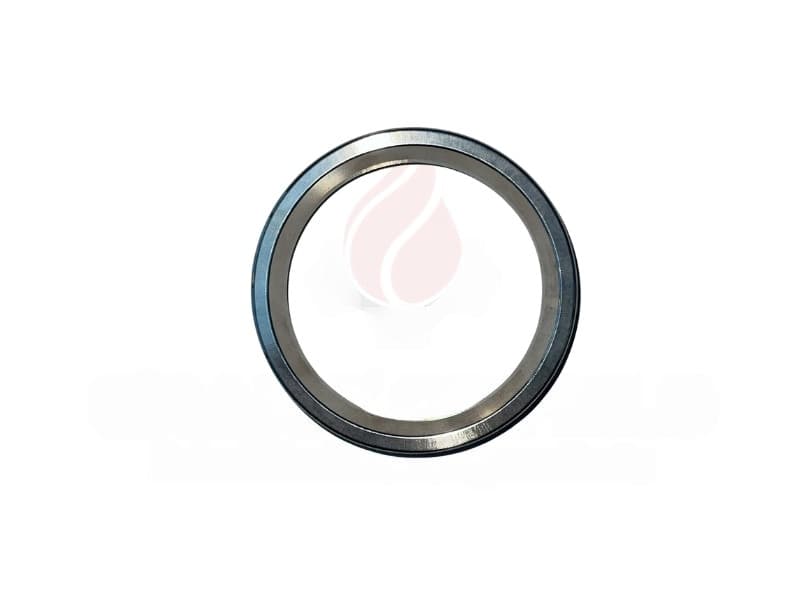
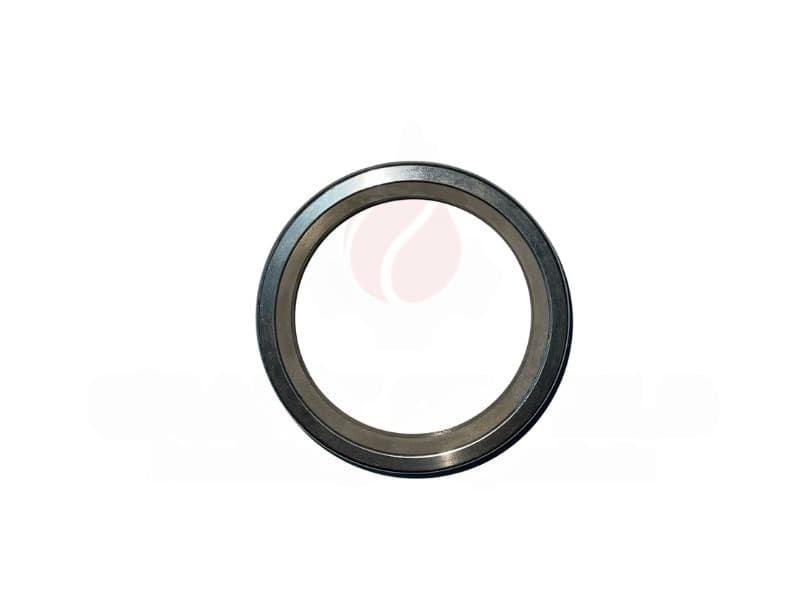
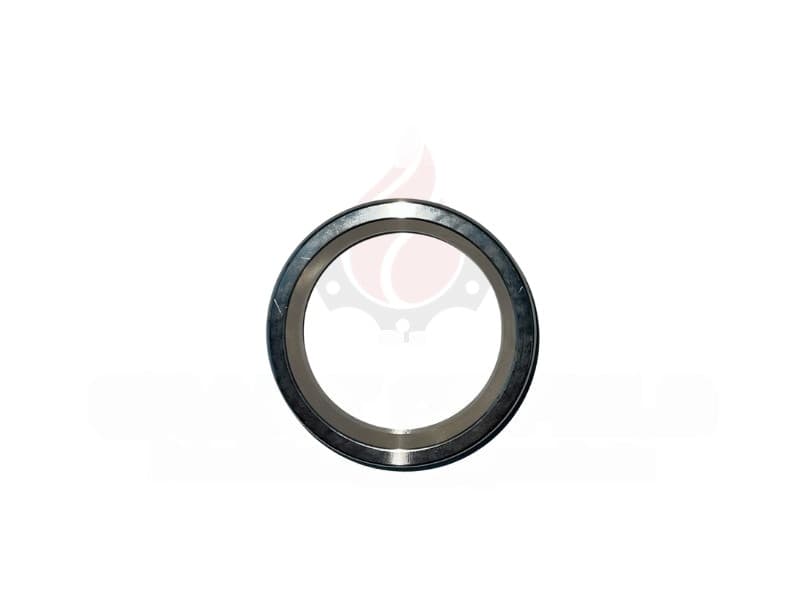
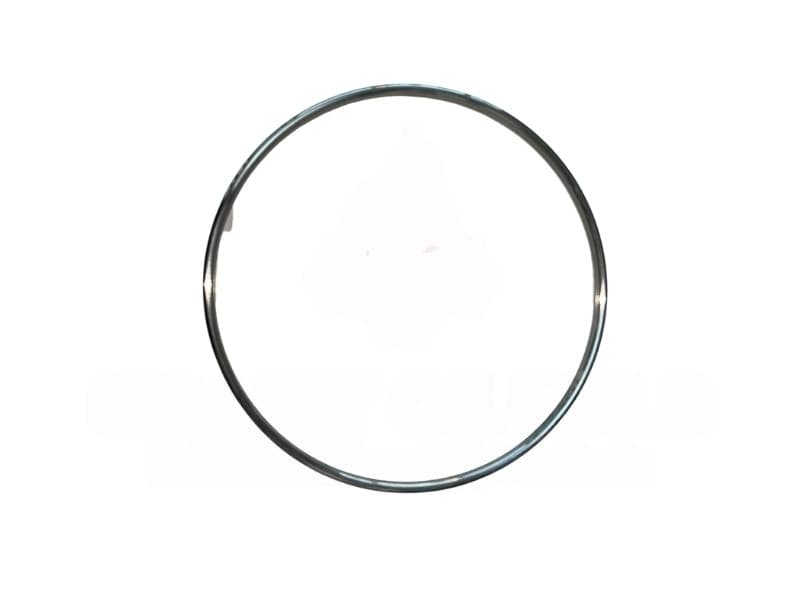
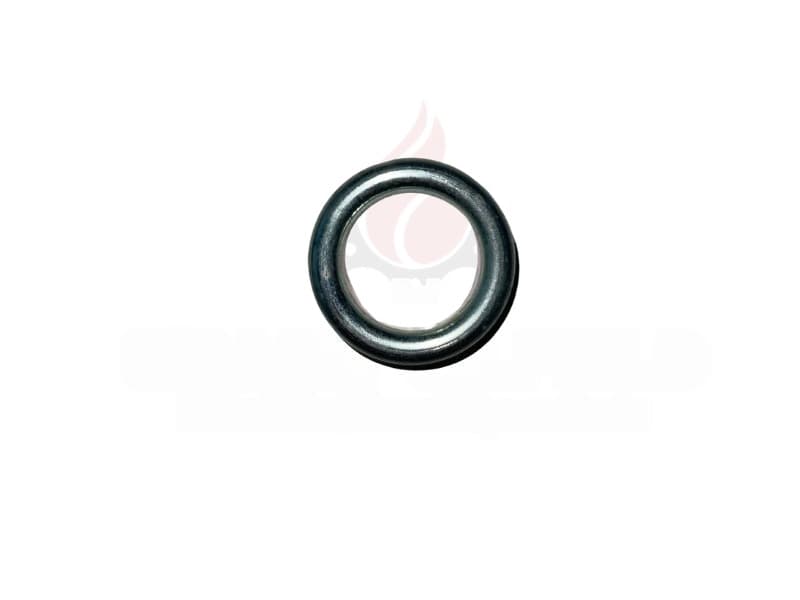
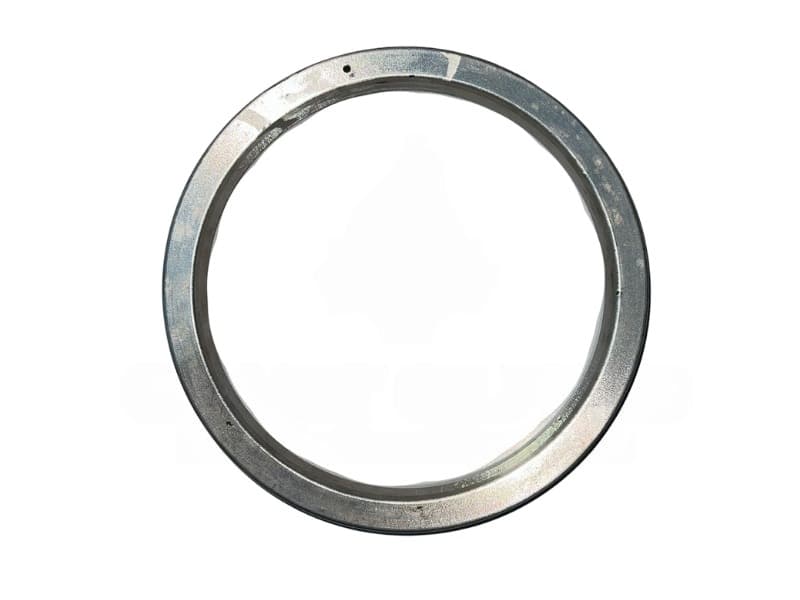
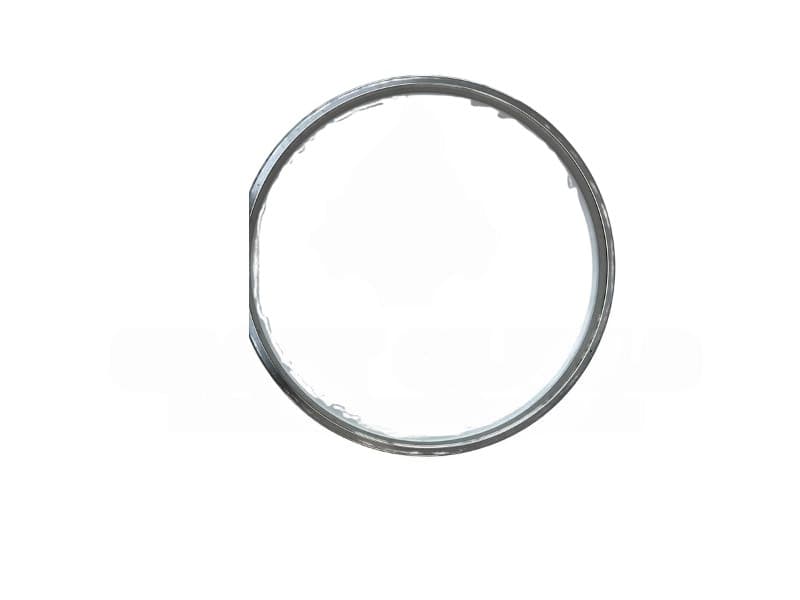
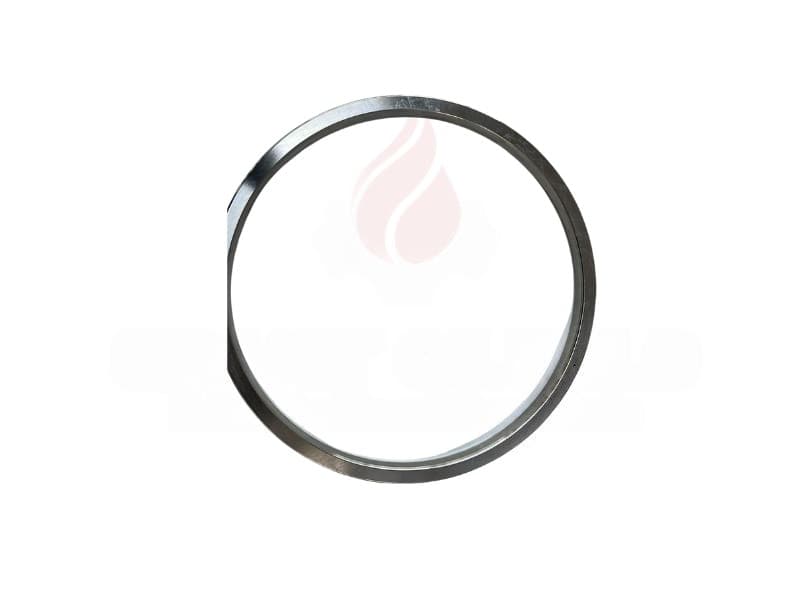
R-65 Ring Joint Gasket (16″ Class 300 / 600; API 16-3/4″ 2K)
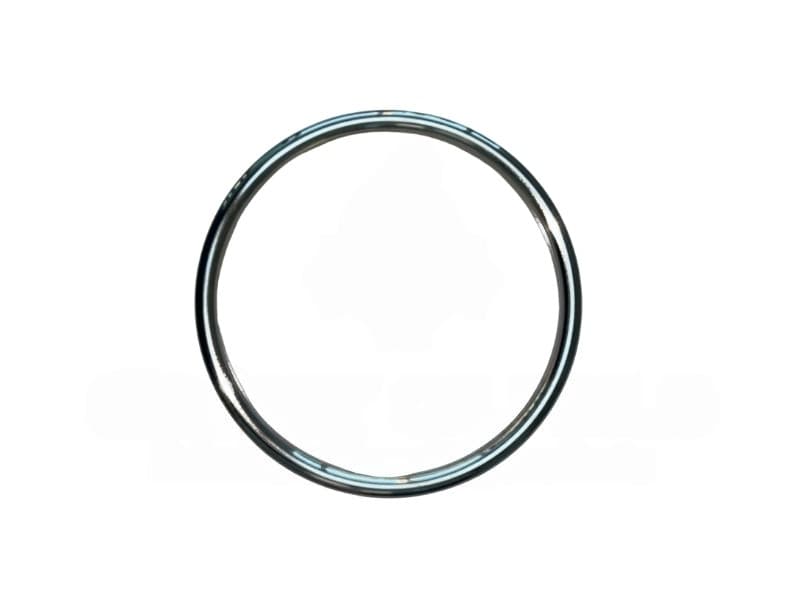
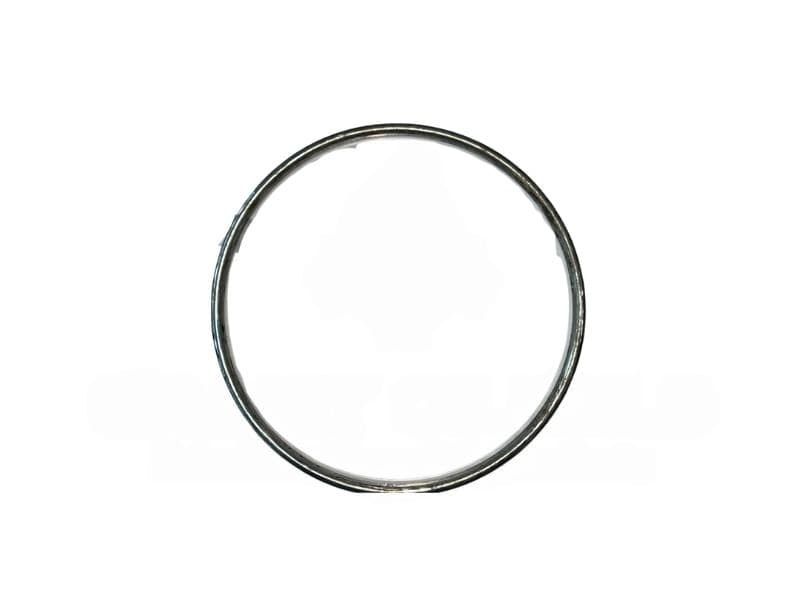
R-57 Ring Joint Gasket (12″ Class 300 / 600, 900; API 13-5/8″ 2K/3K)
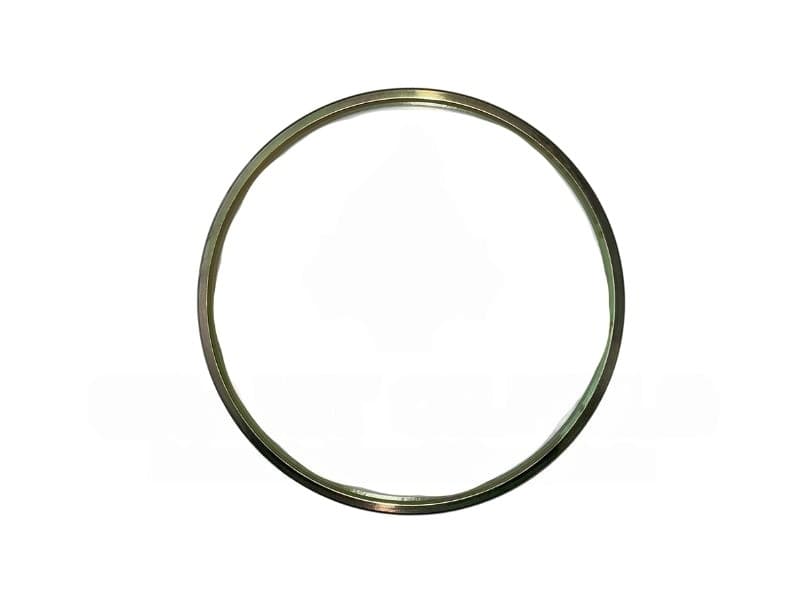
R-53 Ring Joint Gasket (10″ Class 300 / 600, 900; API 11″ 2K/3K)
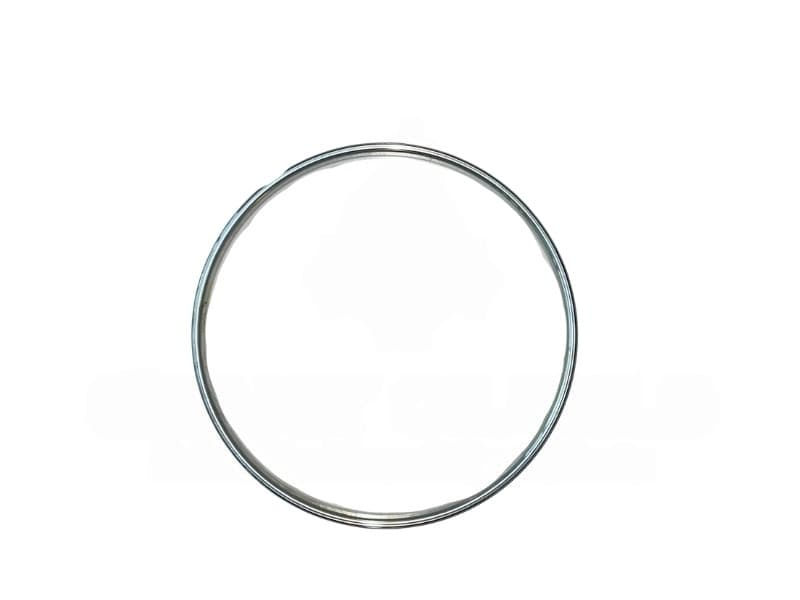
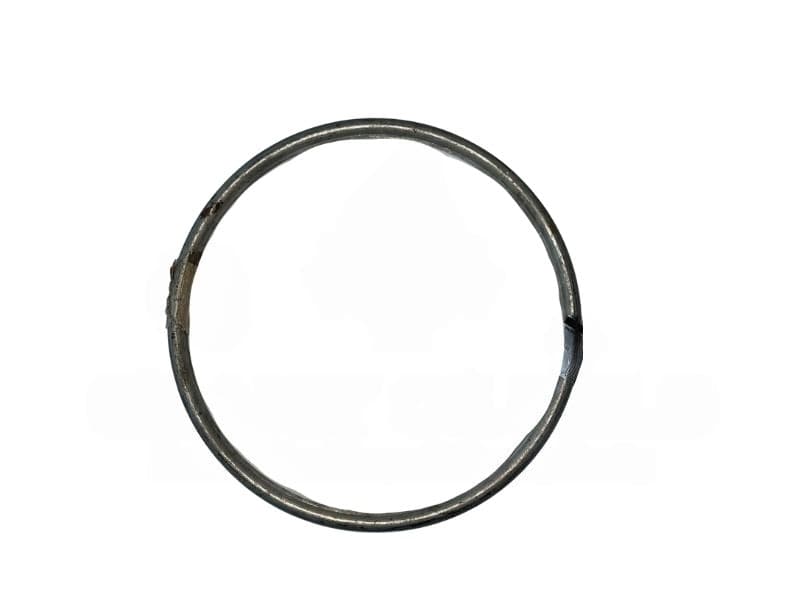
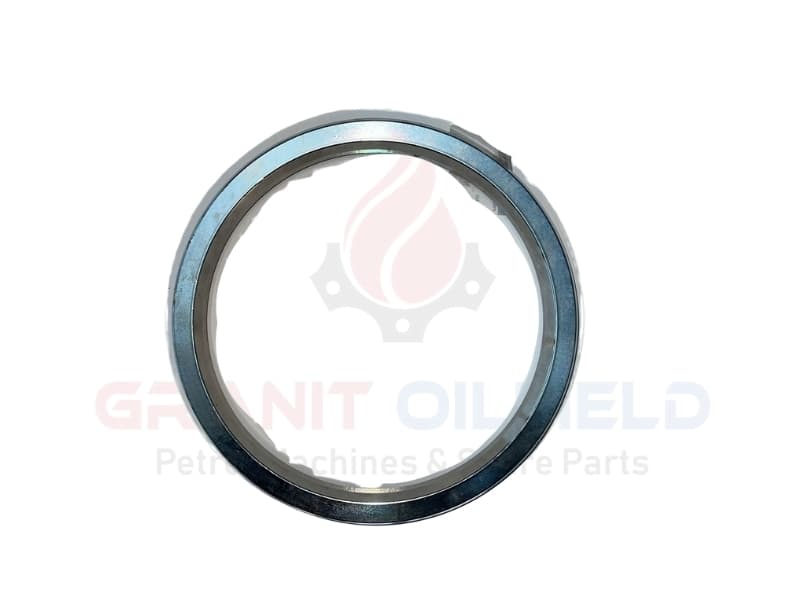
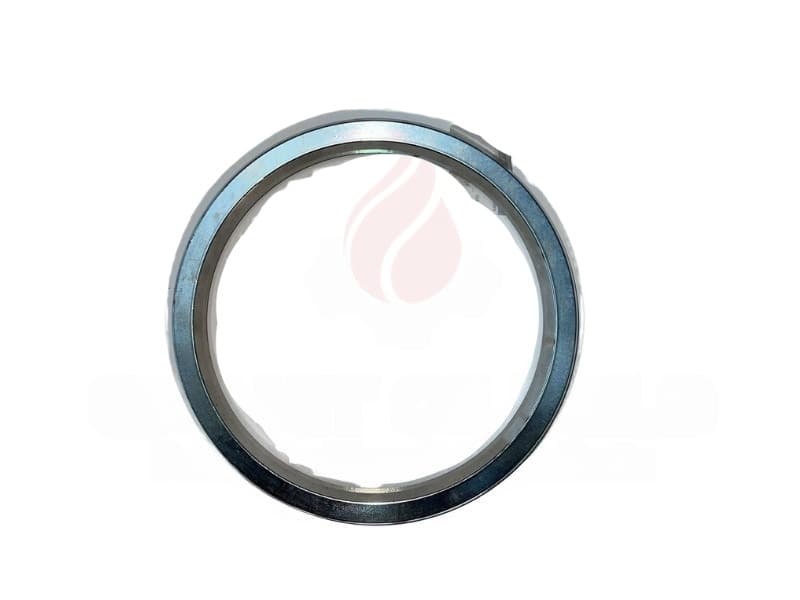
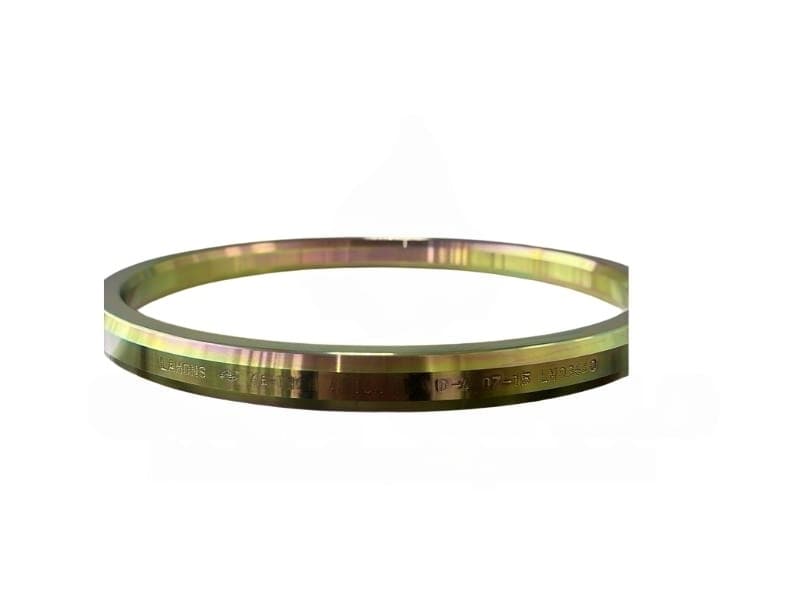
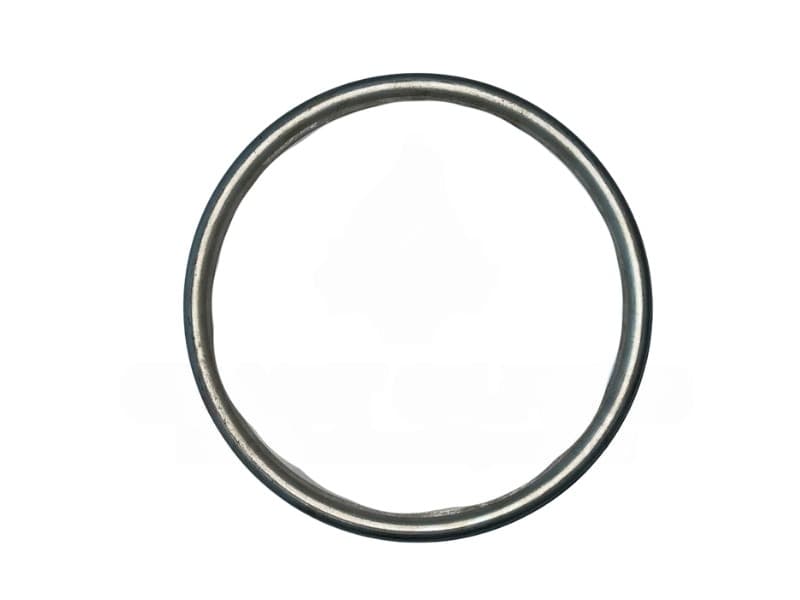
R-45 Ring Joint Gasket (6″ Class 300 / 600, 900; API 7-1/16″ 2K/3K)
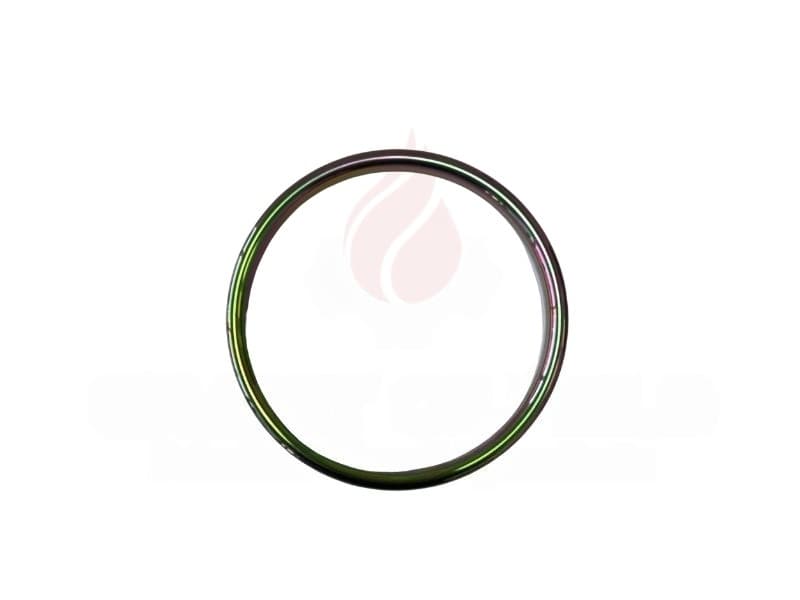
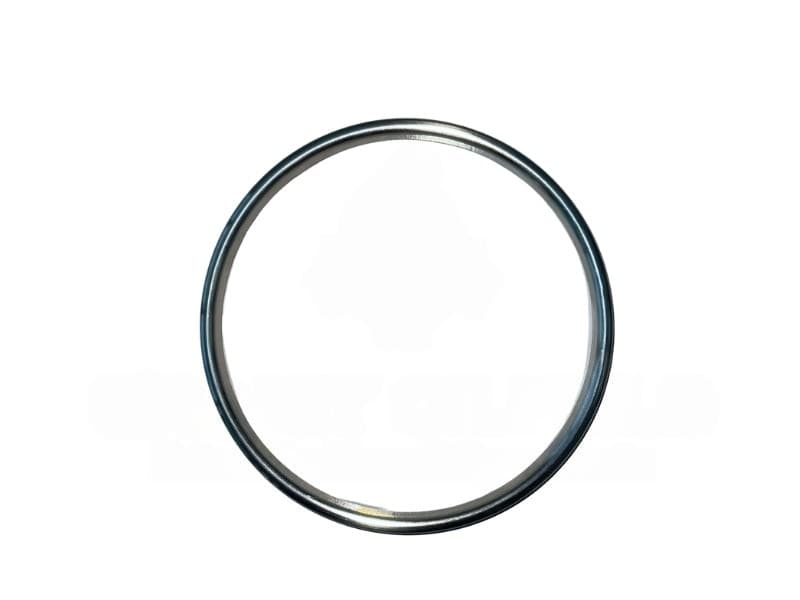
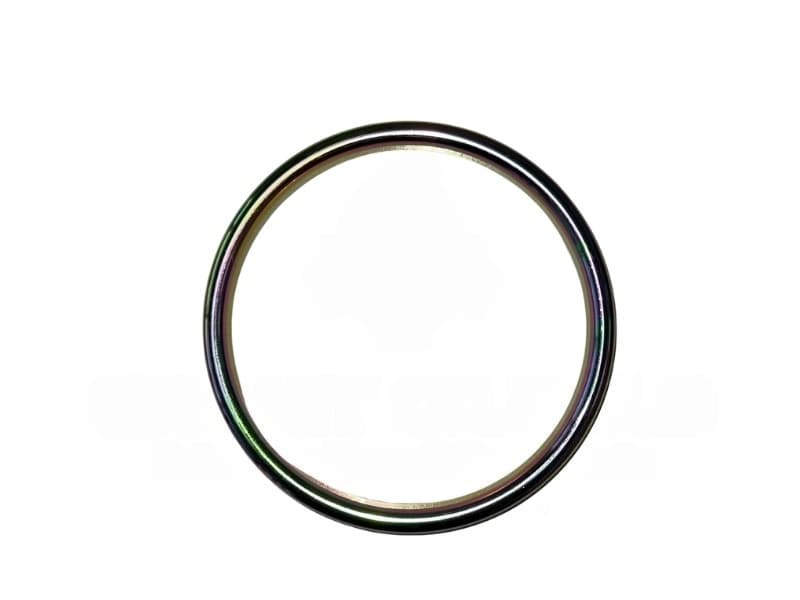
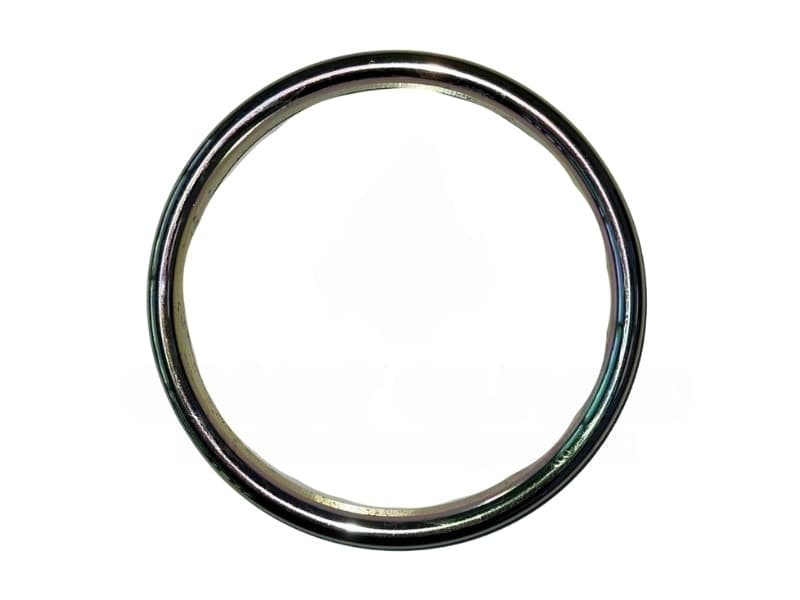
R-39 Ring Joint Gasket (4″ Class 1500; API 4-1/16″ 5K)
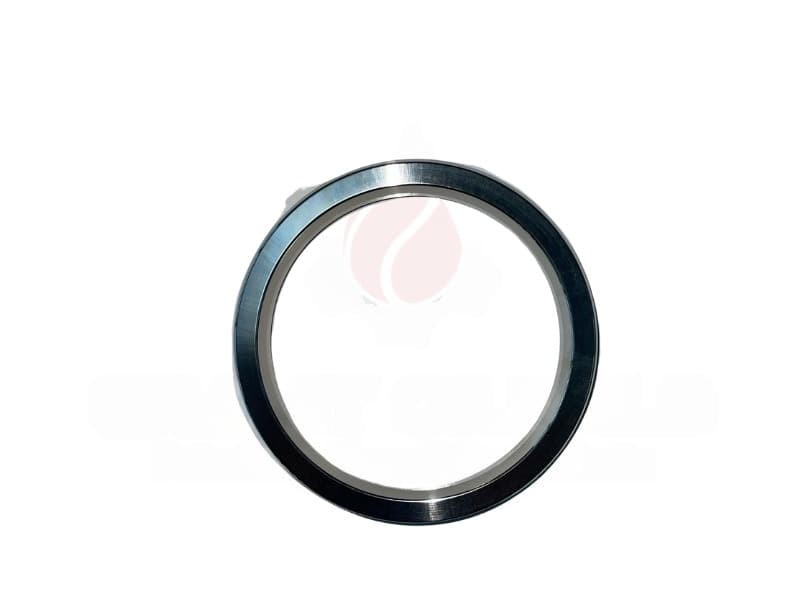
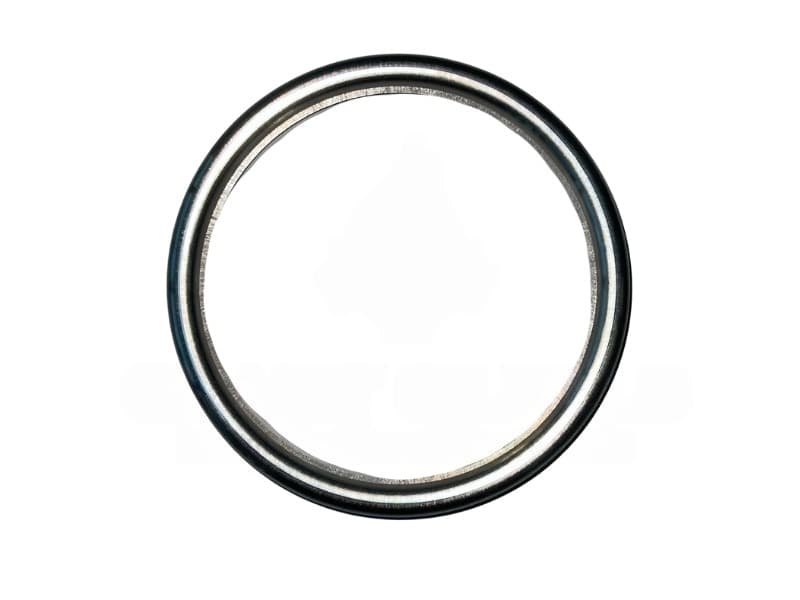
R-37 Ring Joint Gasket (4″ Class 300 / 600, 900; API 4-1/16″ 2K/3K)
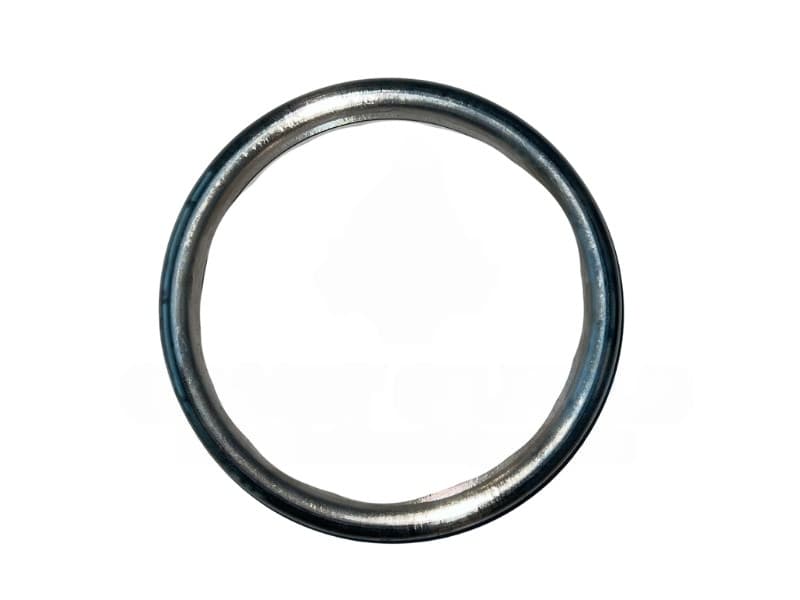
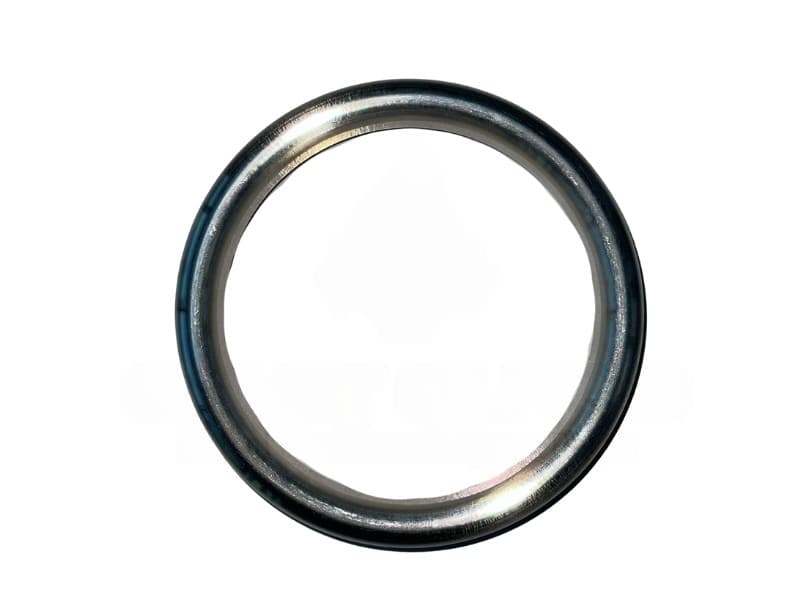
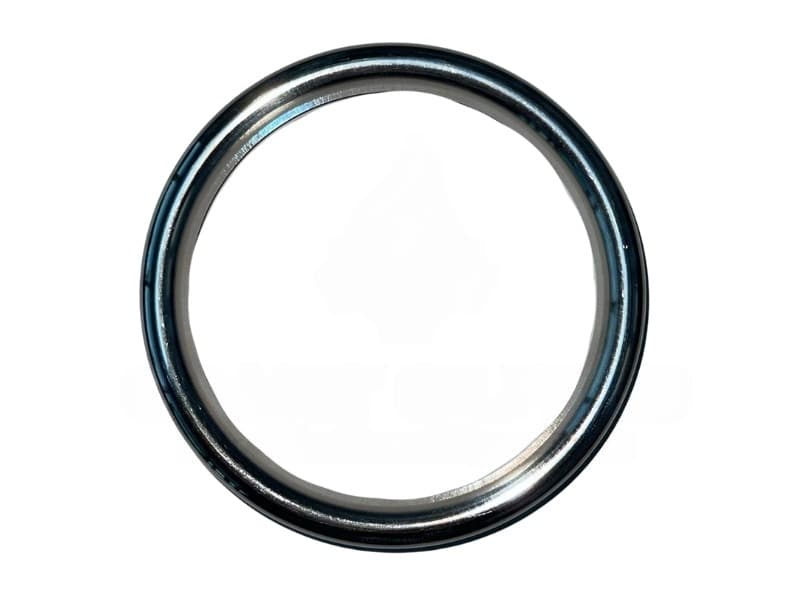
R-31 Ring Joint Gasket (3″ Class 300 / 600, 900; API 3-1/8″ 2K/3K)
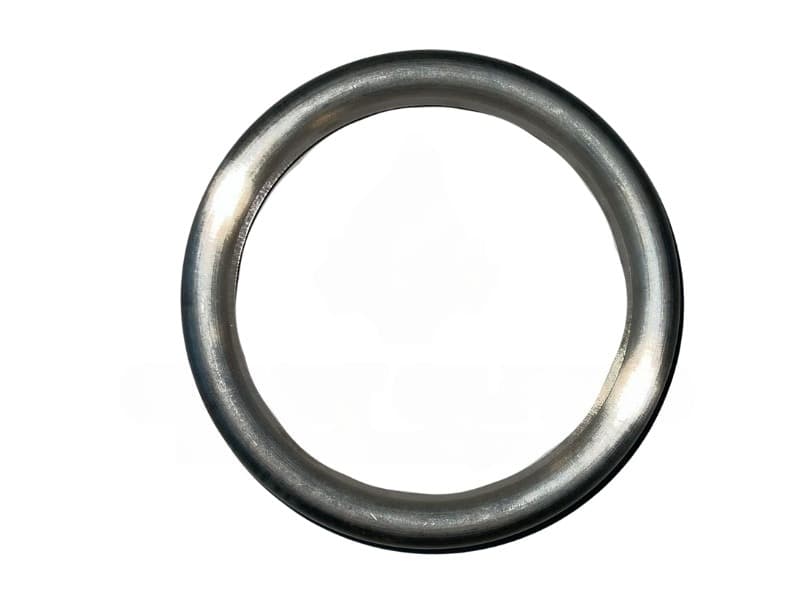
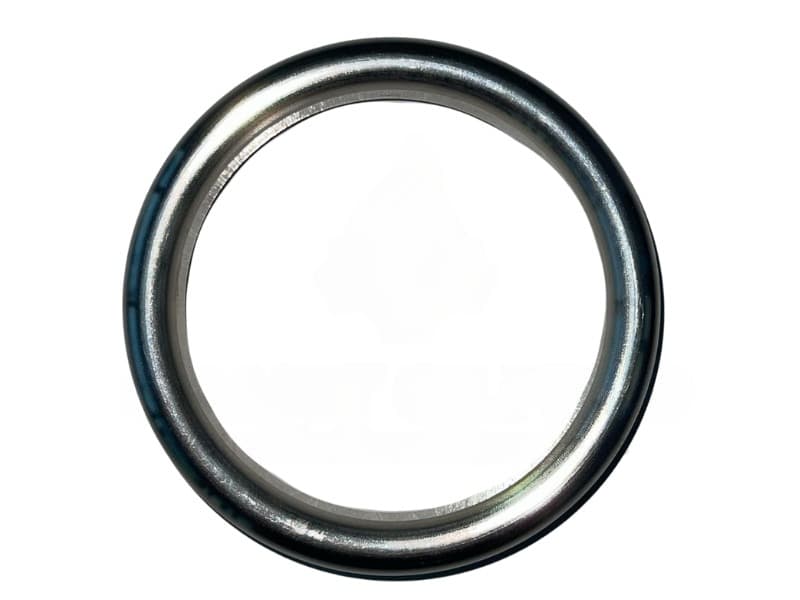
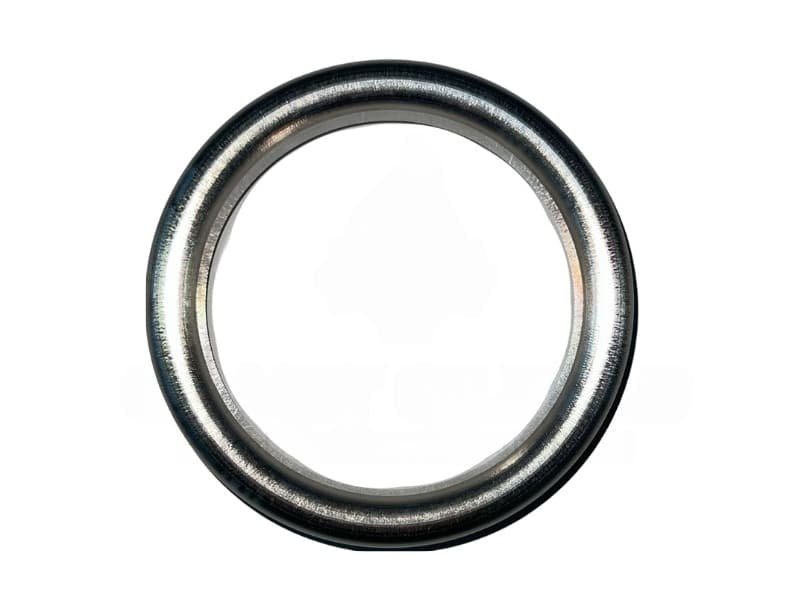
R-24 Ring Joint Gasket (2″ Class 900, 1500; API 2-1/16″ 3K/5K)
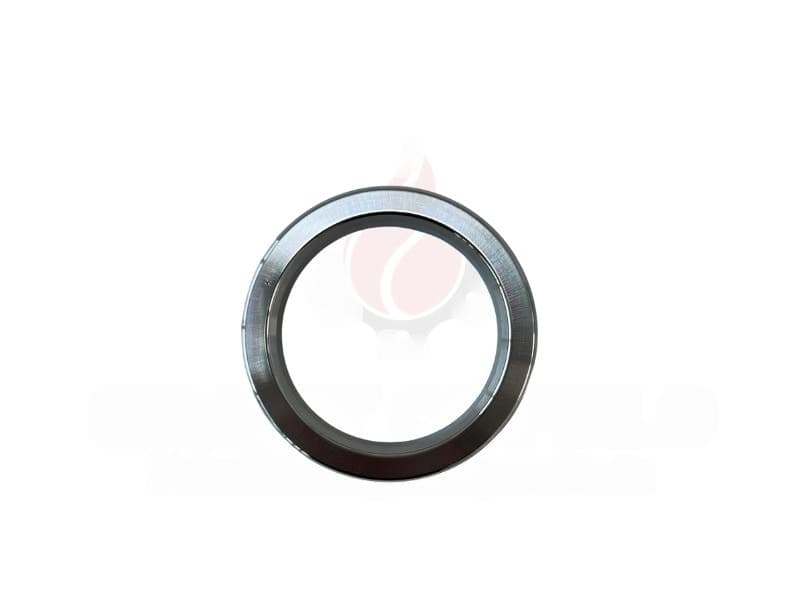
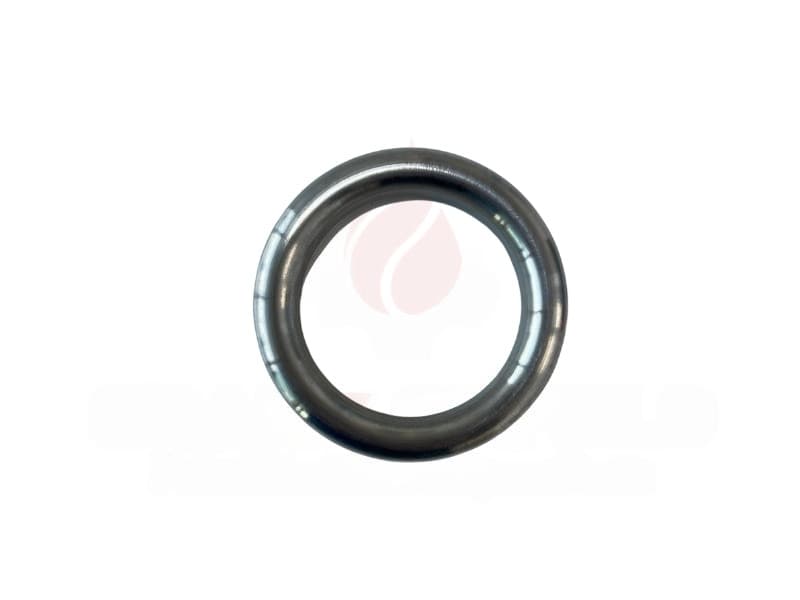
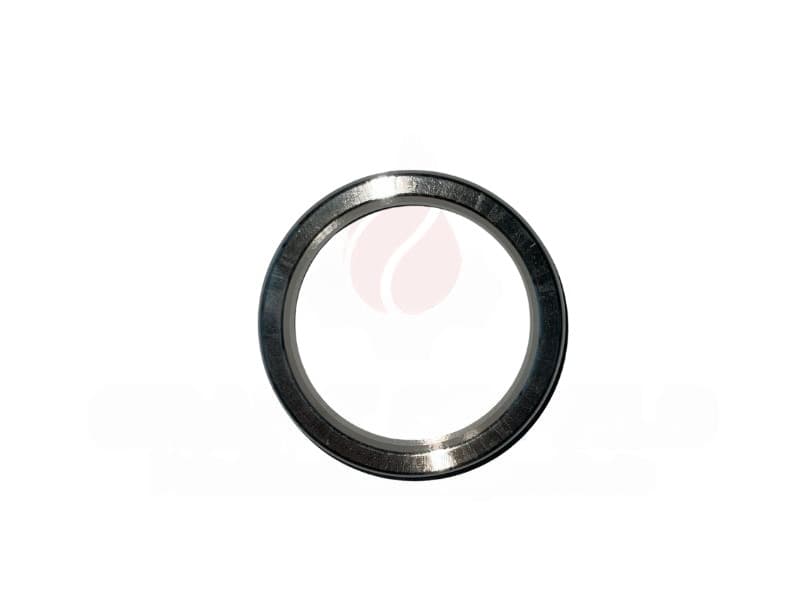
R-20 Ring Joint Gasket (1-1/2″ Class 300 / 600, 900, 1500; API 1-1/2″ 2K/3K/5K)
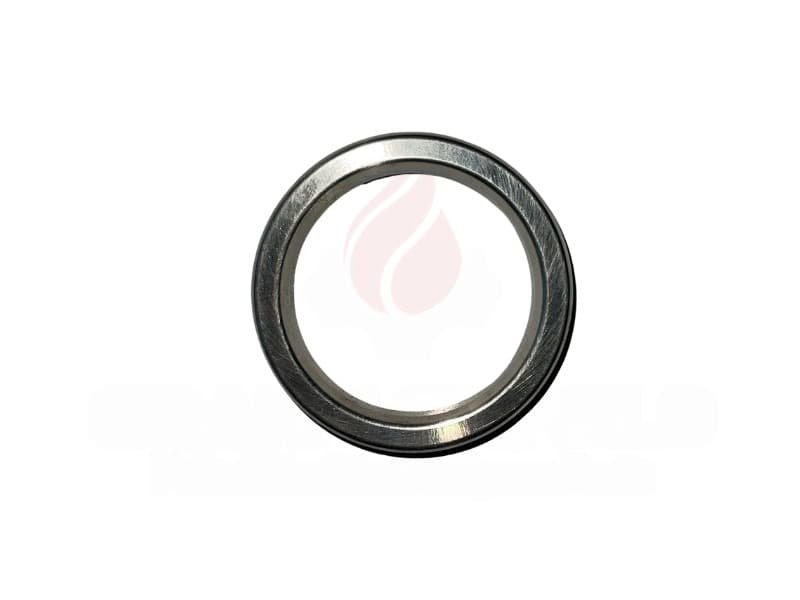
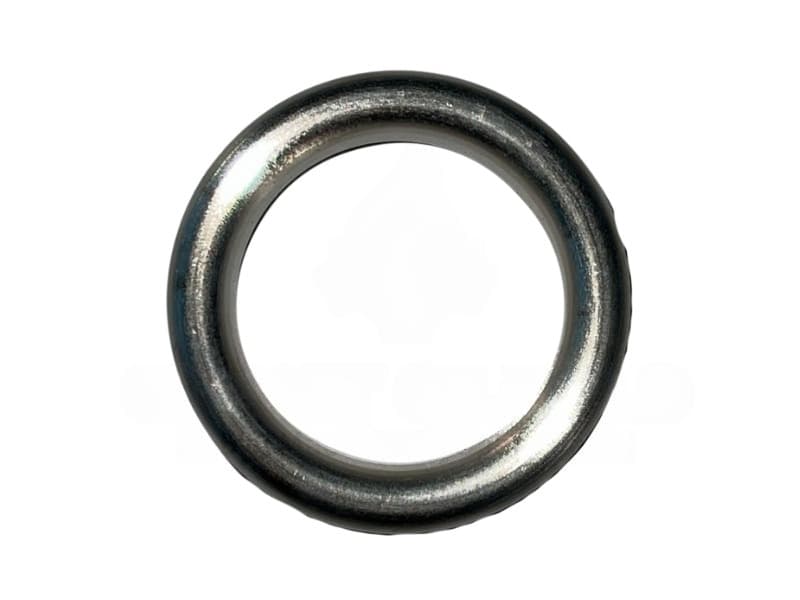
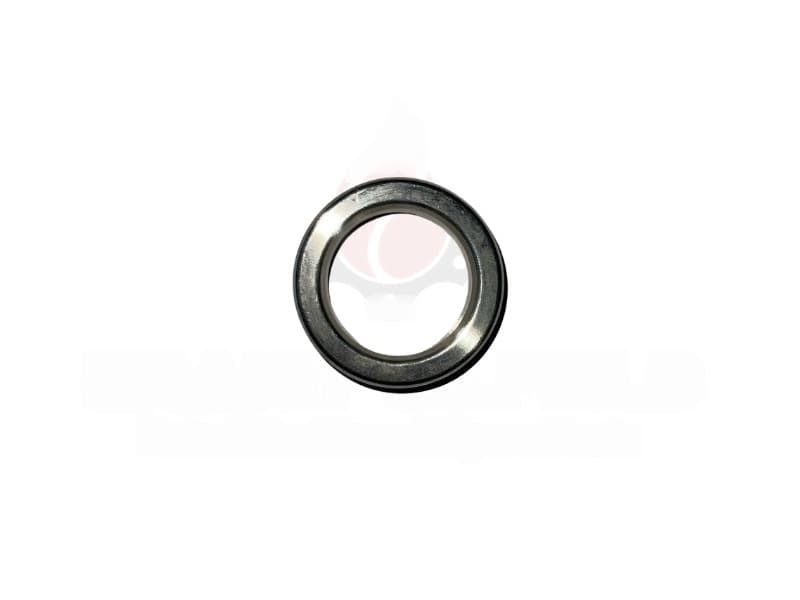
R-14 Ring Joint Gasket (3/4″ Class 900, 1500)
Questions we get asked
About this range
- 01Oval or octagonal R ring — which should I use?
- Use an octagonal ring in modern flat-bottomed grooves, and an oval ring where the groove may be the older round-bottomed type. An oval ring seals in either groove; an octagonal ring seals only in the flat-bottomed groove that current ASME B16.5 and API 6A flanges have, and is generally preferred there because its flat flanks give a more efficient seal. Both carry the same ring number for the same groove. If the flange is old or its groove profile unknown, check the groove before ordering octagonal.
- 02What do the material marks on a ring gasket mean, and how hard should it be?
- The mark identifies the material, and the ring must be softer than the flange groove so it deforms instead of the groove. Common marks are D for soft iron, S for low-carbon steel, F5 for 4–6% chrome steel and S304 or S316 for stainless; ASME B16.20 limits hardness to 90 HB for soft iron, 120 HB for low-carbon steel, 130 HB for F5 and 160 HB for 304 and 316. Pick the ring material to suit the fluid and temperature and to be softer than the flange, which is why stainless rings go in stainless or clad grooves.
- 03Why does a BX ring have a small hole drilled through it?
- The hole is a pressure-passage hole. A BX ring seals on both its inner and outer faces against the groove, and the hole lets pressure trapped in the groove on either side of the sealing contact equalise, so the ring is not forced out of its seat or locked under pressure. Every BX ring has one. Do not plug the hole, and do not substitute an R or RX ring in a 6BX flange: the BX groove and ring are a different family, and 6BX flanges make up face to face around a BX ring only.
- 04Why does the same R ring fit both an ASME flange and an API flange?
- Because the ring number is set by the groove, and API 6B flanges use the same R-series grooves as ASME B16.5 flanges. R-24, for example, fits 2″ Class 900 and 1500 flanges and API 2-1/16″ 3K and 5K flanges. Sharing a ring does not make the flanges interchangeable: bolt circle, bolt size and pressure rating can differ between the ASME and API flange, so check both flanges before joining them. Each ring's page lists the ASME and API flanges it fits.
- 05How do I identify an unmarked ring joint gasket?
- Measure it and match it to the ring tables. Record the profile (oval, octagonal, RX or BX), the pitch diameter through the centre of the ring section, the width, and the height. The pitch diameter and width identify the ring number, and the profile and height separate R from RX, since an RX ring of the same number is taller and has a different, asymmetric section. Better still, measure the flange groove, which does not wear like a used ring, or read the flange size and class or API bore and pressure stamped on the flange.
- 06How should a ring joint flange be made up?
- Clean and inspect both grooves, fit a new ring dry or lightly oiled, and tighten the bolts evenly in a cross pattern in several passes to the specified torque. Look for radial scratches, dents or corrosion in the groove sealing faces: a damaged groove will not seal however hard the bolts are pulled. Do not use tape, sealant or a soft gasket with the ring. API 6B flanges keep a small gap between the faces when made up; 6BX flanges close face to face. Retorque per your procedure after a thermal or pressure cycle if required.
From the blog