- 01Magnetic, turbine or Coriolis flowmeter — which should I use?
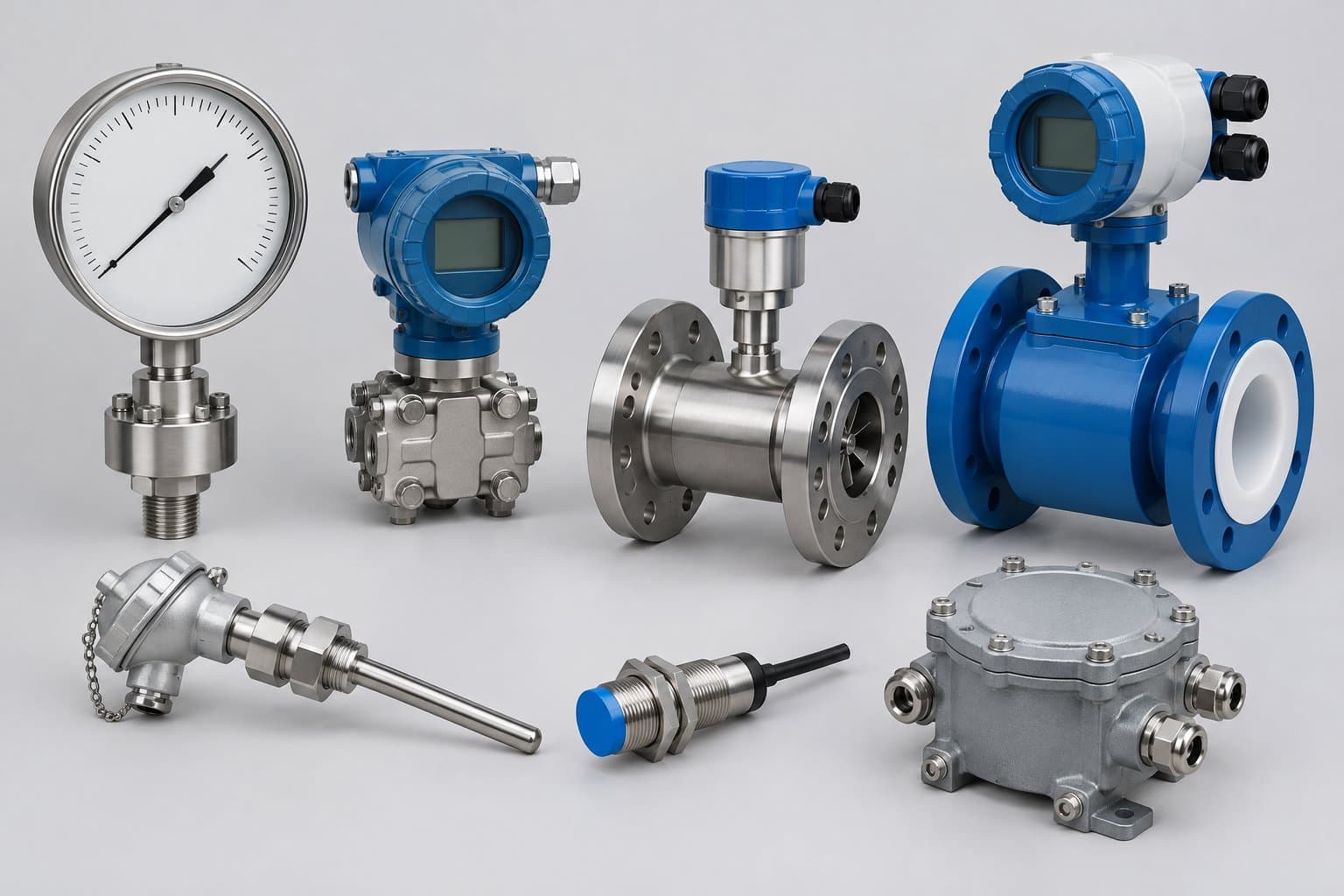
- A magnetic flowmeter has no moving parts and measures conductive liquids such as water-based fluids, but not hydrocarbons. A turbine meter measures clean, low-viscosity liquids accurately and is made with Figure 1502 ends for frac and cementing pressure. A Coriolis meter measures mass flow and density directly, which makes it the choice for cement slurry and fluids whose density matters.
- 02What do ATEX Zone 1 and Zone 2 mean?
- They classify how likely an explosive gas atmosphere is. In Zone 1 it is likely to occur in normal operation; in Zone 2 it is not likely, and if it occurs it lasts only briefly. Equipment must be certified for the zone it is installed in — Zone 1 equipment may be used in Zone 2, not the other way round. IECEx uses the same zones.
- 03What output signals do the sensors use?
- Most transmitters on this shelf give a 4–20 mA analogue signal, the oilfield standard because it survives long cable runs and a broken loop reads as a fault rather than as zero. Proximity sensors give pulses for stroke and RPM counting. Tell us the input your data acquisition system or PLC expects.
- 04What is a debooster pressure sensor?
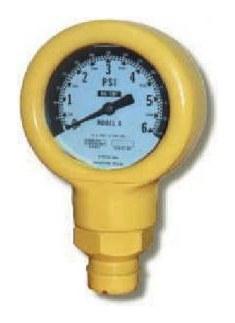
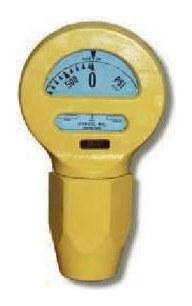
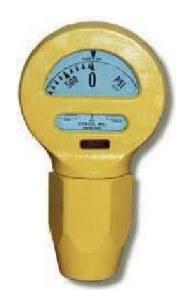
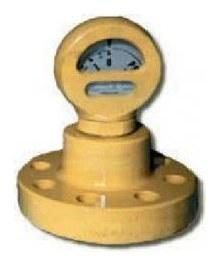
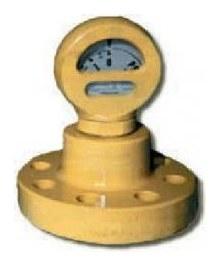
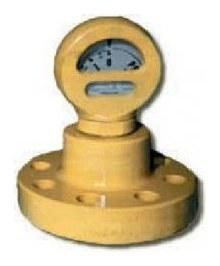
- A debooster is a hydraulic pressure transmitter: well pressure acts on a large piston that drives a smaller one, reducing the pressure by a fixed ratio so that a standard gauge or shutdown switch can read it while staying isolated from the well fluid. It needs no power, which makes it a reliable mechanical backup to electronic sensors.
- 05Can a data acquisition system record a whole frac or cementing job?
- Yes. A multi-channel system logs pressure, rate, density and other channels from the sensors in real time, displays them to the operator and exports the job record. Tell us the number and type of channels and the equipment it must connect to.
- 06Is oilfield instrumentation built to order?
- Yes. Each is built to the range, connection, hazardous-area certification, enclosure and signal you specify, and the lead time is confirmed at quotation.