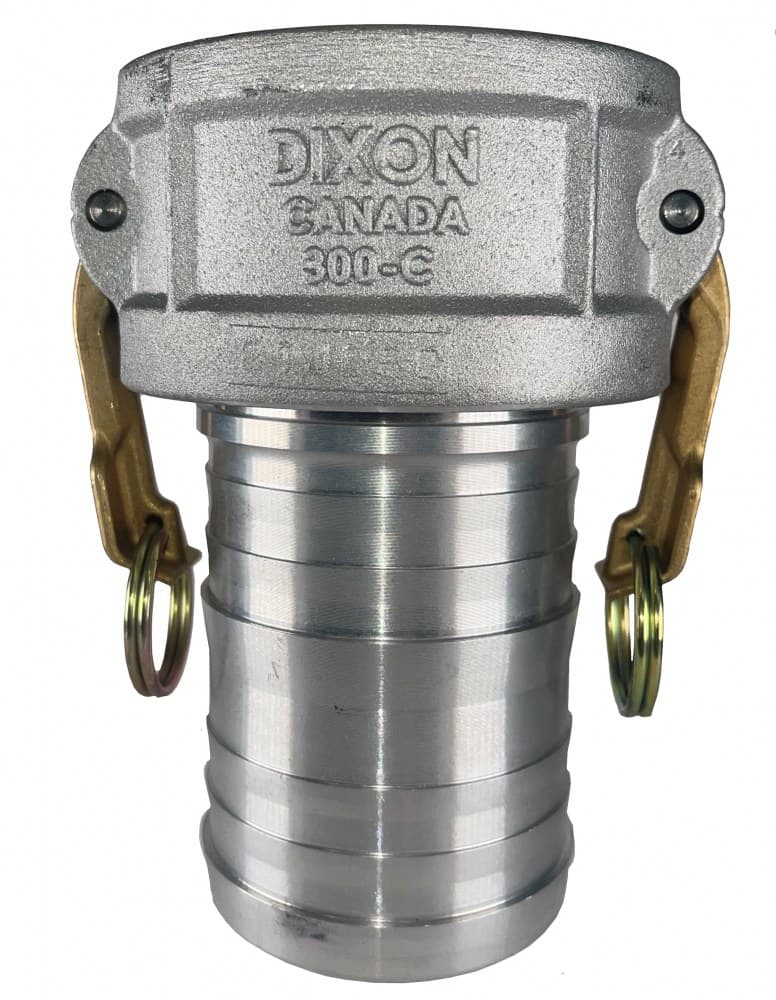
- 01Are cam and groove couplings suitable for high pressure?
- They are built for low-to-medium-pressure transfer, and the rating falls as the size rises. Check the working pressure of the size and material you need against the line; for high-pressure hydraulics use threaded or flanged connections instead.
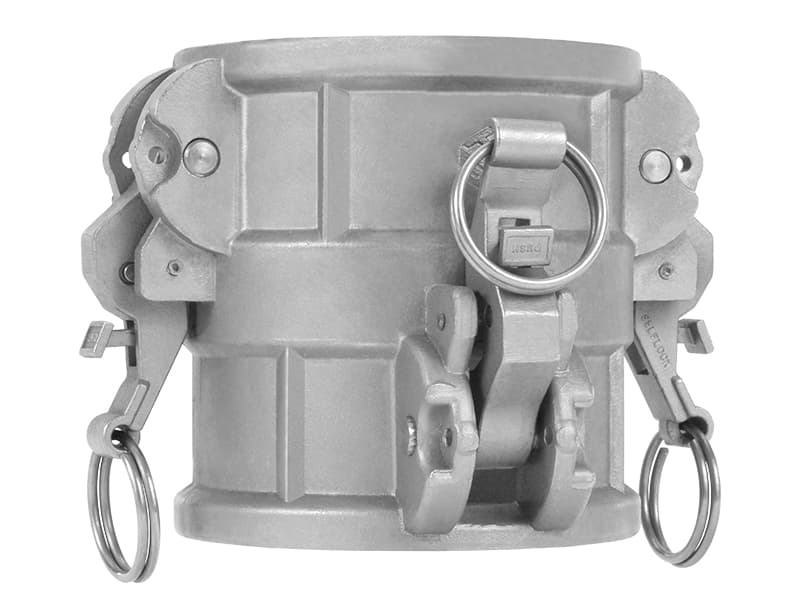
- 02What does self-locking add?
- Cam arms that lock closed, so vibration or a snagged handle cannot open them. They suit transfer lines that are dragged or vibrate, and anywhere an uncoupling would spill.
- 03What is CrimpTEK?
- A cam and groove coupling with a crimp shank in place of a barbed hose shank. It is crimped onto the hose for retention instead of being clamped.
- 04Is a 2″ cam and groove coupling sized by the hose bore or the thread?
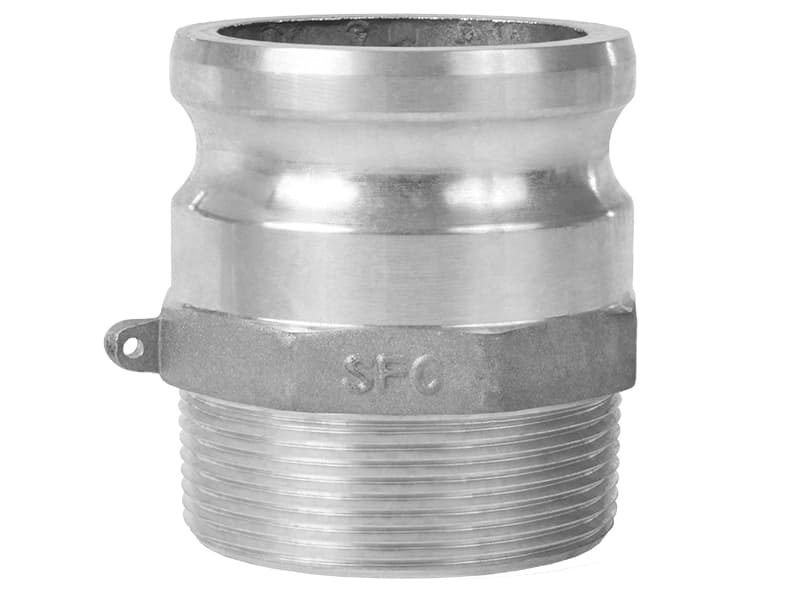
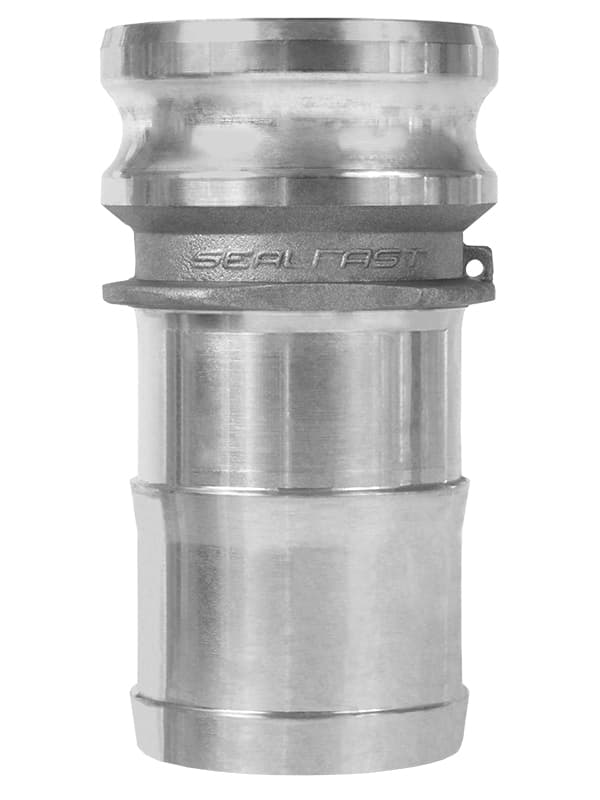
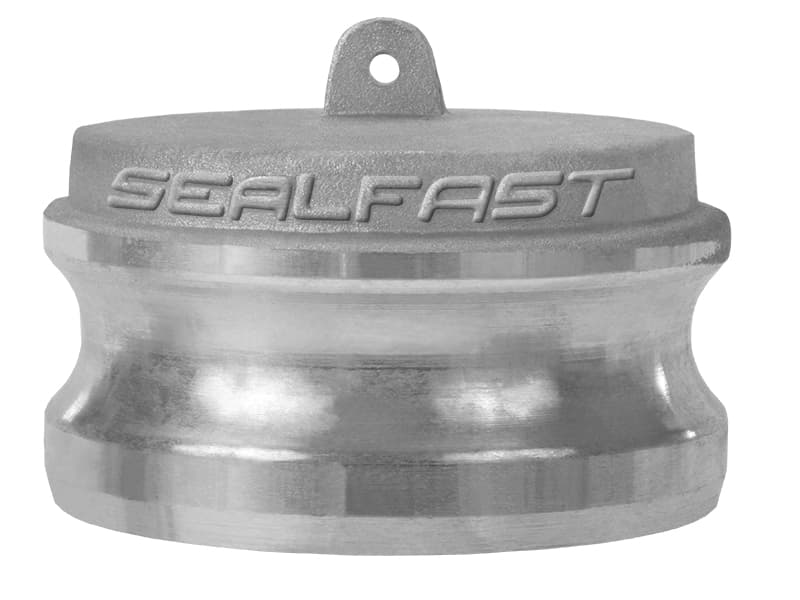
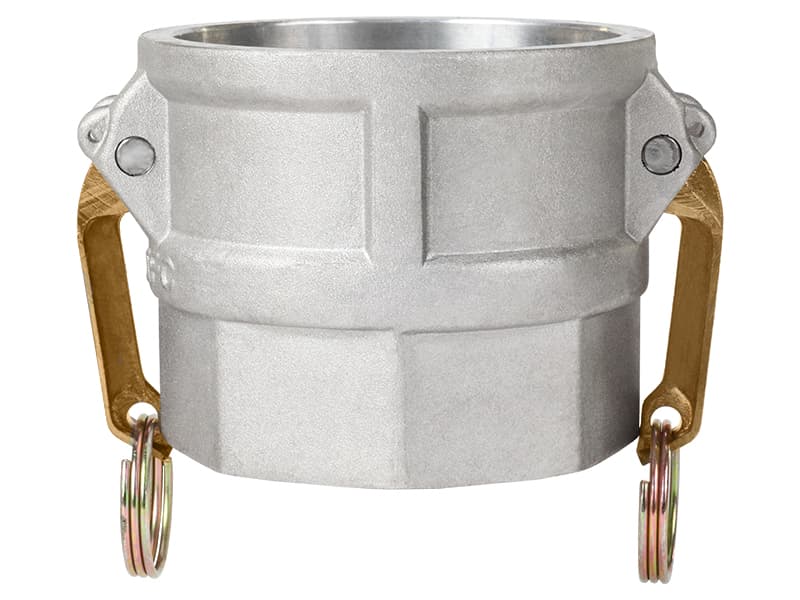
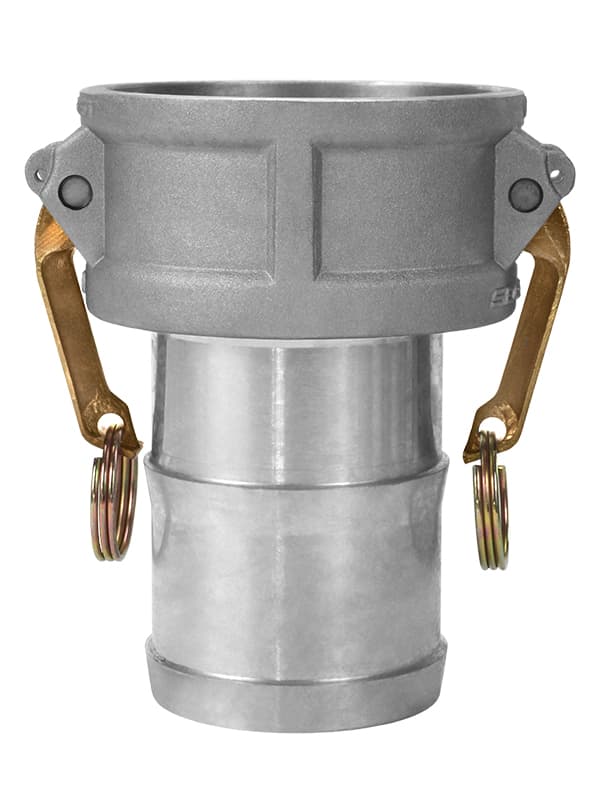
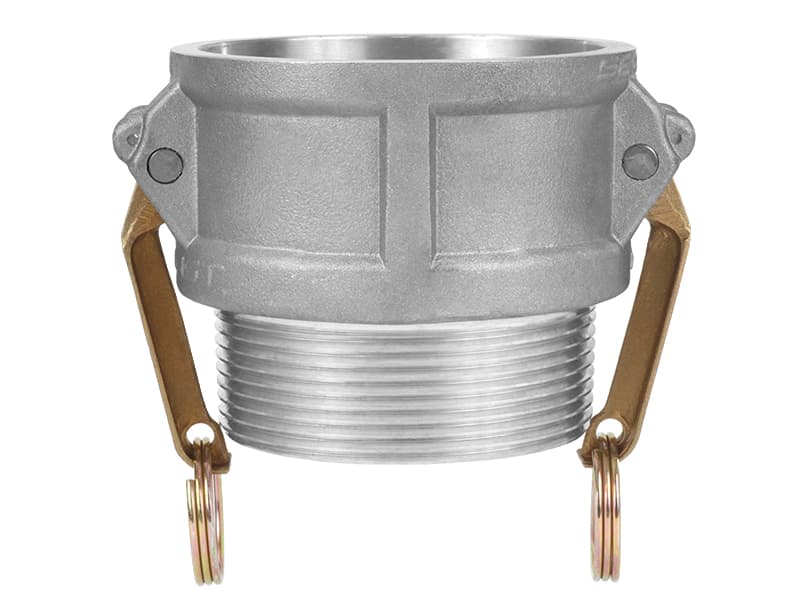
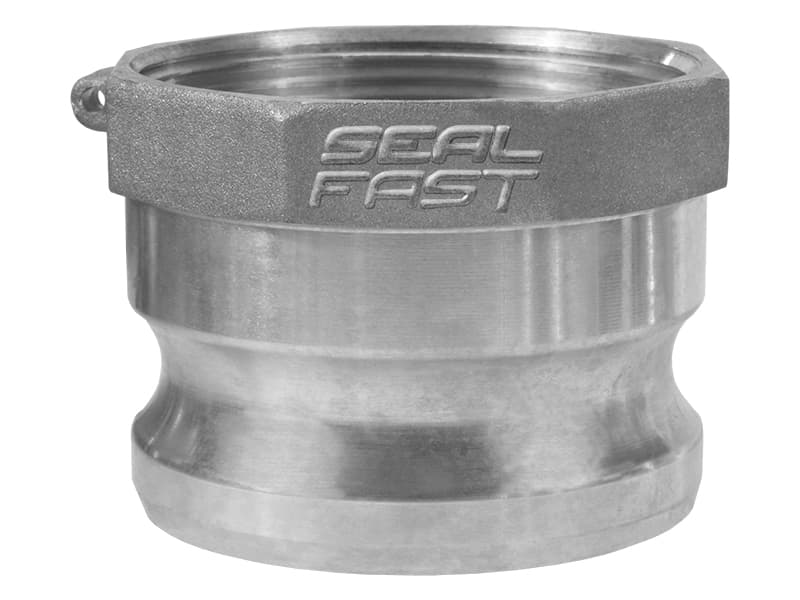
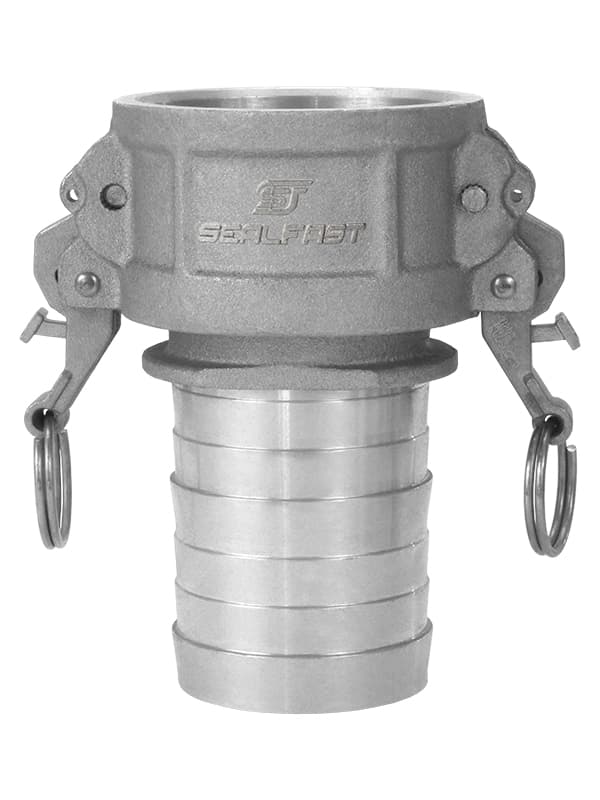
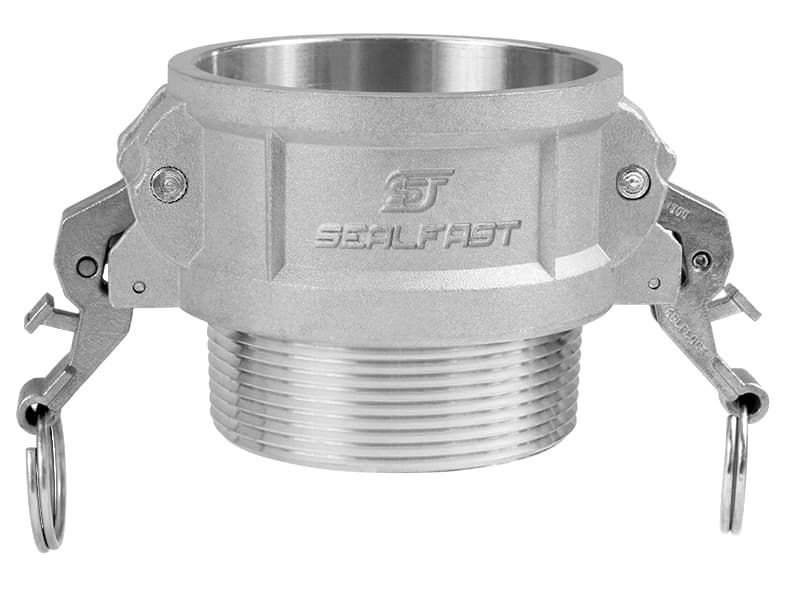
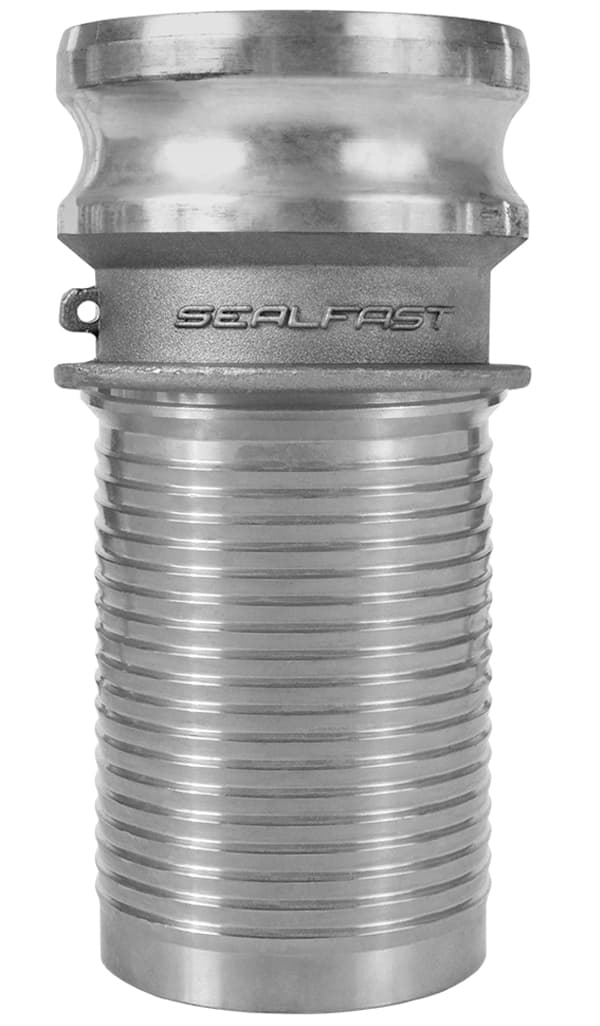
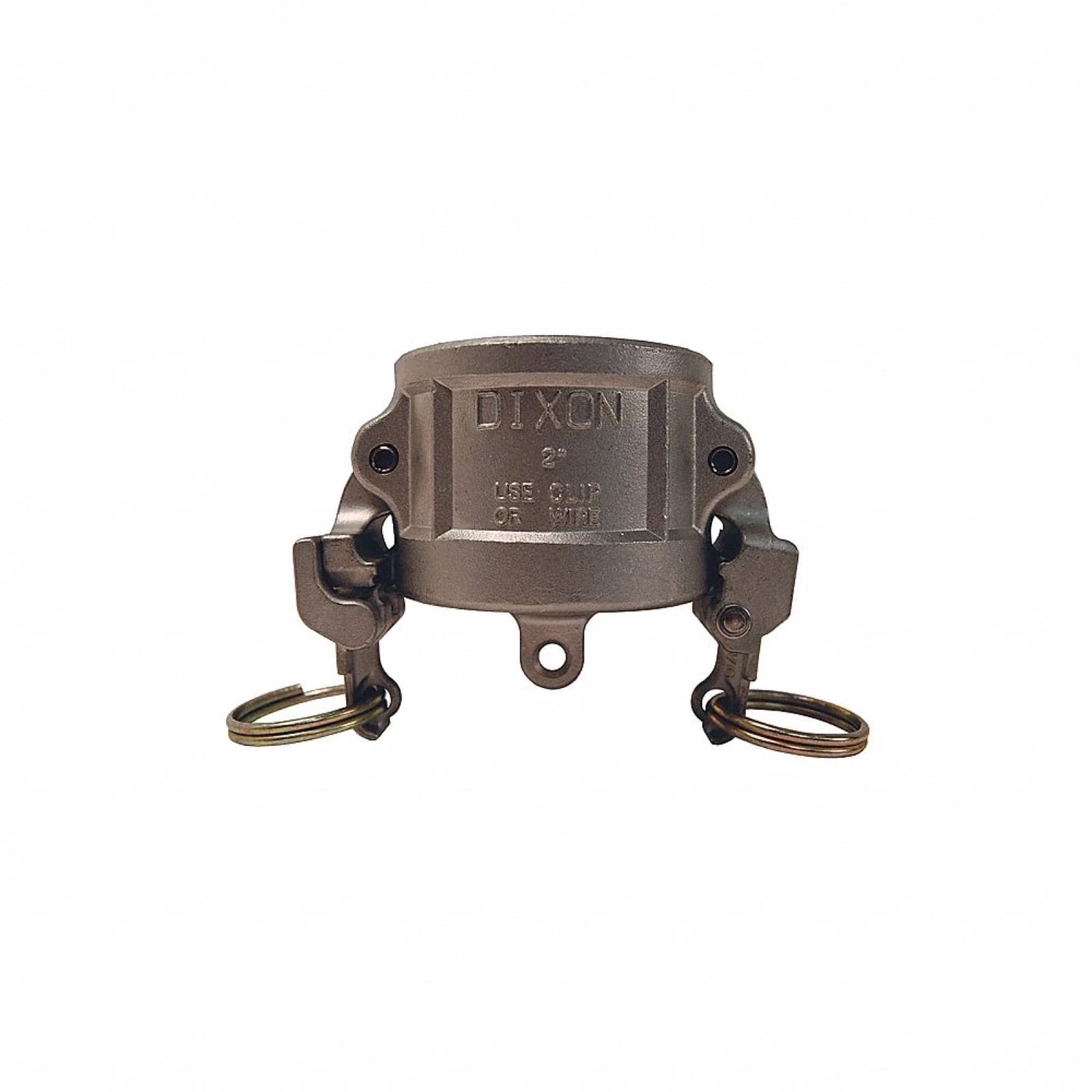
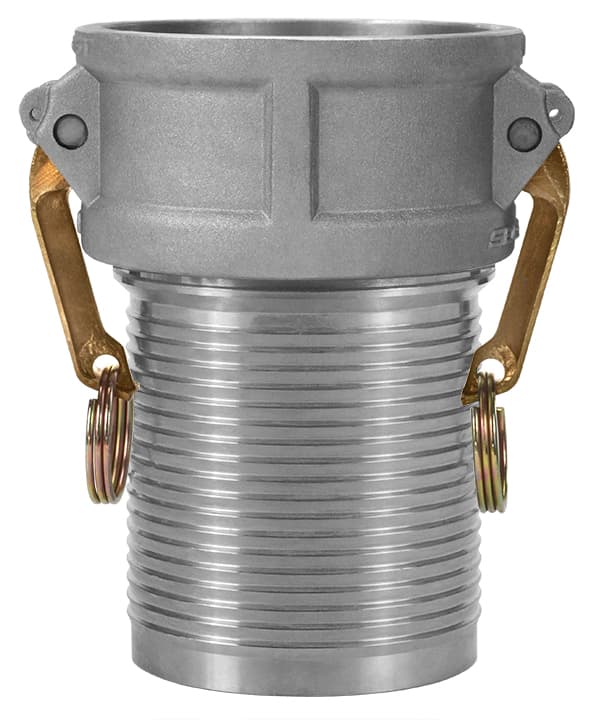
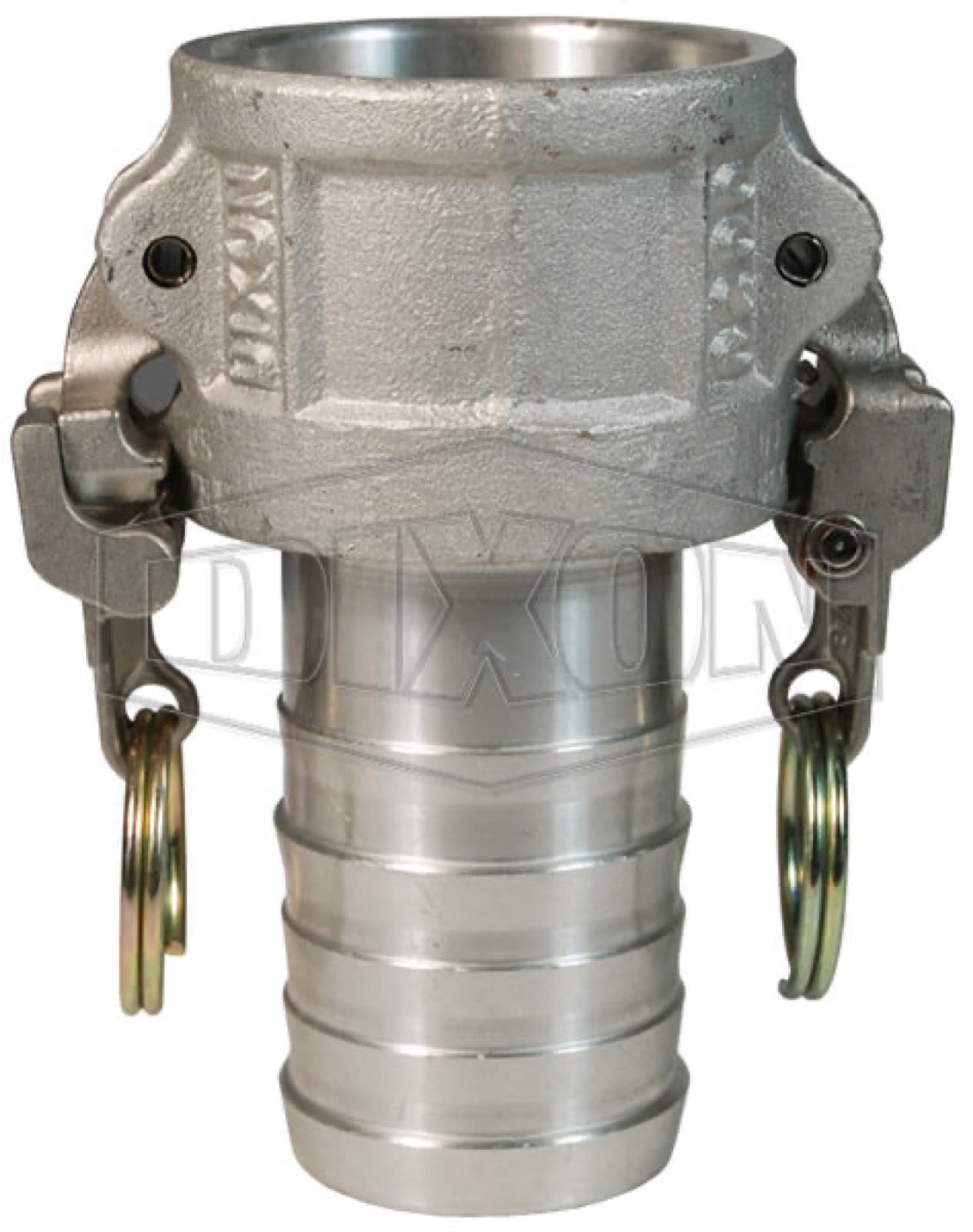
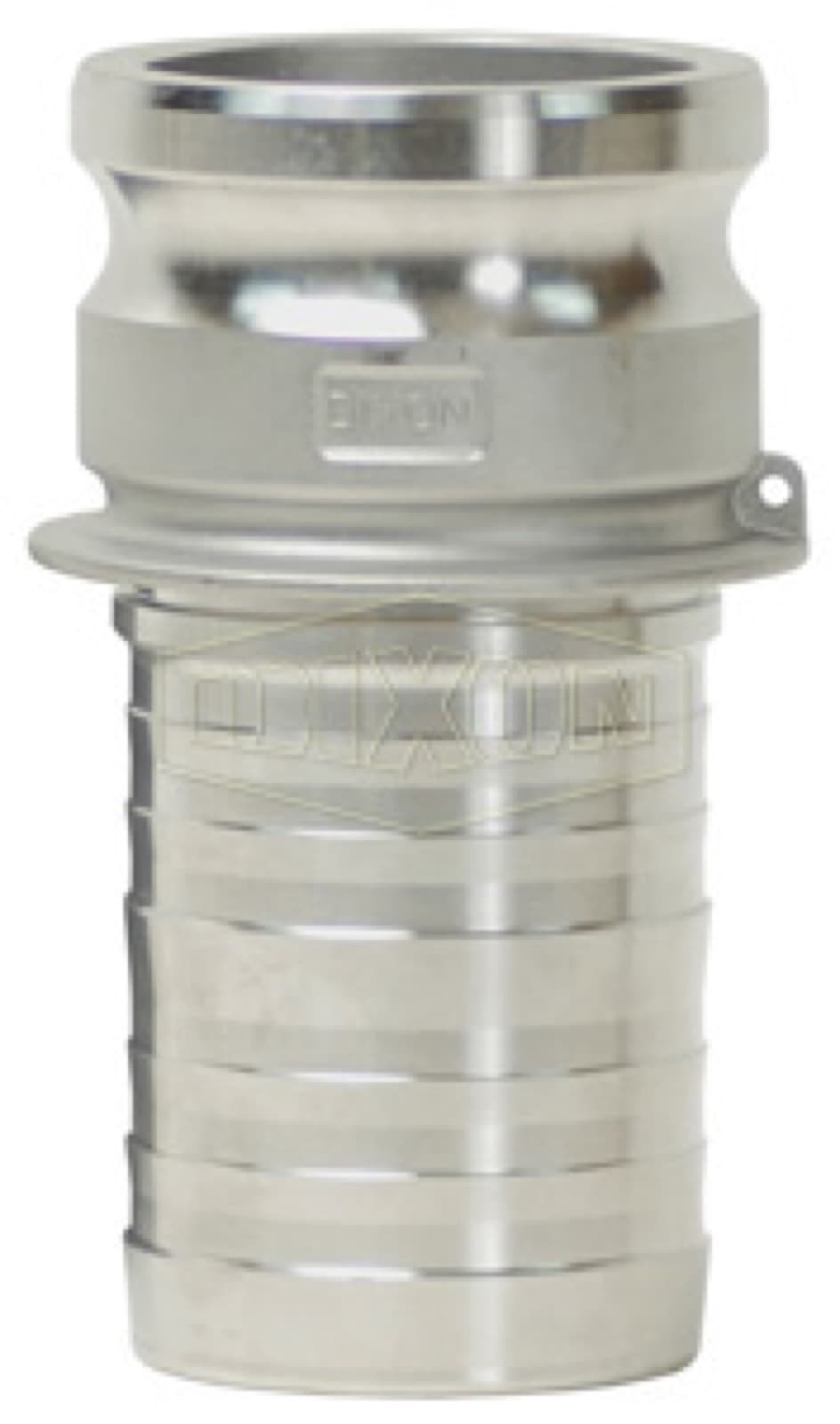
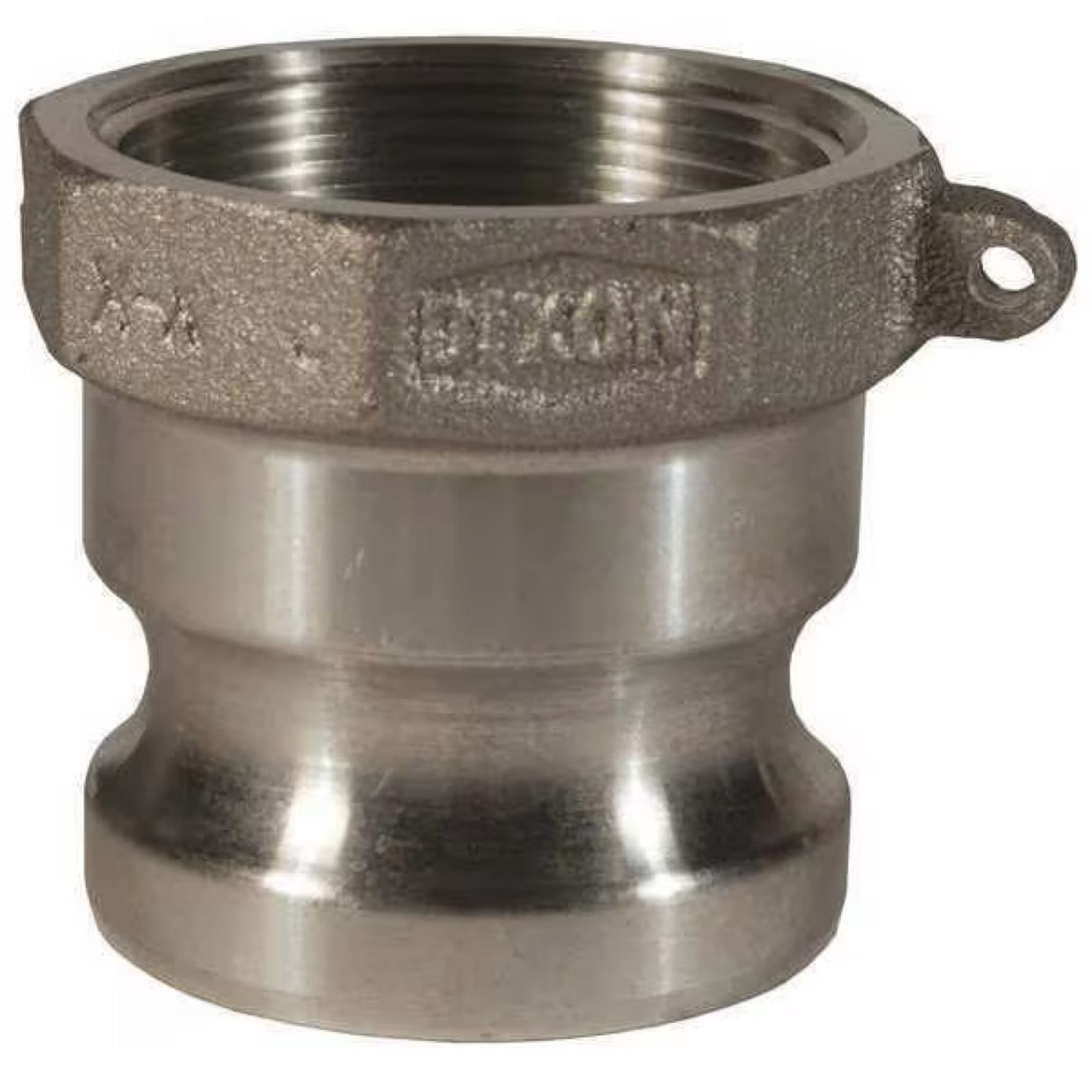
- Both: the nominal size is the same across the coupling. A 2″ Type C or E fits 2″ inside-diameter hose, a 2″ Type A, B, D or F has a 2″ NPT thread, and all 2″ couplers and adapters mate with each other. Size from the hose bore or the pipe size, not from the outside diameter of the coupling head. Reducing combinations need a reducing part or an adapter, because a 2″ adapter will not lock into a 3″ coupler.
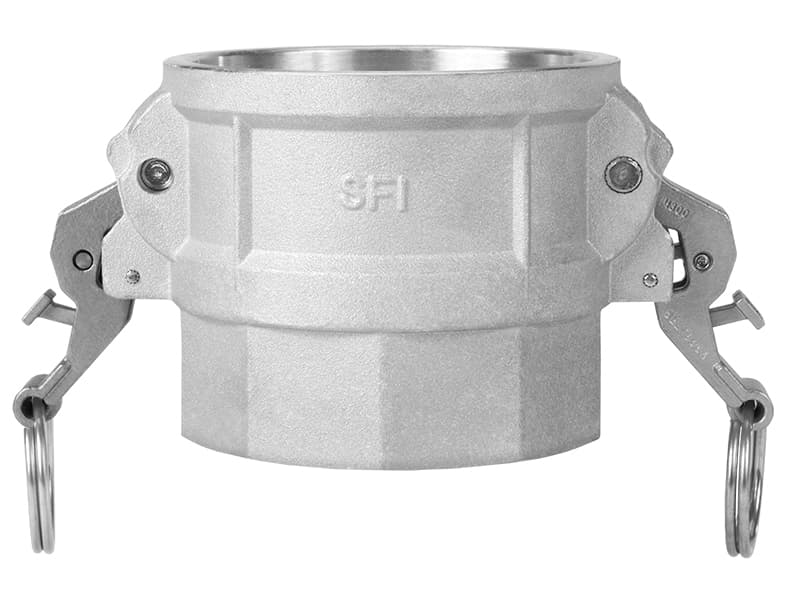
- 05Which half of a cam and groove coupling holds the gasket, and which gasket material do I need?
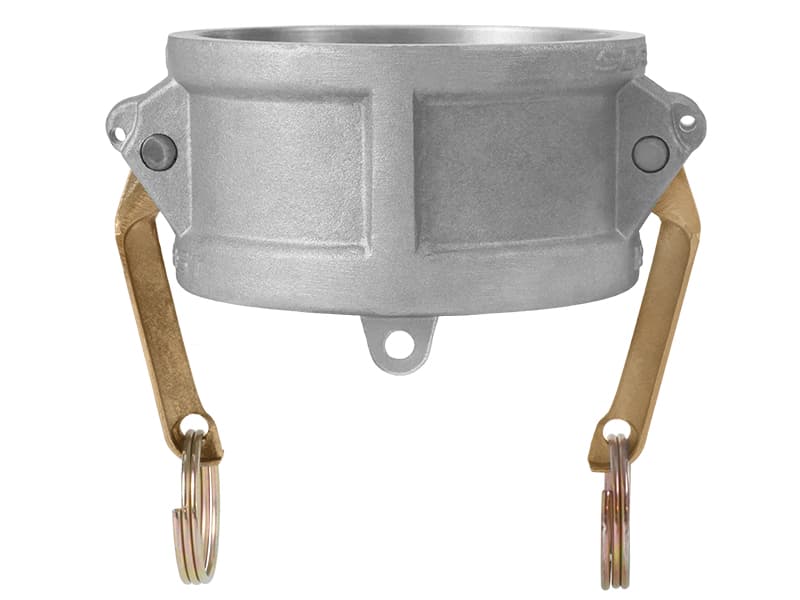
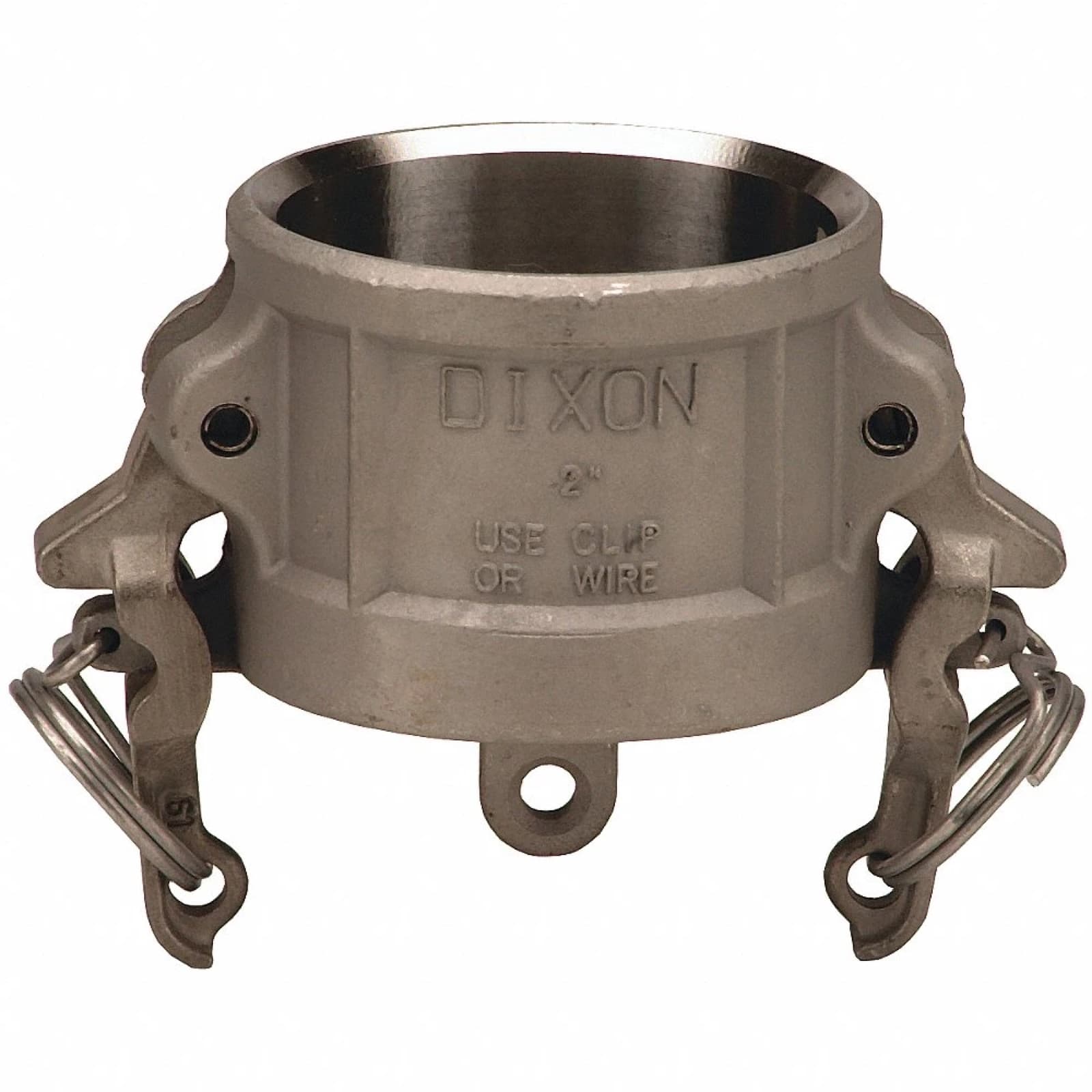
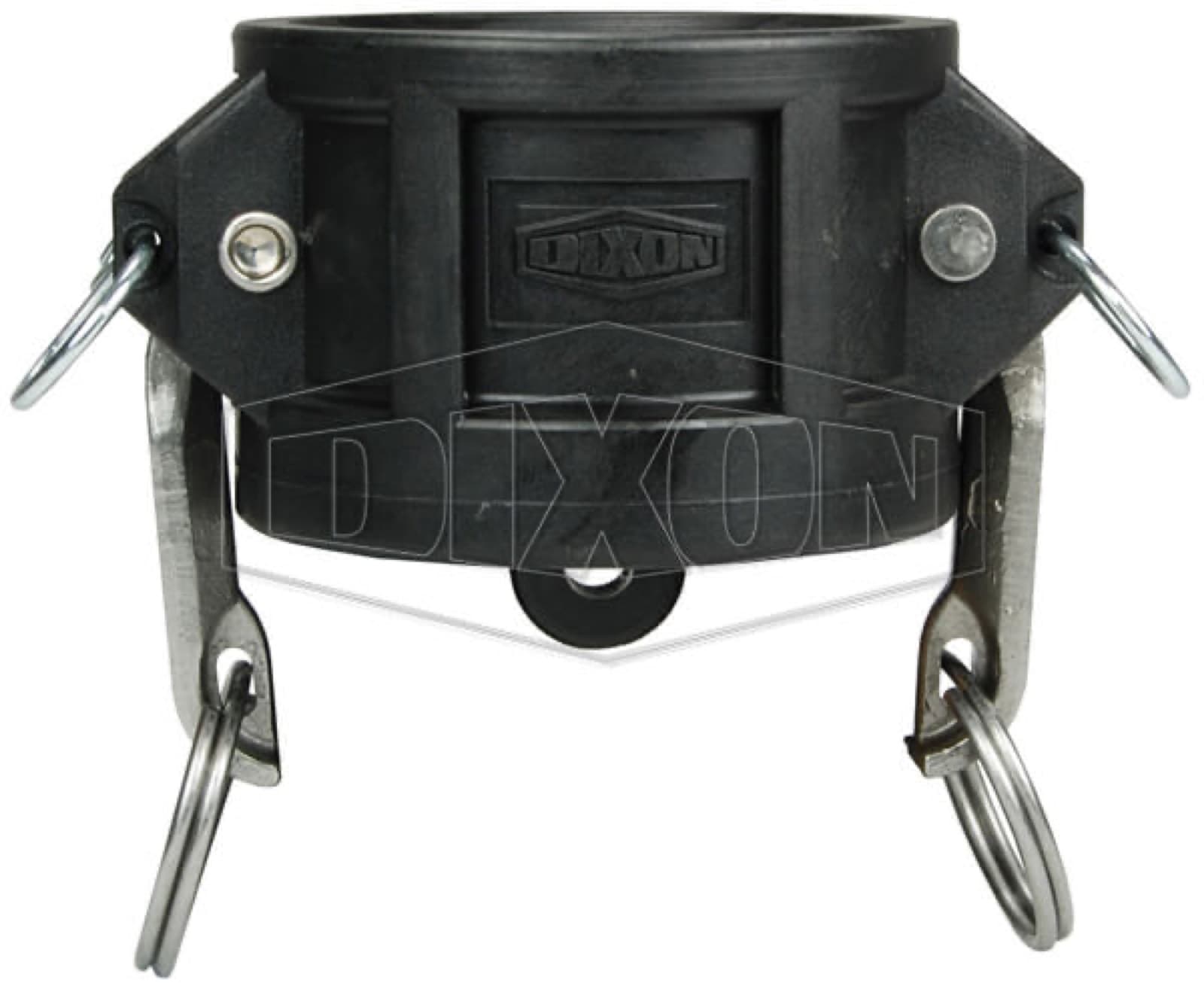
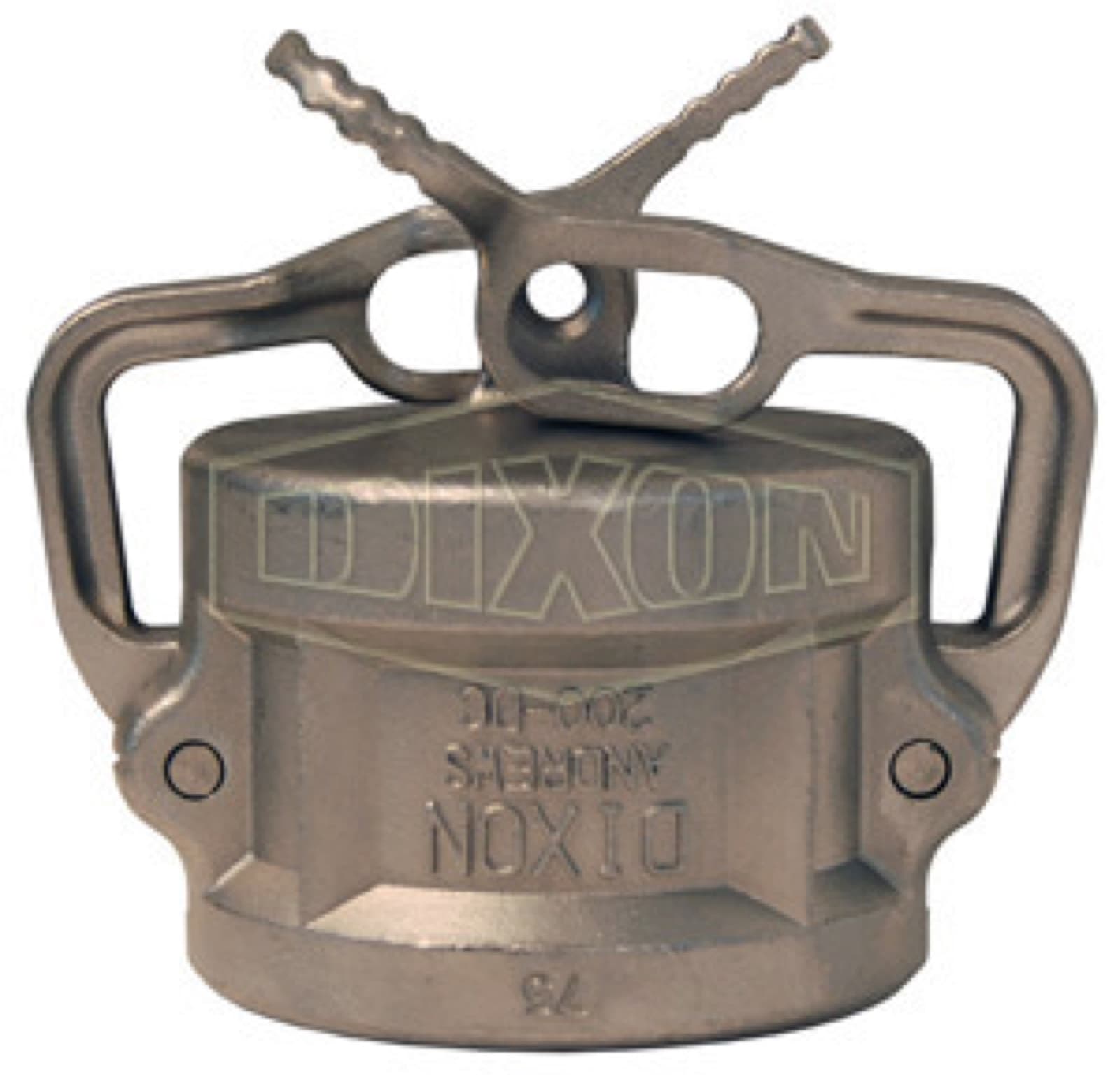
- The gasket sits in the female coupler, Types B, C, D, DC and DD, and seals against the end of the male adapter. Buna-N (nitrile) is the usual choice for petroleum oils and fuels; EPDM for water, hot water, steam condensate and many acids and alkalis but not for oils; Viton (FKM) for aromatic fuels, many solvents and higher temperatures; and PTFE or PTFE-encapsulated gaskets for the widest chemical resistance. Check the gasket against the medium and temperature, and replace it when it is cut, flattened or swollen.
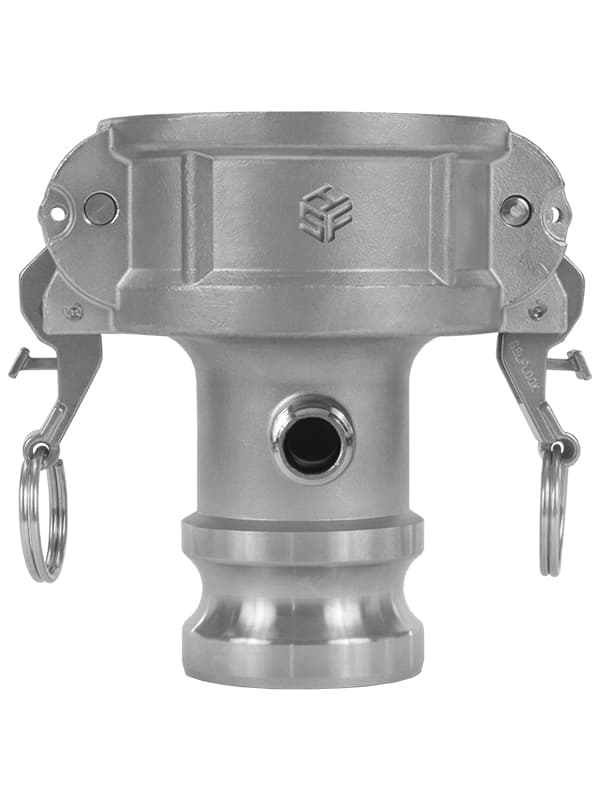
- 06What are Type DA and Type DD cam and groove couplings for?
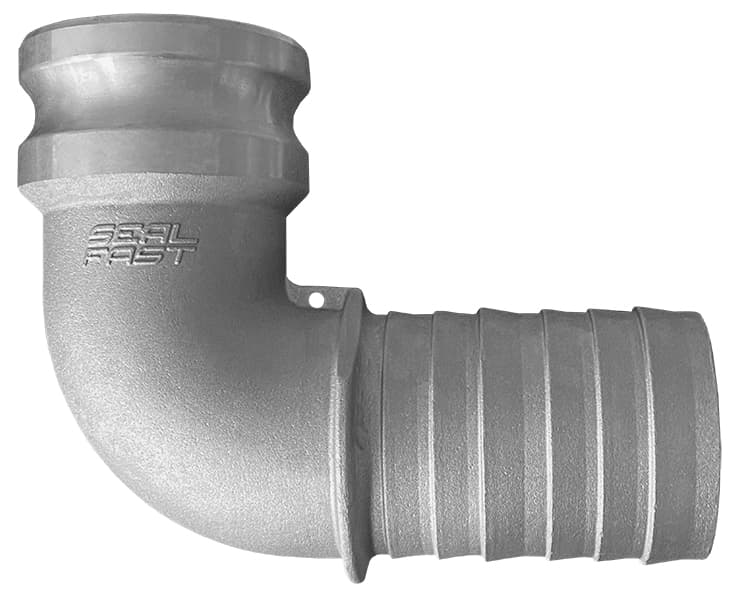
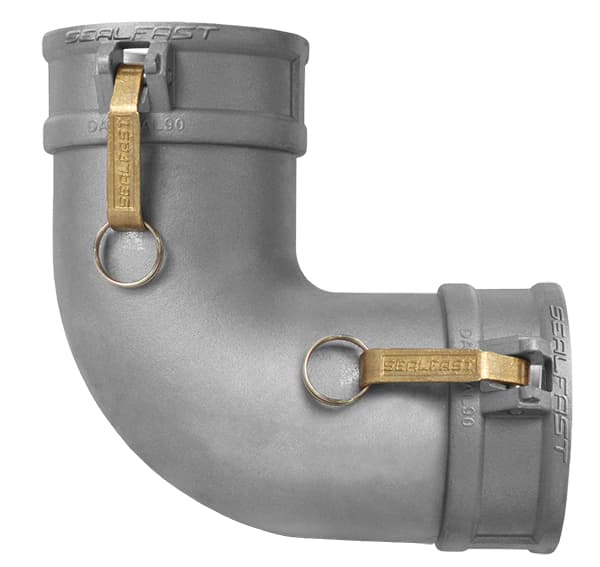
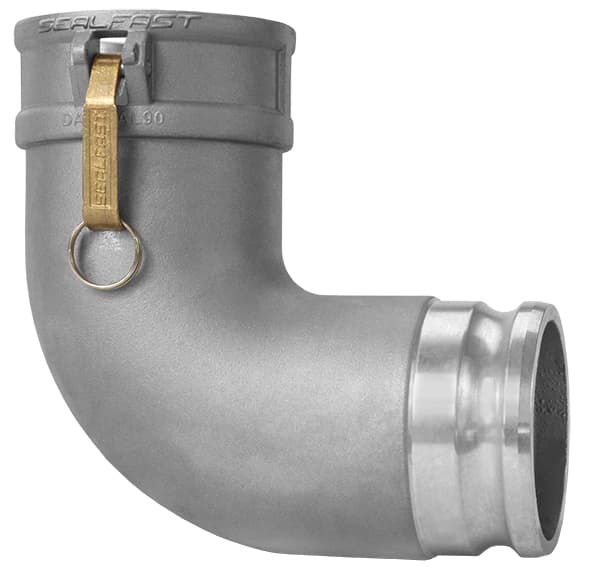
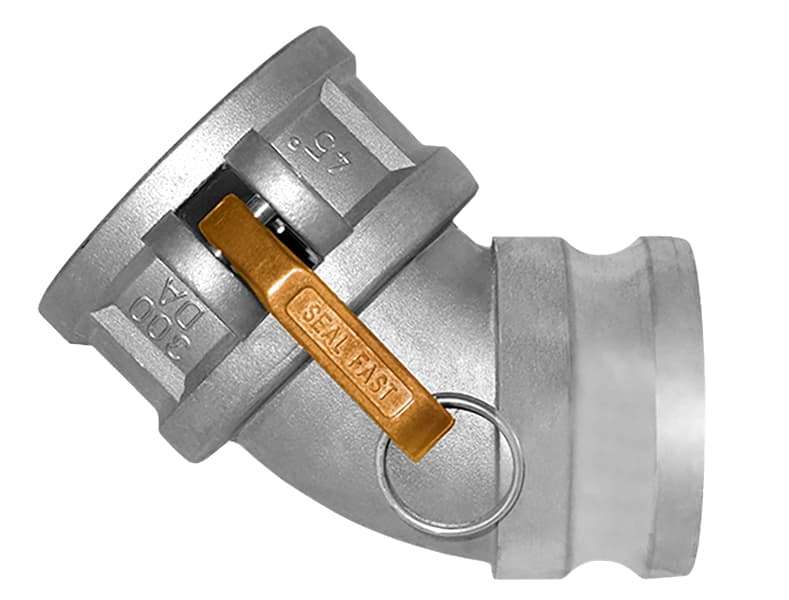
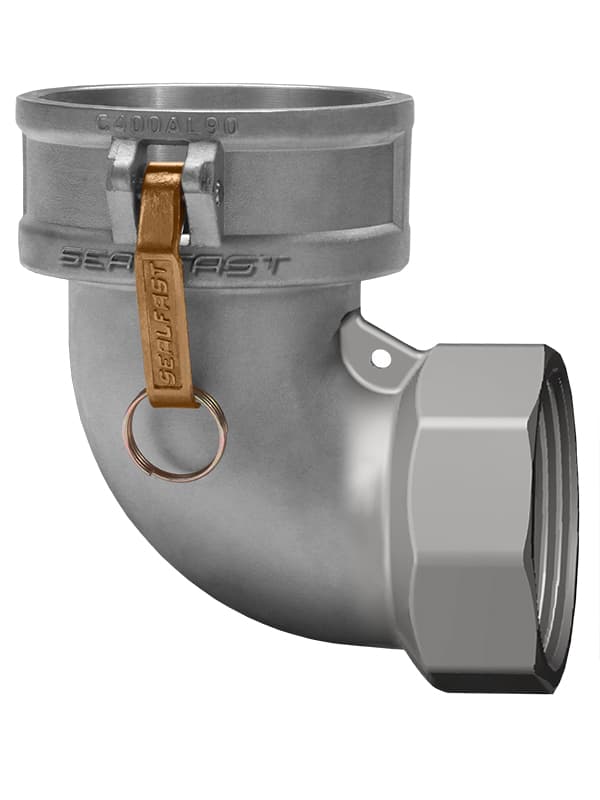
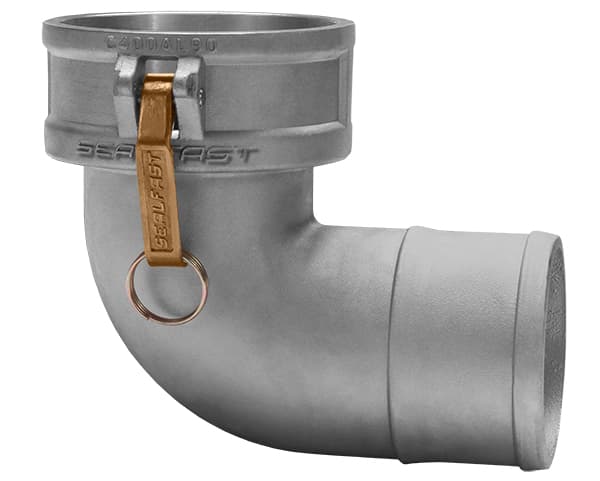
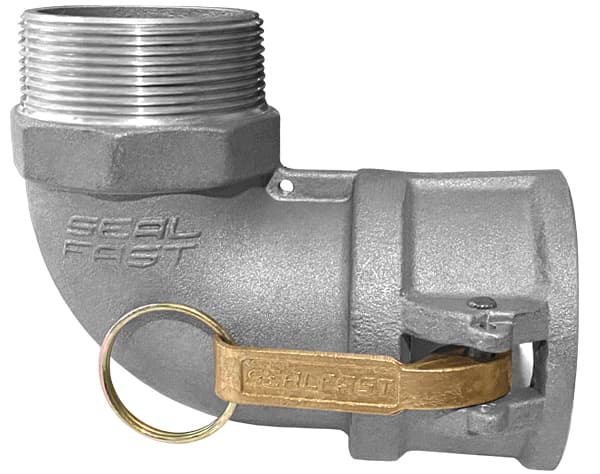
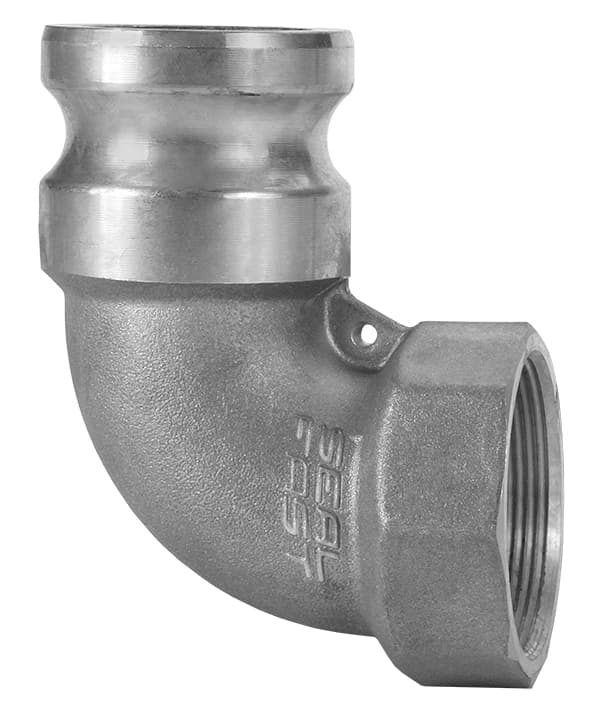
- They join two coupling ends without a hose or thread in between. A Type DA has a female coupler on one end and a male adapter on the other, so it can extend a connection or turn its direction as an elbow. A Type DD has a female coupler on both ends and connects two male adapters, for example two hose ends fitted with Type E. Both are offered here in elbow forms to change the direction of a line at the connection.