A European excavator, an Indian tractor, a Japanese crane and a Chinese loader can all arrive in the same workshop, and none of them uses JIC. Their hoses end in BSP 60° cones, metric 24° cones, metric 60° cones or Japanese seats. This guide covers the hose ends for each family; for the adapters on the port side see BSP adapters, metric adapters and DIN 2353 adapters.
/01The four families.
| Family | Standard | Seals on | Forms in our range |
|---|---|---|---|
| BSP 60° coneHighlighted | BS 5200 / ISO 12151-6 | Female swivel nose on the male 60° cone | Female straight, 45°, 90°, compact and double hex; male 60° cone; flat seat; multiseal; BSPT male; banjo |
| Metric 24° cone (DIN) | ISO 12151-2 (formerly DIN 20078); ISO 8434-1 | Swivel nose in the 24° cone; O-ring cone for better sealing | Light and heavy female swivels straight, 45°, 90°; O-ring cone; multiseal; male cone; standpipe |
| Metric 60° and 74° cone | — | 60° or 74° cone seats on metric threads | Female and male 60° cone, 74° cone, flat seat, multiseal, banjo |
| JIS and Komatsu | JIS (Parker: JIS B8363 for its 60° cones) | JIS 30° flare or 60° cone; Komatsu 30° flare | JIS flange, JIS gas 60° cone male, Komatsu and Toyota female |
/02BSP 60° cone hose ends.
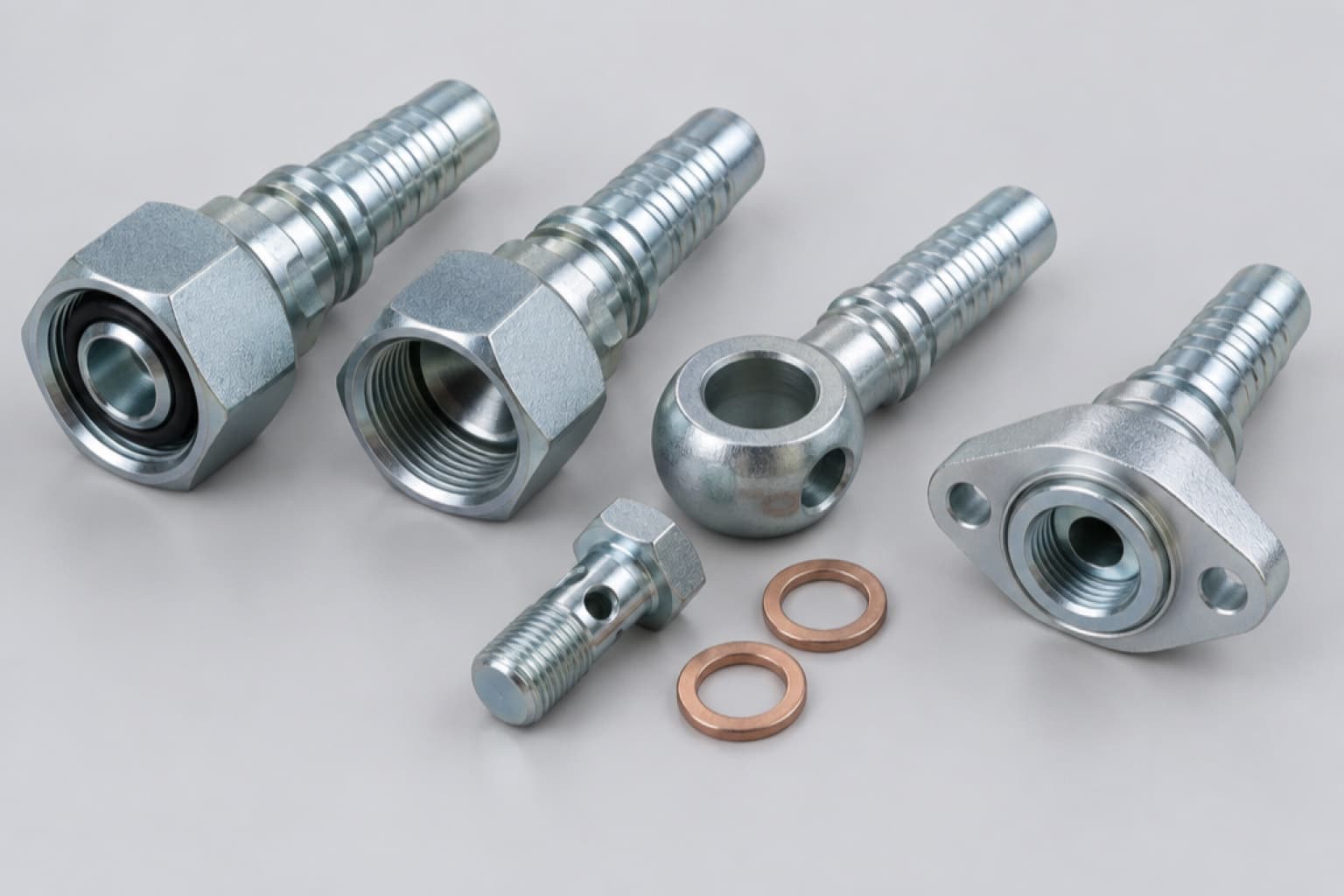
Parker describes the BS 5200 60° seat as designed for sealing with BSP hose swivels, the seal being a single line of contact between the cone seat and the ballnose of the swivel — the BSP equivalent of an NPSM swivel. Parker lists its BSPP 60° cone ends under ISO 12151-6. Variants in our range: compact elbows for tight spaces, double-hex swivels so the fitting can be held while the nut turns, flat-seat ends for flat-face ports, "multiseal" ends that seal on either a 60° cone or a flat face, BSPT male for tapered ports, and banjo eyes with banjo bolts and sealing washers. Watch the JIS look-alike below.
/03Metric 24° cone (DIN) hose ends.
The 24° cone hose end mates with a DIN 2353 / ISO 8434-1 male cone, and Parker lists it under ISO 12151-2 — previously DIN 20078. It comes in light (L) and heavy (S) series that share tube sizes but not threads (for 12 mm tube, M18×1.5 L and M20×1.5 S), so order the series. Female swivels with an O-ring in the 24° cone seal better than a plain cone; Parker classes the 24° cone with soft seal among its zero-leak connections. Our range also has 24° male cones, a standpipe for a cutting-ring fitting, and loose DIN 3870 nuts and DIN 3861 cutting rings in both series.
/04JIS and Komatsu hose ends.
Japanese and Korean machines use JIS ends with BSP threads and their own 30° flare and 60° cone seats. Parker states that JIS and BS 5200 60° cones use the same thread and seat angle but differ in thread length, cone diameter and the BS 5200 bonded-seal pilot, and cannot be interchanged because the differences cause leaks. The Komatsu style is different again: a 30° flare on metric threads, 1.5 mm pitch at every size from M14×1.5 to M42×1.5, used only as a hose end and generally rated 4,000 psi. An M33×1.5 Komatsu nut will not thread onto an M33×2 port. Toyota-pattern female ends are listed separately. See the 30° seat problem.
Common questions
- How does a BSP hose fitting seal?
- The BSP female swivel’s nose seals on a 60° cone in the male (BS 5200, ISO 12151-6) — a single line of contact. Flat-seat and multiseal variants seal on a flat face.
- What is a DIN hose fitting?
- A metric 24° cone hose end (ISO 12151-2, formerly DIN 20078) that mates with a DIN 2353 / ISO 8434-1 male cone, in light or heavy series.
- What is a multiseal hose fitting?
- A female swivel designed to seal on either a 60° cone or a flat face, so one end fits both port styles.
- Are JIS and BSP hose fittings interchangeable?
- No. They share BSP threads, but Parker says JIS and BS 5200 60° cones differ in thread length and cone diameter and cannot be interchanged.
- What thread are Komatsu hose fittings?
- Metric with 1.5 mm pitch at every size (M14×1.5 to M42×1.5), with a 30° flare. They do not fit 2 mm-pitch metric ports.
- How do banjo hose fittings seal?
- On two washers — one either side of the banjo eye — clamped by the hollow banjo bolt.
What we list
BSP, metric, DIN 24° and JIS / Komatsu hose fittings:
- BSP Banjo Eye Fitting
- Banjo Bolt — BSP Thread
- BSP Female 60° Cone Hose Fitting
- 45° BSP Female 60° Cone Elbow Hose Fitting
- 90° BSP Female 60° Cone Elbow Hose Fitting
- 90° BSP Female 60° Cone Compact Elbow Hose Fitting
- BSP Female 60° Cone Double Hex Hose Fitting
- 90° BSP Female 60° Cone Double Hex Hose Fitting
- BSP Female 60° Cone Compact Double Hex Hose Fitting
- BSP Female Flat Seat Hose Fitting
- 45° BSP Female Flat Seat Hose Fitting
- 90° BSP Female Flat Seat Hose Fitting
- BSP Female Multiseal Hose Fitting
- 45° BSP Female Multiseal Hose Fitting
- 90° BSP Female Multiseal Hose Fitting
- BSP Female Thrust Wire Nut Hose Fitting
- BSP Male 60° Cone Hose Fitting
- BSP Male 60° Cone Bulkhead Hose Fitting
- BSP Male 60° Cone or Bonded Seal Hose Fitting
- BSP Male Flat Seal Hose Fitting
- BSPT Male Hose Fitting (Tapered Thread)
- BSPT Male Tapered Hose Fitting (SP Body)
- Banjo Eye Fitting — Metric Thread
- Banjo Bolt — Metric Thread
- Metric Female 60° Cone Hose Fitting
- 45° Metric Female 60° Cone Hose Fitting
- 90° Metric Female 60° Cone Hose Fitting
- Metric Female 74° Cone Seat Hose Fitting
- 45° Metric Female 74° Cone Seat Hose Fitting
- 90° Metric Female 74° Cone Seat Hose Fitting
- Metric Female Flat Seat Hose Fitting
- 45° Metric Female Flat Seat Hose Fitting
- 90° Metric Female Flat Seat Hose Fitting
- Metric Female Multiseal Hose Fitting
- 45° Metric Female Multiseal Hose Fitting
- 90° Metric Female Multiseal Hose Fitting
- Metric Female Waterwash Insert
- Metric Male 60° Cone Seat Hose Fitting
- Metric Male 74° Cone Hose Fitting
- Metric Male 90° Cone Hose Fitting
- Metric Male Flat Seat Hose Fitting
- Metric Female 24° Cone (Heavy Series) Hose Fitting
- 45° Metric Female 24° Cone (Heavy Series) Hose Fitting
- 90° Metric Female 24° Cone (Heavy Series) Hose Fitting
- Metric Female 24° Cone Multiseal (Light Series) Hose Fitting
- 90° Metric Female 24° Cone Multiseal (Light Series) Hose Fitting
- Metric Female 24° O-ring Cone (Heavy Series) Hose Fitting
- 45° Metric Female 24° O-ring Cone (Heavy Series) Hose Fitting
- 90° Metric Female 24° O-ring Cone (Heavy Series) Hose Fitting
- Metric Female 24° O-ring Cone (Light Series) Hose Fitting
- 45° Metric Female 24° O-ring Cone (Light Series) Hose Fitting
- 90° Metric Female 24° O-ring Cone (Light Series) Hose Fitting
- Metric Male 24° Cone (Heavy Series) Hose Fitting
- Metric Male 24° Cone (Light Series) Hose Fitting
- Retaining Nut, DIN 3870 Heavy Series
- Retaining Nut, DIN 3870 Light Series
- Cutting Ring, DIN 3861 Heavy Series
- Cutting Ring, DIN 3861 Light Series
- Metric Standpipe Tube Fitting (DIN 2353)
- 45° Metric Standpipe Tube Fitting (DIN 2353)
- 90° Metric Standpipe Tube Fitting (DIN 2353)
- JIS Flange Hose Fitting
- 45° JIS Flange Hose Fitting
- 90° JIS Flange Hose Fitting
- JIS Gas Male 60° Cone Hose Fitting
- Komatsu Female Hose Fitting (JIS Metric)
- 90° Komatsu Female Hose Fitting (JIS Metric)
- Komatsu Male Hose Fitting (JIS Metric)
- Toyota Female Hose Fitting (JIS Metric)
- 45° Toyota Female Hose Fitting (JIS Metric)
- 90° Toyota Female Hose Fitting (JIS Metric)
BSP, metric, DIN and JIS hose fittings
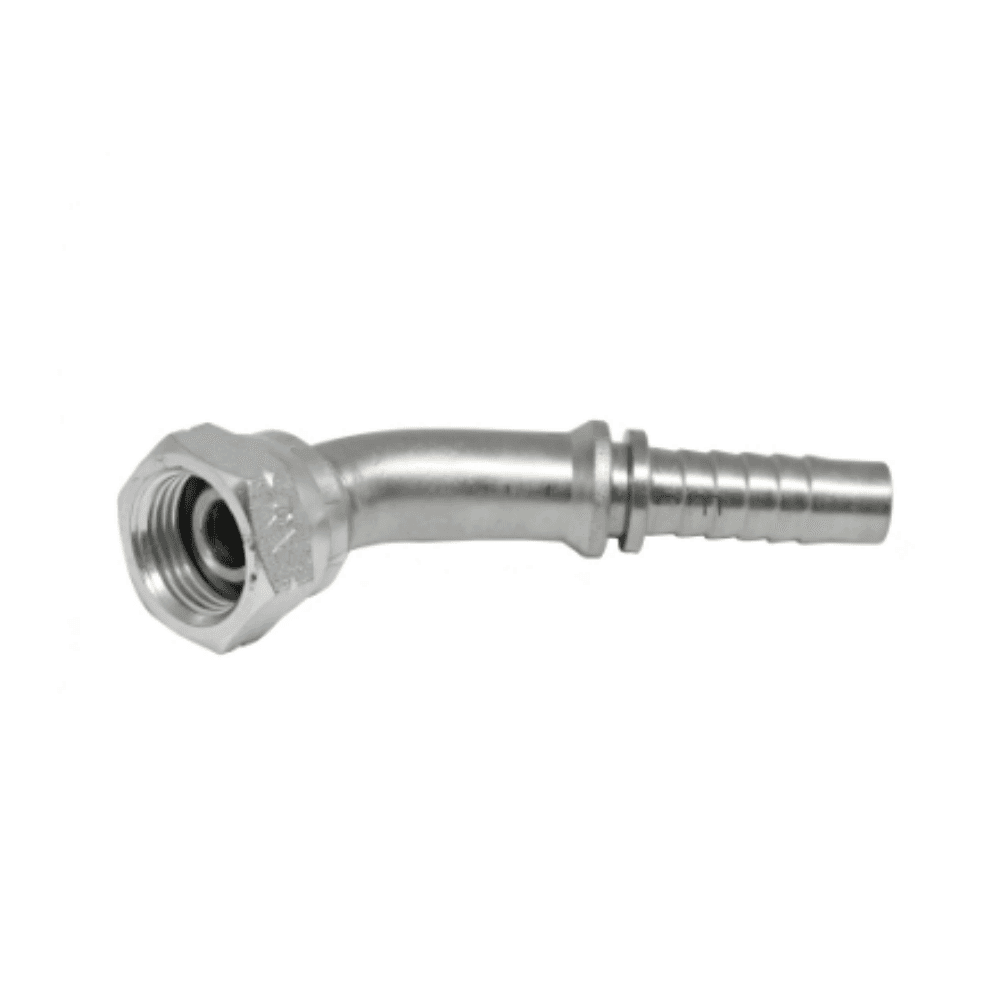 IH-BSP-FEM-60-4545° BSP Female 60° Cone Elbow Hose FittingIndus Hydraulics
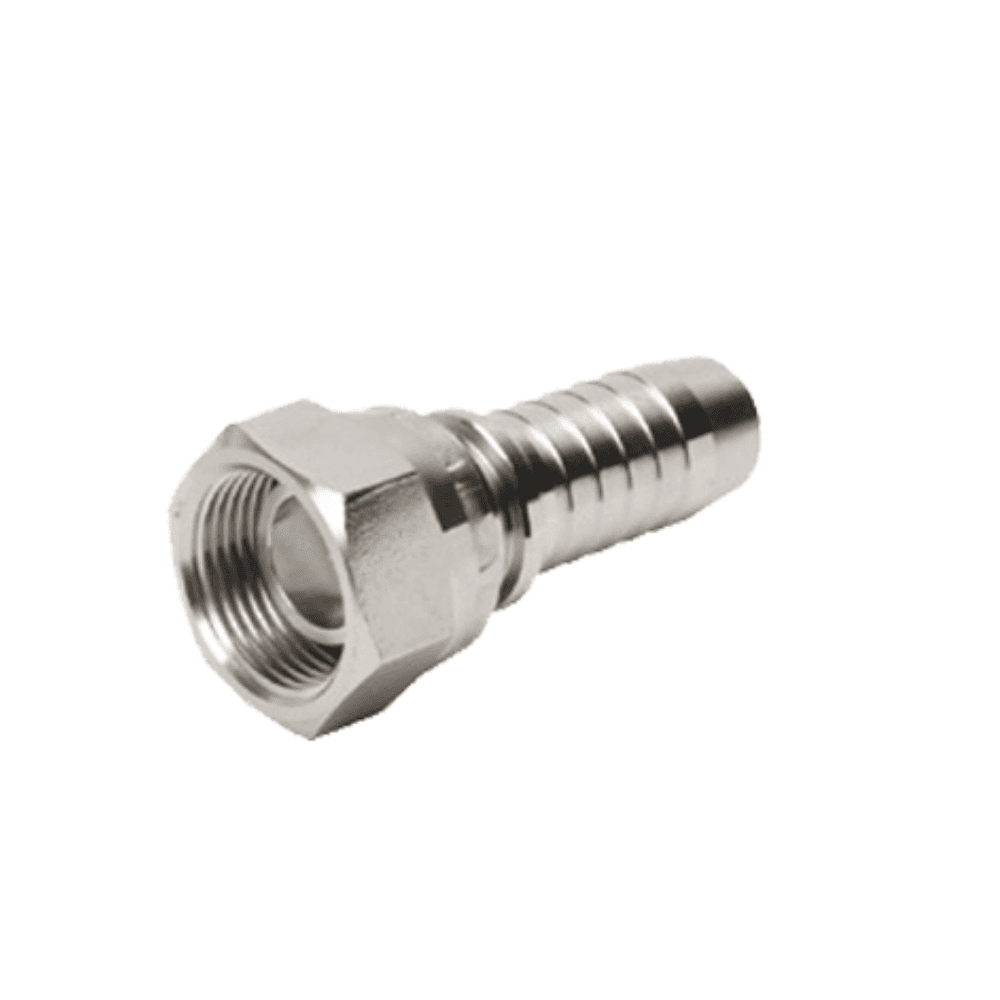 IH-BSP-FEM-MSBSP Female Multiseal Hose FittingIndus Hydraulics
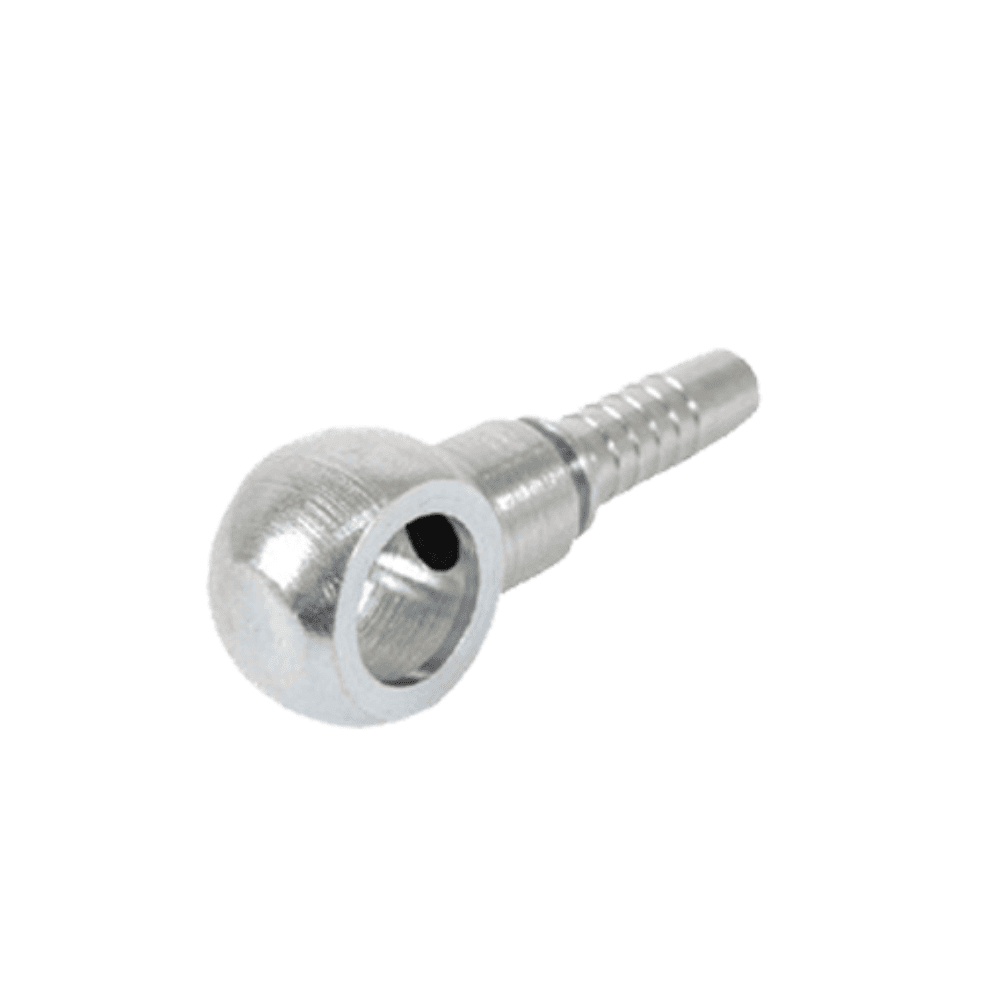 IH-BSP-BANJOBSP Banjo Eye FittingIndus Hydraulics
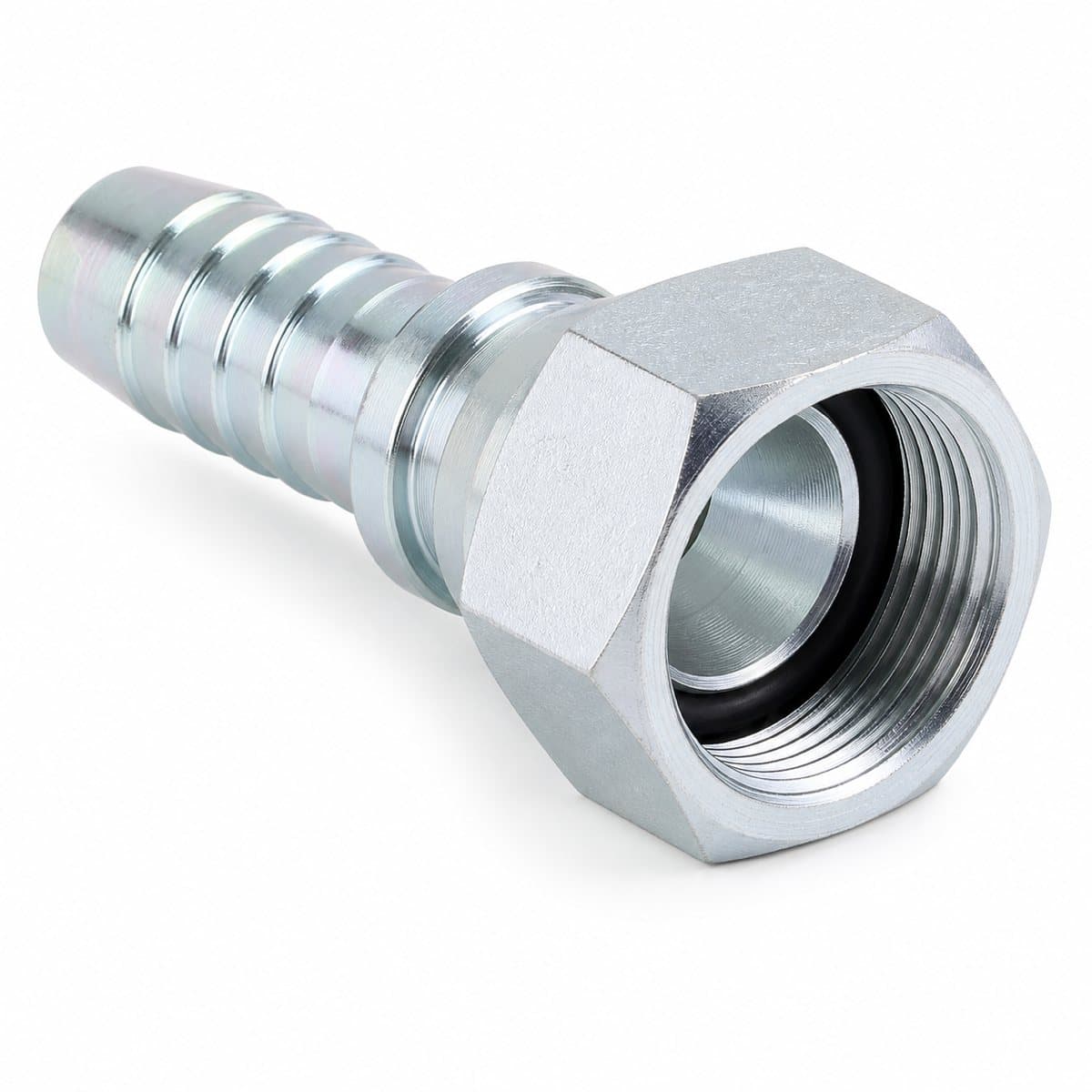 IH-DF-FEM-24-OR-HSMetric Female 24° O-ring Cone (Heavy Series) Hose FittingIndus Hydraulics
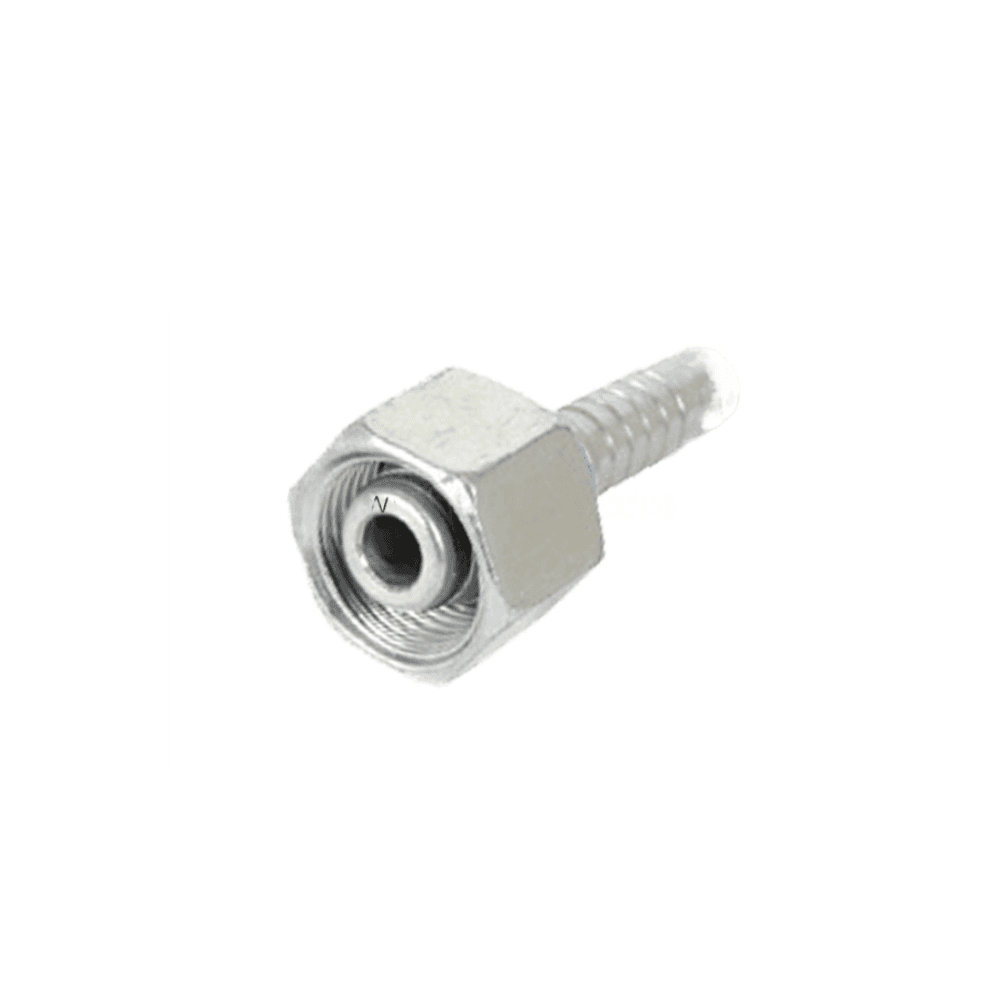 IH-DF-FEM-24-MS-LSMetric Female 24° Cone Multiseal (Light Series) Hose FittingIndus Hydraulics
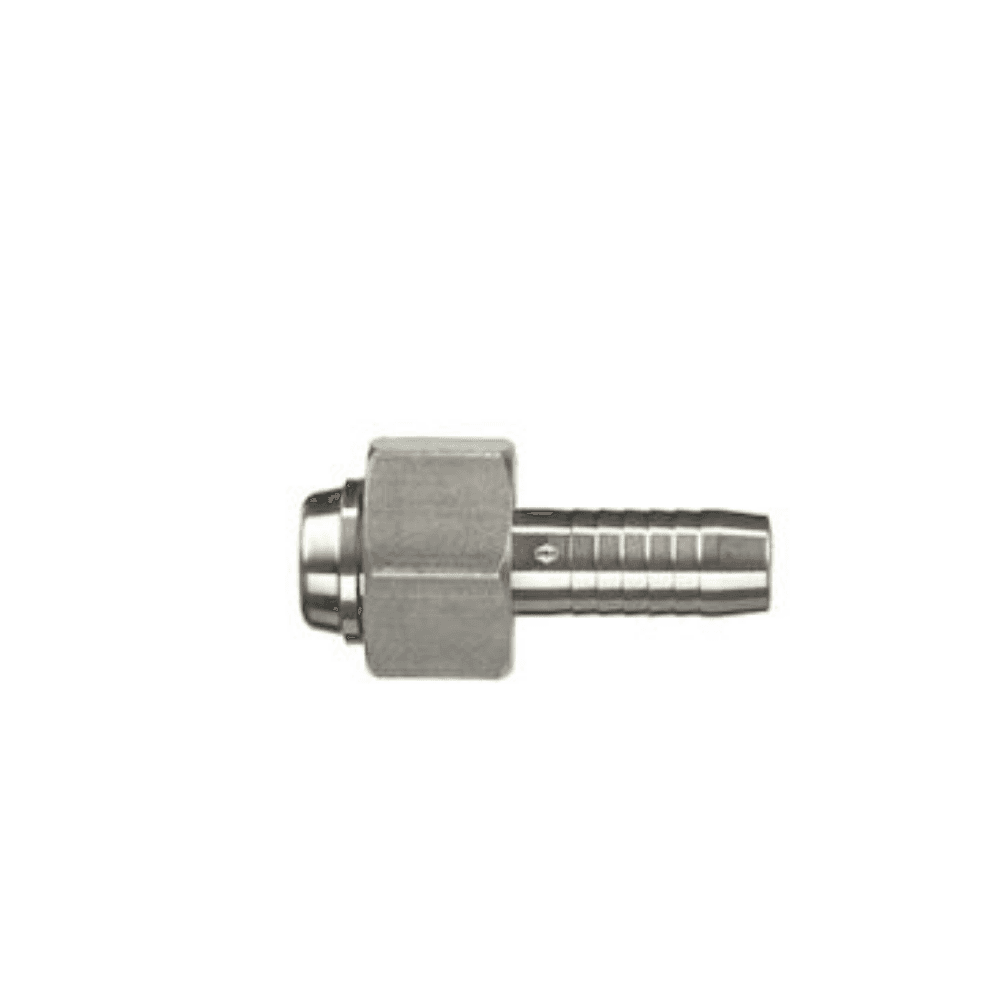 IH-MF-FEM-60Metric Female 60° Cone Hose FittingIndus Hydraulics
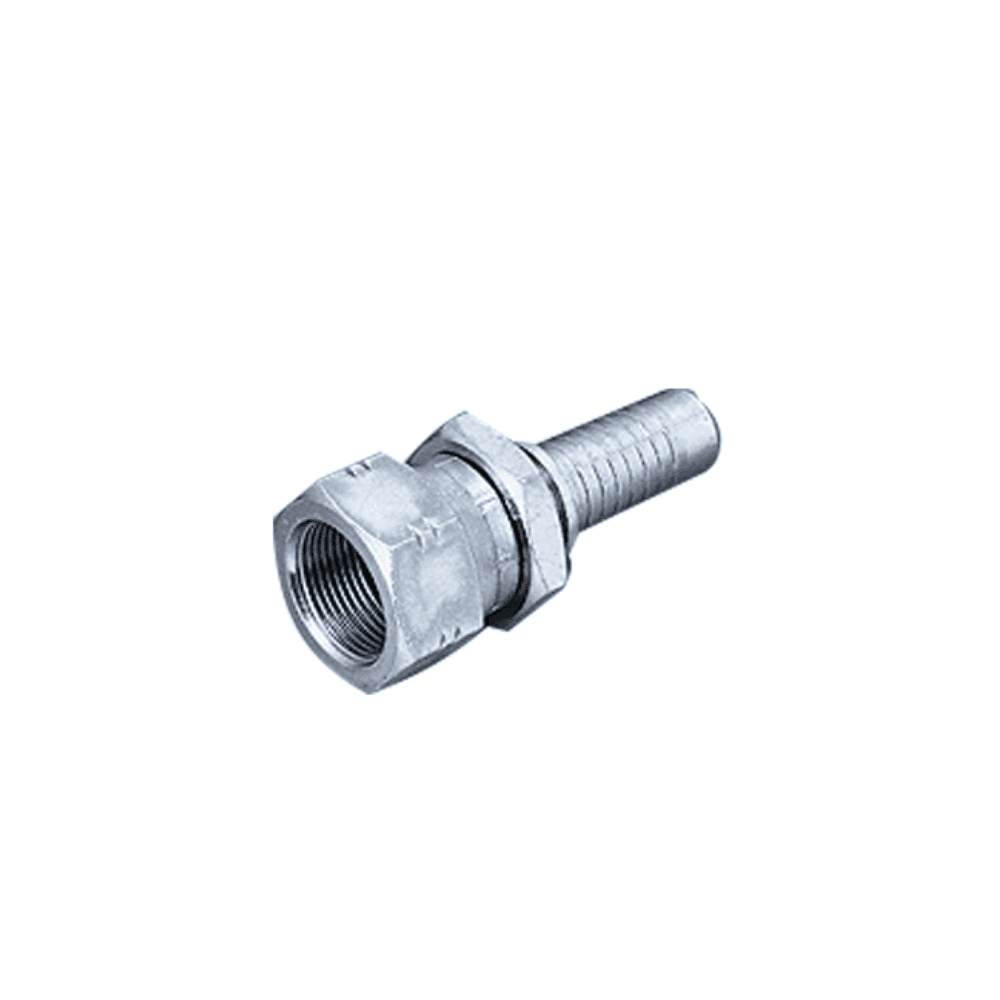 IH-JP-KOMATSU-FEMKomatsu Female Hose Fitting (JIS Metric)Indus Hydraulics
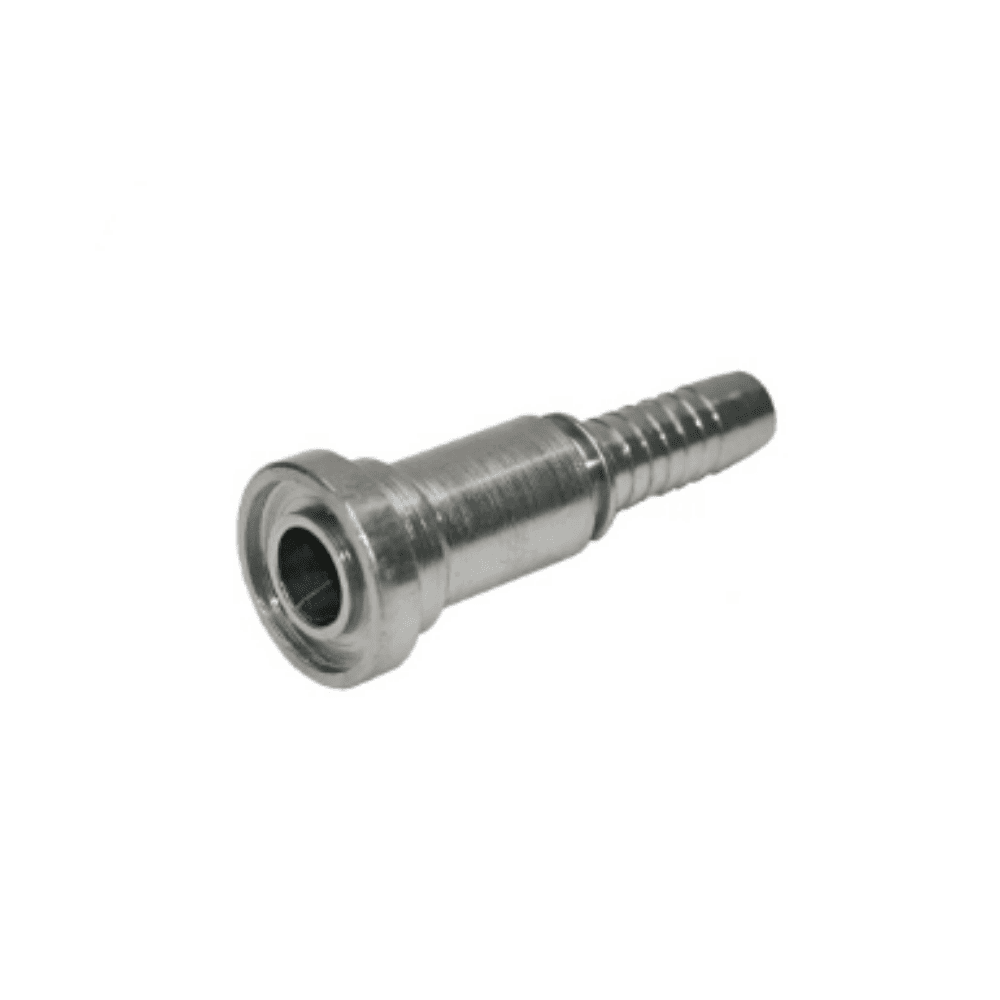 IH-JP-FLANGEJIS Flange Hose FittingIndus Hydraulics