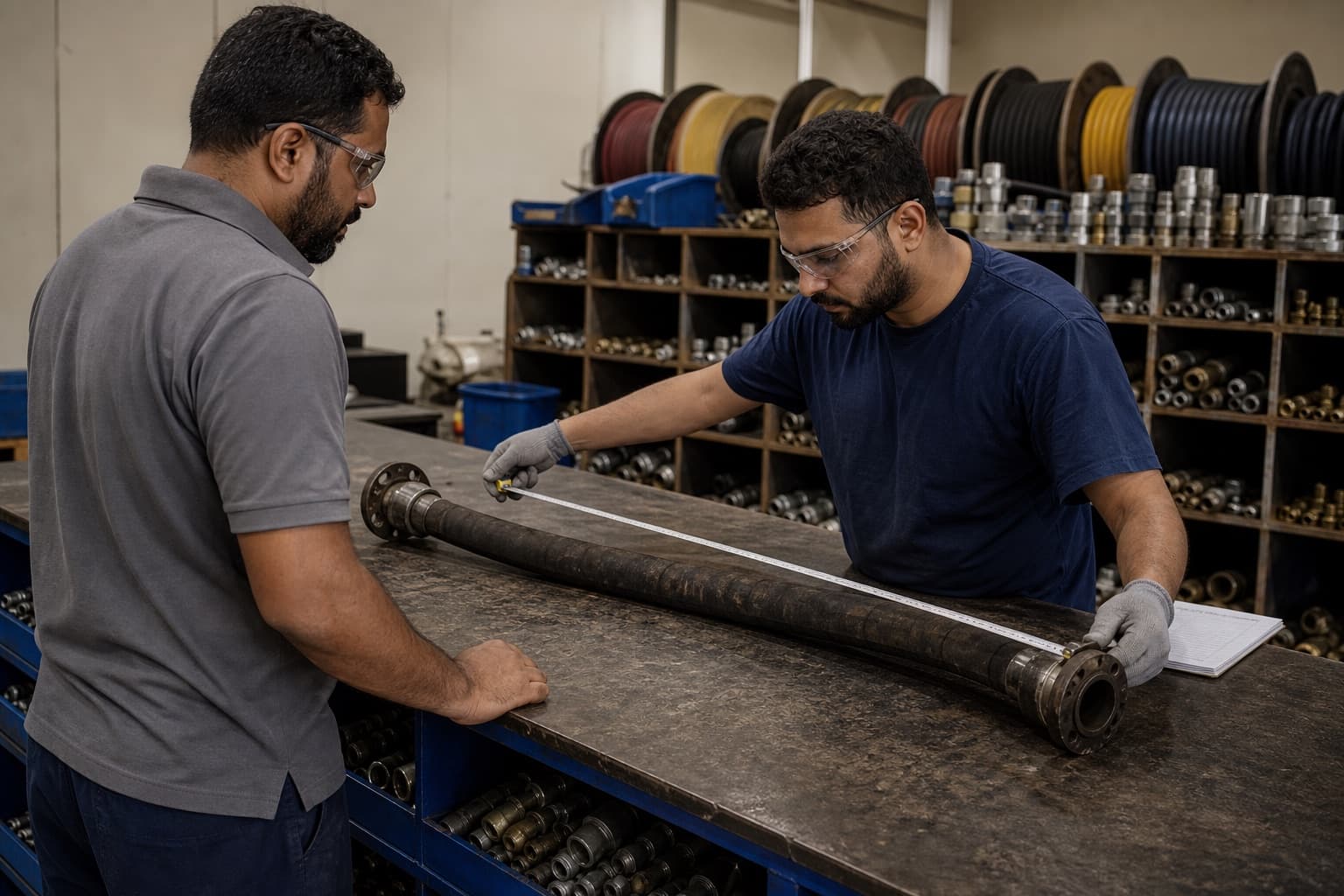
What goes into building a hydraulic hose assembly?
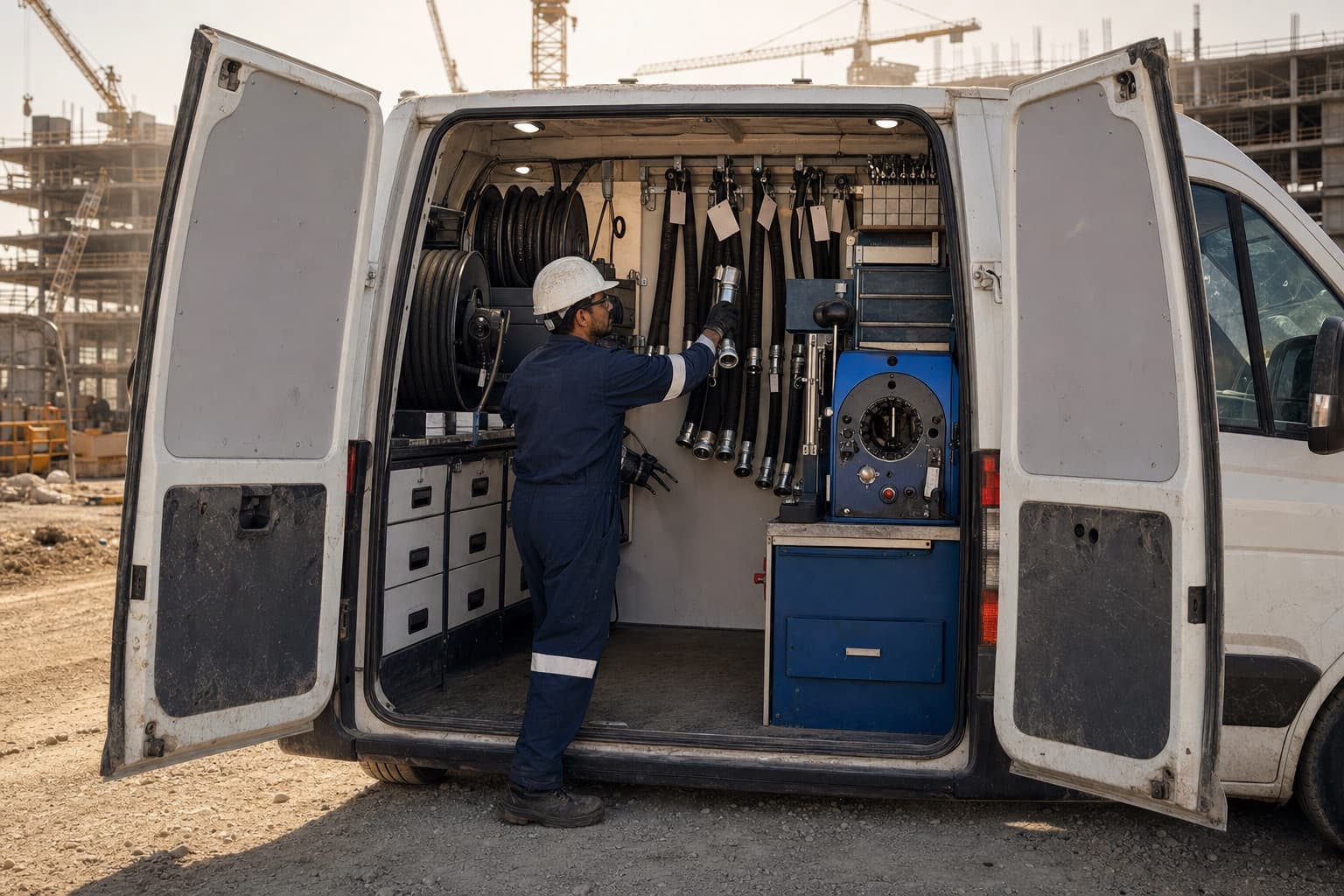
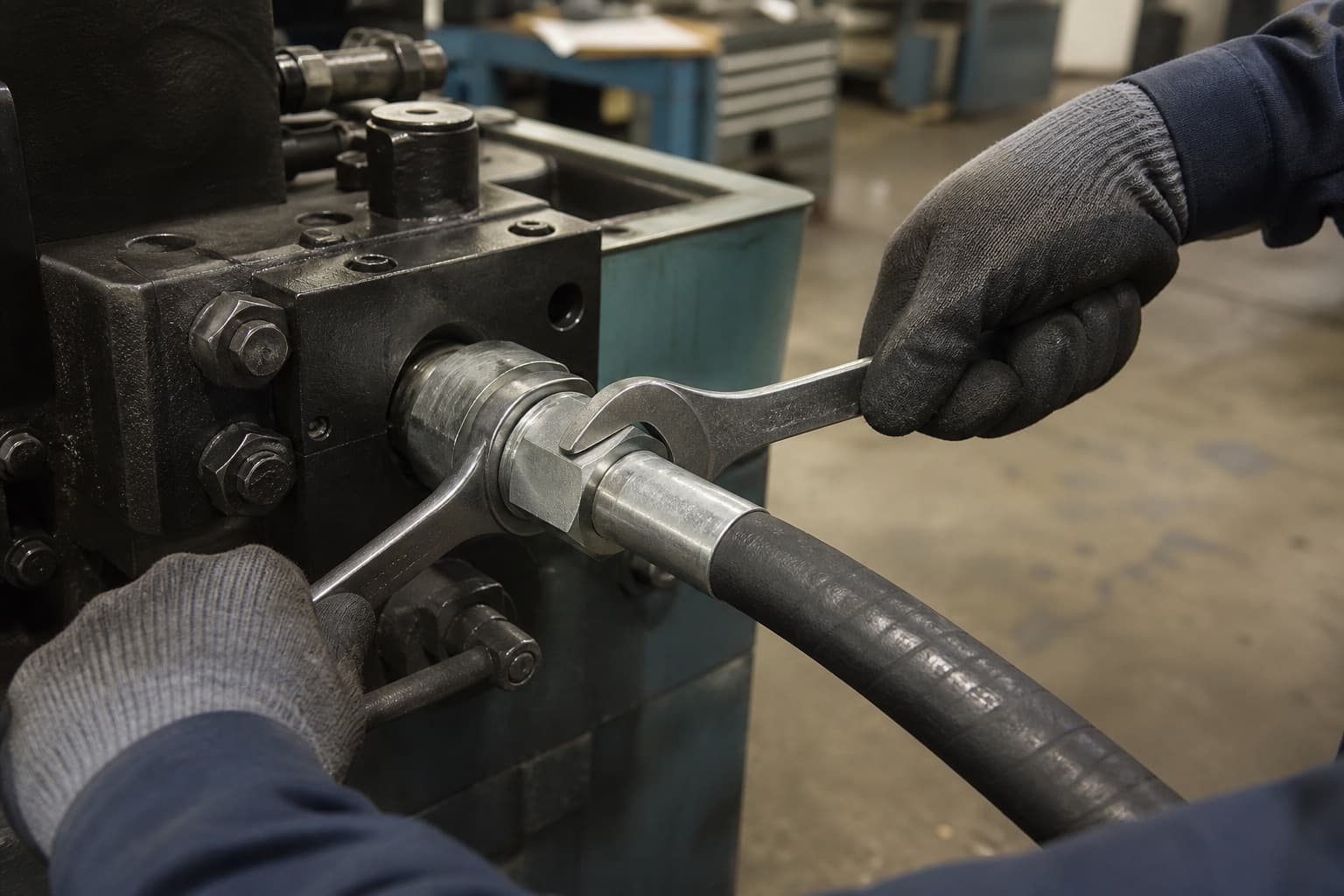
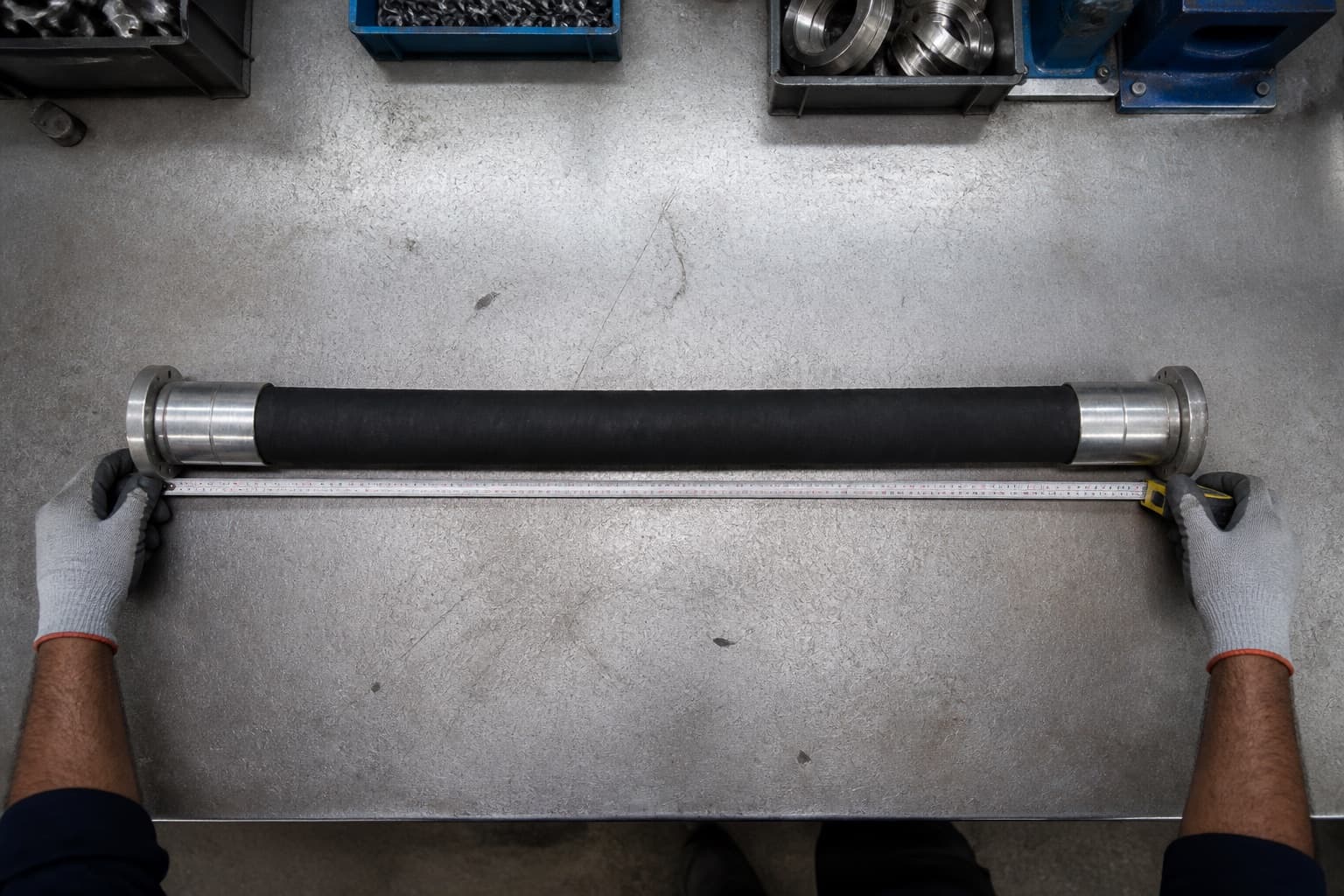
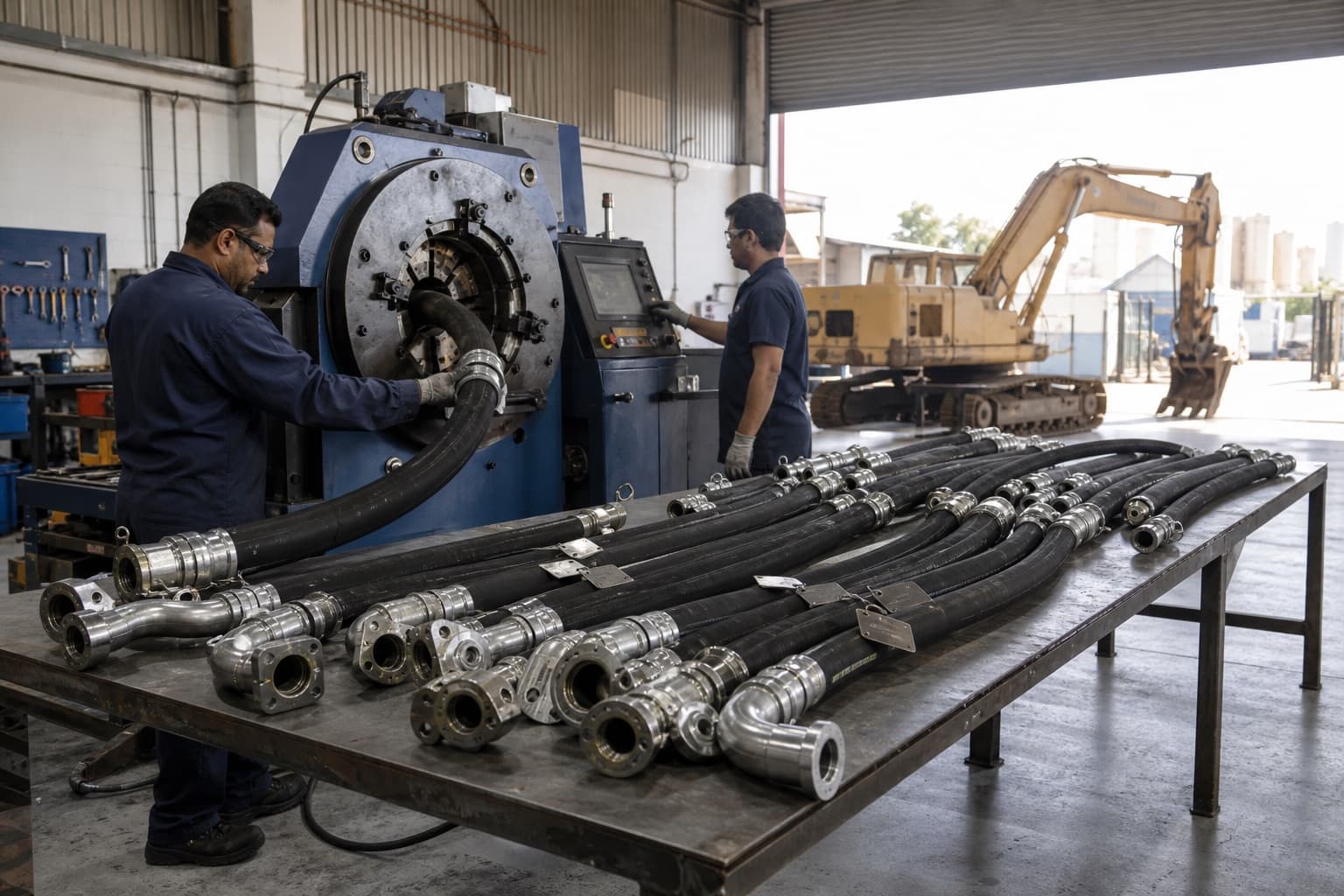
Six steps: establish the overall length, select the fittings for the hose construction, cut to the derived cut length, skive if the fitting requires it, crimp to the specified diameter and verify it, then proof test and tag. Each step has a figure that has to be checked rather than assumed.
An assembly is not a length of hose with ends on it. It is a pressure-containing component whose rating depends on the fitting matching the hose construction and on the crimp landing inside a tolerance measured in tenths of a millimetre.
| Step | What is checked |
|---|---|
| Measure | Overall length face to face — not the length of rubber |
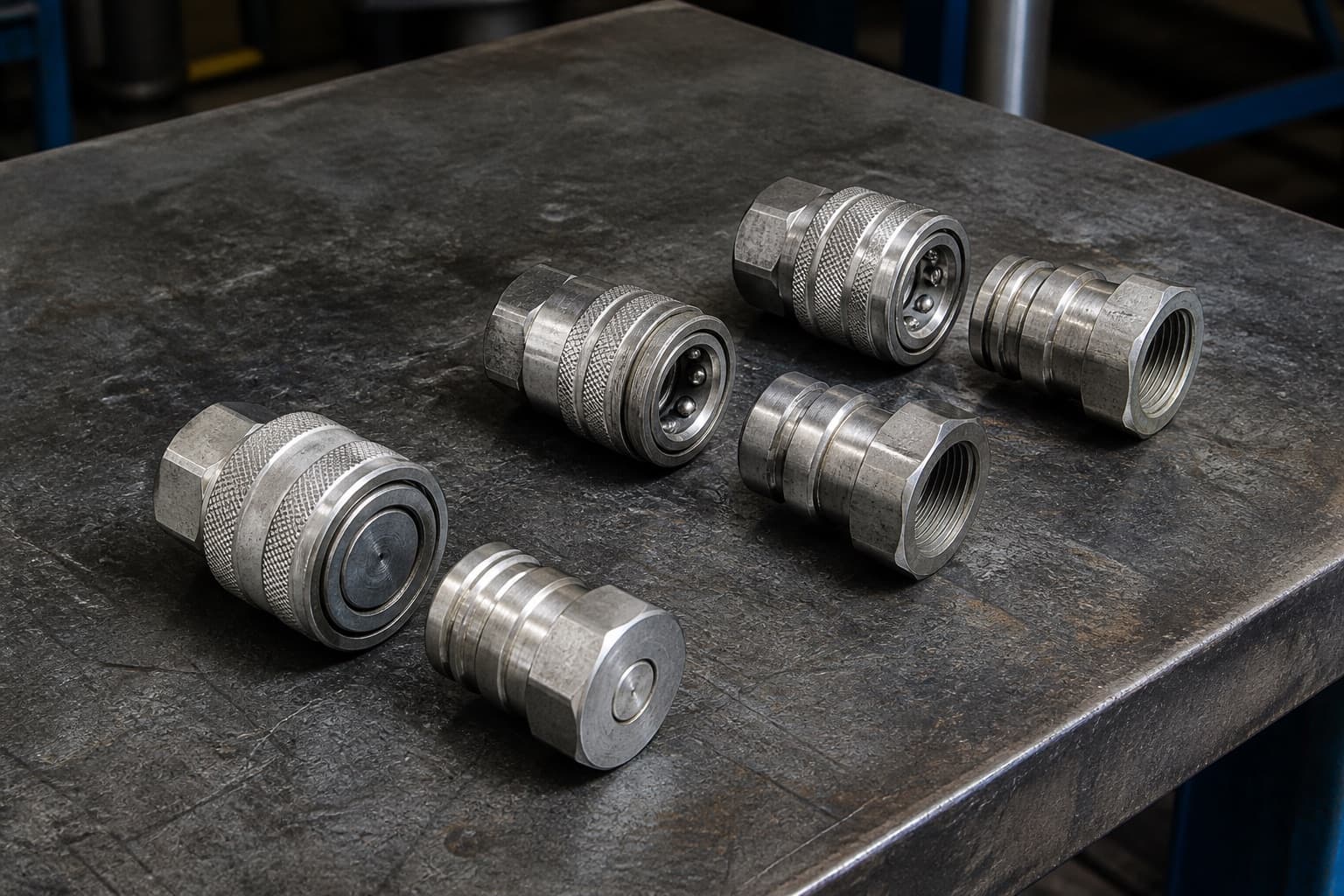
| Select fittings | Fitting matched to the hose construction, not merely to the dash size |
| Cut | Cut length derived from overall length and the insertion depth at each end |
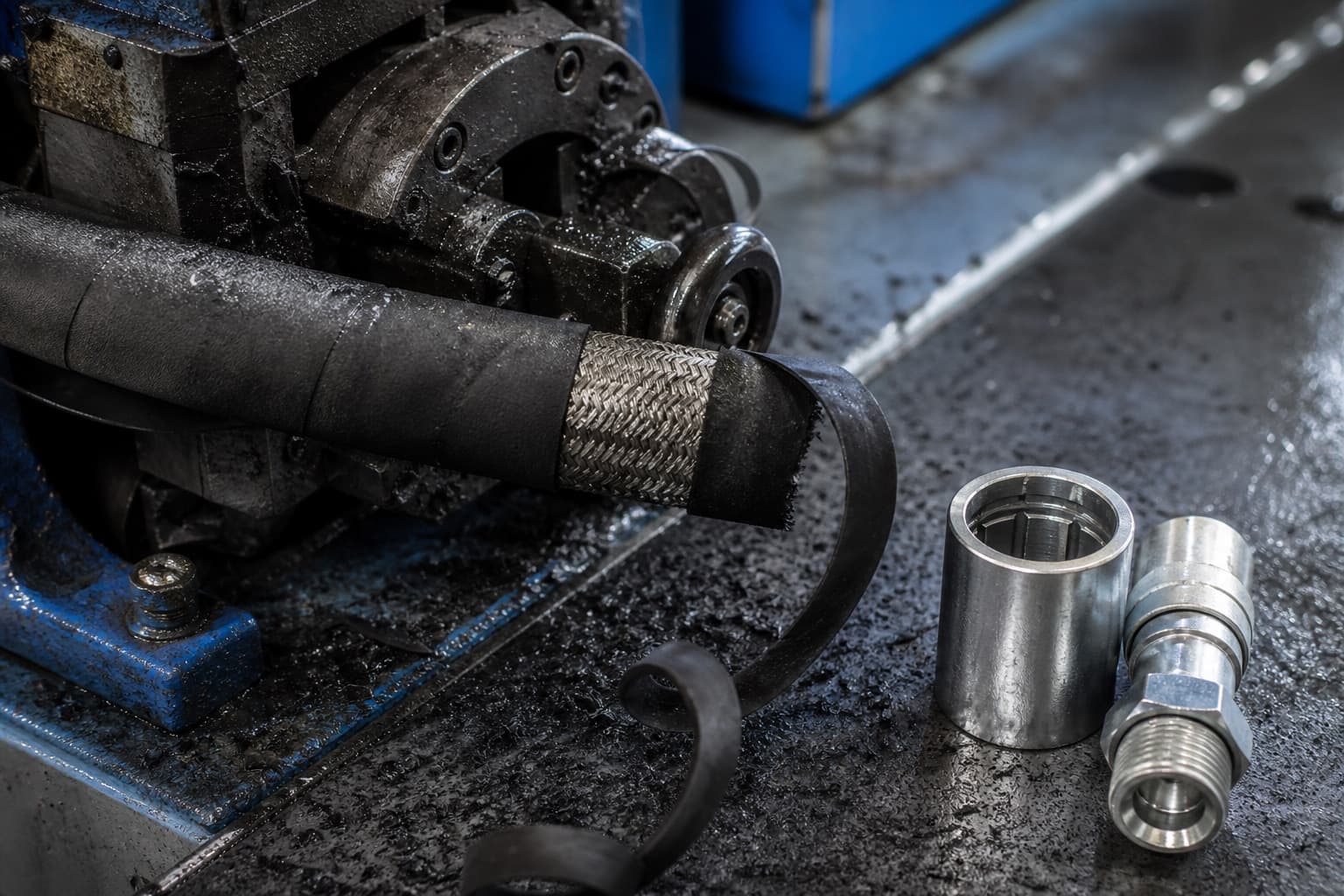
| Skive | Whether the fitting requires it at all, and to what depth if it does |
| Crimp | Crimp diameter verified with callipers against the published figure |
| Test and tag | Proof test, then a tag carrying what the layline will not survive |
Crimp ferrules
Skive and no-skive, matched to construction.
Hose fittings by thread type
One-piece and two-piece, every family.
Need assemblies built?
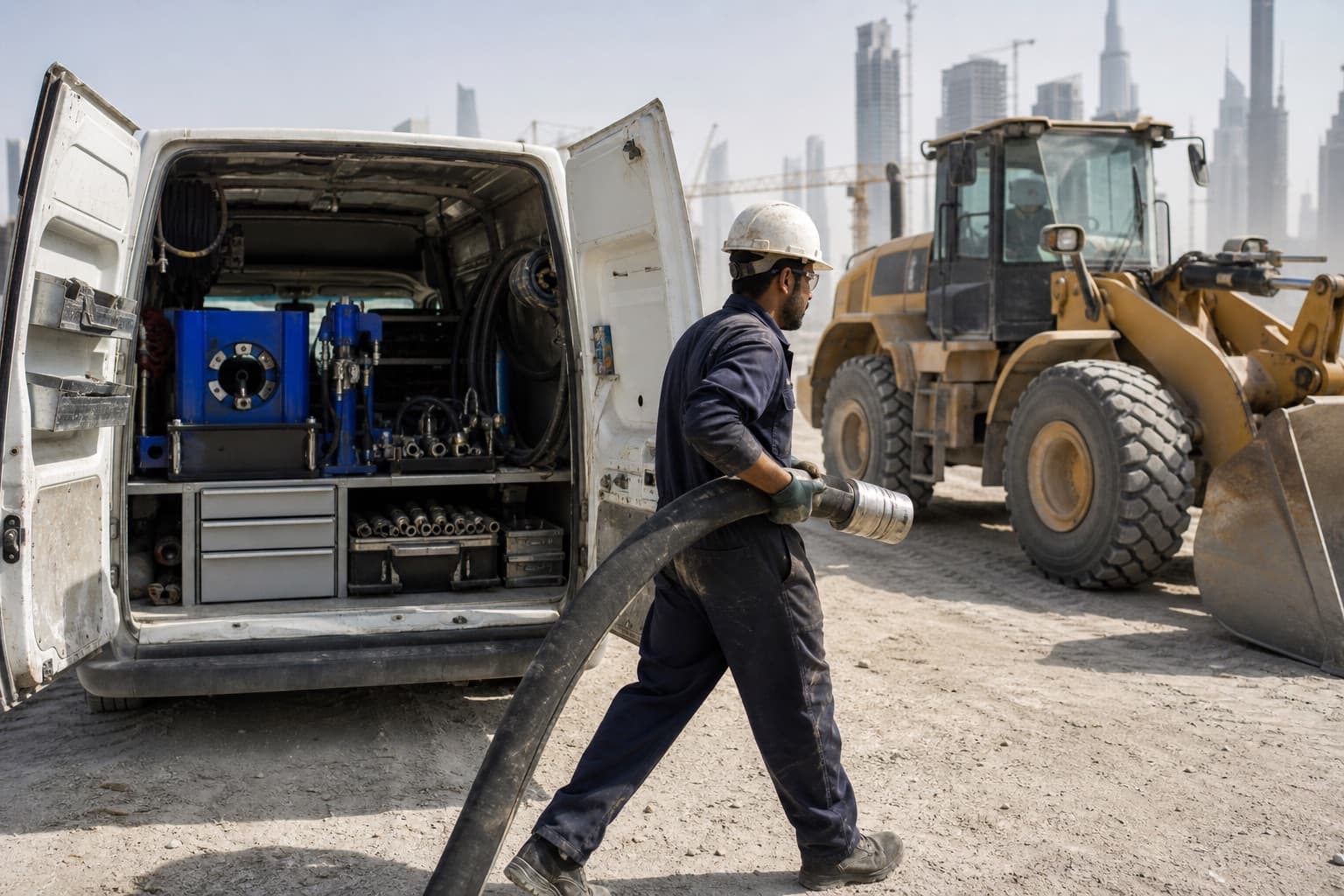
Send the length, the ends and the grade — or send the old hose. We cut, crimp, proof test and tag, and the certificate states what was actually tested.
Plant-down? Call +971 52 2477942 — 24/7