- 01Can Grade 30, 43 or 70 chain be used for lifting?
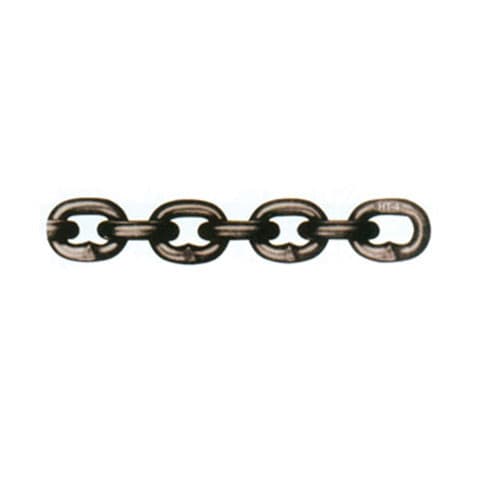
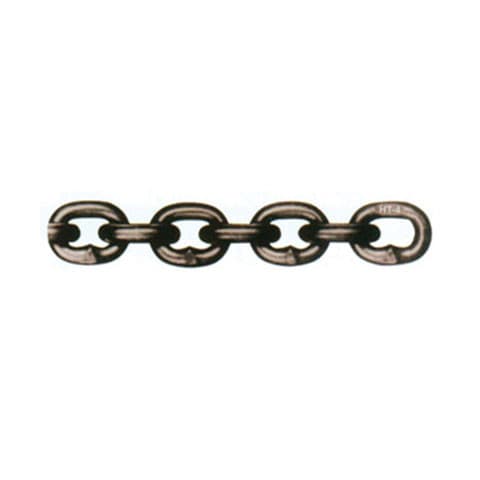
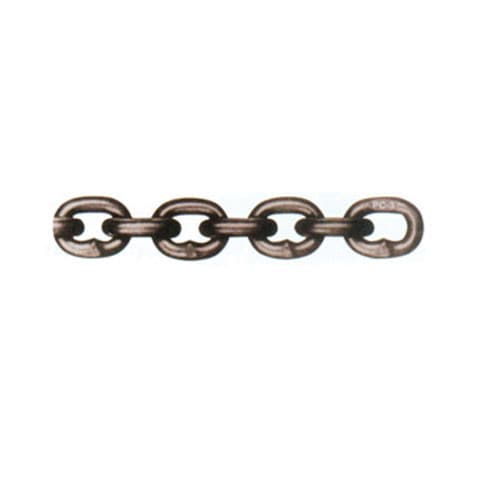
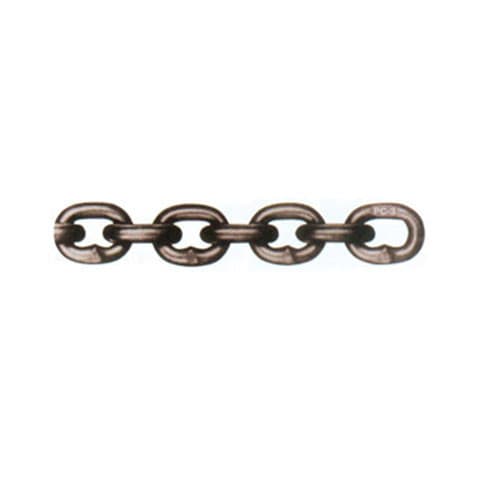
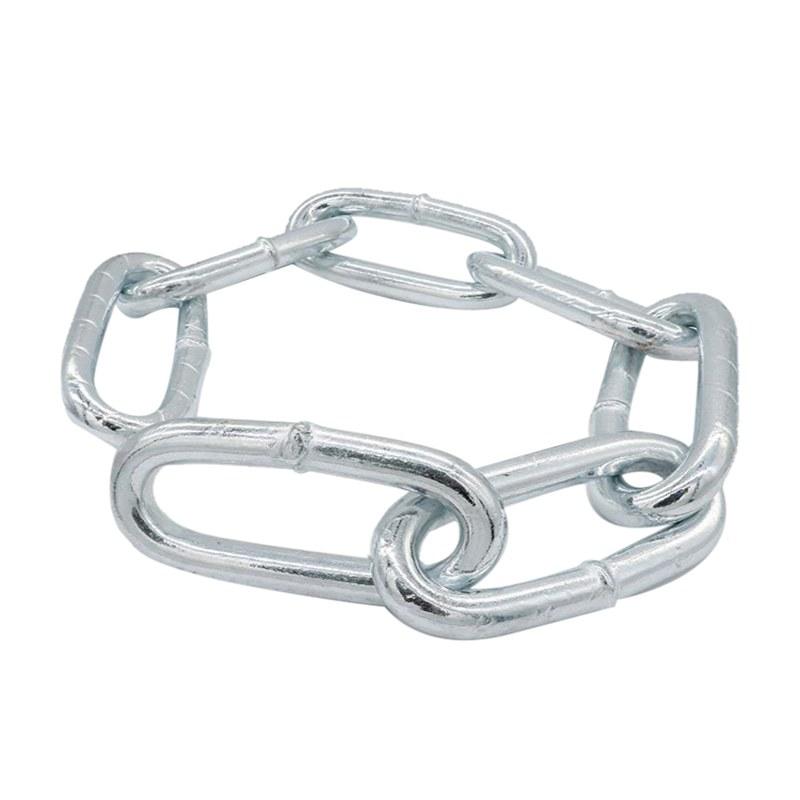
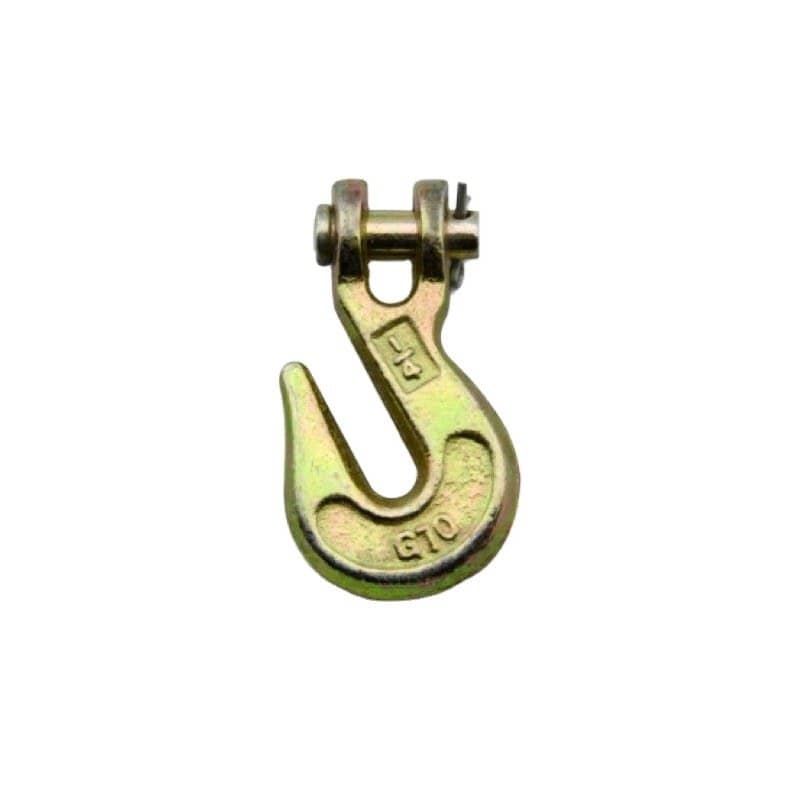
- No. Proof coil (Grade 30), high test (Grade 43) and transport (Grade 70) chain are made for tie-down, towing and general duty. Overhead lifting with chain calls for alloy chain — Grade 80 or Grade 100 — with fittings of the same grade.
- 02Can I mix Grade 80 chain with Grade 100 fittings?
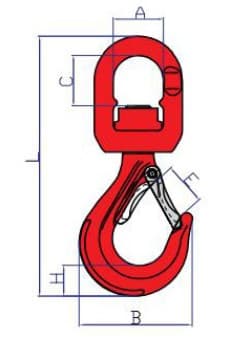
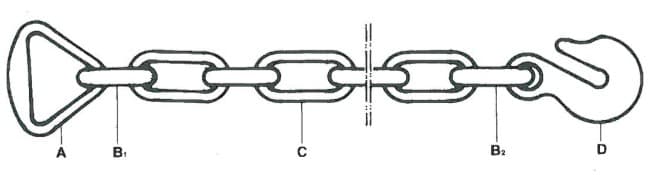
- A chain sling is rated by its weakest component, so a mixed assembly takes the lower grade's rating. Match the fittings to the chain grade and size.
- 03Do the parts come with test certificates?
- Yes. Each consignment ships with the manufacturer's test certificate. If your site needs more — third-party certification or witnessed proof testing — say so on the RFQ and we will confirm what we can arrange.
- 04What is the difference between EN 818-2 and EN 818-7 chain?
- EN 818-2 is medium-tolerance Grade 8 chain for chain slings, and EN 818-7 is fine-tolerance chain made to run over the pocketed load sheave of a hoist. Hoist chain is calibrated so each link seats in the pocket, and it is specified by the hoist maker for that block. Sling chain does not have that pitch accuracy and must never be fitted to a hoist; hoist chain is not normally used to make up slings either. Order hoist chain by the hoist make and model as well as size.
- 05How can I tell what grade a lifting chain is?
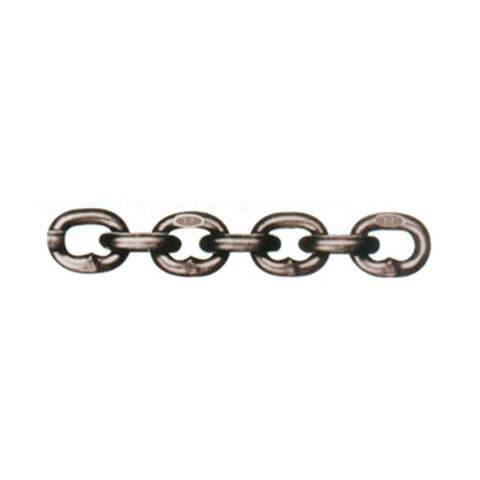
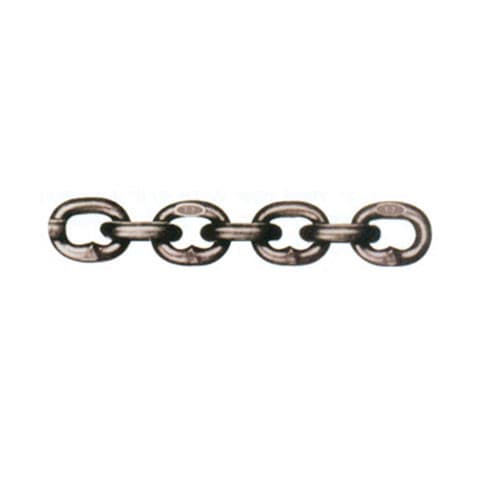
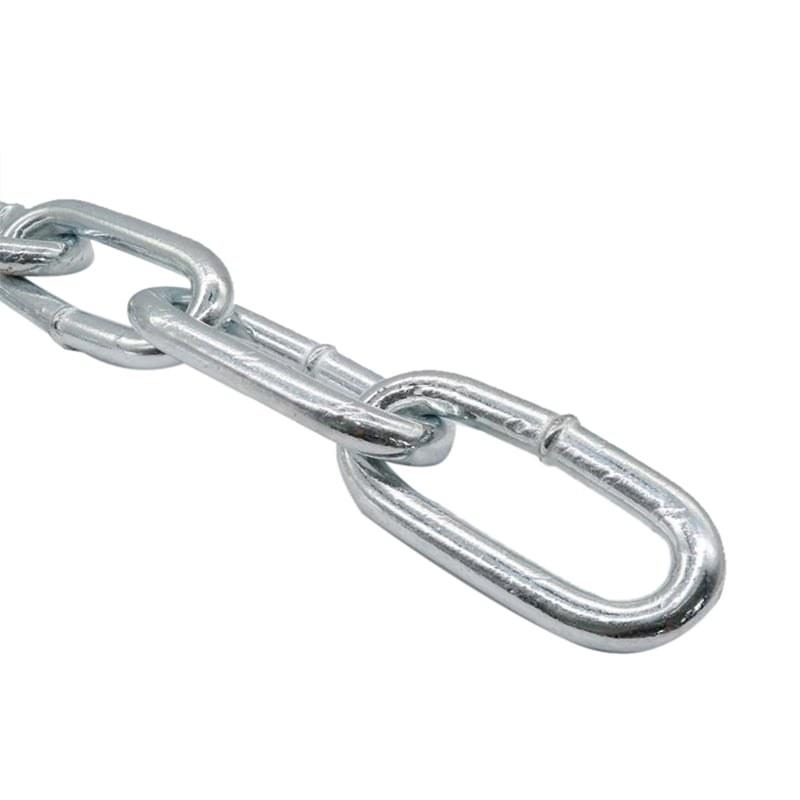
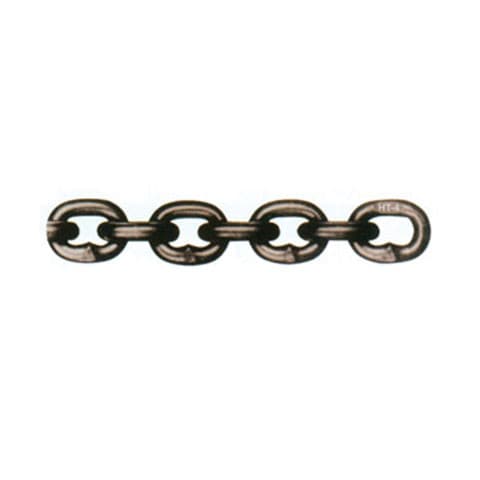
- Alloy lifting chain is embossed at intervals along its length with a grade mark and the manufacturer's identification, and the fittings carry their own grade and size marks. Grade 80 chain is typically marked 8 or 80 and Grade 100 chain 10 or 100. If a chain carries no legible grade mark and no certificate traces it, treat it as unrated and keep it out of lifting service. Plain or galvanized chain with no mark is usually general-purpose chain.
- 06When should alloy lifting chain be taken out of service?
- Take it out of service when any link is worn, stretched, bent, nicked, cracked or heat-damaged beyond the manufacturer's limits, or when its grade and size marks can no longer be read. Manufacturers commonly set the wear limit at 10% loss of the link's nominal diameter, measured as the mean of two diameters at right angles. Any visible stretch, a link that no longer hinges freely, or weld spatter and heat discolouration are also reasons to remove it. The competent person's thorough examination is the deciding check.
- 07What types of lifting chain do you supply?
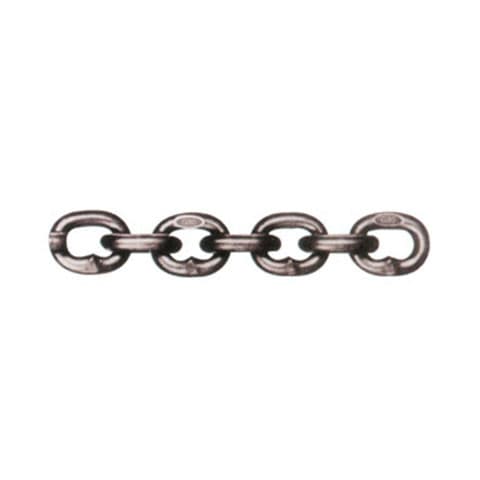
- The range covers Grade 80 and Grade 100 alloy lifting chain and fittings, EN 818-7 hoist chain, stainless chain, DIN 763, 764 and 766 link chain and DIN 22252 mining chain. Grade 30, 43 and 70 chain is listed in inch and AS/NZS 4344 sizes.
- 08Which chain grades do you supply?
- Grade 80 and Grade 100 alloy lifting chain, plus Grade 30, 43 and 70 chain in inch and AS/NZS 4344 sizes. Matching Grade 80 and Grade 100 chain fittings are listed separately.