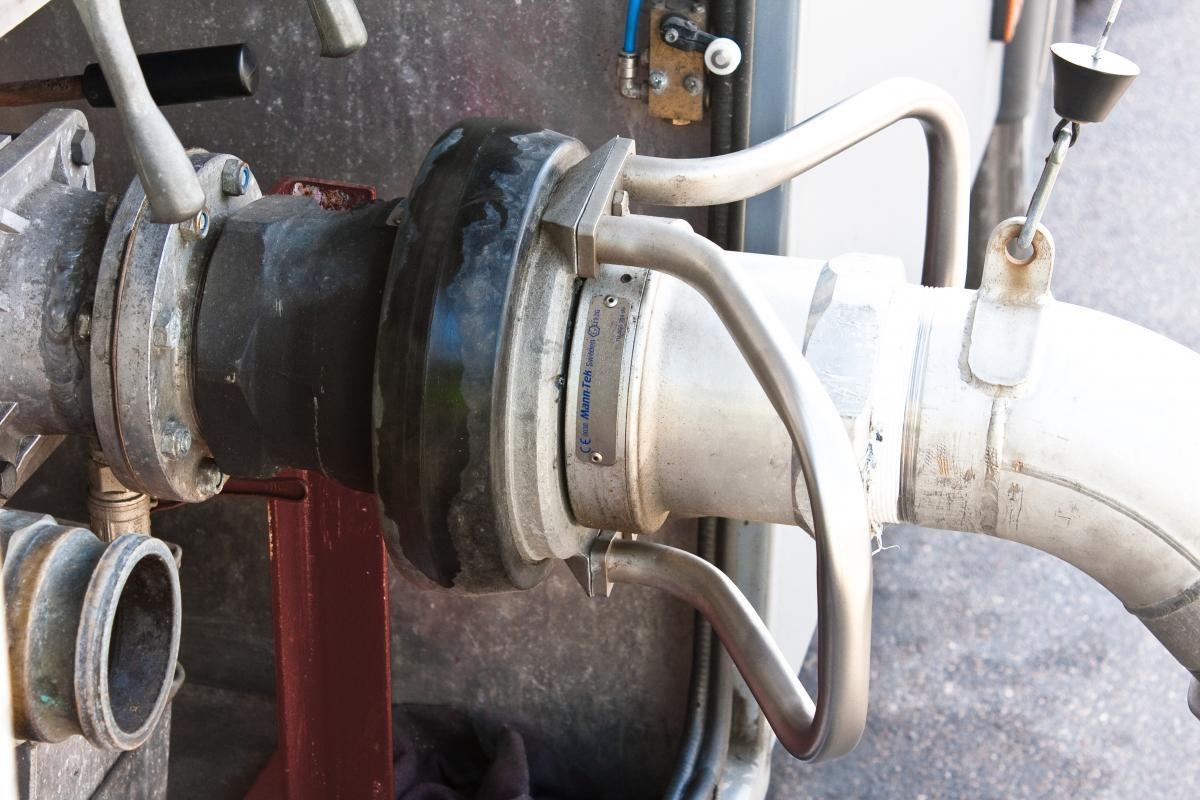
Camlocks are everywhere because they are quick, cheap and simple: two cam arms pull the coupler onto the grooved adapter and the line is made. The catch is at the other end of the job. A camlock has nothing inside it to stop the flow, so the moment it is opened the hose and the pipe empty through the joint. For water that is a puddle. For diesel, solvent or acid it is a spill, an exposure and a clean-up. A dry disconnect coupling is built to remove exactly that. For the camlock types themselves, see cam and groove coupling types.
/01How they differ.
| Feature | Camlock (cam and groove) | Dry disconnect (MannTek DDC) |
|---|---|---|
| Valve | None: an open coupling | One in each half, tank unit and hose unit |
| On disconnectHighlighted | Hose and pipe contents run out | Both valves close before the halves part; minimal product loss |
| Connecting | Pull the cam arms down | Couple and turn: one motion opens both valves |
| Interface | Cam and groove profile by size | STANAG 3756 / ASTM F1122 bayonet, 1" to 8" |
| Materials (DDC) | Aluminium, brass, stainless, polypropylene and others | Aluminium, brass, stainless, Hastelloy, titanium, PVDF, PEEK |
| Pressure (DDC) | Depends on type and material | 10 to 25 bar by material, with a five times safety factor |
| Cost | Low | Higher, paid back where spills cost money |
/02When the spill matters.
The case for a dry disconnect is strongest where three things meet: a hazardous or valuable medium, frequent connections, and people standing at the joint. That covers road and rail tanker loading and unloading, including bottom loading, ISO and IBC containers, chemical and petrochemical plant, pharmaceutical transfer and ship manifolds. MannTek designed the DDC for liquids, fuels, chemicals and gases, and builds it in 1" for industrial process plant up to 6" and 8" for marine bunkering and ship-to-shore transfer. For LPG there is a dedicated version, covered in LPG dry gas couplings; for LNG and other cryogenic liquids see LNG bunkering couplings.
Beyond the spill itself, a dry disconnect adds controls a camlock cannot offer:
- Selectivity coding: slots on the tank unit and pins on the hose unit stop the wrong medium being connected.
- Locking device on the hose unit, so a made coupling cannot loosen by accident.
- Stop before disconnect: if a valve fails to seal, the halves cannot be separated.
- Electronic sensor reporting whether the valves are open, for interlocks and drive-away protection.
- Hose unit with integrated breakaway for lines that could be pulled.
/03Changing over.
A dry disconnect replaces both halves of the joint. The tank unit, which has no swivel, goes where the camlock adapter was on the tank, container or manifold, on a BSP or NPT thread or an ANSI, EN, TW, TTMA or JIS flange. The hose unit, with its swivel and handles, goes on the hose or loading arm. Because the DDC interface follows STANAG 3756, a fleet can change over site by site and still connect to tank units already in service on the same interface. Close each half with a dust cap or plug when it is not in use; the open faces are what wear.
Common questions
- Is a dry disconnect completely spill-free?
- Not literally: a trace stays on the faces between the valves. MannTek describes the loss as minimal. It is a different order from a camlock, which empties the hose.
- Can a dry disconnect connect to a camlock?
- No. They have different interfaces. Change both halves of the joint, or use an adapter made for the purpose.
- Will a MannTek DDC fit another maker’s dry disconnect?
- The DDC interface follows STANAG 3756 and ASTM F1122, so same-size halves built to that interface connect. Send us the make on site and we will confirm.
- What pressure does a dry disconnect take?
- MannTek publishes 10 to 25 bar for the DDC range, depending on body material, with a five times safety factor.
- What does it cost compared with a camlock?
- More per joint. It pays back where spills, exposure, clean-up or lost product cost money on every disconnection.
What we list
Every listing on our Dry Disconnect Couplings shelf:
- Aluminum PTFE Adapter × Female NPT Dry Disconnect Couplings
- Aluminum PTFE Coupler × Female NPT Dry Disconnect Couplings
- Aluminum Viton Adapter × Female NPT Dry Disconnect Couplings
- Aluminum Viton Coupler × Female NPT Dry Disconnect Couplings
- MannTek DAC Dry Aviation Coupling (ISO 45), Hose Unit — 2-1/2"
- MannTek DAC Dry Aviation Coupling (ISO 45), Tank Unit — 2-1/2"
- MannTek DAC Dust Caps and Dust Plugs (ISO 45) — 2-1/2"
- MannTek DDC Dry Disconnect Coupling, Hose Unit — 1" to 8"
- MannTek DDC Dry Disconnect Coupling, Tank Unit — 1" to 8"
- MannTek DDC Dust Caps, Dust Plugs and Pressure Caps — 1" to 8"
- MannTek DEC Dry Evotek Coupling for Chemical, Food and Pharma, Hose Unit — 1" to 3"
- MannTek DEC Dry Evotek Coupling for Chemical, Food and Pharma, Tank Unit — 1" to 3"
- MannTek DGC Dry Gas Coupling for LPG, Hose Unit — 1" to 8"
- MannTek DGC Dry Gas Coupling for LPG, Tank Unit — 1" to 8"
- MannTek rDME Coupling for rDME and LPG Blends, Tank and Hose Unit — 2"
Dry disconnect couplings
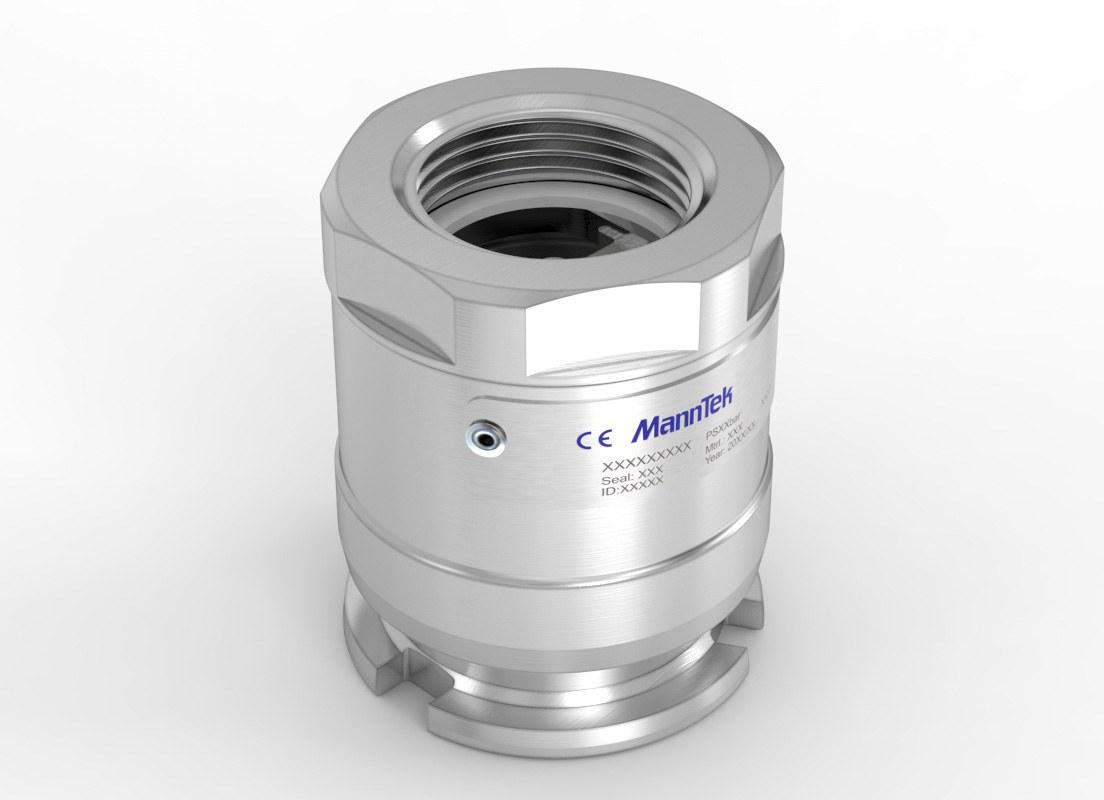 IH-MNT-DDC-TUMannTek DDC Dry Disconnect Coupling, Tank Unit — 1" to 8"MannTek
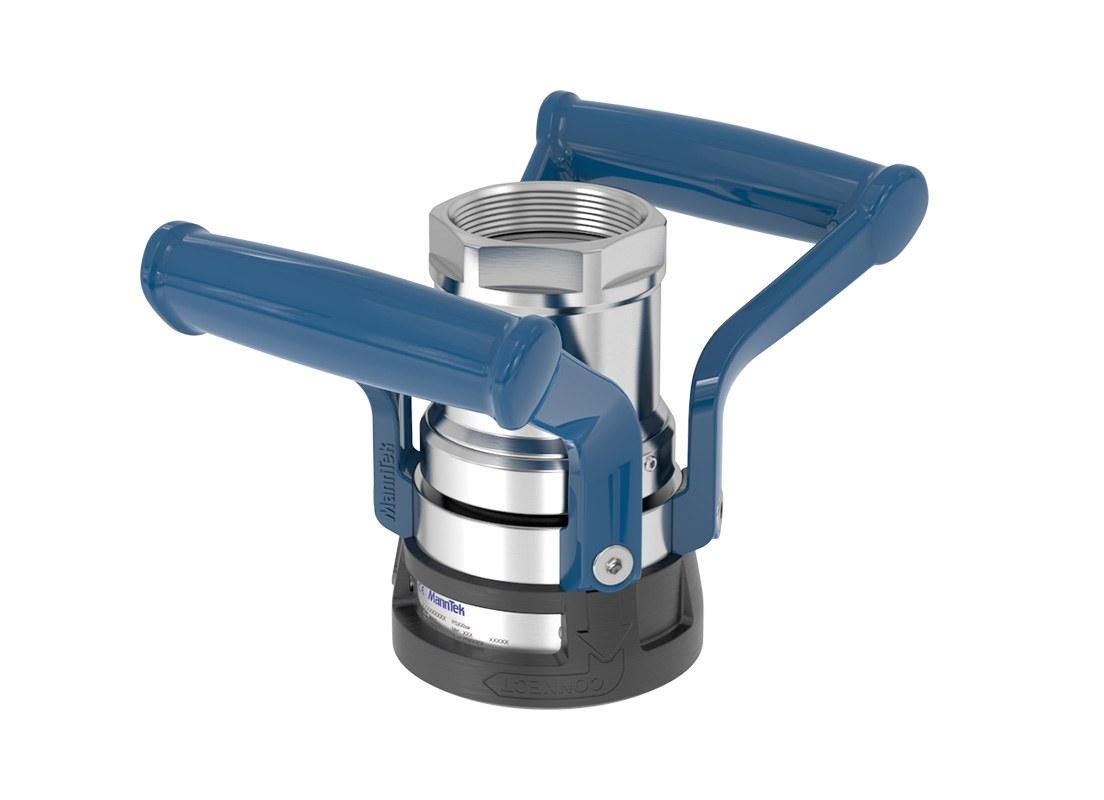 IH-MNT-DDC-HUMannTek DDC Dry Disconnect Coupling, Hose Unit — 1" to 8"MannTek
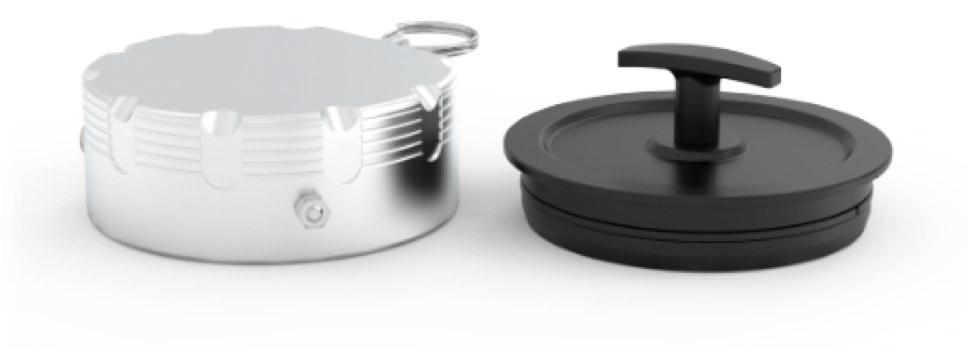 IH-MNT-DDC-CAPMannTek DDC Dust Caps, Dust Plugs and Pressure Caps — 1" to 8"MannTek
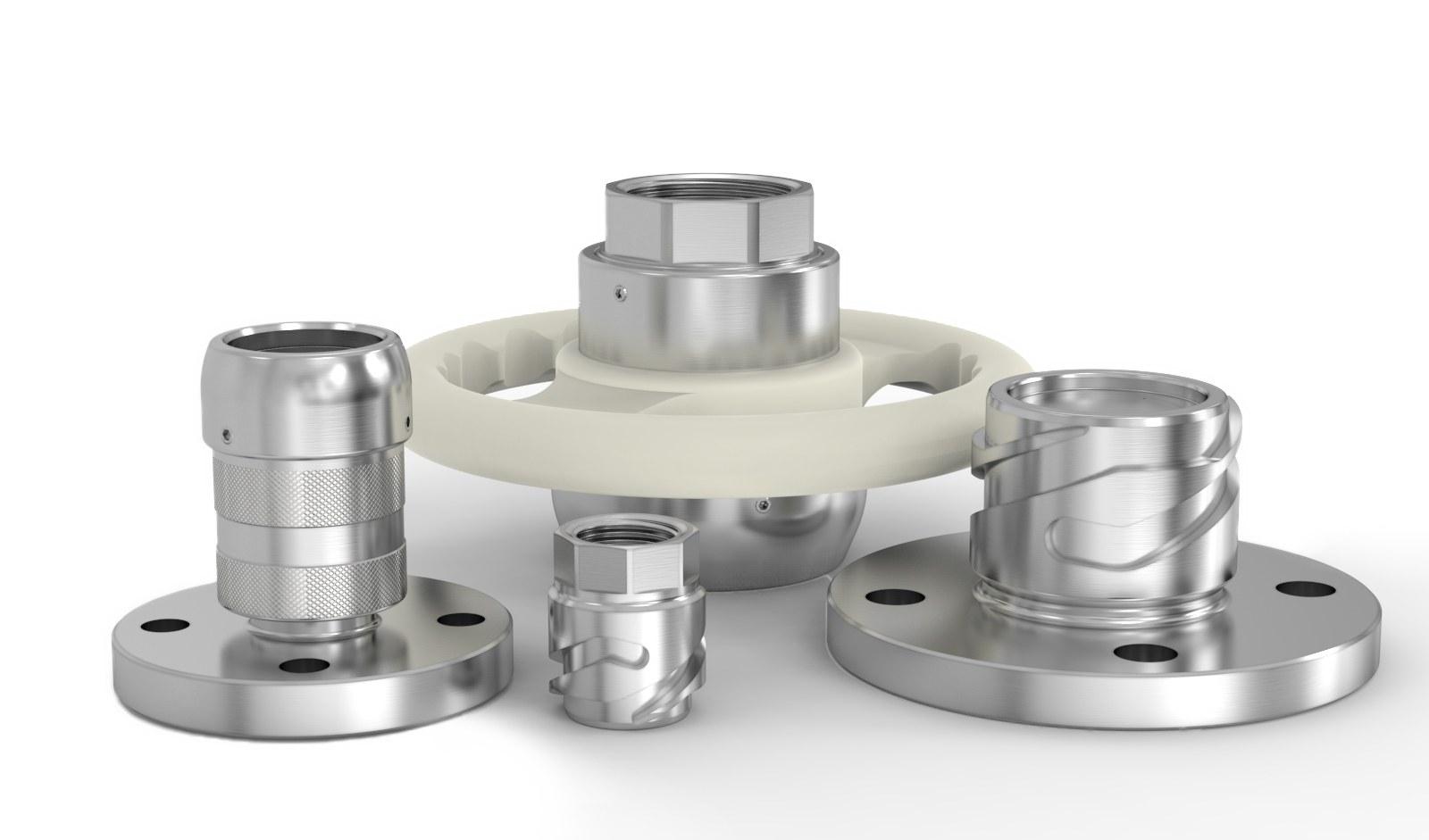 IH-MNT-DEC-TUMannTek DEC Dry Evotek Coupling for Chemical, Food and Pharma, Tank Unit — 1" to 3"MannTek
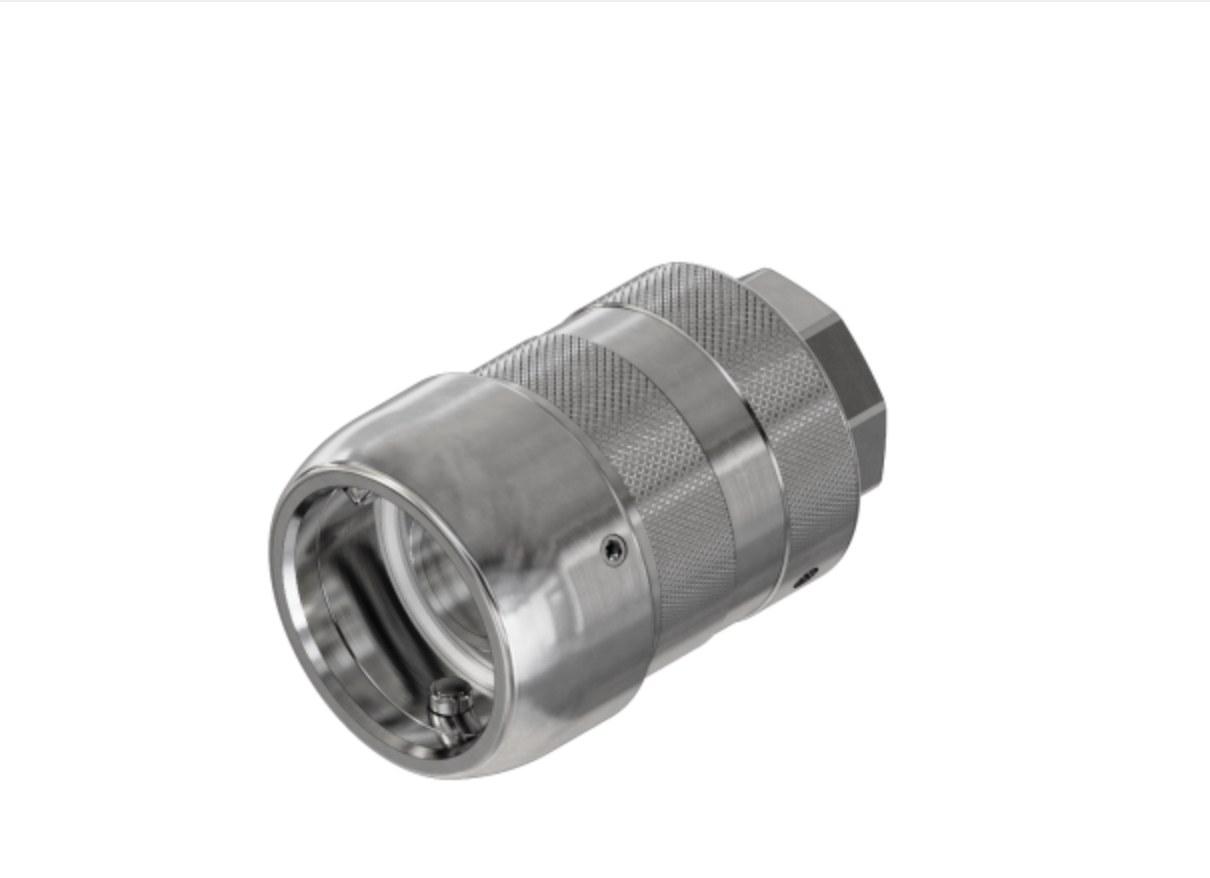 IH-MNT-DEC-HUMannTek DEC Dry Evotek Coupling for Chemical, Food and Pharma, Hose Unit — 1" to 3"MannTek