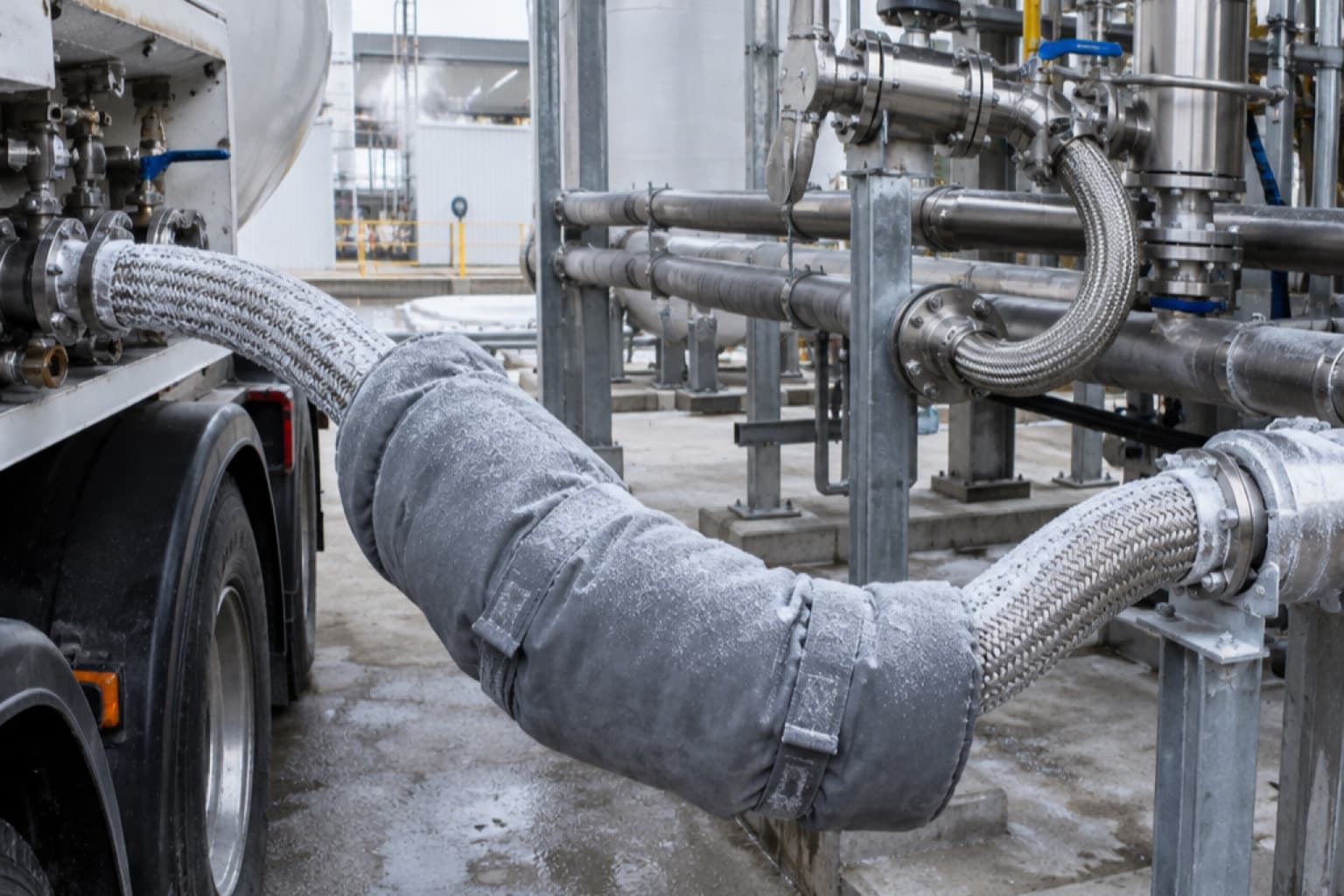
LPG is stored and moved as a liquid under pressure, and every time a transfer hose is disconnected the liquid trapped between the last valves flashes off. On an open ACME connection that happens at the operator’s hands. A dry gas coupling puts a valve in both halves of the joint and closes them before the joint opens. It is the LPG member of the dry disconnect family described in dry disconnect vs camlock.
/01Open ACME vs dry gas coupling.
| Feature | Open ACME connection | Dry gas coupling (DGC) |
|---|---|---|
| Valve in the joint | No; relies on separate valves upstream | One in each half |
| On disconnectHighlighted | Liquid between the valves escapes | Both valves close before the halves part |
| Connection | Threaded nut, turned up by hand | Couple and turn; one motion opens both valves |
| Standards (DGC) | — | Designed and made to standards such as EN 13175 |
| Body and seals (DGC) | — | Stainless steel; low-temperature FKM for all LPG qualities |
| Working pressure (DGC) | — | 25 bar (MannTek) |
/02Sizes by duty.
| Size | Socket | Flow (MannTek) | Typical duty |
|---|---|---|---|
| 1" (DN 25) | Ø 56 mm | up to 460 L/min | Heavy-duty vehicle adapter to EN 13760 |
| 2" (DN 50) | Ø 71 mm | up to 1,680 L/min | Bobtail and tank-truck loading to EN 13175 |
| 3" (DN 80) | Ø 119 mm | up to 3,850 L/min | Tank trucks and rail cars |
| 4" to 8" | Ø 164 to 272 mm | up to 24,200 L/min at 8" | Ship-to-shore loading |
The 2" and 3" hose units are MannTek’s Design 2.0 generation. MannTek reports up to 45 % more flow capacity and up to 40 % lower coupling force than the original design, which shortens loading and eases handling on a busy filling bay.
/03Changing over from ACME.
MannTek makes DGC tank units and hose units with ACME and Whitworth threads for direct assembly on existing connections, also with a drain connection to release trapped liquid. That means the tank or bobtail keeps its pipework and only the coupling changes. Options worth specifying on LPG duty include a pressure equalizing valve, so the coupling can still be made against trapped pressure, a pressure bleeding valve for lines that warm up, stop before disconnect and a hose unit with an integrated safety breakaway.
Common questions
- Is the dry gas coupling only for LPG?
- It was designed for LPG (propane and butane); MannTek states it is now used for many other gases and gaseous media.
- Can I keep my existing ACME pipework?
- Yes. ACME and Whitworth-threaded DGC halves fit directly onto existing connections.
- Which size for a bobtail?
- MannTek lists the 2" DGC for bobtail and tank-truck loading to EN 13175, and the 1" as a heavy-duty vehicle adapter to EN 13760.
- What seals are used?
- MannTek’s low-temperature FKM, for all LPG qualities and operating temperatures.
- What pressure is it rated for?
- MannTek publishes 25 bar working pressure for the DGC.
LPG couplings
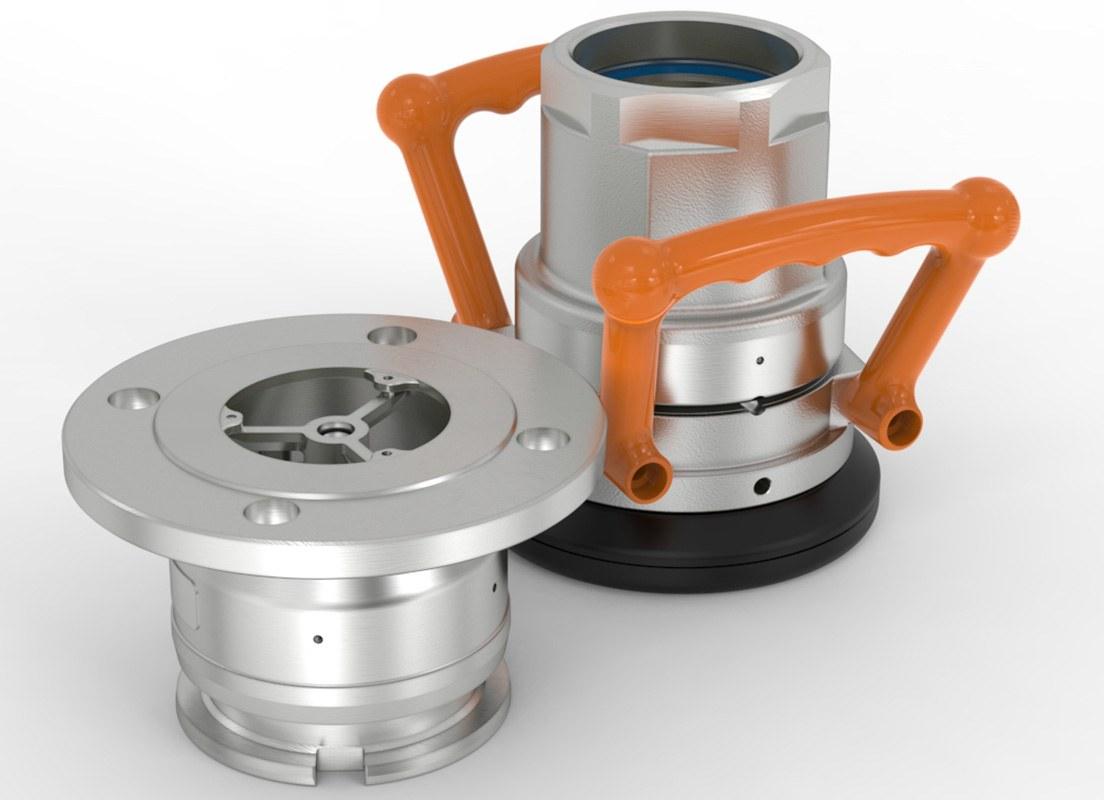 IH-MNT-DGC-TUMannTek DGC Dry Gas Coupling for LPG, Tank Unit — 1" to 8"MannTek
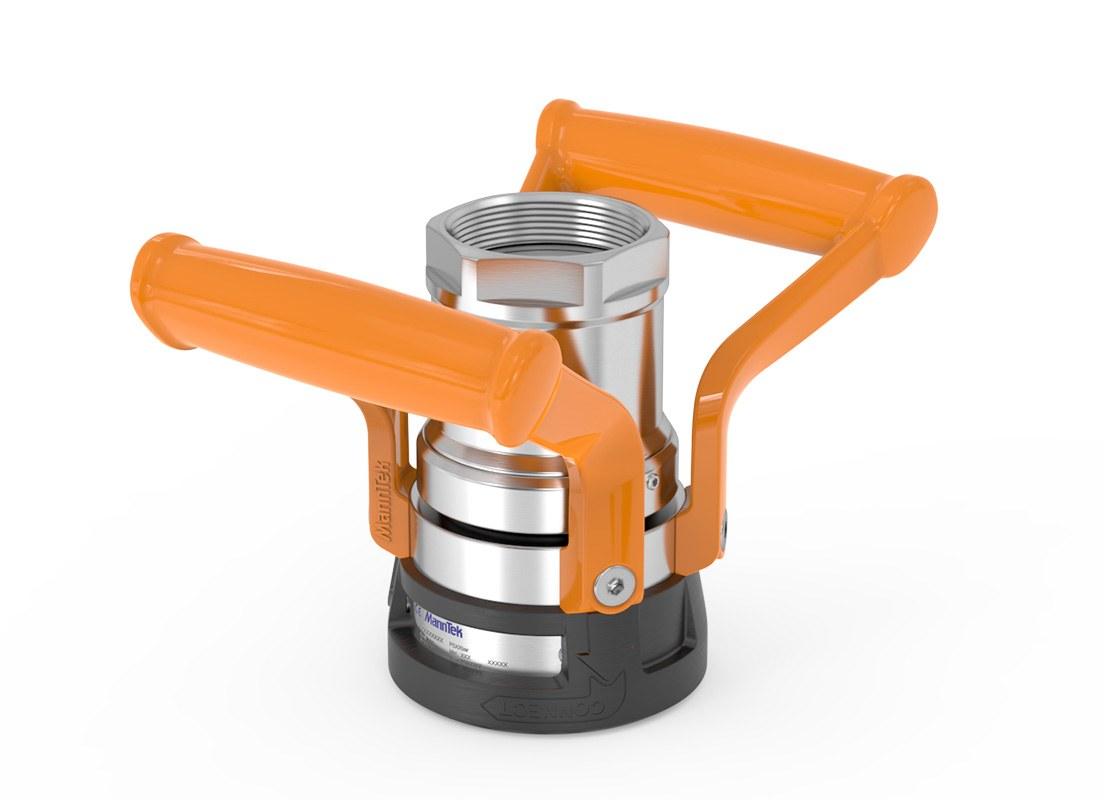 IH-MNT-DGC-HUMannTek DGC Dry Gas Coupling for LPG, Hose Unit — 1" to 8"MannTek
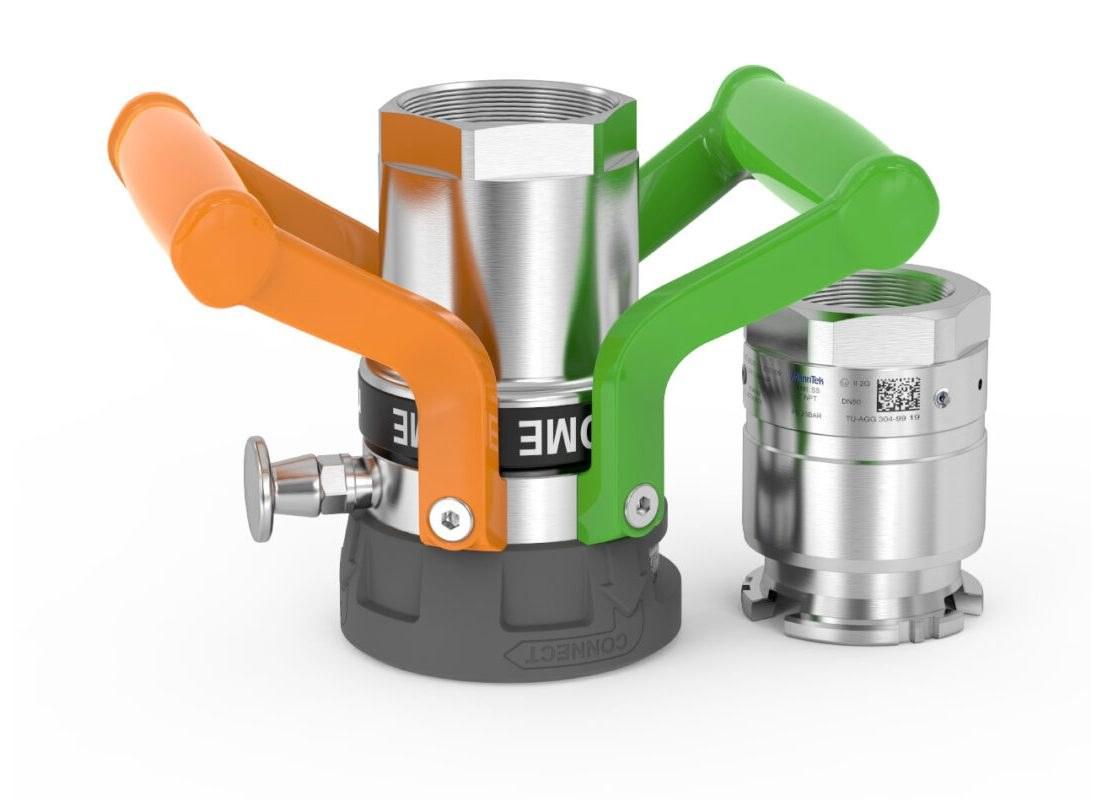 IH-MNT-RDMEMannTek rDME Coupling for rDME and LPG Blends, Tank and Hose Unit — 2"MannTek
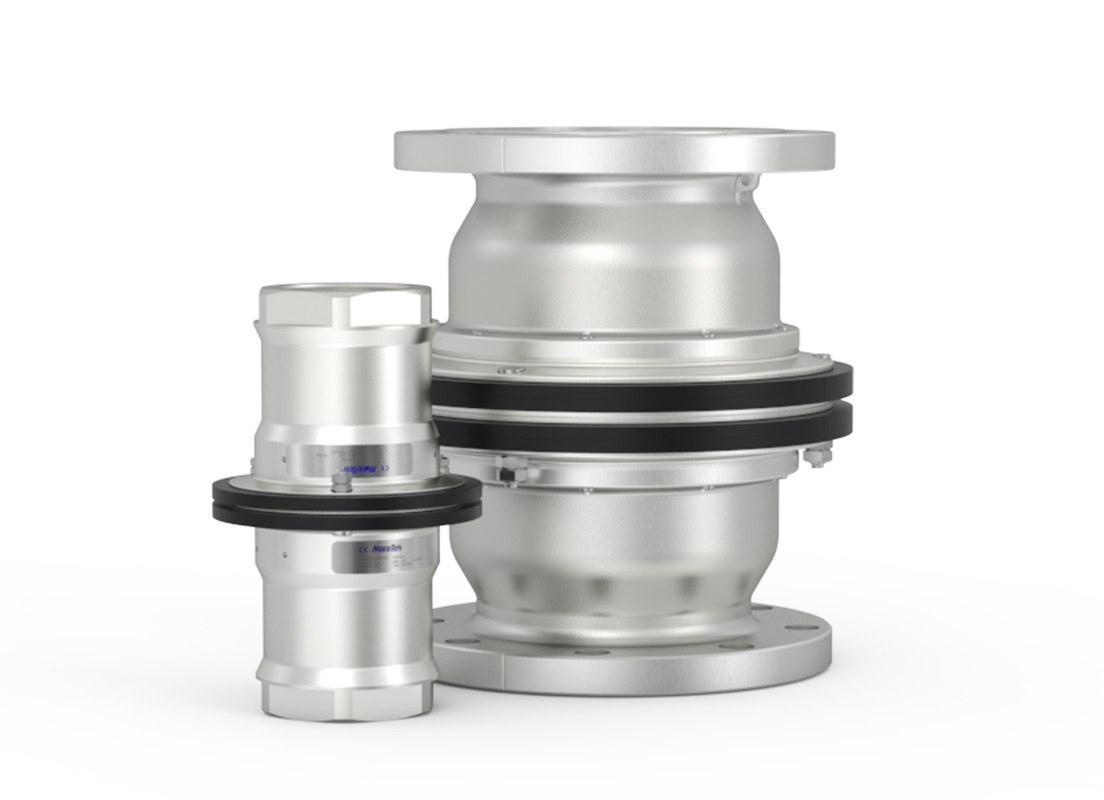 IH-MNT-SBCMannTek SBC Safety Breakaway Coupling, Breaking-Bolt Type — DN 25 to DN 300MannTek