Treating the Northern Emirates as one coverage area is convenient and wrong. The hose is the same; what breaks it, and what it costs to be without it, is different in each — and that changes what good service looks like.
/01Sharjah: density.
Sajja and the Sharjah industrial areas hold one of the densest concentrations of workshops, fabricators and transport fleets in the country. The hydraulics are varied — presses, lifts, tippers, small plant — and the practical consequence is that a single mobilisation frequently covers several jobs within a few streets. Where a customer has more than one machine waiting, batching them into one visit is almost always faster and cheaper than calling each in separately.
It is also the area where bringing the assembly in competes most closely with on-site work, simply because nothing is far away. If the machine can wait an hour, the bay is often the better answer.
/02Ras Al Khaimah: abrasion.
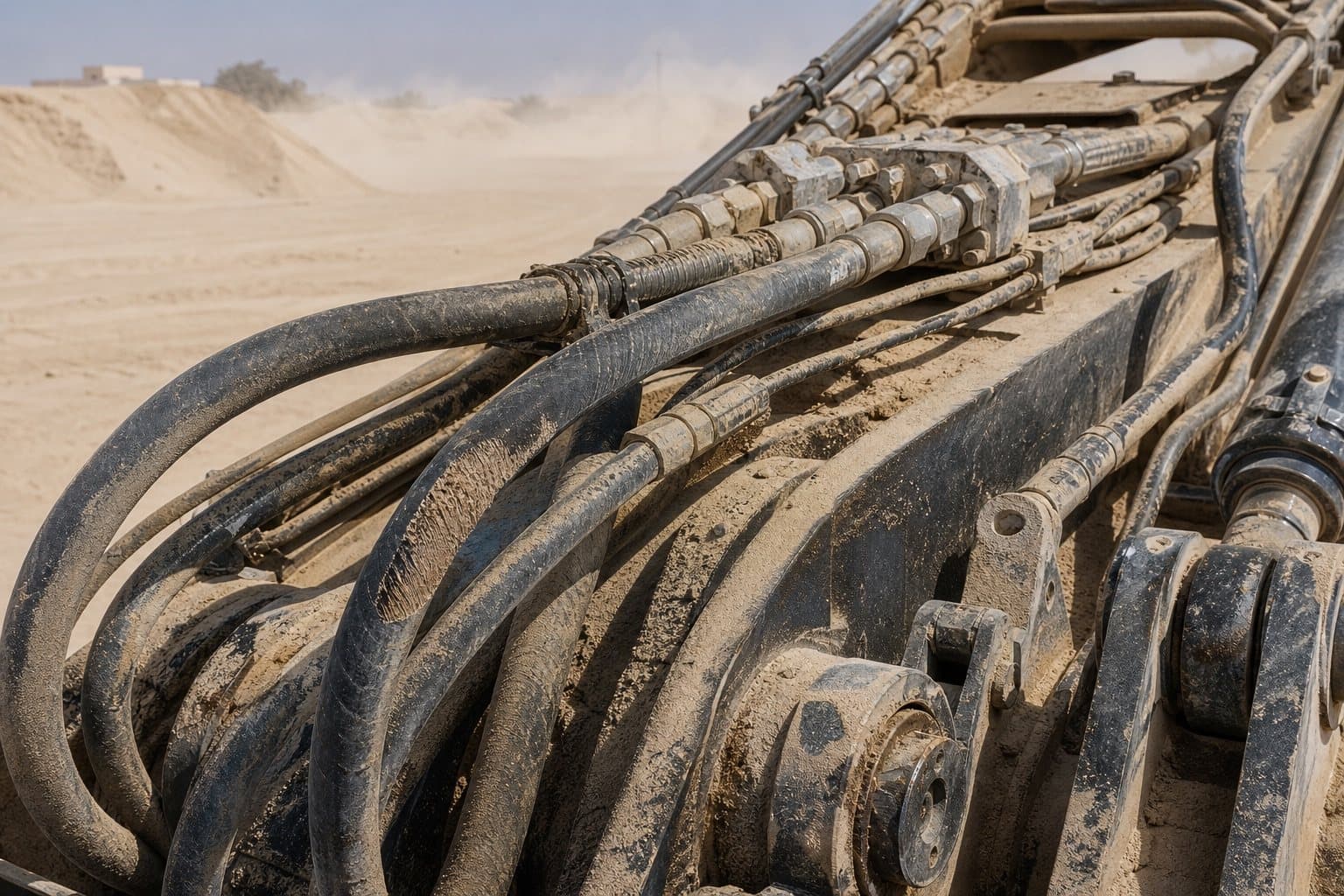
Khor Khwair and the RAK quarrying belt produce a very consistent pattern: the same run fails repeatedly on the same machine. That is a routing and protection problem rather than a hose-grade problem, and replacing like for like just resets the clock. The useful visit is the one where somebody looks at why that run keeps going — a clamp that has gone, a guard that was never fitted, or a route that should have been re-planned when the attachment changed. A cover specified for abrasion — 4SH carries one — slows that pattern; re-routing stops it.
/03Fujairah: the berth window.
Fujairah combines a major bunkering and shipping port with the east-coast quarry belt, and the port side imposes a constraint the others do not: equipment works to a vessel schedule. A hose failure on transfer or handling plant is not measured in machine-hours but in whether the berth window is kept, which changes the calculus entirely — the mobilisation is cheap relative to what it protects.
Port access control is the practical planning item. Gate passes and site induction are not arranged at short notice, so customers who work here regularly benefit disproportionately from having the paperwork already in place rather than starting it at the point of failure.
/04Ajman: parts, not access.
Ajman’s industrial areas are generally the least encumbered of the four on access, which has an interesting effect: turnaround here is decided almost entirely by whether the hose and fittings are on the van. That makes it the clearest case for telling us the bore, construction and fitting type on the phone — if the parts are aboard, the job is short; if they are not, a second trip is the whole delay.
| Area | Dominant work | What sets the clock |
|---|---|---|
| Sharjah — Sajja, industrial areasHighlighted | Workshops, fleets, small plant | Batching several jobs into one visit |
| Ras Al Khaimah — Khor Khwair | Quarry, crushing, cement | Whether the routing gets fixed, not the hose |
| Fujairah — port and quarry belt | Bunkering, handling, marine | Port access and the berth window |
| Ajman | Industrial units, transport | Whether the parts are on the van |
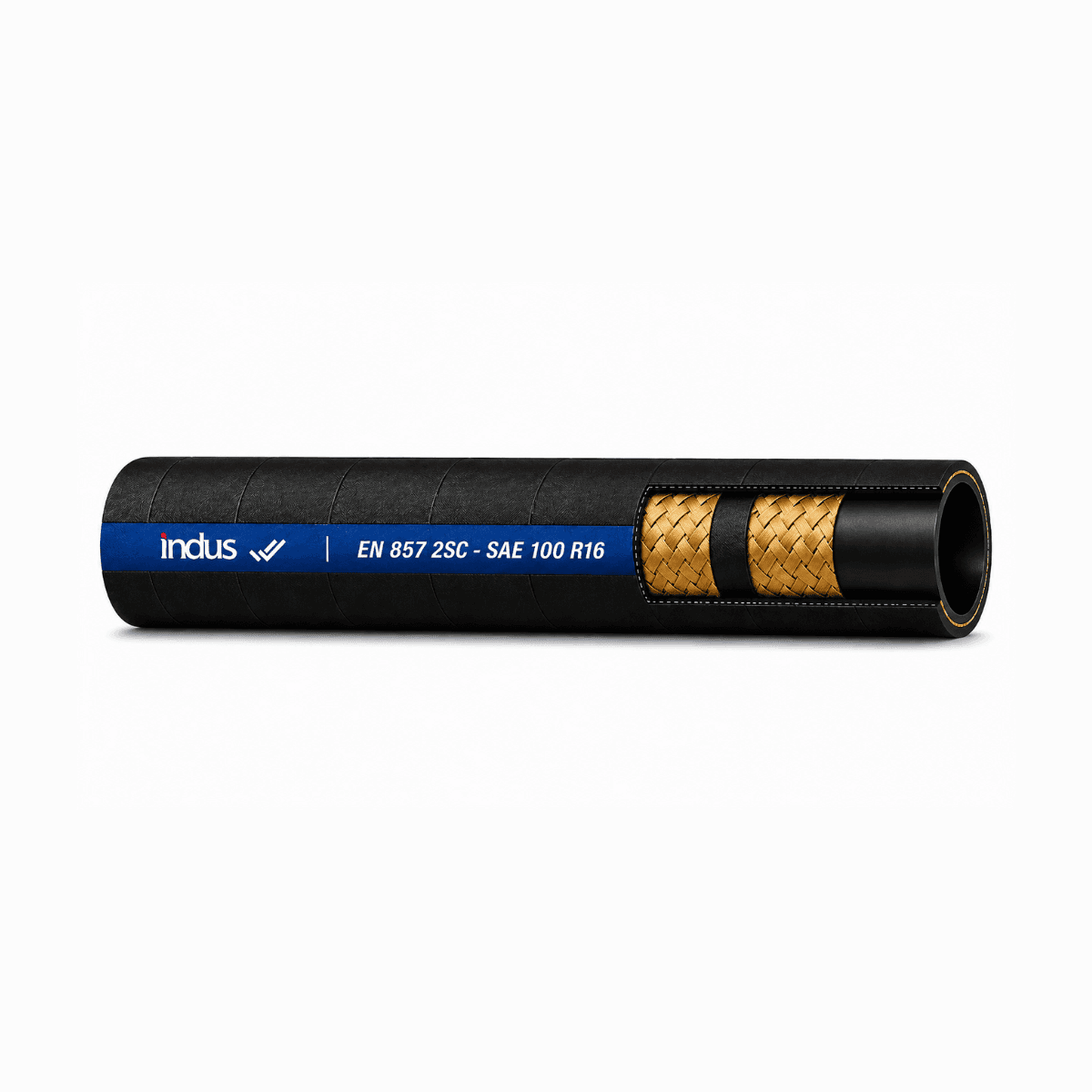
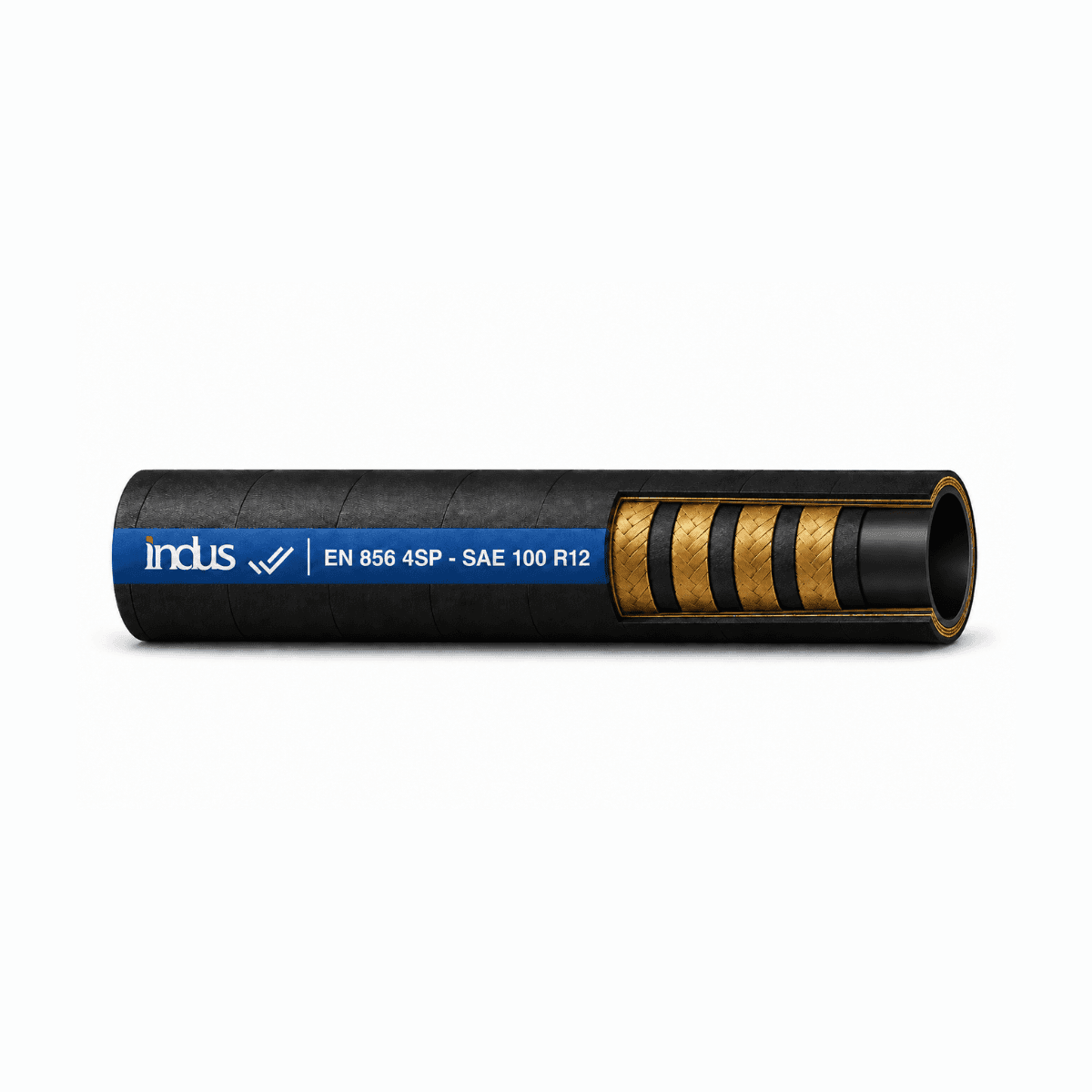
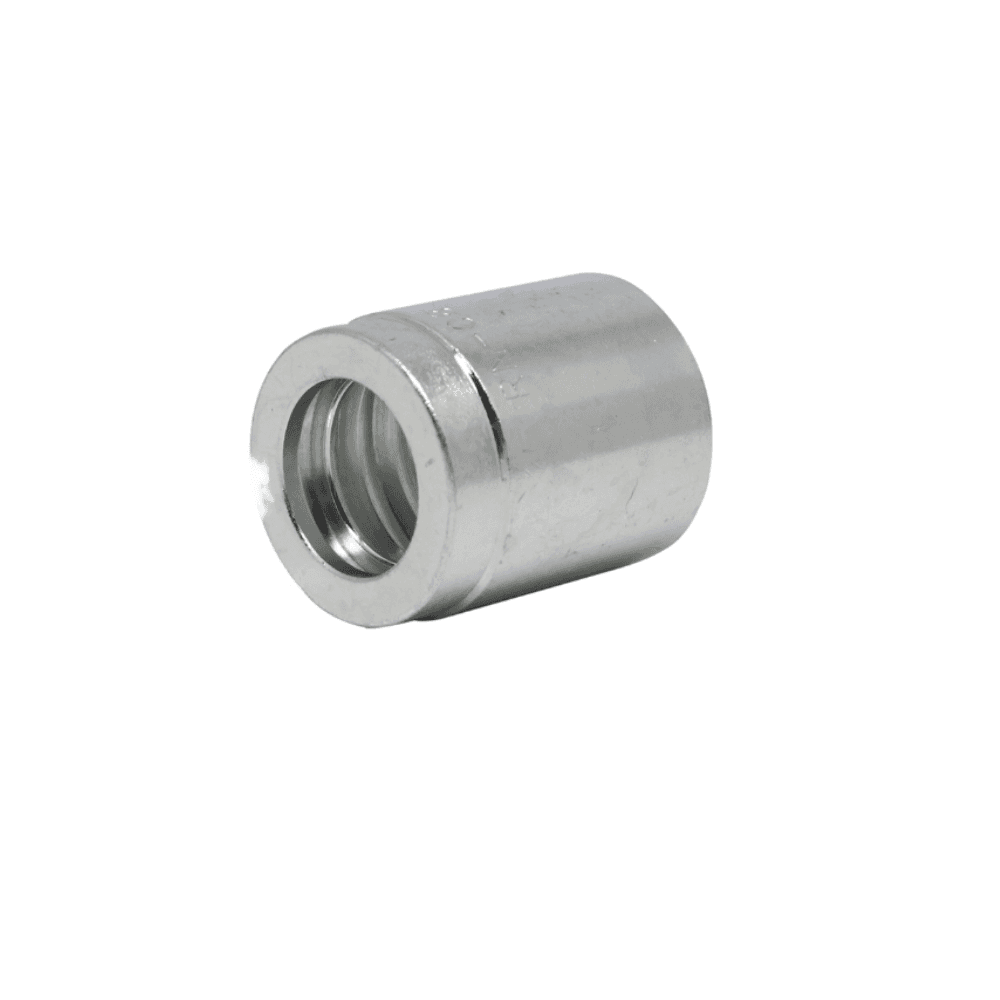
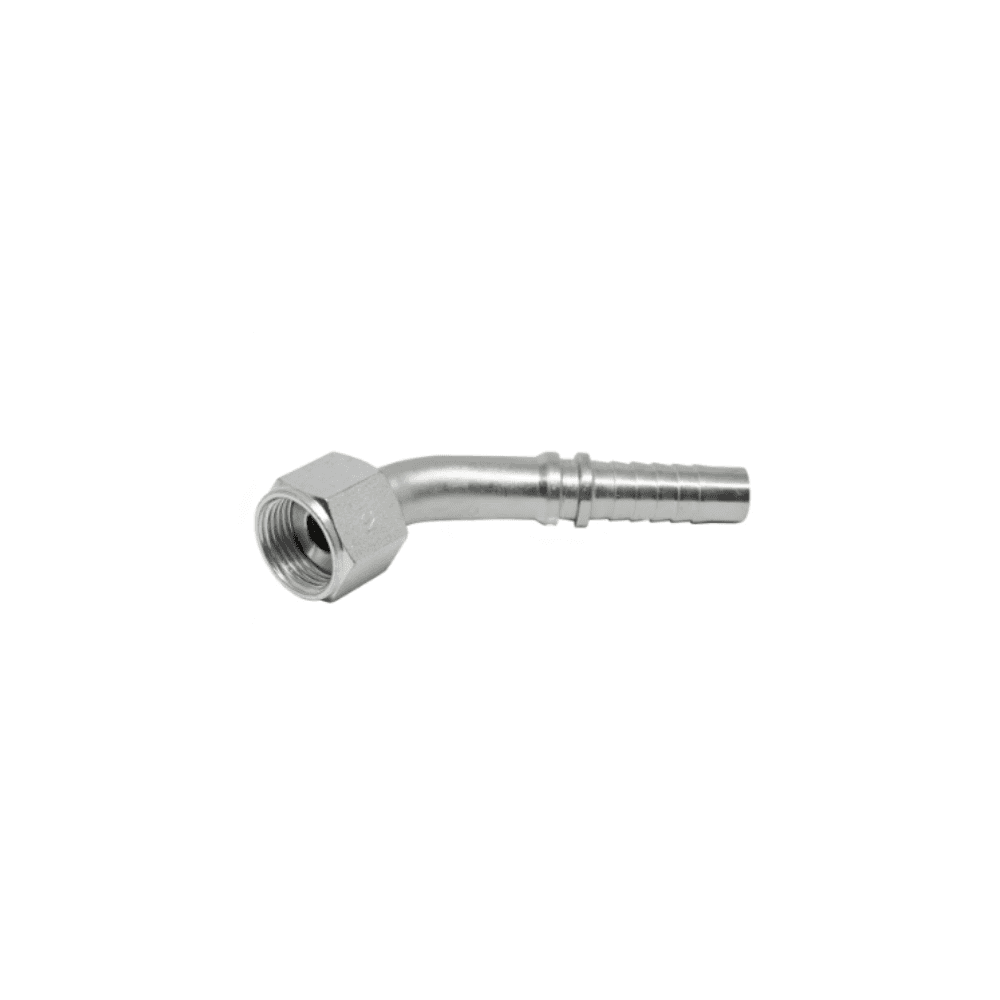
Common Northern Emirates stock
Common questions
- Can you cover several machines in one visit?
- Yes, and in Sharjah particularly it is the sensible way to work. Tell us everything that is waiting when you call rather than one machine at a time — the mobilisation is the cost, not the extra assembly.
- Our quarry keeps eating the same hose. What should we change?
- Almost certainly the route or the protection rather than the grade. Send a photograph of where it sits and where it wears and we will tell you what to change — a heavier hose in the same bad position fails the same way.
- Do you need a gate pass for Fujairah port work?
- Usually, and it is worth having in place before it is needed. Customers who work to berth windows benefit most from arranging access ahead of a failure rather than during one.
- What should I have ready when I call?
- Bore, hose construction if the layline is legible, both fitting types, and overall length. That determines whether the parts are already on the van, which is the difference between one visit and two.