
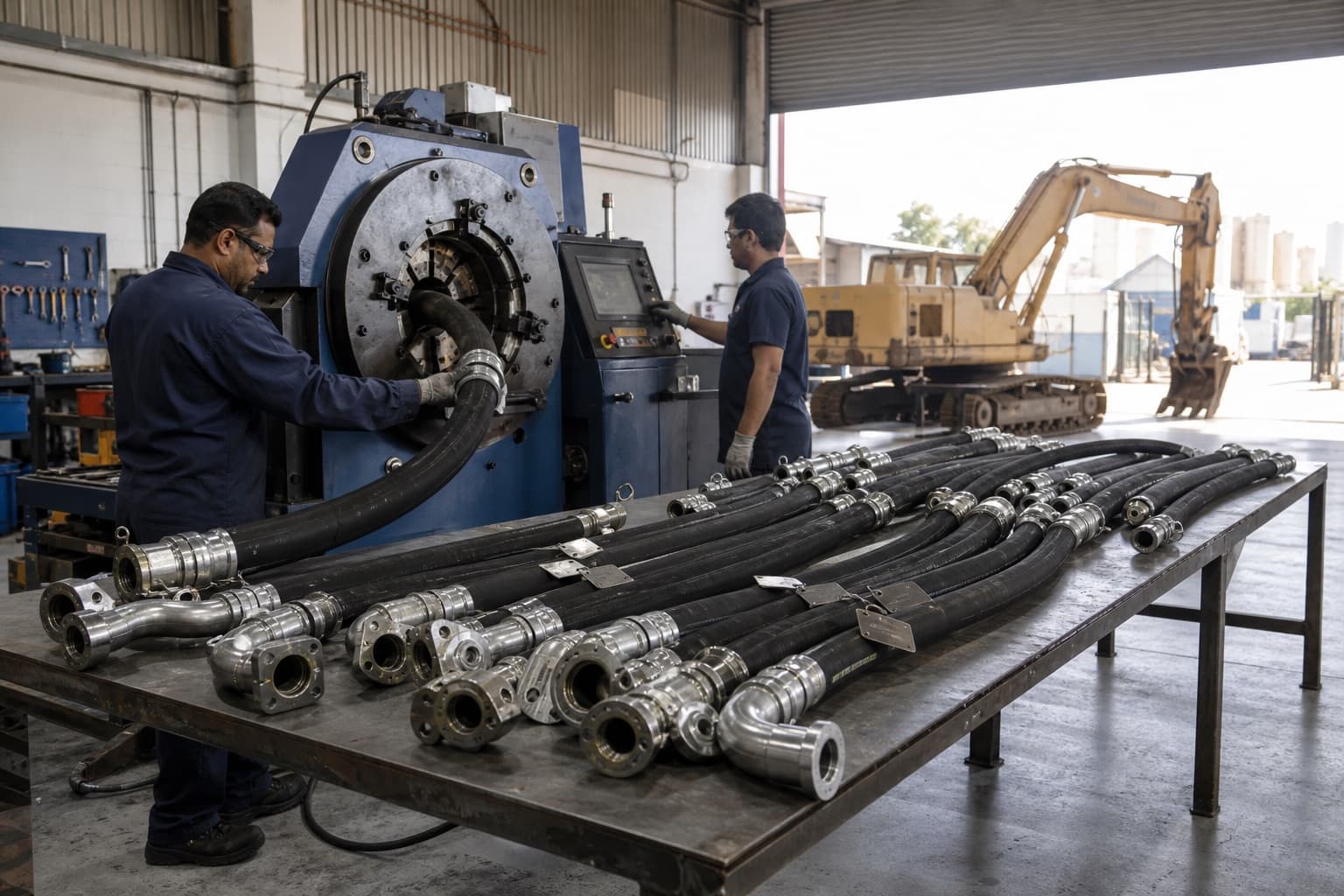
Hoses on a machine that has been in service together are the same age, in the same conditions, with the same duty. When one goes, the rest are not far behind — which is why replacing them individually as they fail is the most expensive way to arrive at the same place.
When a bulk refit is the right call.
Refit or replace as they fail
If · Machine returning from cold stack or long storage
Refit the set.
Age and storage conditions apply to every assembly equally, and shelf ageing does not care that a hose was never used.
If · Major rebuild or recommissioning
Refit the set.
The machine is already down and accessible. The marginal cost of the remaining hoses is small against a second stoppage later.
If · Third or fourth failure on the same machine in a season
Refit the set.
The cluster has started. Individual replacement from here is just paying the mobilisation repeatedly.
If · One failure on an otherwise healthy machine
Replace the one, inspect the rest.
A single early failure is usually installation, not age. Fix the cause and check the neighbours.
If · Fleet standardisation exercise
Refit machine by machine.
This is where consolidating grades and ends across a fleet actually happens.
What a bulk build actually produces.
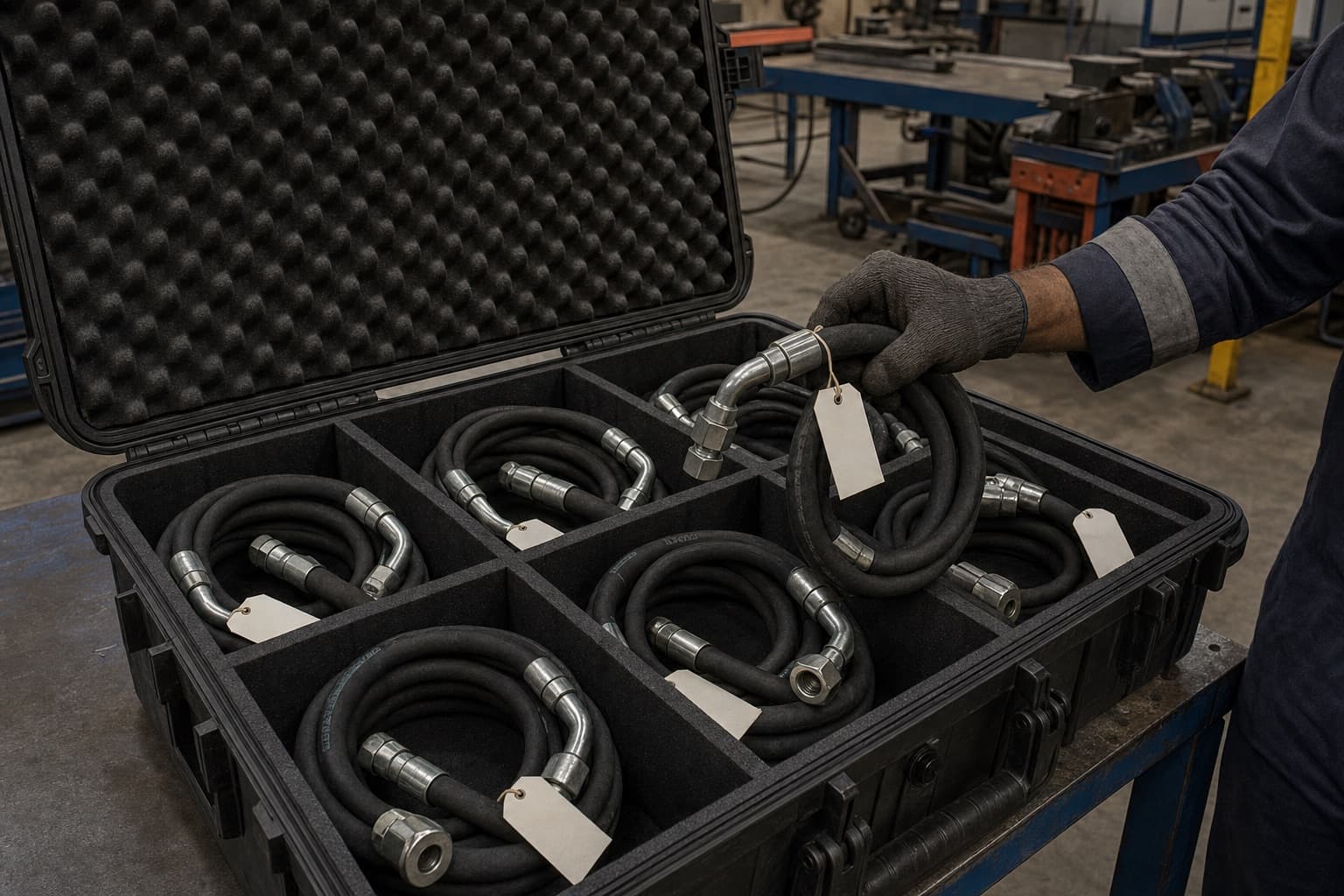
Two things: the assemblies, and the schedule. The second is the one customers underestimate. A refit captures bore, construction, length, both fitting types and the position on the machine for every hose — once, at the point where somebody is holding each one. That schedule is the difference between a future replacement taking two minutes and taking two hours with a torch and a tape measure.
Our 112-assembly build for a cold-stacked rig is the shape of this: 14 days in the Jebel Ali hose bay, every assembly tagged and recorded. The tagging was not administrative overhead — it is what makes the next failure on that rig a phone call with an ID rather than an identification exercise.
| Compared on | Bulk refit | One at a time |
|---|---|---|
| Cost per assembly | Lower — one setup, one batch | Higher — mobilisation each time |
| Machine downtime | One planned stoppage | Repeated unplanned stoppages |
| Record produced | Full schedule, tagged | Whatever anyone wrote down |
| Consistency | One grade decision applied throughout | Whatever was available that day |
| Best for | Rebuilds, recommissioning, clustered failures | Isolated early failure |
Why the bay, not the site.
Should a bulk hose refit be done on site or in a workshop?
In the workshop, in almost every case. Throughput, the full crimp range including large-bore and spiral constructions, proof testing and the documentation all live there. On-site service exists to remove transport from an urgent single failure — a planned refit has no urgency to trade against, so the advantages run the other way.
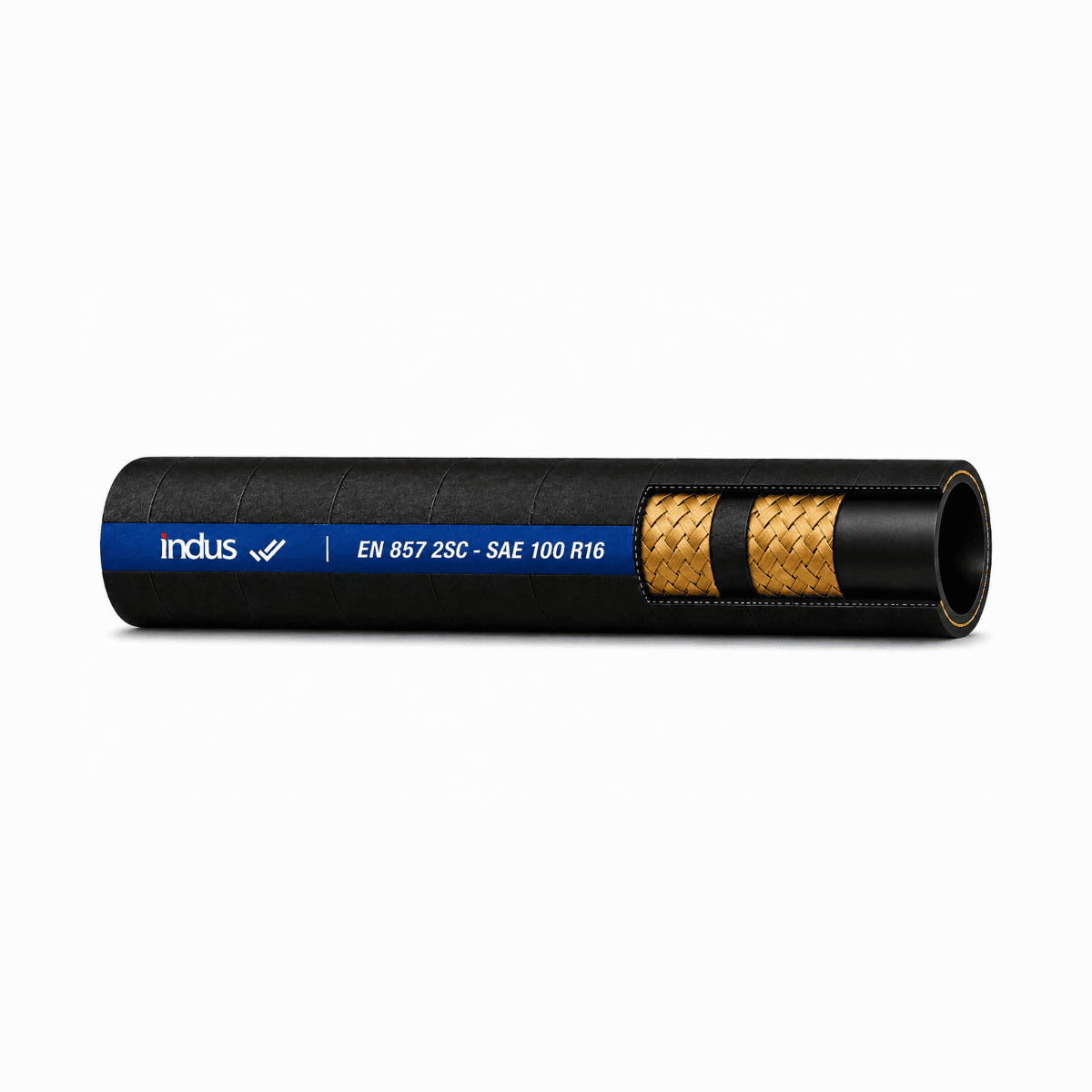
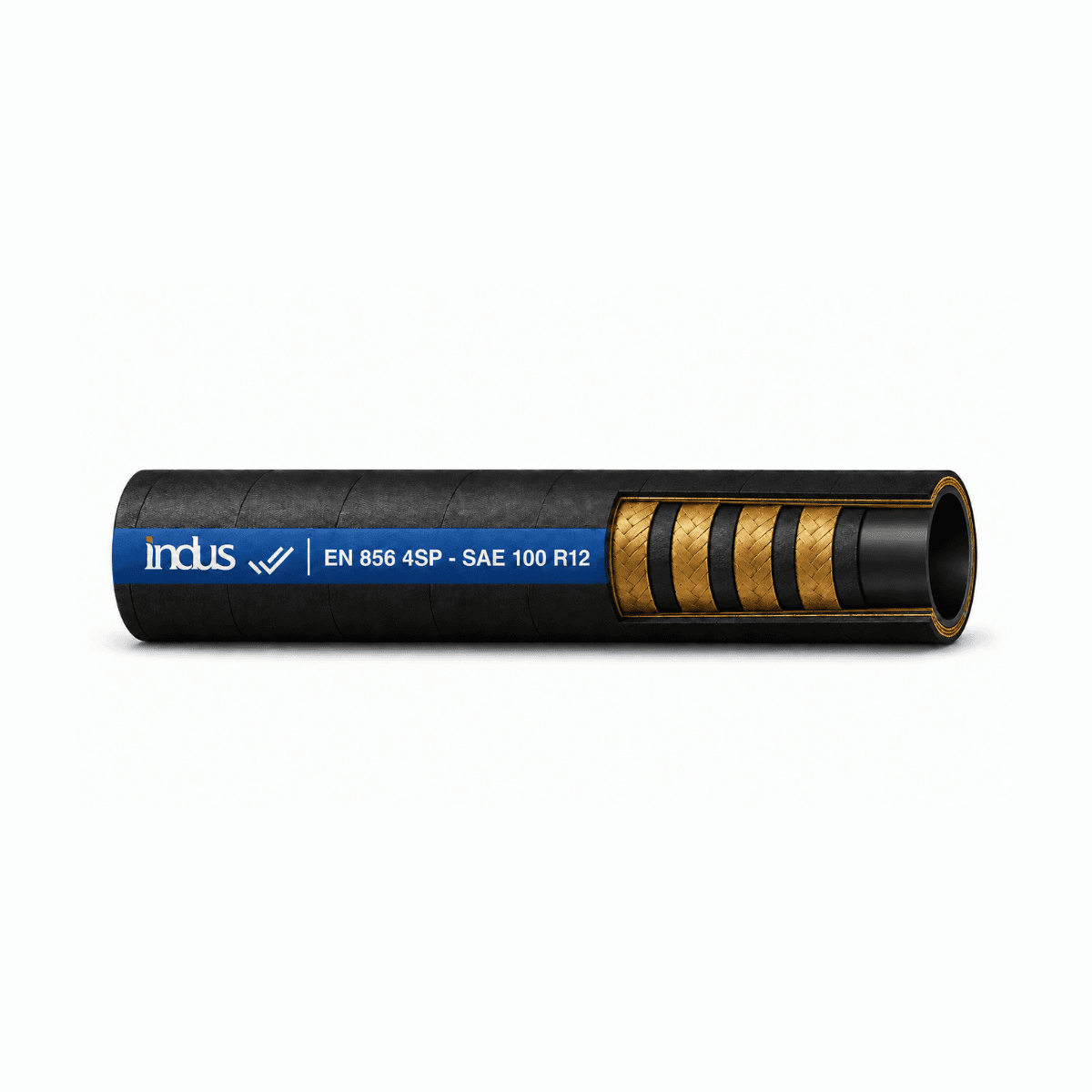
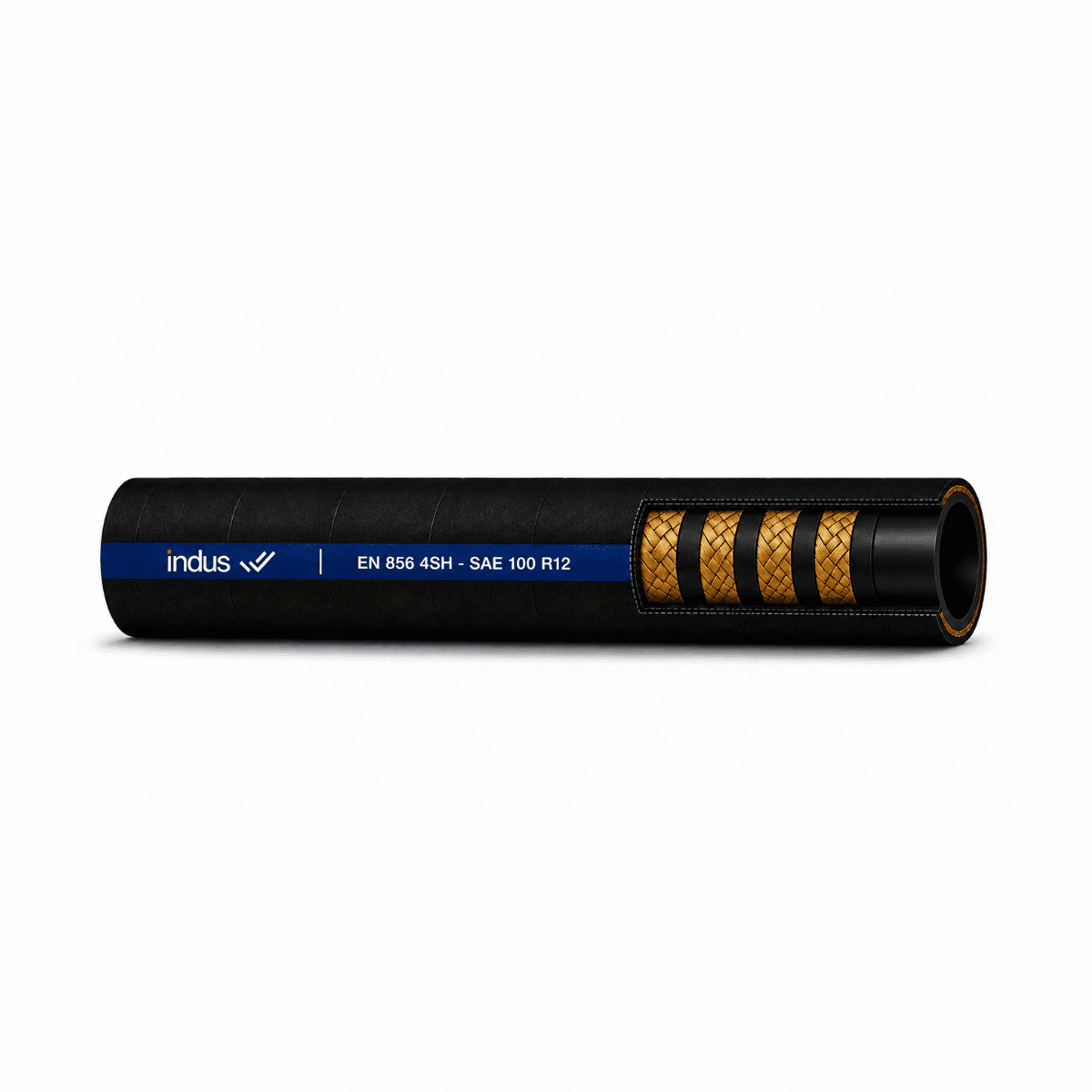
Grades a typical refit draws on

Common questions
Can you build from the old assemblies?
Yes — that is the normal way a refit runs. Each failed or removed assembly is the specification for its replacement, which is why removing them in a controlled way and labelling positions matters.
What do we get at the end besides hoses?
The schedule: every assembly with its bore, construction, length, ends and position, tagged so the record links to the physical hose. That is the asset that keeps paying.
Is it worth re-hosing a machine we plan to sell?
Often, yes — a machine with a documented full re-hose and a schedule is a materially easier sale than one with unknown hose age, particularly for export.
Can you standardise ends across the machine while you are at it?
Where the ports allow. A refit is the natural moment to consolidate onto fewer fitting families, because everything is off the machine and in one place.
Hose, fittings and ferrules
Everything a bulk refit is built from, in stock in Dubai.
Figures verified · Method and scope. Turnaround depends on the number of assemblies, grades and availability.
Service
112 assemblies for a rig refit
Bulk build and tagging, fourteen days, every hose traceable.
Recommissioning a machine or a rig?
Send the machine list or the removed assemblies. We will schedule the build, tag every assembly and hand back the record with them.
Plant-down? Call +971 52 2477942 — 24/7