
Choose on working load limit, not on size
Every part here is rated by its working load limit: the heaviest load it may carry in service. Start from the load and how it is rigged — the number of legs, the sling angle, how the weight is shared — and choose the component whose WLL covers the worst-loaded leg. Two parts of the same nominal size can carry very different loads: a Grade 80 hook and a carbon hook of the same frame, or a shackle loaded straight and one side-loaded. Proof and breaking loads are test figures; never select on them.
Design factors and patterns
A lifting component is rated with a design factor between its WLL and its minimum breaking load. Alloy chain and its fittings are typically rated at 4:1, wire rope slings at 5:1, and forged shackles at 5:1 or 6:1 depending on the standard they are made to. Each size table shows the ratings the manufacturer publishes, in the unit they are rated in, and each product page names the pattern or standard its range follows — DIN 580, EN 13411-3 or the US G-209 and G-2130 patterns, for example.
What ships with it
Every consignment ships with the manufacturer's test certificate. If your site needs more — third-party certification or witnessed proof testing — put it on the RFQ and we will confirm what we can arrange before we quote.
Questions we get asked
About this range
- 01What is the difference between WLL, SWL and breaking load?
- WLL — working load limit — is the most the manufacturer rates a part to carry in service. SWL, safe working load, is the older term and is sometimes set lower for a particular installation. The minimum breaking load is what the part withstood in test, several times its WLL, and it is never a working figure.
- 02Can Grade 30, 43 or 70 chain be used for lifting?
- No. Proof coil (Grade 30), high test (Grade 43) and transport (Grade 70) chain are made for tie-down, towing and general duty. Overhead lifting with chain calls for alloy chain — Grade 80 or Grade 100 — with fittings of the same grade.
- 03Do the parts come with test certificates?
- Yes. Each consignment ships with the manufacturer's test certificate. If your site needs more — third-party certification or witnessed proof testing — say so on the RFQ and we will confirm what we can arrange.
- 04How do I read an Indus lifting part number?
- IH-LR, then the family code, then the size. Inch sizes are written in hundredths of an inch (075 is 3/4″, 025X200 is 1/4″ × 2″), metric sizes in millimetres (10MM, M16), and capacities in tonnes (0T5 is 0.5 t). A trailing -C or -A marks the carbon-steel and alloy-steel versions of the same hook or link.
Category
Lifting & Rigging
Shackles, hooks, lifting chain, wire rope, slings, hoists and blocks for lifting and rigging — each size under an Indus part number, with the working load limit wherever the manufacturer rates it. Supplied from Dubai with the manufacturer's test certificate.
Size range
Every size above is a part number you can quote from. Open any listing for its full table.
Delivery
Lifting & Rigging across the Gulf
Ex-stock from Dubai, delivered within 3 working days in the UAE.
Rigging hardware is bought on its working load limit and its certificate, and both travel with the part: every shackle, hook, chain and sling ships from Dubai with the manufacturer's test certificate, so the receiving inspection checks a document against a stamp rather than a claim. Hardware and fittings go by air or courier in cartons; wire rope, chain, hoists and anchors are heavy enough that sea freight is usually the sensible answer.
Beyond the Gulf
- CIS & Caucasus
- Kazakhstan, Azerbaijan, Moldova
- East Africa
- Kenya, Mozambique, Tanzania
- West & Central Africa
- Nigeria, Burkina Faso, Niger
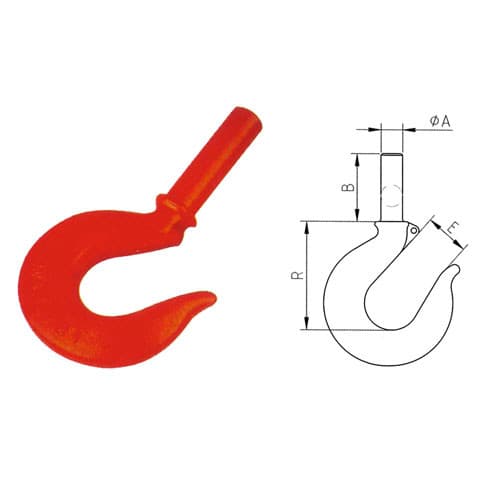
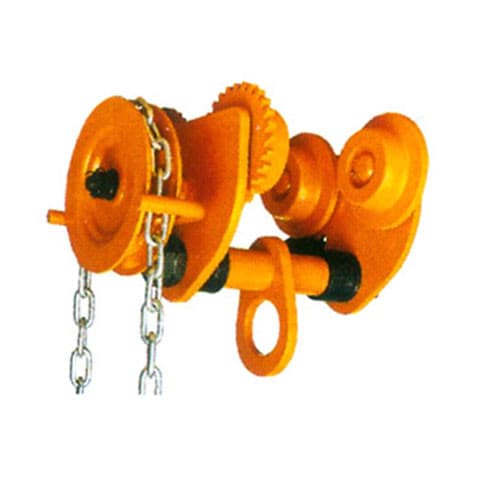
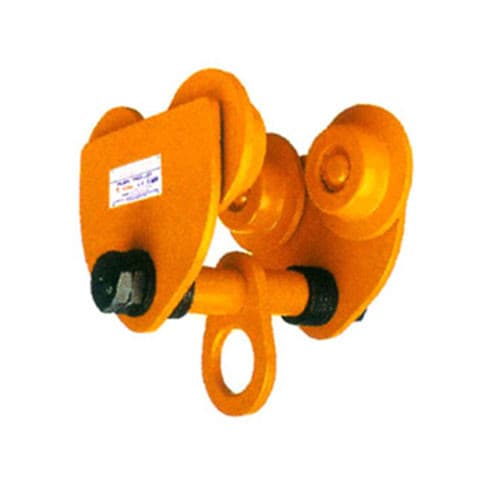
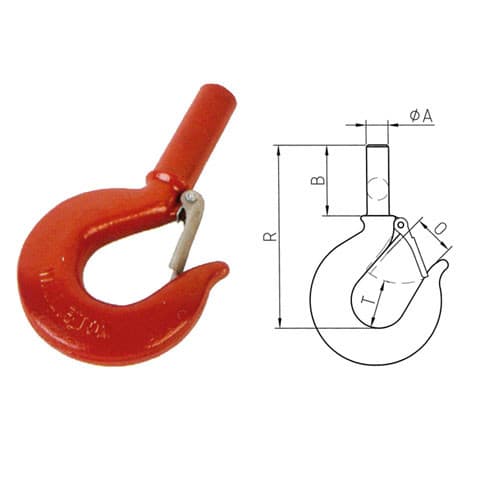
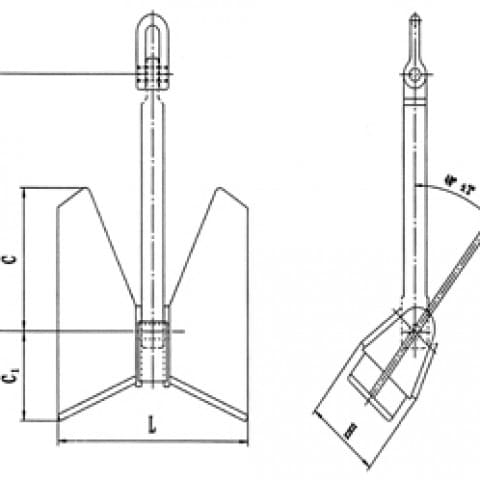
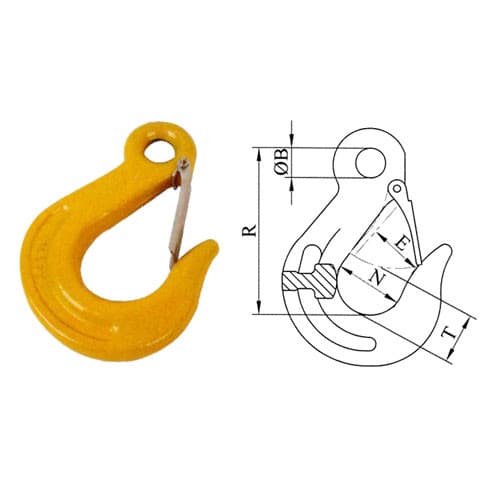
Shank Hoist Hook with Latch — 319 Pattern
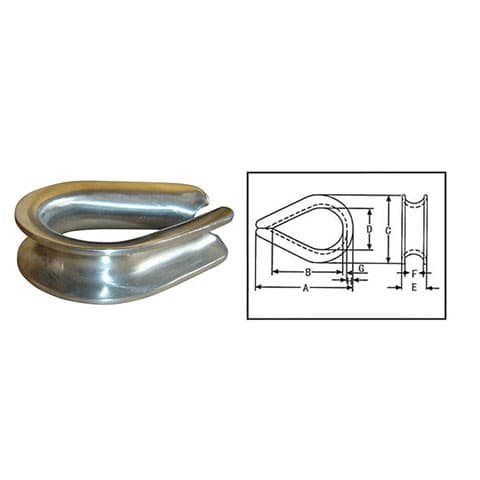
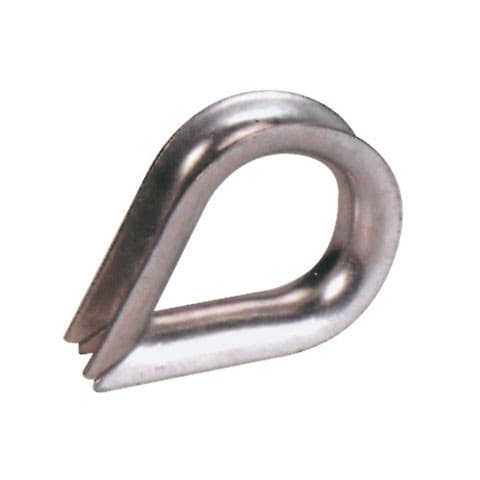
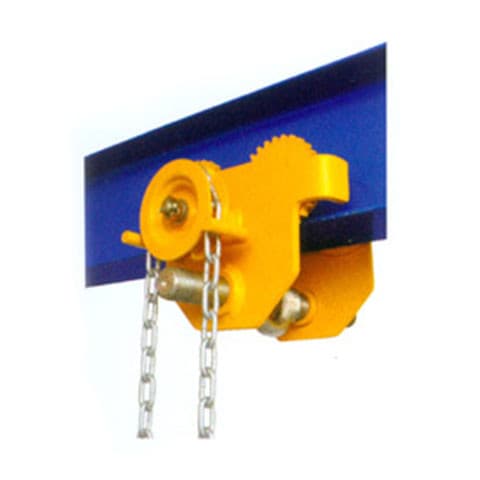
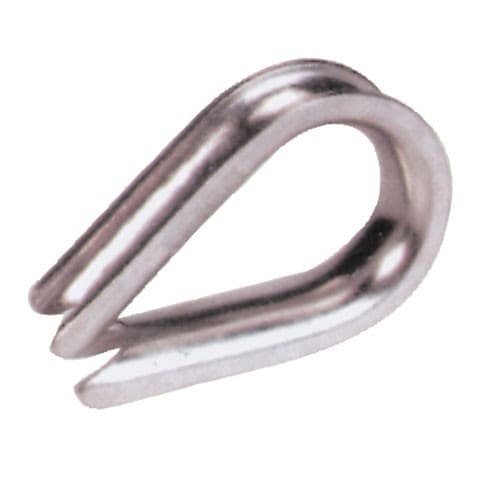
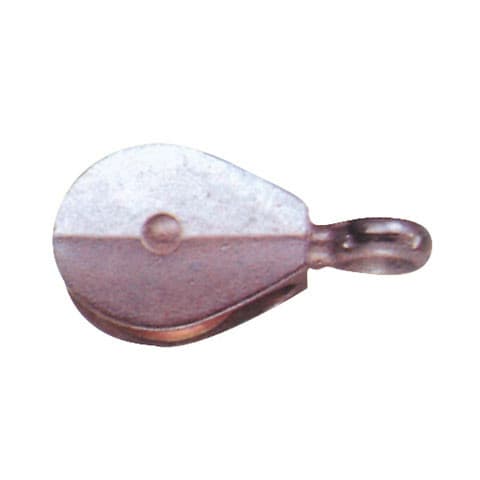
Extra Heavy Wire Rope Thimble — G-414 Pattern, Hot-Dip Galvanized
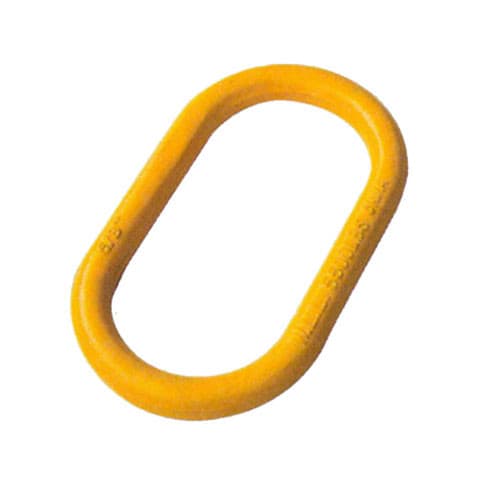
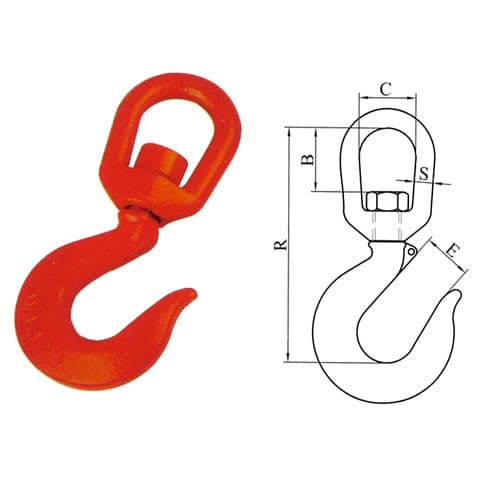
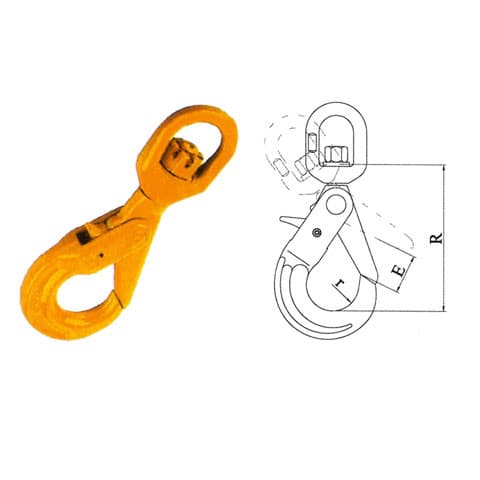
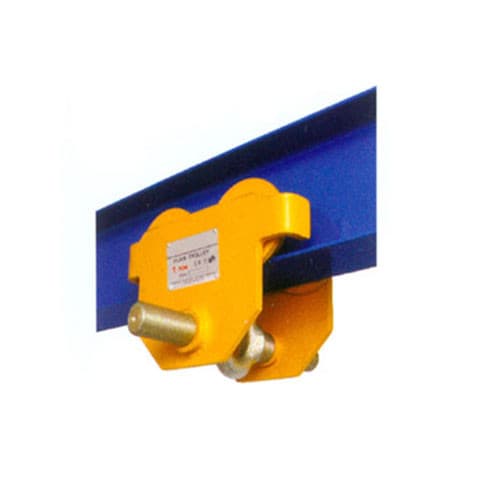
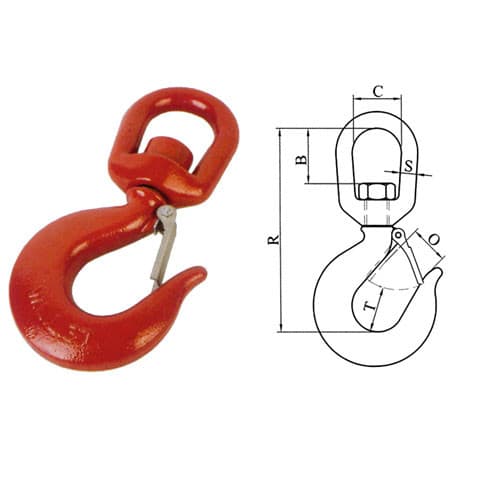
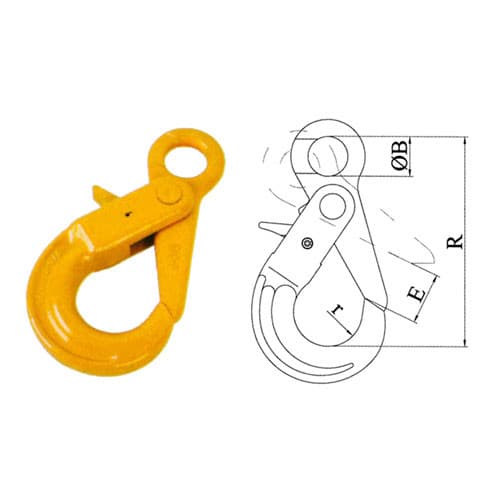
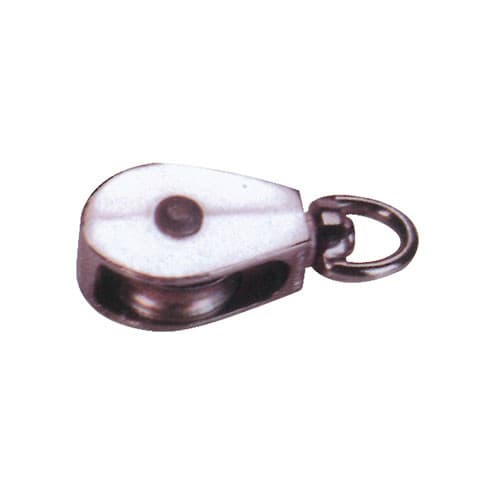
Swivel Hoist Hook with Latch — 322 Pattern
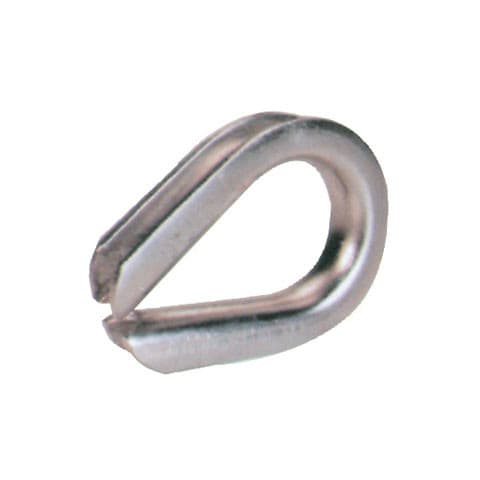
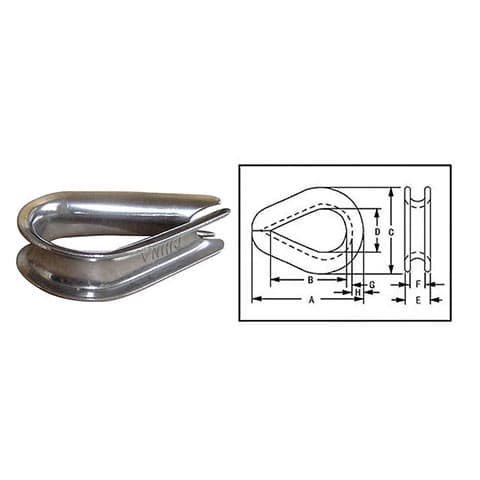
Stainless Steel Extra Heavy Wire Rope Thimble — US Type
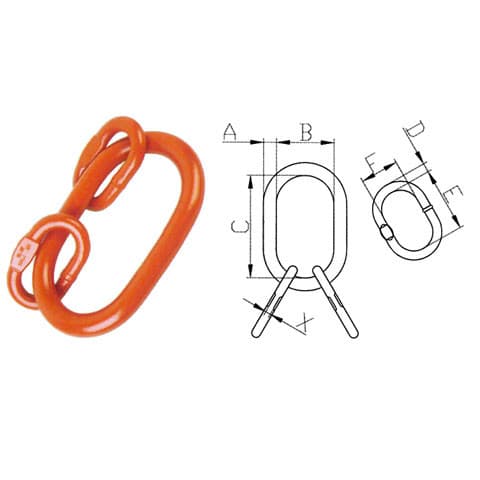
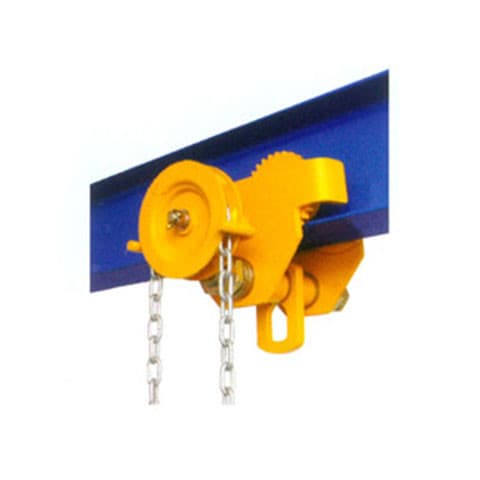
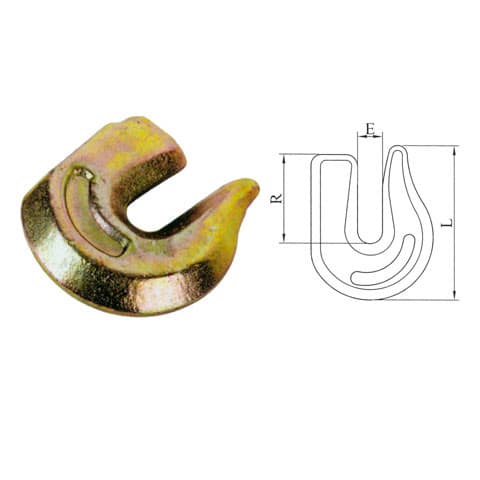
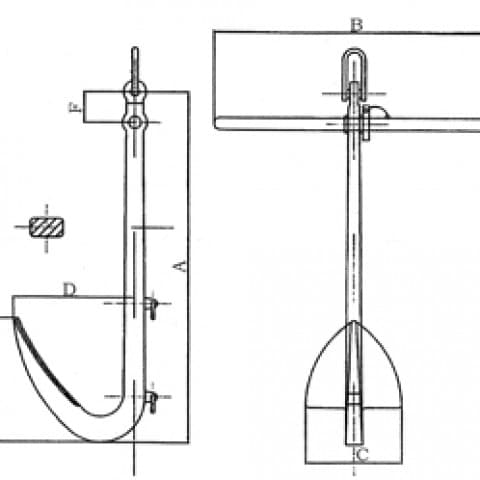
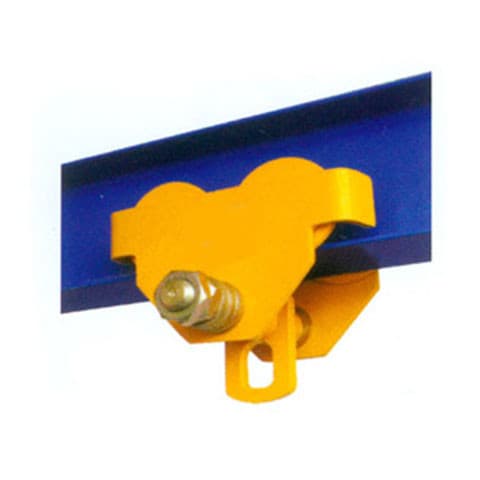
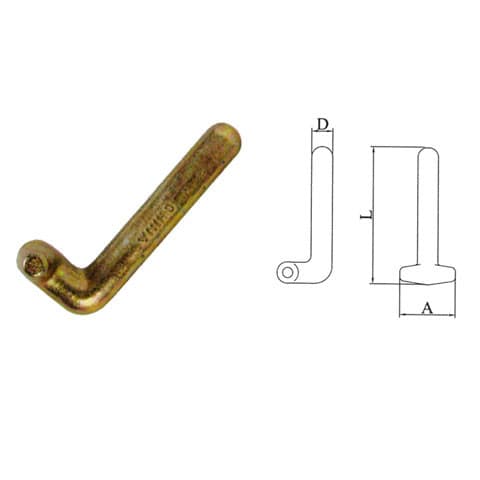
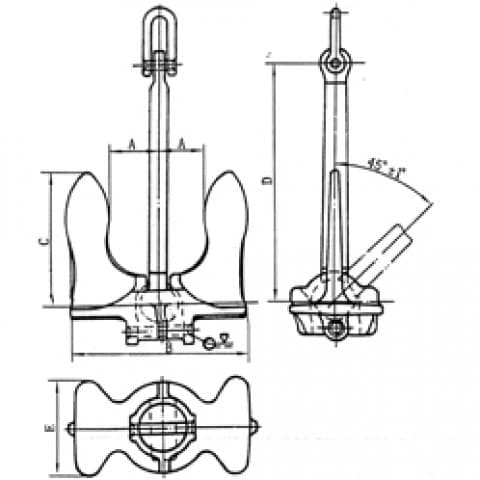
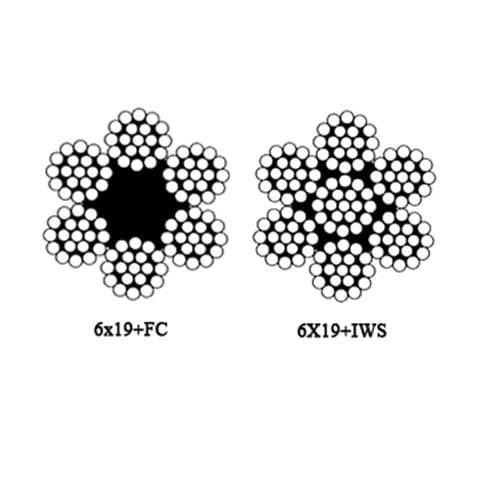
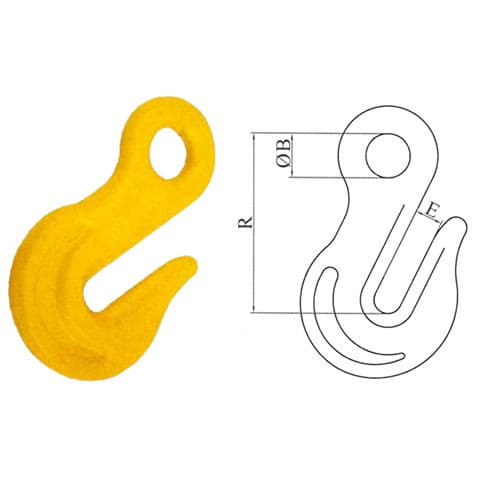
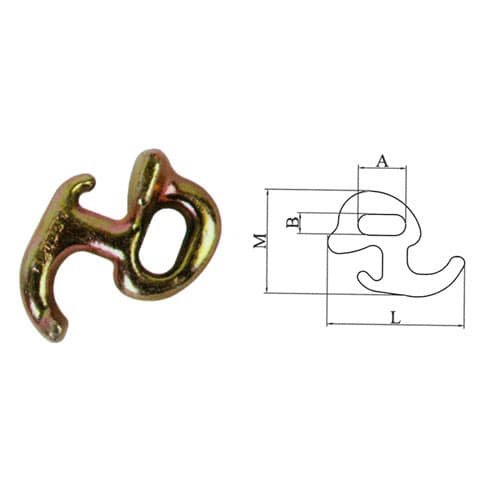
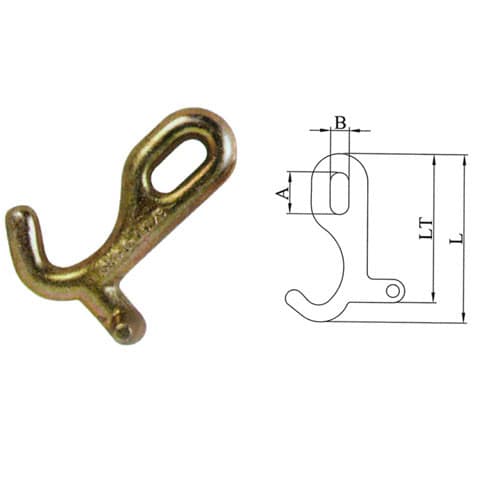
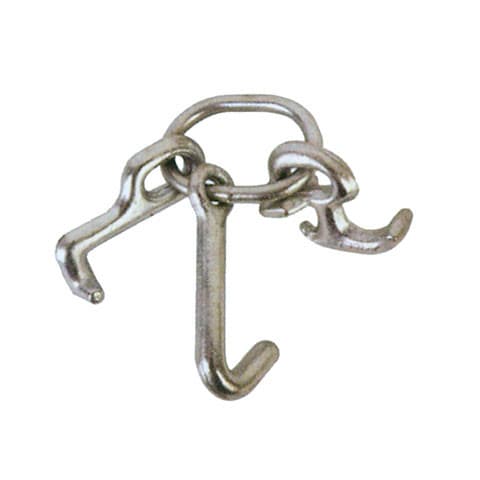
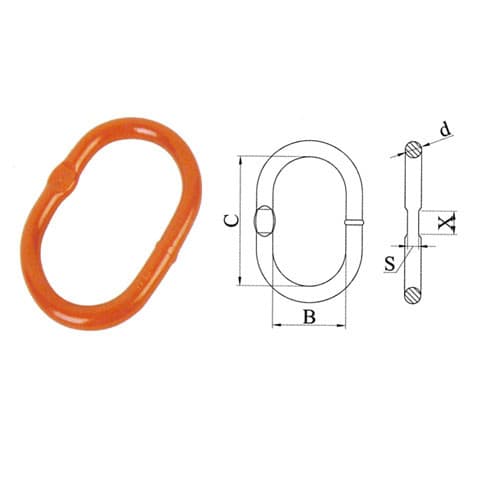
Cluster Hook R-T-J — Single Ring
From the blog
Written about this range
Lifting & rigging
When to take lifting gear out of service: rejection criteria for slings, chain, shackles and hooks
A sling with ten broken wires in one lay, a chain link worn by a tenth, a hook opened by 15%, a polyester sling with a cut deeper than a tenth of its width, or any item with no readable tag — each comes out of service. Here are the discard criteria for every common piece of lifting gear, in one place.
6 min read
Lifting & rigging
What a lifting gear test certificate proves — and how to read one
New lifting gear arrives with a manufacturer’s certificate; gear in service carries a report of thorough examination. They answer different questions. The first proves the item was made and tested to its standard; the second says it was fit to use on the day it was examined. Here is what each must contain, and the checks to make before the first lift.
6 min read
Lifting & rigging
Lifting equipment inspection in the UAE: what Abu Dhabi and Dubai require
In Abu Dhabi, lifting accessories must be thoroughly examined by an approved third party at least every six months and lifting equipment every twelve — it is written into the emirate’s code of practice. Dubai requires annual certification by an EIAC-accredited inspector, and accredited inspectors apply six months to accessories. Here is what each document says.
8 min read