- 01What is the difference between a push trolley and a geared trolley?
- A push trolley is moved by pushing on the load; a geared trolley is driven by a hand chain, which gives finer positioning and is easier with heavier loads.
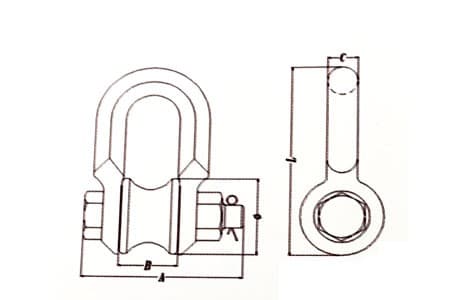
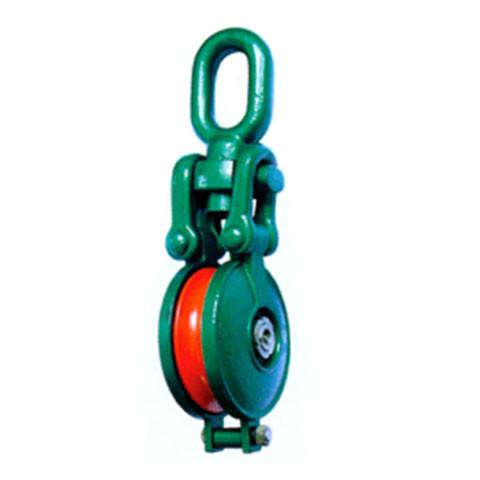
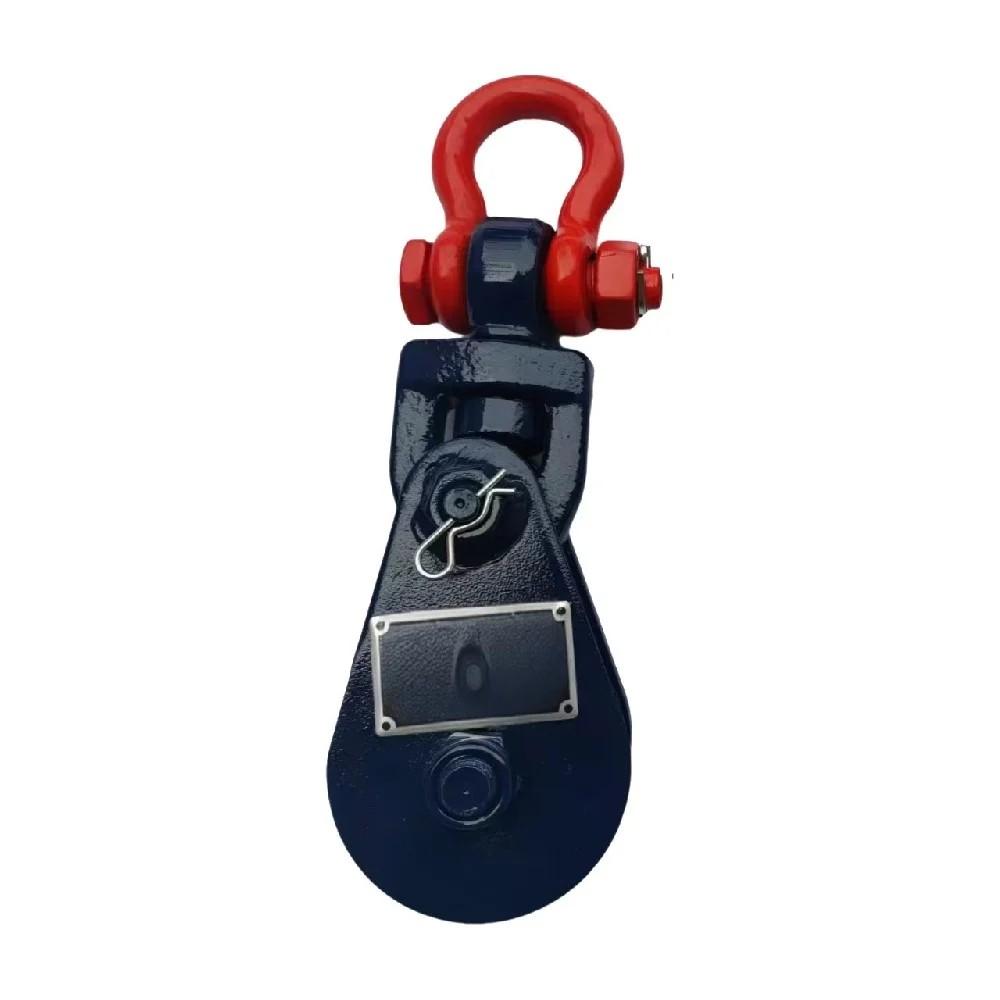
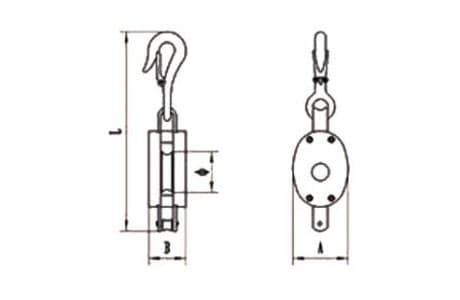
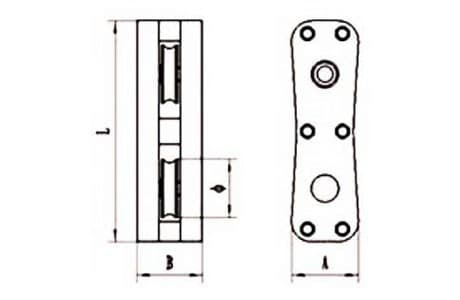
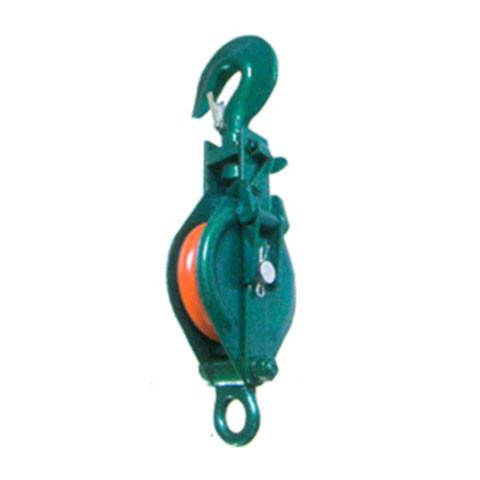
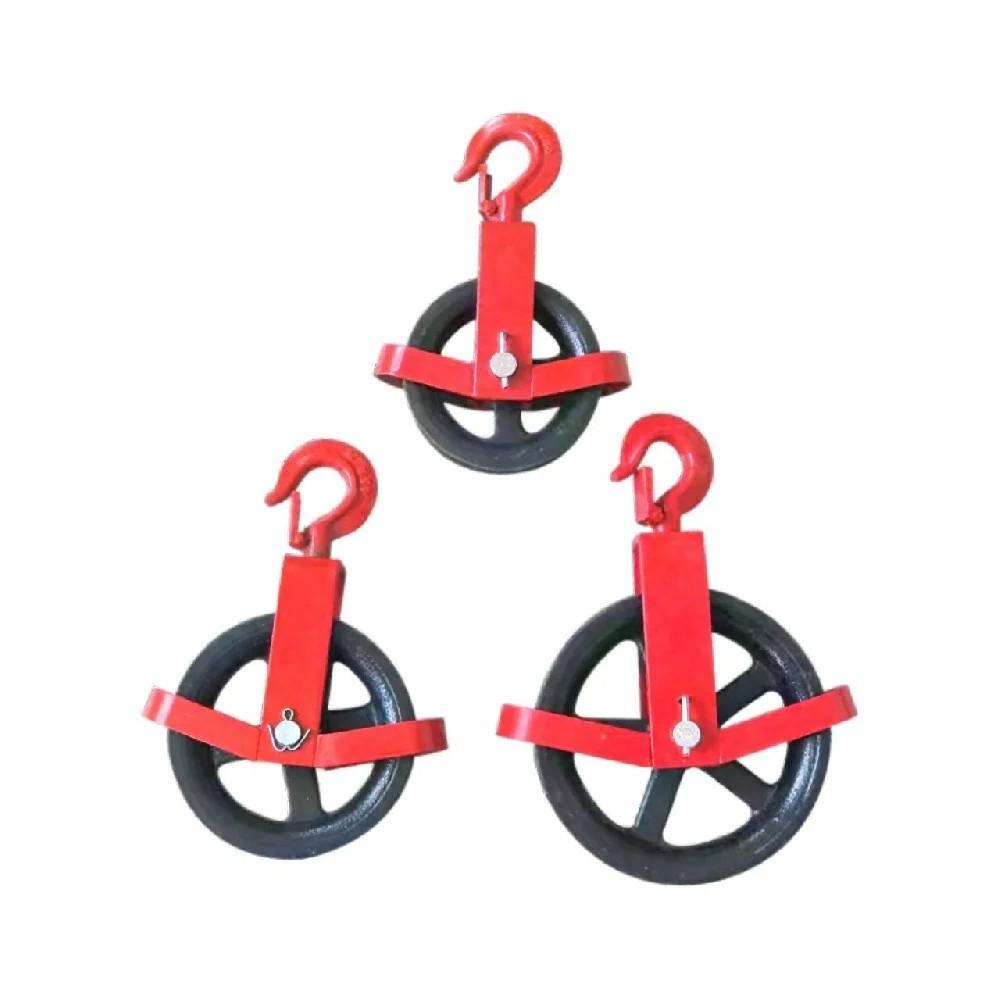
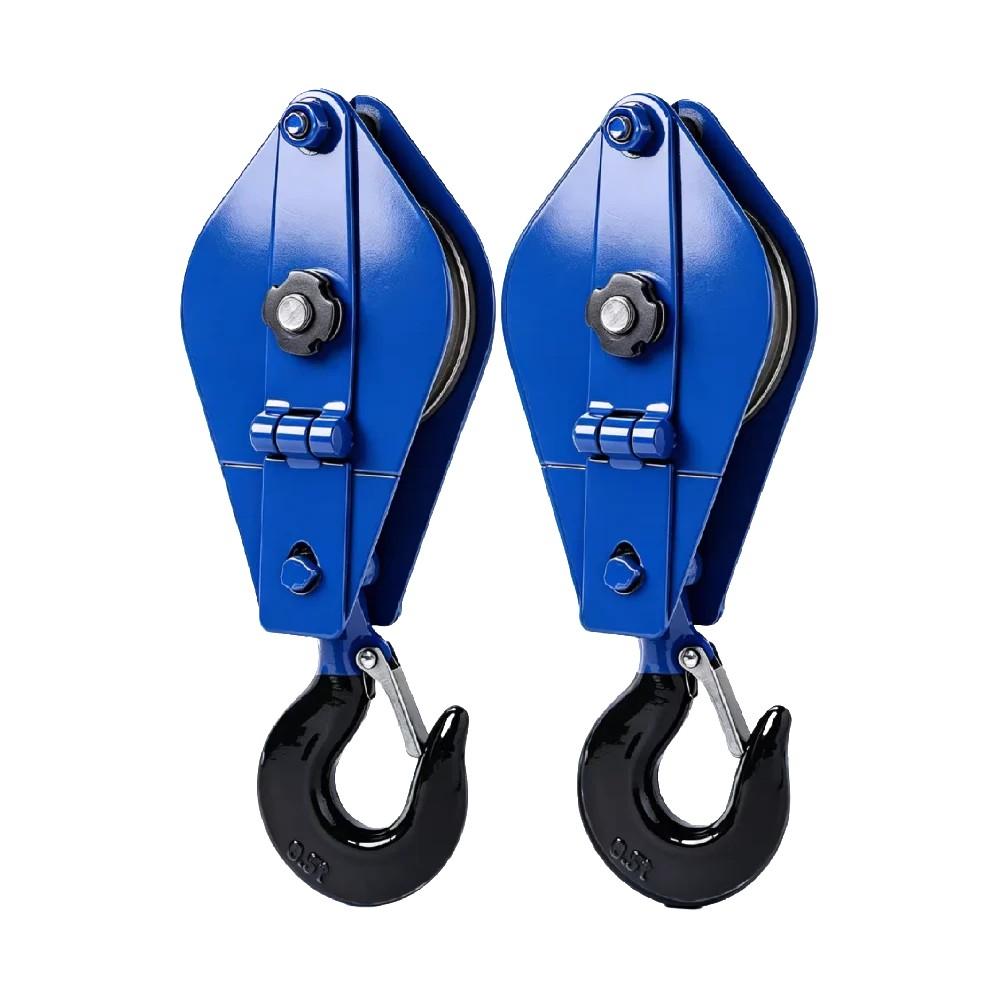
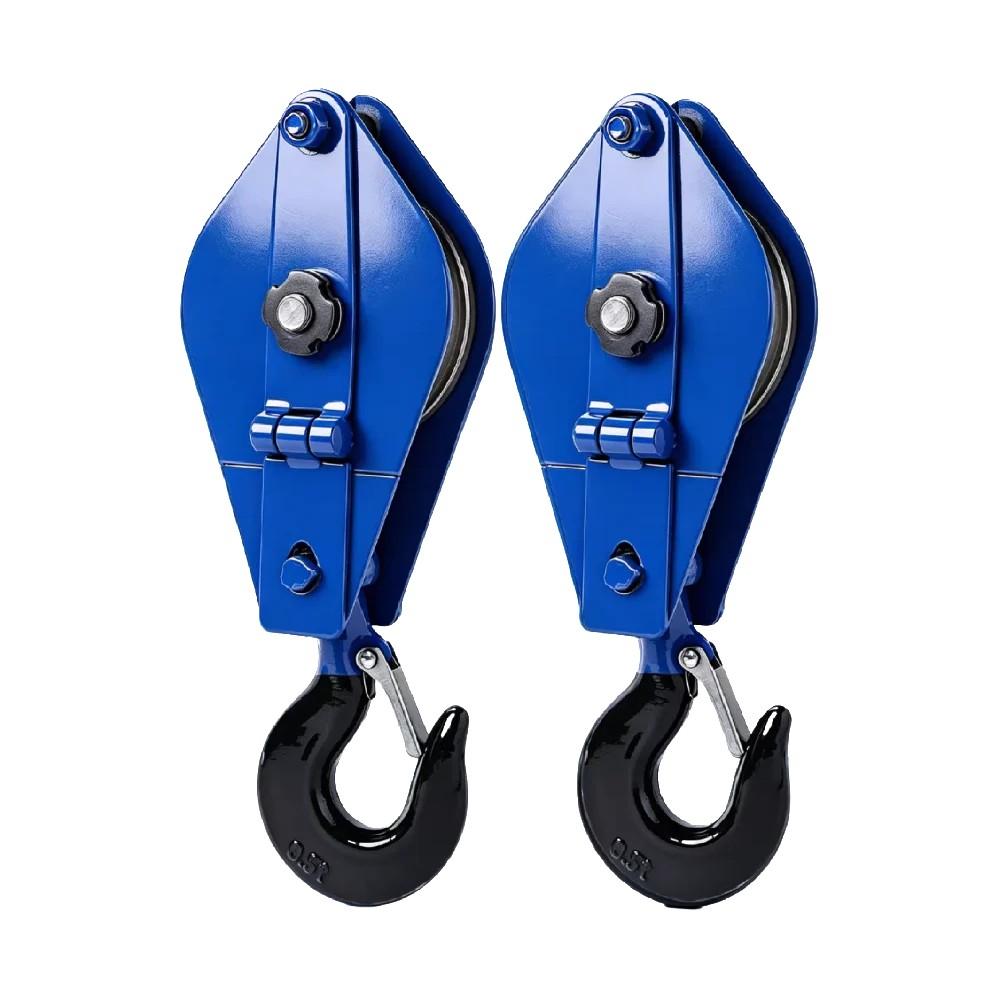
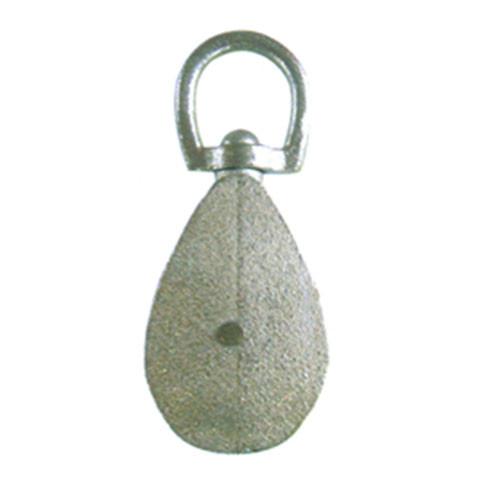
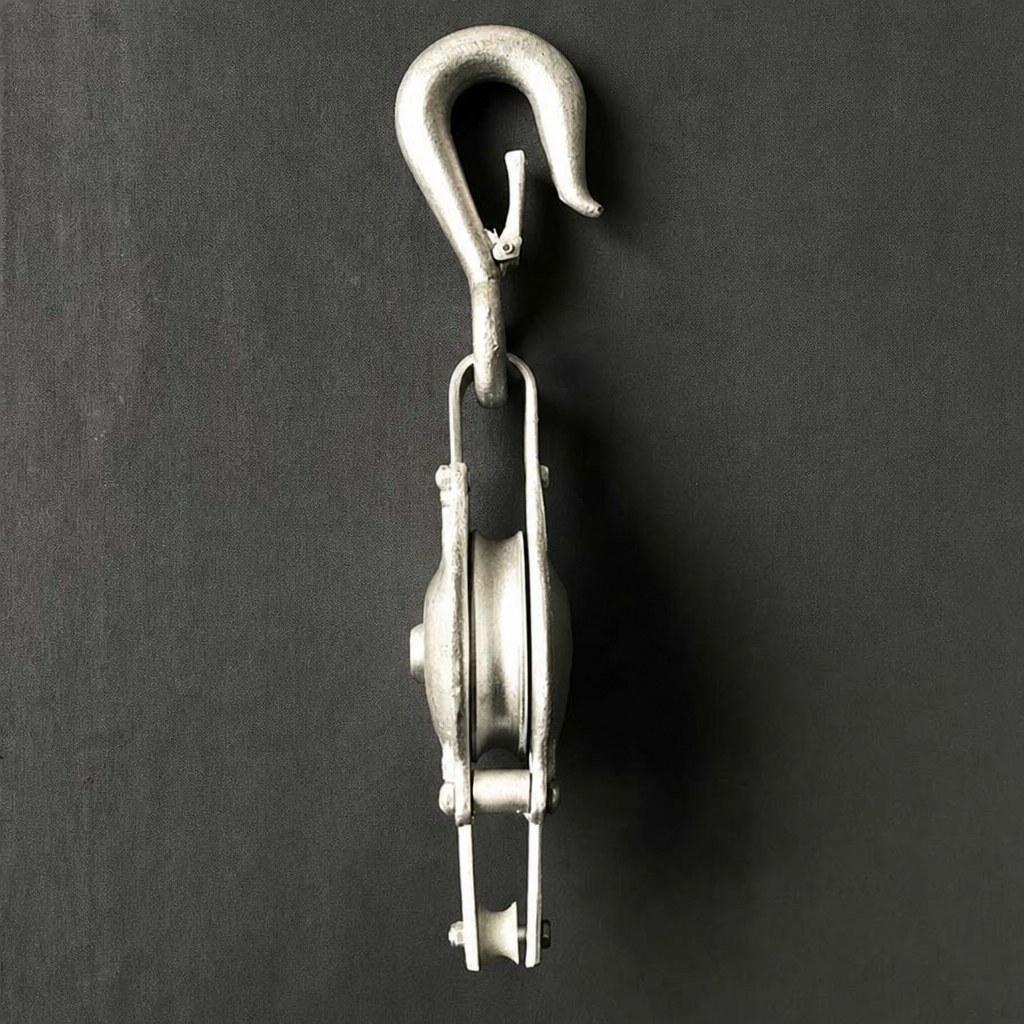
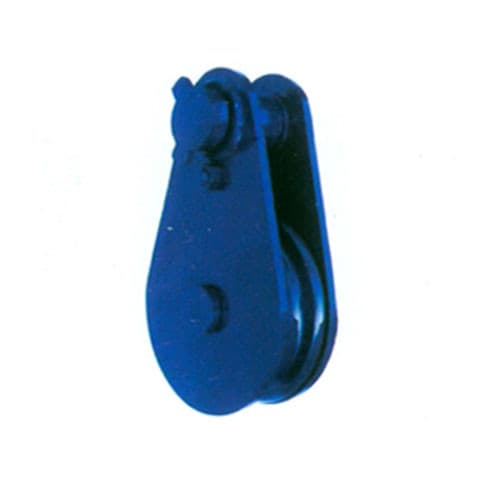
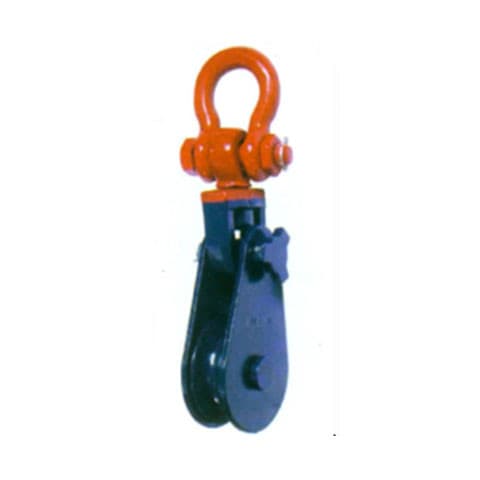
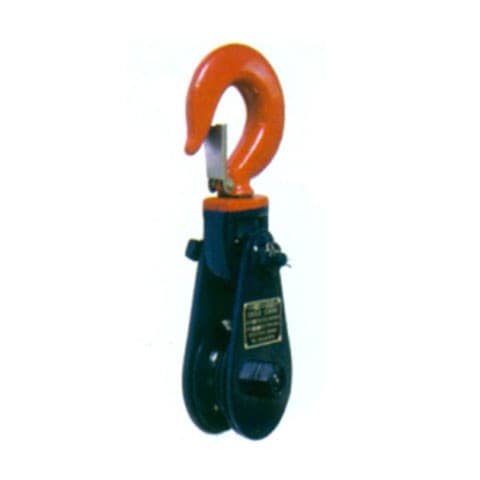
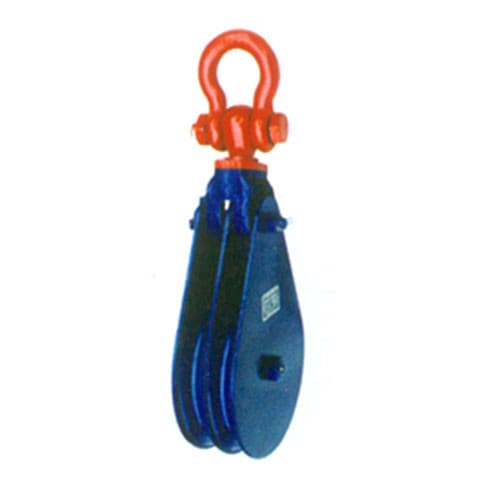
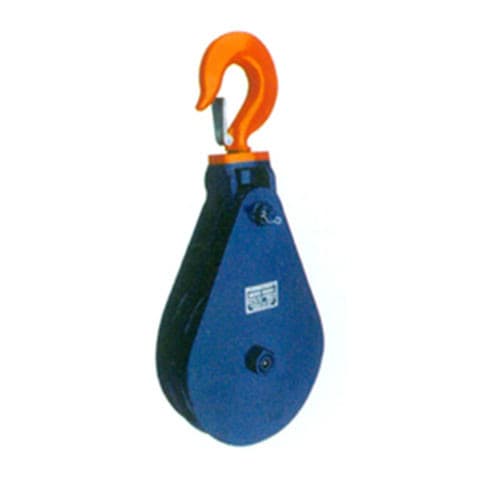
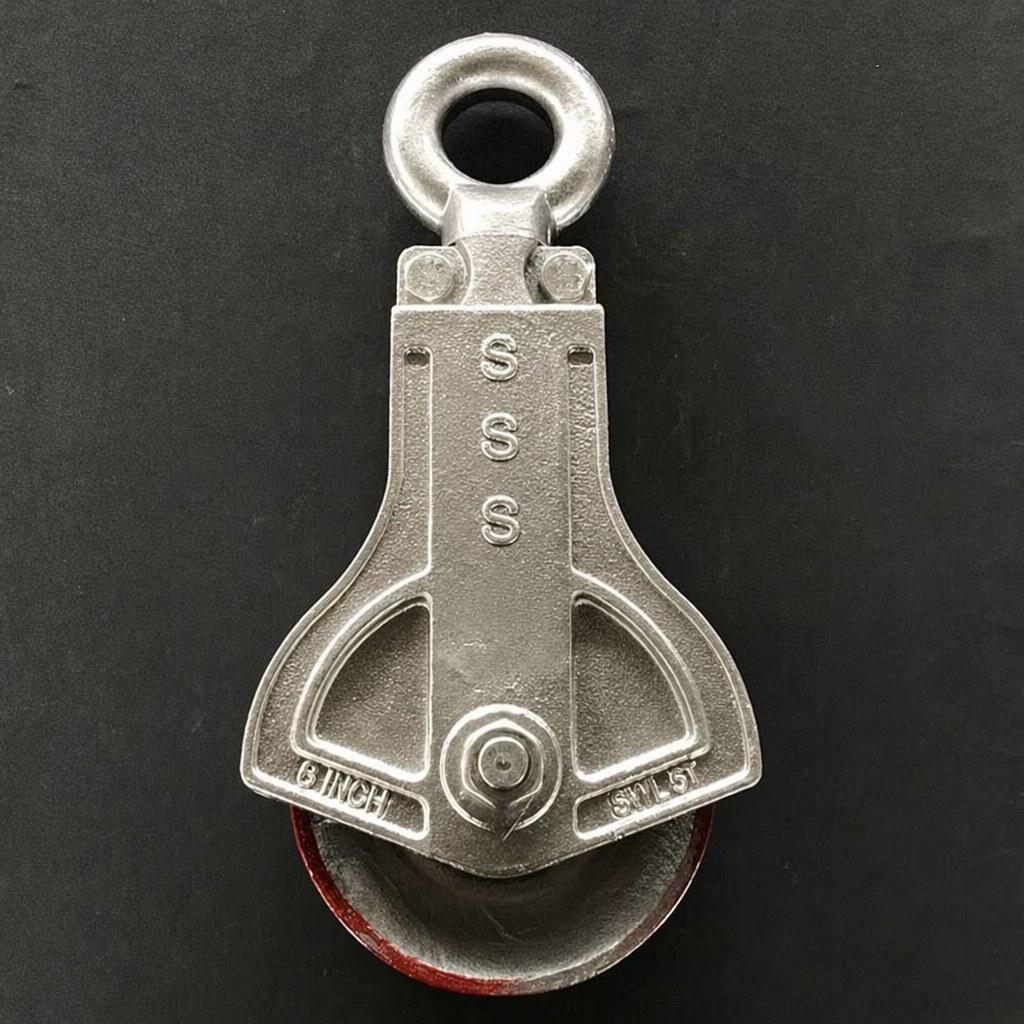
- 02Can a snatch block be used for lifting?
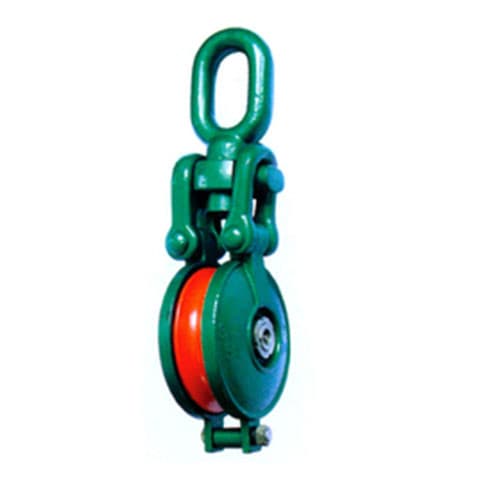
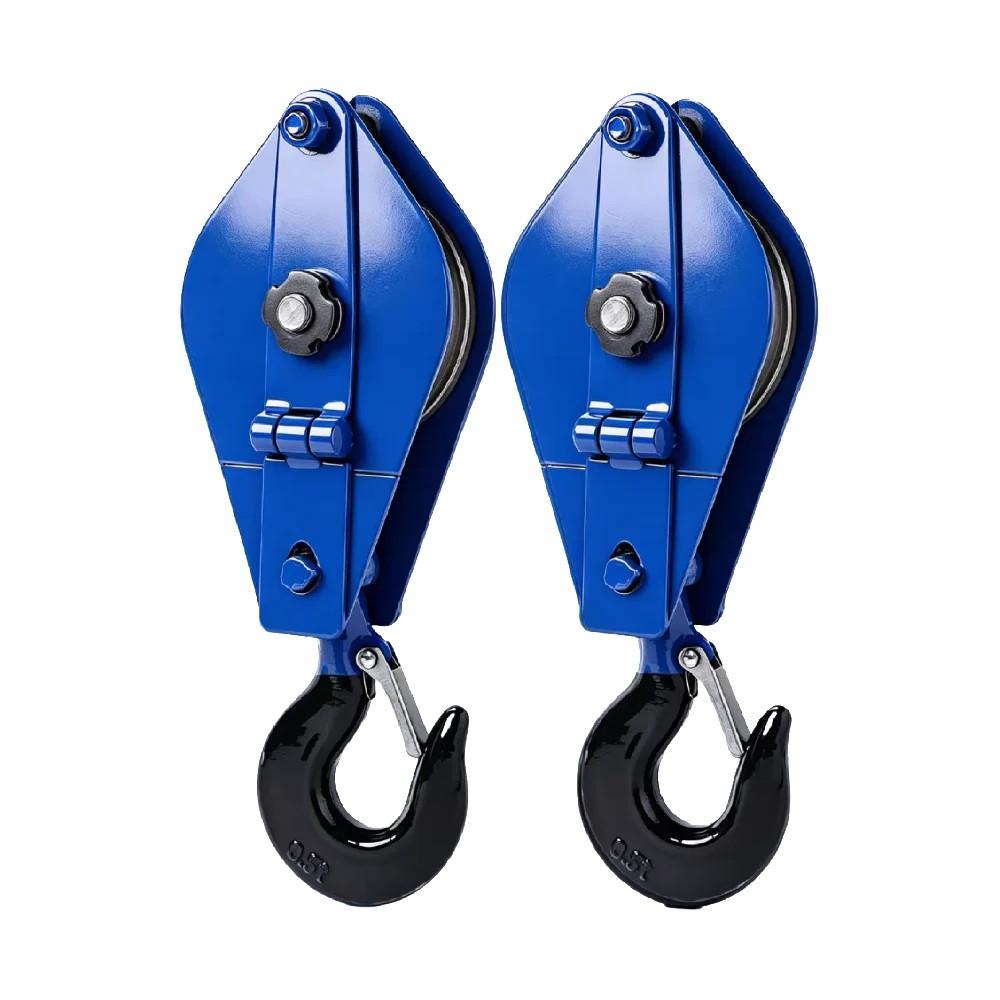
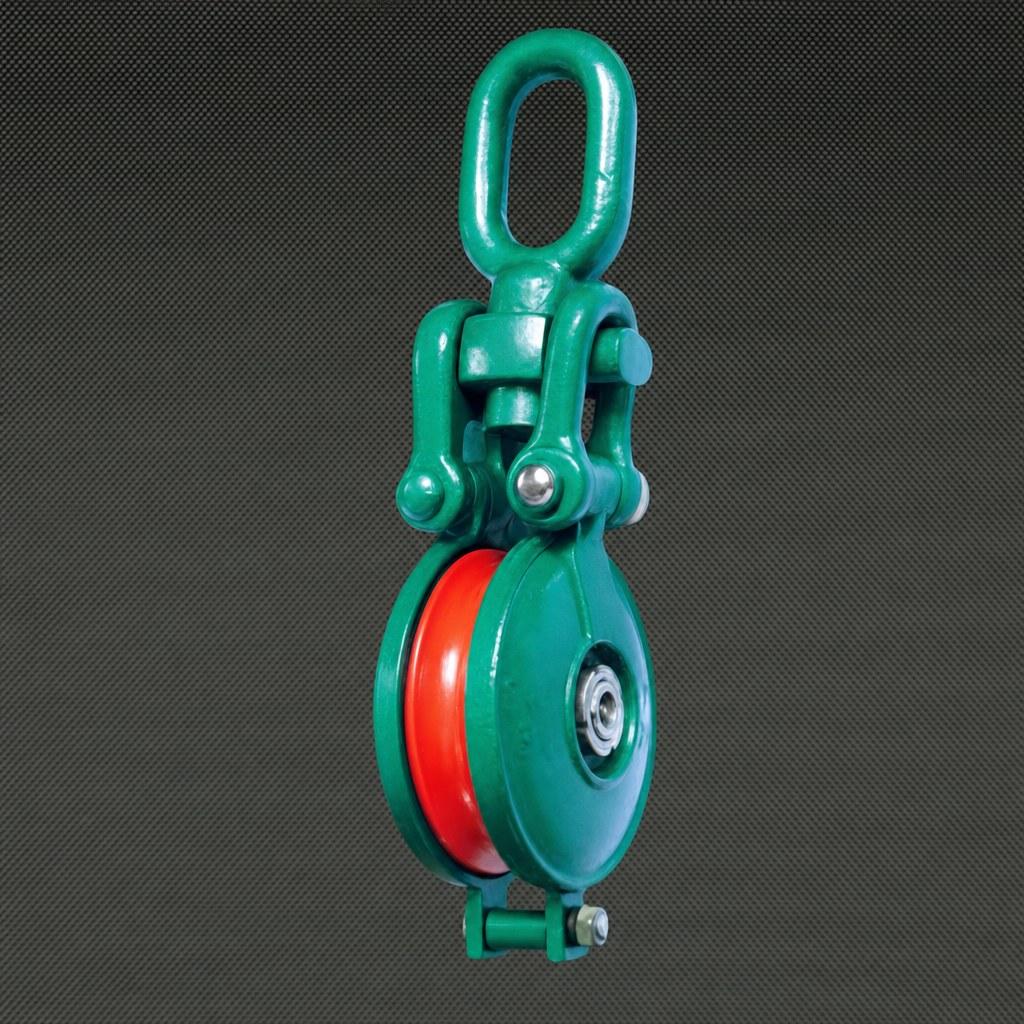
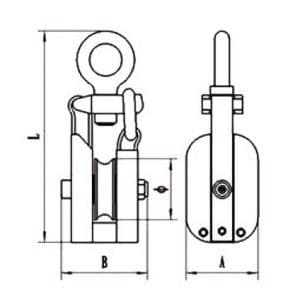
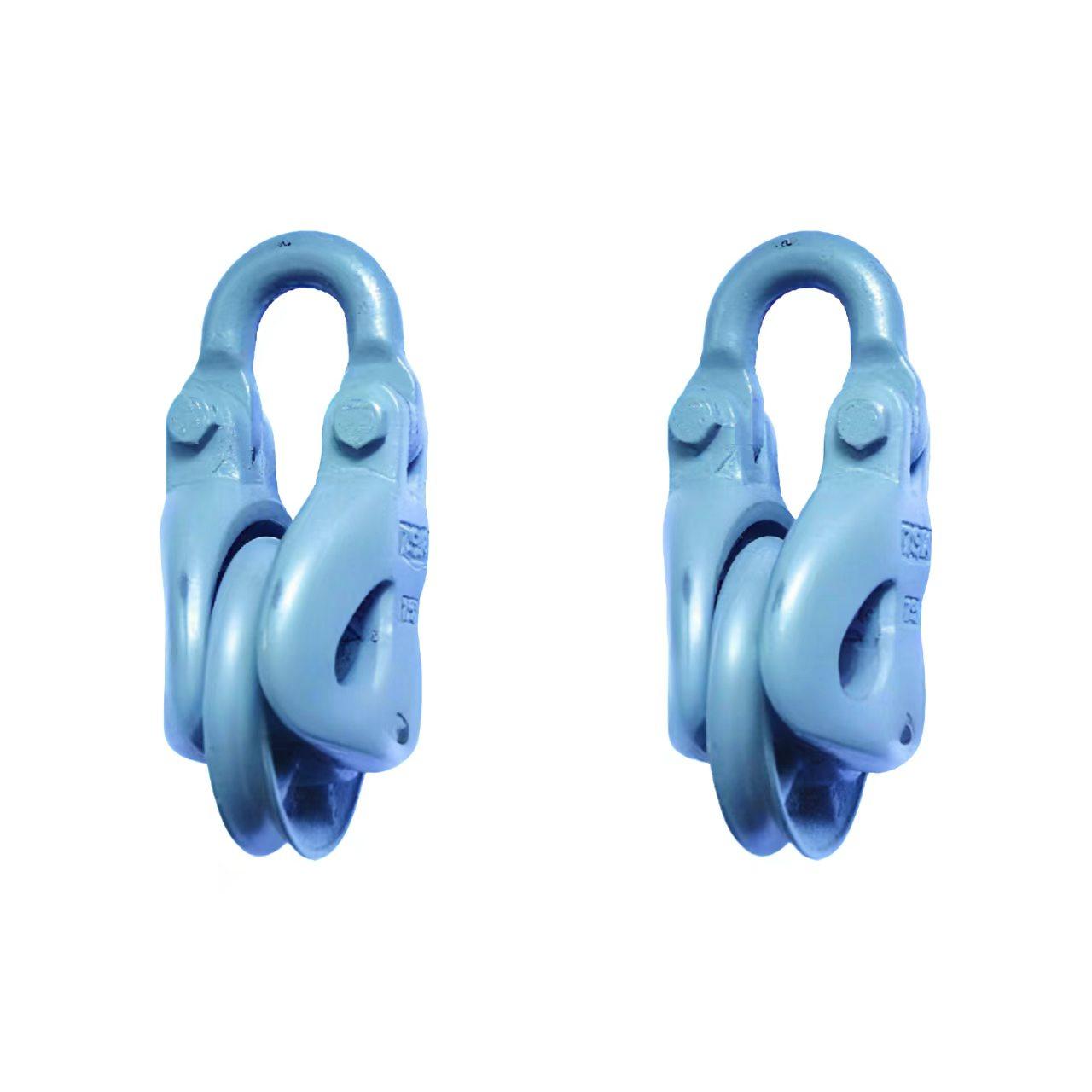
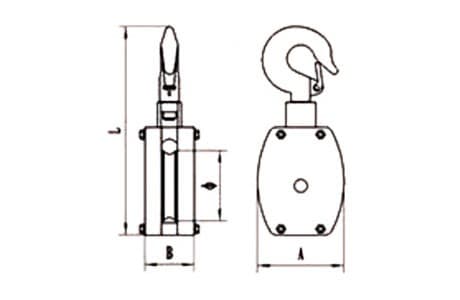
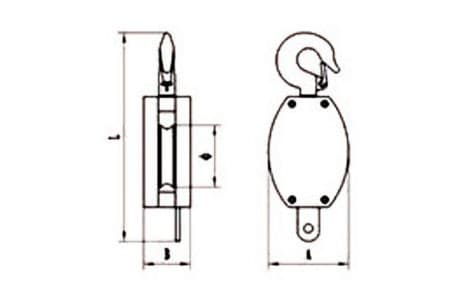
- Yes, within its rated load — but the load on the block is not the load on the rope. With the rope turned through 180° the block carries about twice the line pull, so rate the block, its hook or shackle and its anchor point for that.
- 03Do the parts come with test certificates?
- Yes. Each consignment ships with the manufacturer's test certificate. If your site needs more — third-party certification or witnessed proof testing — say so on the RFQ and we will confirm what we can arrange.
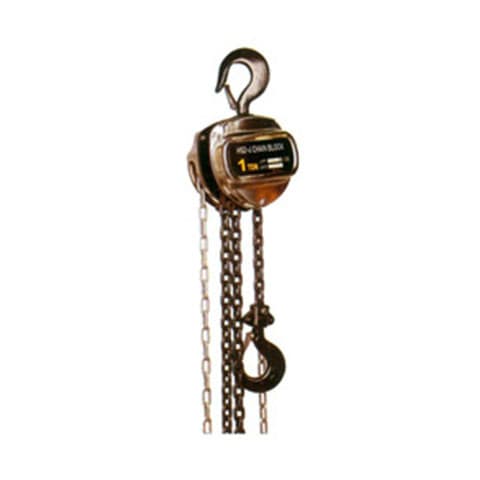
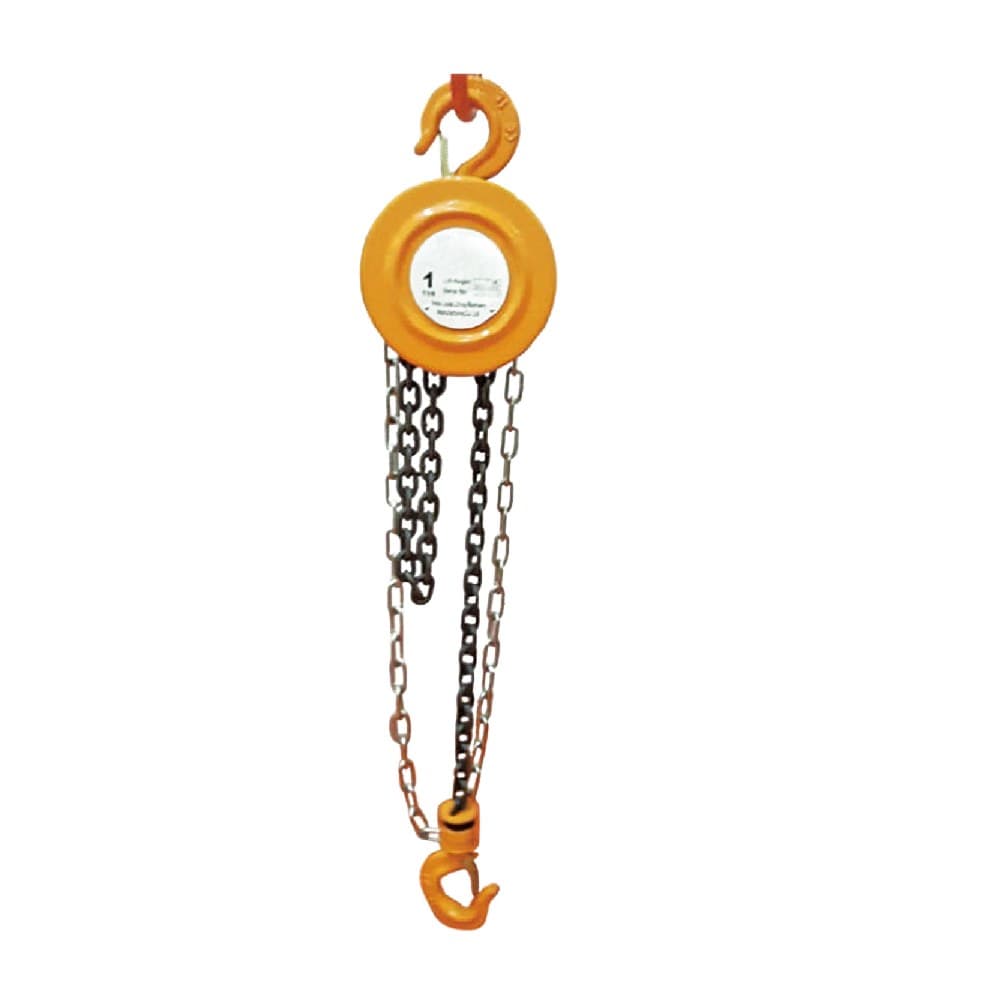
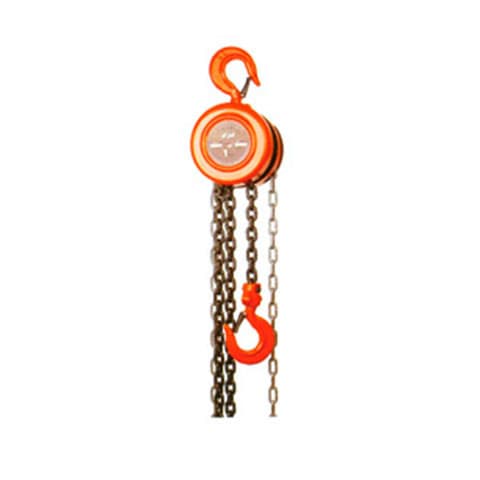
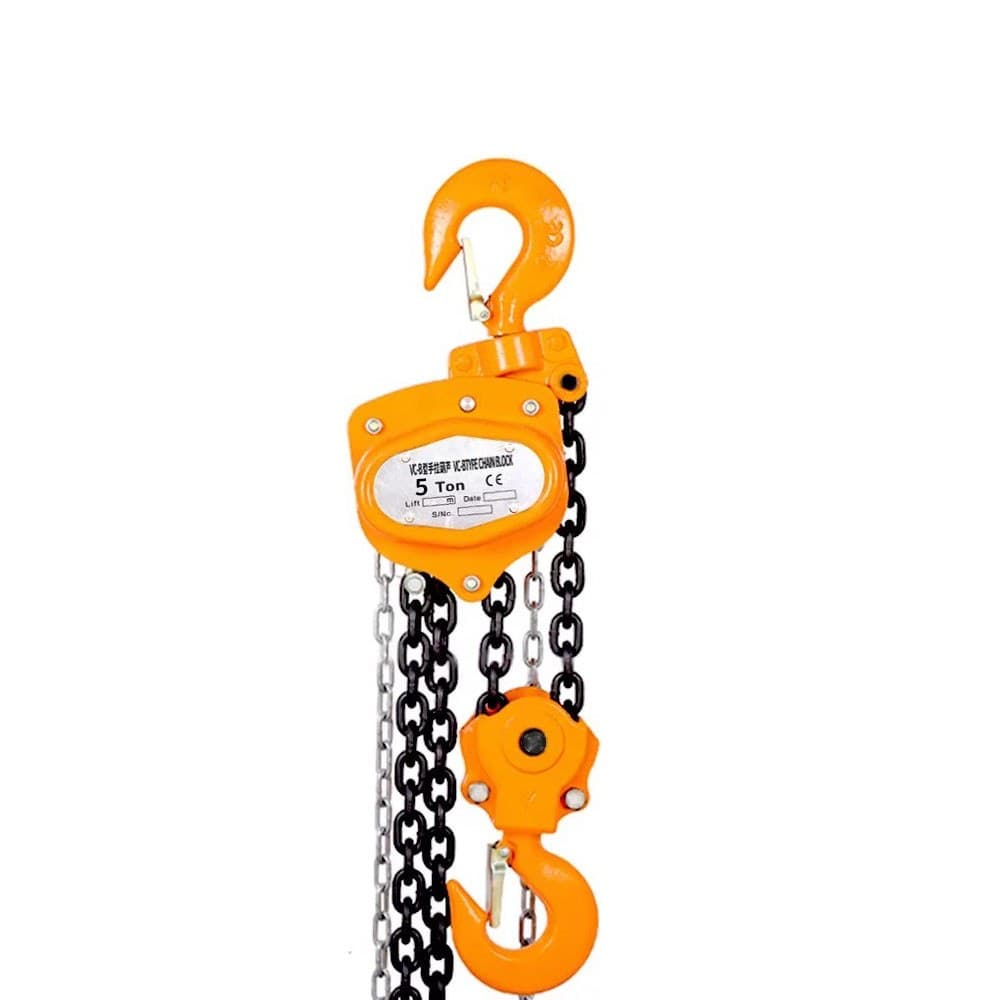
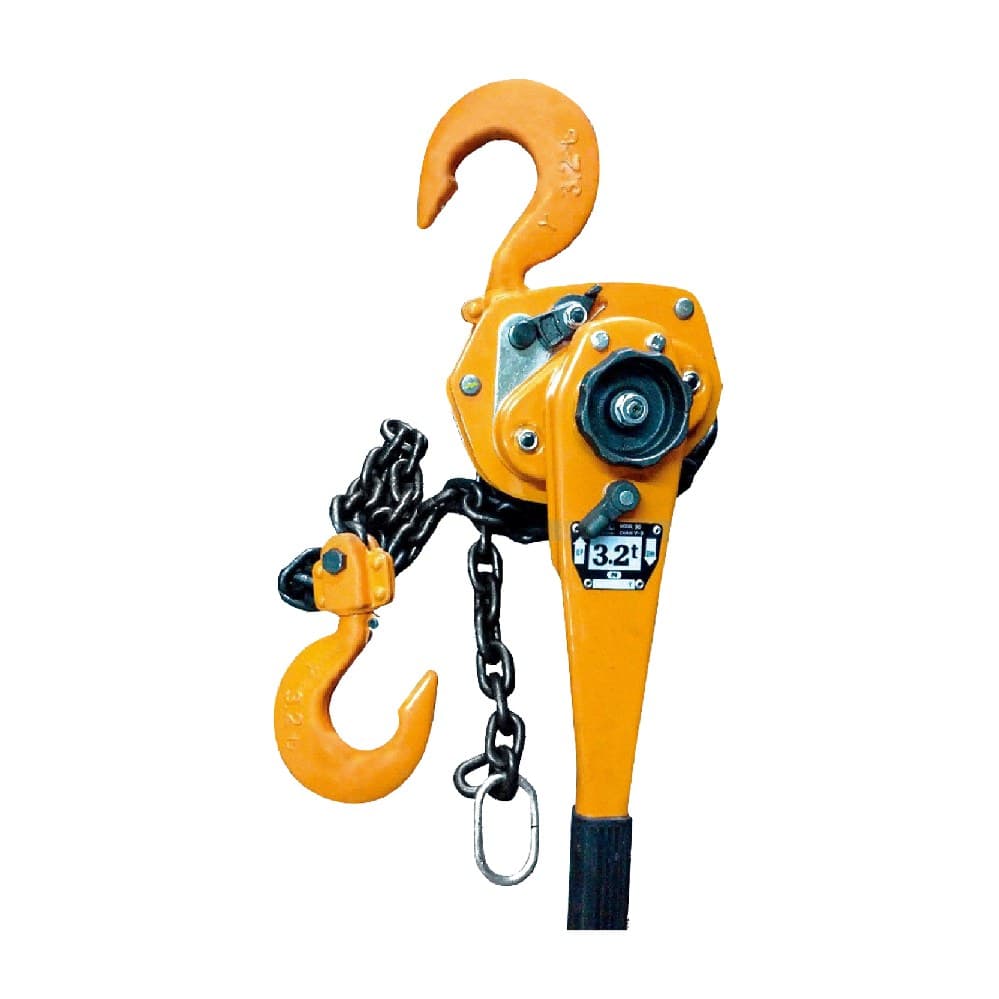
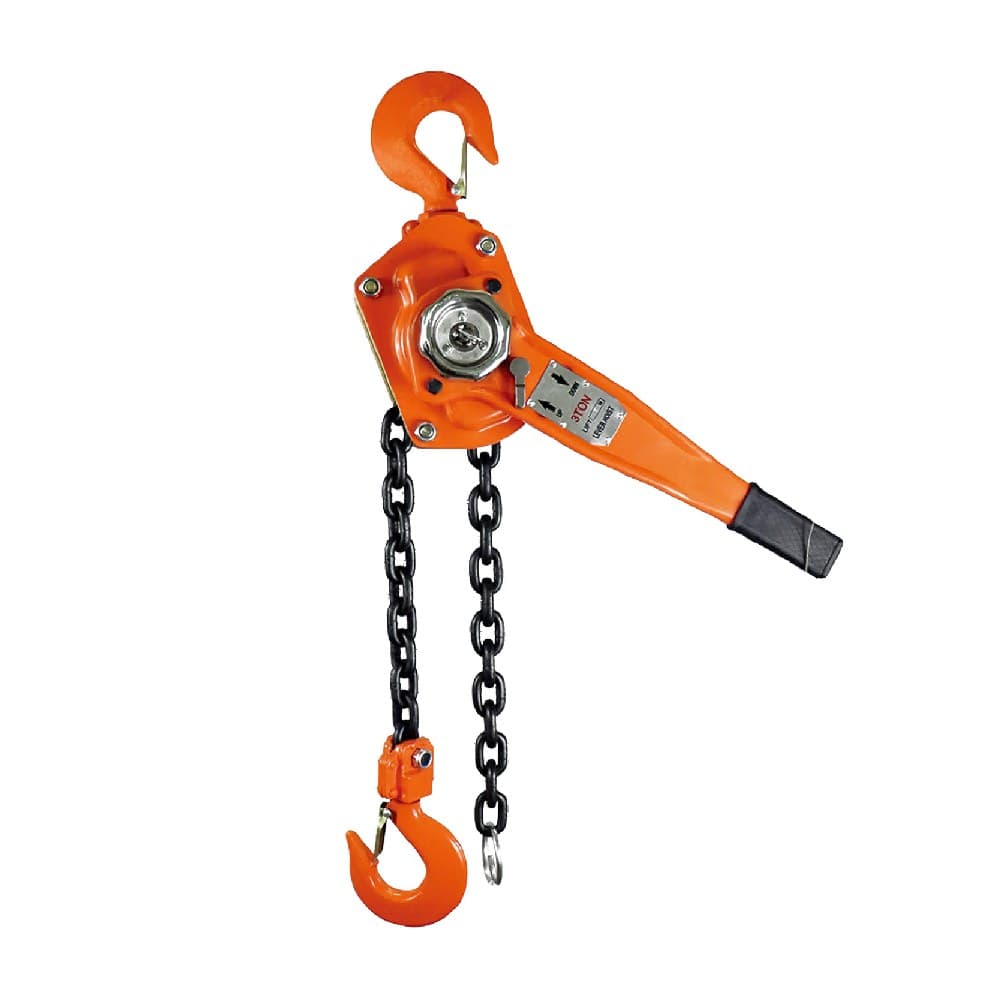
- 04Chain block or lever hoist — which do I need?
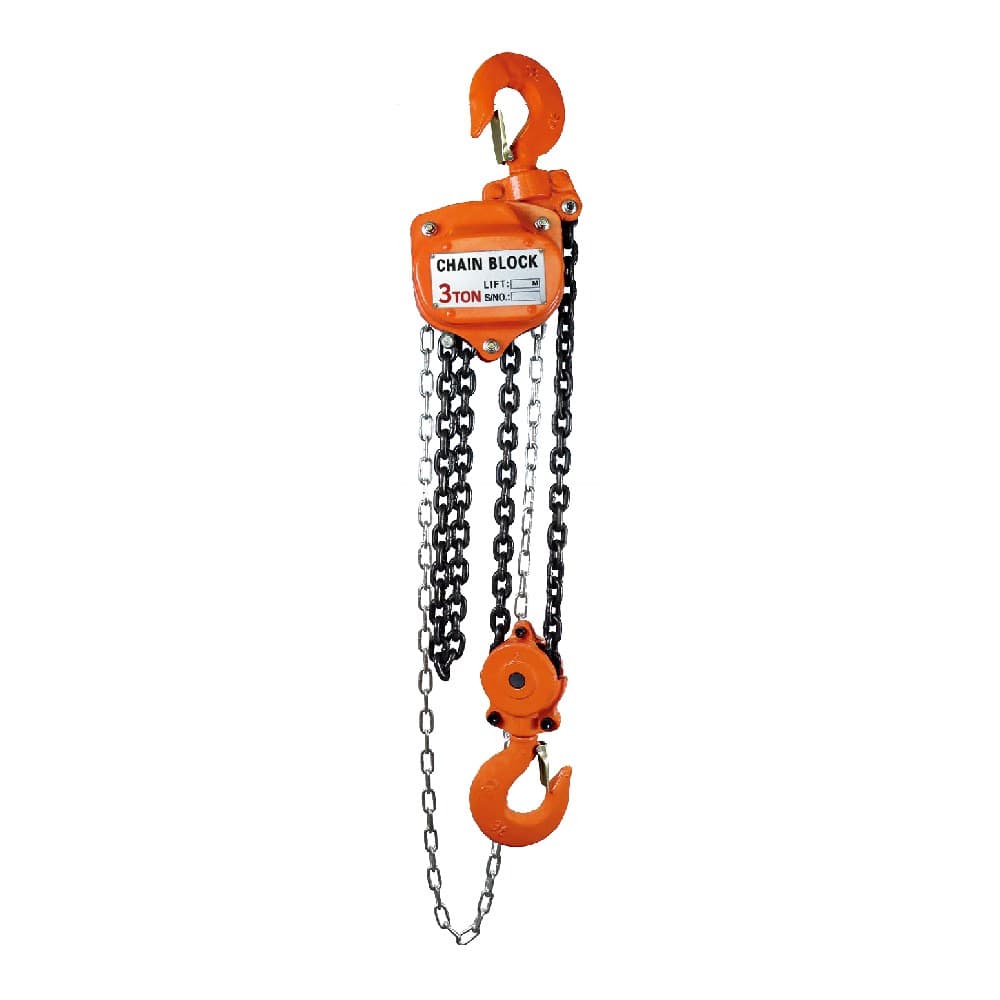
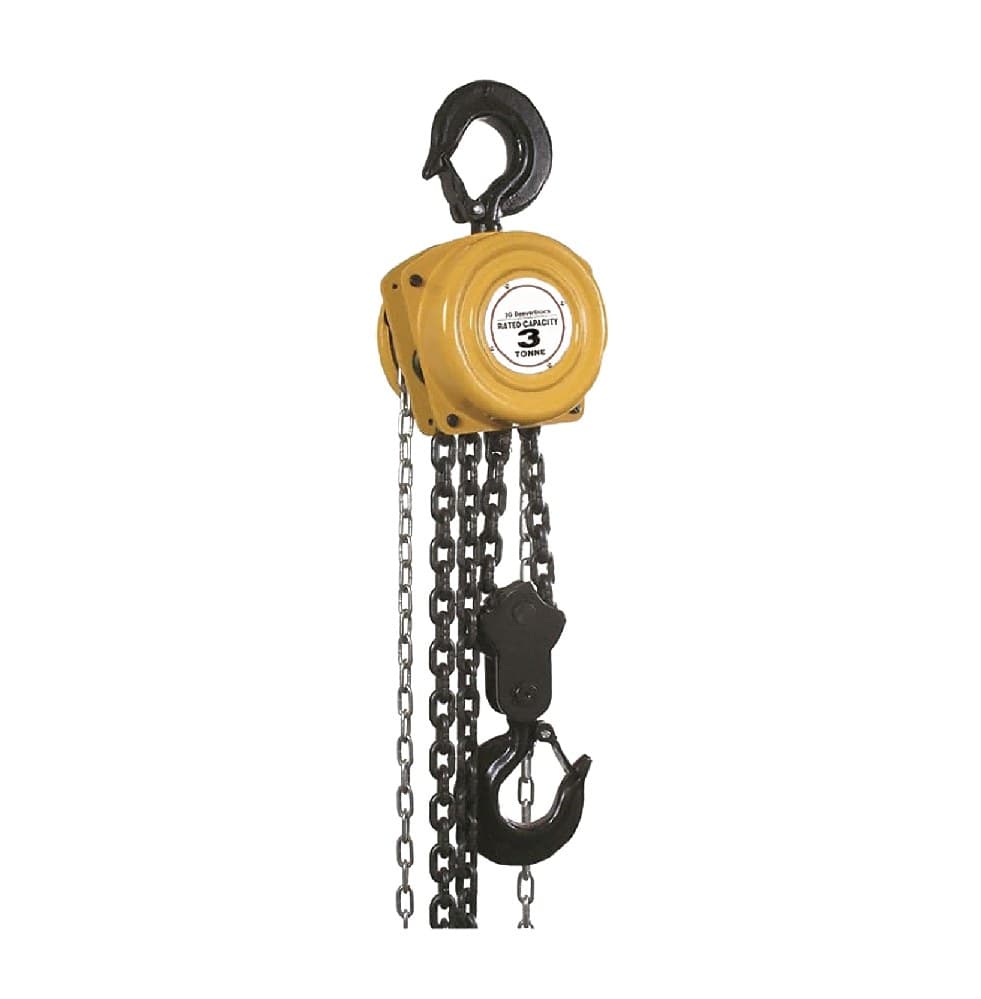
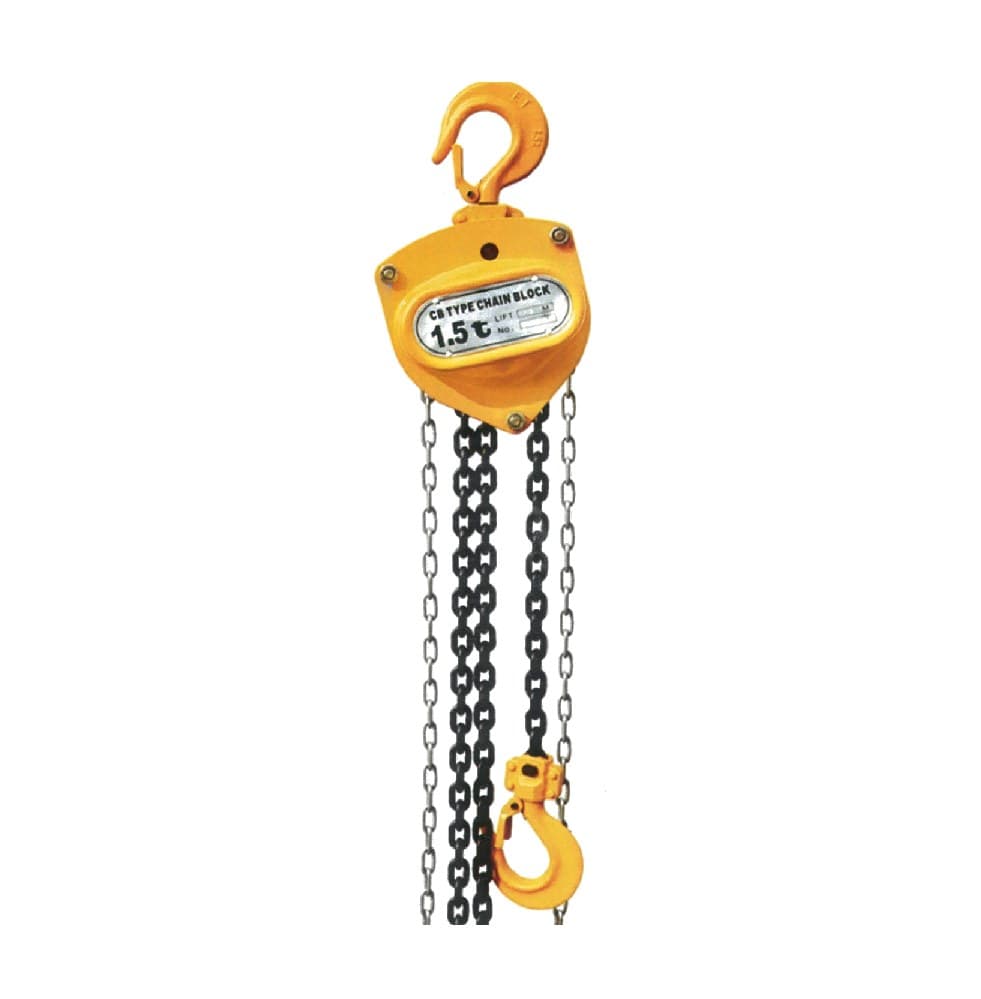
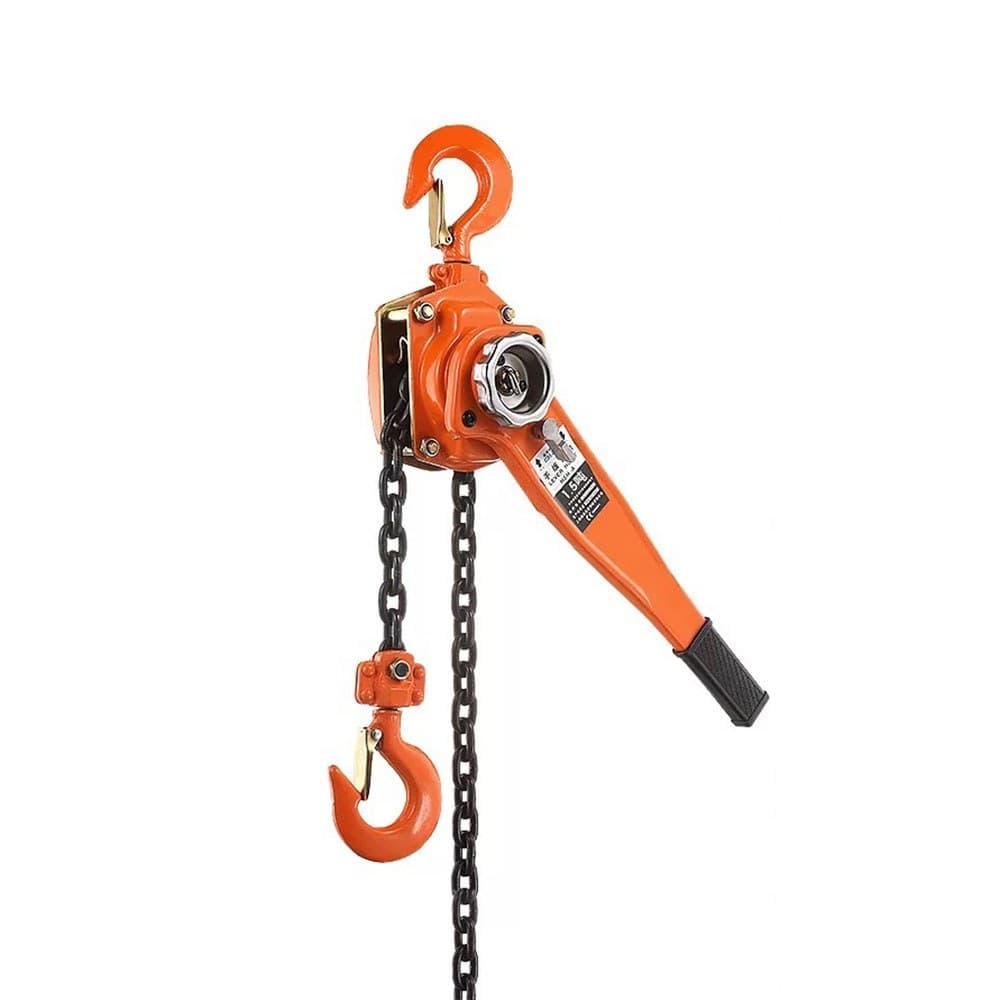
- Use a chain block for vertical lifting from an overhead anchor, where the operator can stand clear and pull the hand chain. Use a lever hoist for short lifts, pulling and tensioning, and for work in confined spaces or at angles, since it is operated by a ratchet lever and needs no hand-chain drop. Lever hoists can be used in orientations other than vertical where their maker permits it. Both are rated by capacity and lift; check the hook-to-hook headroom on the table.
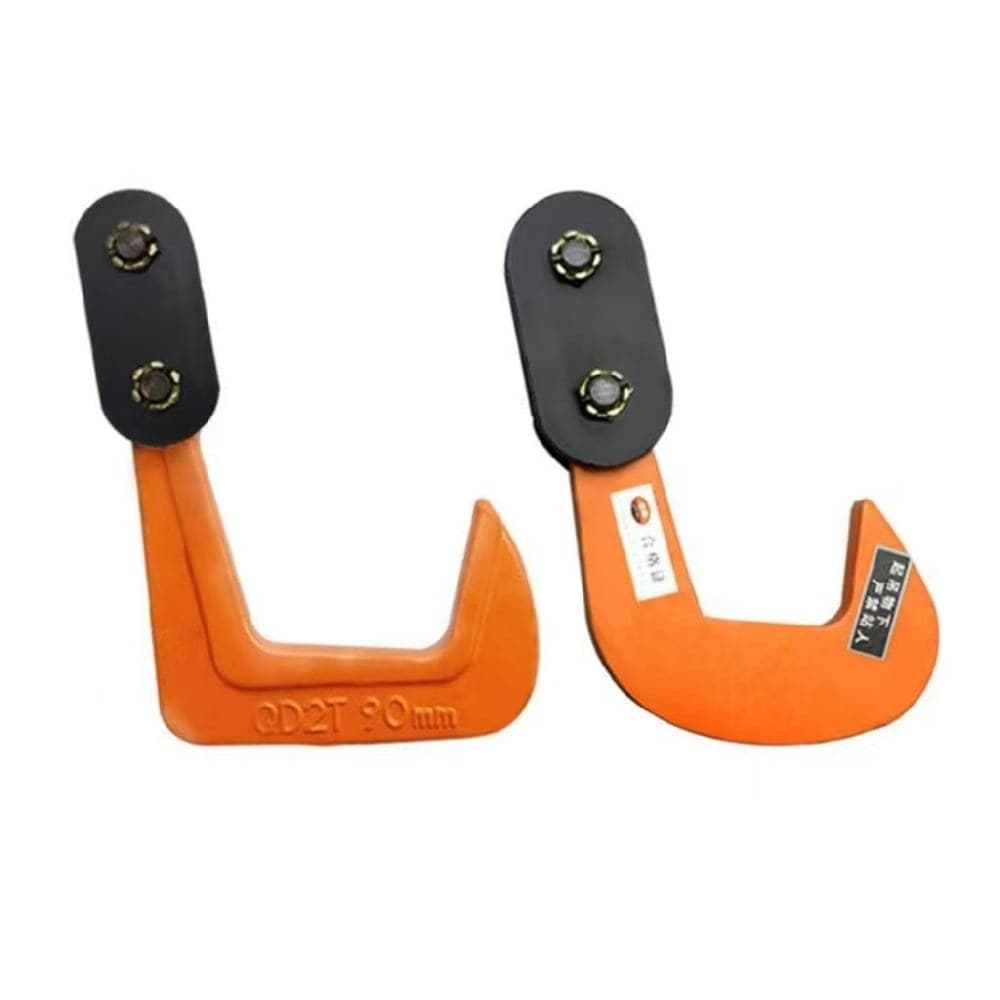
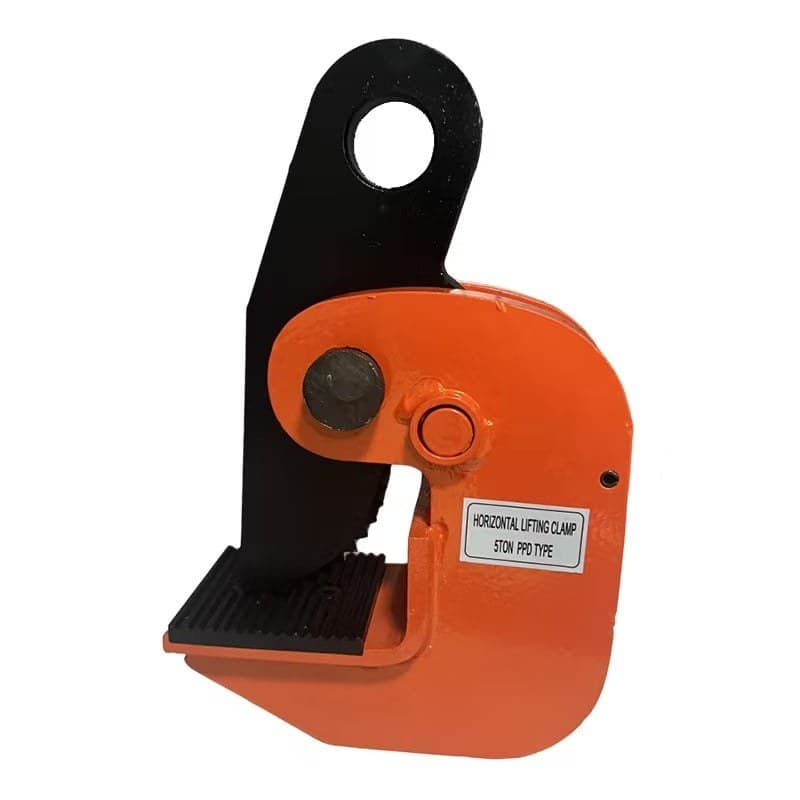
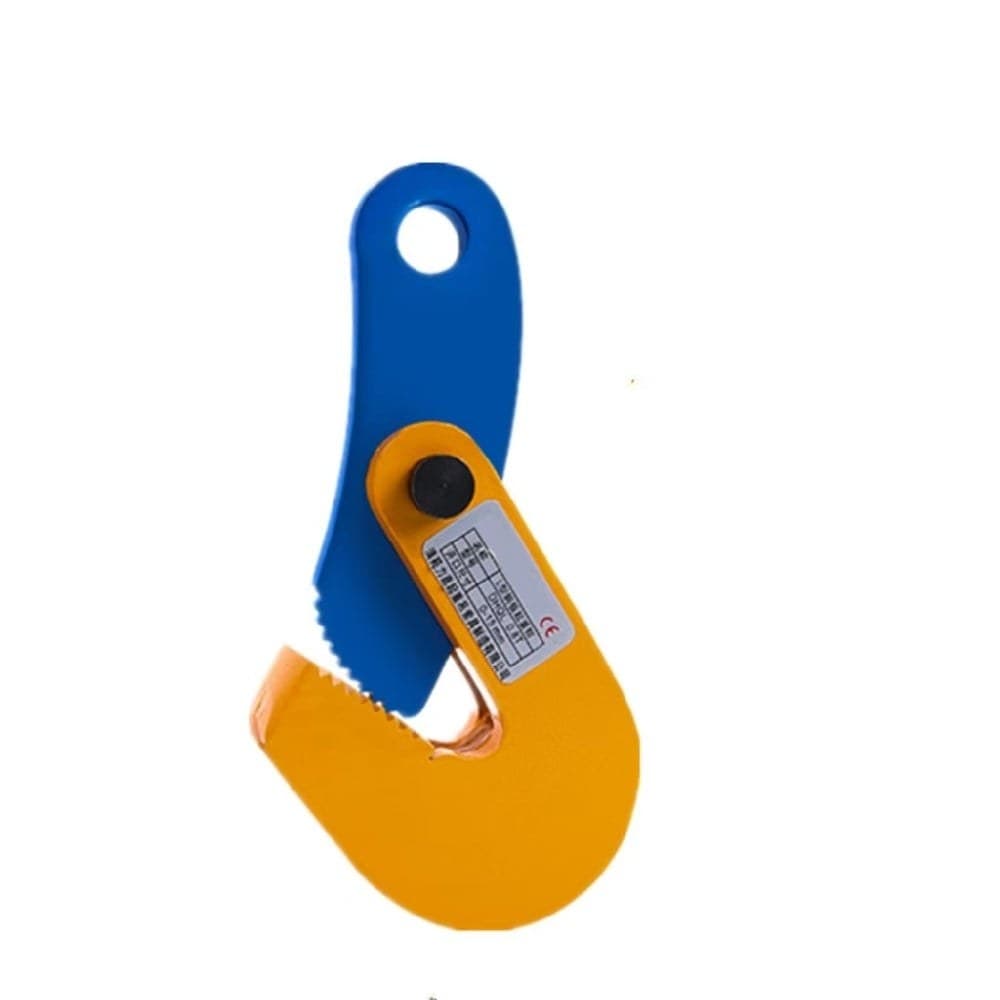
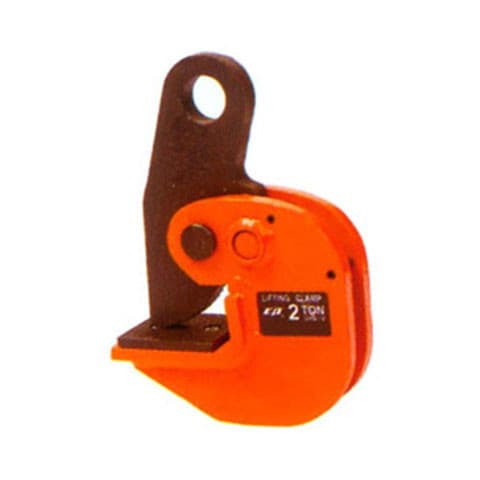
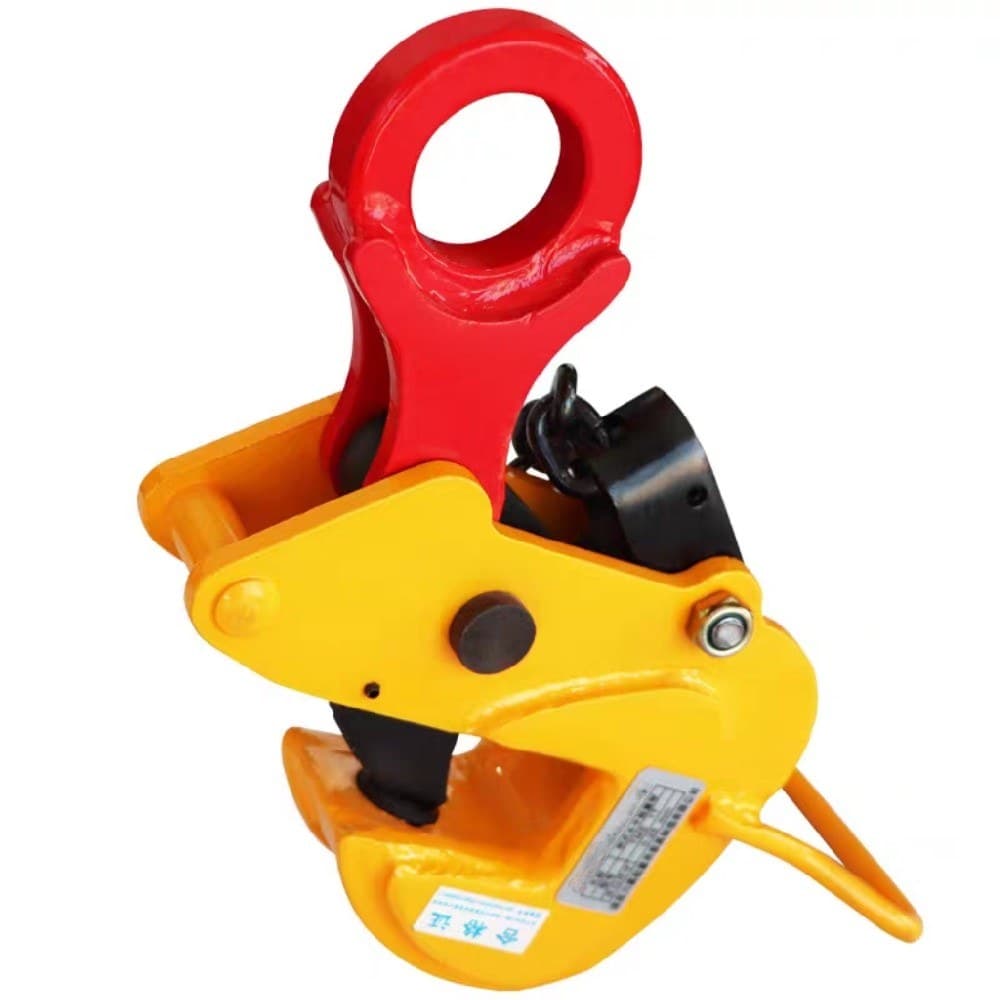
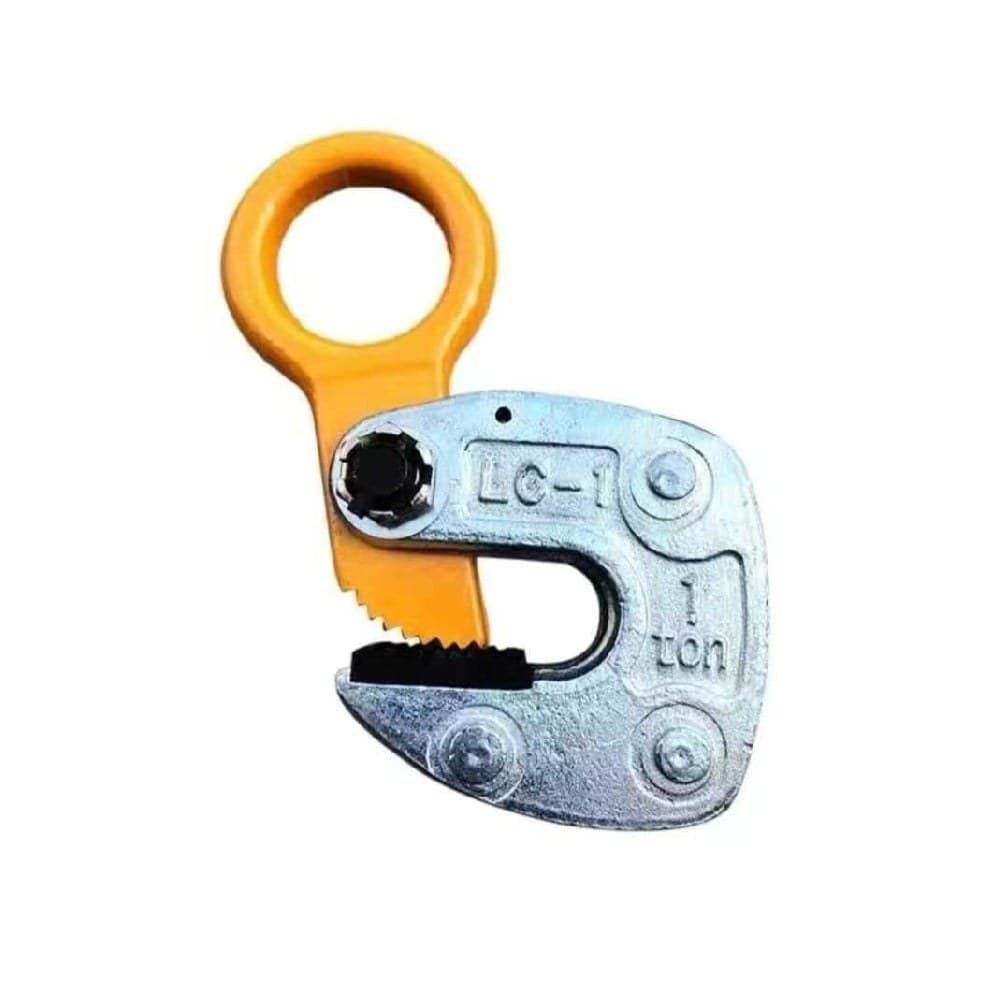
- 05Vertical or horizontal plate clamp — which do I need?
- It depends on how the plate hangs during the lift. A vertical clamp grips one edge so a plate can hang vertically or be turned from flat to vertical, and is used singly or in pairs as its maker allows. Horizontal clamps grip the plate edge from below and are used in pairs or sets, on a spreader or multi-leg sling, to lift a plate held flat. Each clamp is rated for a plate thickness range as well as a maximum load, and some makers also set a minimum load, so check the clamp's table.
- 06What does 2/1 reeving mean on an electric wire rope hoist?
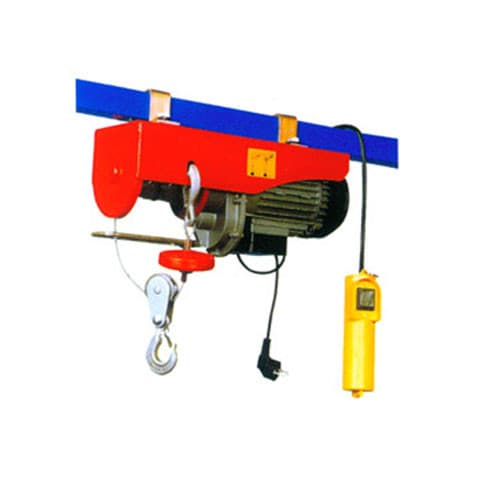
- It means the hook block hangs on two falls of rope rather than one. With 2/1 reeving each fall carries roughly half the load, so the hoist can lift more with the same rope and drum, but the hook moves at half the rope speed and the drum gives half the lift of a 1/1 arrangement. Rated capacity, speed and lift height for each reeving are on the product page.
- 07What capacity range do chain blocks and hoists cover?
- Manual chain blocks are listed from 0.25 to 10 t WLL and lever hoists from 0.5 to 9 t WLL. Close headroom trolley chain hoists run 0.5 to 5 t and wire rope pullers 0.8 to 3.2 t. Electric hoists and trolleys are also in the range.
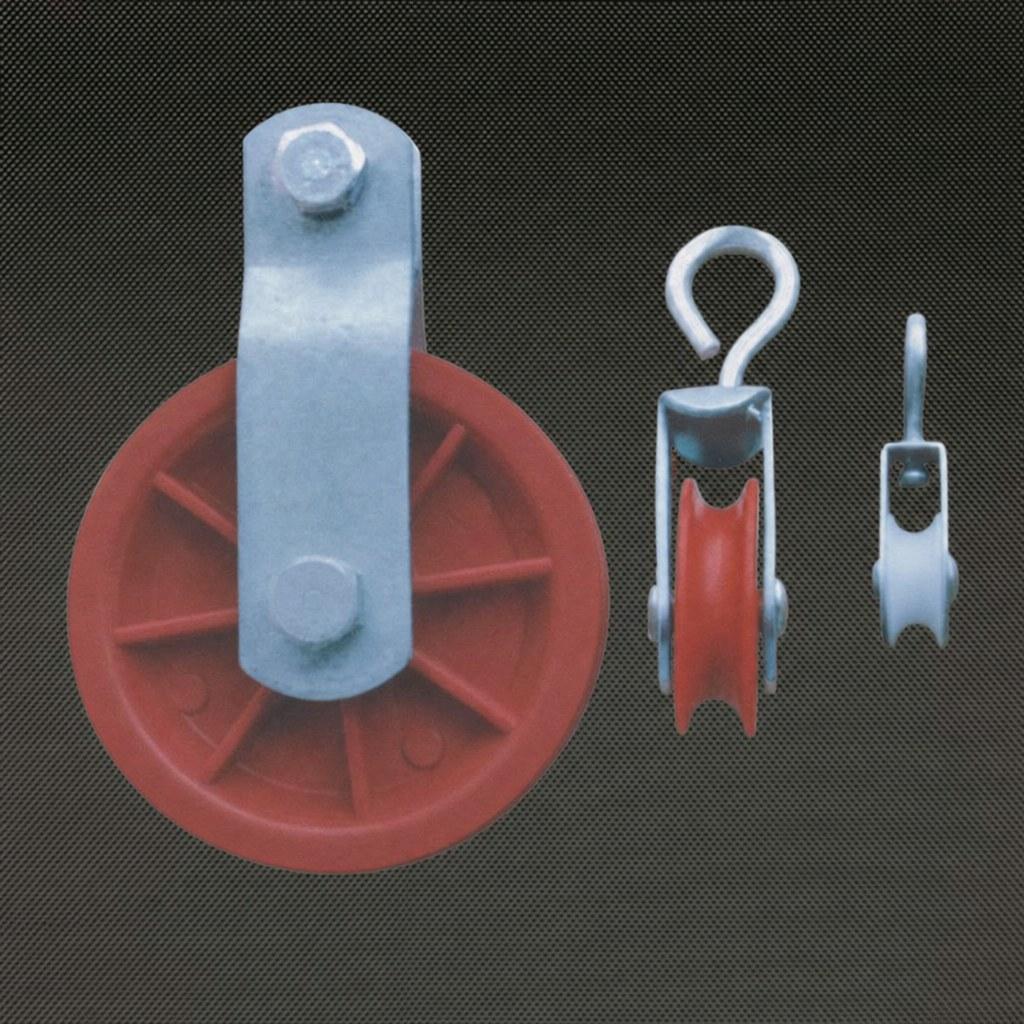
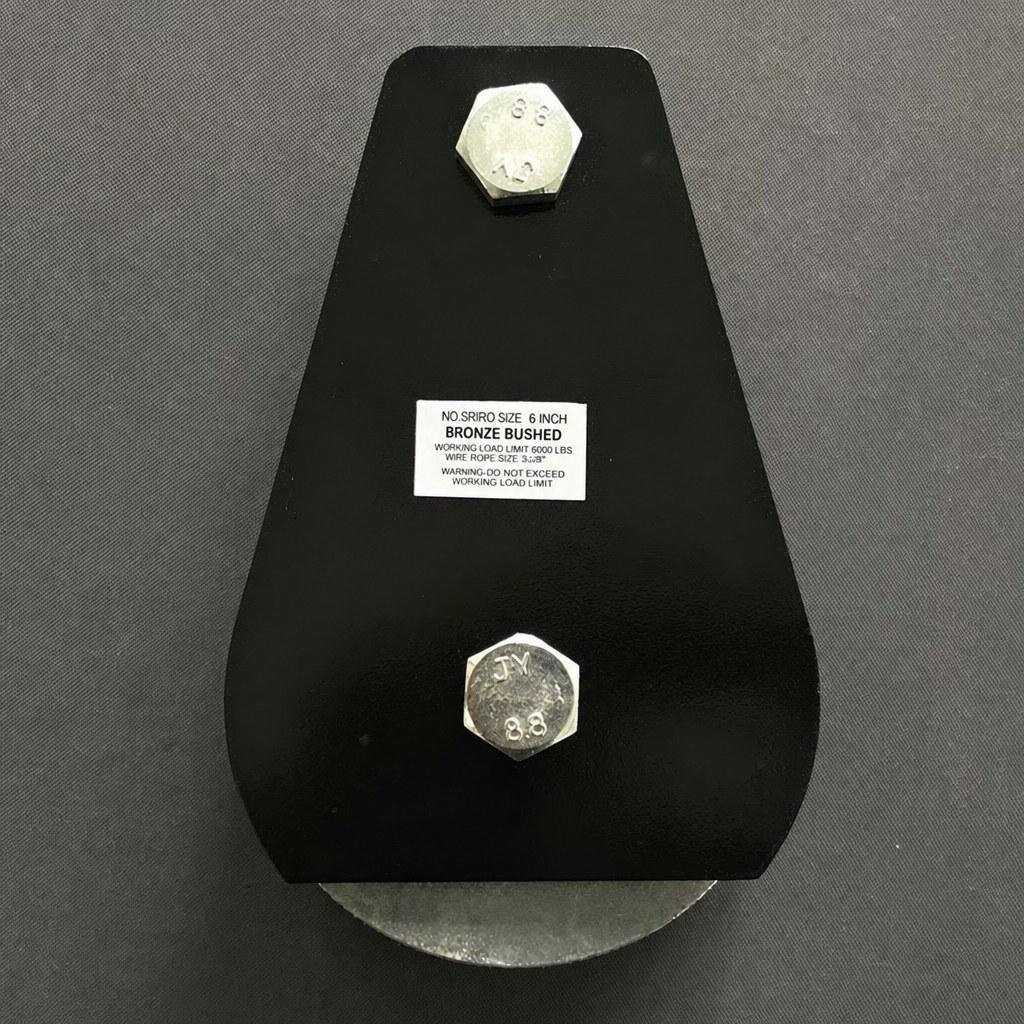
- 08What types of hoist, block and clamp do you supply?
- The range includes VL, ORM and E type manual chain blocks, VA lever hoists, MD1 and 2/1-reeved electric wire rope hoists, push and geared trolleys, snatch and pulley blocks, and CDH, PDQ and TMS plate clamps.