
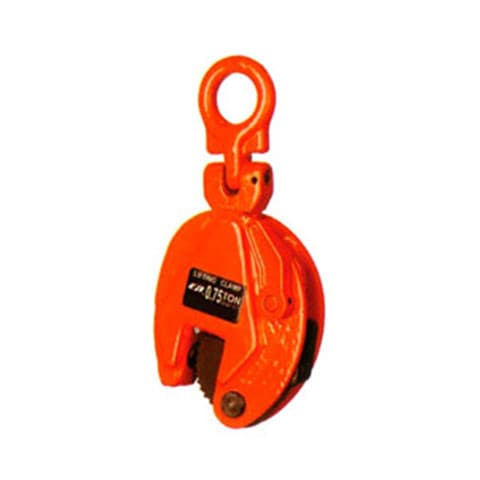
Horizontal Plate Lifting Clamp — 0.75–5 t WLL
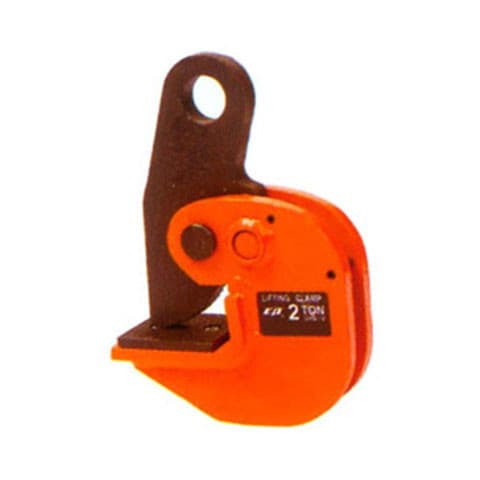
Horizontal Plate Lifting Clamp, in 7 sizes, 0.75 t to 5 t. Indus part numbers, manufacturer's test certificate.
Key features
- Product type: Horizontal Plate Lifting Clamp
- Size range: 0.75 t to 5 t
- Working load limit: 0.75 to 5 t
- Size range
- 0.75 t to 5 t
- Working load limit
- 0.75 to 5 t
Product description
Plate clamps lift steel plate without drilling it; beam clamps give a lifting point on a steel beam.
Sizes and ratings
7 sizes, 0.75 t to 5 t. Working load limit 0.75 to 5 t. Every size has its own Indus part number in the table below, with the loads in the unit the manufacturer rates them in.
Choosing a size
Choose a plate clamp for the plate thickness range it grips and the orientation of the lift; choose a beam clamp for the flange width it adjusts to.
Ordering
Quote the Indus part number from the size table, or send the size and working load you need. Each consignment ships with the manufacturer's test certificate; say on the RFQ if your site needs anything more.
Identification
| Parameter | Value |
|---|---|
| Product type | Horizontal Plate Lifting Clamp |
| Sizes | 7 |
Dimensions
| Parameter | Value |
|---|---|
| Size range | 0.75 t to 5 t |
Performance
| Parameter | Value |
|---|---|
| Working load limit | 0.75 to 5 t |
Compliance
| Parameter | Value |
|---|---|
| Certification | Manufacturer's test certificate |
Shipping & lead time
Sizes & part numbers
7 sizes- Indus part no.IH-LR-LC-HOR-0T75
- Size
- 0.75 t
- WLL (t)
- 0.75
- Proof load (t)
- 1.5
- A (mm)
- 25
- B (mm)
- 125
- C (mm)
- 50
- D (mm)
- 175
- E (mm)
- 25
- Weight (kg)
- 3.5
- Jaw opening
- 0-25 mm
- Indus part no.IH-LR-LC-HOR-1T
- Size
- 1 t
- WLL (t)
- 1
- Proof load (t)
- 2
- A (mm)
- 30
- B (mm)
- 161
- C (mm)
- 65
- D (mm)
- 205
- E (mm)
- 30
- Weight (kg)
- 4
- Jaw opening
- 0-30 mm
- Indus part no.IH-LR-LC-HOR-1T5
- Size
- 1.5 t
- WLL (t)
- 1.5
- Proof load (t)
- 3
- A (mm)
- 30
- B (mm)
- 161
- C (mm)
- 65
- D (mm)
- 205
- E (mm)
- 30
- Weight (kg)
- 4.3
- Jaw opening
- 0-30 mm
- Indus part no.IH-LR-LC-HOR-2T
- Size
- 2 t
- WLL (t)
- 2
- Proof load (t)
- 4
- A (mm)
- 35
- B (mm)
- 175
- C (mm)
- 68
- D (mm)
- 245
- E (mm)
- 30
- Weight (kg)
- 7.2
- Jaw opening
- 0-35 mm
- Indus part no.IH-LR-LC-HOR-3T
- Size
- 3 t
- WLL (t)
- 3
- Proof load (t)
- 6
- A (mm)
- 40
- B (mm)
- 180
- C (mm)
- 70
- D (mm)
- 250
- E (mm)
- 30
- Weight (kg)
- 8
- Jaw opening
- 0-40 mm
- Indus part no.IH-LR-LC-HOR-4T
- Size
- 4 t
- WLL (t)
- 4
- Proof load (t)
- 8
- A (mm)
- 45
- B (mm)
- 180
- C (mm)
- 70
- D (mm)
- 255
- E (mm)
- 30
- Weight (kg)
- 8.5
- Jaw opening
- 0-45 mm
- Indus part no.IH-LR-LC-HOR-5T
- Size
- 5 t
- WLL (t)
- 5
- Proof load (t)
- 10
- A (mm)
- 50
- B (mm)
- 185
- C (mm)
- 74
- D (mm)
- 260
- E (mm)
- 30
- Weight (kg)
- 9
- Jaw opening
- 0-50 mm
Size — Nominal size as the manufacturer states it. WLL — Working load limit — the most the part may carry in service, as the manufacturer rates it. Proof load — Proof or test load the manufacturer applies to the part. A test figure — never a working limit. A — Dimension A on the manufacturer dimension drawing. B — Dimension B on the manufacturer dimension drawing. C — Dimension C on the manufacturer dimension drawing. D — Dimension D on the manufacturer dimension drawing. E — Dimension E on the manufacturer dimension drawing. Weight — Weight as the manufacturer publishes it. Jaw opening — Plate thickness range the clamp grips. Ask us for the dimension drawing if you need it stamped.
WLL is the most the part may carry in service. Proof and breaking loads are test figures — never lift to them. Each load is shown in the unit the manufacturer rates the part in, and a size ships with the manufacturer’s test certificate.
What is the Horizontal Plate Lifting Clamp and what is it used for?▾
How are the Indus part numbers for the Horizontal Plate Lifting Clamp structured?▾
What sizes does the Horizontal Plate Lifting Clamp come in?▾
How do I choose the right size of Horizontal Plate Lifting Clamp?▾
What is the working load limit of the Horizontal Plate Lifting Clamp?▾
What is the Horizontal Plate Lifting Clamp made from?▾
Does the Horizontal Plate Lifting Clamp come with a test certificate?▾
What should the Horizontal Plate Lifting Clamp be used with?▾
How should the Horizontal Plate Lifting Clamp be inspected and used safely?▾
Where is the Horizontal Plate Lifting Clamp typically used?▾
How does the Horizontal Plate Lifting Clamp differ from the Horizontal Plate Lifting Clamp — Type L?▾
Do you stock the Horizontal Plate Lifting Clamp in Dubai?▾
Shipped worldwide from our Dubai warehouse. Transit, routes and documentation for 136 destinations
The same part, in the designations used across European and Gulf trade catalogues.
- de
- Schlauchschelle
- fr
- collier de serrage
- es
- abrazadera de manguera
- it
- fascetta stringitubo
From the blog
Written about this range
Lifting & rigging
Steel erection rigging equipment: slings, shackles, clamps and tag lines for steelwork
Erecting structural steel means hundreds of lifts of awkward, heavy, edge-sharp members, often at height and in wind. The rigging kit a steel erection crew needs — chain slings, shackles, beam and plate clamps, lifting points, tag lines — how to choose each, and the rules that apply to multiple lifts, clamps and tag lines.
4 min read
Lifting & rigging
Vertical and horizontal plate lifting clamps: pairs, jaw range and when to use each
A vertical clamp grips one plate edge-up; horizontal clamps work in pairs to lift plates flat. How each type grips, why the jaw range and the rating basis matter, and where a beam clamp fits in.
5 min read
Lifting & rigging
Rigging for plant shutdowns and turnarounds: lifting points, chain blocks and certified kit
A shutdown compresses months of maintenance into weeks, and much of it is lifting: pump motors out, exchanger bundles pulled, valves swapped, in congested units with no room for a crane. The rigging that makes it possible — lifting points, chain blocks, lever hoists, beam clamps and trolleys — how to plan and certify it before the unit comes down, and how to keep the register straight when hundreds of items come and go.
3 min read
Engineers viewing this also looked at
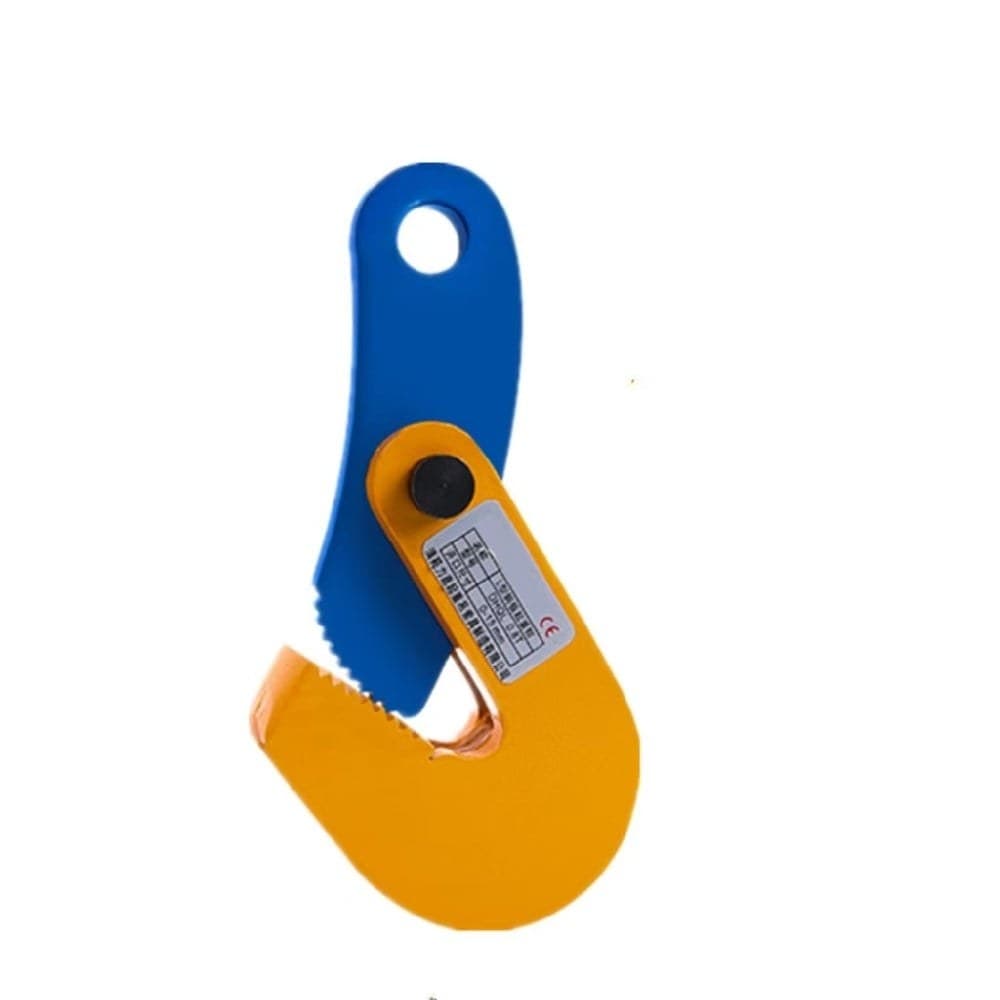
Horizontal Plate Lifting Clamp — Type L, 0.8–10 t WLL
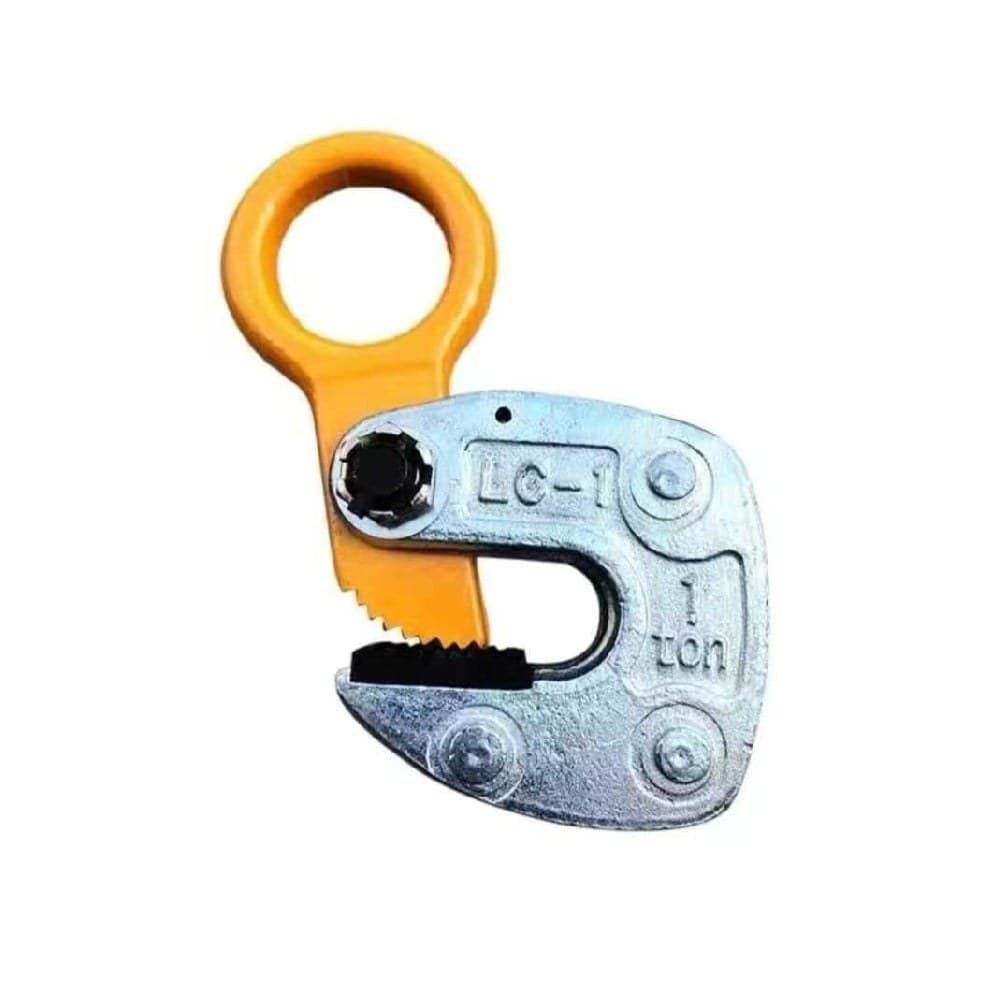
Horizontal Lifting Clamp for Steel Sections — Type LC, 1–3 t WLL
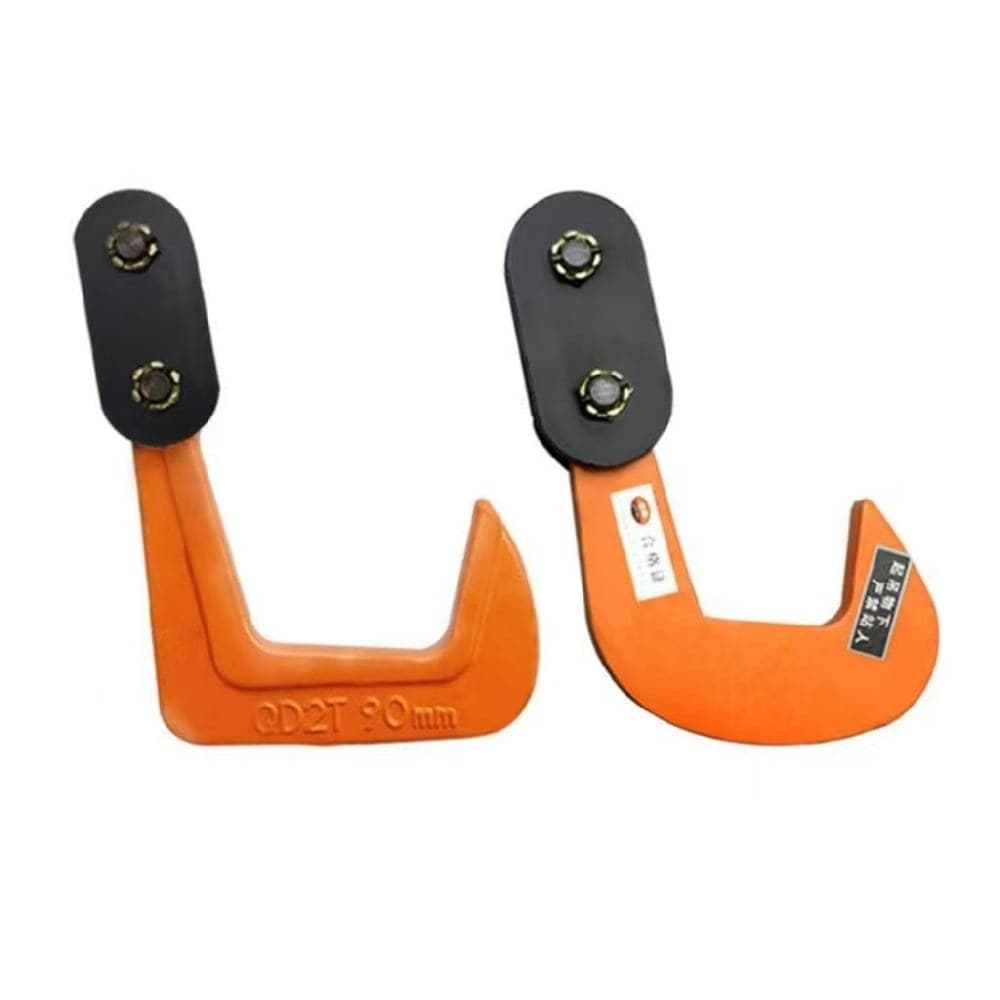
Horizontal Plate Lifting Clamp with Roller — Type PDQ, 1–12 t WLL
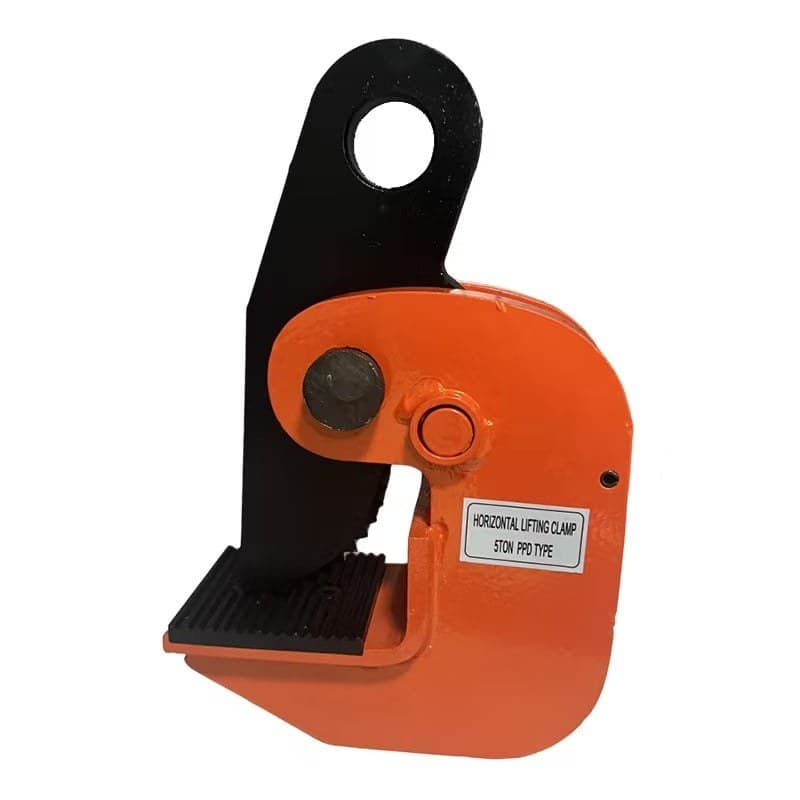
Horizontal Plate Lifting Clamp with Release — Type PPD, 0.8–30 t WLL
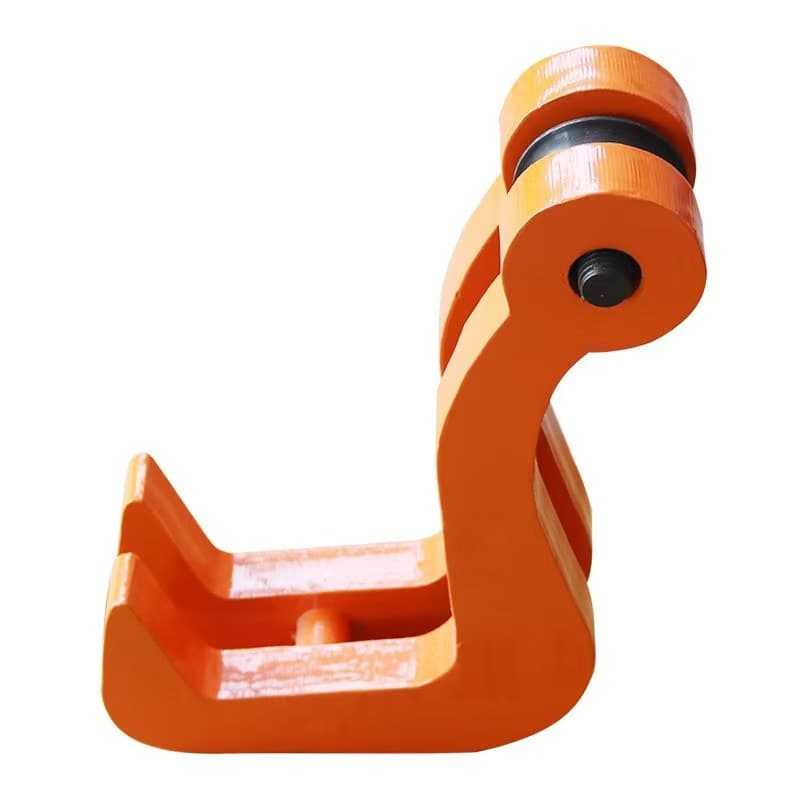
Double Plate Lifting Clamp — Type QS, 1–8 t WLL
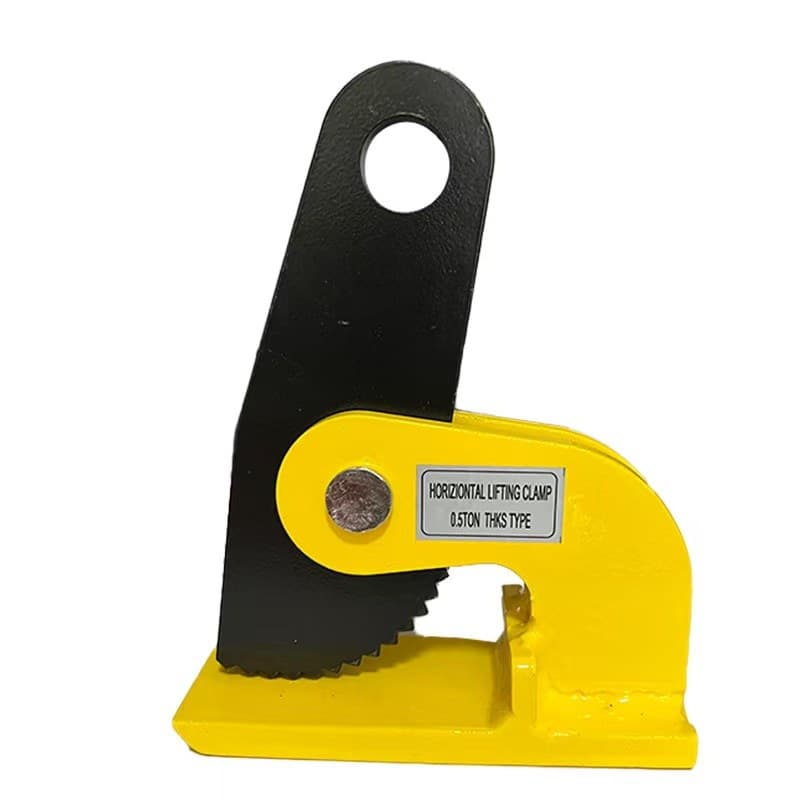
Horizontal Plate Lifting Clamp for Thin Sheet — Type THK / THKS
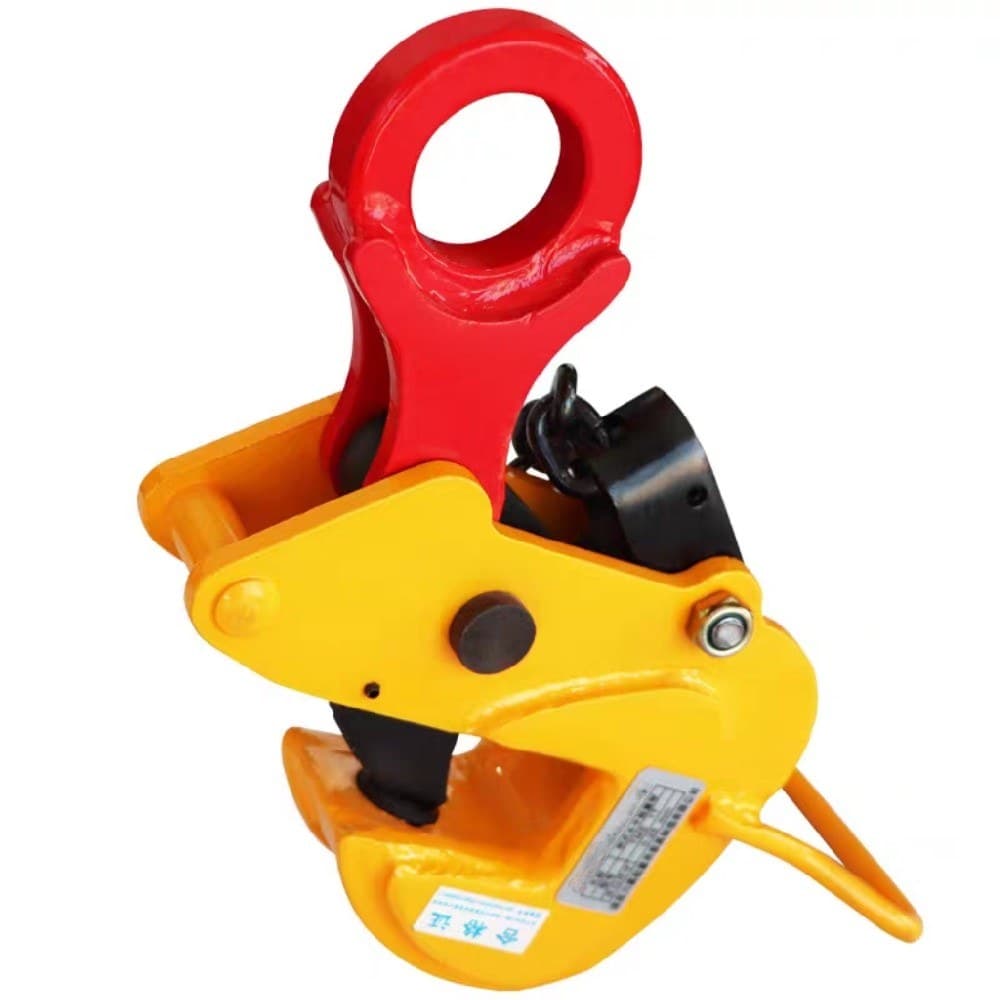
Horizontal Lifting Clamp with Locking Device — Type TMS, 1–10 t WLL
Universal Plate Lifting Clamp — 0.75–3 t WLL