
MEP packages put some of the most expensive single items on a project onto its roof: chillers, cooling towers, air-handling units, generators, transformers. They are heavy for their footprint, often top-heavy, made of thin casings and coils that crush easily, and lifted over a building that may already be occupied. A good lift starts with the maker’s rigging instructions and ends with the unit landed square on its plinth without a mark. This guide covers the rigging.
/01Start with the maker’s rigging instructions.
- Lifting points — use only the holes, lugs or base-frame points the maker designates, shown on the unit’s rigging label or in its manual.
- Spreader — chiller and cooling-tower makers call for spreader bars so slings hang clear of the casing, and some give a minimum spreader length and hook height for each model.
- Weight and centre of gravity — from the nameplate or submittal, plus anything added: packing, accessories, and water or debris trapped in the unit.
- Restrictions — some units must not be moved by forklift or lifted from certain points; read the manual before the crane arrives.
/02The rigging below the hook.
| Component | Role |
|---|---|
| Spreader bar or frame | Holds sling legs vertical and clear of the casing (supplied by the rigging contractor) |
| Round or webbing slingsHighlighted | Gentle on finished frames; protect from edges |
| Anchor shackles | Connect slings to unit lugs and spreader; bolt type if left in place |
| Master link or top rigging | Connects the spreader to the crane hook |
| Tag lines | Control rotation over the roof edge and onto the plinth |
Our range does not include spreader beams, but covers the rest: round slings, webbing slings, anchor shackles and master links. Size each sling leg for the load it actually carries at the angle it hangs — see the webbing and round sling capacity chart and how to rig a shackle correctly.
/03Critical lifts and tandem lifts.
Rooftop lifts are often critical lifts: heavy, near the crane’s limits, over occupied buildings or streets, or using two cranes. Lift-planning practice — such as ASME P30.1 — separates standard lifts from critical ones, which need a more detailed written plan. For tandem lifts, the British Columbia regulation, for example, treats any lift where one crane carries more than 75% of its rated capacity as a critical lift and requires a written plan on site for every tandem lift. Whatever your local rule, plan these lifts in writing, with the rigging drawn out.
/04Inside the plant room.
Once on the roof, units often move the last few metres — or go into a plant room — on rollers, chain blocks and beam trolleys. A manual chain block hung from a geared beam trolley on a rated runway beam gives fine control for positioning; a lever hoist pulls and tensions sideways. Check that the beam is designed as a lifting beam and rated for the load. See chain block vs lever hoist vs electric hoist.
Common questions
- Why use a spreader bar to lift a chiller?
- To keep the slings vertical and clear of the casing and coils. Makers specify spreaders because slings pulling inward can crush the unit.
- Where do you attach slings to a chiller?
- Only at the maker’s designated lifting points shown on the rigging label or manual.
- Is a rooftop chiller lift a critical lift?
- Often — if it is near the crane’s capacity, over an occupied building, or uses two cranes. Plan it in writing.
- How do I move a unit inside a plant room?
- With a chain block on a beam trolley on a rated runway beam, or a lever hoist for pulling, plus rollers.
- Do you supply spreader beams?
- Not in our standard range; we supply the slings, shackles, master links, chain blocks and trolleys used with them.
For plant lifts
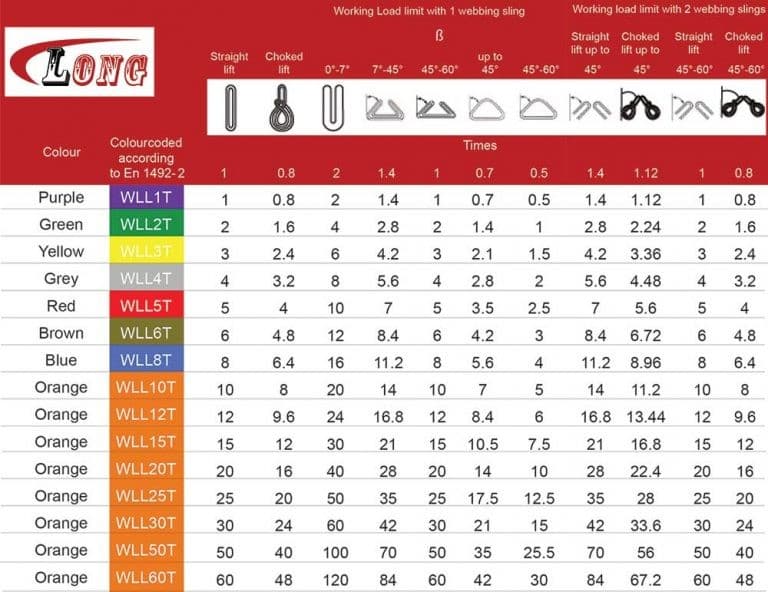 IH-LR-SY-PRSEPolyester Round Sling — Endless
 IH-LR-SY-PFWSEEPolyester Flat Webbing Sling — Eye and Eye
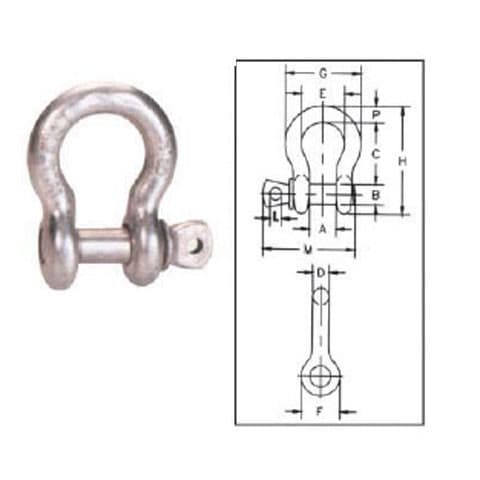 IH-LR-SH-G209Screw Pin Anchor Shackle — G-209 Pattern
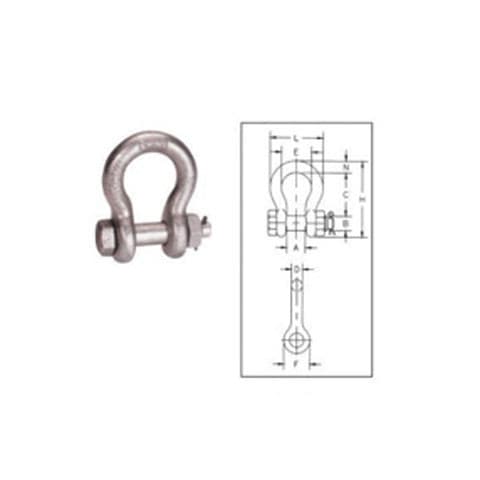 IH-LR-SH-G2130Bolt-Type Anchor Shackle — G-2130 Pattern
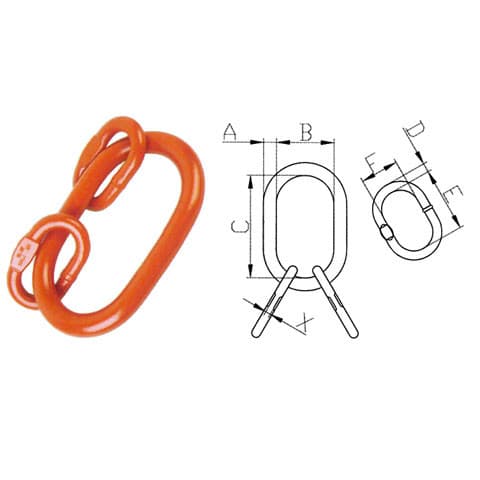 IH-LR-G8-MLAGrade 80 Master Link Assembly
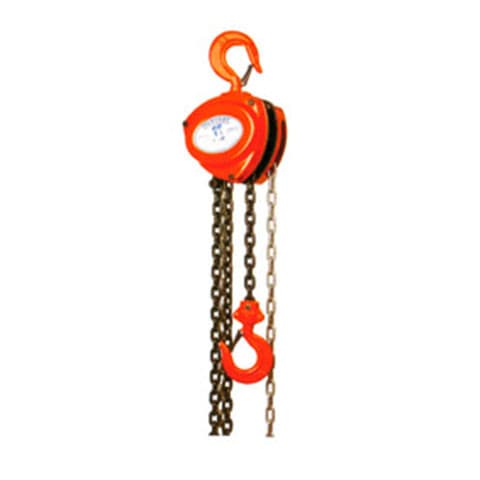 IH-LR-CB-AManual Chain Block — Type A
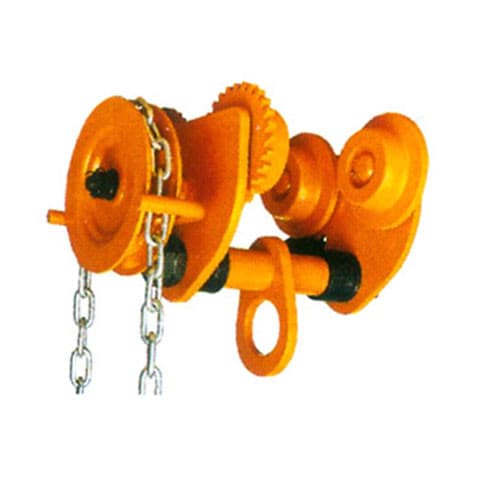 IH-LR-BT-GBGeared Beam Trolley — Type B
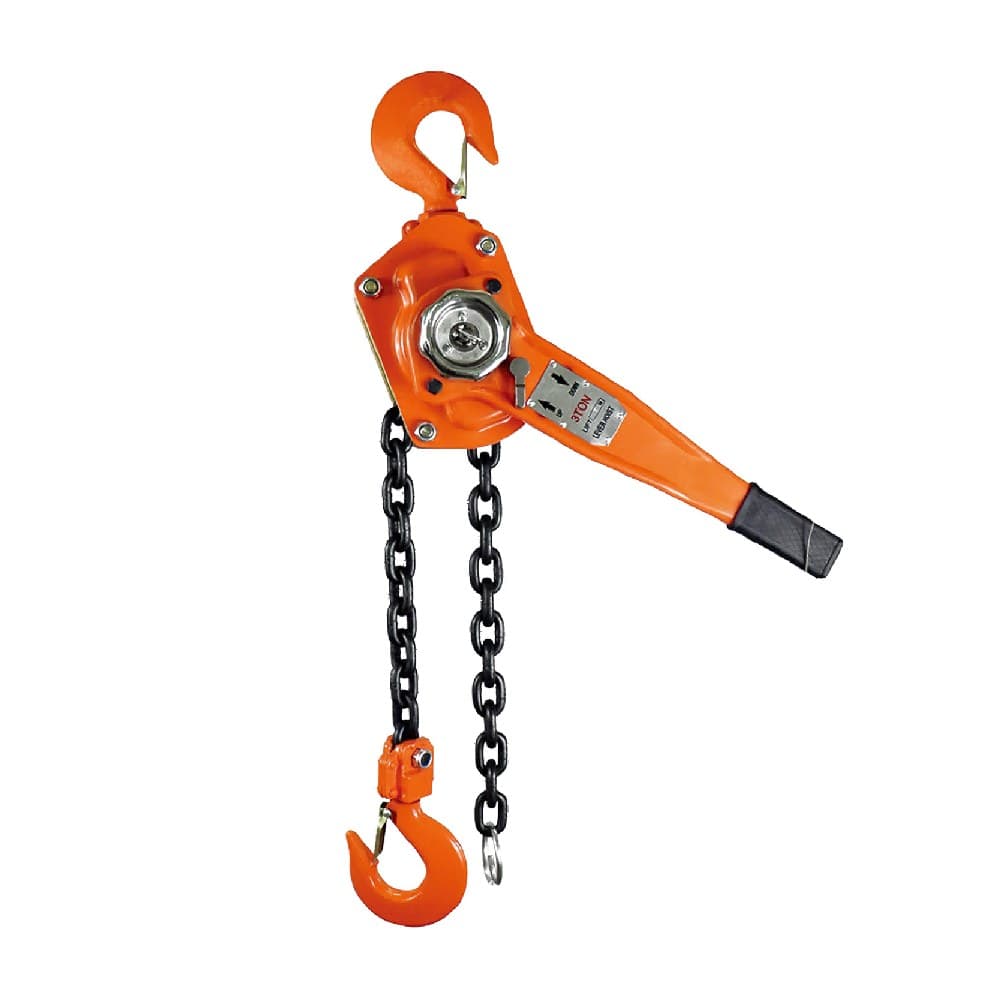 IH-LR-CB-LVALever Hoist — Type VA