
Gas plants and refineries in the Gulf run for years between turnarounds, then stop for a few intense weeks of maintenance. A large part of that work is lifting in tight spaces: pump motors and couplings out of pump houses, exchanger bundles pulled, control valves and relief valves swapped, compressor parts lifted from casings — usually under pipe racks and between vessels where no crane can reach. Contractors who get the rigging planned, certified and staged before the unit comes down keep to the schedule. Those who source it during the shutdown do not.
/01Plan lifts in the scope.
- List every item that will be lifted, with weight, lifting points and route out.
- Identify fixed lifting points — runway beams, pad eyes, monorails — and confirm they are rated and in date.
- Where there is no fixed point, design one: a beam clamp on a rated beam, or a temporary frame, approved by an engineer.
- Classify the lifts: routine, or critical — near capacity, over live plant, in congested areas, or with multiple hoists. Lift-planning practice such as ASME P30.1 calls for a more detailed written plan for critical lifts.
- From the list, build the rigging schedule: hoists, clamps, trolleys, slings, shackles, quantities and capacities.
/02The in-unit kit.
| Item | Role |
|---|---|
| Manual chain blocks | Vertical lifting from a fixed point; fine control |
| Lever hoistsHighlighted | Pulling, tensioning and positioning at any angle |
| Beam clamps | Temporary hanging point on a rated beam flange |
| Push and geared beam trolleys | Travel along a runway beam with the load |
| Lifting points and swivels | Rated attachment to equipment |
| Slings and shackles | Connecting hoist to load |
Our range covers chain blocks from 0.5 t to 30 t and more, lever hoists, beam clamps, geared and push beam trolleys and close-headroom trolley hoists for low beams. Match trolley to beam flange width and hoist capacity. See chain block vs lever hoist vs electric hoist.
/03Certified before the unit comes down.
Every item that goes into the unit should arrive marked with its rated load, with its certificate, and be entered in the shutdown lifting register before day one. In the US, OSHA requires rigging to carry its safe working load marking, and custom lifting accessories such as clamps to be marked and proof-tested to 125% of rated load before use. In Abu Dhabi, lifting accessories are examined every 6 months by approved third parties; a shutdown is a bad moment to discover an item’s certificate has lapsed. See what a lifting gear test certificate should show.
Common questions
- Chain block or lever hoist for shutdown work?
- Chain blocks for vertical lifts from a fixed point; lever hoists for pulling, tensioning and positioning at any angle. Most shutdowns need both.
- Can I hang a chain block from any beam?
- Only from a beam rated and approved for lifting. Use a beam clamp or trolley matched to its flange.
- What is a critical lift in a shutdown?
- A lift near capacity, over live plant, in congested areas or with multiple hoists. Plan it in writing.
- When should shutdown rigging be certified?
- Before the shutdown starts — marked, certified and registered before it goes into the unit.
- Can you supply a shutdown rigging package?
- Yes. Send the rigging schedule and dates and we will quote certified chain blocks, hoists, clamps, trolleys, slings and shackles.
Shutdown hoisting kit
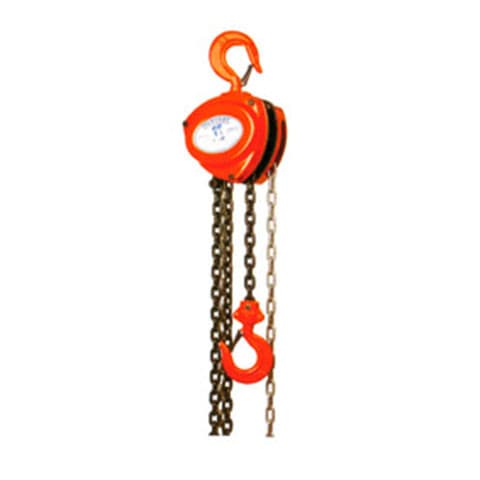 IH-LR-CB-AManual Chain Block — Type A
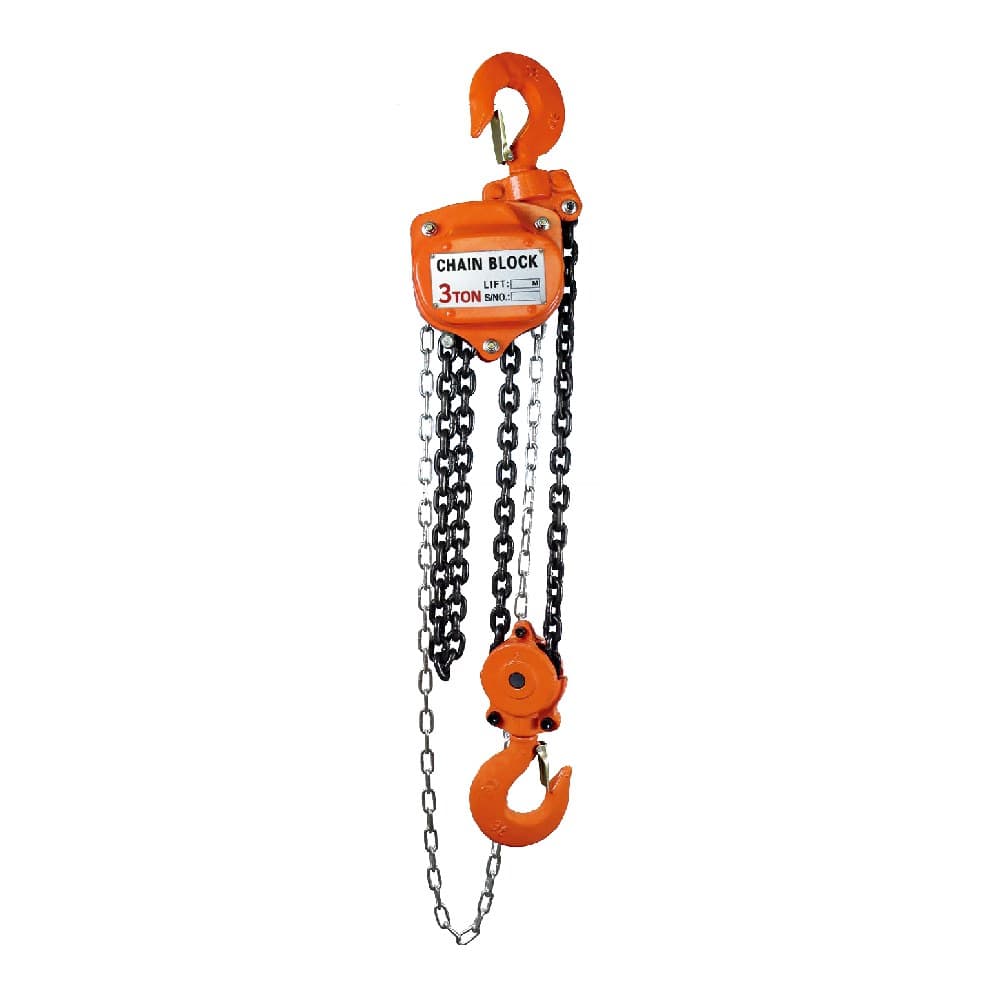 IH-LR-CB-VLManual Chain Block — Type VL
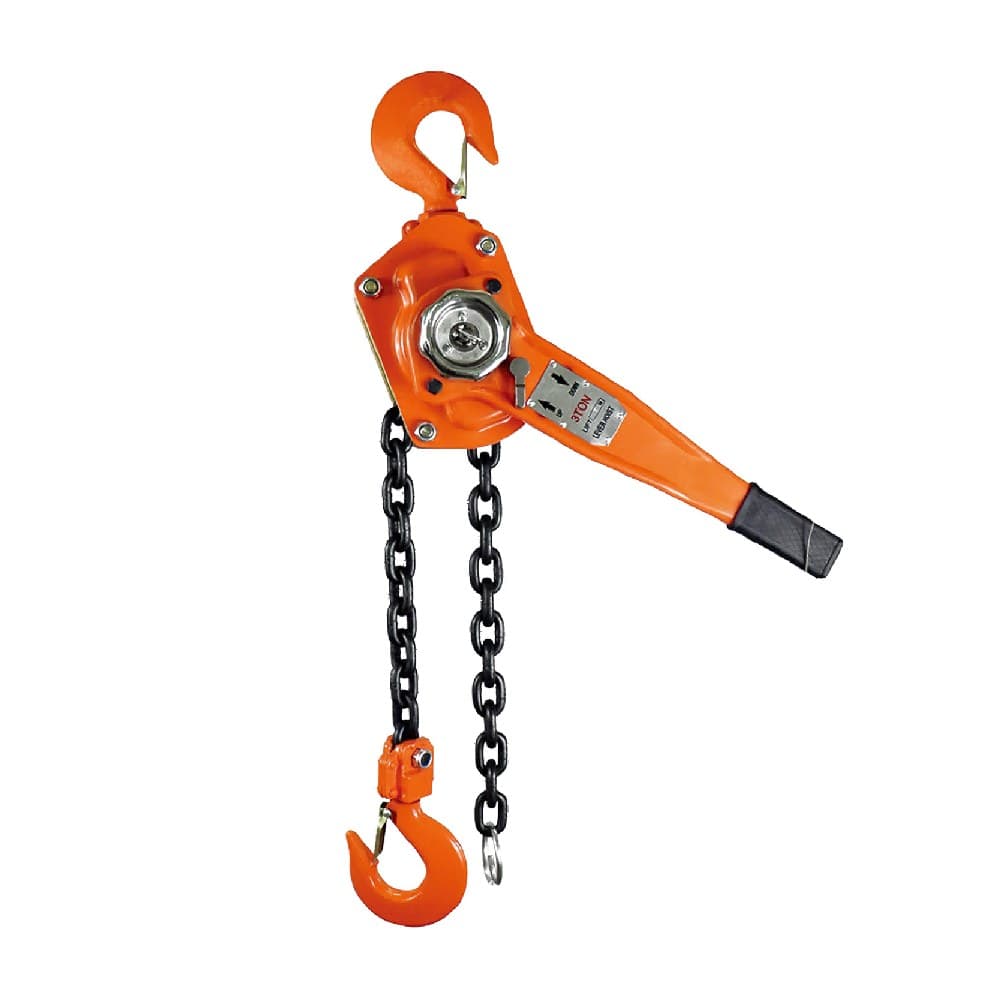 IH-LR-CB-LVALever Hoist — Type VA
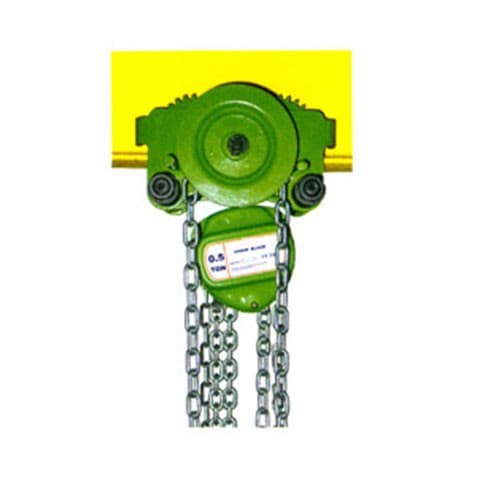 IH-LR-CB-CHTClose Headroom Trolley Chain Hoist
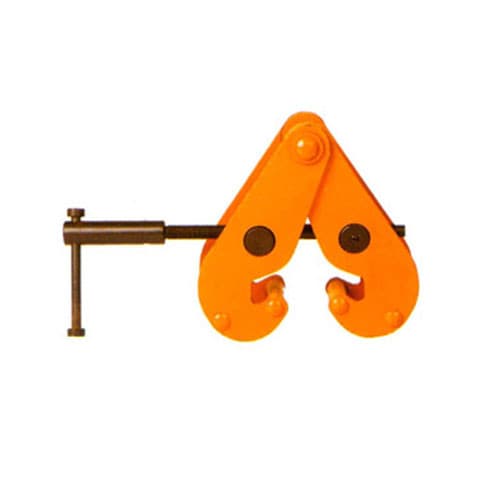 IH-LR-LC-BEAMLifting Beam Clamp
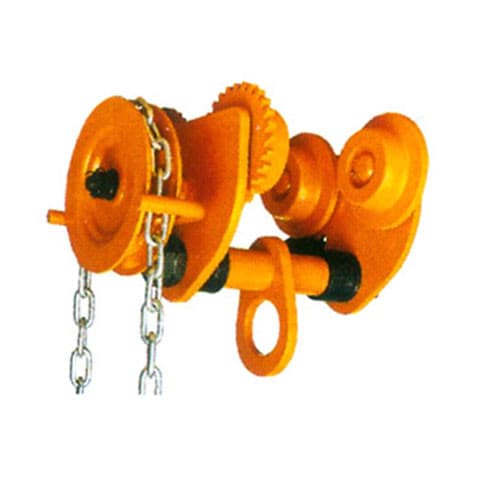 IH-LR-BT-GBGeared Beam Trolley — Type B
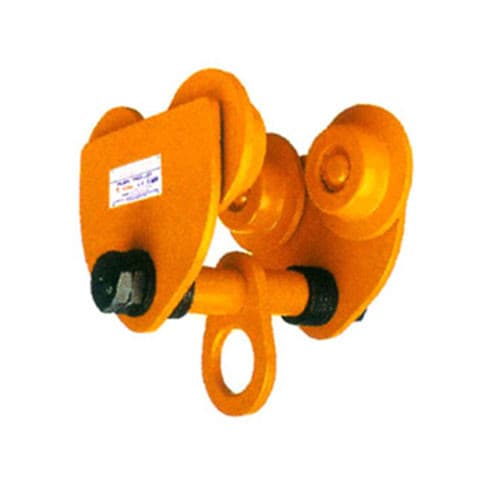 IH-LR-BT-PBPush Beam Trolley — Type B
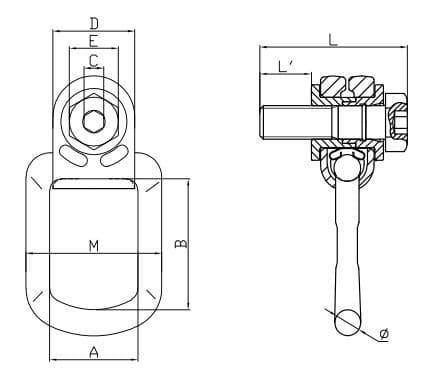 IH-LR-LP-SLP80Grade 80 Swivel Lifting Point