Skip to content

Eye Bolts & Eye Nuts

37 SKUs

Showing 1–37 of 37 SKUs

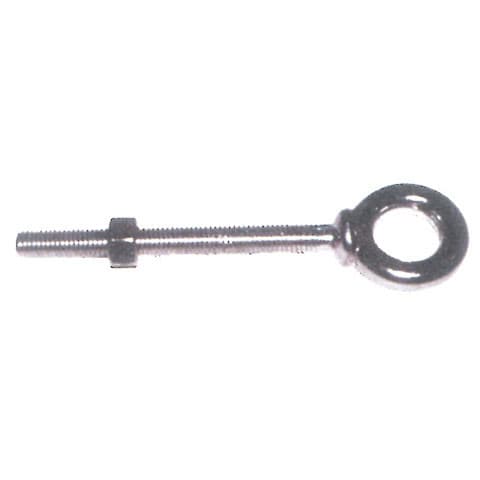
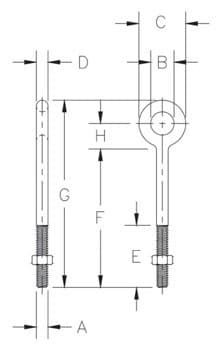
Stainless Steel Welded Eye Bolt with Nut and Washer — dimension drawing

Stainless Steel Welded Eye Bolt with Nut and Washer — 250–875 kg WLL

Stainless steel 304 or 316 welded eye bolt250 to 875 kg
Inquire
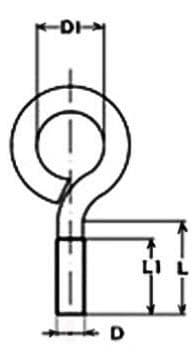
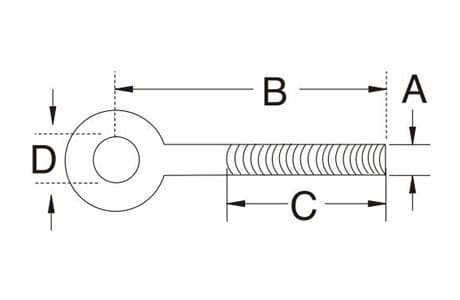
Stainless Steel Unwelded Eye Bolt — dimension drawing

Stainless Steel Unwelded Eye Bolt — M5–M6

Stainless steel 304 / 316 eye boltPolished
Inquire
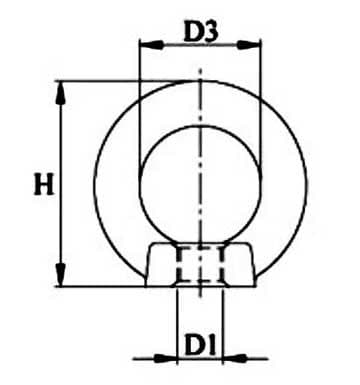
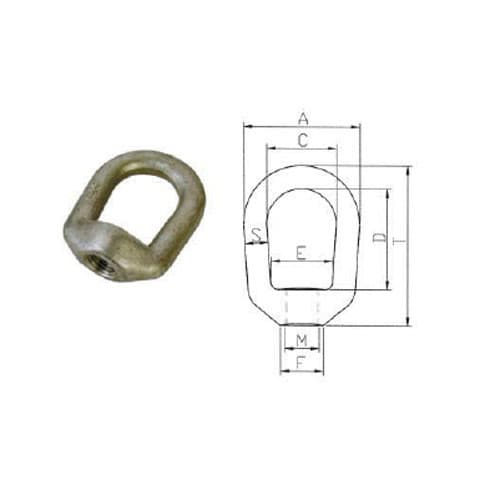
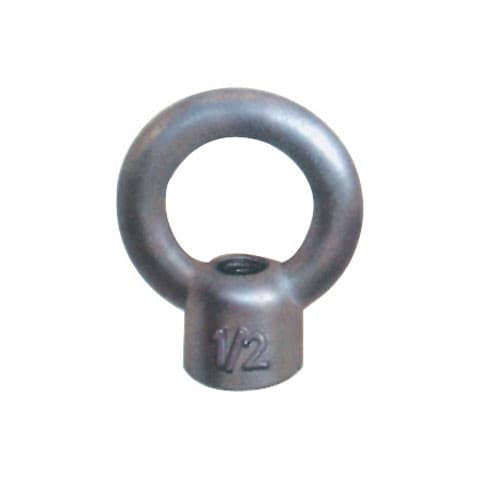
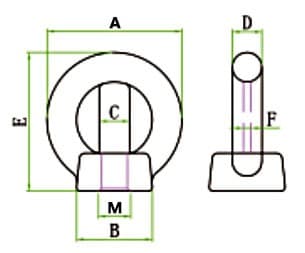
Stainless Steel DIN 582 Eye Nut — UNC Thread — dimension drawing

Stainless Steel DIN 582 Eye Nut — UNC Thread, 3/16–1-7/16″

Type 304 or 316 stainless steel3/16″ to 1-7/16″
Inquire
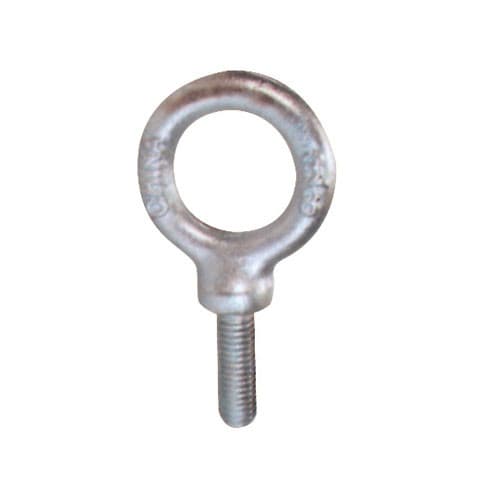
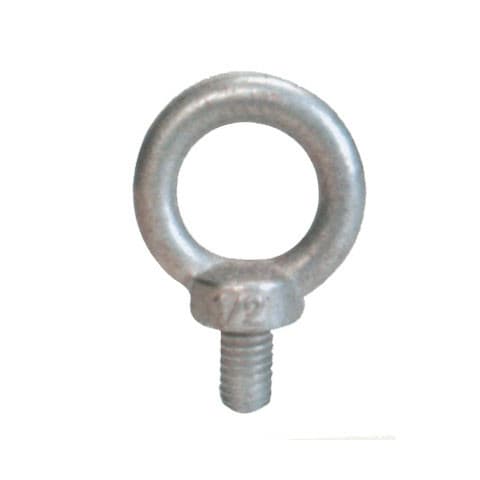
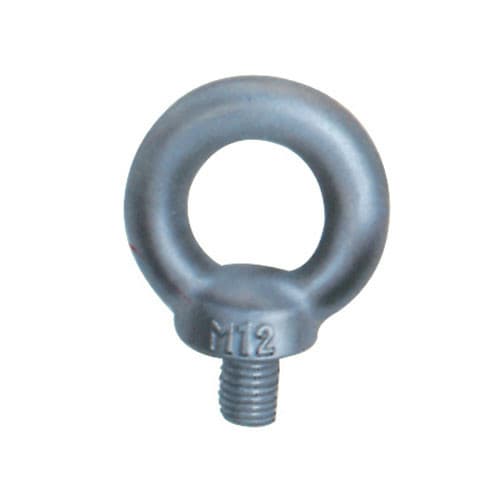
Hot-dip galvanized shoulder nut eye bolt with collar

Shoulder Nut Eye Bolt, Hot-Dip Galvanized — 650–24,000 lbs WLL

650 to 24,000 lbs1/4″ × 2″ to 1-1/2″ × 15″
Inquire
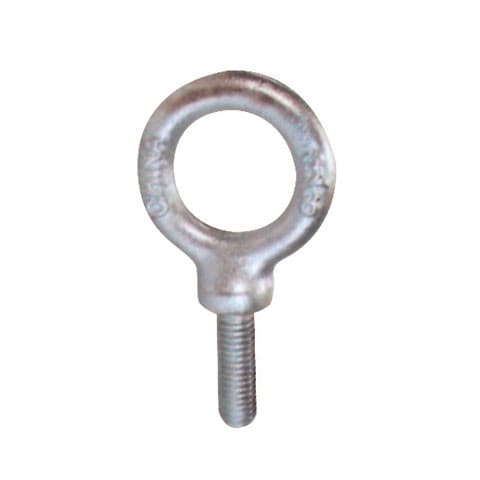
Shoulder machinery eye bolt with collar and short threaded shank

Shoulder Machinery Eye Bolt — 650–24,000 lbs WLL

1/4″ × 1″ to 1-1/2″ × 3-1/2″650 to 24,000 lbs
Inquire
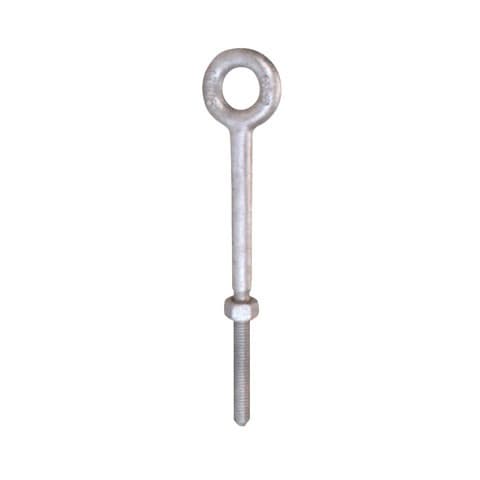
Hot-dip galvanized regular nut eye bolt, long threaded shank with nut

Regular Nut Eye Bolt, Hot-Dip Galvanized — 650–21,000 lbs WLL

1/4″ × 2″ to 1-1/4″ × 20″Forged carbon steel
Inquire
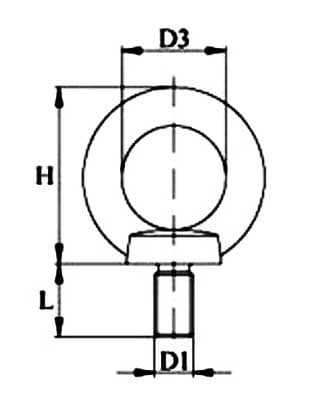
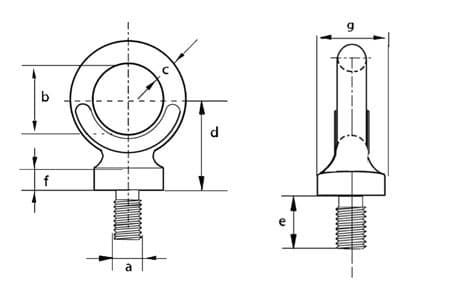
Dynamo Eyebolt — BS 4278 Table 3 — dimension drawing, standard shank

Dynamo Eyebolt — BS 4278 Table 3, 0.1–3.2 t WLL

Self coloured, electro-galvanized(zinc plated) upon requestM6 to M30
Inquire
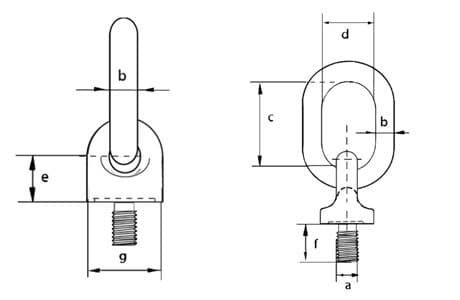
Collared Eyebolt with Oval Link — BS 4278 Table 2 — dimension drawing

Collared Eyebolt with Oval Link — BS 4278 Table 2, 0.1–6.3 t WLL

Self coloured / electric galvanized / hot-dip galvanized0.1 to 6.3 t
Inquire
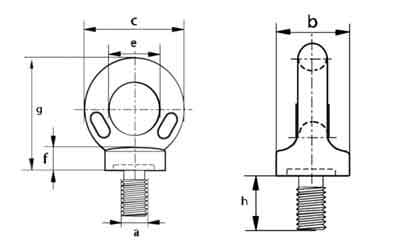
Collared Eyebolt — BS 4278 Table 1 — dimension drawing, standard shank

Collared Eyebolt — BS 4278 Table 1, 0.1–20 t WLL

Self colour / electro-galvanized0.1 to 20 t
Inquire
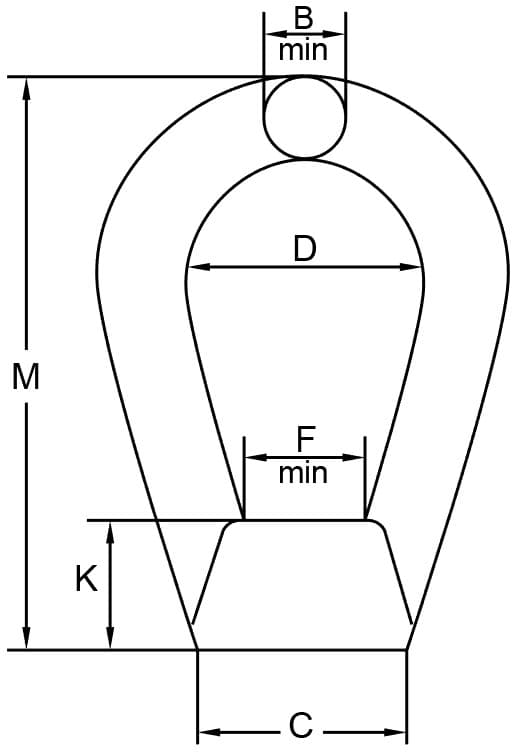
Bow Nut — BS 3974 — dimension drawing

Bow Nut — BS 3974, 230–7,400 kg WLL

Self colour, electro-galvanized upon request230 to 7,400 kg
Inquire
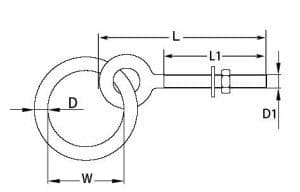
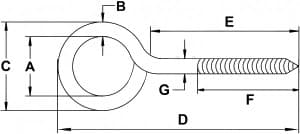
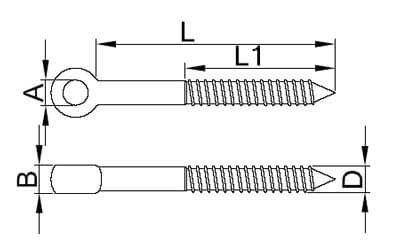
Wood Lag Screw Ring Bolt — dimension drawing

Wood Lag Screw Ring Bolt

Zinc platedMild steel
Inquire
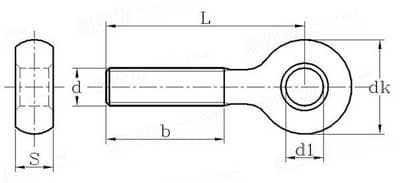
Swing Eye Bolt — DIN 444 — dimension drawing

Swing Eye Bolt — DIN 444

Zinc platedCarbon steel
Inquire
Stainless Steel Swing Eye Bolt — DIN 444 — dimension drawing

Stainless Steel Swing Eye Bolt — DIN 444

Stainless steel type 304/316Polished
Inquire
Stainless Steel Swing Eye Bolt — dimension drawing, uNC thread

Stainless Steel Swing Eye Bolt

PolishedStainless steel type 304 / 316 swing eye bolt
Inquire
Stainless steel US-type shoulder nut eye bolt with nut on a long shank

Stainless Steel Shoulder Nut Eye Bolt — US Type

Stainless steel 304 or 316, drop forged1/4″ × 2″ to 3/4″ × 6″
Inquire
Stainless Steel Shoulder Machinery Eye Bolt — G-279 Pattern — dimension drawing

Stainless Steel Shoulder Machinery Eye Bolt — G-279 Pattern

25.4 mm to 88.9 mmMachine polished /electrolytic polished
Inquire
Stainless Steel Shoulder Eye Bolt with Nut and Washer — UNC Thread — dimension drawing

Stainless Steel Shoulder Eye Bolt with Nut and Washer — UNC Thread

1/4″ to 7/8″Stainless steel 304/316 long shank eye bolt
Inquire
Stainless Steel Regular Nut Eye Bolt — G-291 Pattern — dimension drawing

Stainless Steel Regular Nut Eye Bolt — G-291 Pattern

500 lbs to 15200 lbsMachine polished /electrolytic polished
Inquire
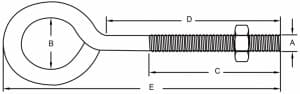
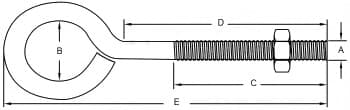
Stainless Steel Long Shank Eye Bolt with Nut and Washer — dimension drawing, plain shank

Stainless Steel Long Shank Eye Bolt with Nut and Washer

Stainless steel 304/316 long shank eye boltPolished
Inquire
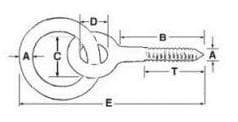
Stainless Steel Lag Eye Screw / Bolt — dimension drawing, lag eye screw

Stainless Steel Lag Eye Screw / Bolt

Stainless steel type 304 / 316 lag eye screwPolished
Inquire
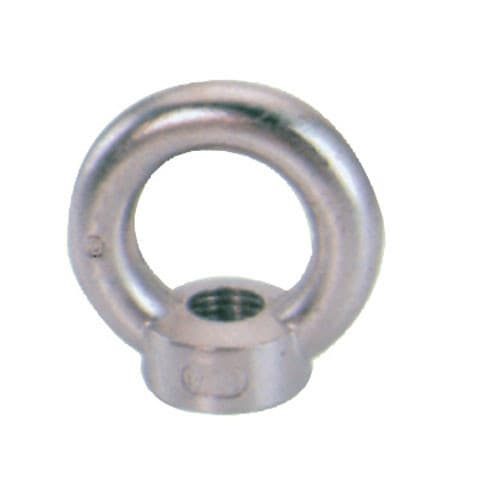
Stainless Steel JIS B 1169 Eye Nut — dimension drawing, metric thread

Stainless Steel JIS B 1169 Eye Nut

PolishedType 304 or 316 stainless steel
Inquire
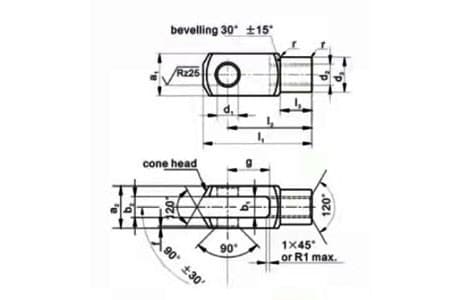
Fork Head Clevis Joint — DIN 71752 — dimension drawing

Fork Head Clevis Joint — DIN 71752

M4×0.7 to M16×2Mild steel / aluminum / stainless steel
Inquire

Questions we get asked

About this range

01What is the difference between WLL, SWL and breaking load?
WLL — working load limit — is the most the manufacturer rates a part to carry in service. SWL, safe working load, is the older term and is sometimes set lower for a particular installation. The minimum breaking load is what the part withstood in test, several times its WLL, and it is never a working figure.
02Do the parts come with test certificates?
Yes. Each consignment ships with the manufacturer's test certificate. If your site needs more — third-party certification or witnessed proof testing — say so on the RFQ and we will confirm what we can arrange.
03Are DIN 580, JIS B 1168, BS 4278 and US eye bolts interchangeable?
Not reliably. Each standard has its own thread form, shank length, collar size and load table, so an eye bolt must match the tapped hole it goes into and carry its own published rating. A metric bolt will not seat properly in a UNC hole, and an eye bolt that does not seat fully on its collar or shoulder loses its angled rating. Order to the standard and thread of the hole — metric coarse, UNC or as marked on the equipment — and check the thread length against the hole depth.
04Which eye bolts on this shelf are not for lifting?
Lag screw eyes, wood lag ring bolts, wire-turned welded and unwelded eye bolts, DIN 444 swing eye bolts and DIN 71752 clevis joints are made for fixing, fencing, guying and machine linkages, not for lifting. Use a forged eye bolt or eye nut with a published WLL, made to DIN 580, DIN 582, JIS B 1168, BS 4278 or a US forged pattern, and check its product page shows a lifting rating before rigging from it.
05How do I rig a two-leg lift from two eye bolts?
Use shoulder or collared eye bolts, seated fully on their collars, with the plane of each eye lined up with its sling leg, and apply the reduced rating the maker's table gives for the angle. Never unscrew a bolt short of full seating to turn the eye into line; use the maker's permitted washers or shims, or change to a swivel lifting point. Plain-shank eye bolts are for vertical pulls only, and a spreader beam keeps the legs vertical where the angle would be too flat.
06When should I use an eye nut instead of an eye bolt?
Use an eye nut where the load already has a protruding threaded stud or bolt, such as a machine or motor with a stud fitted for lifting, and an eye bolt where it has a tapped hole. An eye nut must be screwed fully home onto a stud long enough for full thread engagement and seated on a flat face. The same angle rules apply as for an eye bolt, so check the maker's table for anything other than a straight pull.