
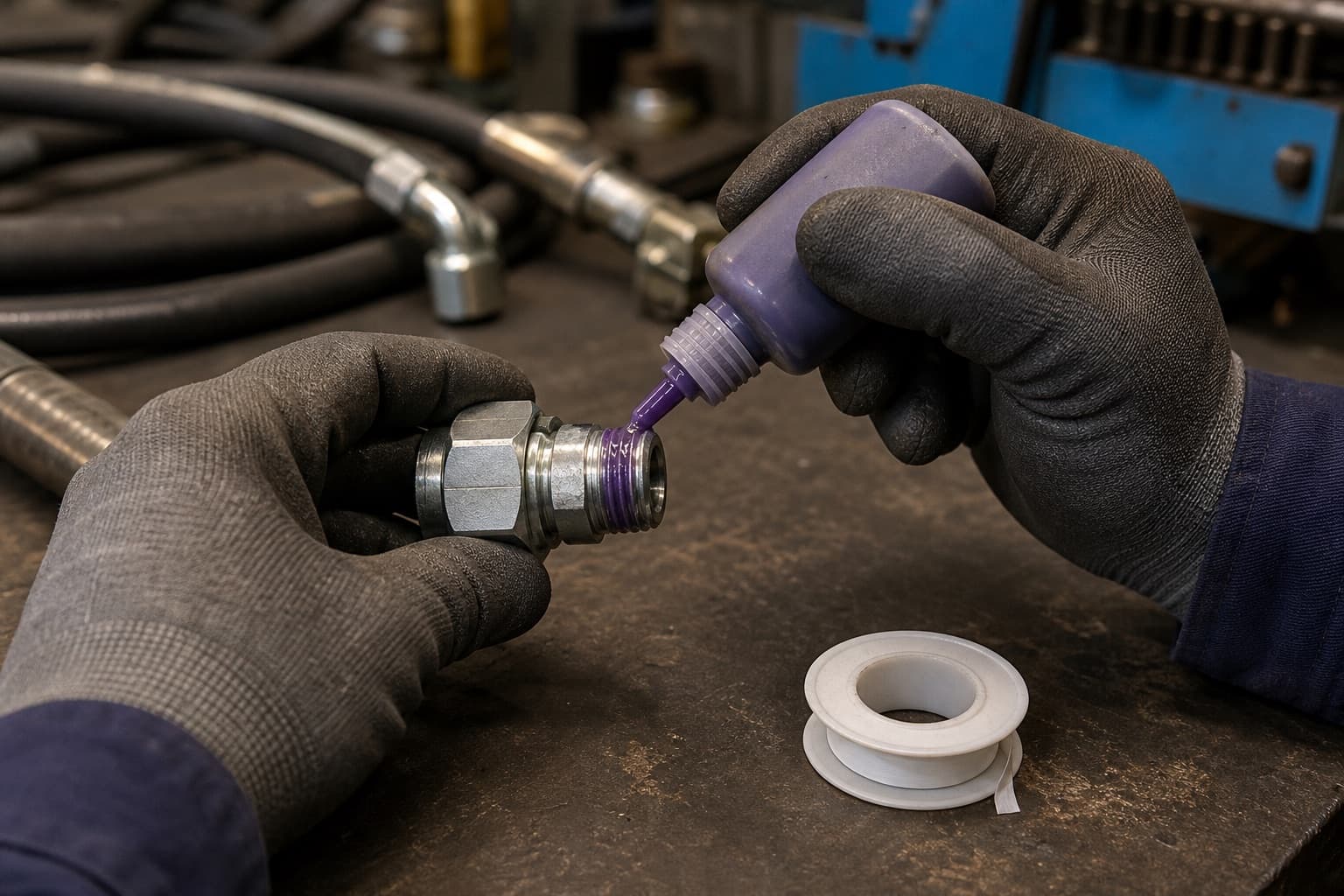
Stopping an NPT leak: tape, sealant, or neither
A tapered thread seals on the thread itself, which is why it needs help. Every other connector on the machine seals somewhere else, which is why putting tape on it makes the leak worse.
From the workshop · Indus blog
No SEO bait, no marketing fluff. Just practical writing about hydraulic systems from the people who specify, install and rebuild them every day.
A tapered thread seals on the thread itself, which is why it needs help. Every other connector on the machine seals somewhere else, which is why putting tape on it makes the leak worse.
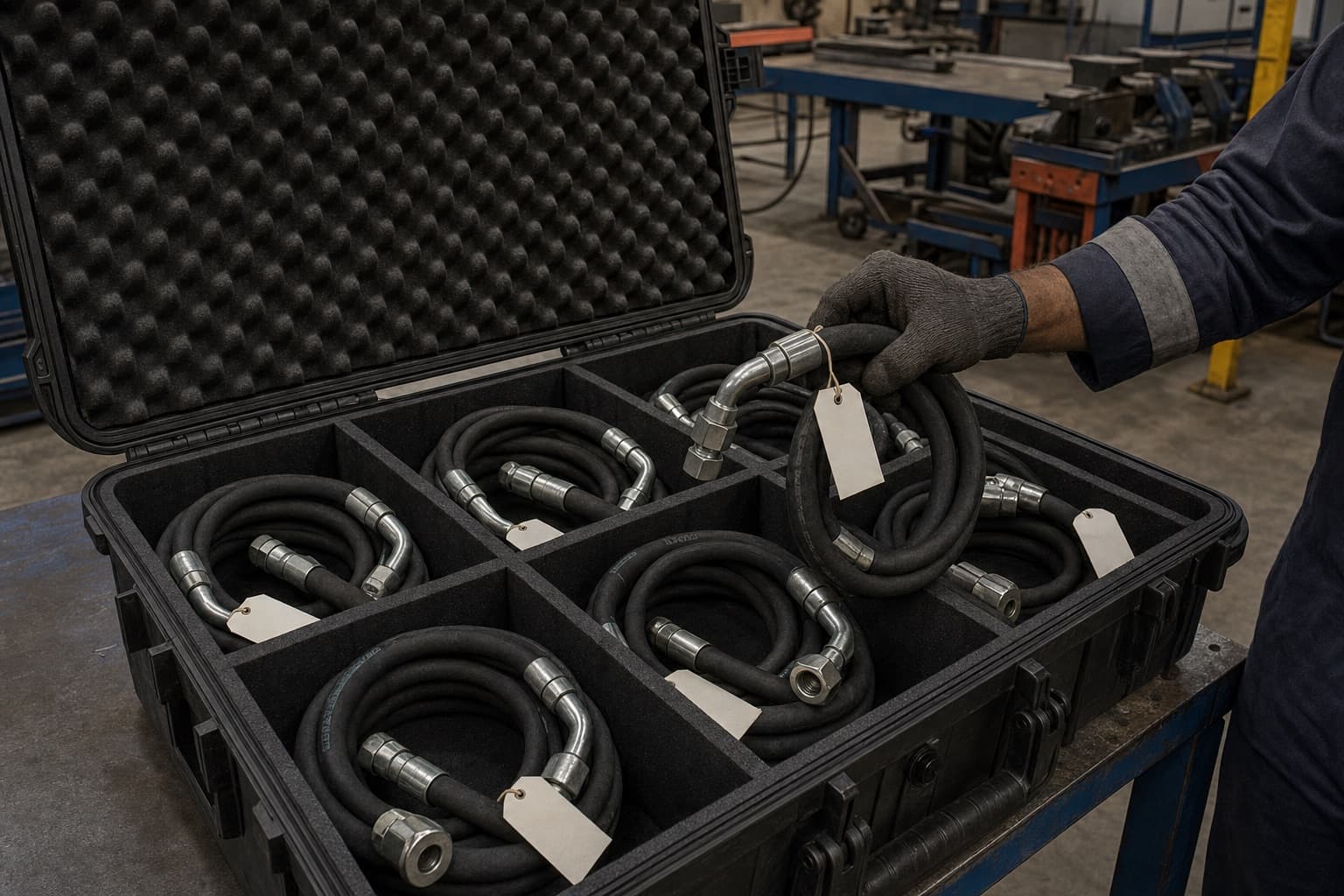
A kit is not a box of spare hoses. It is a decision about which failures you are prepared to have unplanned — written down, priced, and put on a shelf before it is needed.
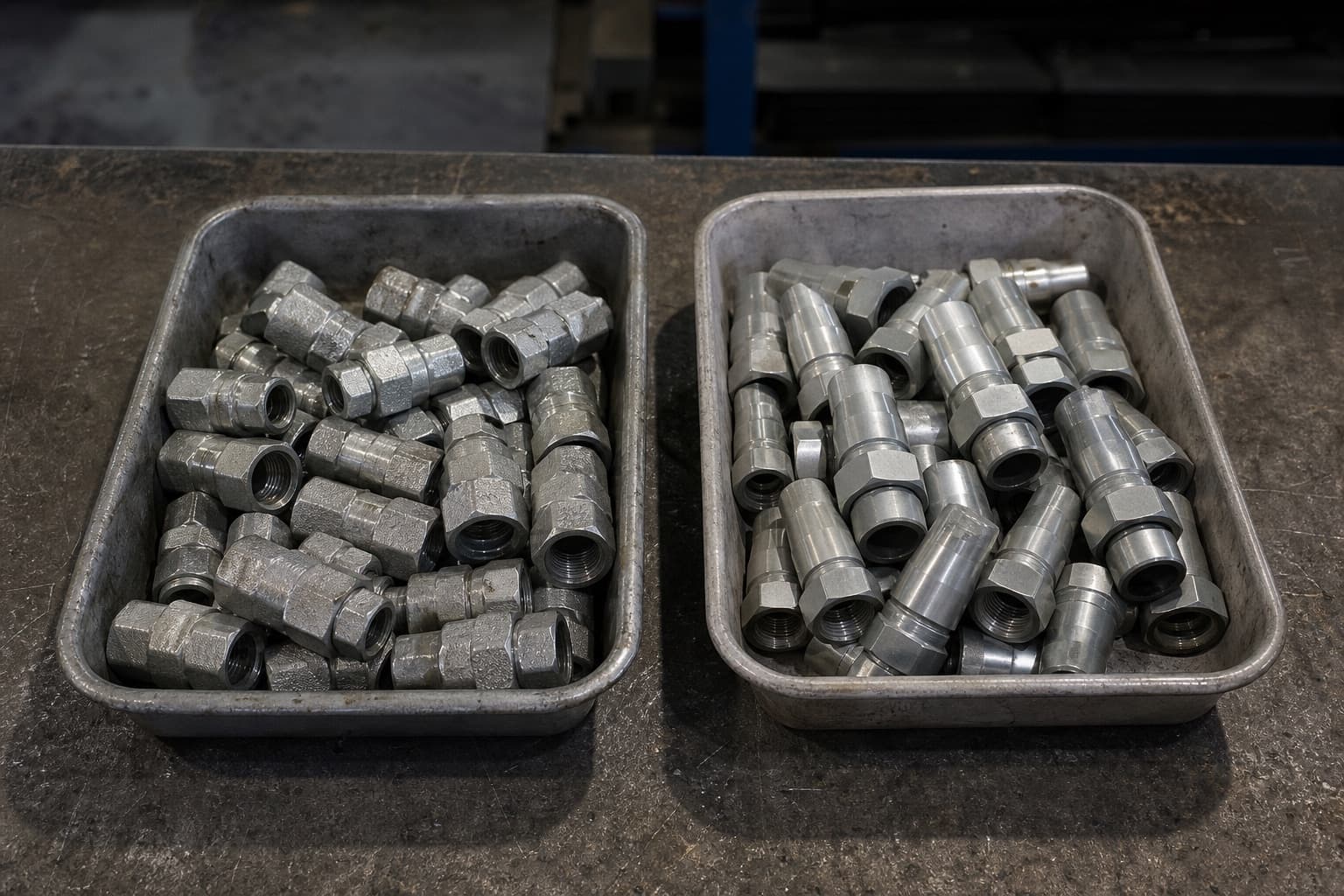
The problem with an unbranded fitting is not that it is cheap. It is that nobody can tell you its crimp specification, its material or its pressure rating — so the assembly built from it has no stated rating at all.
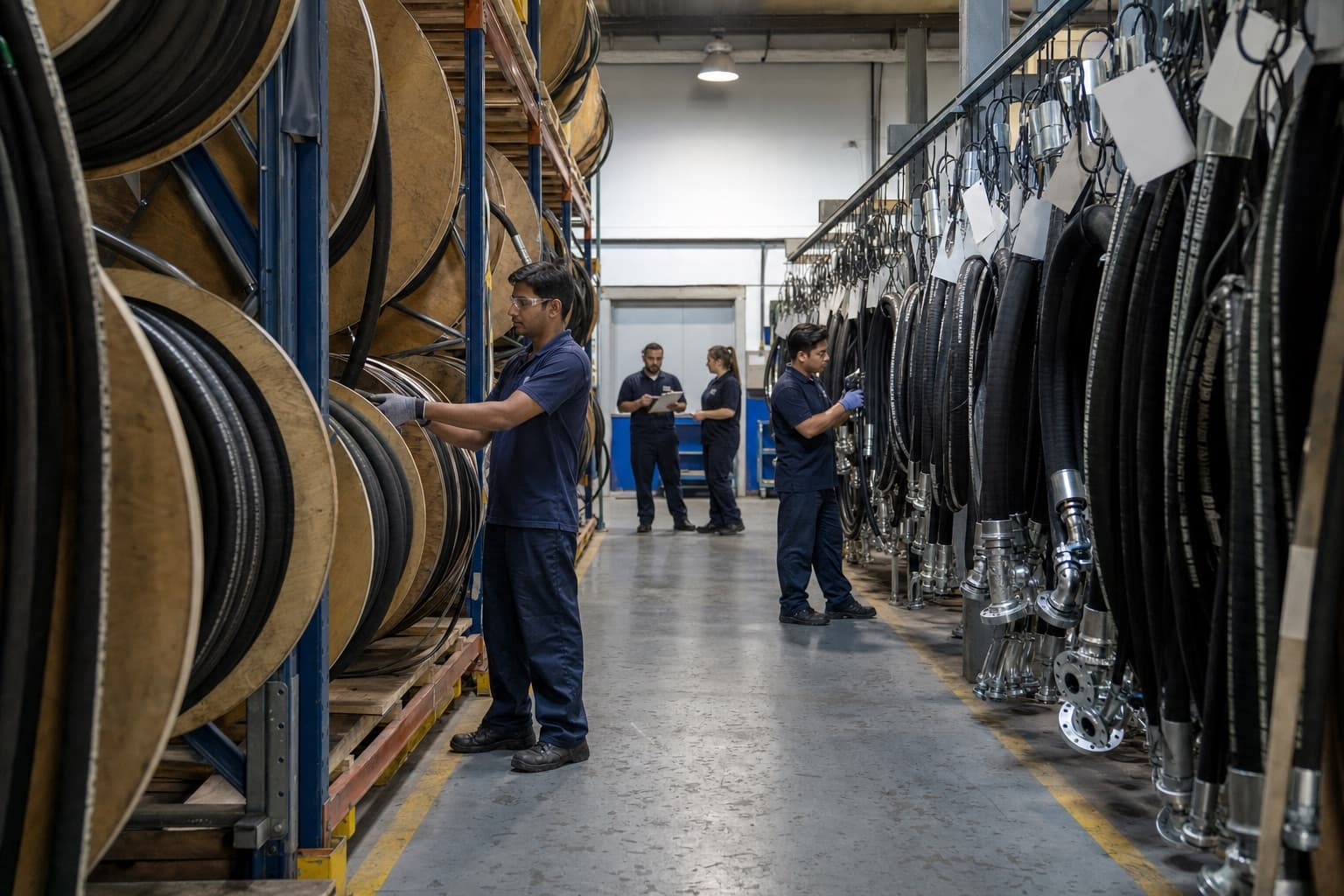
Buying hose on a reel and crimping your own looks cheaper and sometimes is. The decision turns on whether you can state a crimp diameter and prove you hit it.
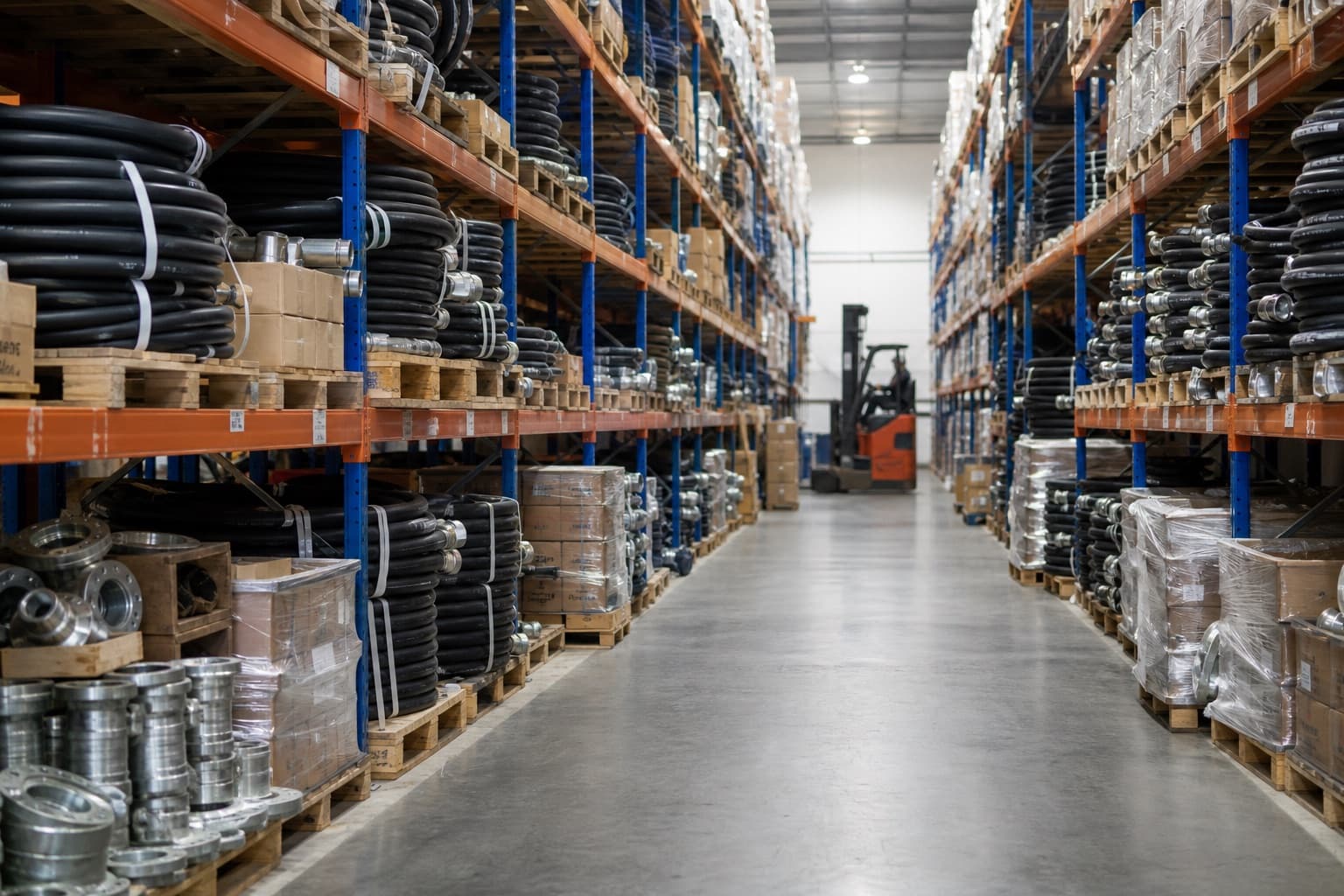
Three quite different situations get described as "lead time", and they differ by orders of magnitude. Knowing which one you are in is what lets you plan rather than chase.
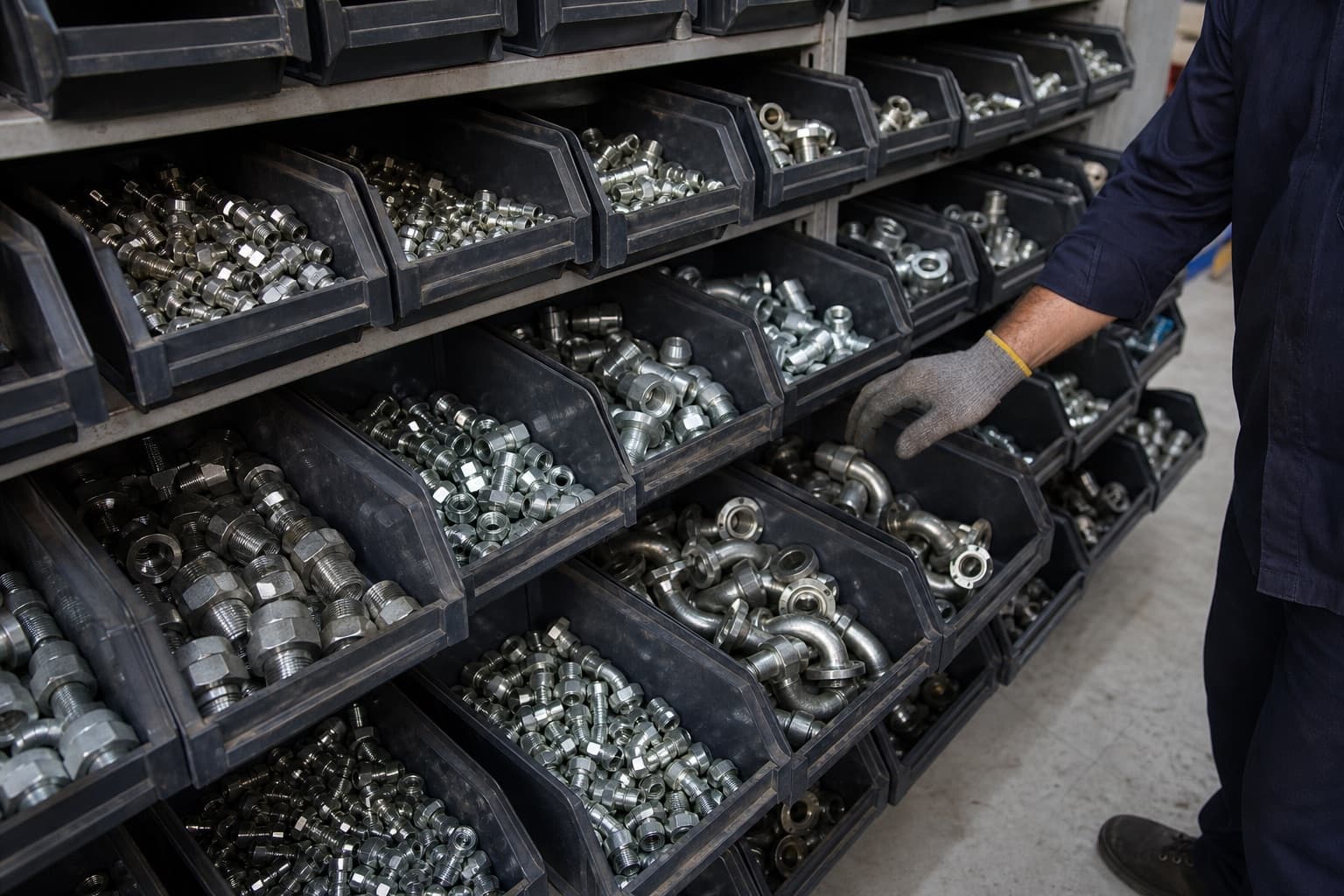
Stocking everything is expensive and stocking nothing is worse. The useful question is not what fails most often — it is what stops the most valuable thing for the longest.
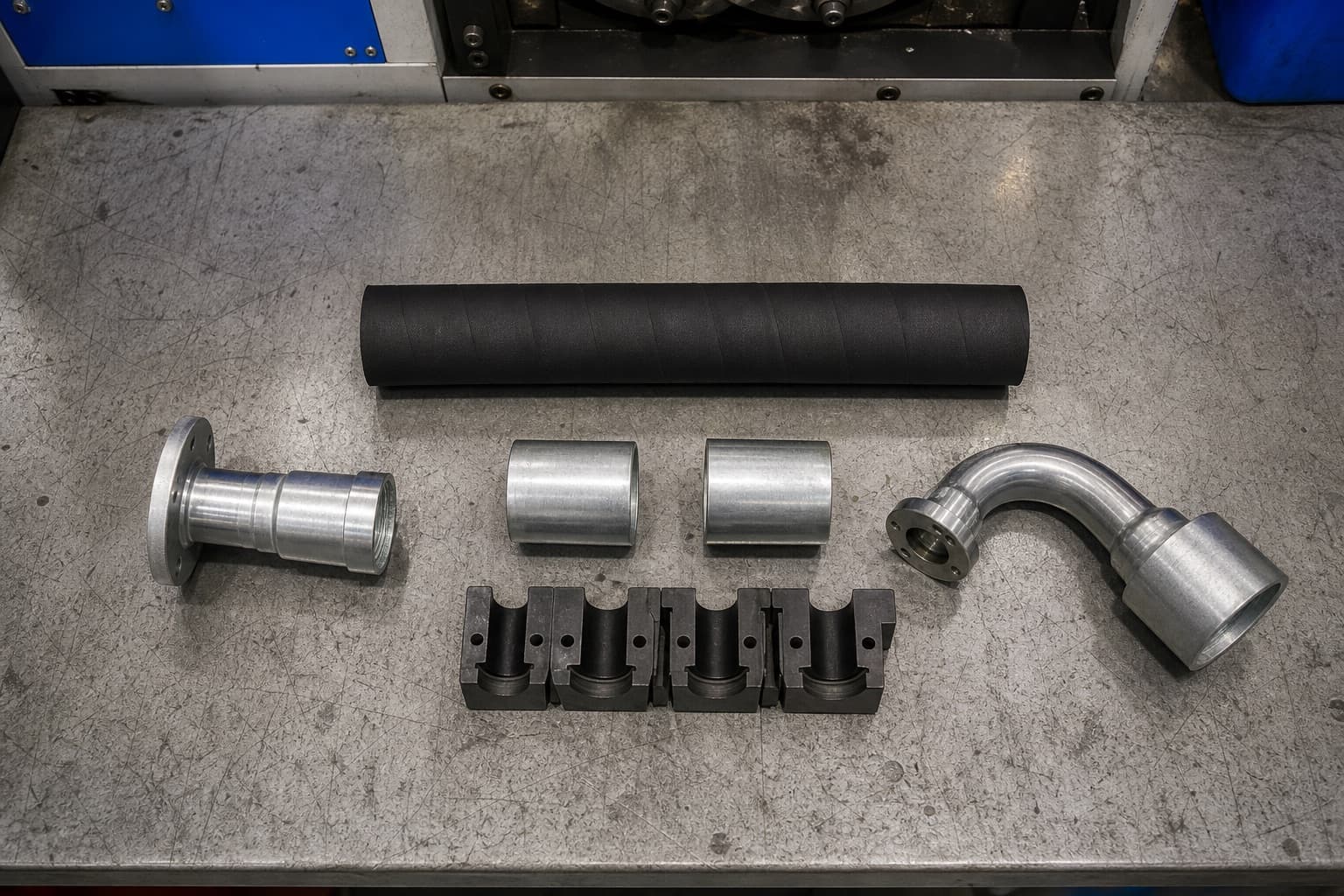
Two assemblies of the same length can differ several-fold in price, and the reason is almost never the rubber. Here is what moves the number, so a quote can be read rather than just accepted.

Most quote requests come back with a question rather than a price, and it is nearly always the same handful of missing details. Here is what to include so the first reply is a number.
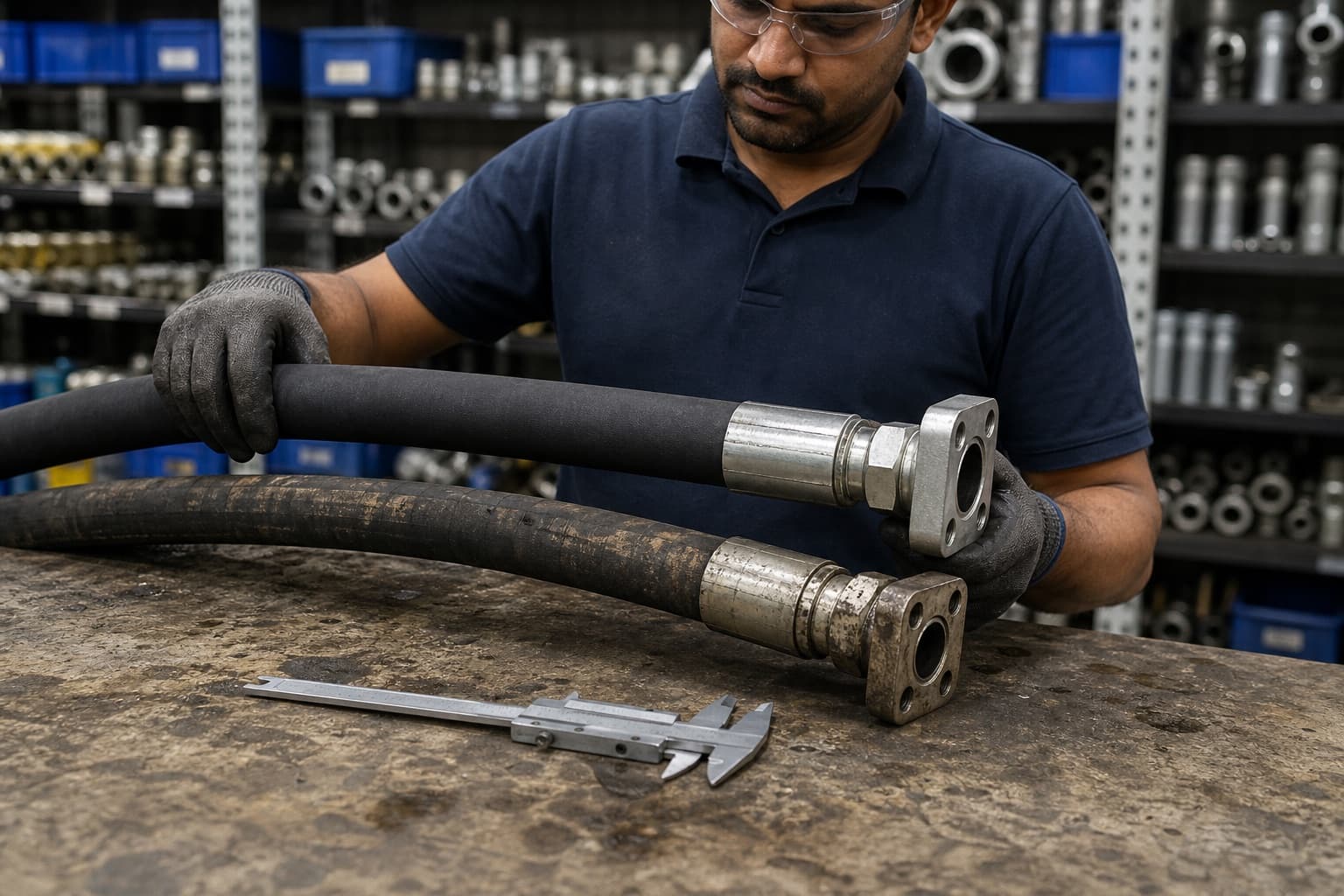
Somebody hands you a part number from a brand you cannot buy locally. Here is how to find something that genuinely replaces it — and why the cross-reference tables you will find online are not evidence.
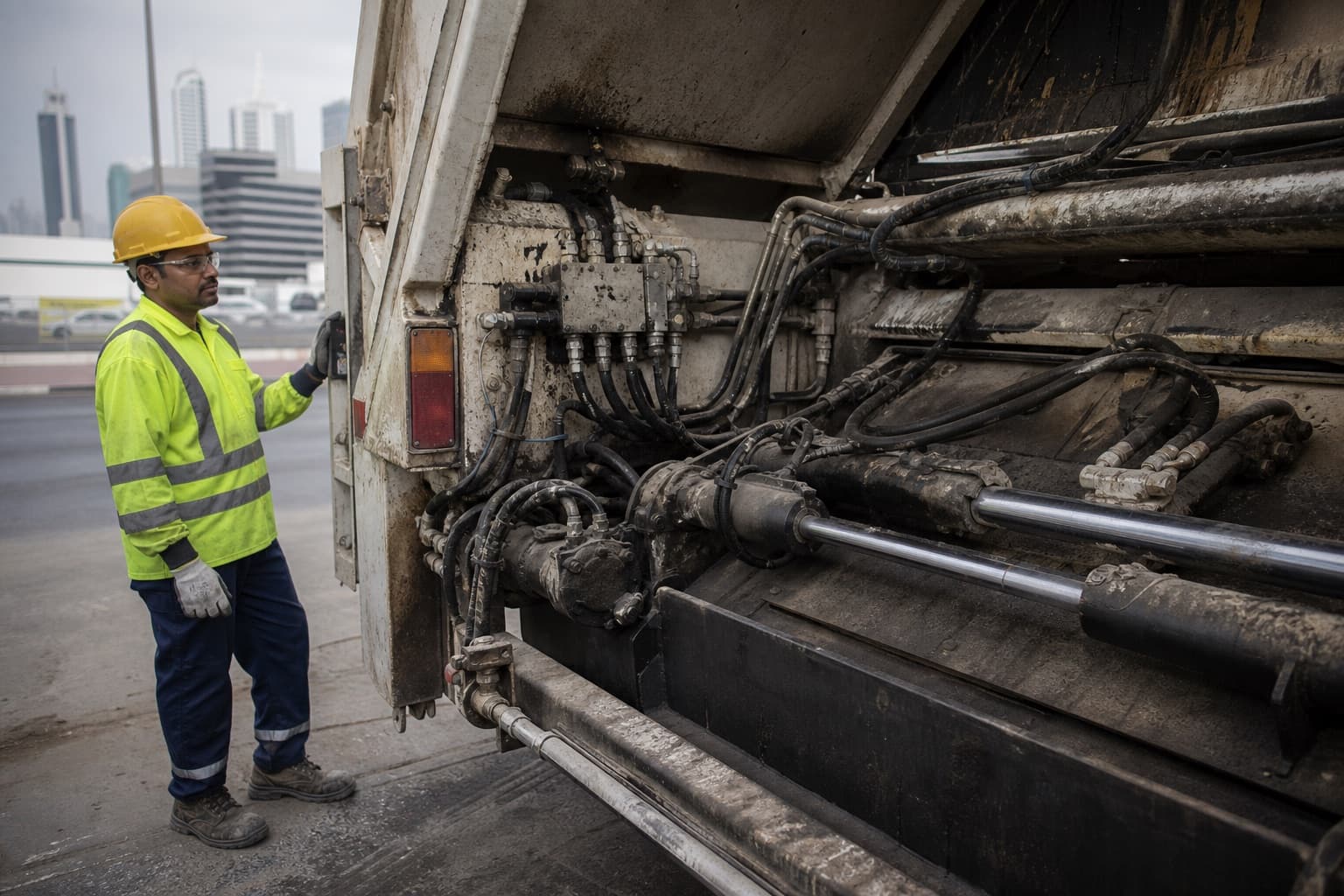
A collection vehicle compacts a few hundred times a shift, in traffic, all year. Its hydraulics work harder than most construction plant and get maintained like a truck rather than like a machine.
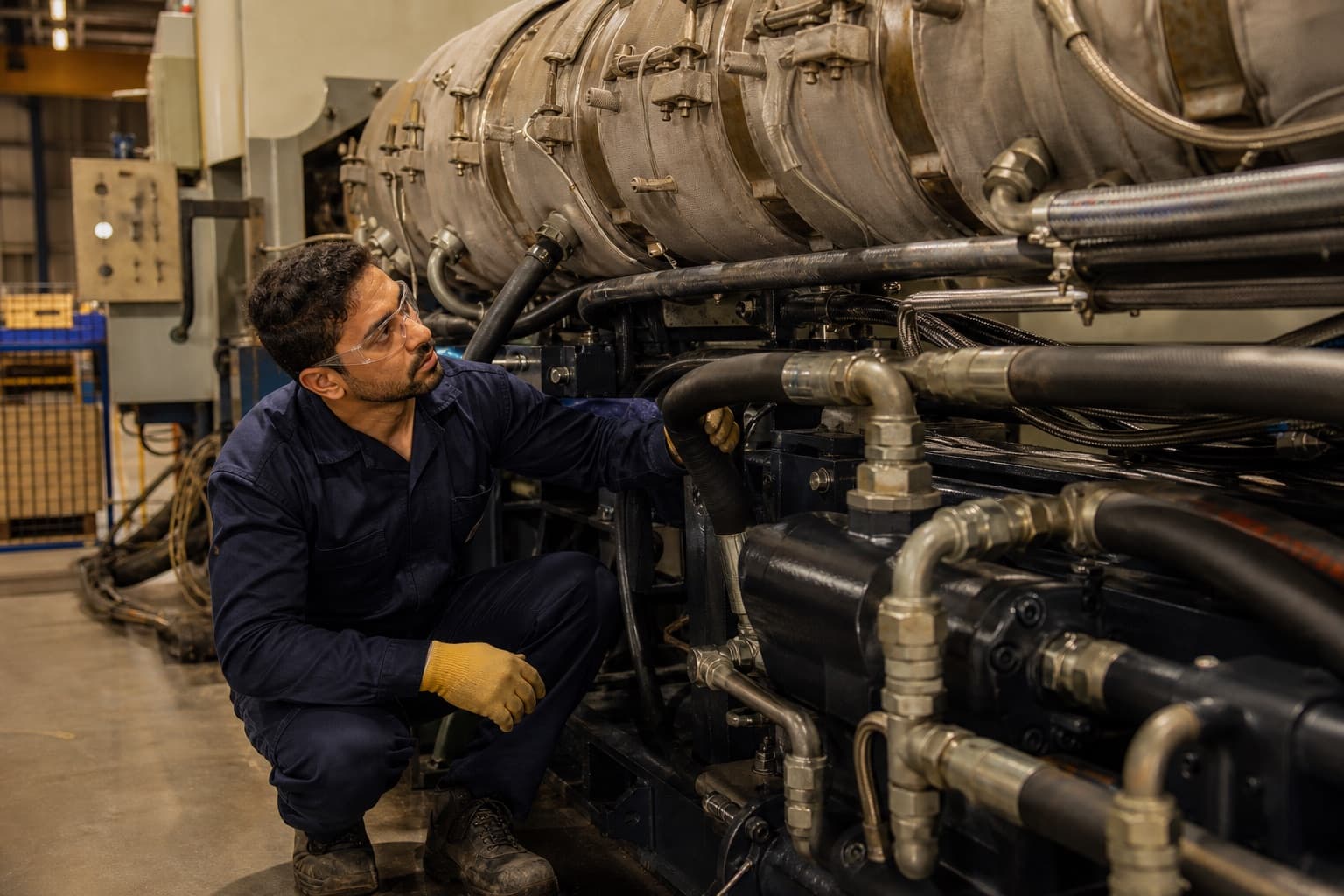
A moulding machine sits still in a clean factory and eats hoses anyway. The hoses are not being flexed or abraded — they are being cooked, next to a barrel that runs hot all day.
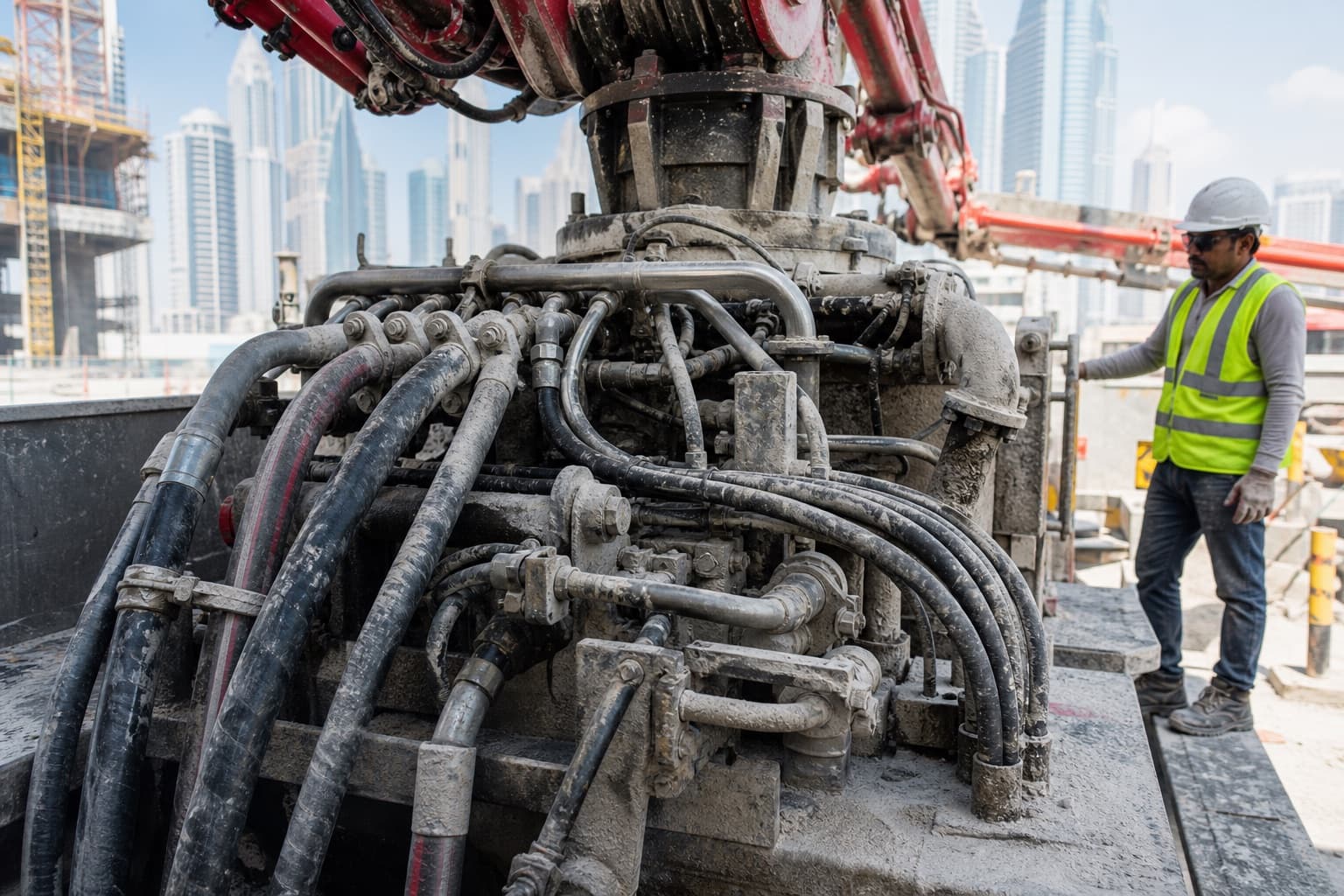
A truck-mounted pump runs pumping pressures well above ordinary construction plant, on a duty cycle that reverses continuously. Do not confuse the hydraulic hoses with the delivery hose — they are different problems entirely.