Skip to content

Snatch Blocks & Pulleys

106 SKUs

Showing 1–48 of 106 SKUs

Category image · Lifting & Rigging
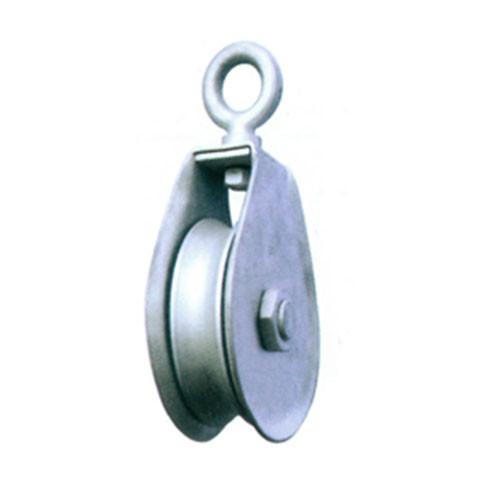
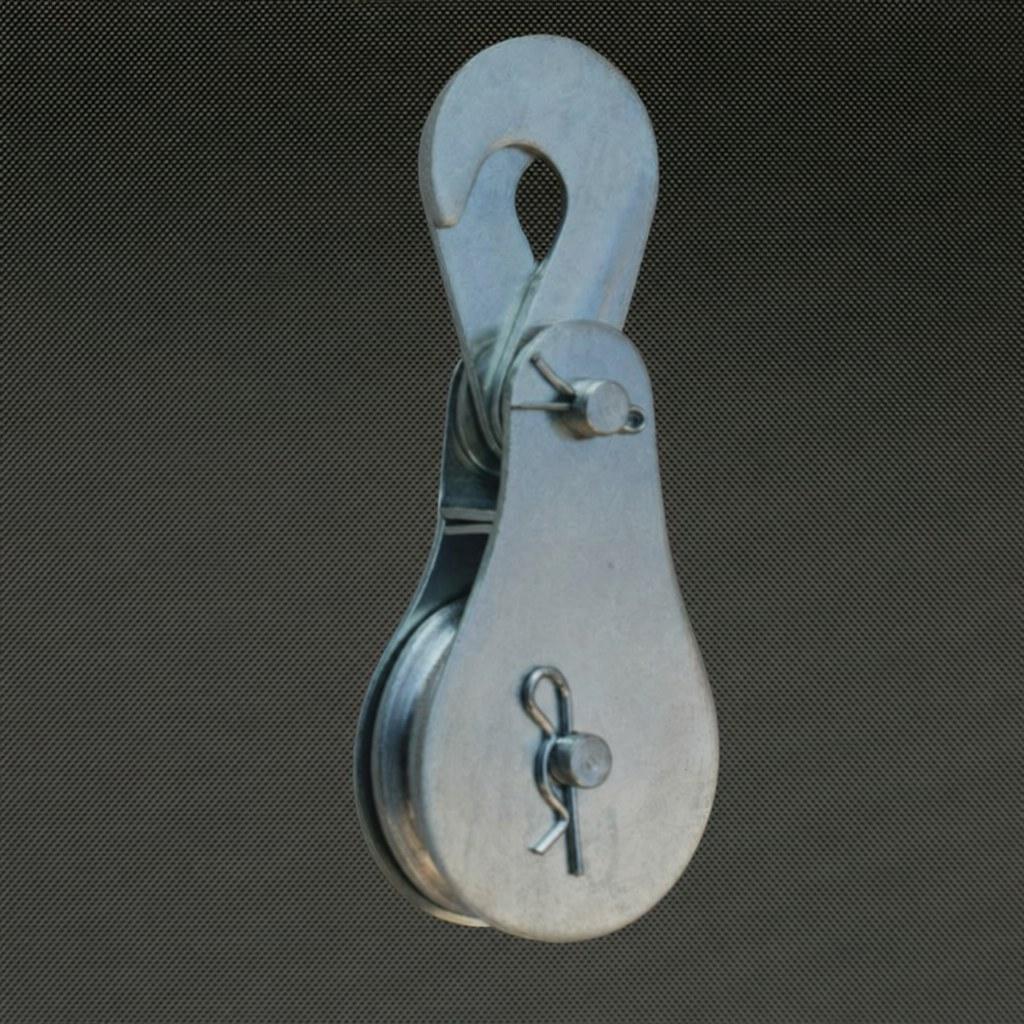
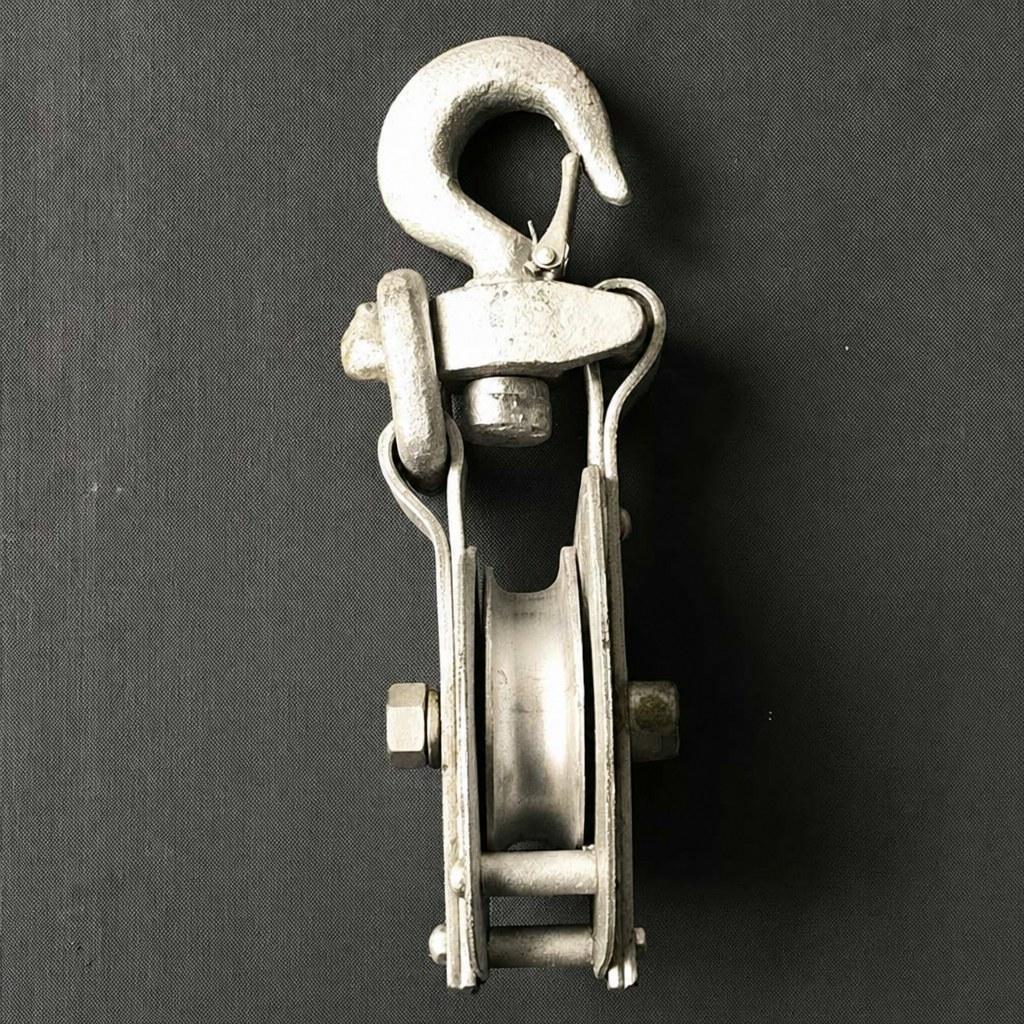
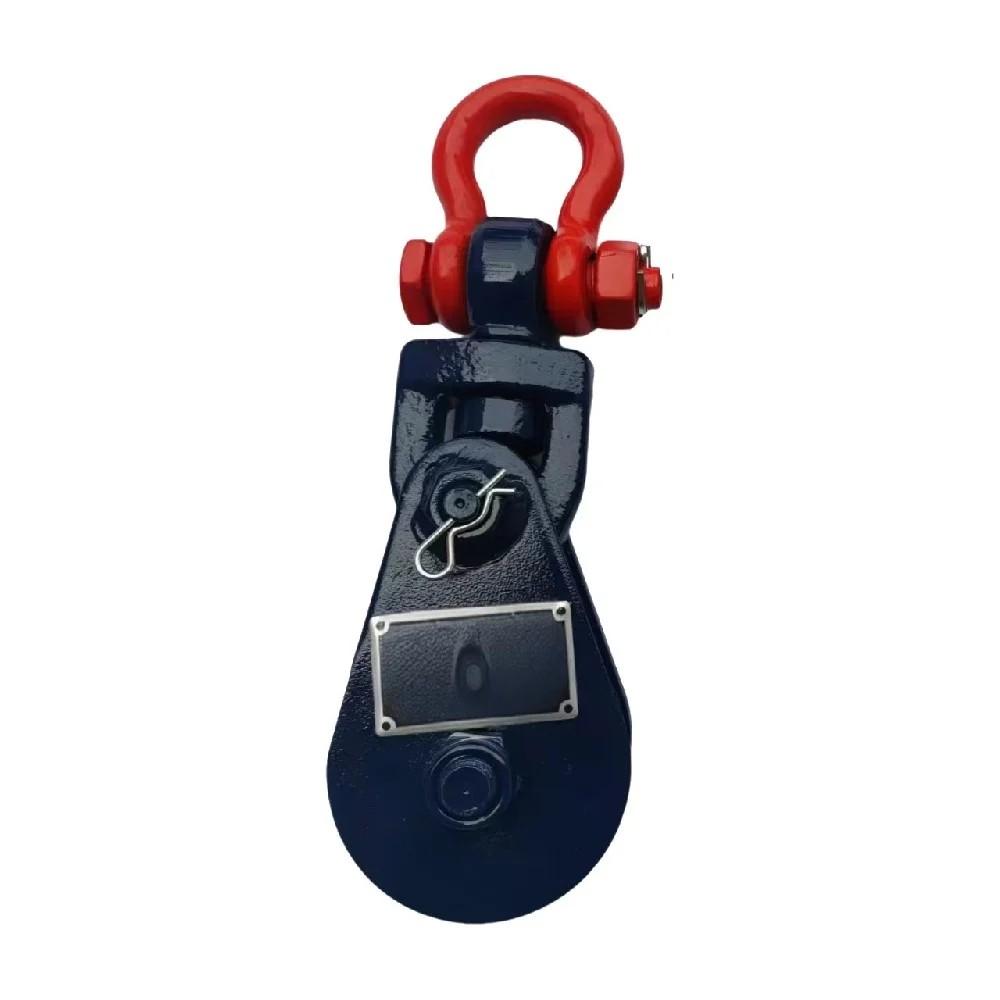
Galvanized swivel eye snatch block with single sheave

Swivel Eye Snatch Block — 400–1,900 lbs WLL

1-1/2″ to 5″Hot dipped galvanized
Inquire
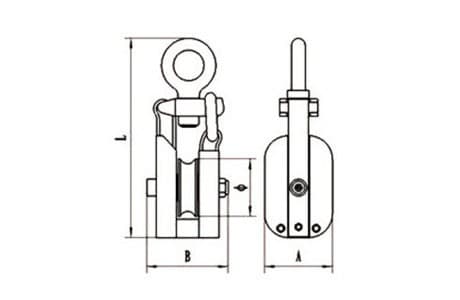
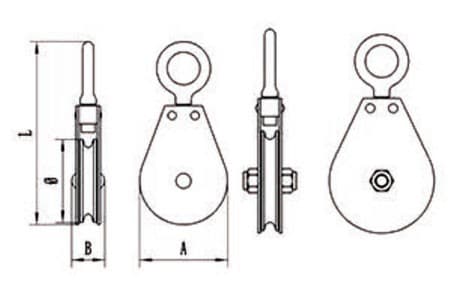
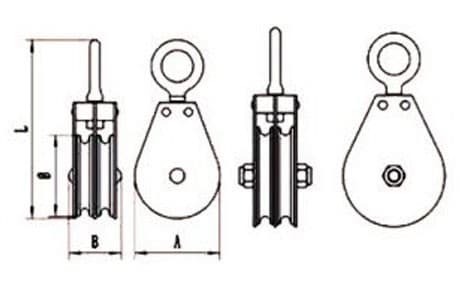
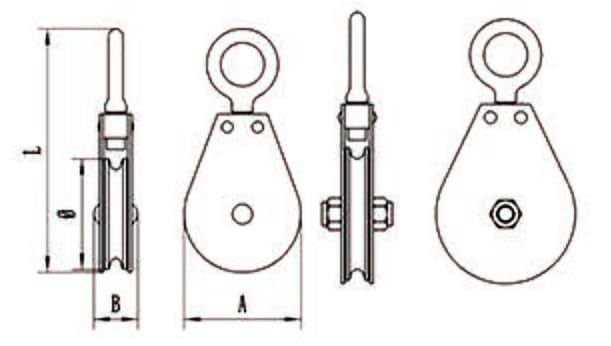
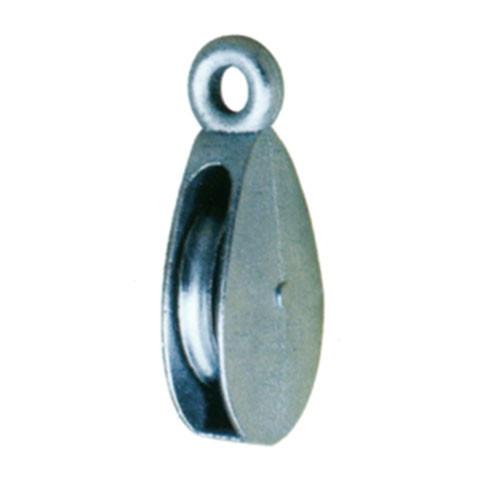
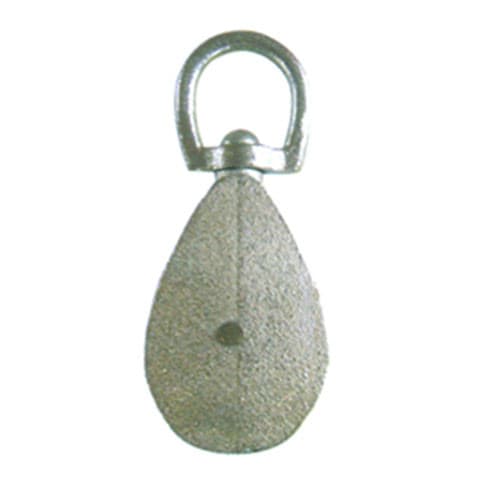
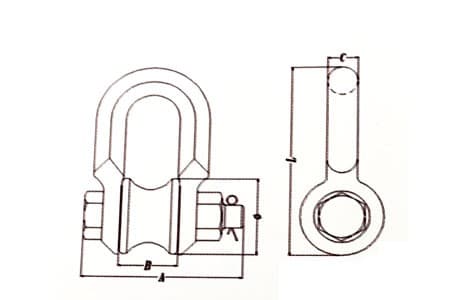
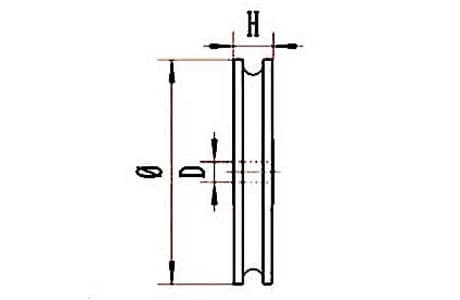
Stainless Steel Swivel Eye Pulley Single Wheel — dimension drawing

Stainless Steel Swivel Eye Pulley Single Wheel — 15–100 mm

Polished / electrophoretic coating15 mm to 100 mm
Inquire
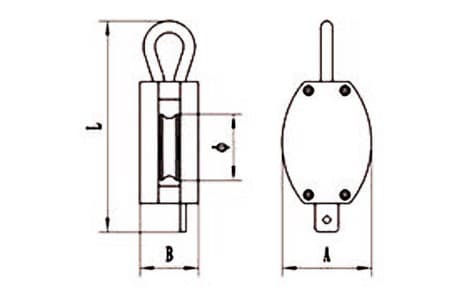
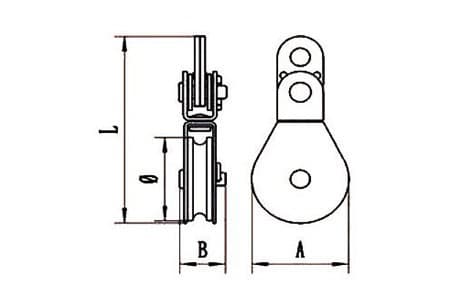
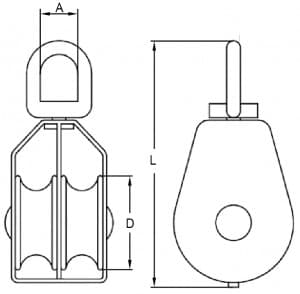
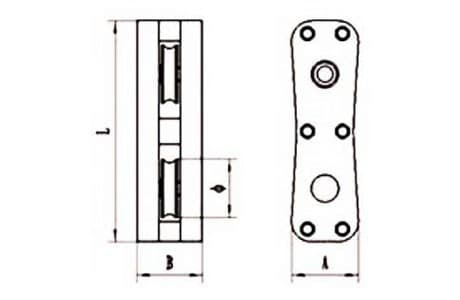
Stainless Steel Double Wheel Swivel Pulley Block — dimension drawing

Stainless Steel Double Wheel Swivel Pulley Block — 25–50 mm

Polished / electrophoretic coating25 mm to 50 mm
Inquire
Category image · Lifting & Rigging

Stainless Steel Closed Type Block — 1,400–3,000 lbs WLL

PolishedType 304 or type 316 stainless steel
Inquire
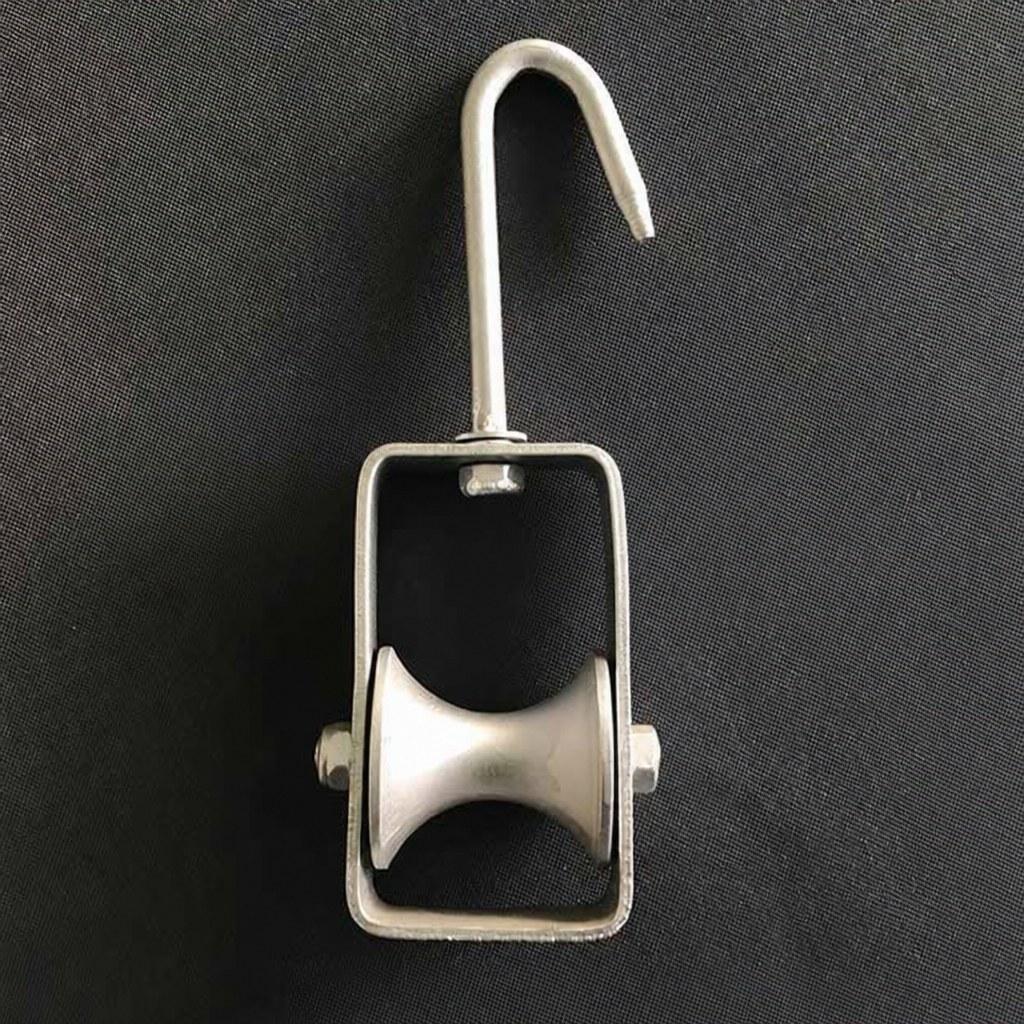
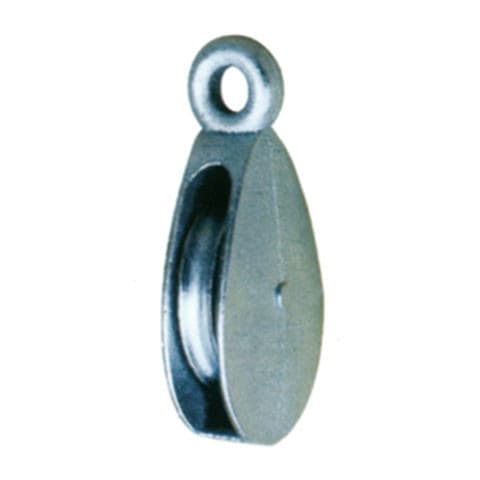
Stainless steel body block with fixed eye and single sheave

Stainless Steel Body Block with Eye — 2–4″

Type 304 or type 316 stainless steelPolished
Inquire
Category image · Lifting & Rigging
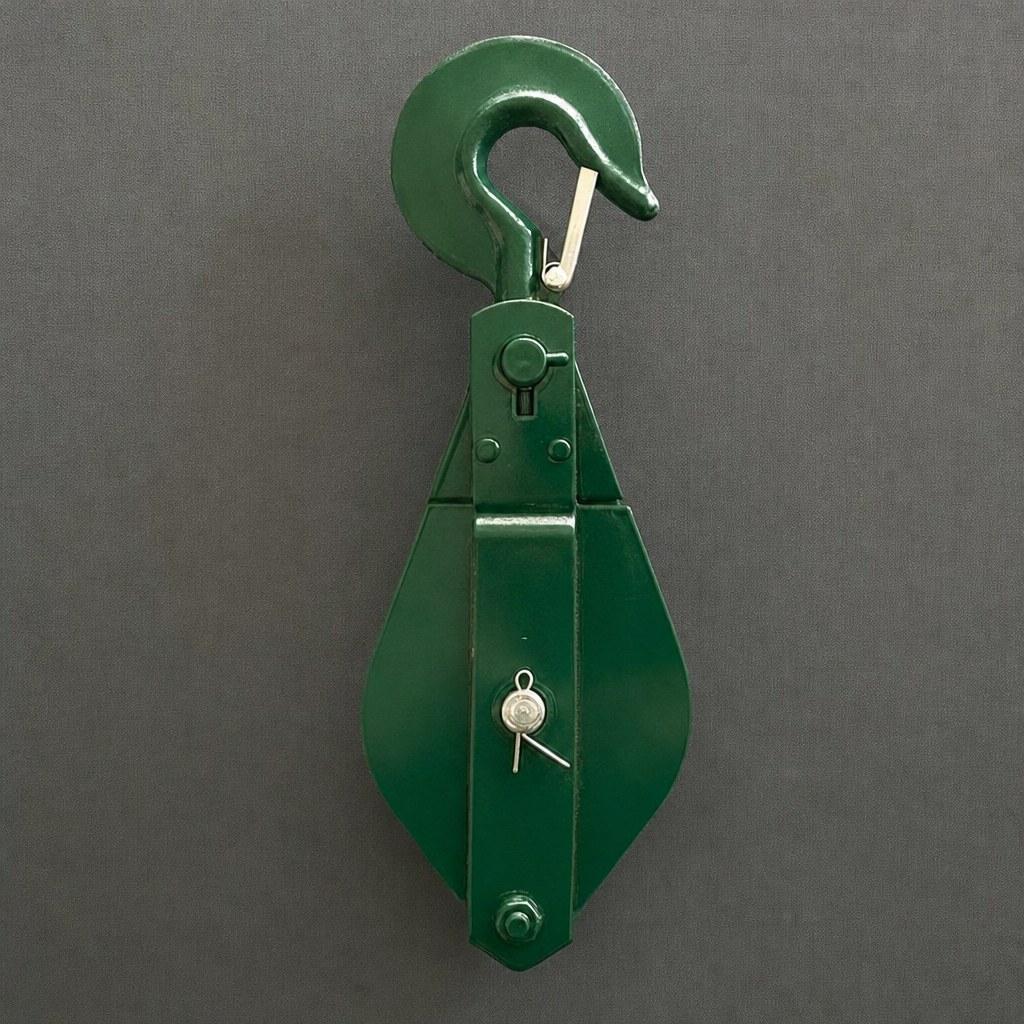
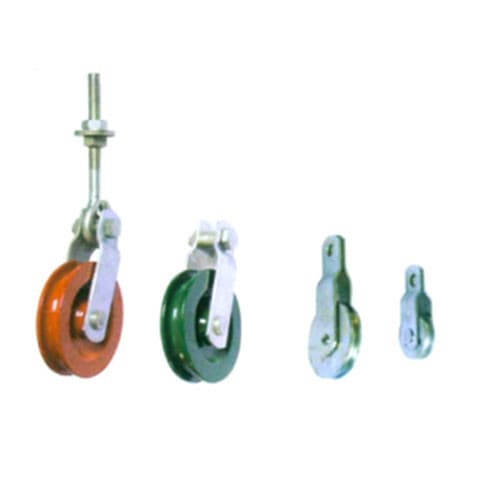
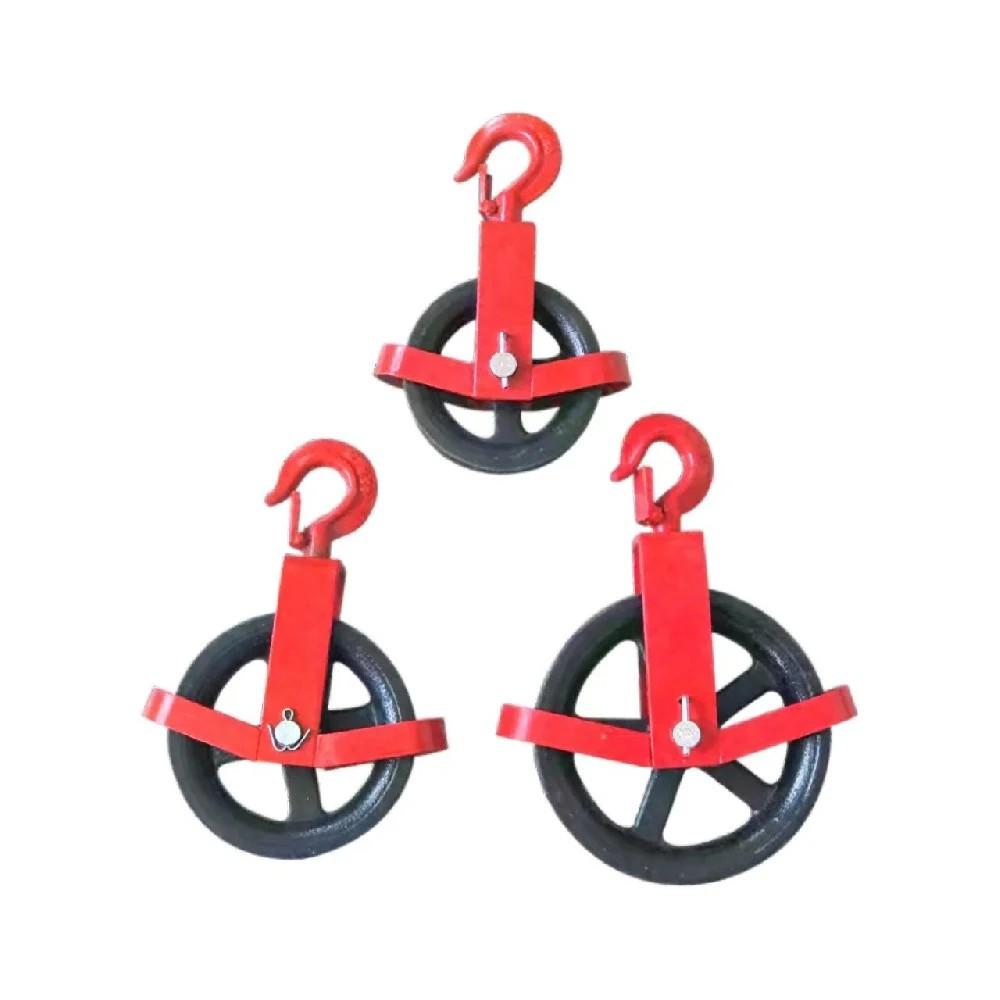
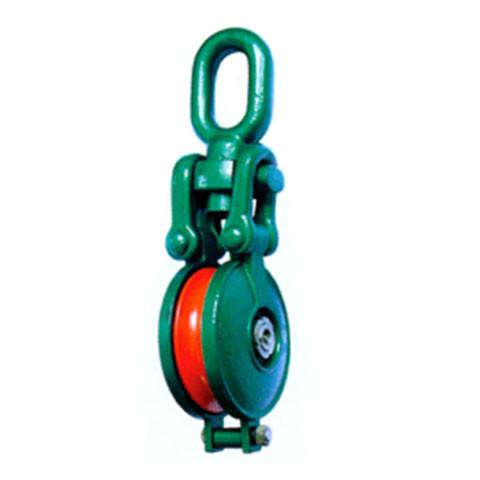
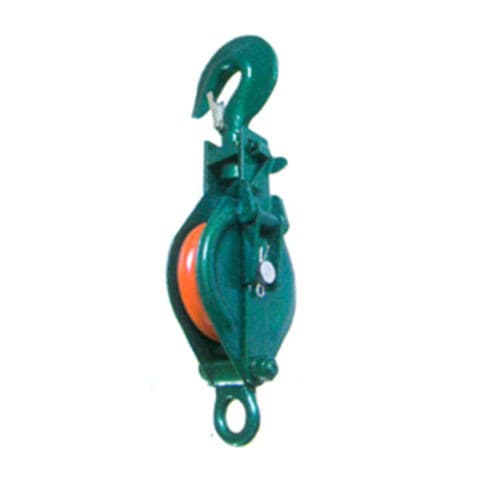
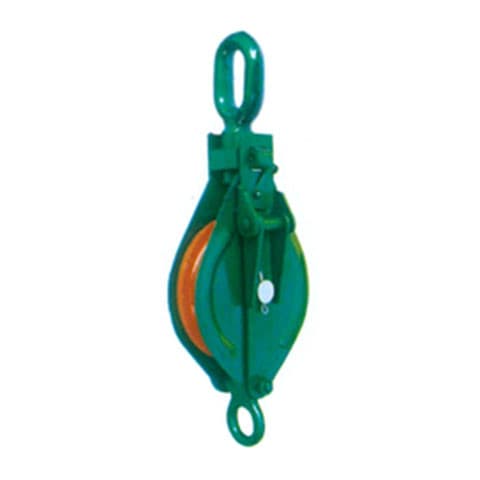
Rigging block with swivel eye, green frame and red sheave

Rigging Block with Eye — 0.25–1.5 t WLL

0.25 to 1.5 tGalvanized or painted
Inquire
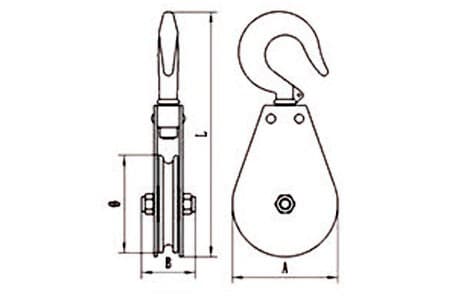
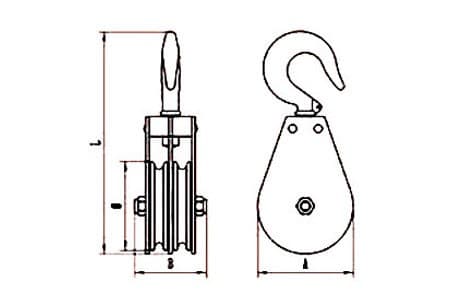
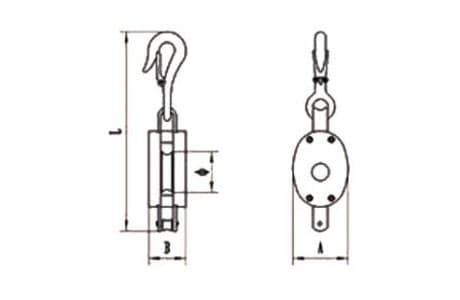
Regular Wood Block — dimension drawing, single sheave, hook

Regular Wood Block — 500–10,600 lbs WLL

500 to 10,600 lbsHot dipped galvanized
Inquire

Questions we get asked

About this range

01Can a snatch block be used for lifting?
Yes, within its rated load — but the load on the block is not the load on the rope. With the rope turned through 180° the block carries about twice the line pull, so rate the block, its hook or shackle and its anchor point for that.
02Do the parts come with test certificates?
Yes. Each consignment ships with the manufacturer's test certificate. If your site needs more — third-party certification or witnessed proof testing — say so on the RFQ and we will confirm what we can arrange.
03How do I work out the load on a snatch block when the rope turns less than 180°?
Multiply the line pull by twice the cosine of half the angle between the two lead lines. With the lines parallel (a 180° turn) the factor is 2.0; with 60° between them it is about 1.73, at 90° about 1.41, at 120° 1.0 and at 150° about 0.52. The block, its hook or shackle and the anchor point must each be rated for that resultant load, not for the line pull.
04What is the difference between a snatch block and a pulley block?
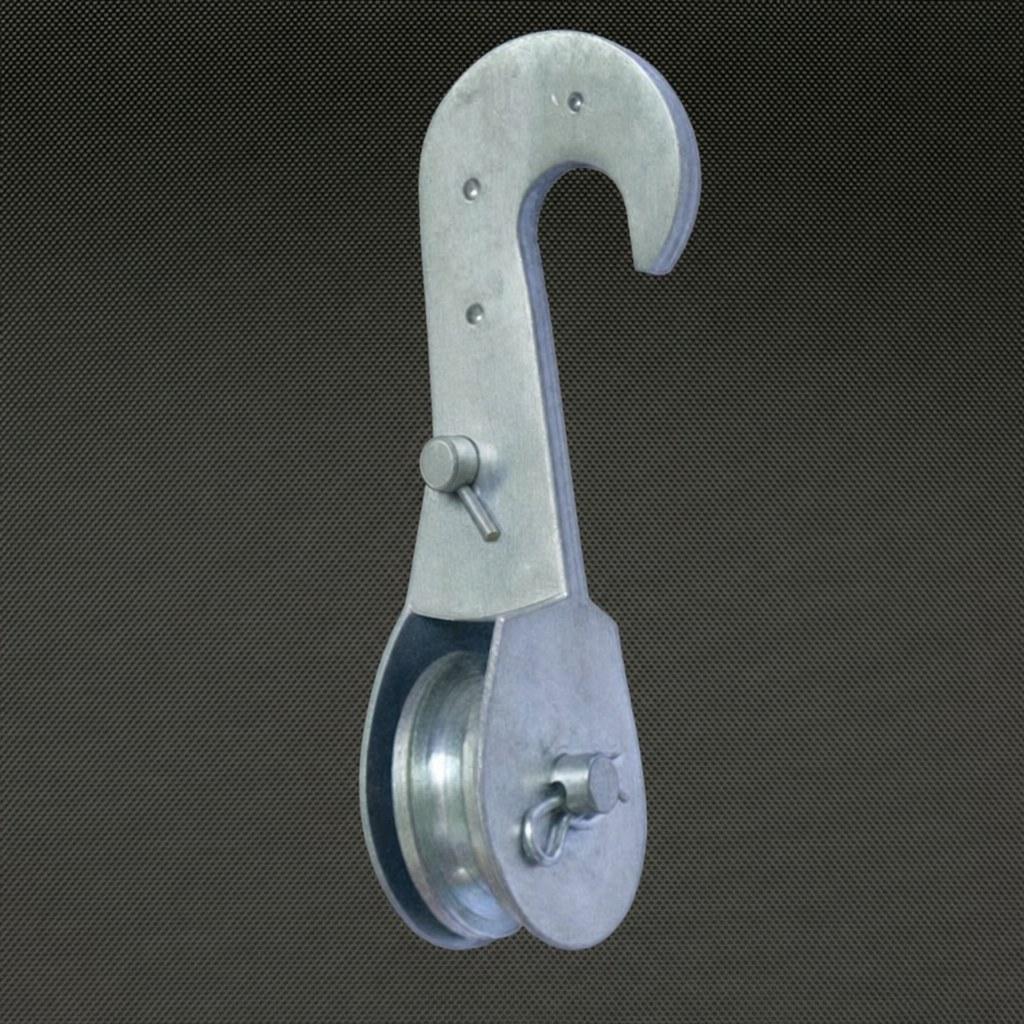
A snatch block has a side plate that swings or slides open, so the rope can be laid into the sheave at any point along its length without threading the end through. A pulley block is closed, and the rope end has to be reeved through it. Snatch blocks are used to redirect a winch or hoist line; closed blocks are used in fixed tackles and reeved purchases.
05Can I run wire rope through a pulley made for fibre rope?
No. Blocks are made for one kind and size of rope. Wire rope needs a steel sheave with a groove that matches its diameter and a sheave large enough for that rope; a wooden-shell, nylon or fibre-rope block has a groove and sheave diameter suited to fibre rope, and wire rope will damage the sheave and itself. Check the rope type and diameter marked on the block or in the size table before reeving.
06Hook, shackle or swivel eye — which snatch block attachment should I choose?
Choose on how the block is anchored and how often it is moved. A hook with a latch is quickest to rig and re-rig; a shackle stays captive on its anchor and suits a block that will stay in place or might otherwise jump off; a swivel eye or swivel hook lets the block turn to line up with the rope, and a fixed eye holds it in one plane. Whichever you choose, it must be rated for the full block load, not the line pull.