Almost every pneumatic machine has one: a short stack of bowls and a gauge where the air line meets the machine. It is the cheapest part of the circuit and decides how long everything after it lasts. This guide covers what each part of an FRL does, how makers grade them, and how to choose one that will pass the flow your machine actually needs.
/01What each element does, and why the order matters.
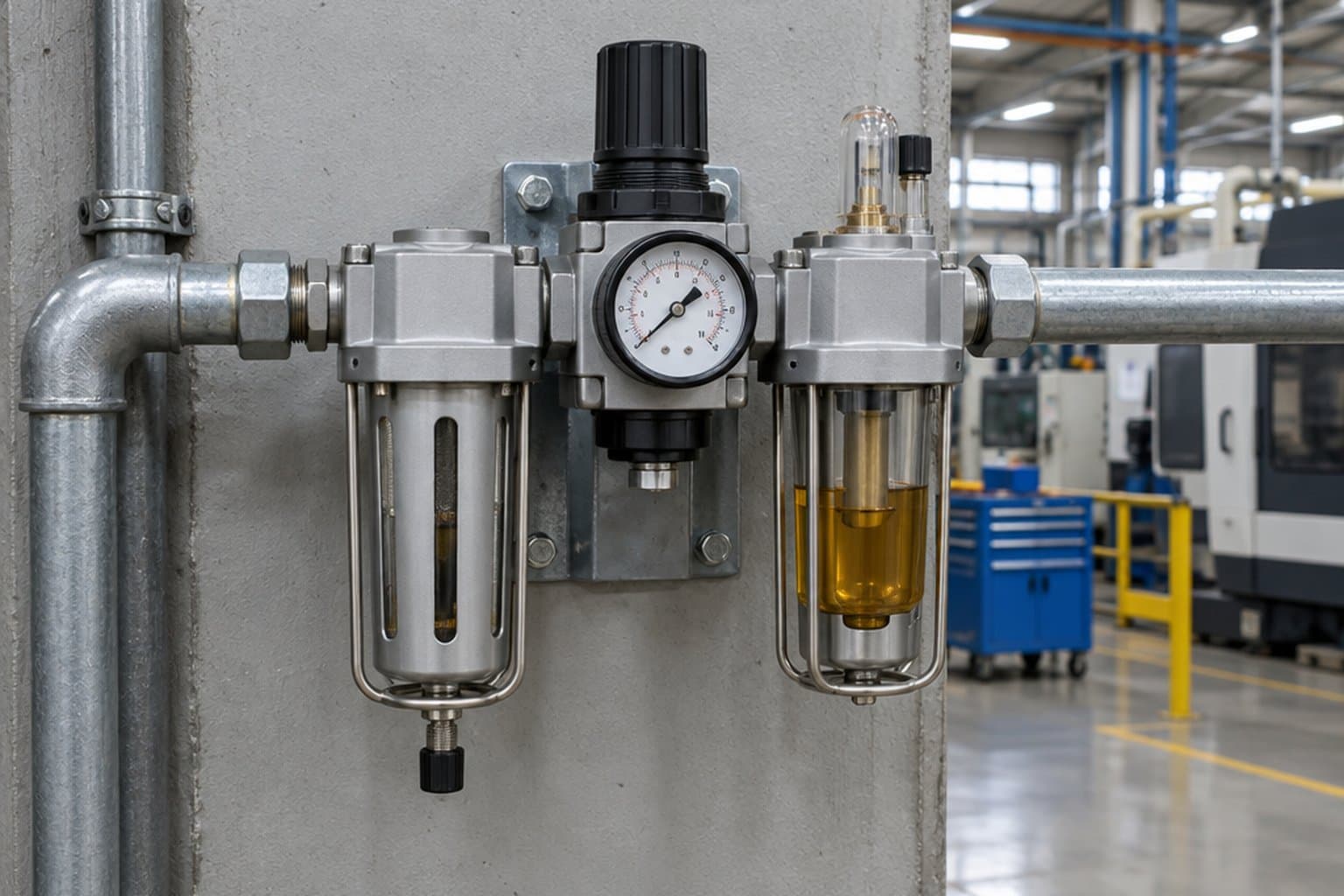
FRL stands for filter, regulator, lubricator, and that is also the order in which they sit in the line, reading in the direction of flow.
- Filter. Removes solid particles and liquid water, and — with a coalescing element — fine oil and water aerosols. It goes first because everything after it, including the regulator’s own valve seat and diaphragm, is better off seeing clean air.
- Regulator. Reduces the supply pressure to a steady, lower working pressure and holds it there as the flow changes. A regulated supply makes cylinder force and speed repeatable.
- Lubricator. Adds a controlled amount of oil to the air for components that need it. It goes last because a filter downstream of it would remove the oil it has just added — a coalescing filter is designed to do exactly that.
Two of the three are often combined. A filter-regulator puts both functions in one body, which saves length and a joint; we list them from Parker, Wilkerson, Norgren, ARO (as piggyback filter/regulators), Dixon, Nitra, Metal Work, Groz and others. Not every machine needs all three: most plants now run lubricated tools on one line and non-lubricated automation on another, and the second needs only an F and an R.
/02Filter grades: particulate vs coalescing.
A general-purpose or particulate filter works in two stages. Deflector vanes spin the air so liquid water and heavy particles are thrown to the bowl wall and drain down; the air then passes an element that stops particles above its rating. Norgren’s Excelon Plus filters are published with 40 µm and 5 µm elements — the coarser grade for general plant air, the finer where valves or instruments are less tolerant of dirt.
A coalescing filter does a different job. Its dense fibre element catches sub-micron droplets of oil and water and lets them merge (coalesce) into drops large enough to drain. Parker rates its 12F Prep-Air II coalescing element (Grade 6) at 0.01 µm; Norgren also publishes a 0.01 µm grade in the Excelon Plus range. Because a coalescing element is fine enough to clog quickly on bulk water and dirt, it is normally installed after a general-purpose filter rather than instead of one.
Oil vapour and odour pass a coalescer; removing them takes an activated-carbon element after it, such as Norgren’s Plus 84 vapour-removal filters.
| Filter type | What it removes | Published ratings | Where it goes |
|---|---|---|---|
| General-purpose / particulateHighlighted | Liquid water and solid particles above the element rating | Norgren Excelon Plus: 40 µm or 5 µm | First element of every FRL |
| Coalescing | Oil and water aerosols, fine particles | Parker 12F Grade 6: 0.01 µm; Norgren Excelon Plus: 0.01 µm | After a particulate filter; before sensitive valves, paint, instruments |
| Vapour removal (activated carbon) | Oil vapour and odour | Rated by the maker per element | After a coalescing filter |
| Main-line filter | Bulk water, dirt and aerosols at compressor flow | Rated by the maker per element and flow | In the main header, near the receiver or dryer |
Drains: manual, semi-automatic and automatic
The water a filter separates collects in the bowl, and it has to leave before it reaches the baffle — once the bowl is full, the next slug of water goes straight downstream. There are three ways to get it out:
- Manual drain. A twist or push valve at the bottom of the bowl. Fine for a dry supply and a disciplined maintenance round.
- Semi-automatic drain. Opens when air pressure is removed from the bowl, so the bowl empties every time the line is shut down.
- Automatic (float) drain. A float opens the drain when the water reaches a set level, under pressure. Parker offers its 12F filters with a manual twist drain or an automatic float drain; Norgren describes its Excelon Plus automatic drain as releasing water once it reaches a pre-set level.
On main lines and receivers, where the water volume is far larger than a bowl can take, use a dedicated condensate drain: we list Dynaquip timed electric auto drains, Ingersoll Rand zero-loss electric drains, SMC automatic drains and Conrader cable-operated drain valves.
/03Regulators: relieving and non-relieving.
A regulator balances a spring, which you set with the knob, against the downstream pressure acting on a diaphragm or piston. When downstream pressure falls, the spring opens the valve and lets more air through; when it rises to the setting, the valve closes.
The difference between the two types is what happens when downstream pressure ends up above the setting — because someone turned the knob down, or because a cylinder was pushed back against a closed port and compressed the air behind it.
- A relieving regulator has a small vent through the centre of the diaphragm. Excess downstream pressure lifts the diaphragm off its seat and bleeds to atmosphere through the bonnet until the pressure is back at the setting. Turn the knob down and the gauge follows. This is the usual choice for machine supplies. Dixon lists replacement diaphragm relieving kits for its Series 1 regulators.
- A non-relieving regulator has no vent. Downstream pressure above the setting stays trapped until something downstream uses or exhausts it.
The shelf also carries precision regulators (ARO), stainless steel regulators (Parker PR11), electronic proportional regulators set by a control signal (Parker P32P) and SMC booster regulators.
/04Lubricated or non-lubricated air.
Older pneumatic valves, cylinders and nearly all air tools were built to run on oiled air, and a lubricator was standard. Most current automation components are not: valves and cylinders leave the factory with their seals greased and are designed to run on clean, non-lubricated air. That is cheaper, cleaner and better for anything downstream that must not see oil — packaging, paint, food, instruments.
The catch is that the decision is one-way. SMC’s handling precautions say that if lubrication is supplied, the original lubricant applied during manufacture will be washed away, so lubrication must continue — without it, malfunctions could occur. SMC specifies class 1 turbine oil ISO VG32 with no additives (or an approved class 2 oil) and tells users not to add additives of their own. Water does the same damage from the other side: the Compressed Air Challenge notes that moisture in compressed air causes rust and increased wear in valves, solenoid valves and air motors because it washes away lubrication.
So decide per line: equipment commissioned on oil keeps a filled lubricator; a machine built on non-lubricated components gets an F and an R, and nobody adds an L later “to help”.
Oil-fog and micro-fog
Lubricators come in two patterns. In an oil-fog type the drops you see falling in the sight dome go downstream as relatively large particles, suited to a short run to a single tool or cylinder. In a micro-fog (or micro-mist) type the oil is atomised and only the finest particles go downstream; those travel further and divide more evenly, which suits long lines and manifolds feeding several valves. We list both patterns from Dixon, plus Norgren micro-fog, Parker 16L Micro-Mist and SMC micromist lubricators.
/05Bowls, bowl guards and metal bowls.
Most filter and lubricator bowls are transparent polycarbonate so you can see the water level and the oil. Polycarbonate is tough, but it is a plastic, and its limits are lower than a metal bowl’s. Parker’s figures for the 12F Prep-Air II filter make the difference plain:
| Bowl | Temperature | Maximum pressure | Source |
|---|---|---|---|
| Polycarbonate with metal guard | −25 to 52 °C (−13 to 125 °F) | 150 psig (10.3 bar) | Parker 12F Prep-Air II |
| Metal (zinc)Highlighted | −25 to 65.5 °C (−13 to 150 °F) | 250 psig (17.2 bar) | Parker 12F Prep-Air II |
| Polycarbonate | −10 to +60 °C | 10 bar | Norgren Excelon Plus |
Three practical rules follow.
- Check the chemical list. Every maker that sells a polycarbonate bowl publishes the chemicals that attack it. Compare it with the compressor oil, any solvent or cleaner used near the machine, and anything sprayed in the area. If the list rules any of them out, use a metal bowl.
- Keep the guard on. A bowl guard is there to hold the pieces if a bowl fails under pressure. Parker’s 12F, for example, wraps its polycarbonate bowl in a metal guard.
- Mind the heat. On Gulf sites an FRL mounted in direct sun, on a compressor skid or next to a hot process can run well above room temperature. Where it may approach the polycarbonate limit, choose a metal bowl with a sight glass.
Replacement Dixon and Groz bowls and guards are on the shelf.
/06Sizing: flow at an allowable pressure drop.
Every element in an FRL takes some pressure out of the air passing through it, and the faster the air flows, the more it takes. An FRL that looks fine on the gauge when the machine is idle can sag badly when three cylinders stroke at once — and the cylinders then run slow and push less than they were sized for.
So the sizing question is not “what is the port size?” but “how much flow, in scfm or l/min, must this unit pass at peak, and how much pressure drop can the machine accept at that flow?” Makers answer it with a flow chart or a flow figure at stated conditions — an inlet pressure and a pressure drop. Read the chart at your peak flow, check the drop is acceptable, and compare units only at the same conditions.
The element grade matters as much as the body. Parker publishes the 12F coalescing filter at 75 scfm with its Grade 6 (0.01 µm) element on a 1/2" port and 125 scfm with its coarser Grade 10 element on the same port. The finer the element, the less it passes in the same housing — so a coalescing filter often has to be a size larger than the regulator next to it.
In service, a filter’s pressure drop rises as the element loads with dirt — which is why some filters carry a differential pressure indicator — and a regulator’s outlet pressure falls as flow rises.
Modular vs combination units
A combination unit is a pre-assembled FRL or filter-regulator under one part number. We list them from Dixon, ARO, Wilkerson, Norgren, Metal Work, Nitra, Groz, Boston Gear, Thern and Texas Pneumatic Tools (including portable FRL systems).
A modular system is built from individual units that clamp together, so the stack can be configured per machine — filter, coalescer, regulator, lubricator, soft-start and dump — and one module replaced without disturbing the rest. Parker’s Global series (P31 mini, P32 compact, P33 standard) and Metal Work Syntesi work this way, and the same modular soft-start, dump and lockout valves fit the stack. Close-nippled units, such as Parker’s 06G and 06H filter/regulators, join the elements with short pipe nipples instead.
Which air preparation does this line need?
IfGeneral machine air, non-lubricated valves and cylinders?
Filter-regulator, 40 µm or 5 µm element, relieving regulator, automatic drain.
IfAir tools or equipment commissioned on oiled air?
Full FRL with a lubricator — and keep it filled. Oil-fog for one tool on a short run; micro-fog for long lines or manifolds.
IfPaint, instruments, packaging or anything that must not see oil?
Particulate filter, then 0.01 µm coalescing filter, then regulator. No lubricator. Add a vapour-removal filter for odour-free air.
IfFRL in direct sun, on a compressor skid or near solvents?
Metal bowls with sight glasses, or check the polycarbonate temperature and chemical limits first.
IfMachine needs safe start-up and isolation?
Modular stack with lockout, soft-start and dump valves alongside the FRL.
Common questions
- What is the correct order for a filter, regulator and lubricator?
- In the direction of flow: filter, then regulator, then lubricator. The filter protects the regulator; the lubricator goes last so no filter downstream removes the oil it adds.
- What micron filter do I need for compressed air?
- For general machine air, a 40 µm or 5 µm particulate element — Norgren publishes both. To remove oil and water aerosols, add a coalescing filter after it; Parker and Norgren rate theirs at 0.01 µm.
- Do pneumatic cylinders and valves need a lubricator?
- Most modern valves and cylinders are pre-lubricated and are designed to run on non-lubricated air. Air tools and older equipment usually need oil. Once a component has been run on oiled air, keep it lubricated — SMC warns that the factory lubricant is washed away and malfunctions can follow if oil stops.
- What is the difference between a relieving and non-relieving regulator?
- A relieving regulator vents downstream pressure that rises above its setting through a hole in the diaphragm, so turning the knob down lowers the outlet pressure. A non-relieving regulator has no vent, so excess pressure stays trapped until it is used downstream.
- What temperature can a polycarbonate filter bowl take?
- It depends on the series. Parker gives −25 to 52 °C at up to 150 psig for its 12F polycarbonate bowl, against 65.5 °C and 250 psig for the metal bowl; Norgren lists Excelon Plus at −10 to +60 °C and 10 bar. Check the part’s own data and its chemical list.
- How do I size an FRL?
- By flow, not port size. Work out the peak flow the machine draws, then use the maker’s flow chart to choose a unit that passes it at a pressure drop the machine can accept. Finer elements pass less flow in the same body.
/07What we list.
Every listing on our filters, regulators and lubricators shelf, by maker part number under the maker’s own brand. First, the Parker and Wilkerson ranges:
- Parker 04L Mini General Industrial Lubricators
- Parker 06E Compact General Industrial Filter/Regulators
- Parker 06E Prep-Air II Series Filter/Regulators
- Parker 06F Prep-Air II Series Particulate Filters
- Parker 06G Compact Close Nippled Filter/Regulators
- Parker 06H Compact Close Nippled Filter/Regulators
- Parker 06L Compact General Industrial Lubricators
- Parker 07E Standard General Industrial Filter/Regulators
- Parker 07F Series Standard Particulate Filters
- Parker 07F Standard General Industrial Particulate Filters
- Parker 07L Standard General Industrial Lubricators
- Parker 11F Compact General Industrial Coalescing Filters
- Parker 14F Mini General Industrial Particulate Filters
- Parker 16L Compact General Industrial Lubricators, Micro-Mist
- Parker Disposable Compressed Air Filters
- Parker F71 Series Coalescing Filters
- Parker F75 Series Filters
- Parker Filter Elements for Compressed Air Filters
- Parker Filters
- Parker Heavy-Duty Compressed Air Filter
- Parker Main Line Compressed Air Filters
- Parker P31 Mini Filter Replacement Elements
- Parker P31 Mini Global Modular Coalescing Filters
- Parker P31 Mini Global Modular Filter/Regulators
- Parker P31 Mini Global Modular Particulate Filters
- Parker P32 Compact Filter Replacement Elements
- Parker P32 Compact Global Modular Coalescing Filters
- Parker P32 Compact Global Modular Filter/Regulators
- Parker P32 Compact Global Modular Lubricators
- Parker P32 Compact Global Modular Particulate Filters
- Parker P32E Series Global Modular Semi Precision Filter Regulators
- Parker P32P Electronic Proportional Regulators
- Parker P33 Standard Filter Replacement Elements
- Parker P33 Standard Global Modular Coalescing Filters
- Parker P33 Standard Global Modular Filter/Regulators
- Parker P33 Standard Global Modular Lubricators
- Parker P33 Standard Global Modular Particulate Filters
- Parker P3NE Hi-Flow General Industrial Filter/Regulators
- Parker P3NF Hi-Flow General Industrial Coalescing Filters
- Parker P3NL H-Flow General Industrial Lubricators
- Parker P3NR Hi-Flow General Industrial Regulators
- Parker PL10 Series Lubricators, Stainless Steel
- Parker Pneumatic Regulator, Nonrising Knob
- Parker PR11 Series Regulators, Stainless Steel
- Parker Prep-Air II Compact Filter Replacement Elements
- Parker Prep-Air II Hi-Flow Filter Replacement Elements
- Parker Prep-Air II Mini Filter Replacement Elements
- Parker Prep-Air II Standard Filter Replacement Elements
- Parker Replacement Compressed Air Filter Elements
- Parker Sterile Compressed Air Filters
- Wilkerson Air Regulators
- Wilkerson B08 Series Filter/Regulators
- Wilkerson B18 Series Filter/Regulators
- Wilkerson B28 Series Filter/Regulators
- Wilkerson C18 Series Filter/Regulator/Lubricators
- Wilkerson C28 Series Filter/Regulator/Lubricators
- Wilkerson D18 Series Filter/Regulator/Lubricators
- Wilkerson D28 Series Filter/Regulator/Lubricators
- Wilkerson F18 Particulate Filters
- Wilkerson F28 Particulate Filters
- Wilkerson F30 Particulate Filters
- Wilkerson Filter/Regulators
- Wilkerson FRLs B08 Series Miniature Filters/Regulators
- Wilkerson FRLs B18 Series Compact Filters/Regulators
- Wilkerson FRLs B28 Series Standard Filters/Regulators
- Wilkerson FRLs BB3 Series Miniature Filters/Regulators
- Wilkerson FRLs CB6 Series Compact Filters/Regulators
- Wilkerson FRLs L03 Series Miniature Lubricators
- Wilkerson FRLs L16 Series EconOmist Compact Lubricators
- Wilkerson L18 EconOmist Lubricators
- Wilkerson L28 EconOmist Lubricators
- Wilkerson L30 EconOmist Lubricators
- Wilkerson M16 Coalescing Filters
- Wilkerson M18 Coalescing Filters
- Wilkerson M28 Coalescing Filters
- Wilkerson M30 Coalescing Filters
- Wilkerson M35 Coalescing Filters
- Wilkerson R18 Regulators
- Wilkerson R21 Regulators
- Wilkerson R30 Regulators
And every other maker on the shelf — ARO, Norgren, Dixon, SMC, Metal Work, Nitra, Ingersoll Rand, Hankison, Texas Pneumatic Tools, Boston Gear, Groz, Numatics and the rest:
- Air Systems International BB30 Series Filters
- Air Systems International BB75 Series Filters
- Alemite Filters
- Alemite Lubricators
- ARO 1000 Series Filters
- ARO 1000 Series Piggyback Filter/Regulators
- ARO 1000 Series Regulators
- ARO 1500 Series Filter/Regulator/Lubricators
- ARO 1500 Series Filters
- ARO 1500 Series Piggyback Filter/Regulators
- ARO 1500 Series Regulators
- ARO 2000 Series Filter/Regulator/Lubricators
- ARO 2000 Series Filters
- ARO 2000 Series Piggyback Filter/Regulators
- ARO 2000 Series Regulators
- ARO 3000 Series Filter/Regulator/Lubricators
- ARO 3000 Series Filters
- ARO 3000 Series Piggyback Filter/Regulators
- ARO 3000 Series Regulators
- ARO High-Flow Precision Regulators
- ARO Modular Air Line Lubricator
- ARO Precision Air Regulators
- ARO Standard Coalescing Filter Elements, 1000–3000 Series
- Boston Gear Filter Regulator Lubricators
- Boston Gear Filter Regulators
- Boston Gear Miniature Air Regulators
- Boston Gear Modular Air Lubricators
- Boston Gear Modular Style Air Filters
- Boston Gear Standard Air Regulators
- Conrader CDV Series Drain Valves, Cable Operated
- Dixon Filter Elements
- Dixon Filter/Regulators
- Dixon FRL Combinations
- Dixon In-Line Lubricators
- Dixon Mini In-Line Lubricators
- Dixon Series 1 FRLs B07 Series Miniature Filters/Regulators
- Dixon Series 1 FRLs B72 Series Sub-Compact Filters/Regulators
- Dixon Series 1 FRLs B73 Series Compact Filters/Regulators
- Dixon Series 1 FRLs B74 Series Standard Filters/Regulators
- Dixon Series 1 FRLs Filter Bowl/Bowl Guards
- Dixon Series 1 FRLs Filter Elements
- Dixon Series 1 FRLs L17 Series Jumbo Micro-Fog Lubricators
- Dixon Series 1 FRLs L17 Series Jumbo Oil-Fog Lubricators
- Dixon Series 1 FRLs L73 Series Compact Micro-Fog Lubricators
- Dixon Series 1 FRLs L74 Series Standard Micro-Fog Lubricators
- Dixon Series 1 FRLs L74 Series Standard Oil-Fog Lubricators
- Dixon Series 1 FRLs Lubricator Bowl/Bowl Guards
- Dixon Series 1 FRLs Lubricator Seal Kits
- Dixon Series 1 FRLs P1A Series Miniature Combination Units
- Dixon Series 1 FRLs Pipe Adapter PTF Connections
- Dixon Series 1 FRLs Regulator Diaphragm Relieving Kits
- Dixon Series 1 FRLs Regulator Panel Nuts
- Dixon Series 1 L74 Series Standard Micro-Fog Lubricators
- Dixon Watts FRL Regulator Diaphragms, Relieving Kits and Valve Assemblies
- Dynaquip Timed Electric Auto Drain Valve
- Groz 220 psi General Purpose Air Regulators
- Groz Filter/Lubricator Bowls
- Groz Filter/Regulator
- Groz Filter/Regulator/Lubricator
- Groz FRL Compressed Air Lubricators
- Groz Pipe Adapters
- Hankison Main Line Compressed Air Filters
- Ingersoll Rand Coalescing Filter Elements
- Ingersoll Rand High Efficiency Filters
- Ingersoll Rand Main Line Compressed Air Filters
- Ingersoll Rand Main Line Compressed Air Regulators
- Ingersoll Rand Zero Loss Condensate Drain Electric
- Metal Work Coalescing Filters
- Metal Work Lubricators
- Metal Work Syntesi Series Coalescing Filters
- Metal Work Syntesi Series Filter-Lubricators
- Metal Work Syntesi Series Filter-Regulator-Lubricators
- Metal Work Syntesi Series Filter-Regulators
- Metal Work Syntesi Series Filters
- Metal Work Syntesi Series Lubricators
- Metal Work Syntesi Series Regulators
- Metal Work Syntesi Series Valve-Filter-Coalescing Filter
- Metal Work Syntesi Series Valve-Filter-Lubricators
- Metal Work Syntesi Series Valve-Filter-Regulator-Lubricators
- Nitra AC Series Coalescing Filters
- Nitra AF2 Series Filters
- Nitra AFR2 Series Combination Filter and Regulators
- Nitra AL2 Series Lubricators
- Nitra AR2 Series Regulators
- Norgren Excelon Plus 82 Series Air Filter Regulators
- Norgren Excelon Plus 82 Series Air Filters
- Norgren Excelon Plus 82 Series Air Regulators
- Norgren Excelon Plus 82 Series Combination Filter-Regulator-Lubricators
- Norgren Excelon Plus 84 Series Air Combination Filter Regulator Lubricators
- Norgren Excelon Plus 84 Series Air Micro Fog Lubricators
- Norgren Excelon Plus 84 Series Air Regulators
- Norgren Plus 82 Series Air Micro Fog Lubricators
- Norgren Plus 84 Series Air Filter Regulators
- Norgren Plus 84 Series Air Filters
- Norgren Plus 84 Series Air Filters, Coalescing Oil Removal
- Norgren Plus 84 Series Air Filters, Vapor Removal
- Numatics Particulate Filter Elements
- Numatics Sandwich Dual Air Regulator, Round
- Numatics Sandwich Single Air Regulator, Round
- SMC AL Micro Series Micromist Lubricator
- SMC AL Series Lubricator
- SMC ALF Series Auto Feed Lubricator
- SMC Automatic Drain
- SMC Booster Regulators
- SMC Lubricator
- Solberg PSG Series Air/Oil Separator Elements
- Texas Pneumatic Tools Arrowick Lubricators
- Texas Pneumatic Tools Coalescing Filters (Oil Removing)
- Texas Pneumatic Tools Coalescing Oil Removing Filters
- Texas Pneumatic Tools Integral Filter/Regulators
- Texas Pneumatic Tools Portable FRL (Filters Regulators Lubricators) Systems
- Texas Pneumatic Tools Portable FRL Components
- Texas Pneumatic Tools Regulators
- Texas Pneumatic Tools Tri-Star Arrowfog Lubricator
- Thern Filter Regulator Lubricators
Filters, regulators and lubricators
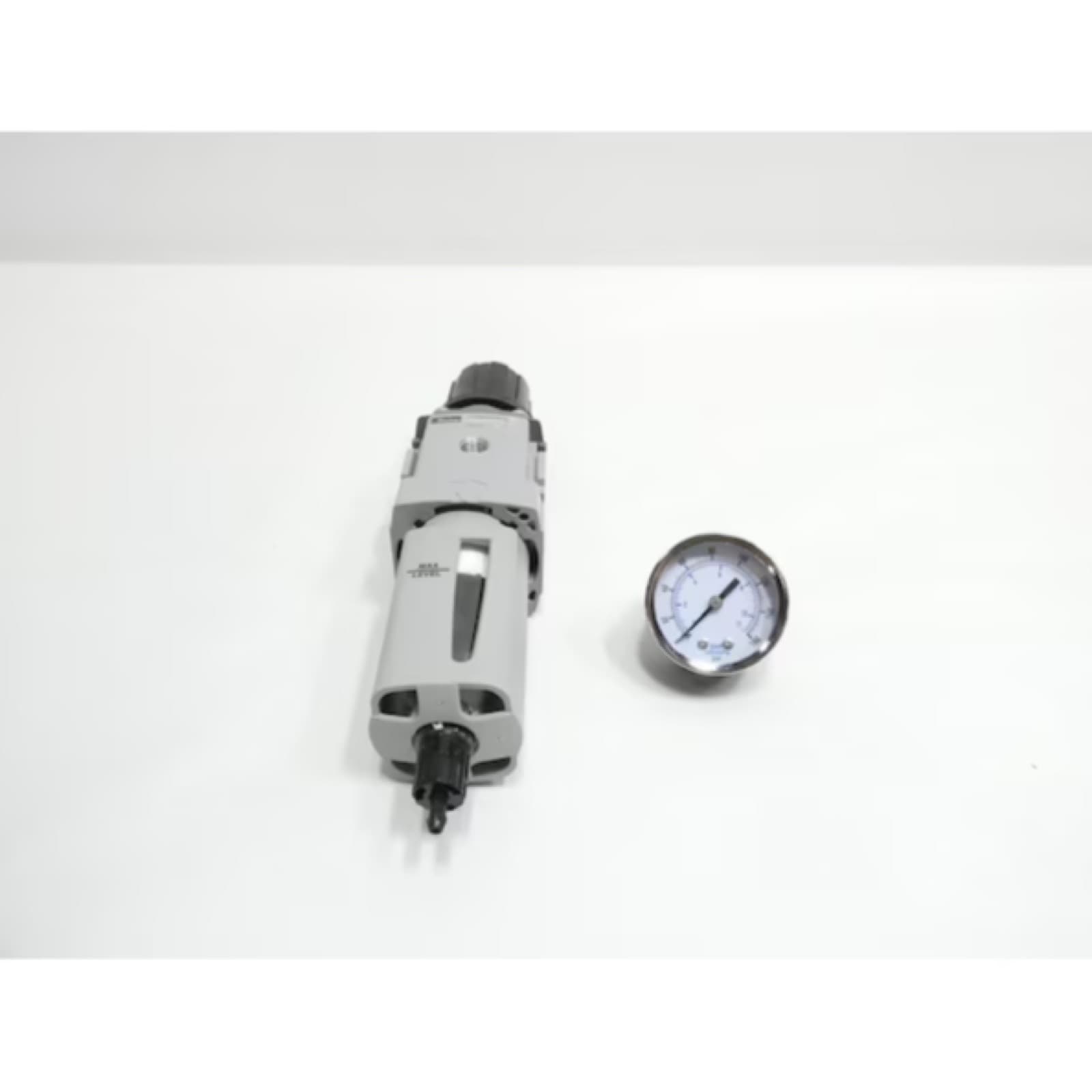 IH-PAR-P32-COMPACT-GLOBAL-MODULAR-FILTER-REGULATORSParker P32 Compact Global Modular Filter/RegulatorsParker Hannifin
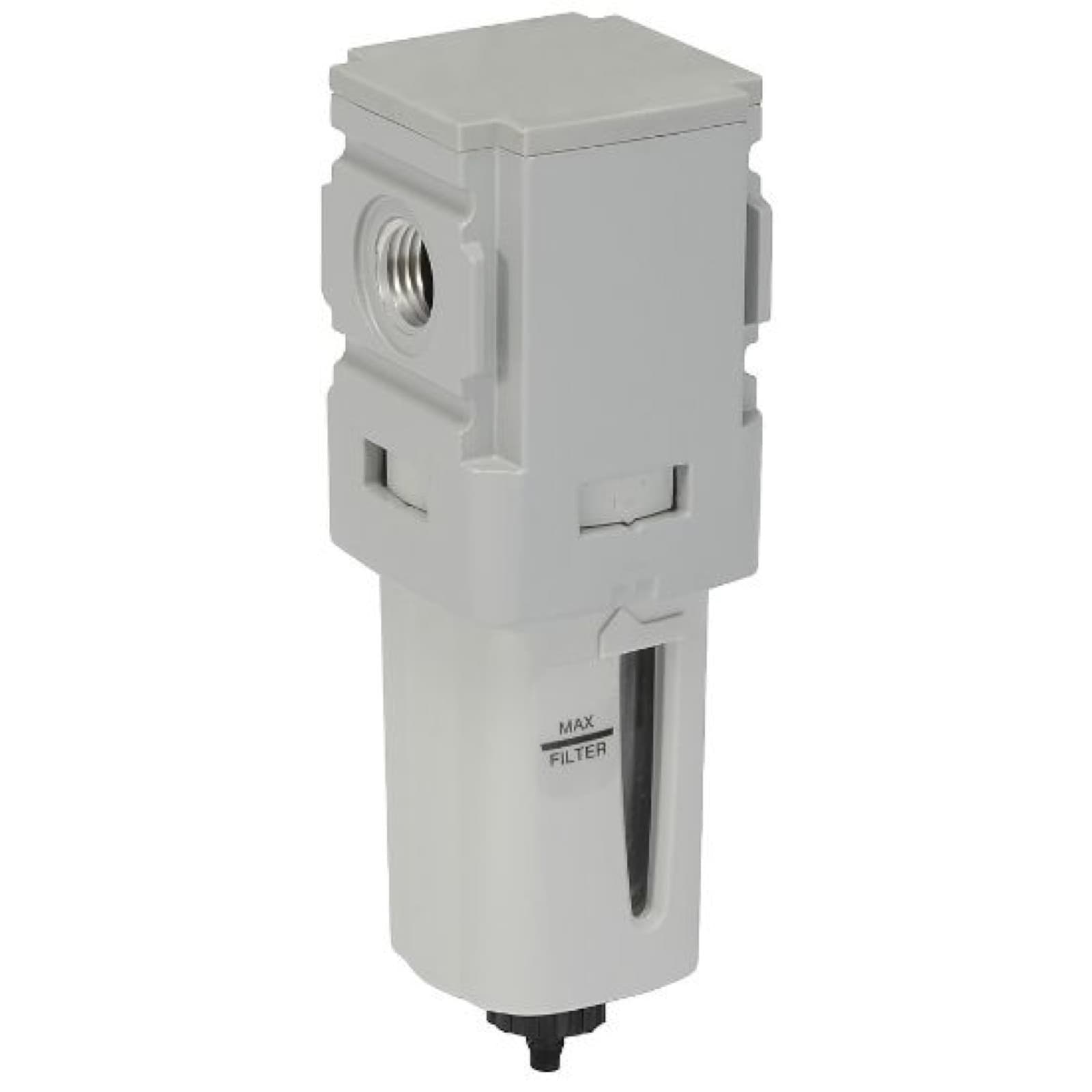 IH-PAR-P32-COMPACT-GLOBAL-MODULAR-COALESCING-FILTERSParker P32 Compact Global Modular Coalescing FiltersParker Hannifin
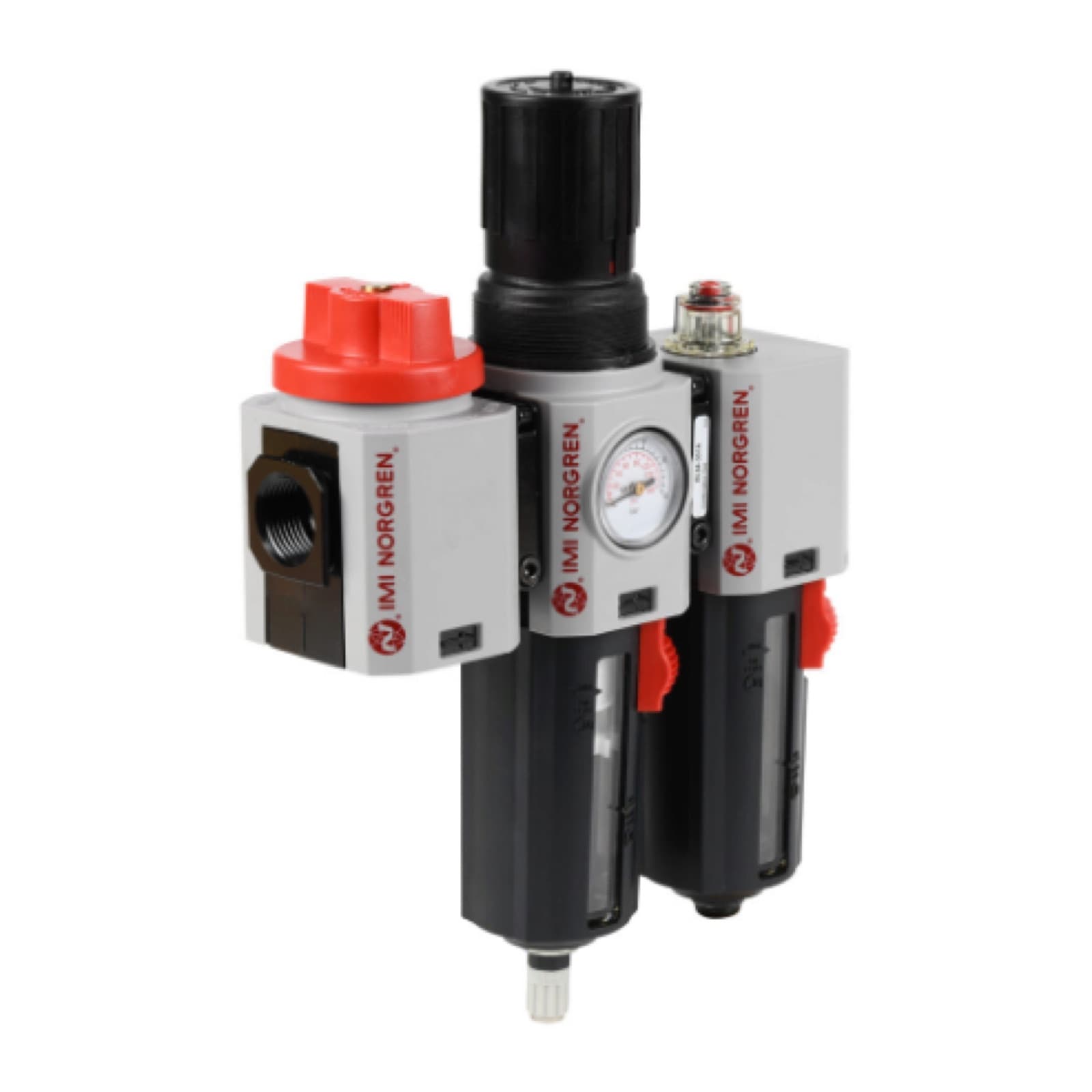 IH-NOR-EXCELON-PLUS-84-SERIES-AIR-COMBINATION-FILTER-REGNorgren Excelon Plus 84 Series Air Combination Filter Regulator LubricatorsNorgren
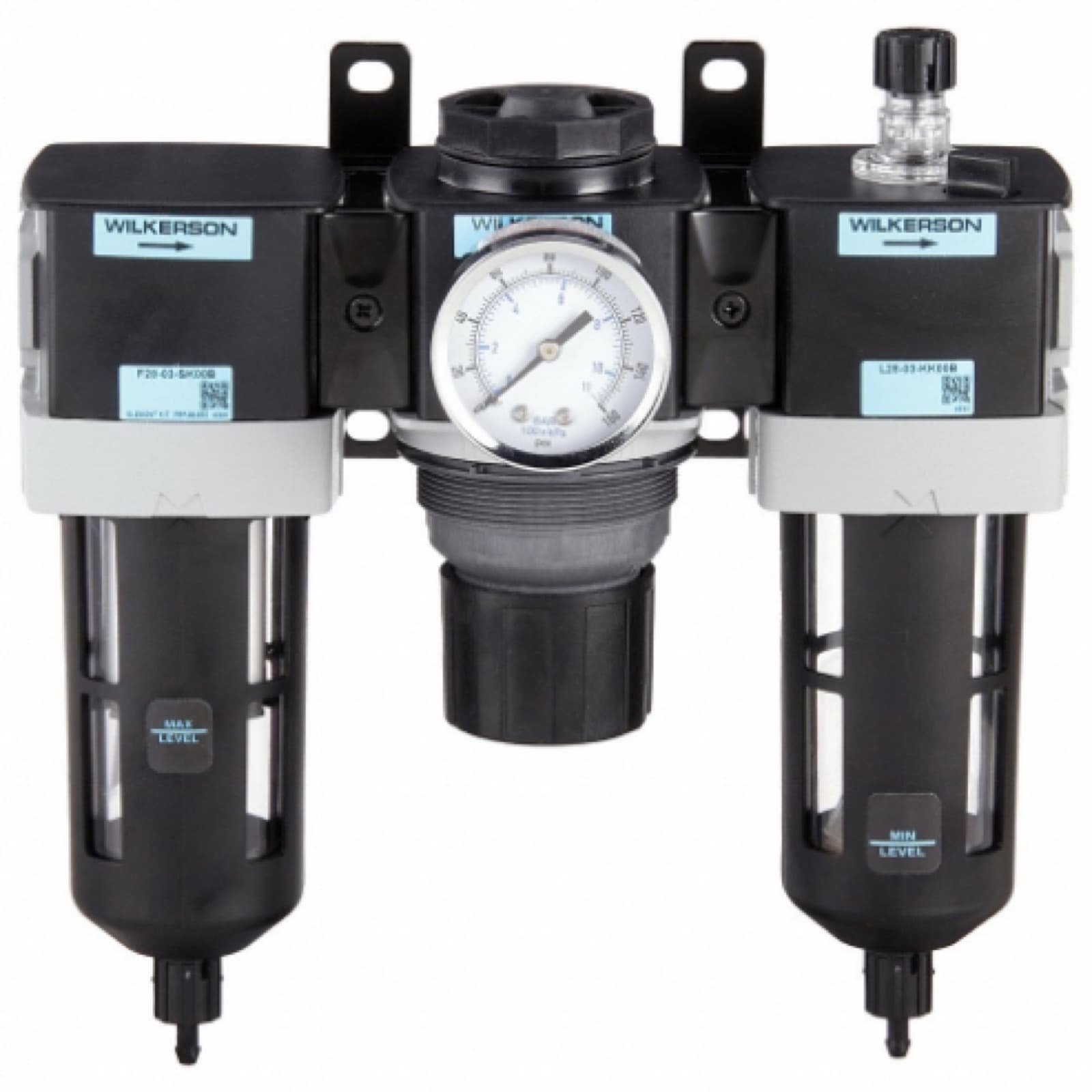 IH-WLK-C28-SERIES-FILTER-REGULATOR-LUBRICATORSWilkerson C28 Series Filter/Regulator/LubricatorsWilkerson
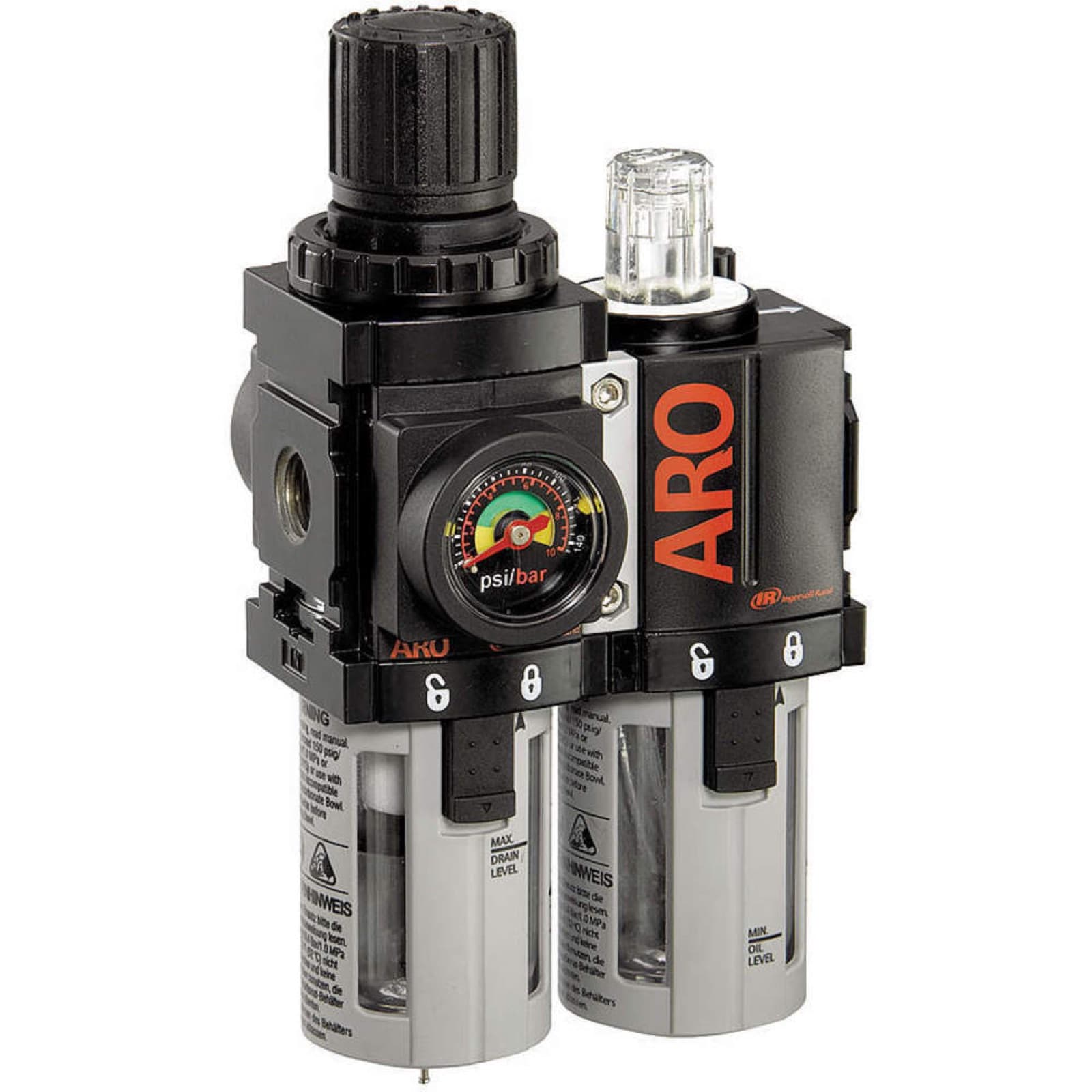 IH-ARO-2000-SERIES-FILTER-REGULATOR-LUBRICATORSARO 2000 Series Filter/Regulator/LubricatorsARO
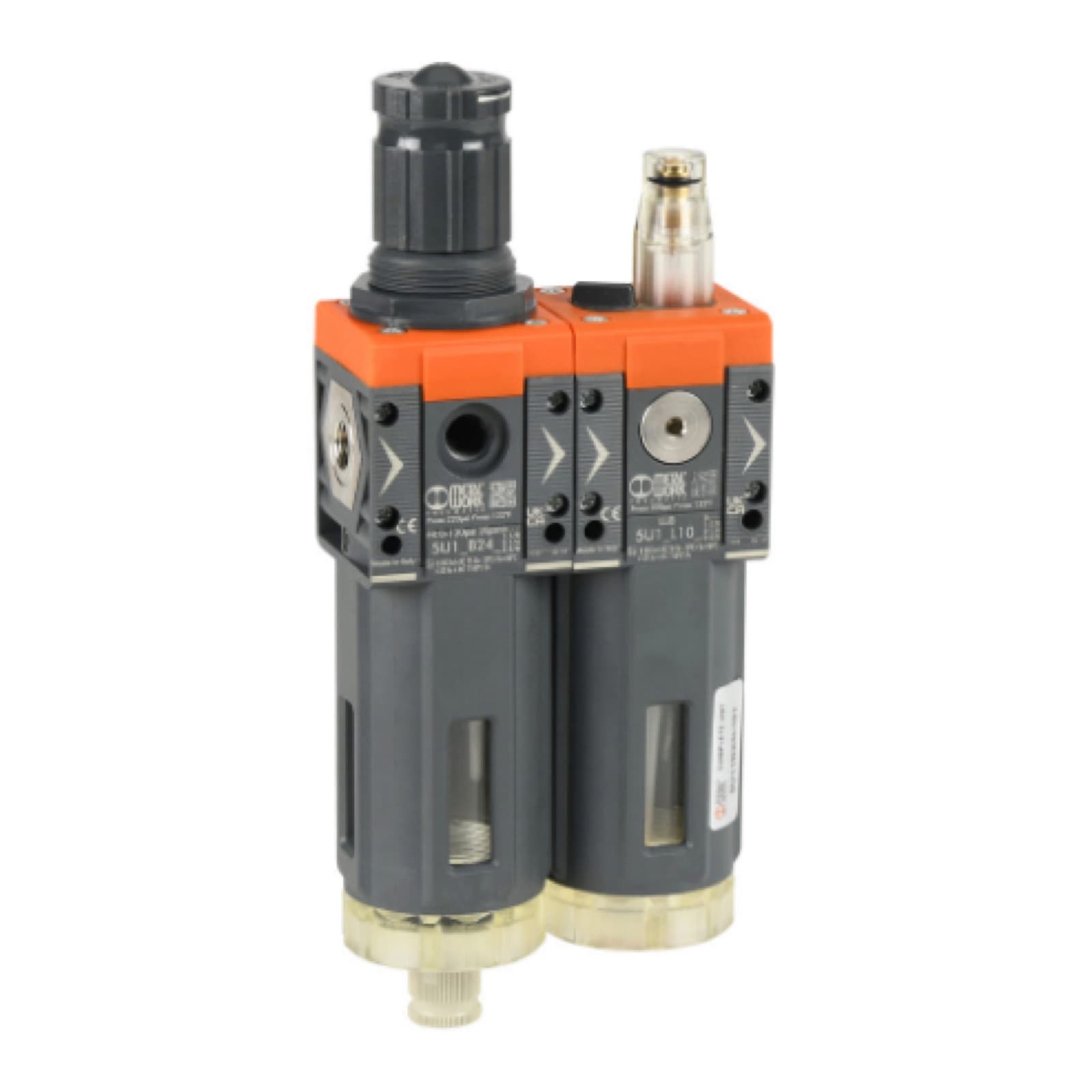 IH-MWK-SYNTESI-SERIES-FILTER-REGULATOR-LUBRICATORSMetal Work Syntesi Series Filter-Regulator-LubricatorsMetal Work
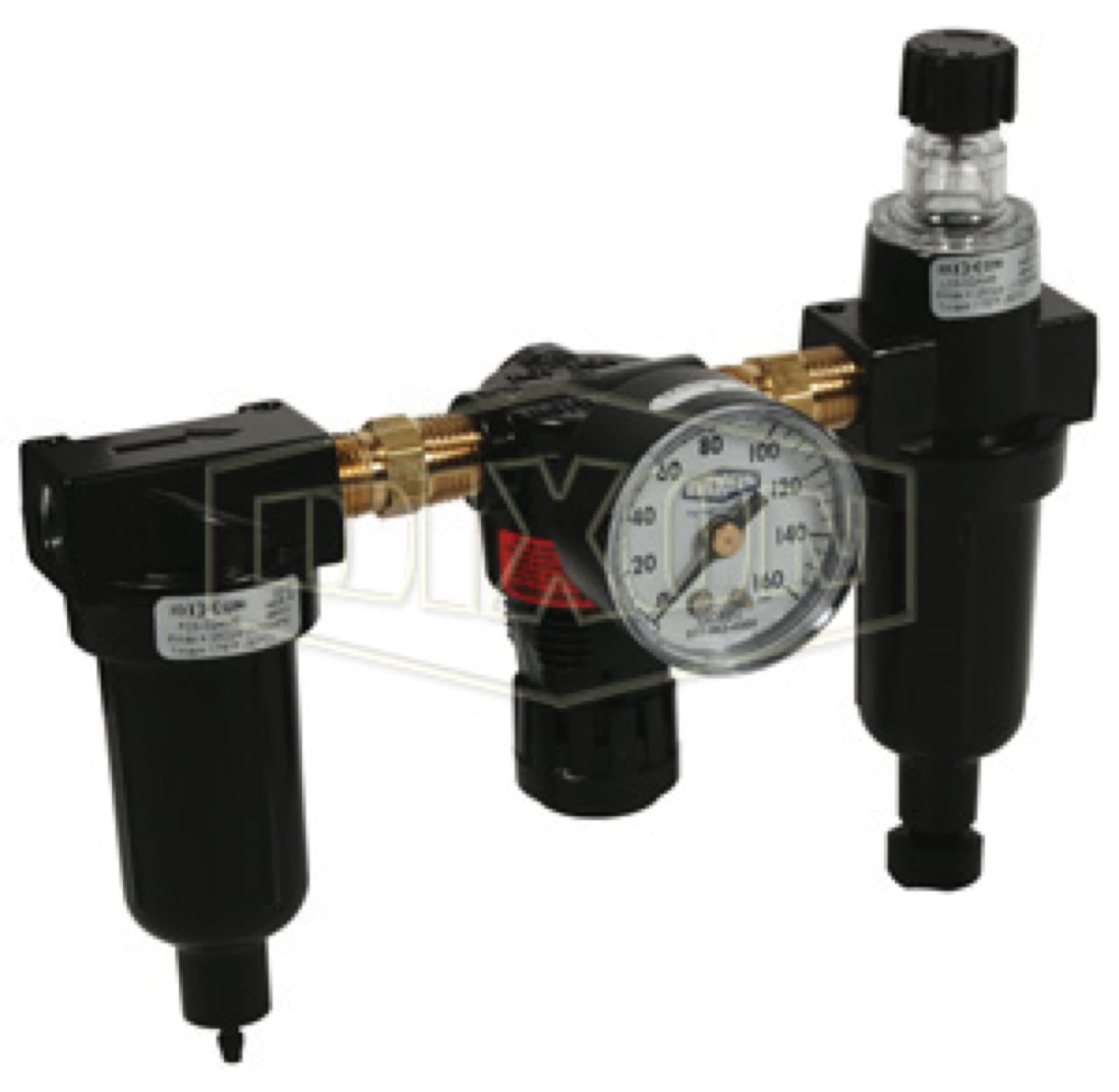 IH-DIX-FRL-COMBINATIONSDixon FRL CombinationsDixon Valve & Coupling
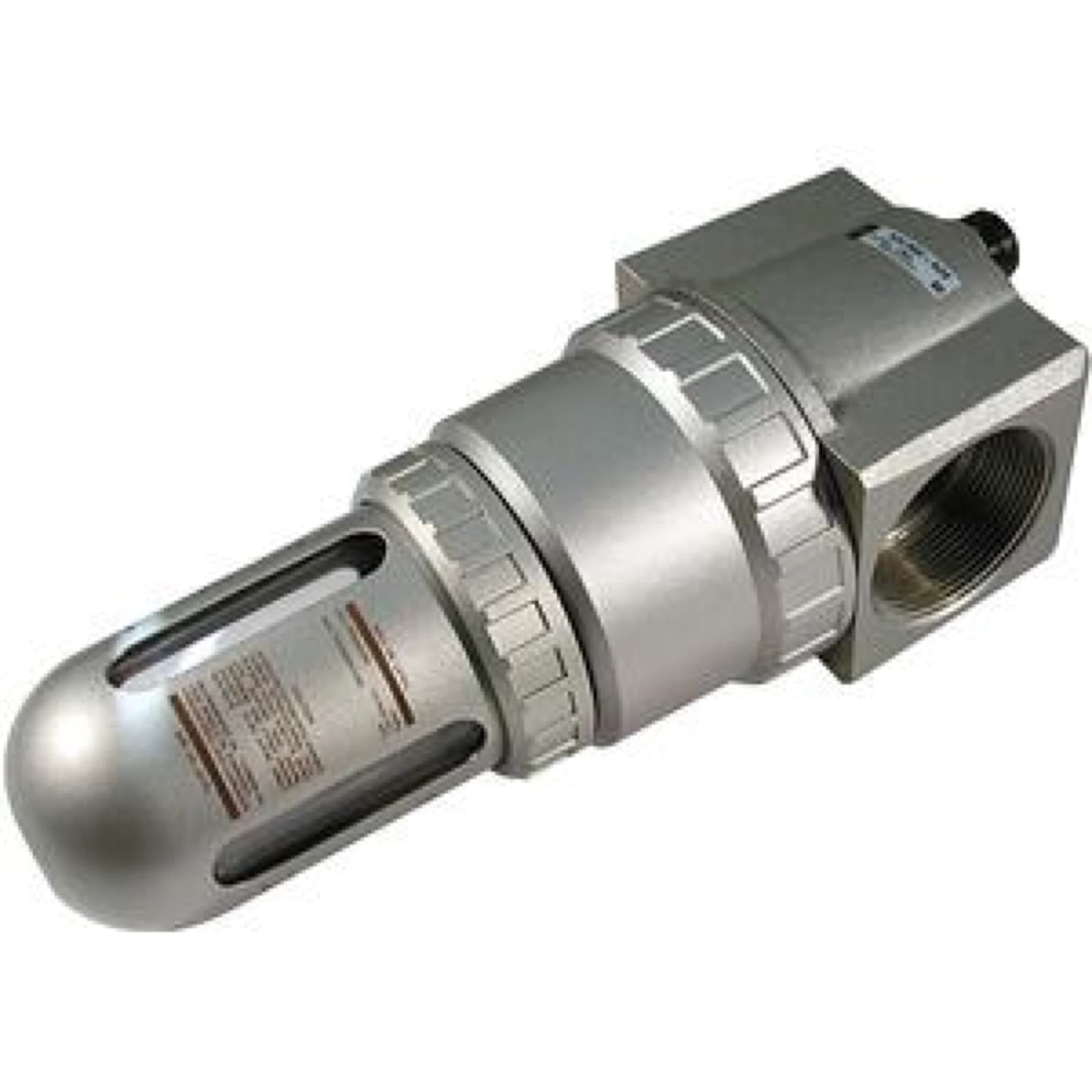 IH-SMC-AL-SERIES-LUBRICATORSMC AL Series LubricatorSMC