
SMC Booster Regulators
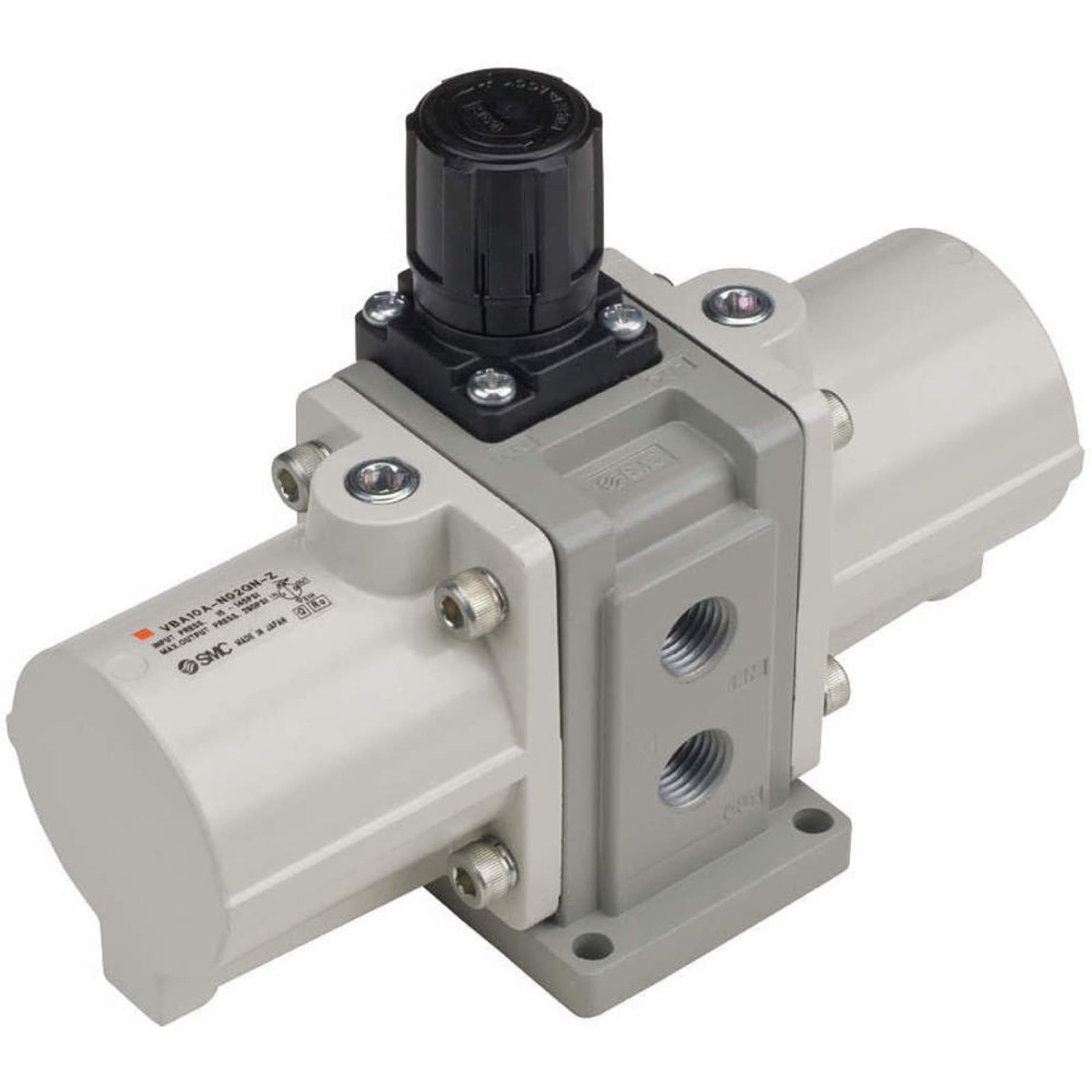
SMC Booster Regulators in carbon steel: 3 part numbers.
Product description
SMC Booster Regulators in carbon steel: 3 part numbers.
Specification
- Type: Booster Regulator
- Material: Carbon Steel
- Pressure stated by the maker: 145 to 290 psi (10 to 20 bar), by size
- Temperature: 122°F
- Part numbers: 3
Sizes and part numbers
The Sizes & Part Numbers tab lists every SMC part number in this range with its ratings. Ratings vary by size — check the row for the part you order.
Sizing air preparation
Size filters, regulators and lubricators on port size and the air flow the downstream tools and cylinders need, not on line size alone; an undersized unit drops pressure at full flow. Quote the maker part number and we will confirm bowl, drain and gauge options before supply.
How to order
Quote the SMC part number. Price and lead time are confirmed with the quotation.
Specifications
| Parameter | Value |
|---|---|
| Included | Pressure Gauge, Silencer |
| Material | Carbon Steel |
| Operation Type | Handle Operated |
Shipping & lead time
Sizes & part numbers
3 sizes- SMC part no.VBA40A-N04GN-Z
- Description
- Booster Regulator 1/2 Inch Npt
- Max pressure (psi)
- 145
- Ports
- 1/2"
- SMC part no.VBA10A-N02GN-Z
- Description
- Booster Regulator 1/4 Inch Npt
- Max pressure (psi)
- 290
- Ports
- 1/4"
- SMC part no.VBA20A-N03GN-Z
- Description
- Booster Regulator 3/8 Inch Npt
- Max pressure (psi)
- 145
- Ports
- 3/8"
Description — What this part number is, as the manufacturer lists it. Max pressure — Maximum (intermittent) pressure, as the manufacturer publishes it. A circuit is limited by its lowest-rated component. Ports — Port type and size, as published. Ask us for the dimension drawing if you need it stamped.
Pressure, flow, speed, torque and load figures are the manufacturer’s published ratings for that part number. A circuit is limited by its lowest-rated component, so check them against the hose, fittings and valves it connects to.
What are the SMC Booster Regulators used for?▾
Which part numbers are in the SMC Booster Regulators range and how do they differ?▾
What port sizes and flow ratings does the SMC Booster Regulators come in?▾
How do I choose the right SMC Booster Regulators part number?▾
What are the pressure rating and adjustment range of the SMC Booster Regulators?▾
Is the SMC Booster Regulators relieving, and what is it made from?▾
Does the SMC Booster Regulators come with a pressure gauge?▾
What should I fit before and after the SMC Booster Regulators?▾
How do I set and maintain the SMC Booster Regulators?▾
What is the difference between the SMC Booster Regulators and the SMC AL Series Lubricator?▾
Where is the SMC Booster Regulators made and how is it shipped from Dubai?▾
Is the SMC Booster Regulators available from stock at Indus Hydraulics?▾
Shipped worldwide from our Dubai warehouse. Transit, routes and documentation for 136 destinations
From the blog
Written about this range
Pneumatics & compressed air
FRL units explained: filter, regulator and lubricator — order, grades, drains, bowls and sizing
An FRL is the last thing compressed air passes through before it reaches a valve or cylinder. What each element does and why the order is filter, regulator, lubricator; particulate vs coalescing grades in microns; manual, semi-automatic and automatic drains; relieving regulators; when to lubricate; polycarbonate vs metal bowls; and sizing by flow, not port size.
17 min read
Pneumatics & compressed air
Compressed air quality and ISO 8573-1: purity classes, pressure dew point and where to fix the water
ISO 8573-1 writes air quality as three numbers — particles, water, oil. What [2:4:2] or [7:4:3] actually means, which classes food, paint, tools and valves are commonly specified at, why hot, humid air drops so much water once it is compressed and cooled, and why drains, coalescing filters and dryers — not the FRL at the machine — are where water is removed.
14 min read
Pneumatics & compressed air
How to size a pneumatic cylinder: force, load ratio, pressure at the port and air consumption
Theoretical force is pressure times piston area, and the return stroke only gets the annulus. How much margin Parker recommends, why to size on the pressure at the cylinder rather than the compressor, how to work out air per cycle in free air, a worked example in bar/mm and psi/inch, and force tables for common bores at 6 bar and 80 psi.
22 min read
Engineers viewing this also looked at
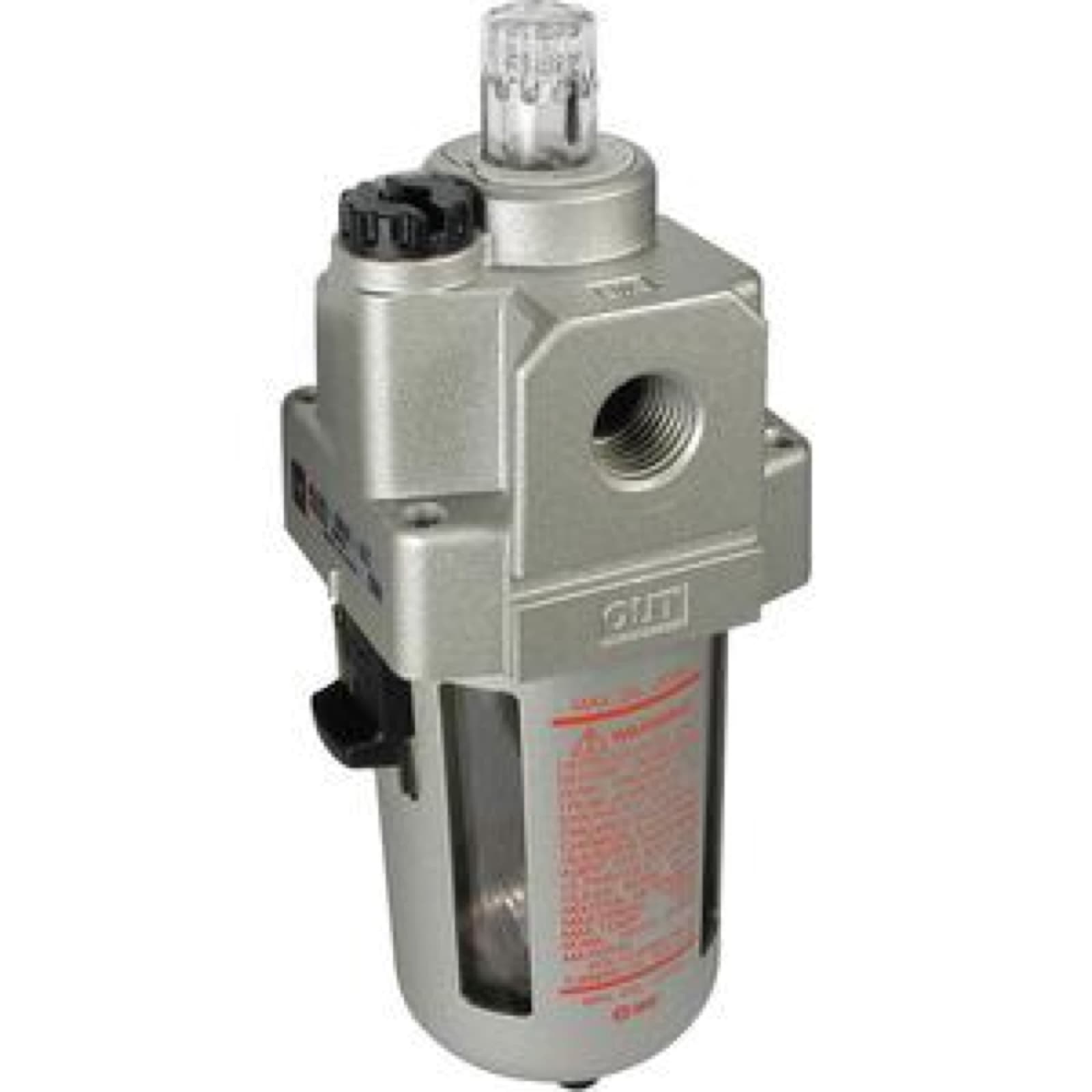
SMC Lubricator
SMC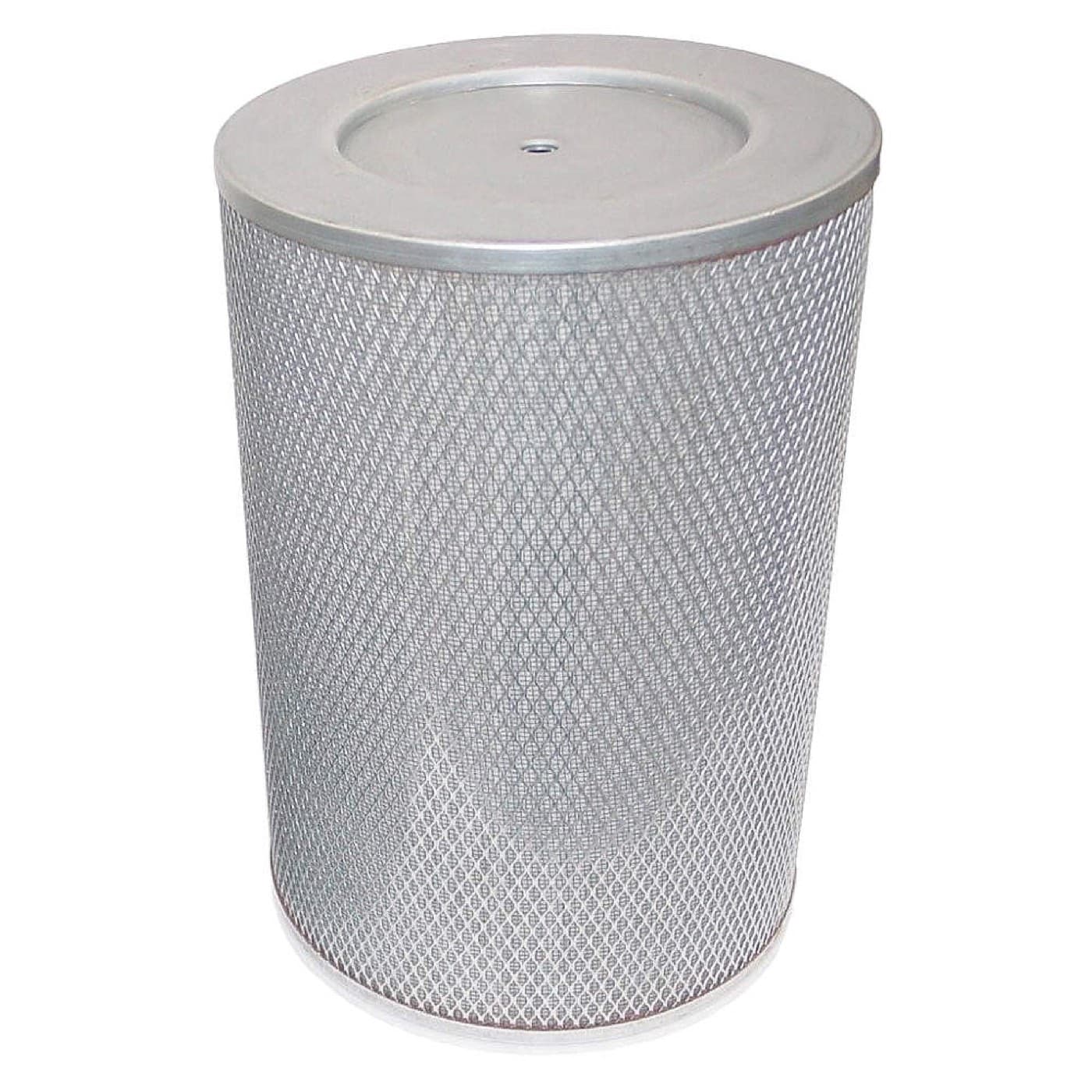
Solberg PSG Series Air/Oil Separator Elements
Solberg- Thern Filter Regulator Lubricators
Thern Filter Regulator Lubricators
Thern 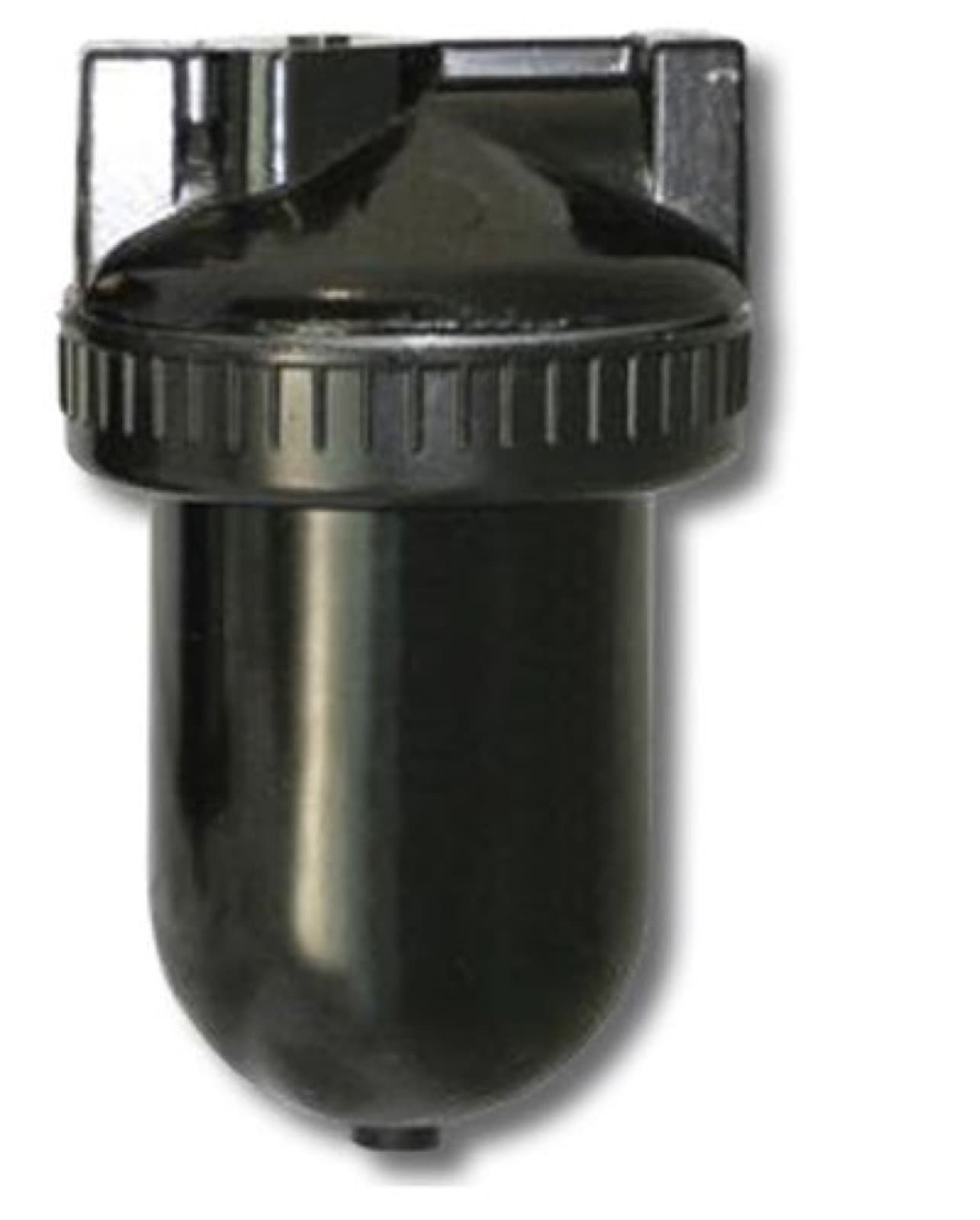
Texas Pneumatic Tools Arrowick Lubricators
Texas Pneumatic Tools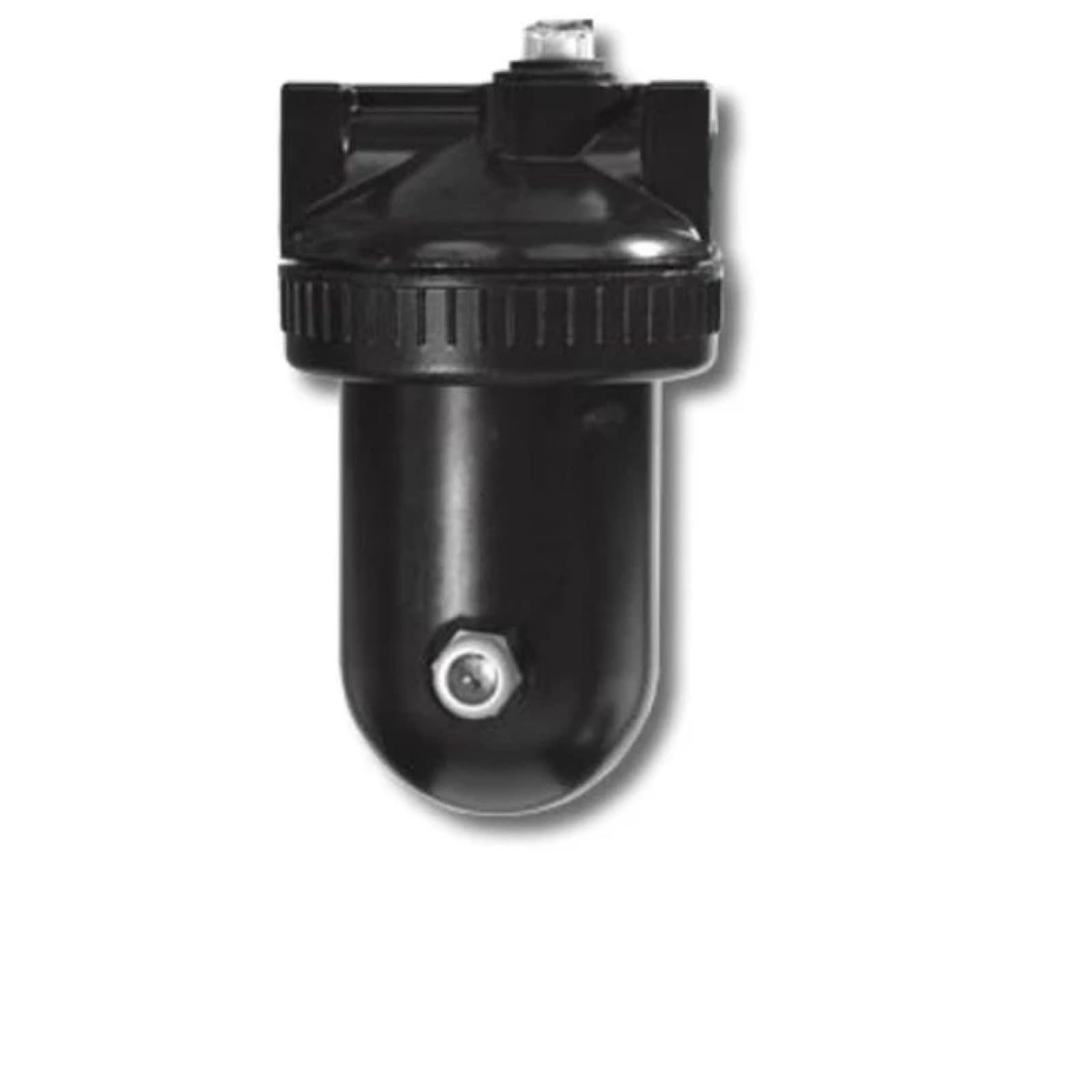
Texas Pneumatic Tools Coalescing Filters (Oil Removing)
Texas Pneumatic Tools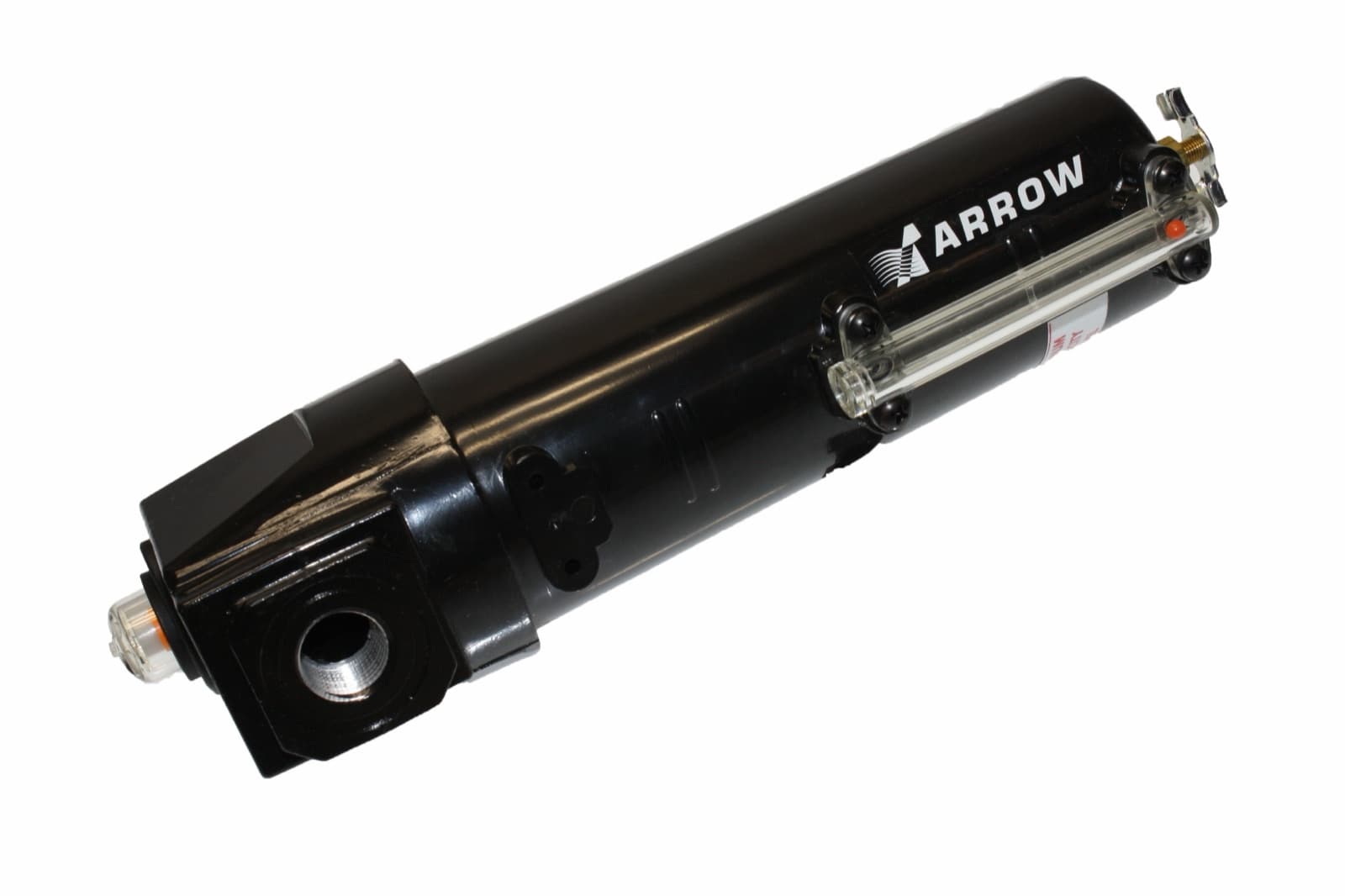
Texas Pneumatic Tools Coalescing Oil Removing Filters
Texas Pneumatic Tools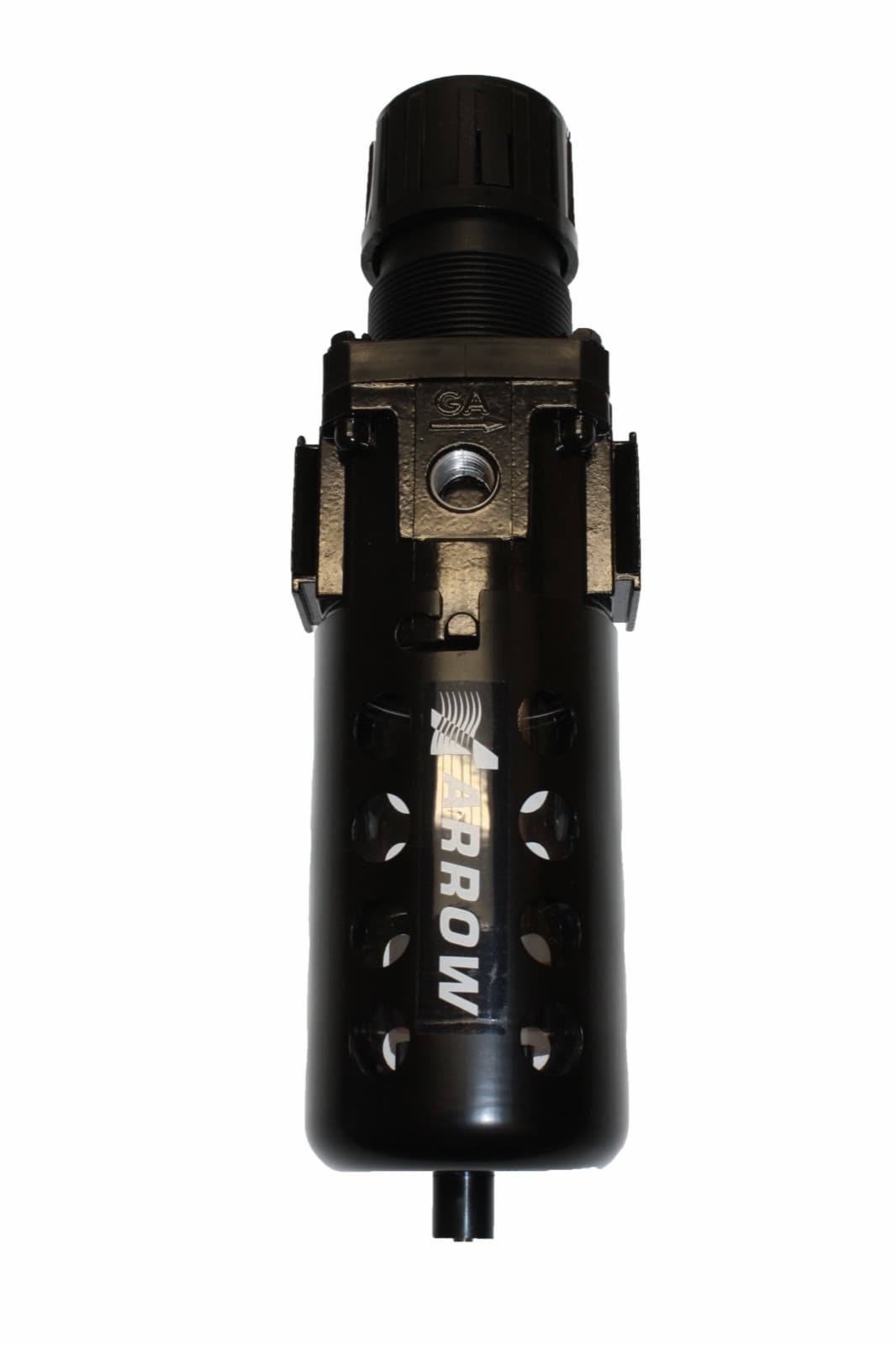
Texas Pneumatic Tools Integral Filter/Regulators
Texas Pneumatic Tools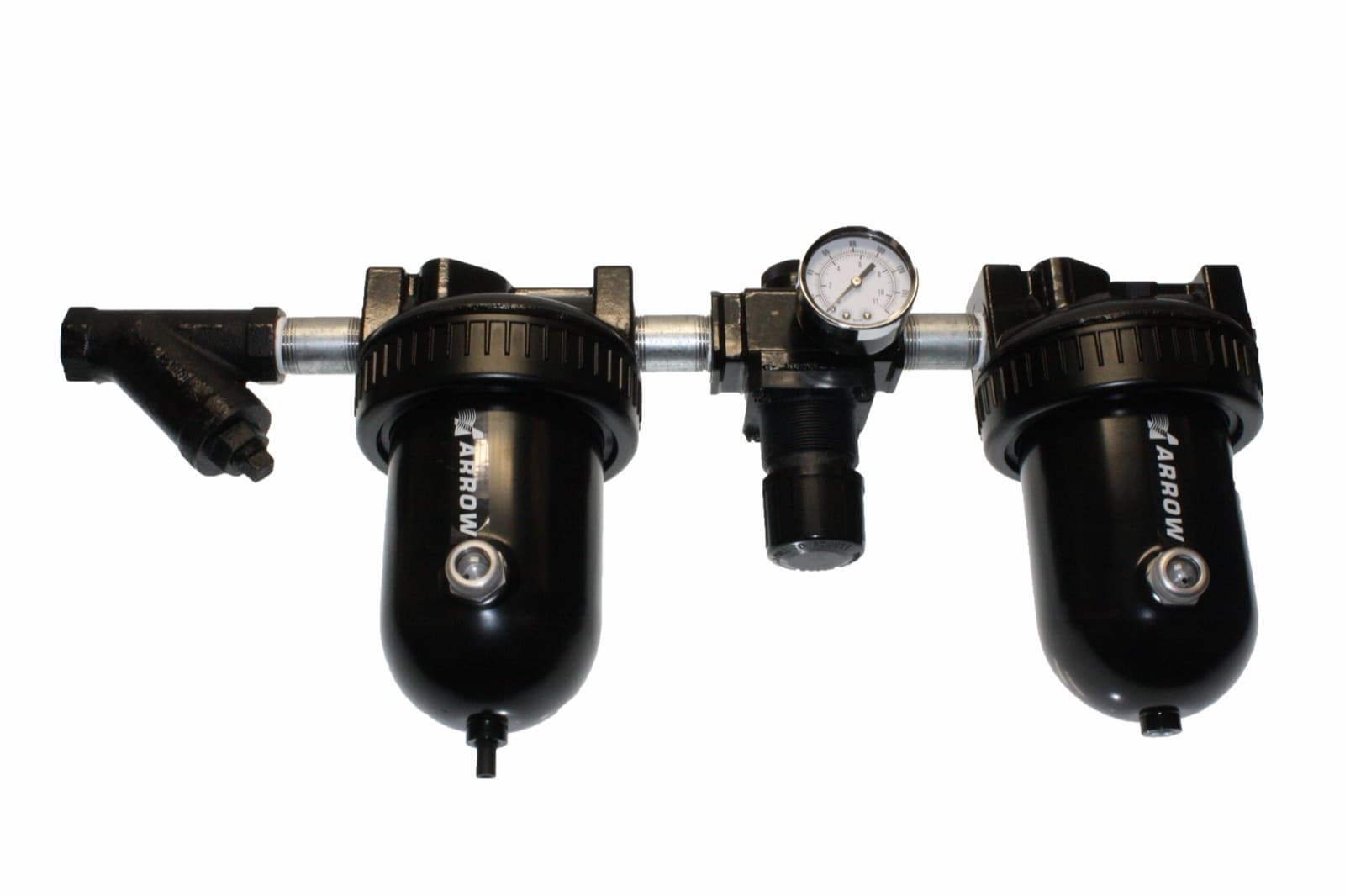
Texas Pneumatic Tools Portable FRL Components
Texas Pneumatic Tools