- 01Can I lift at an angle from an eye bolt?
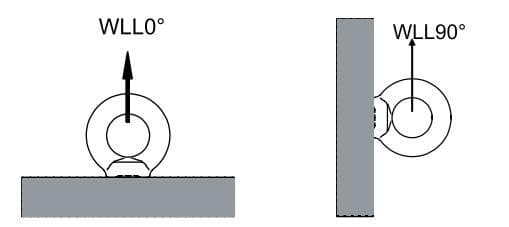
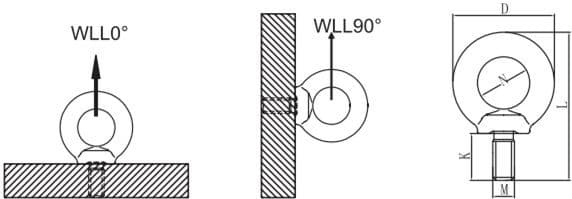
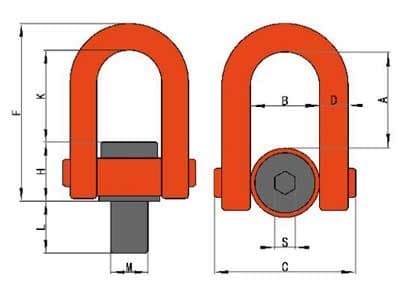
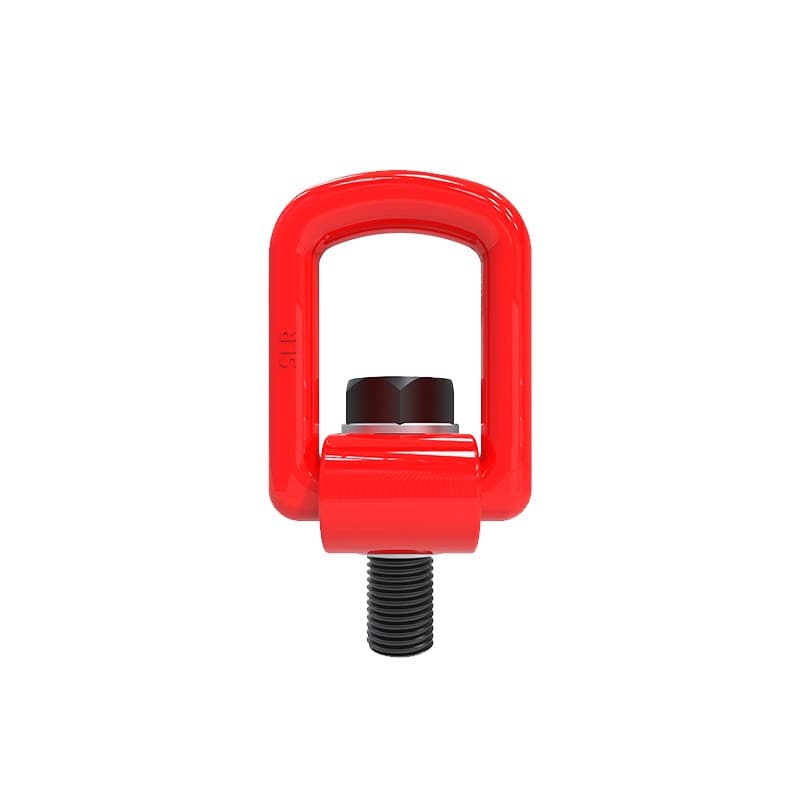
- A plain eye bolt is rated for a straight pull along the thread axis; at an angle its capacity falls sharply. A shoulder eye bolt seated fully takes an angled pull at a reduced rating. Where the pull will be angled or will change direction, use a swivel lifting point, which turns to follow the sling.
- 02What is the difference between WLL, SWL and breaking load?
- WLL — working load limit — is the most the manufacturer rates a part to carry in service. SWL, safe working load, is the older term and is sometimes set lower for a particular installation. The minimum breaking load is what the part withstood in test, several times its WLL, and it is never a working figure.
- 03Do the parts come with test certificates?
- Yes. Each consignment ships with the manufacturer's test certificate. If your site needs more — third-party certification or witnessed proof testing — say so on the RFQ and we will confirm what we can arrange.
- 04What thread engagement and torque does a bolt-on lifting point need?
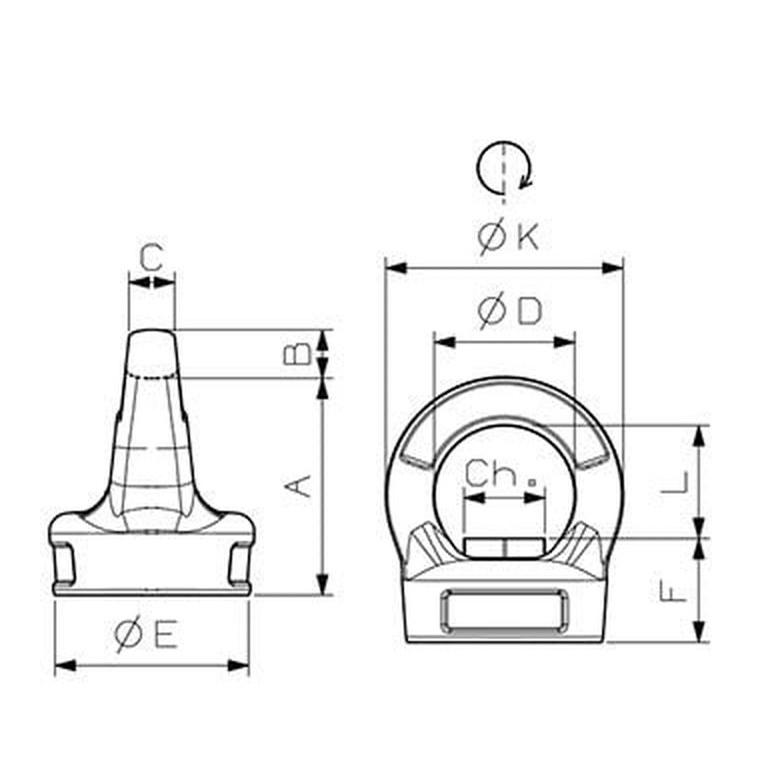
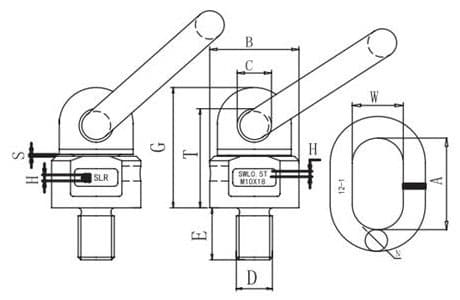
- Exactly what its maker states for that size. A swivel hoist ring or bolt-on point is rated only when its bolt is tightened to the specified torque in a hole of sound thread and adequate depth, with the bushing or base seated flat on the load. The required engagement is longer in cast iron or aluminium than in steel, and the maker gives figures for each. Do not substitute a different bolt or omit the washer, and recheck torque if the point has been removed and refitted.
- 05How do I tell a lifting pad eye from a lashing pad eye?
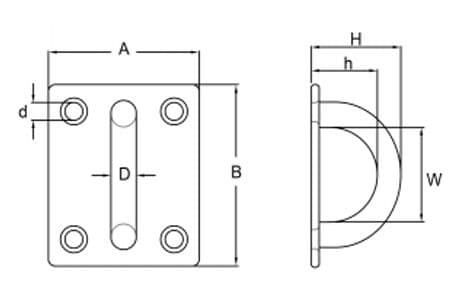
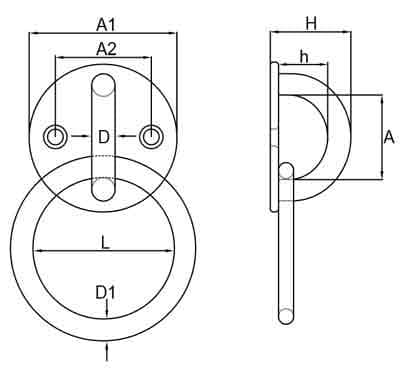
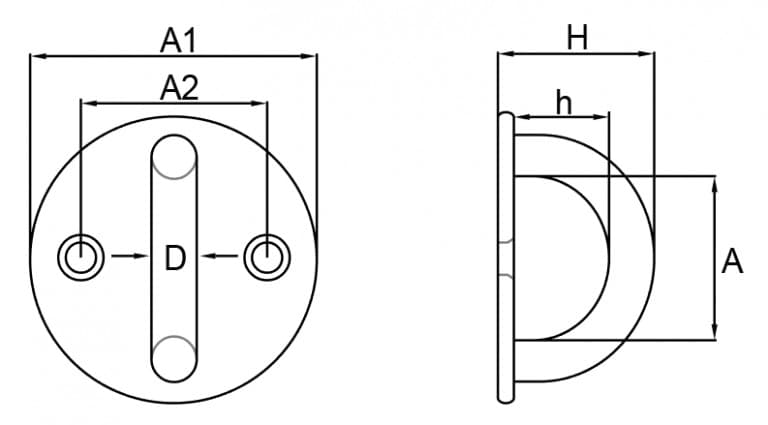
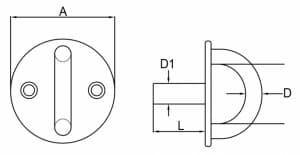
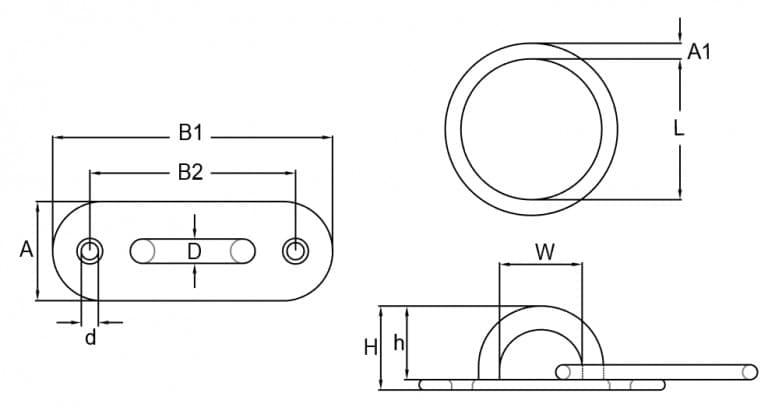
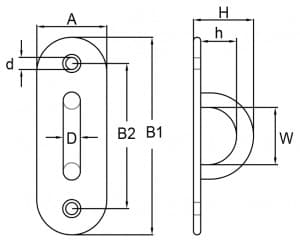
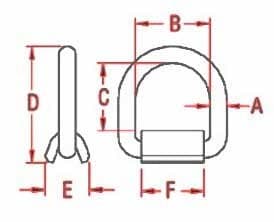
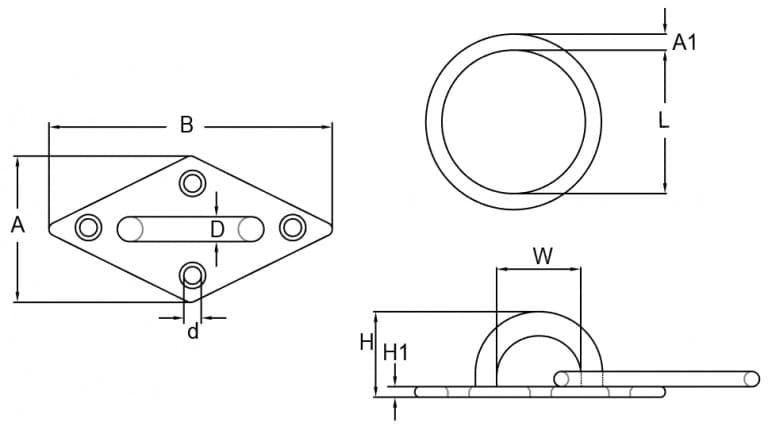
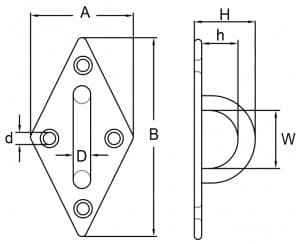
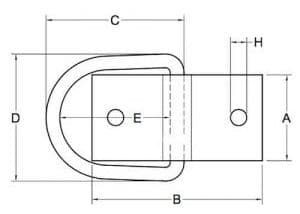
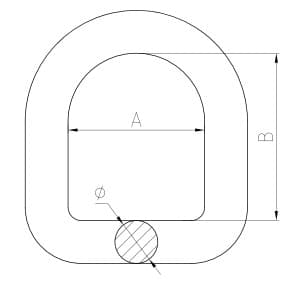
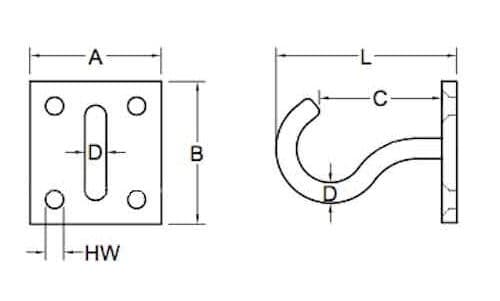
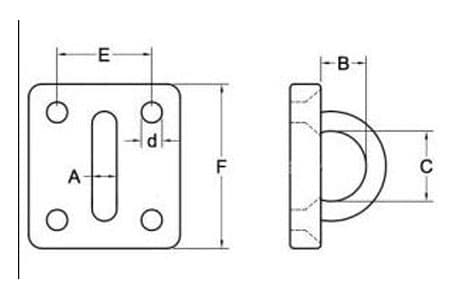
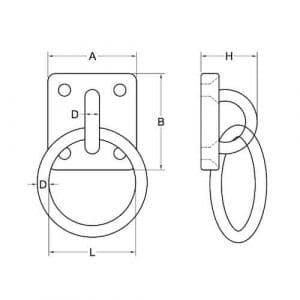
- By its rating. A lifting point carries a WLL for lifting, stamped on it or stated by the maker, and comes with a certificate for that duty. Lashing D rings, deck eye plates and staples are rated for securing cargo — often as a lashing capacity in kN or daN, or not rated at all — and should not be lifted from. On this shelf, check the product page: if it gives no lifting WLL, the item is for lashing or fixing.
- 06What is a precast concrete lifting clutch used with?
- A lifting clutch hooks into a spread or lifting anchor cast into a precast concrete unit, and it works only with the anchor system it was designed for. Match the clutch to the anchor's head type and load class from the same system, and follow that system maker's rules for anchor embedment, edge distance and concrete strength at lift. Send the anchor make and load class when you request a quote.