Skip to content

Hydraulic Quick Couplers

424 SKUs19 brands

Showing 193–240 of 424 SKUs

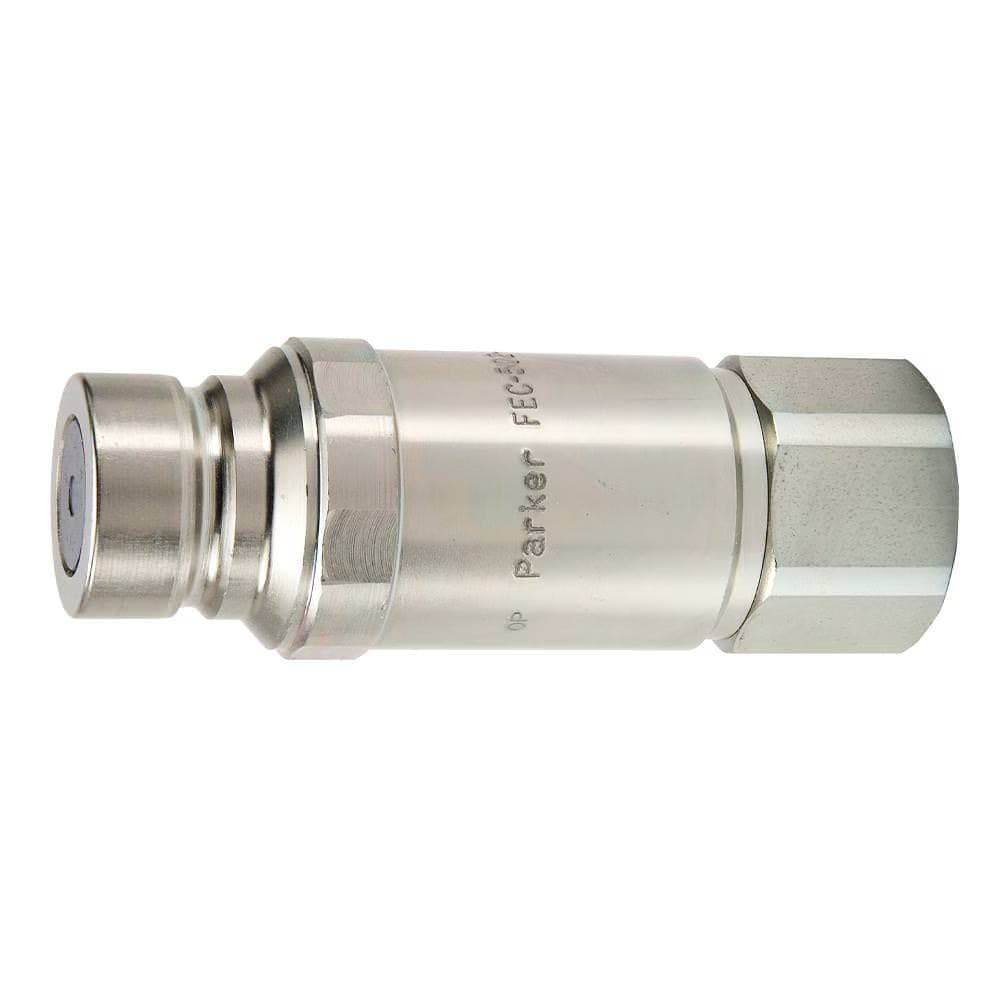
Parker FEC Series Hydraulic Nipples & Connectors, 3,000 psi, catalogue image 1

Parker FEC Series Hydraulic Nipples & Connectors, 3,000 psi

Parker HannifinFEC Series Hydraulic Nipples & Connectors
Inquire
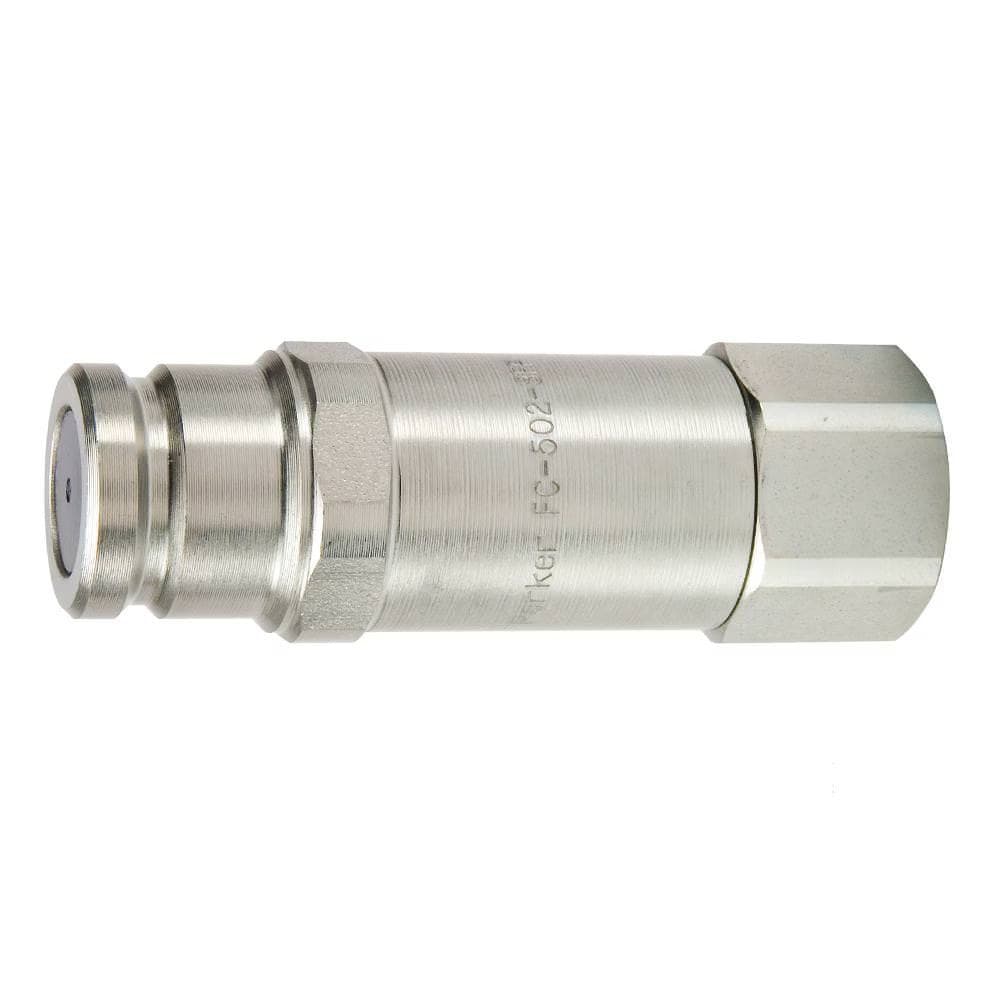
Parker FC Series Hydraulic Nipple, 3,000 psi, catalogue image 1

Parker FC Series Hydraulic Nipple, 3,000 psi

Parker HannifinFC Series Hydraulic Nipple
Inquire
Parker EAS-500 ISO 16028 to ISO 7241 Adapter, catalogue image 1

Parker EAS-500 ISO 16028 to ISO 7241 Adapter

Parker HannifinEAS-500 ISO 16028 to ISO 7241 Adapter
Inquire
Parker 9200 Series Lever-Operated Coupling & Dust Cap, catalogue image 1

Parker 9200 Series Lever-Operated Coupling & Dust Cap

Parker Hannifin9200 Series Lever-Operated Coupling & Dust Cap
Inquire
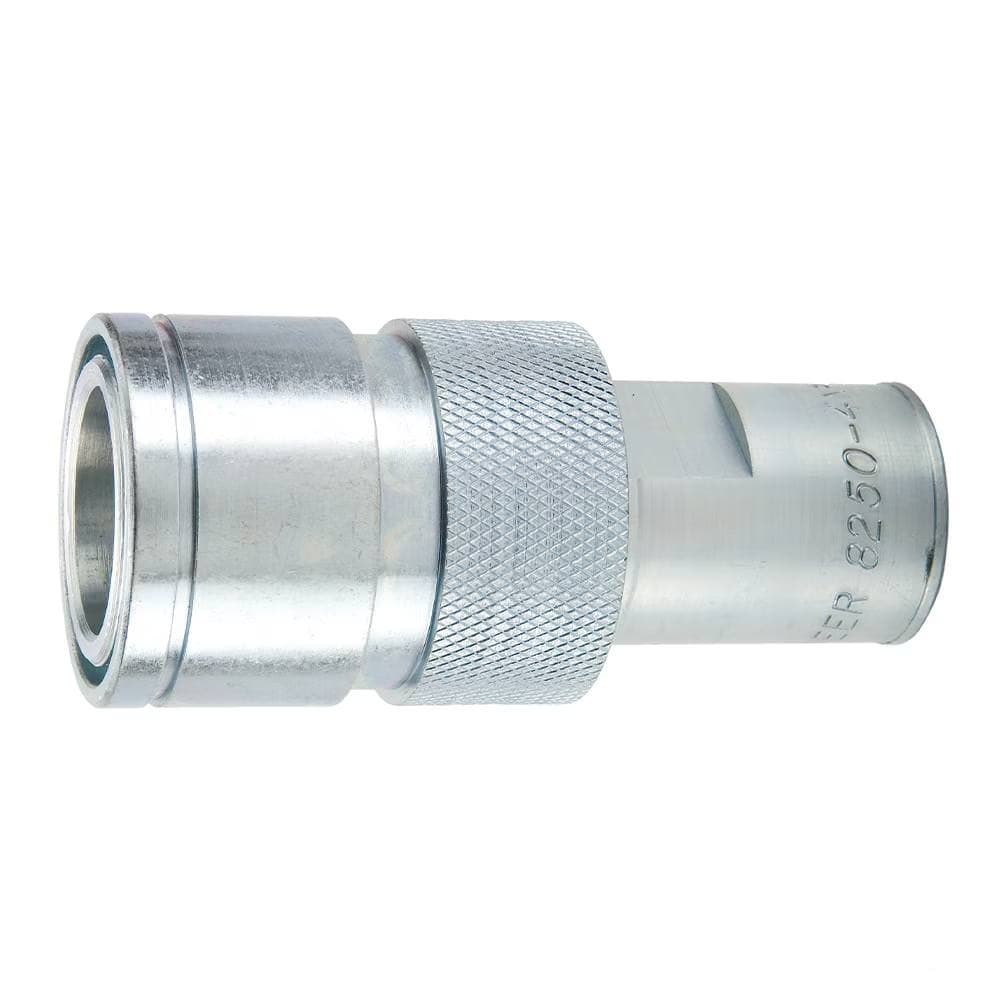
Parker 8200 Series Hydraulic Quick-Disconnect Couplings, catalogue image 1

Parker 8200 Series Hydraulic Quick-Disconnect Couplings

Parker Hannifin8200 Series Hydraulic Quick-Disconnect Couplings
Inquire
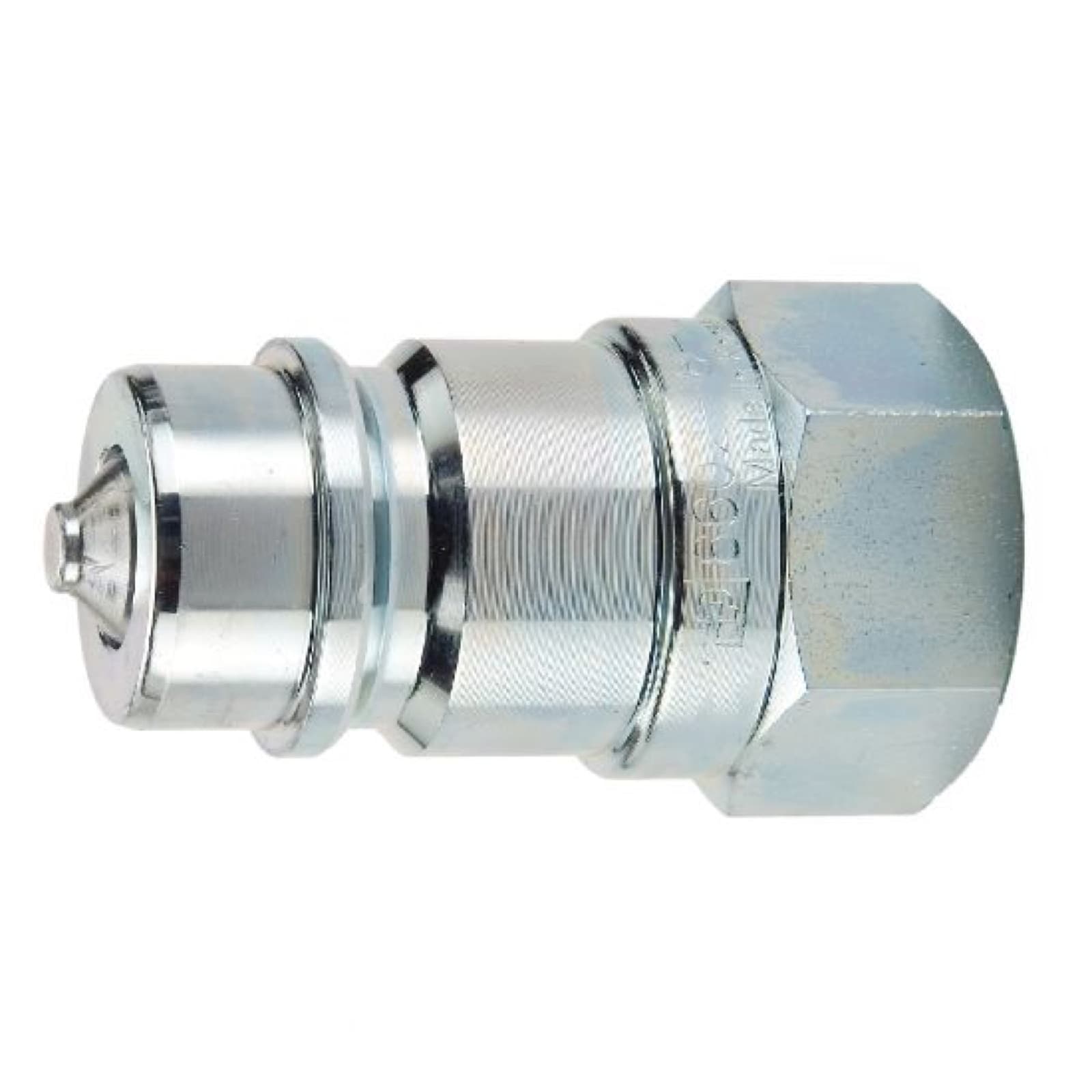
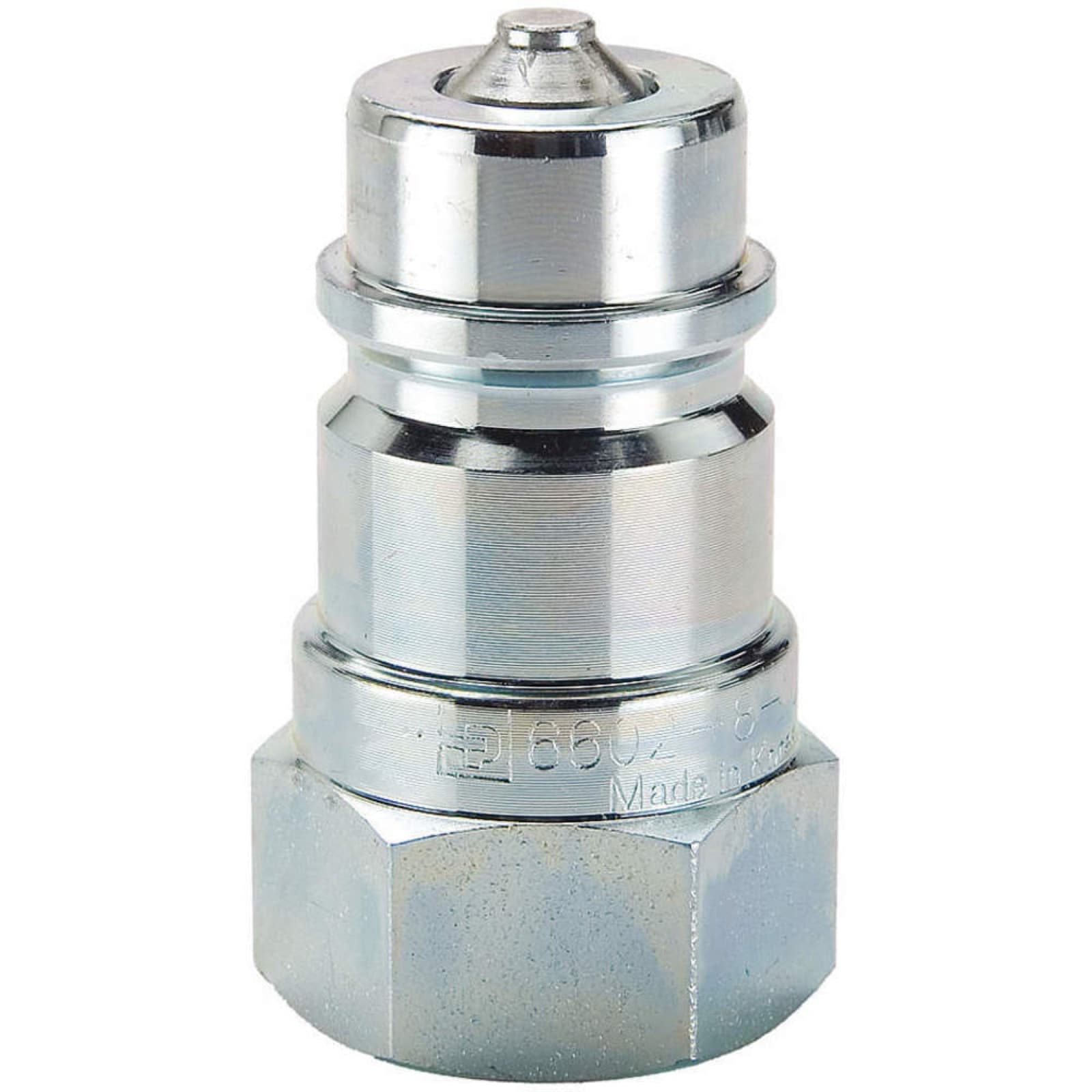
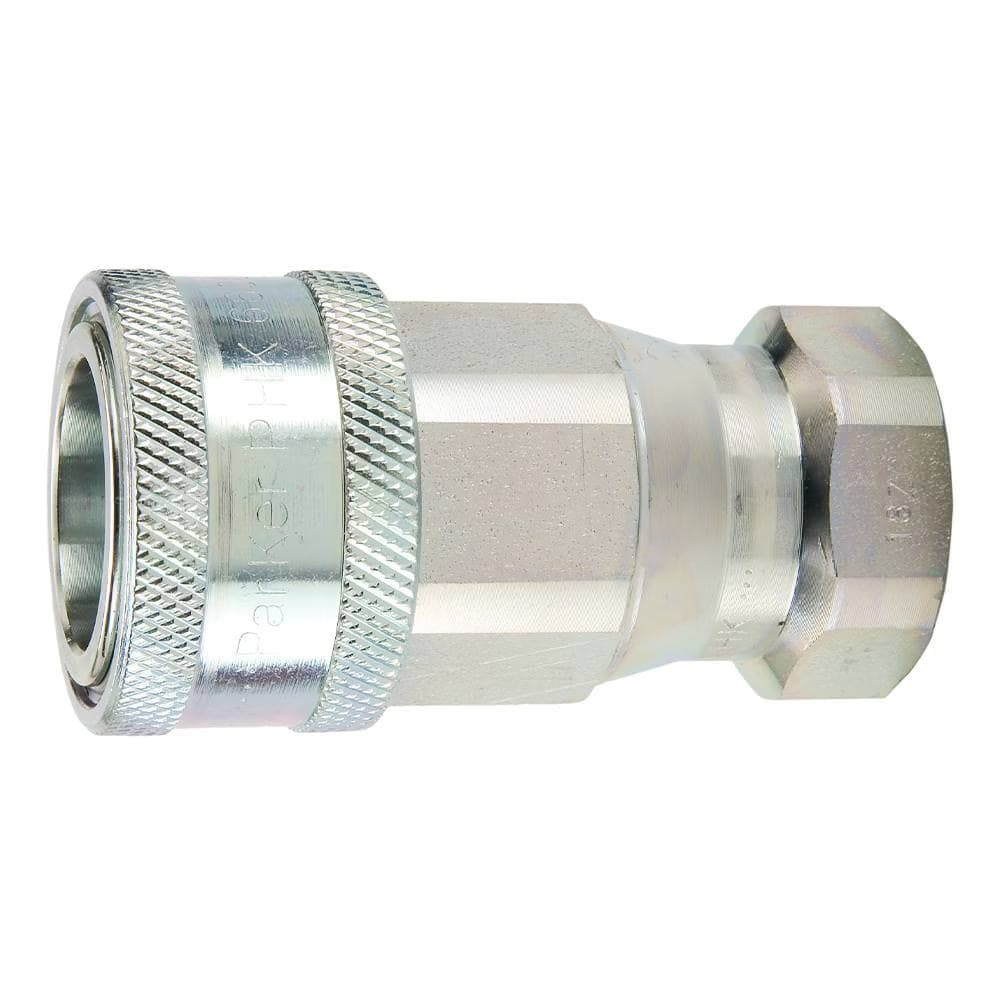
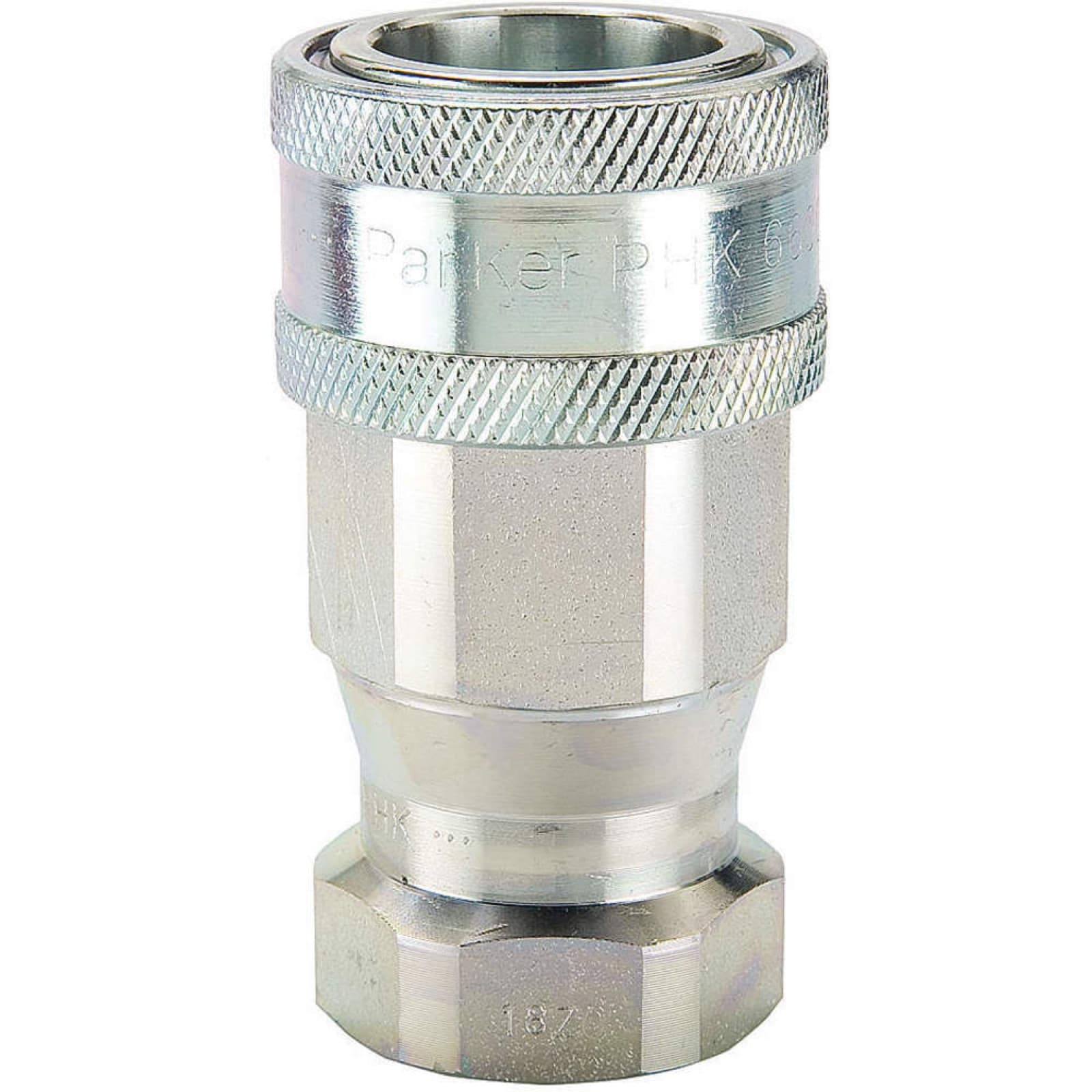
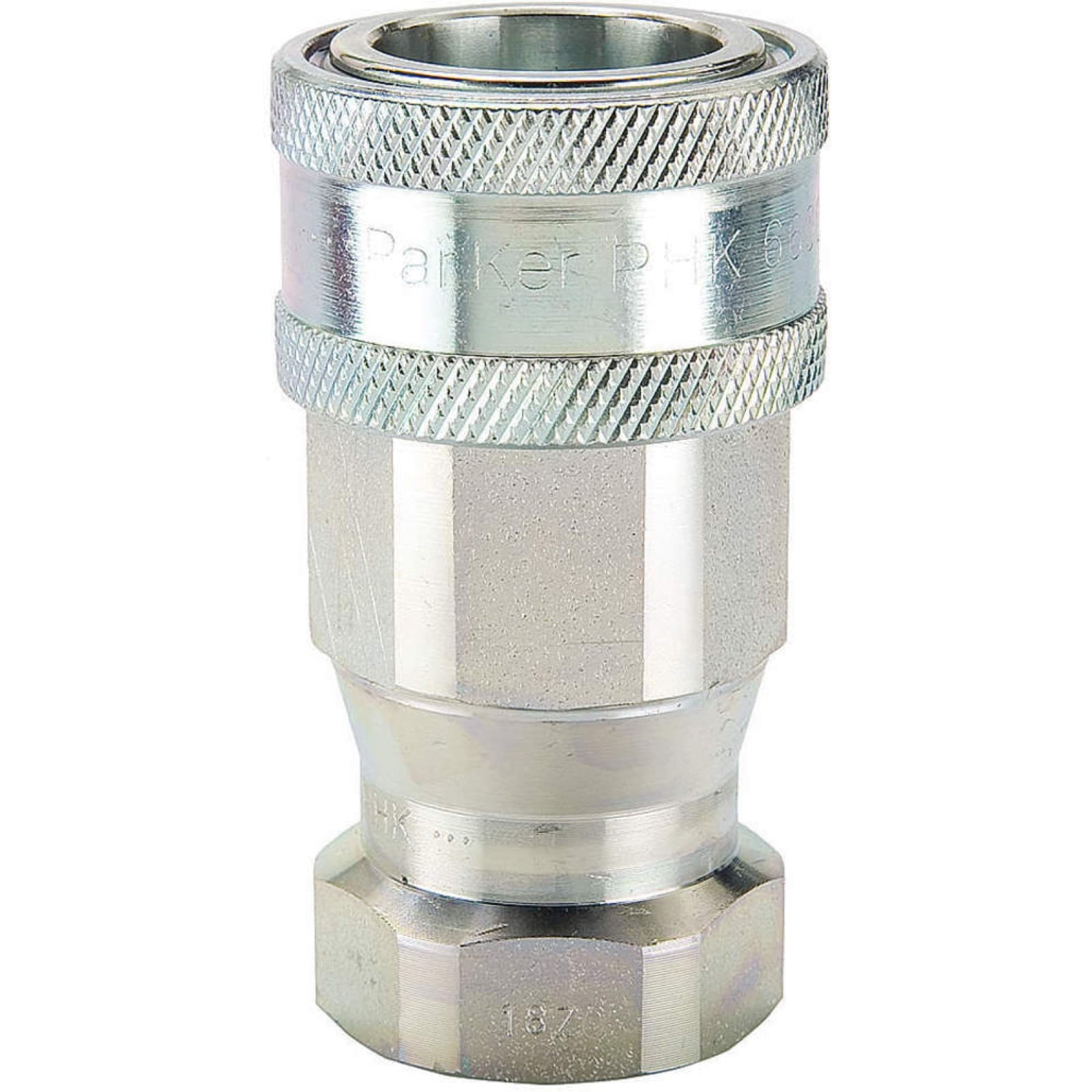
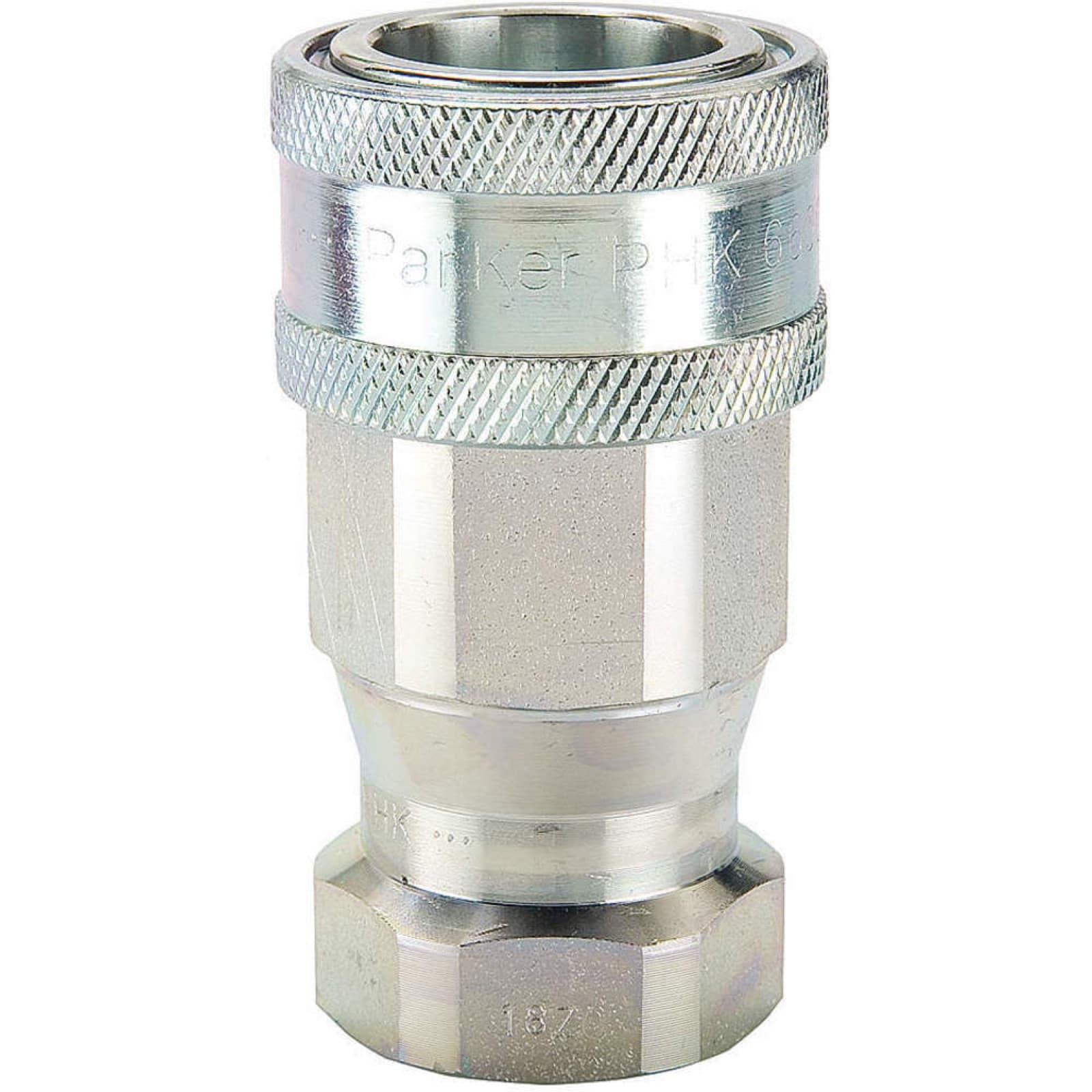
Parker 6600 Series ISO 7241-1 Series A Hydraulic Couplings, catalogue image 1

Parker 6600 Series ISO 7241-1 Series A Hydraulic Couplings

Parker Hannifin6600 Series ISO 7241-1 Series A Hydraulic Couplings
Inquire
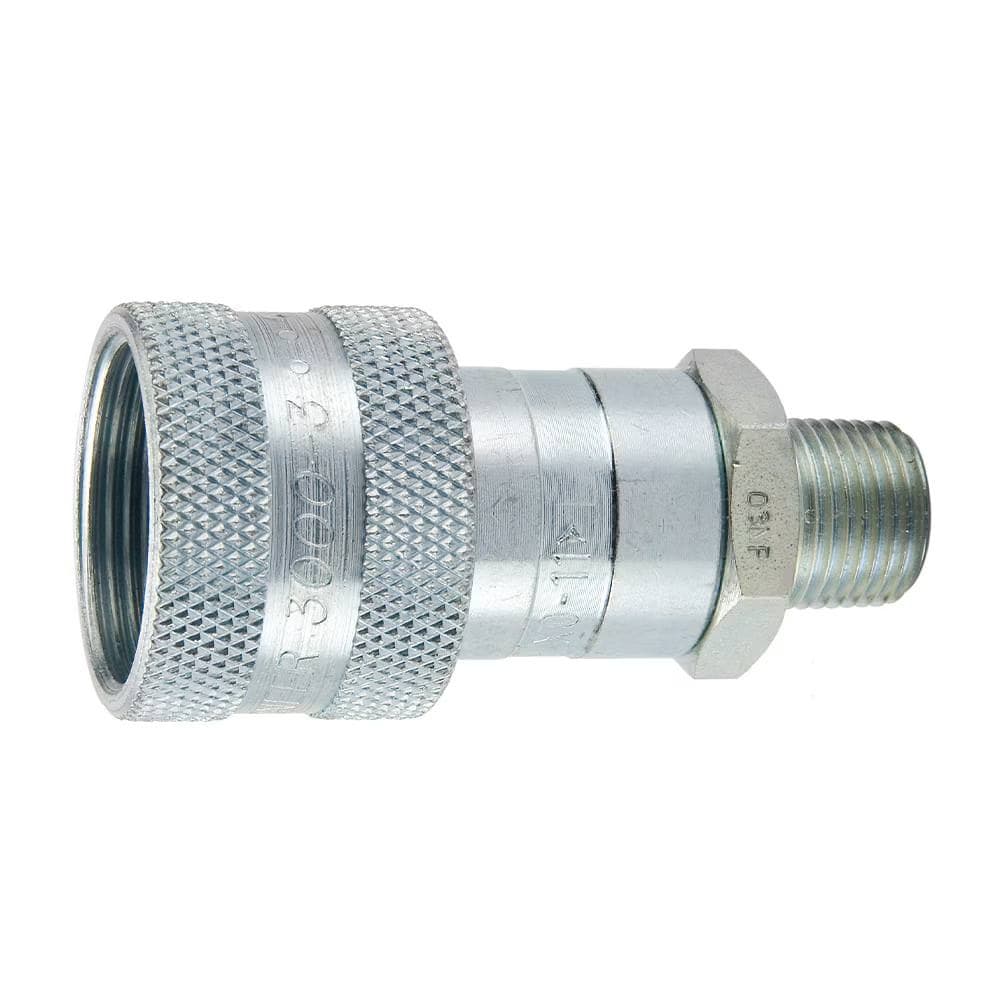
Parker 6100 Series Thread-to-Connect Hydraulic Couplings, catalogue image 1

Parker 6100 Series Thread-to-Connect Hydraulic Couplings

Parker Hannifin6100 Series Thread-to-Connect Hydraulic Couplings
Inquire
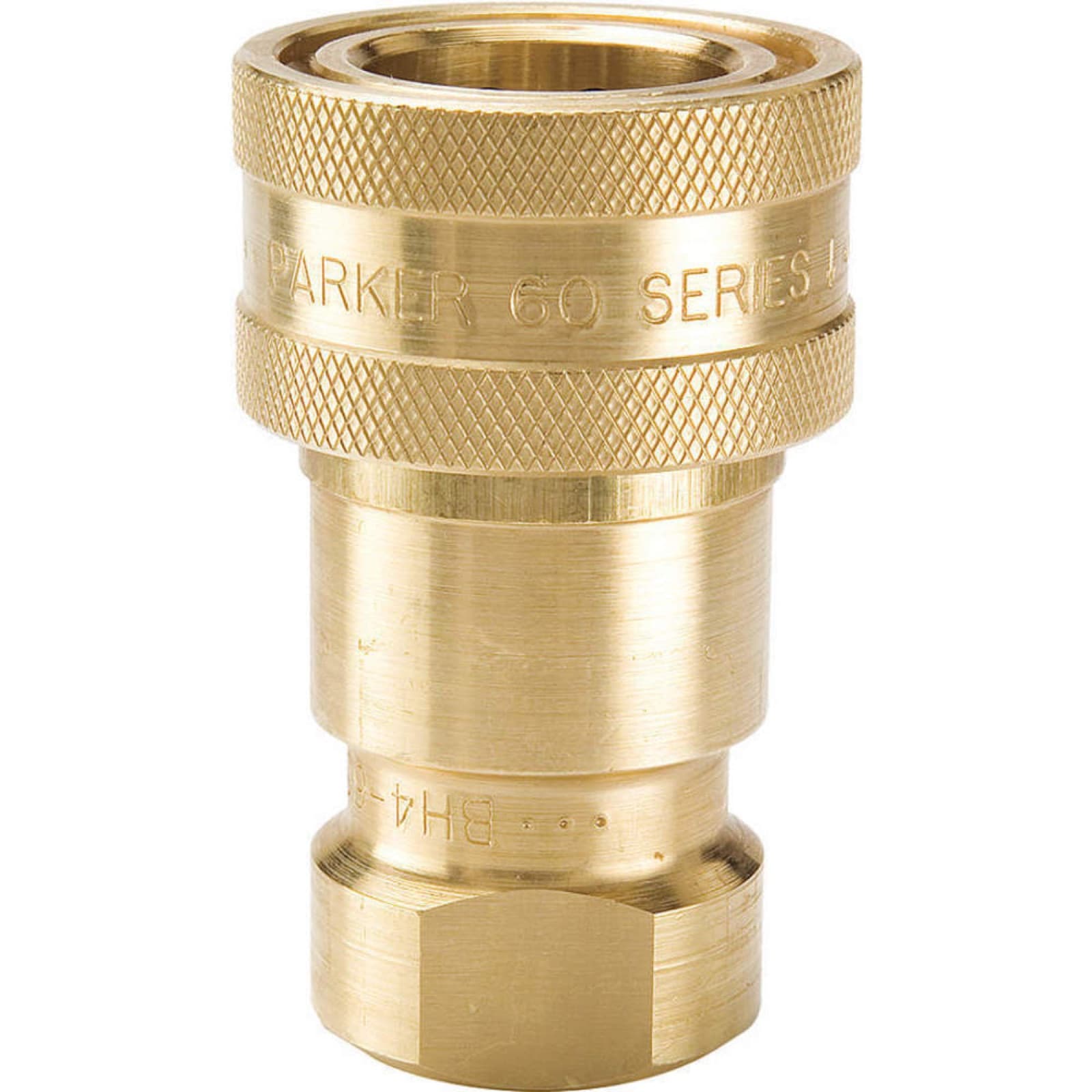
Parker 60 Series General-Purpose Hydraulic Couplings, catalogue image 1

Parker 60 Series General-Purpose Hydraulic Couplings

Parker Hannifin60 Series General-Purpose Hydraulic Couplings
Inquire
Parker 5000 Series Hydraulic Quick-Disconnect Coupling, catalogue image 1

Parker 5000 Series Hydraulic Quick-Disconnect Coupling

Parker Hannifin5000 Series Hydraulic Quick-Disconnect Coupling
Inquire
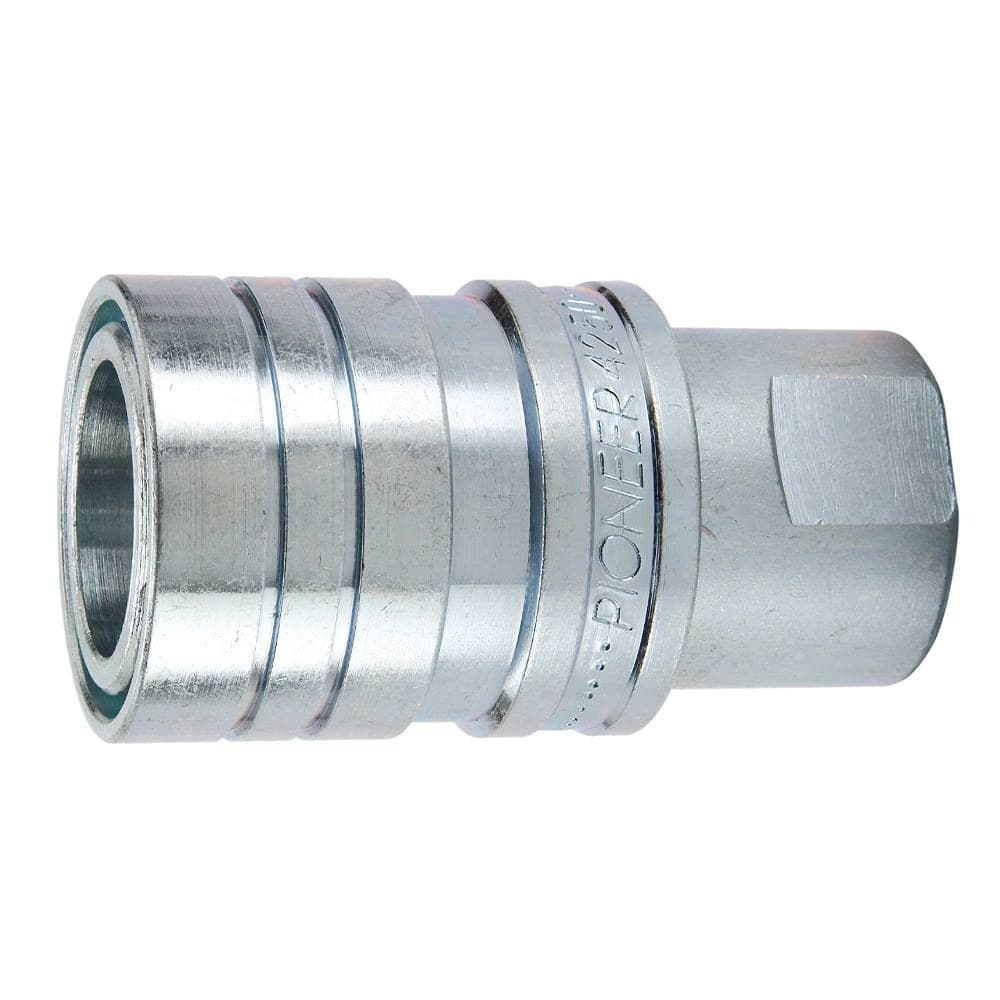
Parker 4200 Series Hydraulic Quick-Disconnect Couplings, catalogue image 1

Parker 4200 Series Hydraulic Quick-Disconnect Couplings

Parker Hannifin4200 Series Hydraulic Quick-Disconnect Couplings
Inquire
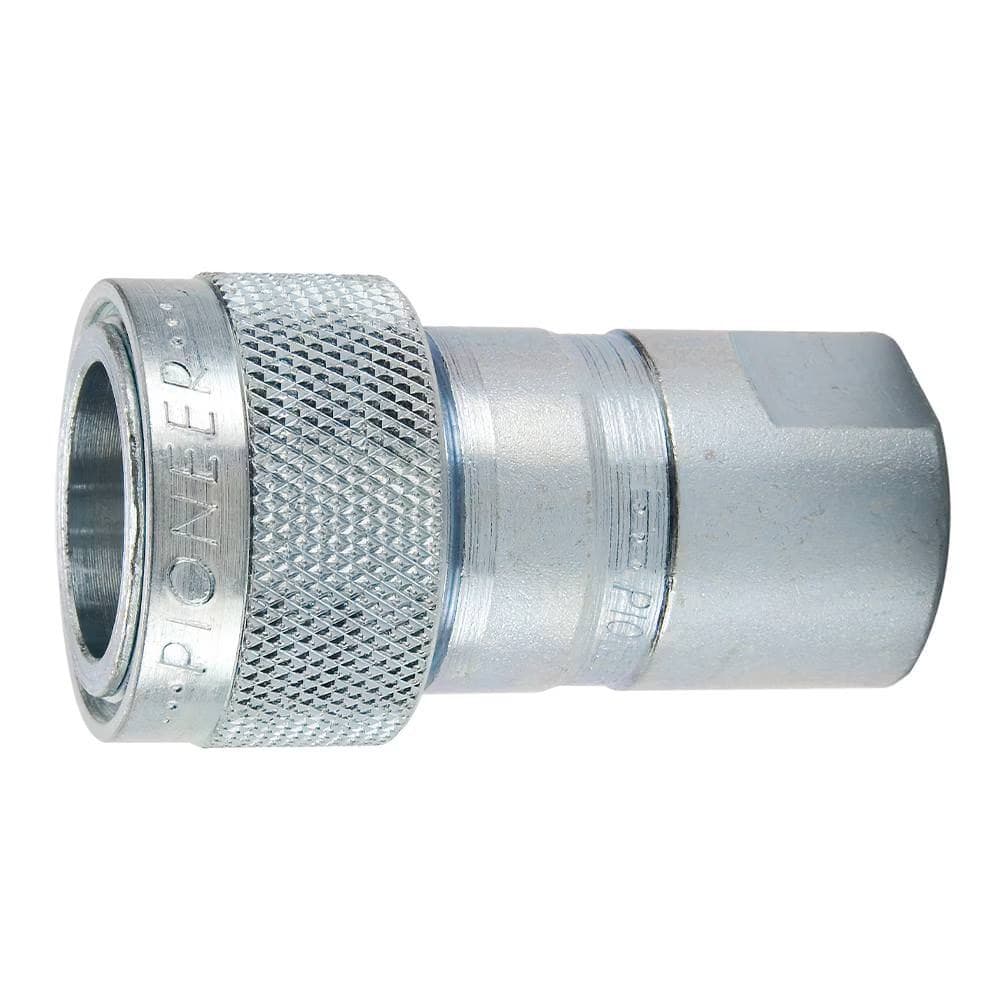
Parker 4000 Series Hydraulic Quick-Disconnect Couplings, catalogue image 1

Parker 4000 Series Hydraulic Quick-Disconnect Couplings

Parker Hannifin4000 Series Hydraulic Quick-Disconnect Couplings
Inquire
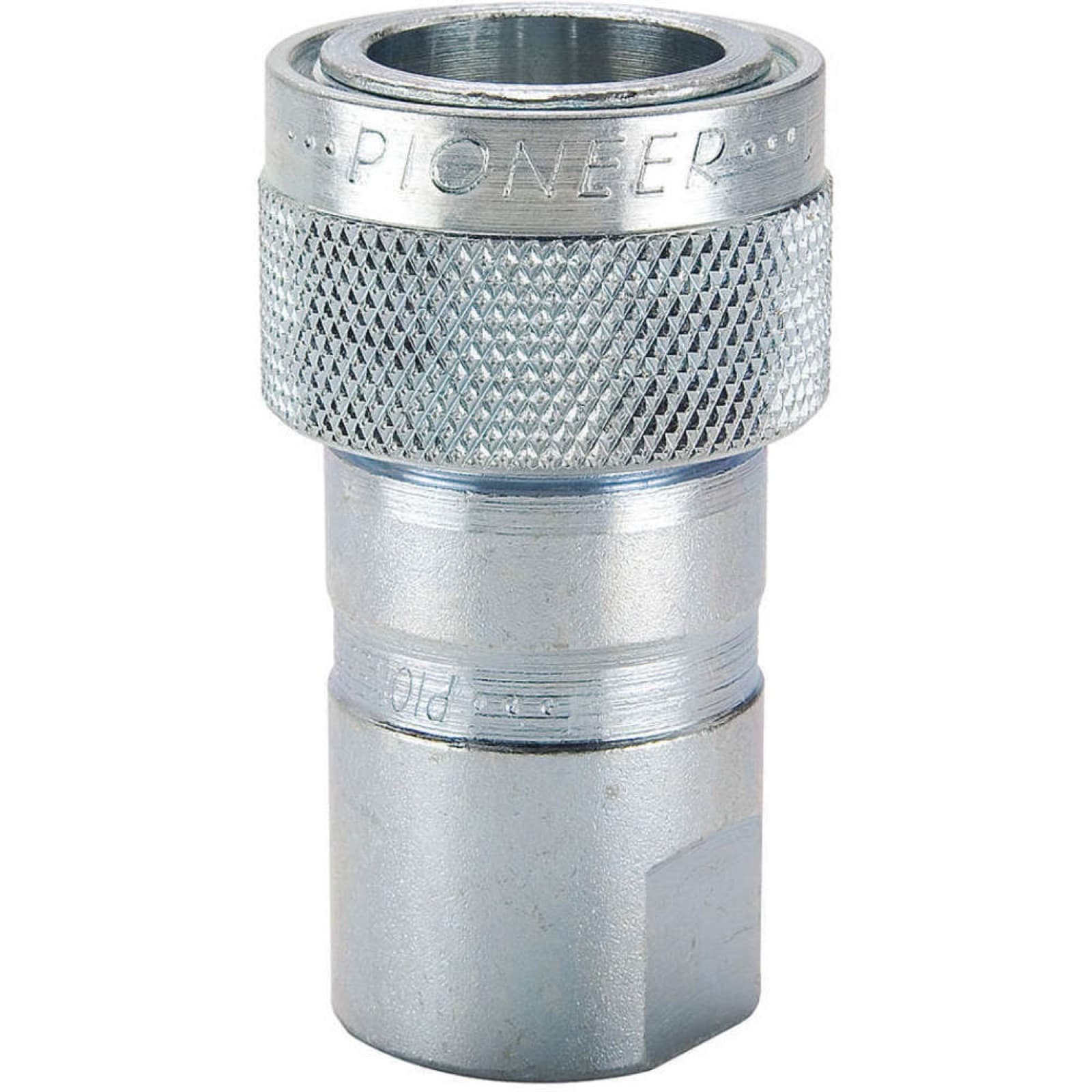
Parker 3000 Series High-Pressure Hydraulic Couplings, catalogue image 1

Parker 3000 Series High-Pressure Hydraulic Couplings

Parker Hannifin3000 Series High-Pressure Hydraulic Couplings
Inquire
Category image · Hoses & Fittings
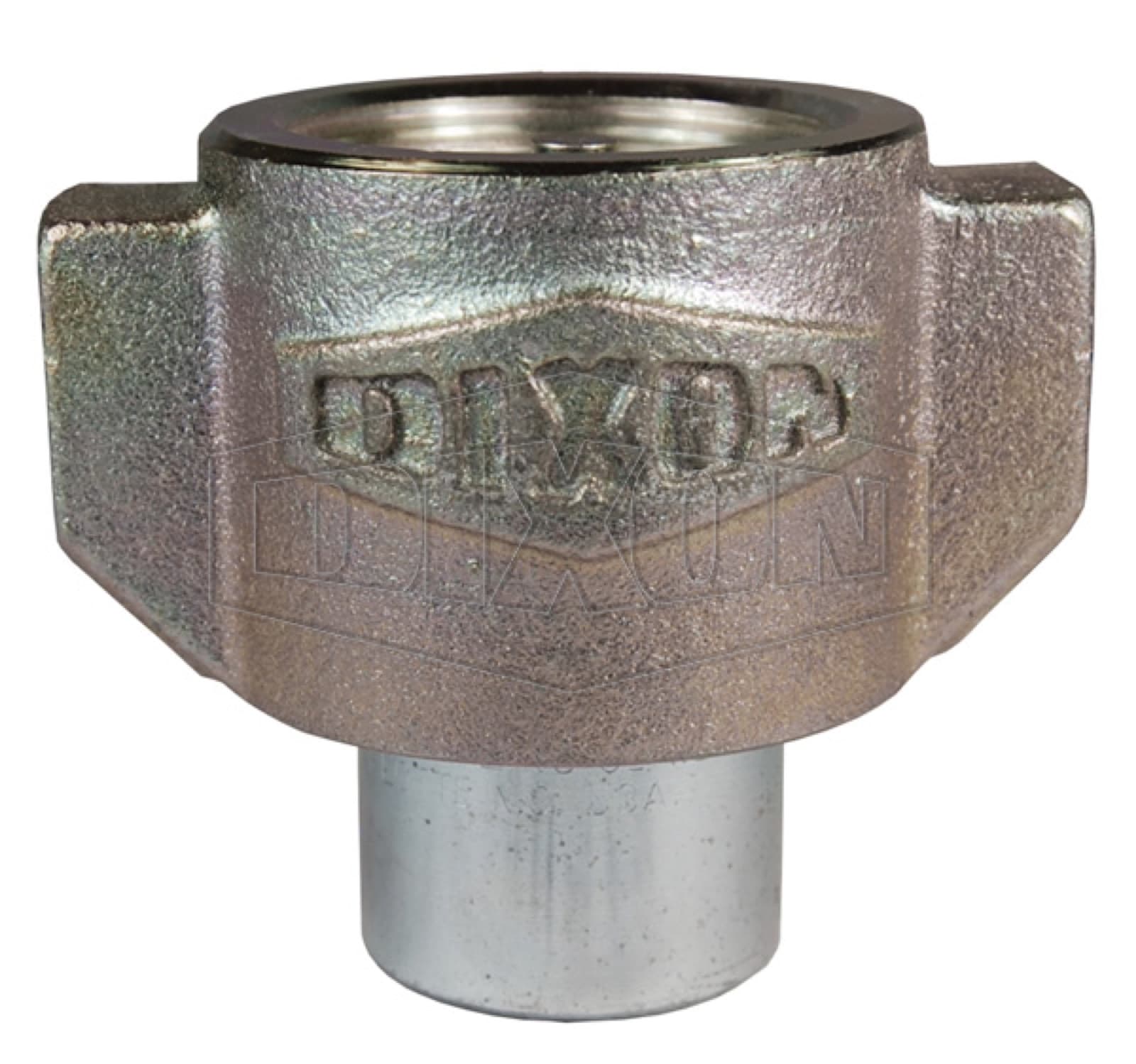
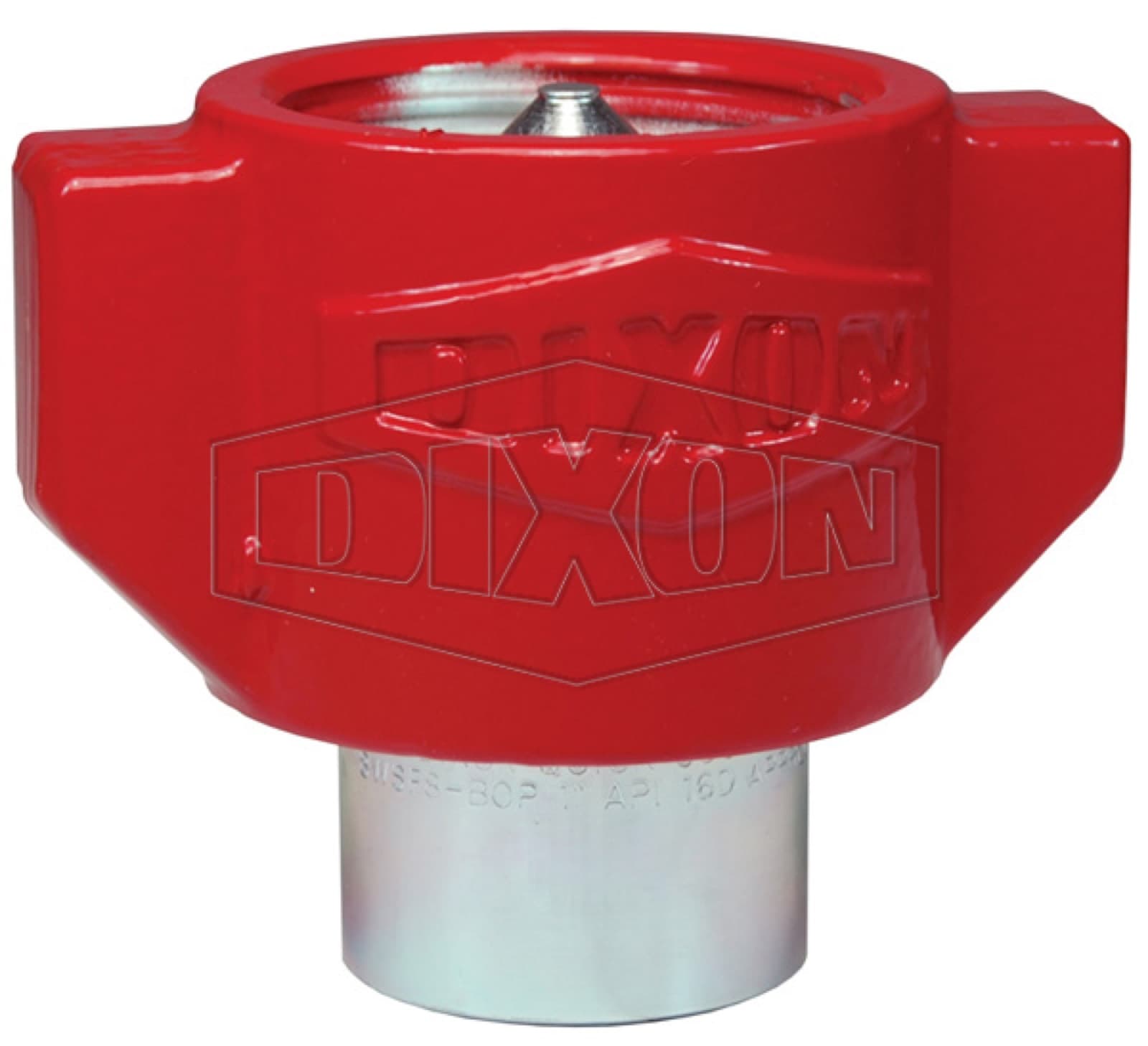
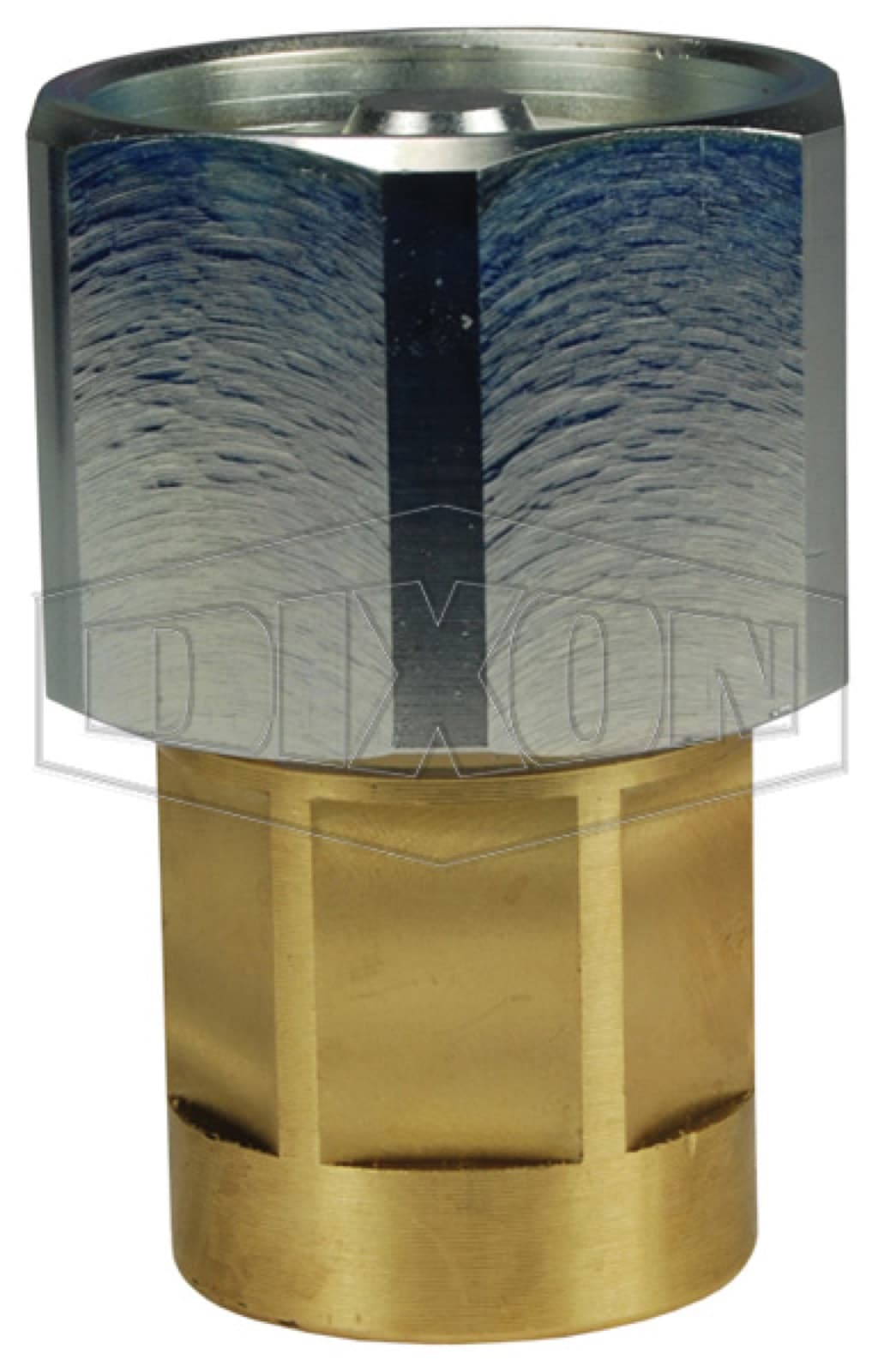
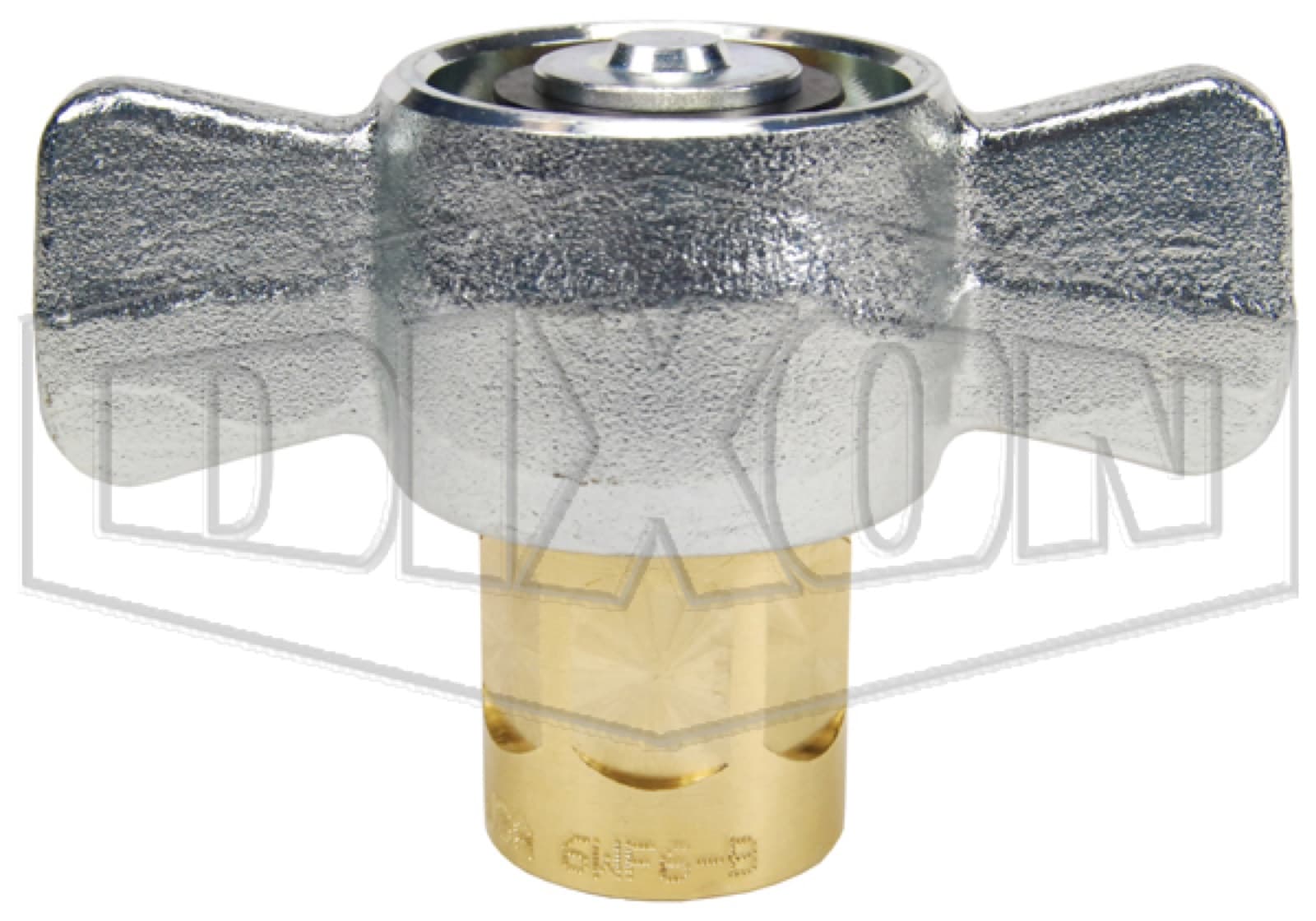
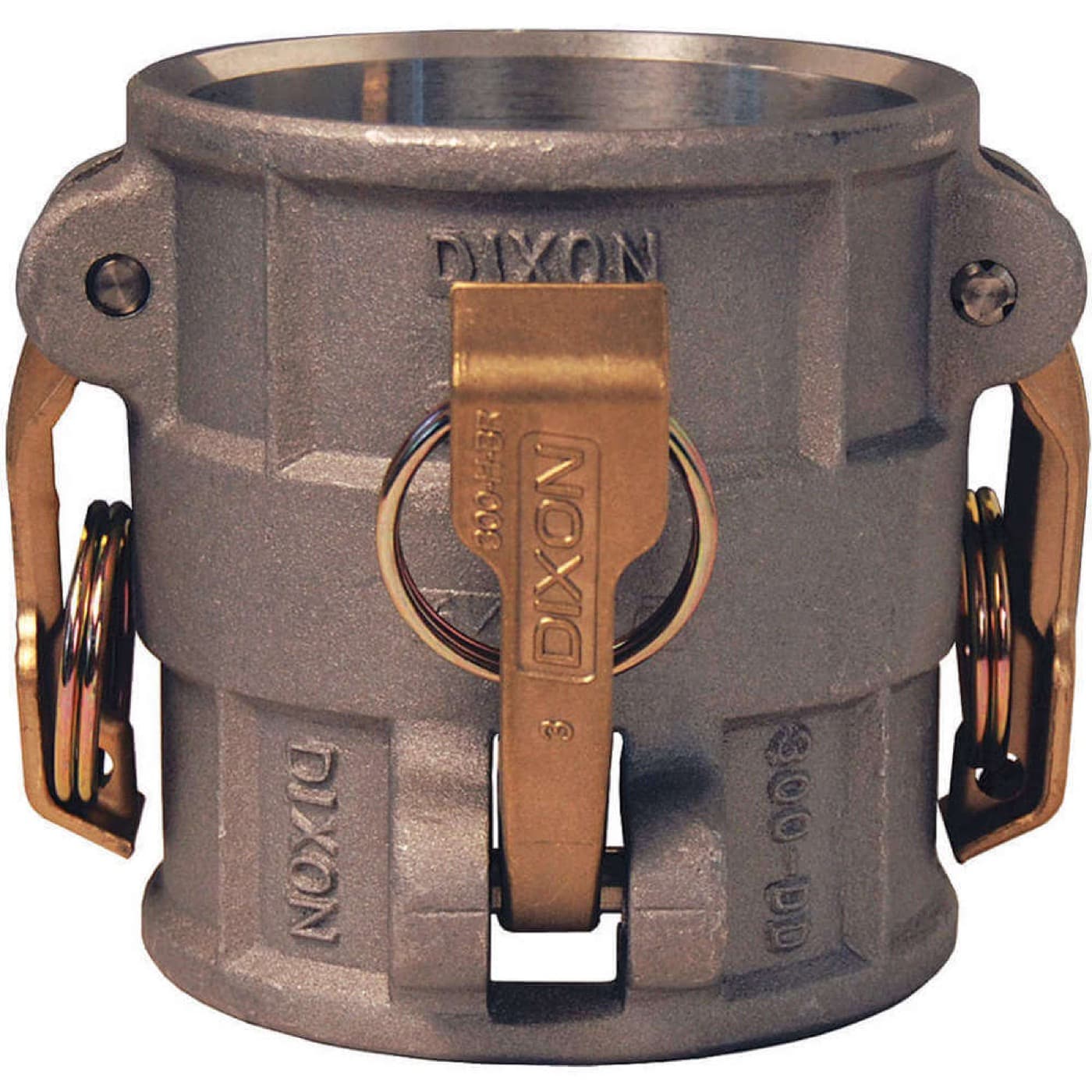
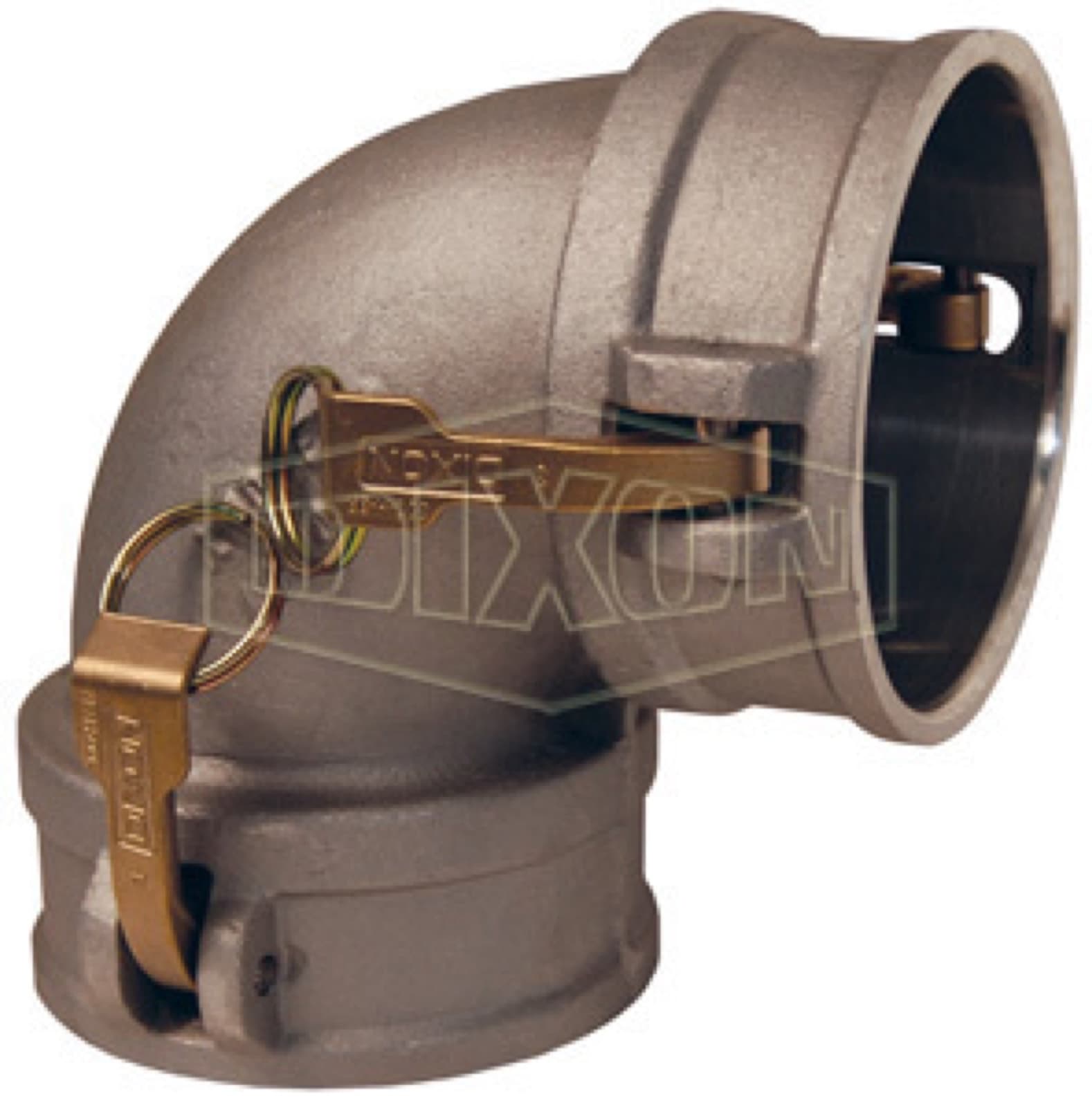
Dixon Wing-Style Hydraulic Couplers, catalogue image 1

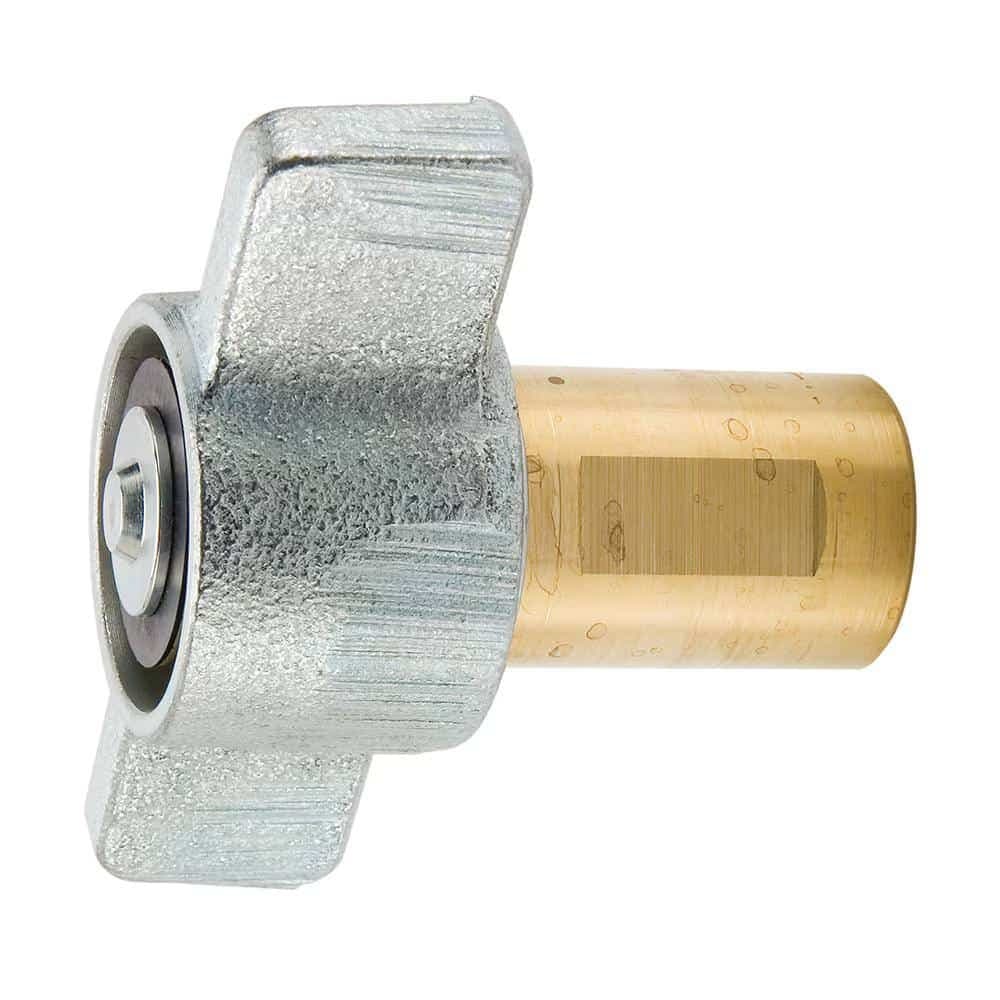
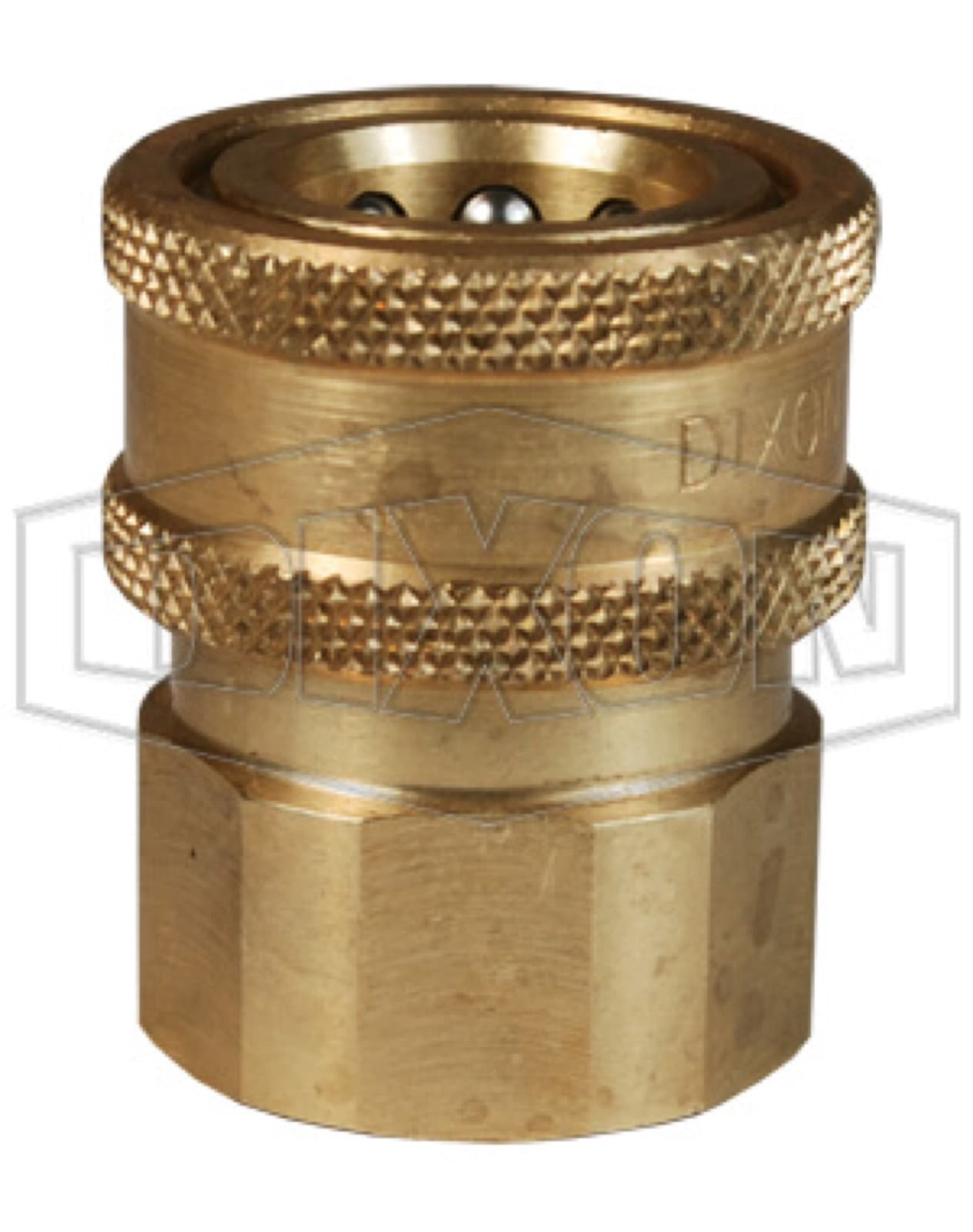
Dixon Wing-Style Hydraulic Couplers

Dixon Valve & CouplingWing-Style Hydraulic Couplers
Inquire
Category image · Hoses & Fittings

Questions we get asked

About this range

01Will an ISO 7241 Series A coupler connect to Series B?
No. Series A and Series B are different interchanges with different dimensions; a coupler connects only to a mating half of the same series and size.
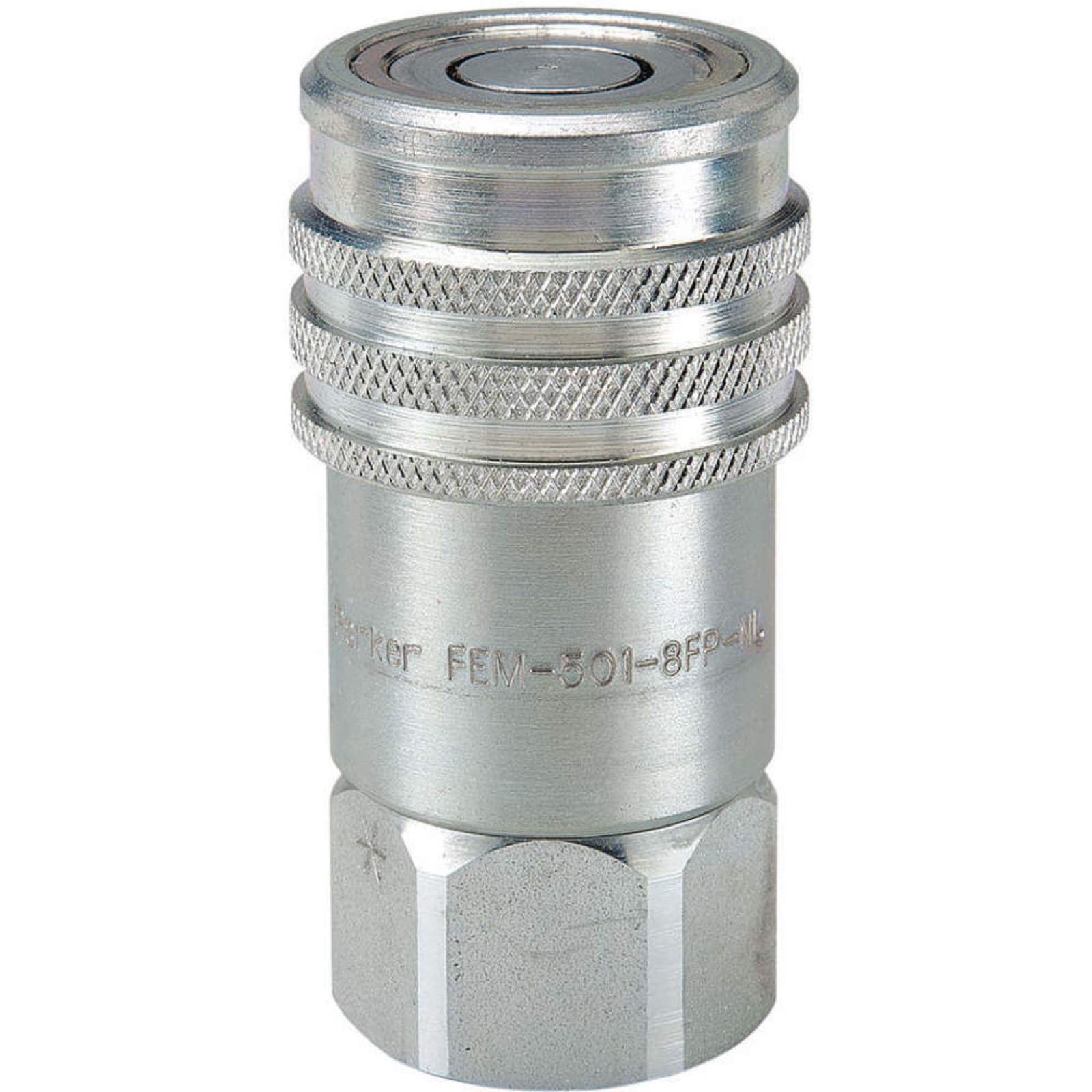
02When should I use a flush-face coupler?
Where dirt and spills matter: construction attachments, mobile machinery and anywhere the coupler is connected in the field. The flat faces wipe clean before connection and trap very little oil when disconnected.
03Can a coupler be connected under pressure?
Only one designed for it. Standard couplers should be connected with both sides depressurised; connect-under-pressure designs, such as the farm coupler on this shelf, are made to connect against residual pressure.
04Can I mate couplers from two different makers?
Yes, if both halves are made to the same interchange standard and size, such as ISO 16028 or ISO 7241 Series A. The standard fixes the mating dimensions, not flow, pressure drop or valve design, so a mixed pair may perform below either maker’s rating. Couplers sold as a maker’s own pattern, with no published interchange, only mate with that maker’s halves.
05Is a 1/2″ coupler a 1/2″ thread?
Not necessarily. The nominal size refers to the coupler body under its interchange standard, and the port thread on the back can be a different size and form — BSP, NPT, SAE O-ring boss or metric. Specify the interchange, the body size and the end thread separately, and check the flow at the body size.
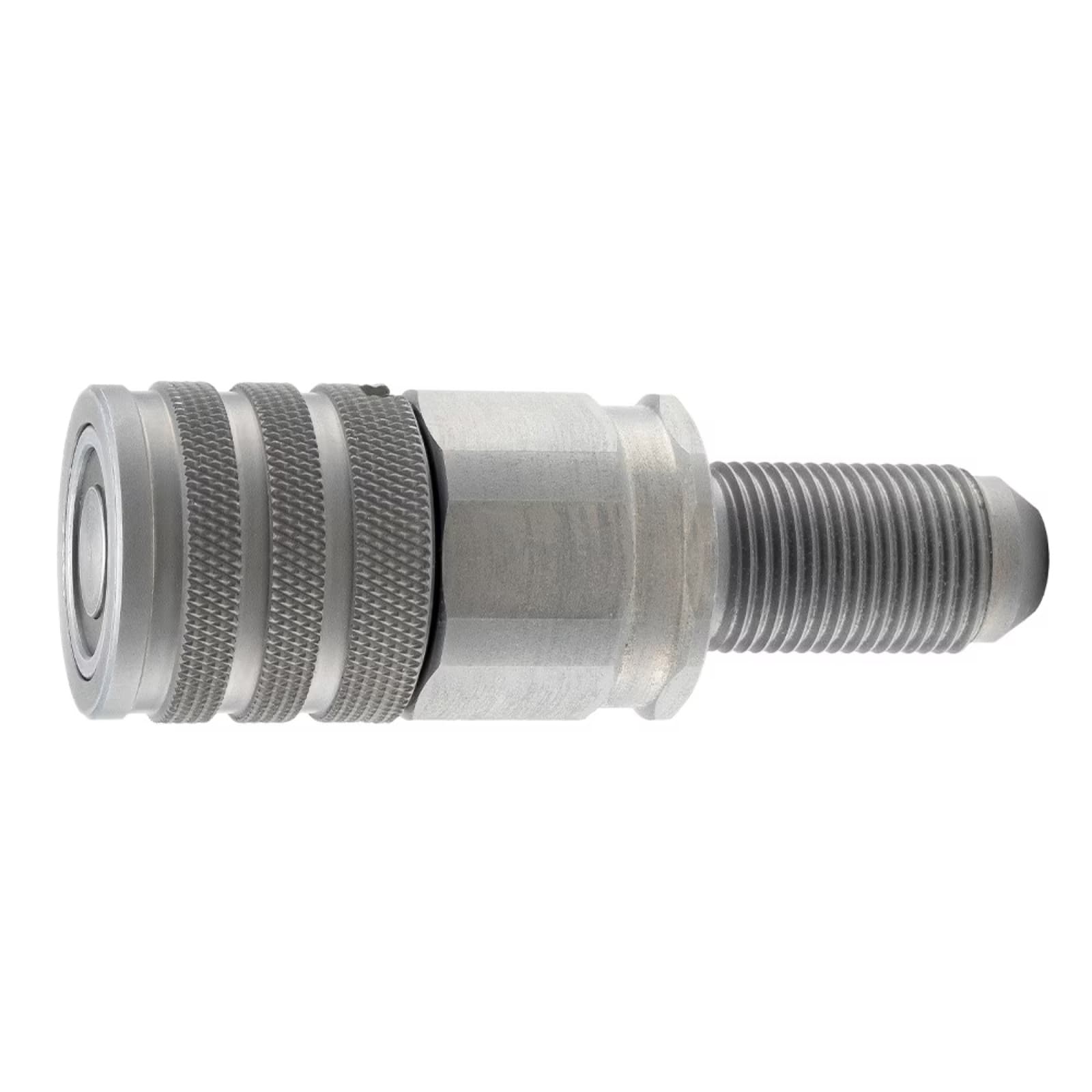
06When should I choose a thread-to-connect coupler?
Where the line sees high pressure, heavy impulse or vibration that can work a push-to-connect sleeve loose, as on hydraulic hammers, breakers and some attachments. The halves are drawn together by a threaded sleeve rather than held by balls, so they stay connected under pressure spikes. They take longer to connect, so use push-to-connect where frequent changes matter more.
07What types of hydraulic quick coupler are there?
The shelf covers ISO 7241 Series A and B, ISO 16028 flush face, ISO 5675 tractor, HTMA tool, 10,000 psi jack and water-blast, thread-to-connect, ARO 210 and MIL-C-4109 air, SAE J1502 test-point, refrigerant and oil-sampling couplers, plus a pressure gauge test kit.
08How do hydraulic quick couplers work?
A quick coupler is a two-part connector that joins and separates a fluid line by hand. Where the coupler is valved, such as a self-sealing poppet type, each half seals on disconnection. Send your thread, size and pressure for a quote.