
Parker 4000 Series, Hydraulic Quick Couplers
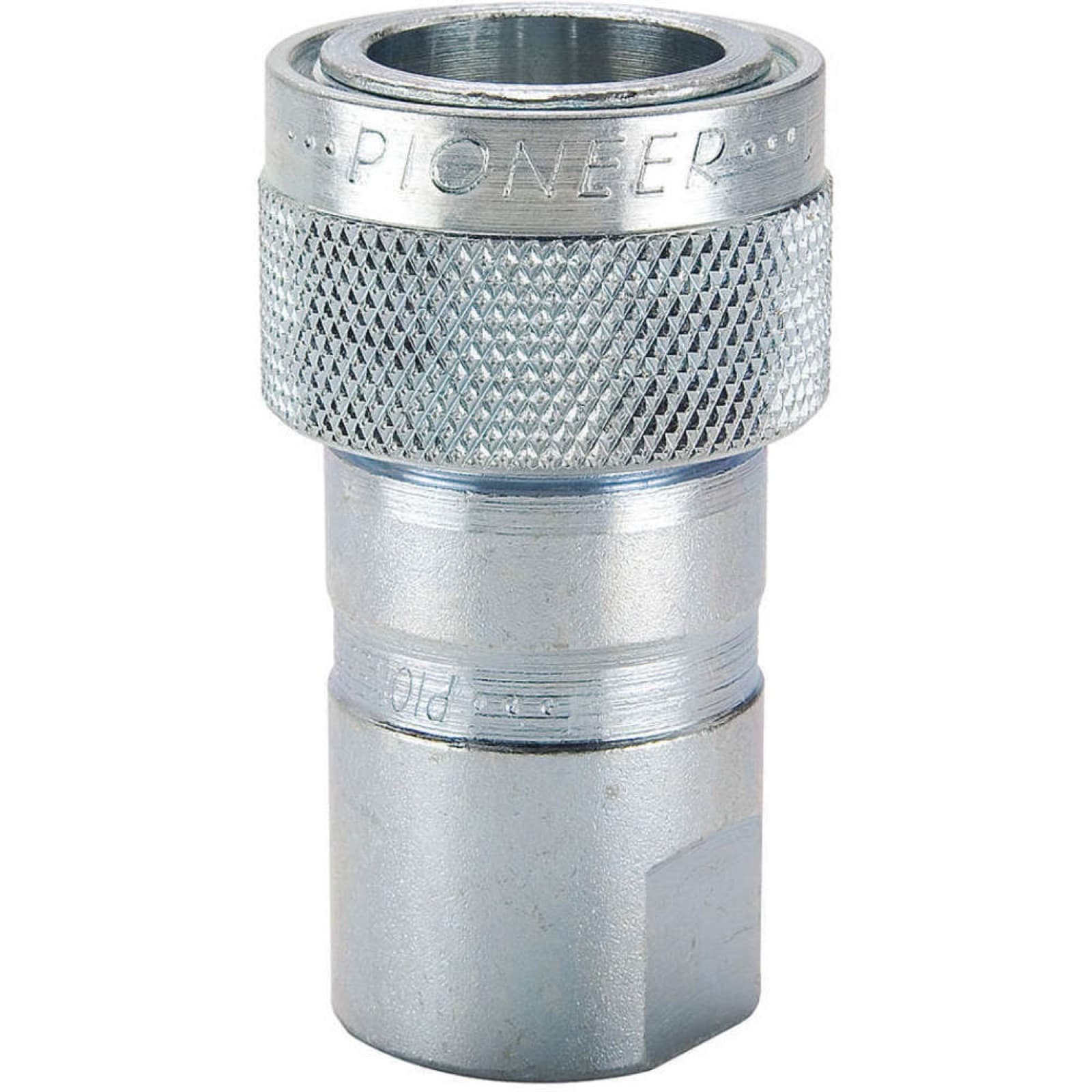
Parker 4000 Series, Hydraulic Quick Couplers in steel, 1/4": 2 part numbers.
Product description
Parker 4000 Series, Hydraulic Quick Couplers in steel, 1/4": 2 part numbers.
Specification
- Type: Quick Coupler
- Material: Steel
- Size range: 1/4"
- Temperature: -40°F to +250°F
- Thread Type: Female
- Connection Type: ORB
- Seal Material: Nitrile
- Valve Type: Non Valved
- Part numbers: 2
Sizes and part numbers
The Sizes & Part Numbers tab lists every Parker part number in this range with its connections. Ratings vary by size — check the row for the part you order.
Matching halves
Quick couplings only seal and flow at their rating when both halves come from the same interchange profile. Quote the part number of the mating half too, or tell us what it must connect to, and we will confirm the match before supply.
How to order
Quote the Parker part number. Price and lead time are confirmed with the quotation.
Specifications
| Parameter | Value |
|---|---|
| Body Material | Steel |
| Connection Type | ORB |
| Locking Type | Locking Balls |
| Plating | Zinc |
| Seal Material | Nitrile |
| Temp. | -40°F to +250°F |
| Thread Type | Female |
Shipping & lead time
Sizes & part numbers
2 sizes- Parker Hannifin part no.4050P-T6
- Description
- Quick Coupling, 1/4 Inch Size, Manual Sleeve
- Body size
- 1/4"
- Rated flow (GPM)
- 3
- Parker Hannifin part no.4050-2P-T8M
- Description
- Quick Coupling, 1/4 Inch Size, Manual Sleeve
- Body size
- 1/4"
- Rated flow (GPM)
- 3
Description — What this part number is, as the manufacturer lists it. Body size — Nominal body size of the coupling, which sets which halves mate. Rated flow — Rated flow in US gallons per minute, as the manufacturer publishes it. A circuit is limited by its lowest-rated component. Ask us for the dimension drawing if you need it stamped.
Pressure, flow, speed, torque and load figures are the manufacturer’s published ratings for that part number. A circuit is limited by its lowest-rated component, so check them against the hose, fittings and valves it connects to.
What are the Parker 4000 Series, Hydraulic Quick Couplers used for?▾
How do I read the part numbers of the Parker 4000 Series, Hydraulic Quick Couplers?▾
What do I need to know before ordering the Parker 4000 Series, Hydraulic Quick Couplers?▾
Which body sizes can I order in the Parker 4000 Series, Hydraulic Quick Couplers?▾
How much pressure can the Parker 4000 Series, Hydraulic Quick Couplers handle?▾
Which fluids and temperatures suit the Parker 4000 Series, Hydraulic Quick Couplers?▾
Which standard does the Parker 4000 Series, Hydraulic Quick Couplers follow and what paperwork is available?▾
Which parts mate with the Parker 4000 Series, Hydraulic Quick Couplers?▾
What care do the Parker 4000 Series, Hydraulic Quick Couplers need in service?▾
What is the difference between the Parker 4000 Series, Hydraulic Quick Couplers and the Parker 4000 Series Hydraulic Quick-Disconnect Couplings?▾
Where are the Parker 4000 Series, Hydraulic Quick Couplers made and what is their HS code?▾
Can I buy the Parker 4000 Series, Hydraulic Quick Couplers from stock in Dubai, UAE?▾
Shipped worldwide from our Dubai warehouse. Transit, routes and documentation for 136 destinations
The same part, in the designations used across European and Gulf trade catalogues.
- de
- Schnellkupplung
- fr
- raccord rapide
- es
- acoplamiento rápido
- it
- innesto rapido
From the blog
Written about this range
Assembly, crimping & certification
Quick couplers: ISO 7241 A, B and flat-face, and why yours will not connect
Two couplers of the same nominal size, the same thread and the same brand will refuse to mate if one is Series A and the other Series B. Here is how to tell which you have before you order.
7 min read
Machine down
Tractors and implements: the couplers are older than the machine
Agricultural hydraulics run on a coupler standard that has barely changed in decades, which is why a 1990s implement still connects to a new tractor — and why grit gets into everything.
3 min read
Safety & HSE
Trapped pressure: why the coupler will not connect, and how to release it safely
An attachment left in the sun all morning can build enough pressure in a disconnected line to make a coupler impossible to push home. Forcing it is the part that hurts people.
5 min read
Engineers viewing this also looked at
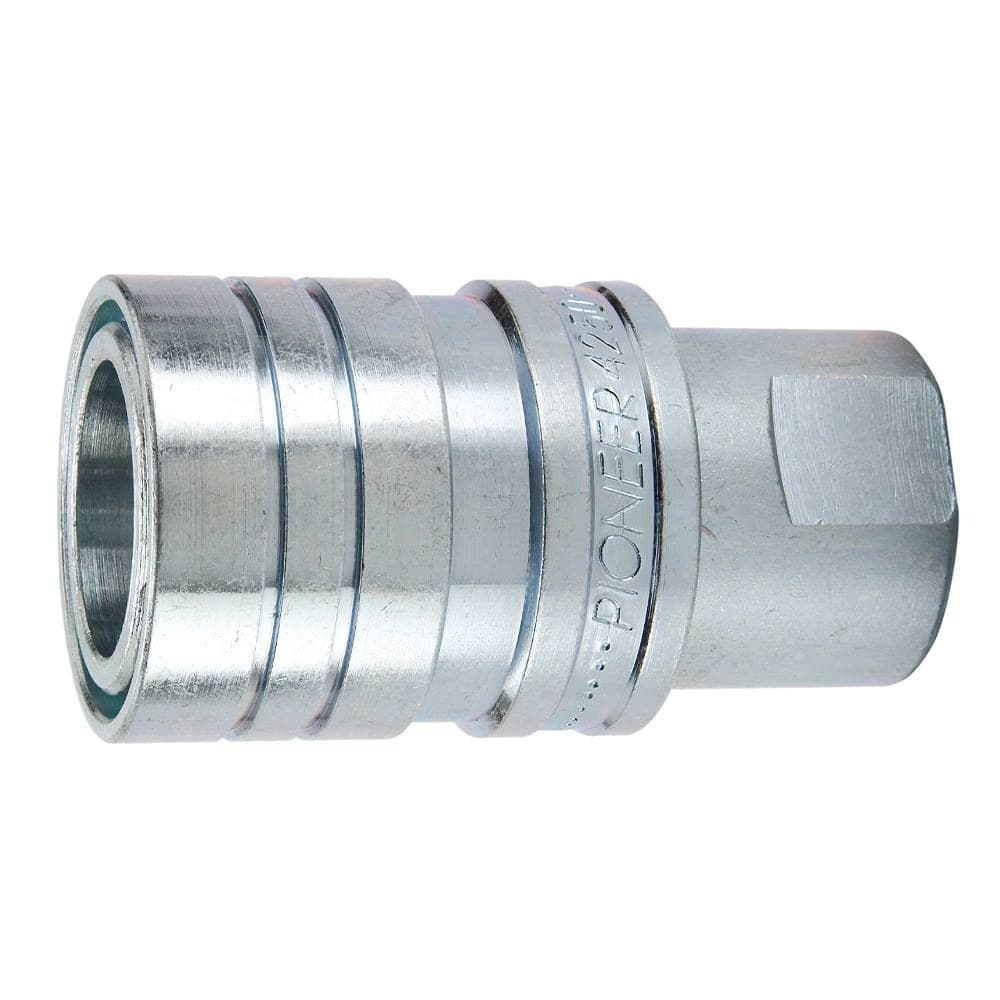
Parker 4200 Series Hydraulic Quick-Disconnect Couplings
Parker Hannifin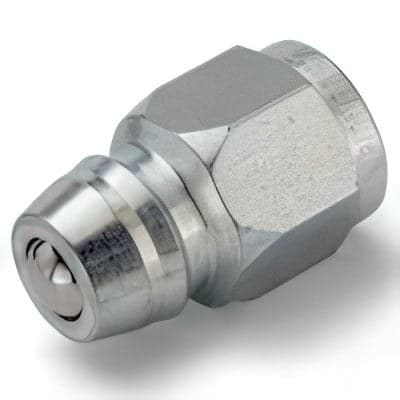
Parker 5000 Series Hydraulic Quick-Disconnect Coupling
Parker Hannifin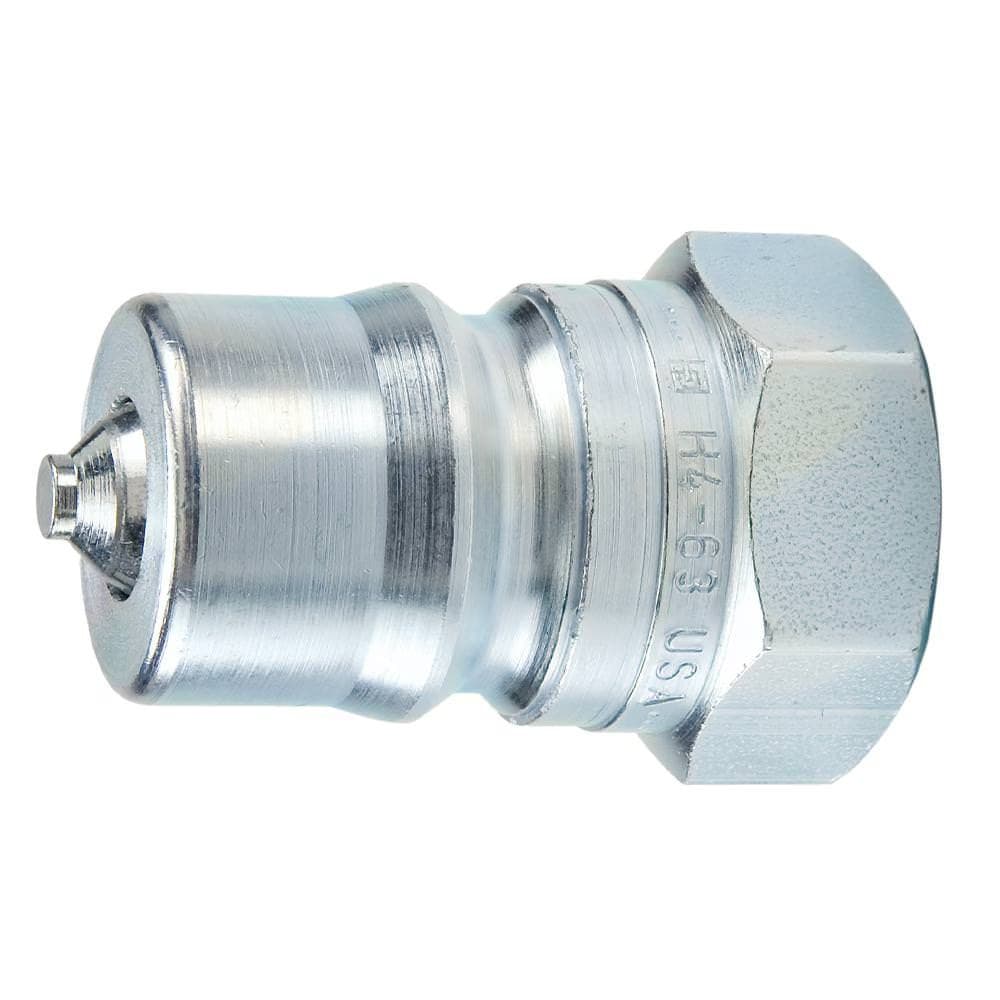
Parker 60 Series General-Purpose Hydraulic Couplings
Parker Hannifin
Parker 60 Series, Hydraulic Quick Couplers
Parker Hannifin
Parker 60 Series Nipples, Female SAE
Parker Hannifin
Parker 6100 Series Thread-to-Connect Hydraulic Couplings
Parker Hannifin
Parker 6600 Series ISO 7241-1 Series A Hydraulic Couplings
Parker Hannifin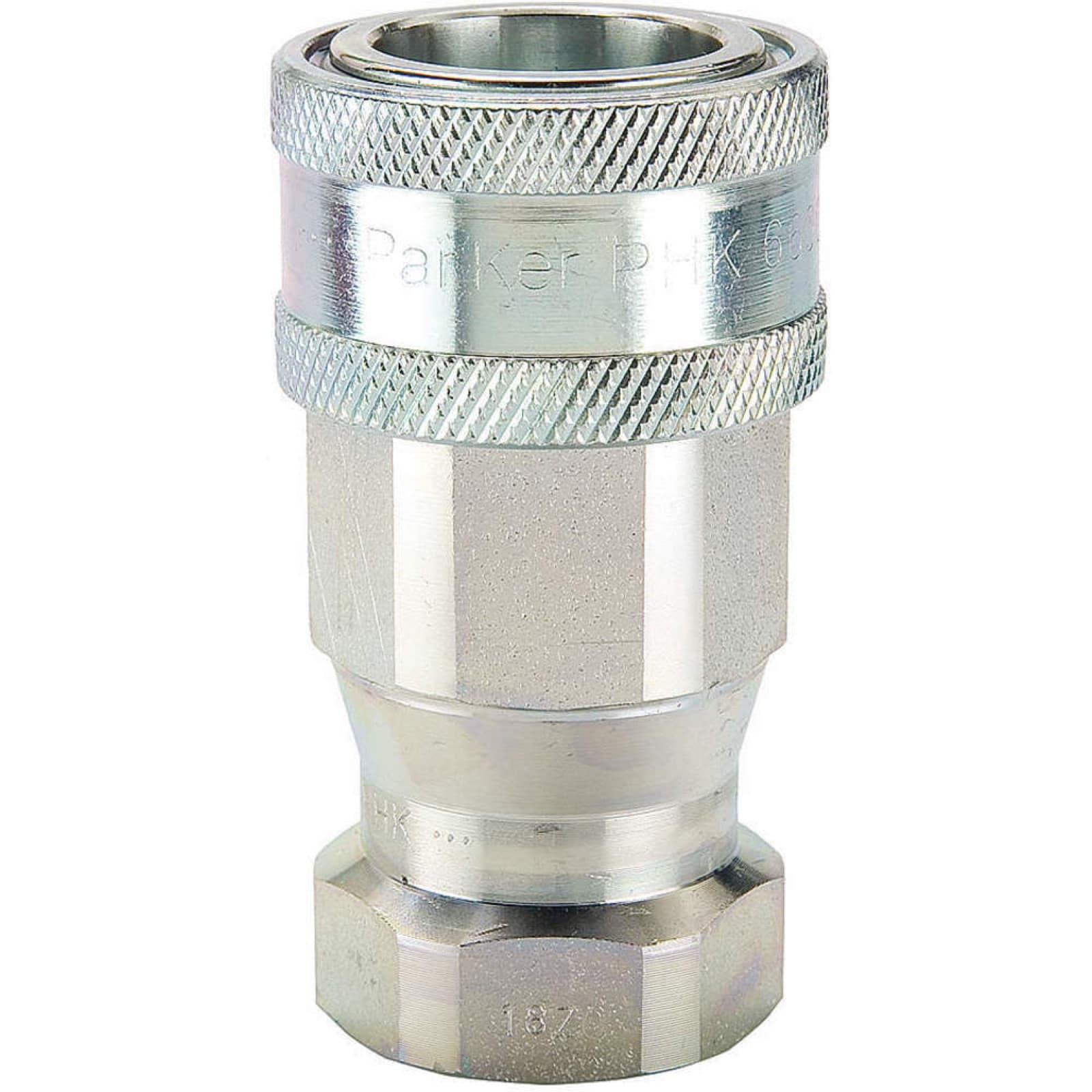
Parker 6600 Series Couplers, Female Pipe
Parker Hannifin