On a crane, the winch is where an overload or an over-run turns into an accident: a hook pulled into the boom tip, a rope run off the drum, a load beyond what the structure can hold. Most of that can be prevented at the winch itself, with devices fitted at the factory. Dinamic Oil’s hydraulic winch range shows the full set, from a simple lowering limit to electronic load detection.
/01Stopping travel.
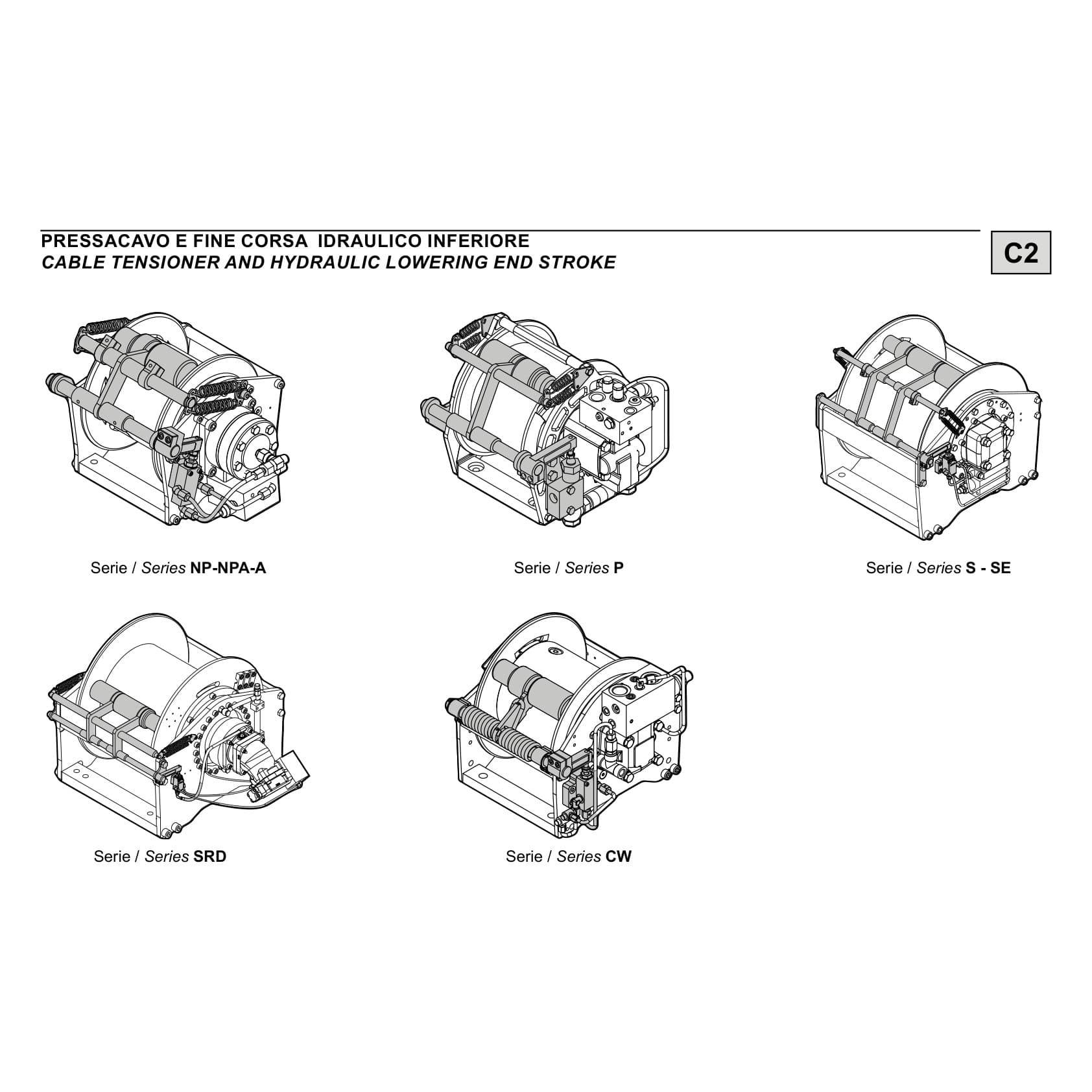
The first protection is mechanical. A rope tensioner (code B) presses the rope onto the drum so it spools tight even with no load. Combined with a lowering limit switch — electric (C1) or a hydraulic end-stroke valve (C2) — it stops the winch paying out before the last safety wraps leave the drum. A rotary limit switch (F1 electric, F2 hydraulic) counts drum turns through a gear cam and stops hoisting and lowering at set points, the usual protection against two-blocking the hook.
/02Limiting the pull.
| Device | Measures | Reads the same on every layer? | Does |
|---|---|---|---|
| Strain-gauge limiter (D)Highlighted | Deformation of the winch structure | Yes | Stops hoisting above the set load; lowering stays possible |
| Load cells (E) | Force on two cells under a floating base plate | Yes | Alarm, stop, or display of the load |
| Drum-torque sensing | Torque at the drum | No — the same pull gives more torque on outer layers | Needs the layer to be known to read pull |
Dinamic Oil’s strain-gauge limiter mounts a Wheatstone bridge of strain gauges on a steel bar fixed to the winch structure; an electronic board compares the signal with the set value and, above it, a solenoid valve stops hoisting while still allowing the load to be lowered. Because it measures how the structure deflects under rope pull rather than the torque on the drum, it is not fooled by the rope layer. Pull limiters are available across the range except the SRD series.
/03Electronic load detection.
Dinamic Oil’s ELD system goes further: an anti-rotation flange inside the drum, fitted with strain gauges, measures the torque; a phonic wheel with two proximity sensors measures drum speed and direction; and a rope-end micro switch on the tensioner resets the count. From these the control board knows how much rope is out, which layer is working and the actual line pull, and shows it on the crane’s remote control. It accepts analogue and digital signals and connects to a PLC or a PC.
Common questions
- Can these be added to an existing winch?
- Some can, depending on the series and drum. Send the winch model and serial number to check what can be retrofitted.
- Electric or hydraulic limit switch?
- Electric switches suit cranes with an electro-hydraulic control circuit (12–24 V DC); hydraulic end-stroke valves suit purely hydraulic controls.
- Does ELD replace a load moment indicator?
- No. It measures the winch line pull, which can feed the crane’s load moment system, but the crane’s own system governs its capacity.
- What is two-blocking?
- Hoisting until the hook block hits the boom tip. A rotary or upper limit switch stops the winch before it happens.
- Which device does a man-riding winch need?
- A man-riding specification adds a secondary brake and its own protections; it is built to order, not added by accessory code.
What we list
Every listing on our Gearbox & Winch Accessories shelf:
- Dinamic Oil Brakes for WD and RW Winch Drives — FW, FY, F5 and F9
- Dinamic Oil Gearbox Oil Cooling Units — URO/W Oil/Water and URO/A Oil/Air, 4 to 50 kW
- Dinamic Oil Hydraulic Winch Accessories — Rope Tensioners, Limit Switches, Load Limiters and ELD
- Dinamic Oil Negative Multi-Disc Brakes for Planetary Gearboxes — 110 to 3,051 Nm
Winches and accessories
 IH-DO-WACCDinamic Oil Hydraulic Winch Accessories — Rope Tensioners, Limit Switches, Load Limiters and ELDDinamic Oil
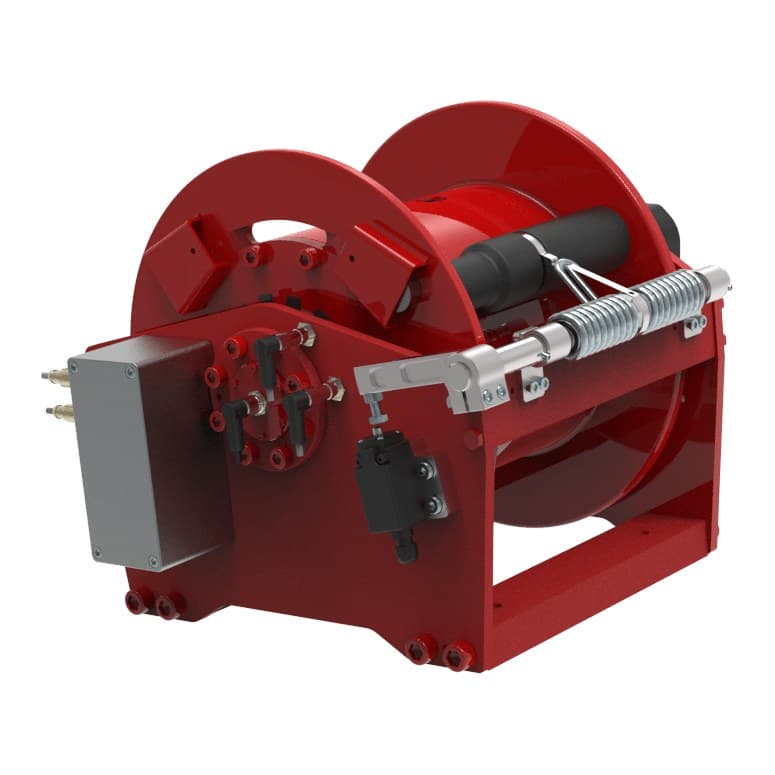 IH-DO-SEDinamic Oil SE Series Hydraulic Winches with Axial Piston Motors — 2,500 to 13,010 daNDinamic Oil
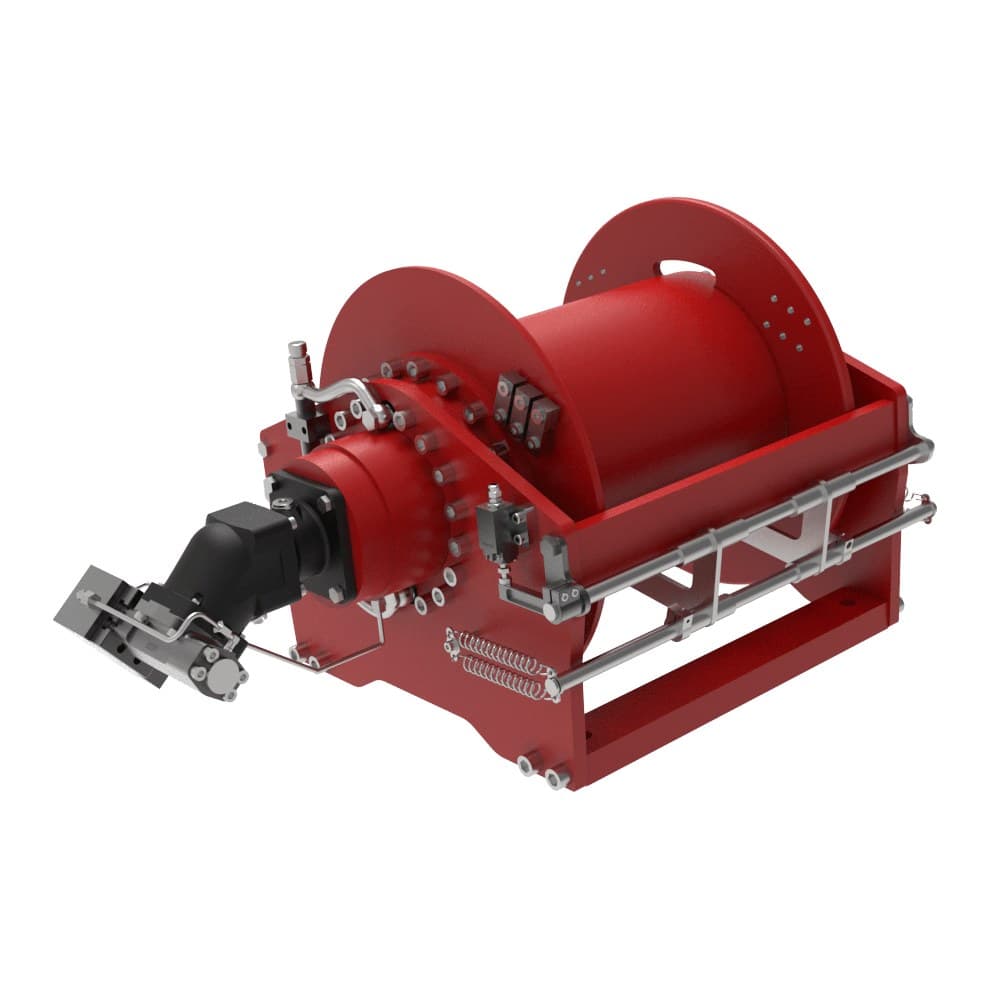 IH-DO-CWDinamic Oil CW Series Crane Hydraulic Winches — 1,010 to 2,600 daNDinamic Oil
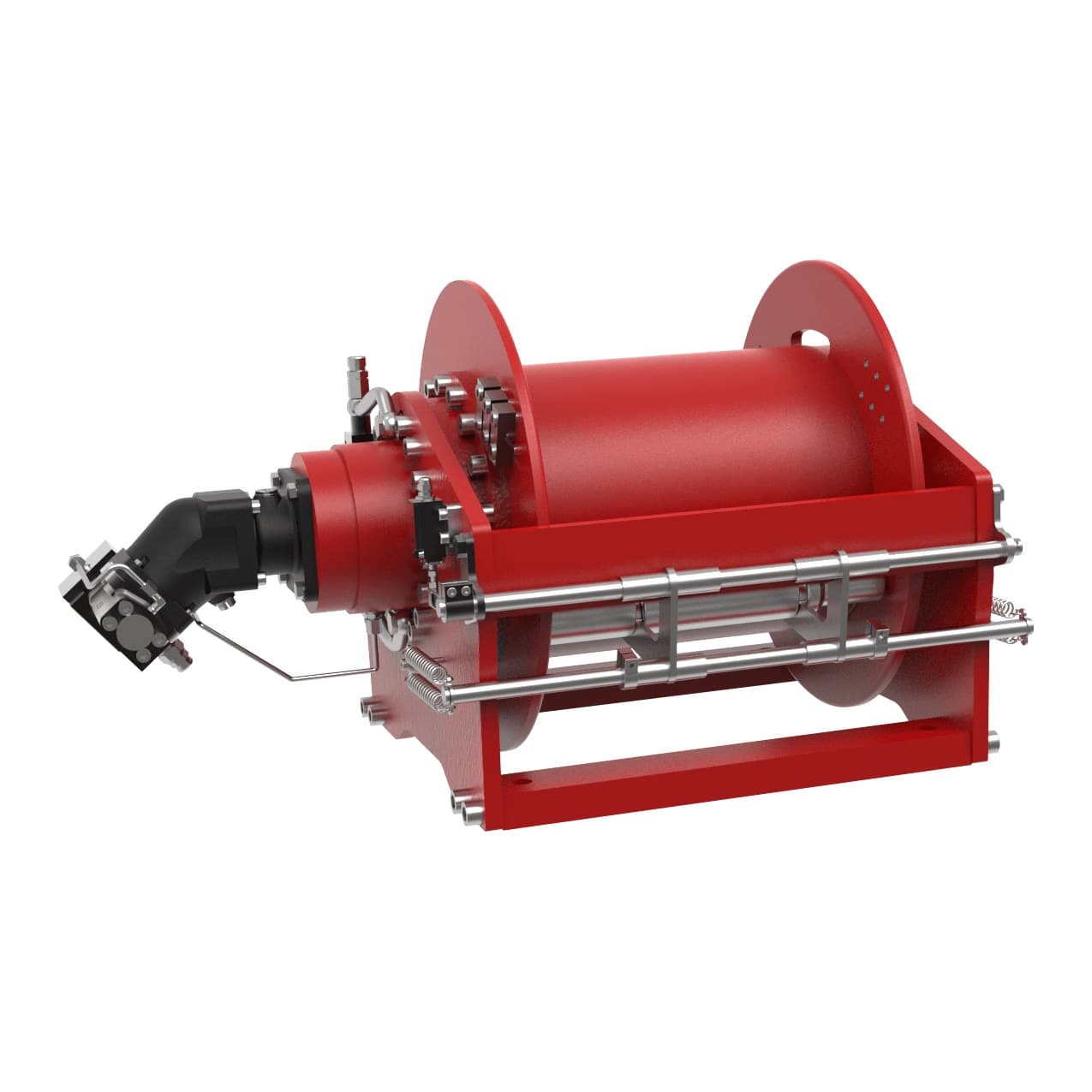 IH-DO-SDinamic Oil S Series Hydraulic Winches — 2,000 to 13,000 daNDinamic Oil