Winch catalogues headline the first-layer pull because it is the biggest number. On the top layer the rope sits on a larger diameter, so the same drum torque gives less pull and more speed — on a typical four-layer winch, around 20 % less pull. Pick a winch on its first-layer rating for a lift made from the top layer, and the load stops halfway up. The method below uses the notes in Dinamic Oil’s hydraulic winch catalogue.
/01Pull at the drum, not at the hook.
With a hook block, the drum pull is the hook load divided by the number of falls and by the efficiency of the reeving: F = P ÷ (n × η). Every sheave loses a little, so η falls as falls are added.
| Falls | 2 | 3 | 4 | 5 | 6 | 8 | 10 |
|---|---|---|---|---|---|---|---|
| Plain bearings | 0.97 | 0.95 | 0.93 | 0.91 | 0.90 | 0.86 | 0.83 |
| Antifriction bearingsHighlighted | 0.98 | 0.97 | 0.96 | 0.95 | 0.94 | 0.92 | 0.90 |
/02Rope capacity and flange margin.
Rope length on a drum follows from the drum length l, the barrel diameter Øt, the rope diameter Øf and the number of layers z. On a smooth drum, L = [l ÷ Øf − 1] × [(Øt + Øf) + Øf × (z − 1)] × π × z ÷ 1000 metres; on a grooved drum the groove pitch p replaces Øf in the first bracket. Above the top layer the flange must stand proud by a margin K: 1.5 rope diameters as standard, 2 under DNV rules, 2.5 under ABS and API 2C, and half an inch under ANSI B30. A class job therefore holds less rope on the same drum.
/03Pressure, flow and power.
The hoisting pressure follows from the drum torque, the ratio and the motor displacement; the rope speed follows from the oil flow. The mechanical power at the rope is Pm (kW) = rope speed (m/min) × pull (daN) ÷ 6,000, and the hydraulic power supplied, flow (L/min) × pressure (bar) ÷ 600, must exceed it after the gear, drum and motor losses. Datasheets give the pressure and flow for each model; check them against the pump and relief setting you have, and keep the return-line back-pressure under 5 bar.
/04Duty class.
Winches are classified by mechanism group under ISO 4301/1 (FEM 1.001): how often, how long and how heavily they lift. Dinamic Oil’s compact NP and A series sit in M4 to M6, the CW crane winches M2 to M5, the S and SE series M4 to M5 and the heavy SRD series M5 to M7. A winch on a crane that lifts all day needs a higher class than one that lifts a few times a shift, even at the same pull.
Common questions
- Which layer should I size on?
- The layer the load is lifted from in the worst case, usually the top layer of a full drum.
- Smooth or grooved drum?
- Grooved drums spool more evenly and protect the rope; smooth drums hold slightly more rope and suit low-layer work.
- Can a hoisting winch lift people?
- Not a standard one. Man-riding needs a winch built to that specification, with a second brake.
- Why does my winch slow down near the top?
- It should speed up as layers build. If it slows, check the flow at the winch and the relief setting.
- What rope should I use?
- The diameter the drum is grooved for, in a construction suited to multi-layer spooling; Dinamic Oil recommends anti-twist ropes for hook blocks.
What we list
Every listing on our Hydraulic Winches and Winches shelves:
- Dinamic Oil A Series Compact Hydraulic Winches — 1,360 to 3,525 daN
- Dinamic Oil CW Series Crane Hydraulic Winches — 1,010 to 2,600 daN
- Dinamic Oil NP and NPA Compact Hydraulic Winches — 500 to 1,650 daN
- Dinamic Oil P Series Hydraulic Winches with Motor Inside the Drum — 750 to 2,500 daN
- Dinamic Oil S Series Hydraulic Winches — 2,000 to 13,000 daN
- Dinamic Oil SE Series Hydraulic Winches with Axial Piston Motors — 2,500 to 13,010 daN
- Dinamic Oil SRD Heavy Hydraulic Winches — 8,000 to 29,700 daN
- Pierce Electric and Hydraulic Winches, Cables and Parts
- Pierce Winch Remote Controls
Hydraulic winches
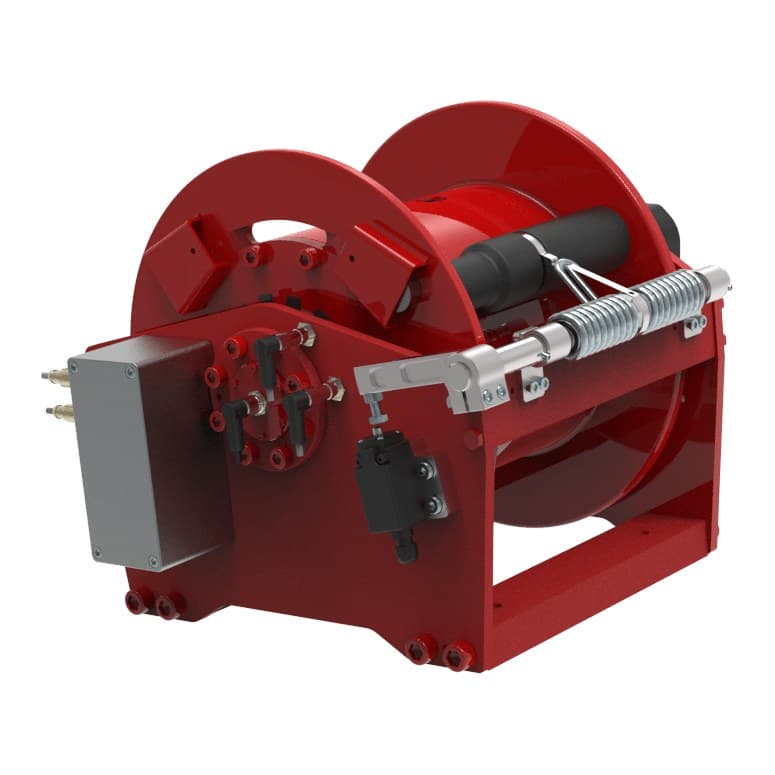
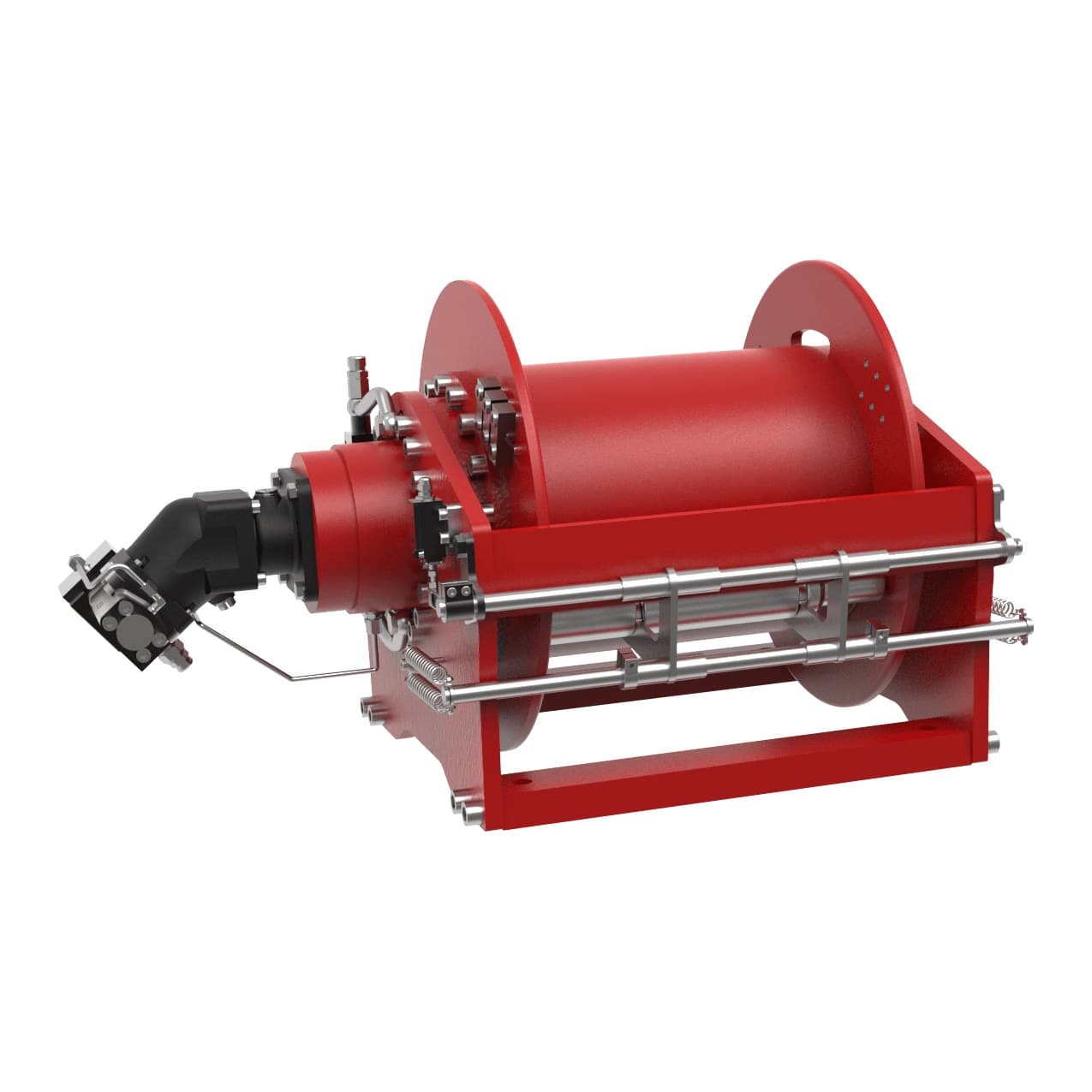 IH-DO-SDinamic Oil S Series Hydraulic Winches — 2,000 to 13,000 daNDinamic Oil
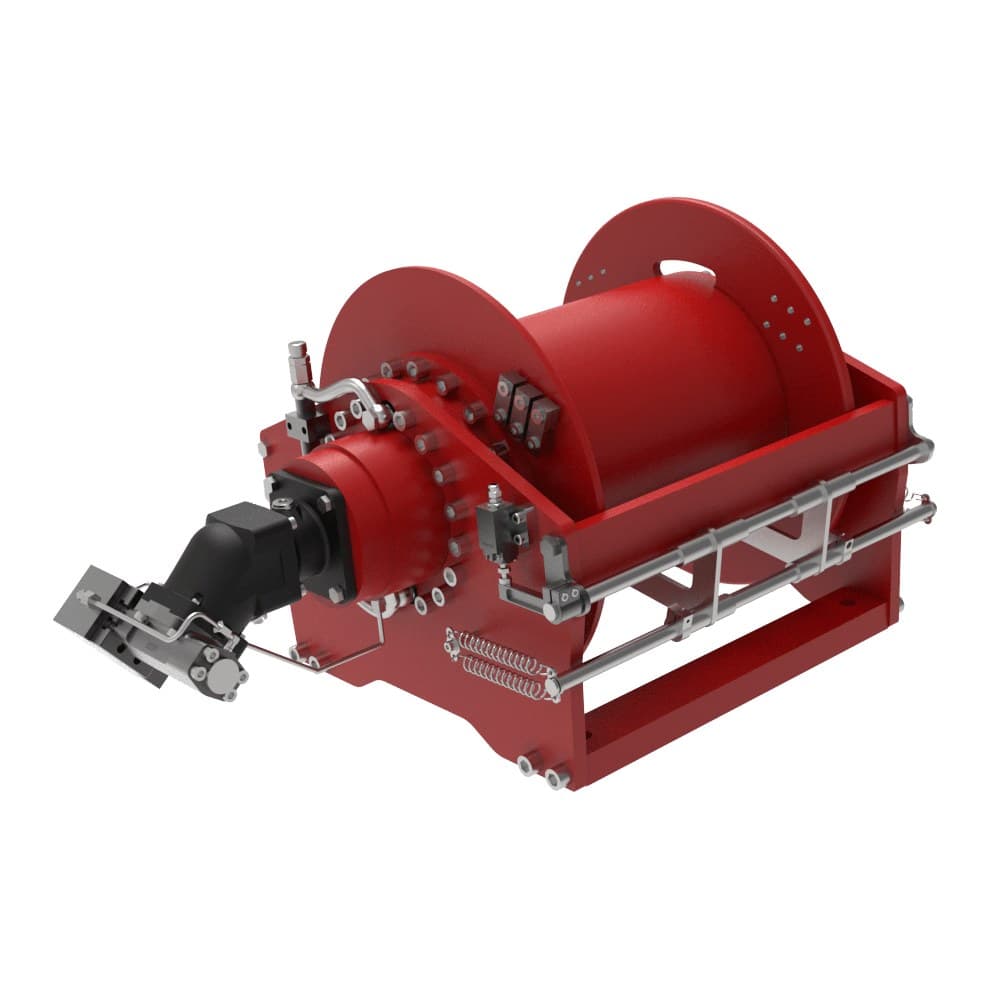
 IH-DO-SEDinamic Oil SE Series Hydraulic Winches with Axial Piston Motors — 2,500 to 13,010 daNDinamic Oil
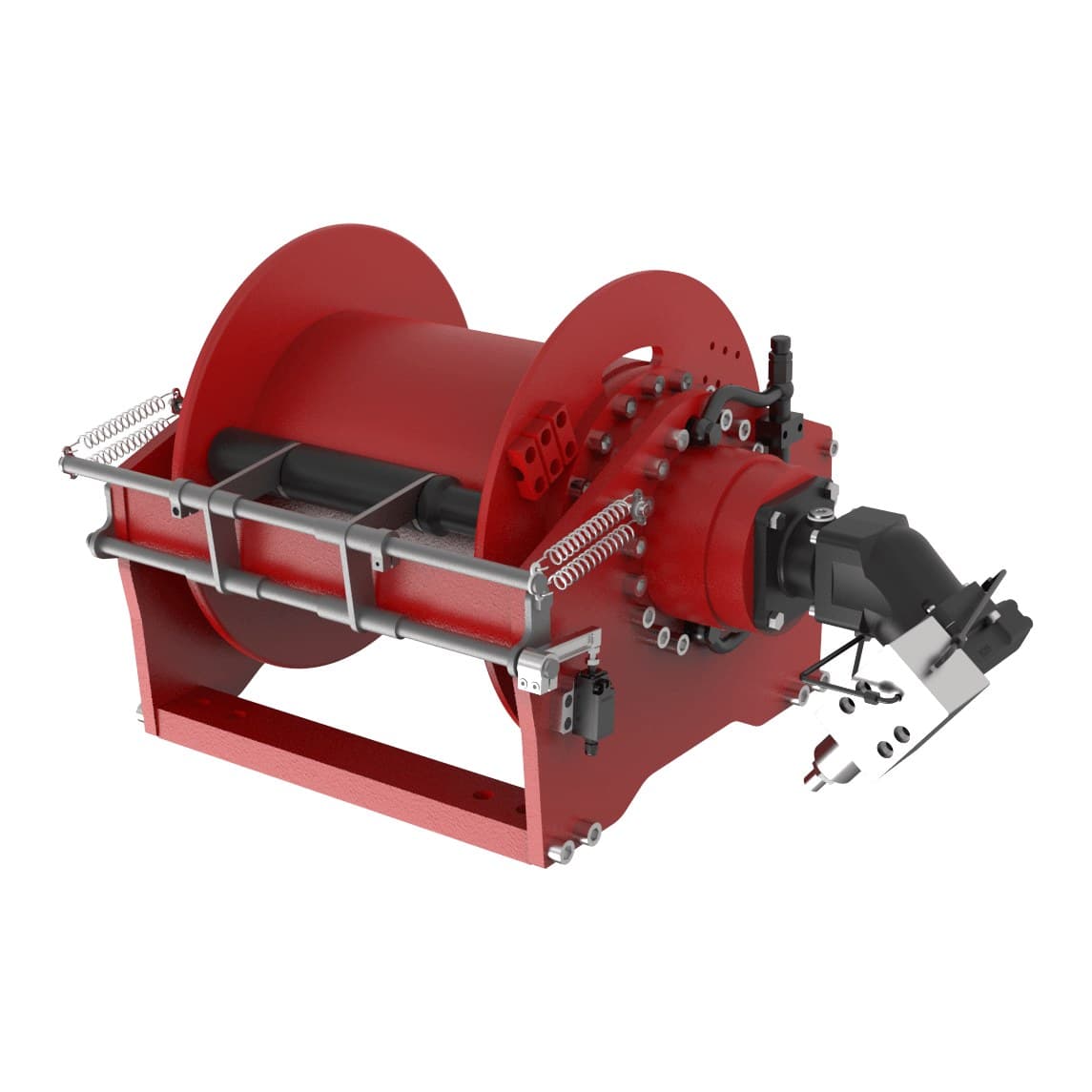
 IH-DO-CWDinamic Oil CW Series Crane Hydraulic Winches — 1,010 to 2,600 daNDinamic Oil
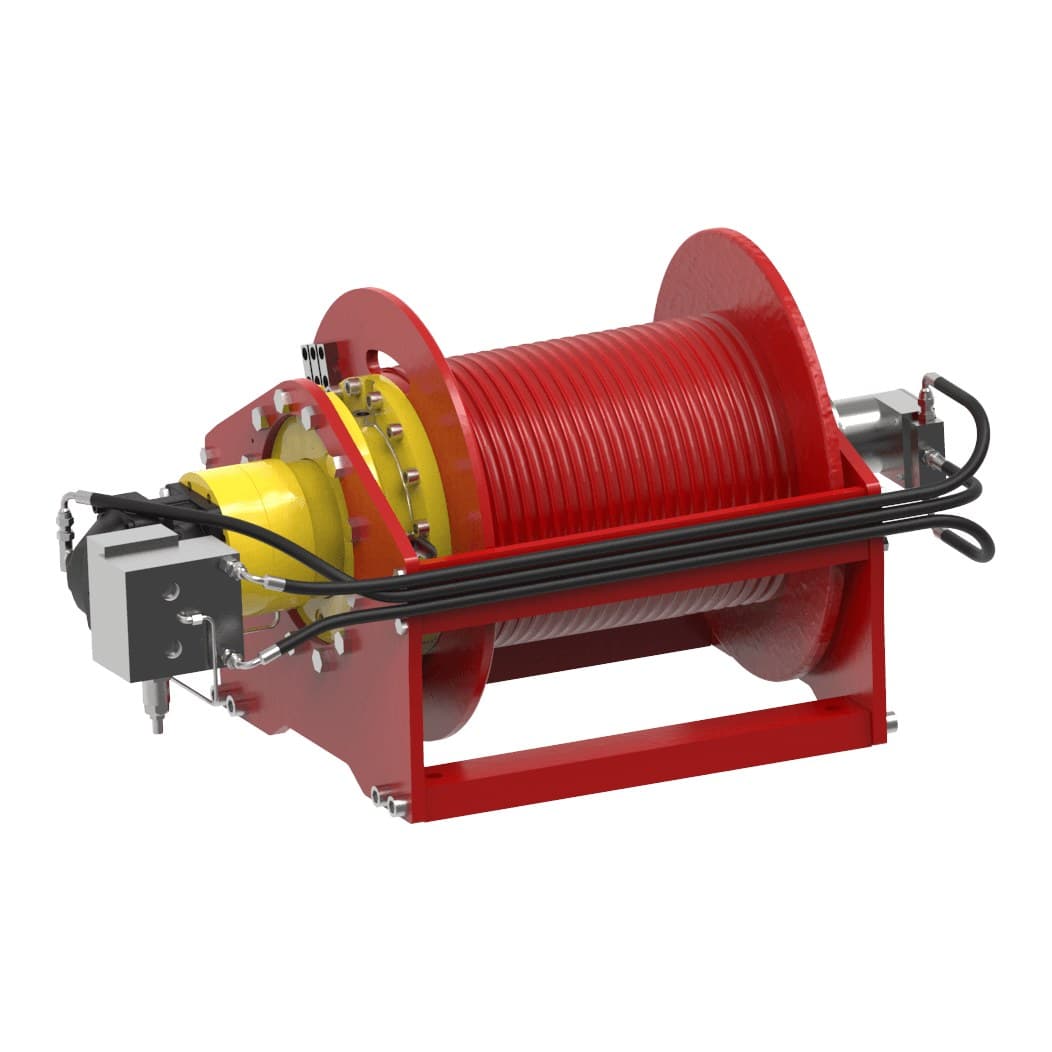
 IH-DO-SRDDinamic Oil SRD Heavy Hydraulic Winches — 8,000 to 29,700 daNDinamic Oil
 IH-DO-WDDDinamic Oil WDD Motorized Winch Drums — 7,500 to 30,000 daN Line PullDinamic Oil