
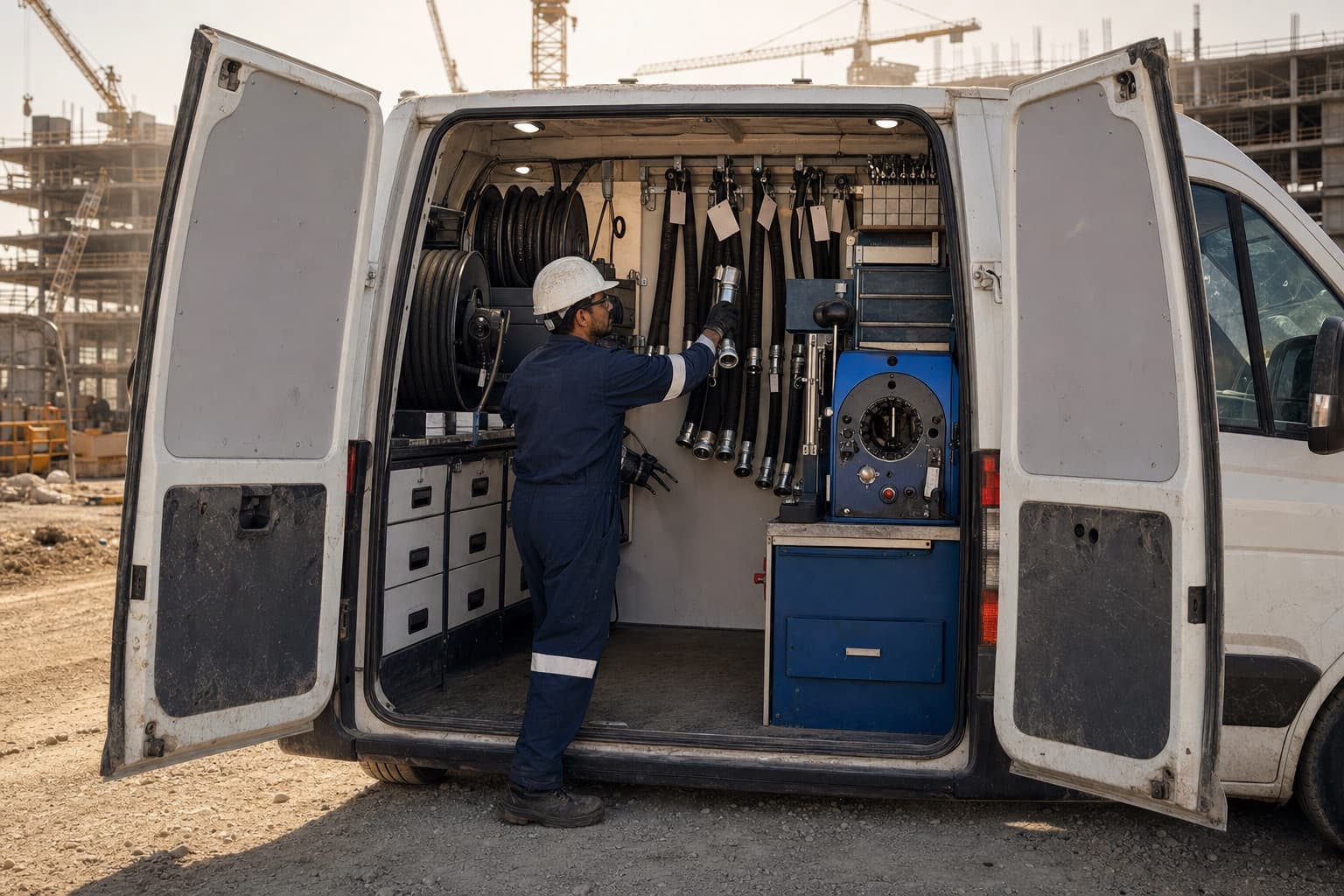
Re-hosing a machine in the field: the kit to stage before you start
Bringing the machine to a workshop is the easy version. This is the other one — what to stage, what to label, and the order of work when the machine cannot move.
From the workshop · Indus blog
No SEO bait, no marketing fluff. Just practical writing about hydraulic systems from the people who specify, install and rebuild them every day.
Bringing the machine to a workshop is the easy version. This is the other one — what to stage, what to label, and the order of work when the machine cannot move.
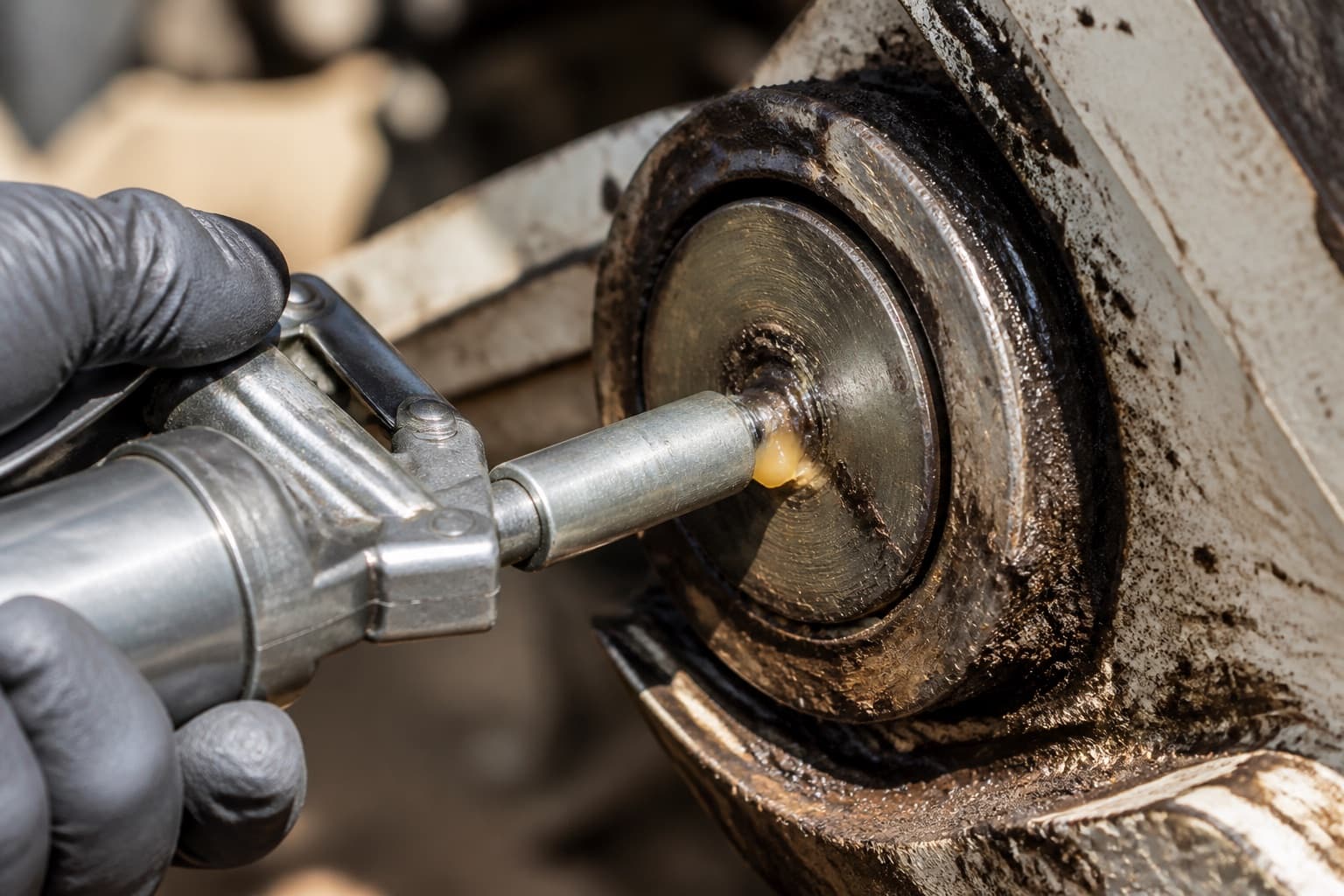
The smallest threaded part on the machine, in four thread families that all look alike, and the one that will not take grease at six in the morning is always the one you cannot reach.
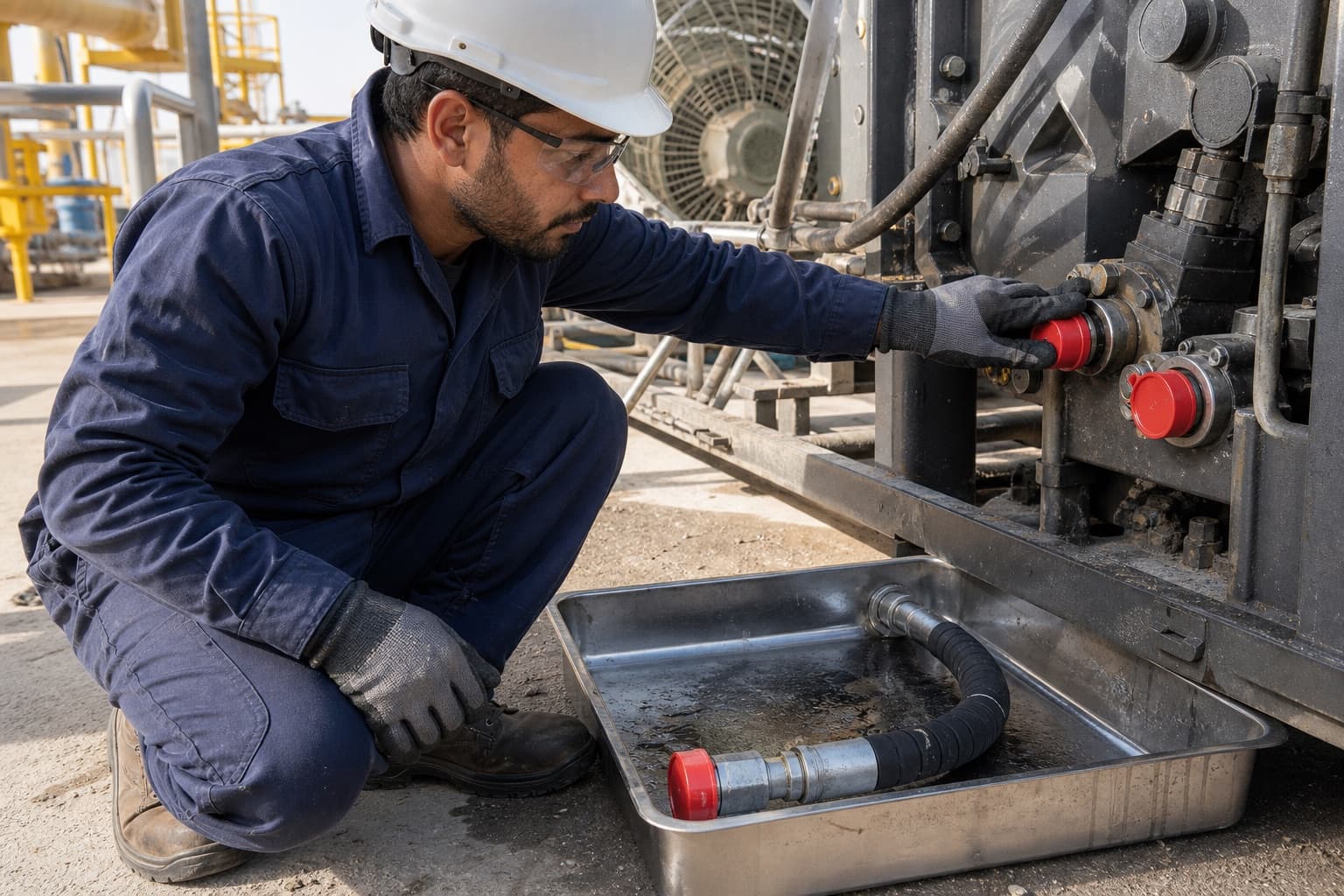
The pump that fails three weeks after a hose change did not fail by coincidence. Everything that ruins it entered during the twenty minutes the port was open.
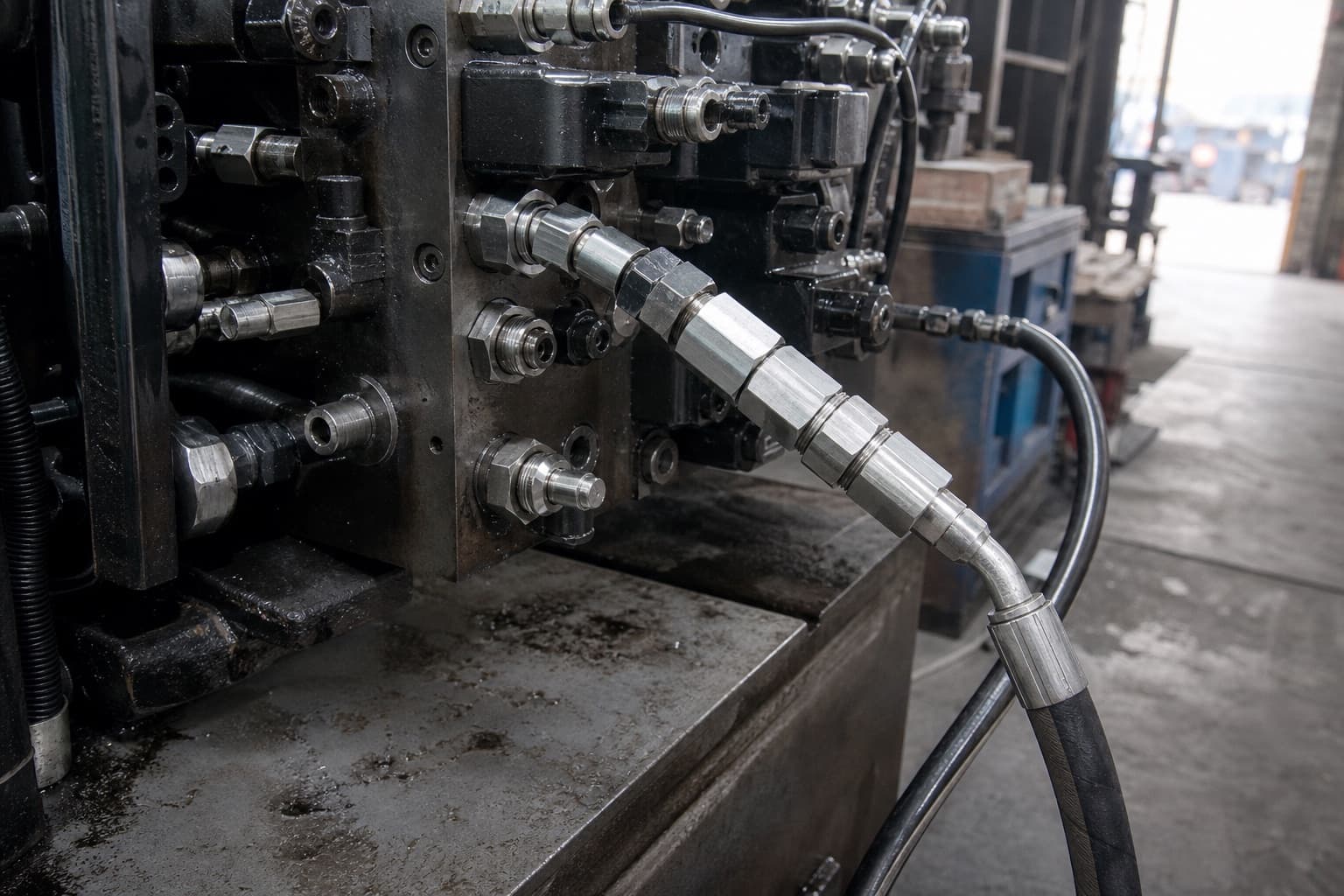
Everyone stacks adapters. Nobody writes down where it stops being acceptable, so here it is — three rules, and the one arrangement that is always wrong.
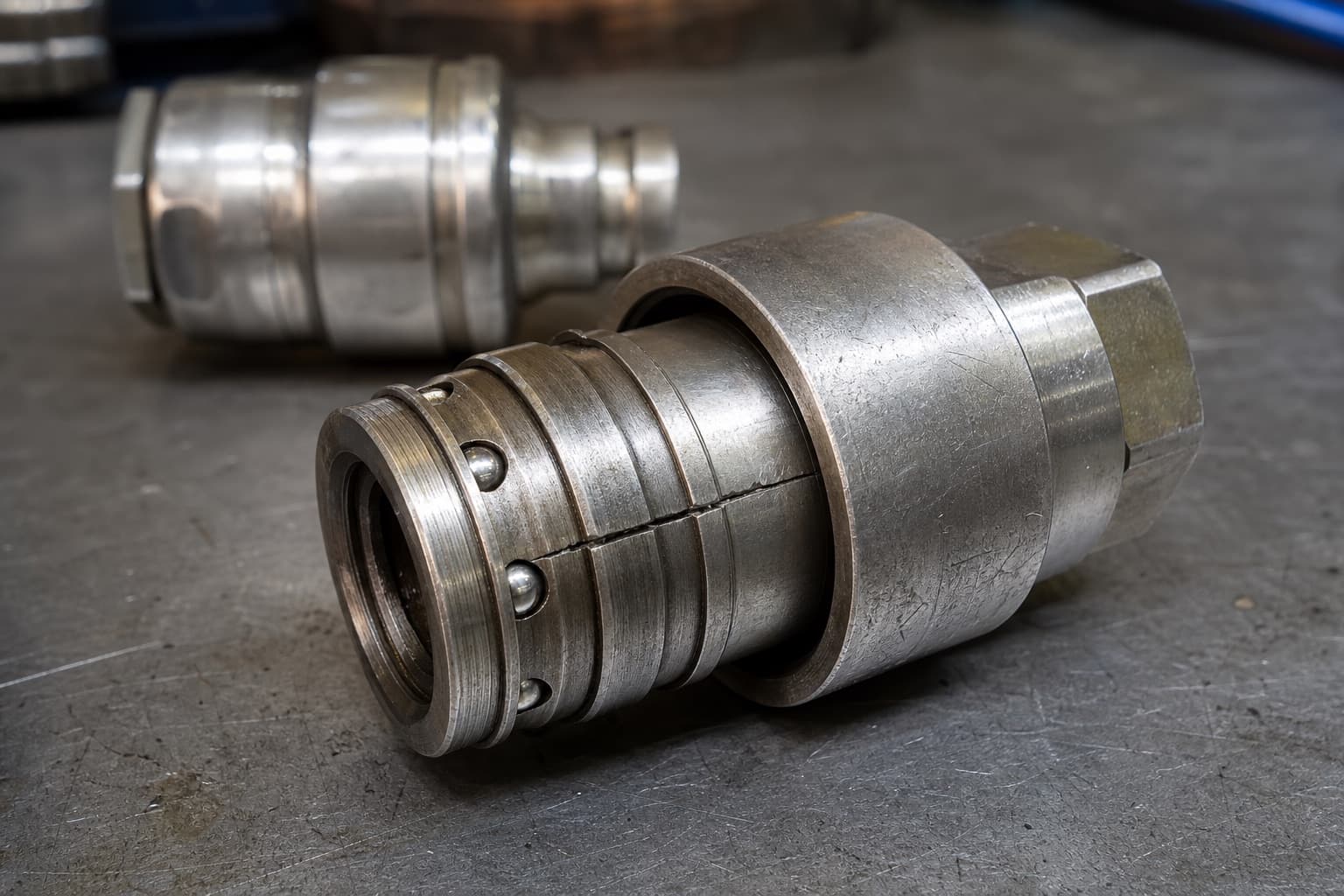
A cracked female coupler body is not a manufacturing defect and it is not bad luck. It is almost always one of three things, and two of them are avoidable for nothing.
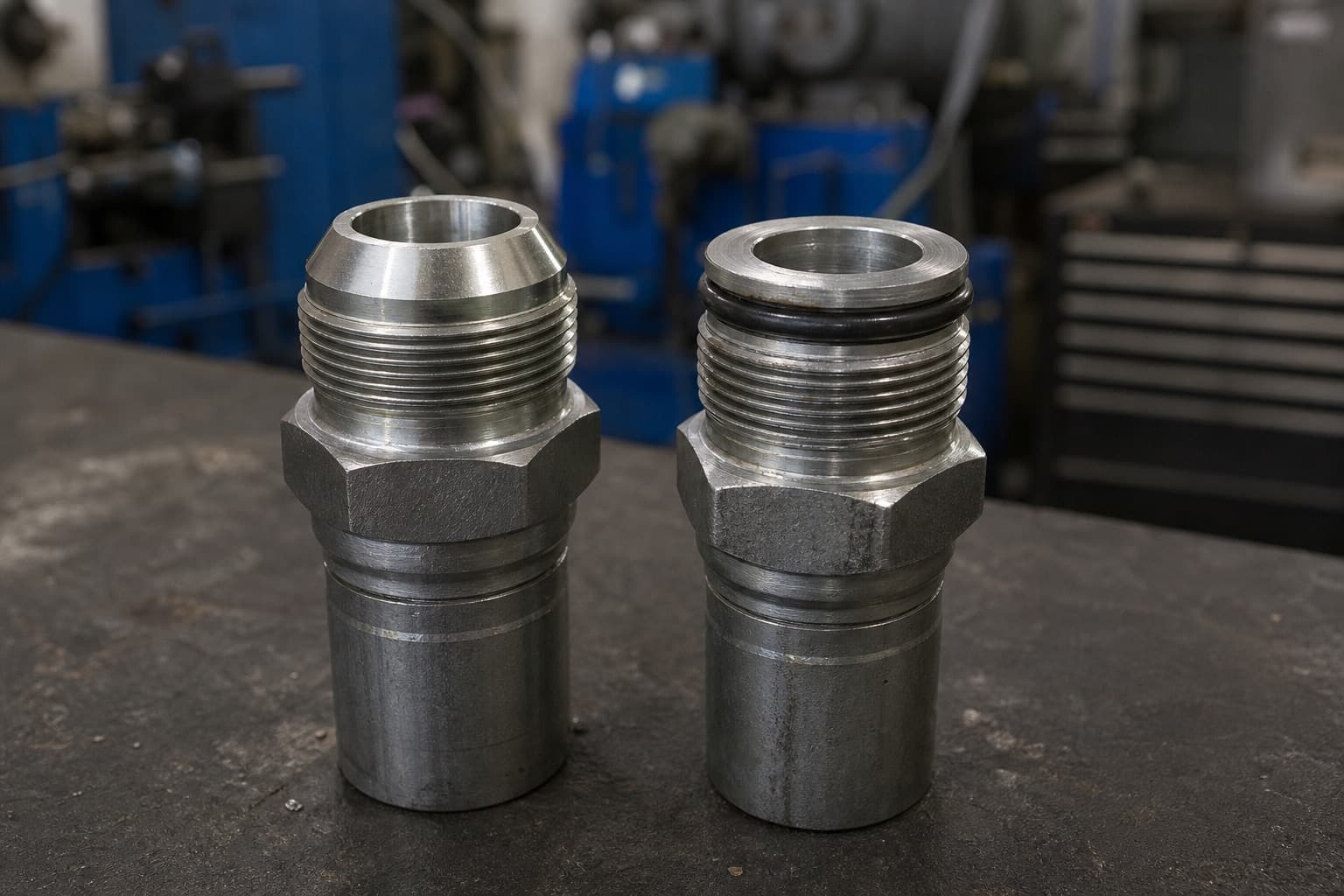
JIC is the default on most of this continent and it deserves to be. It is also the wrong answer in four specific situations, and every one of them is a situation where people keep specifying it anyway.
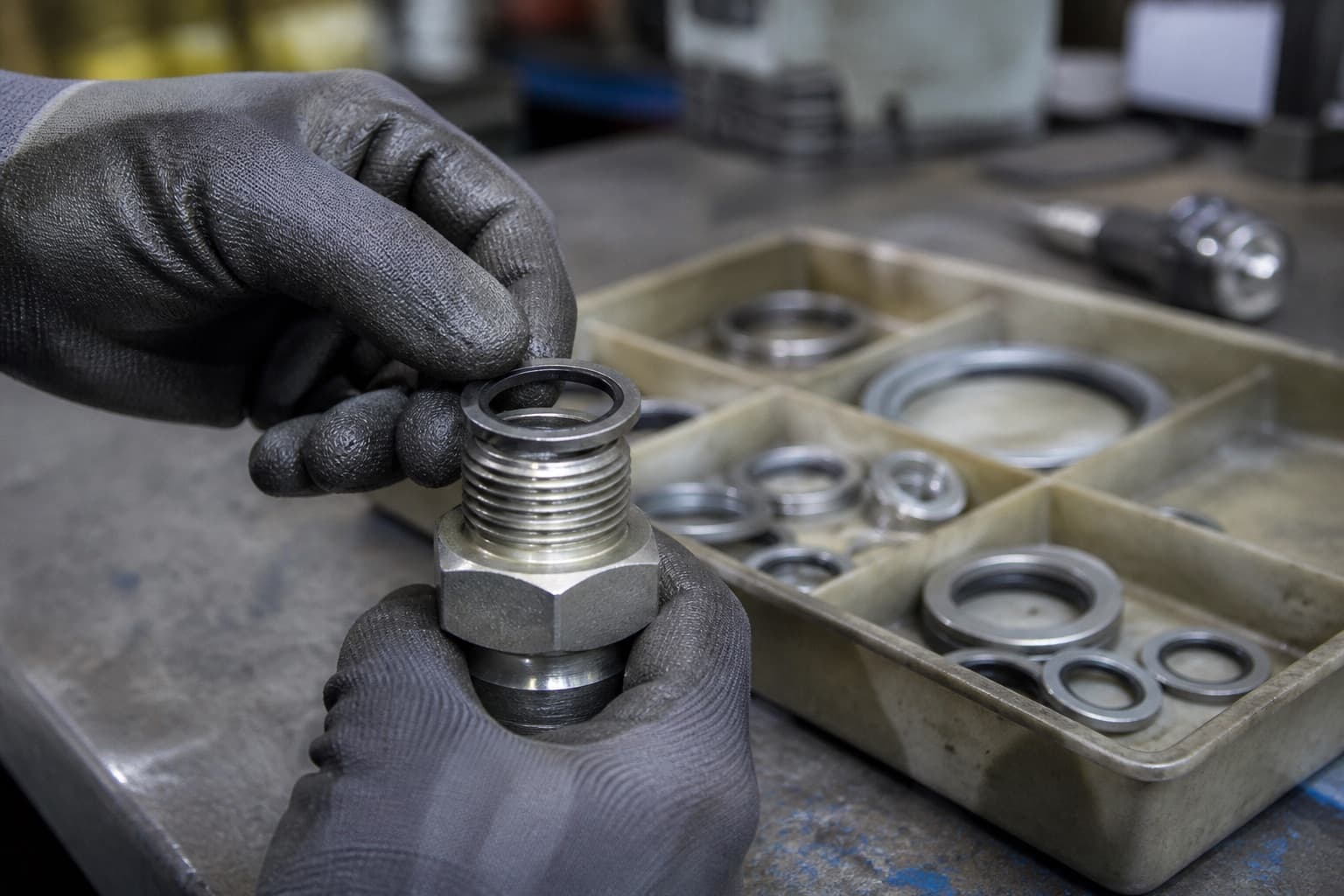
A bonded seal is sized by the thread it sits under, not by the bore of the fitting or the size printed on the box. That one sentence resolves most of the confusion.
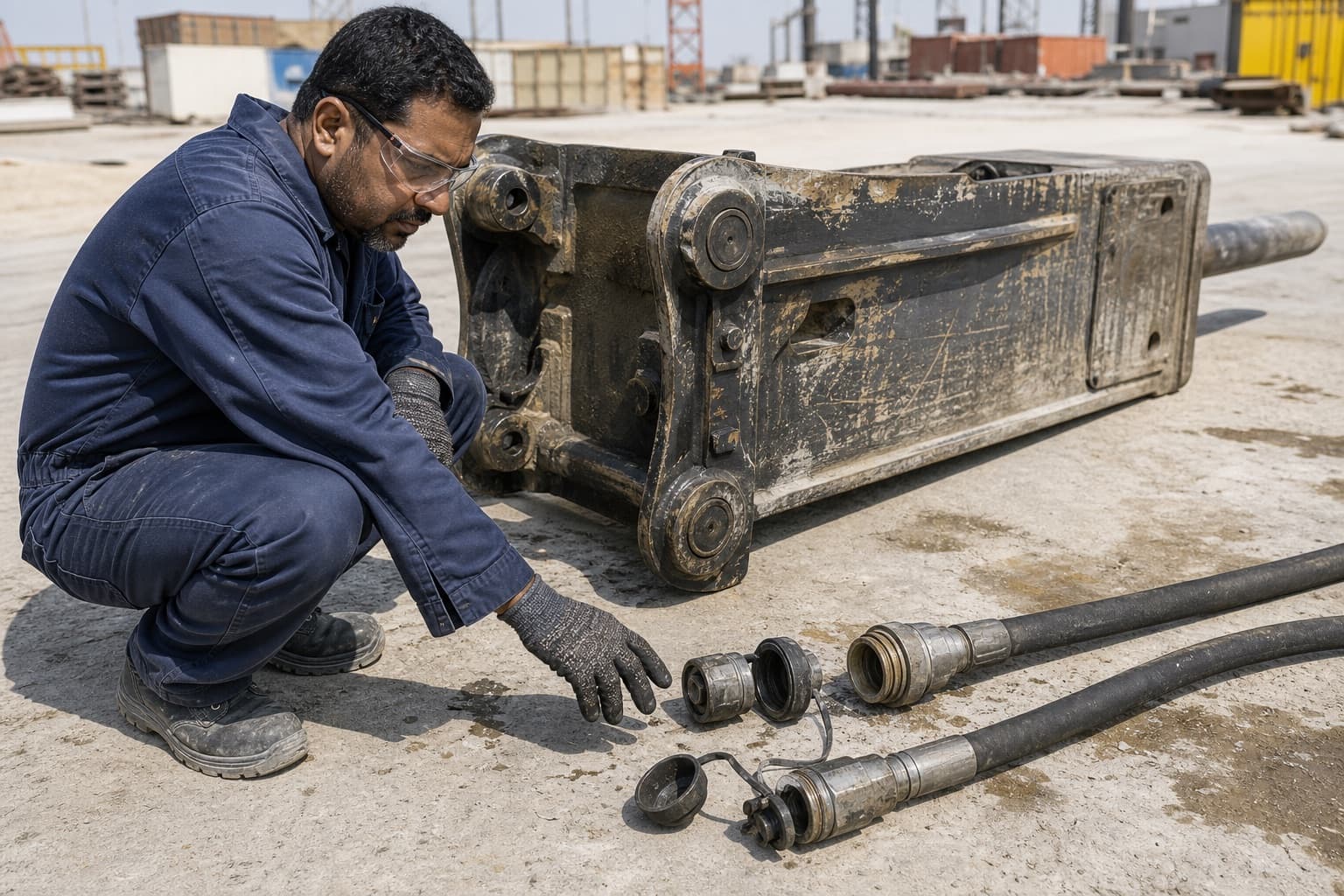
An attachment left in the sun all morning can build enough pressure in a disconnected line to make a coupler impossible to push home. Forcing it is the part that hurts people.
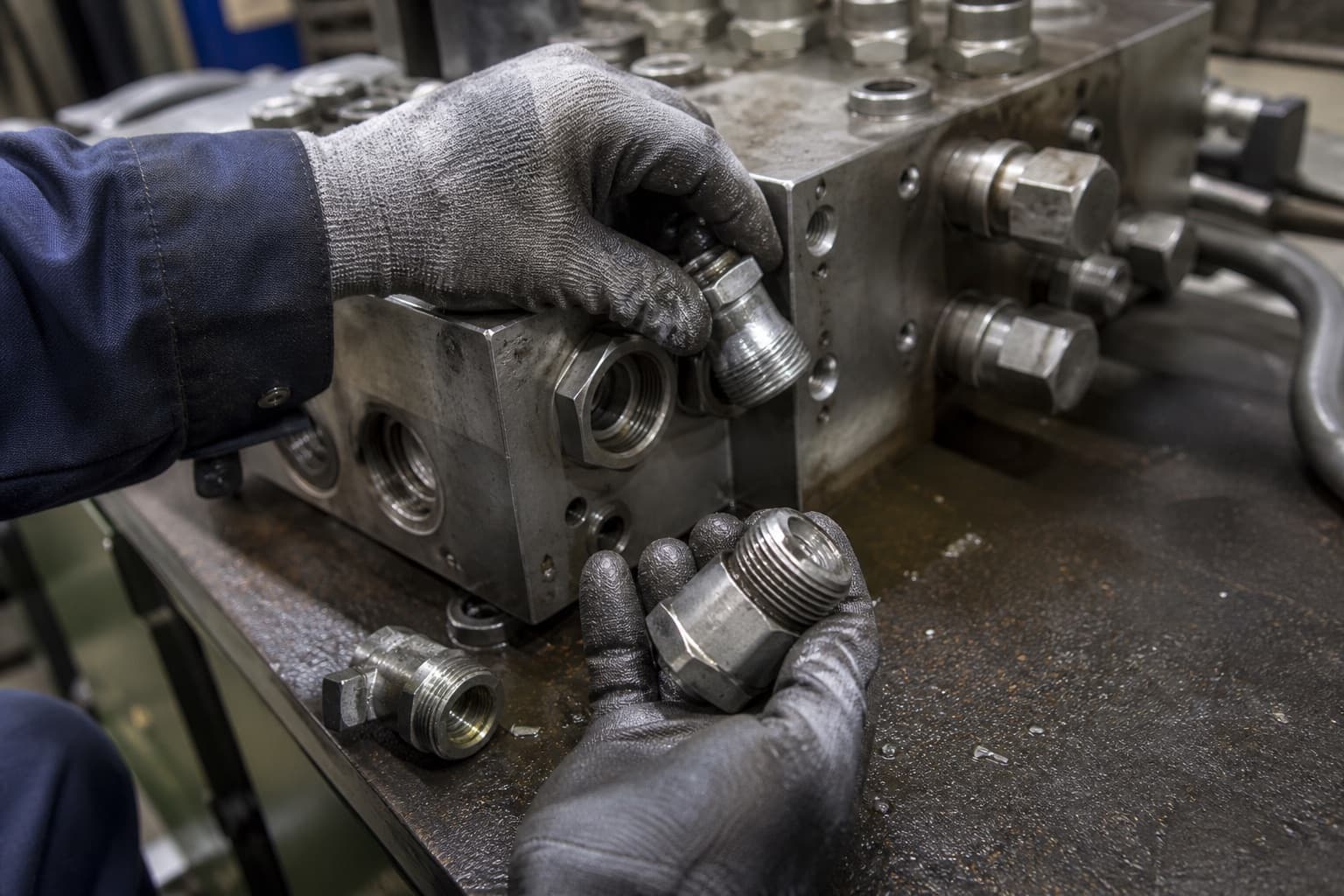
What is recoverable depends on something most people never think about: whether that port seals on the thread or somewhere else. Get that question right and the decision makes itself.
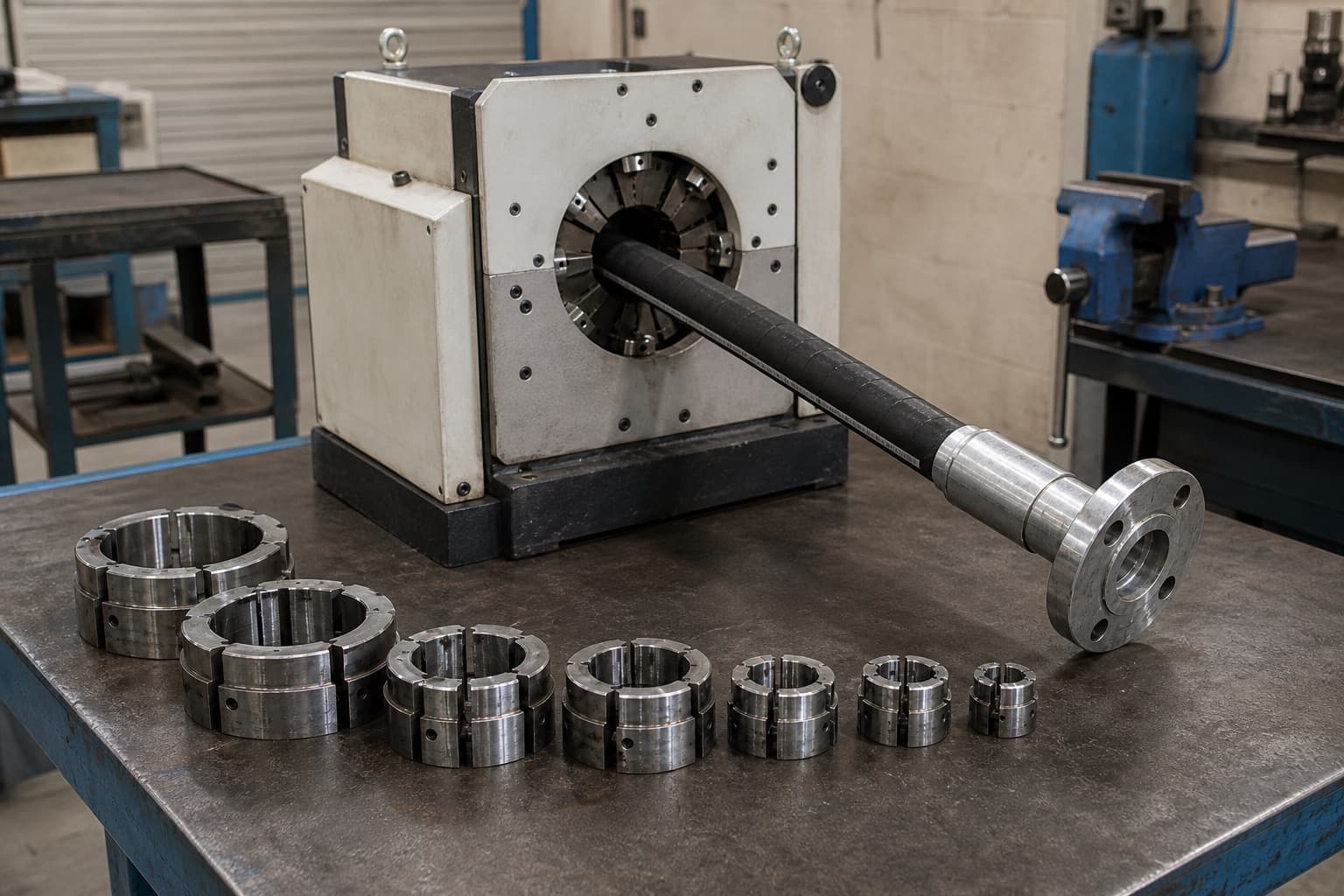
Sometimes the answer is yes. The machine is rarely the expensive part, the dies usually are, and the thing that decides it is not cost at all — it is how far away your machines break down.
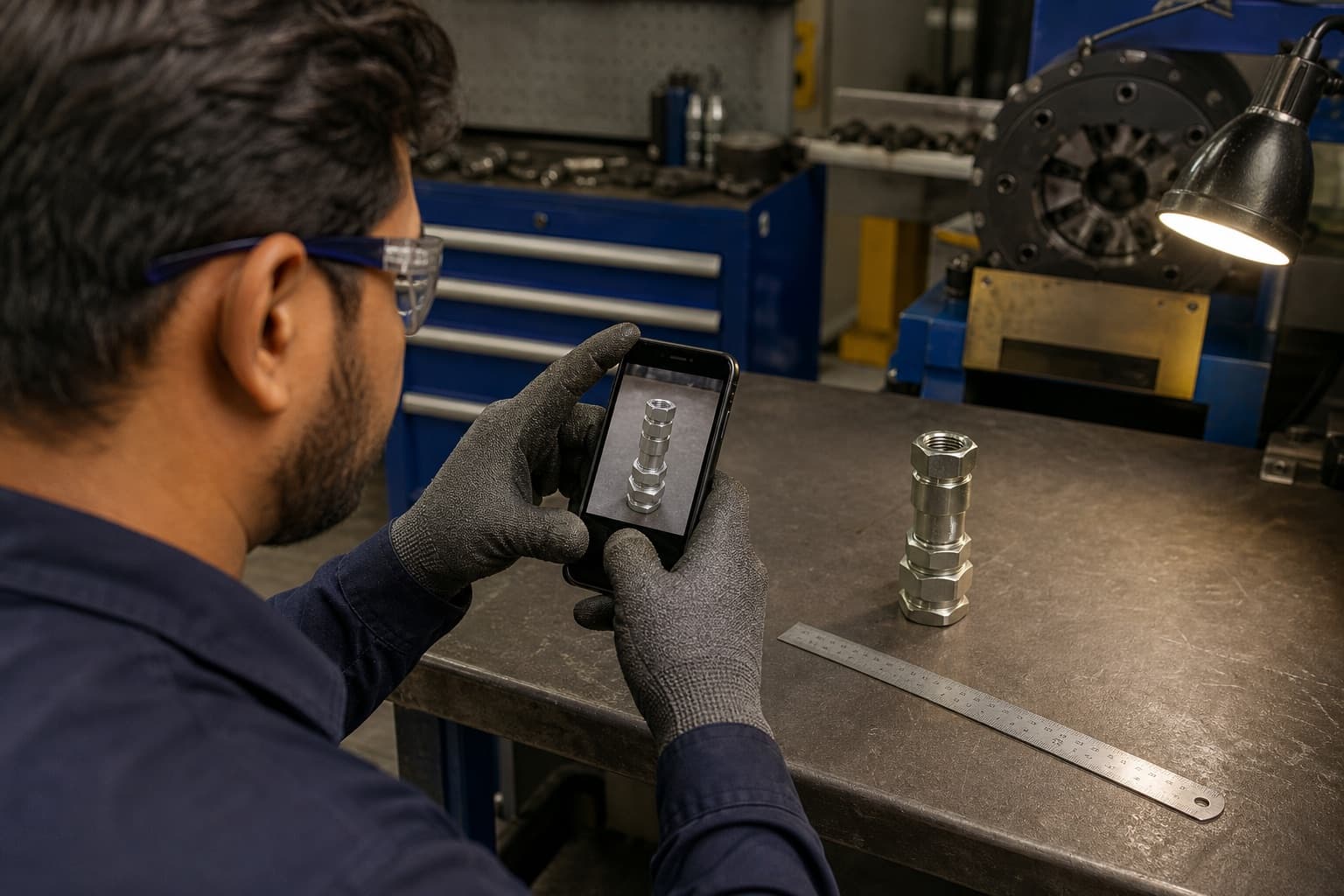
Four photographs and one measurement identify almost any hydraulic fitting remotely. Most requests arrive with one photograph taken at arm’s length, and that one settles nothing.
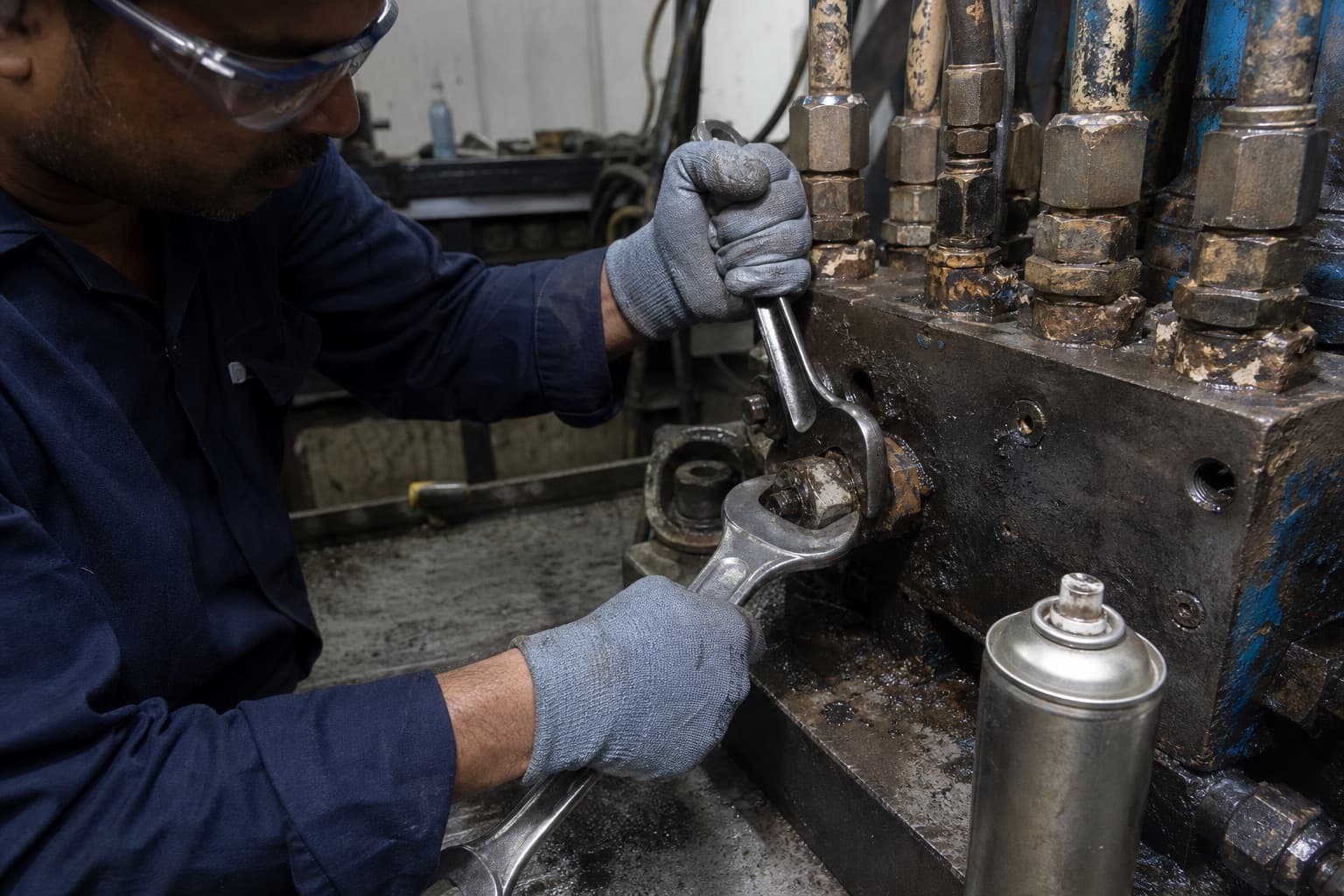
The hose is scrap either way. The manifold behind it is not, and almost every expensive outcome here comes from a decision made in the first five minutes.