Most hydraulic failures that look like a pump problem start in the parts around the pump: a tank too small to cool the oil, a clogged filter running in bypass, a coupling worn by misalignment, an accumulator with no gas left in it. They are cheap parts, and replacing them correctly is mostly a matter of getting the size and the setting right. For the pump itself, see how to size a hydraulic pump.
/01Reservoir, breather and sight glass.
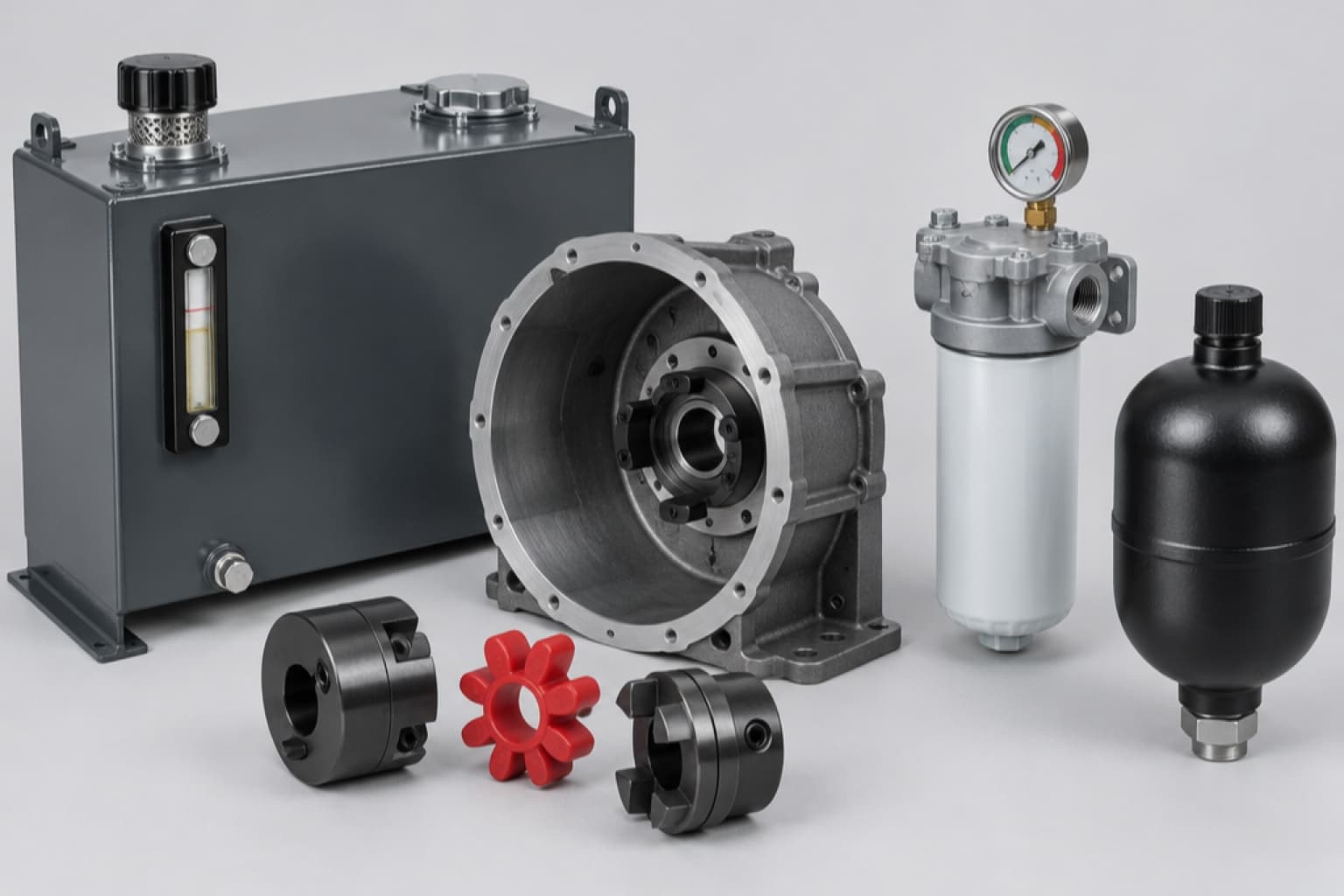
The reservoir stores oil, lets air and dirt settle out and sheds heat. A widely used rule of thumb sizes an industrial open-circuit tank at about three times the pump’s flow per minute plus an air space; mobile machines — where weight and space matter — run much smaller tanks and rely on coolers. Saddle and side-mount tanks on trucks are sized to the PTO pump and duty cycle. A breather lets air in and out as the level changes, filtering it as it does; a sight glass or level gauge shows the oil level and colour at a glance.
/02Filters and indicators.
Return-line filters clean oil going back to tank; pressure filters protect sensitive components downstream of the pump. Filter elements are rated by particle size and beta ratio — the ratio of particles upstream to downstream — and efficiency is 1 − 1/β, so β = 1000 means 99.9% capture at the rated size. HYDAC’s DFN inline pressure filter, built to DIN 24550, comes without a bypass as standard (7 bar optional) and with a clogging indicator set to 5 bar. The indicator is there to be read: change the element when it trips, before a bypass opens and lets unfiltered oil through.
/03Bell housings and jaw couplings.
A bell housing bolts the pump to the motor flange and holds the shafts in line; a jaw coupling transmits torque through an elastomer spider. Lovejoy’s figures for its standard NBR spider: −40 to 100 °C, 1° angular and 0.015 in parallel misalignment, high damping. Urethane spiders carry 1.5 times the torque but are not recommended for cyclic or start-stop duty; Hytrel takes higher temperatures with ½° angular. Jaw couplings are fail-safe — they keep driving if the spider fails. Size by torque: Lovejoy’s example is 20 hp at 1,800 rpm, 700 in-lb nominal, × 1.25 service factor = 875 in-lb design torque.
/04Bladder accumulators.
| Rule | Value |
|---|---|
| Pre-charge pressure p0Highlighted | ≤ 0.9 × minimum working pressure p1 |
| Pressure ratio p2 : p0 | ≤ 4 : 1 |
| Residual fluid | About 10% of effective gas volume left in the shell |
| Charging gas | Nitrogen, minimum class 2.8 — never oxygen or air |
| Mounting | Clamps for volumes above 1 L or with strong vibration |
HYDAC states these are maximum values, not a permanent load. Accumulators are pressure vessels and are certified for the country they are installed in — HYDAC codes include U for the EU (PED), S for the USA and A9 for China; others, including GCC countries, are on request, so state the destination when ordering.
Common questions
- How big should a hydraulic reservoir be?
- A common rule of thumb for an industrial open circuit is about three times pump flow per minute; mobile machines use smaller tanks with coolers.
- When should I change a hydraulic filter element?
- When its clogging indicator trips — before the bypass opens. HYDAC sets the DFN indicator at 5 bar against a 7 bar bypass.
- What is a filter beta ratio?
- Particles upstream divided by particles downstream at a given size; efficiency is 1 − 1/β, so β = 1000 is 99.9%.
- What pre-charge should a bladder accumulator have?
- HYDAC: no more than 0.9 times the minimum working pressure, with a maximum-to-pre-charge ratio of no more than 4:1, using nitrogen only.
- How much misalignment can a jaw coupling take?
- Lovejoy’s standard NBR spider: 1° angular and 0.015 in parallel. Align better than that for long life.
What we list
Reservoirs, breathers, sight glasses, filters and gauges, pump mounts and couplings, filter elements, accumulators and seal kits:
- American Mobile Power Steel Hydraulic Reservoir Tanks
- Buyers Products Breather Caps and Oil Level Gauges
- Heavy Motions Aluminium Saddle-Mount Hydraulic Tanks
- Lenz Hydraulic Reservoir Sight Glasses
- Williams Reservoir Breather Cap
- Cross Hydraulic Filters, Elements and Filter Gauges
- Dynamic Fluid Components DCI Filter Service Gauges
- Stauff Return-Line Filter Gauge
- Lovejoy L-Type Jaw Coupling Hubs
- Magnaloy Pump Mounting Brackets and Bell Housings
- HYDAC 0160 DN 010 BN4HC Pressure Filter Element, 10 µm, DIN 24550
- HYDAC 0330 R 010 BN4HC Return Line Filter Element, 10 µm, for RF 330
- HYDAC SB330-10A1/112A9-330A Bladder Accumulator, 10 L, 330 bar
- HYDAC SB330-4A1/112A9-330A Bladder Accumulator, 4 L, 330 bar
- Hercules O-Ring and Seal Kits
- Hose Box Cap and Plug Packs
- Hose Box Hydraulic Fitting and Seal Kits
Power unit components
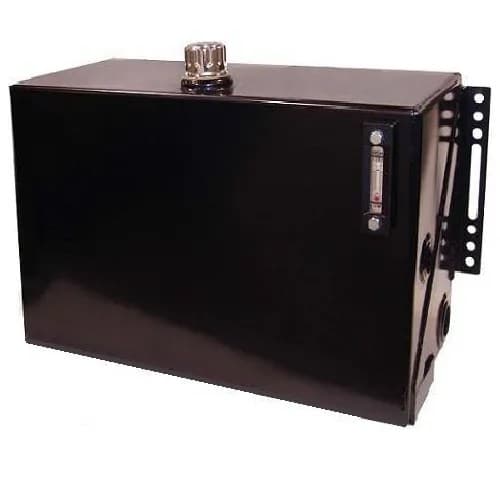 IH-AMP-TANKAmerican Mobile Power Steel Hydraulic Reservoir TanksAmerican Mobile Power
 IH-BYR-BREATHERBuyers Products Breather Caps and Oil Level GaugesBuyers Products
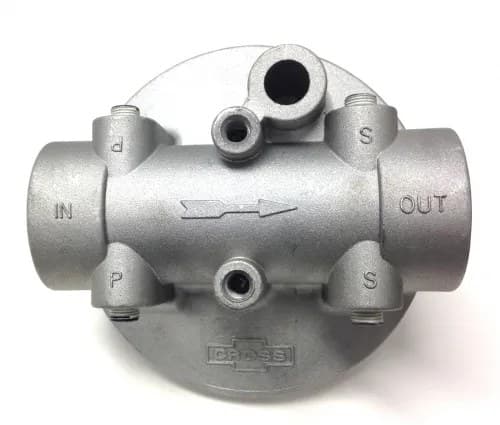 IH-CRS-FILTERCross Hydraulic Filters, Elements and Filter GaugesCross
- IH-0330R010BN4HCHYDAC 0330 R 010 BN4HC Return Line Filter Element, 10 µm, for RF 330HYDAC
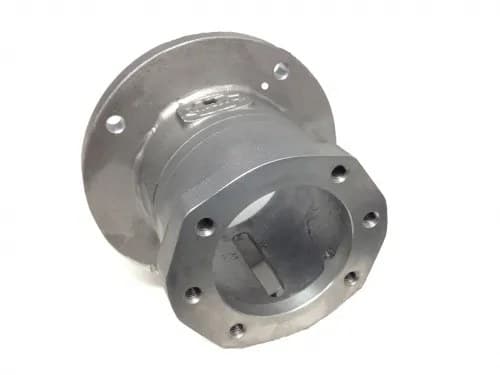 IH-MGL-MOUNTMagnaloy Pump Mounting Brackets and Bell HousingsMagnaloy
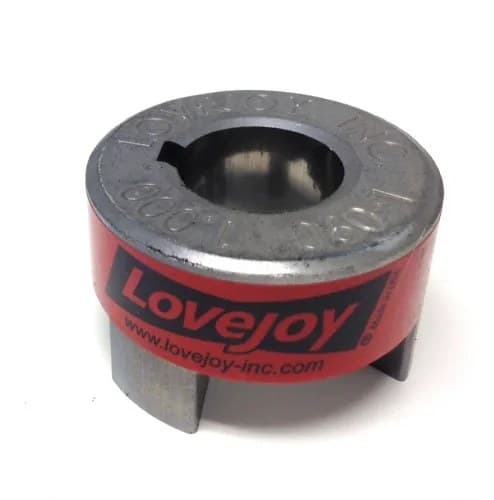 IH-LVJ-LLovejoy L-Type Jaw Coupling HubsLovejoy
- IH-SB330-10A1HYDAC SB330-10A1/112A9-330A Bladder Accumulator, 10 L, 330 barHYDAC
 IH-HBX-KITSHose Box Hydraulic Fitting and Seal KitsHose Box