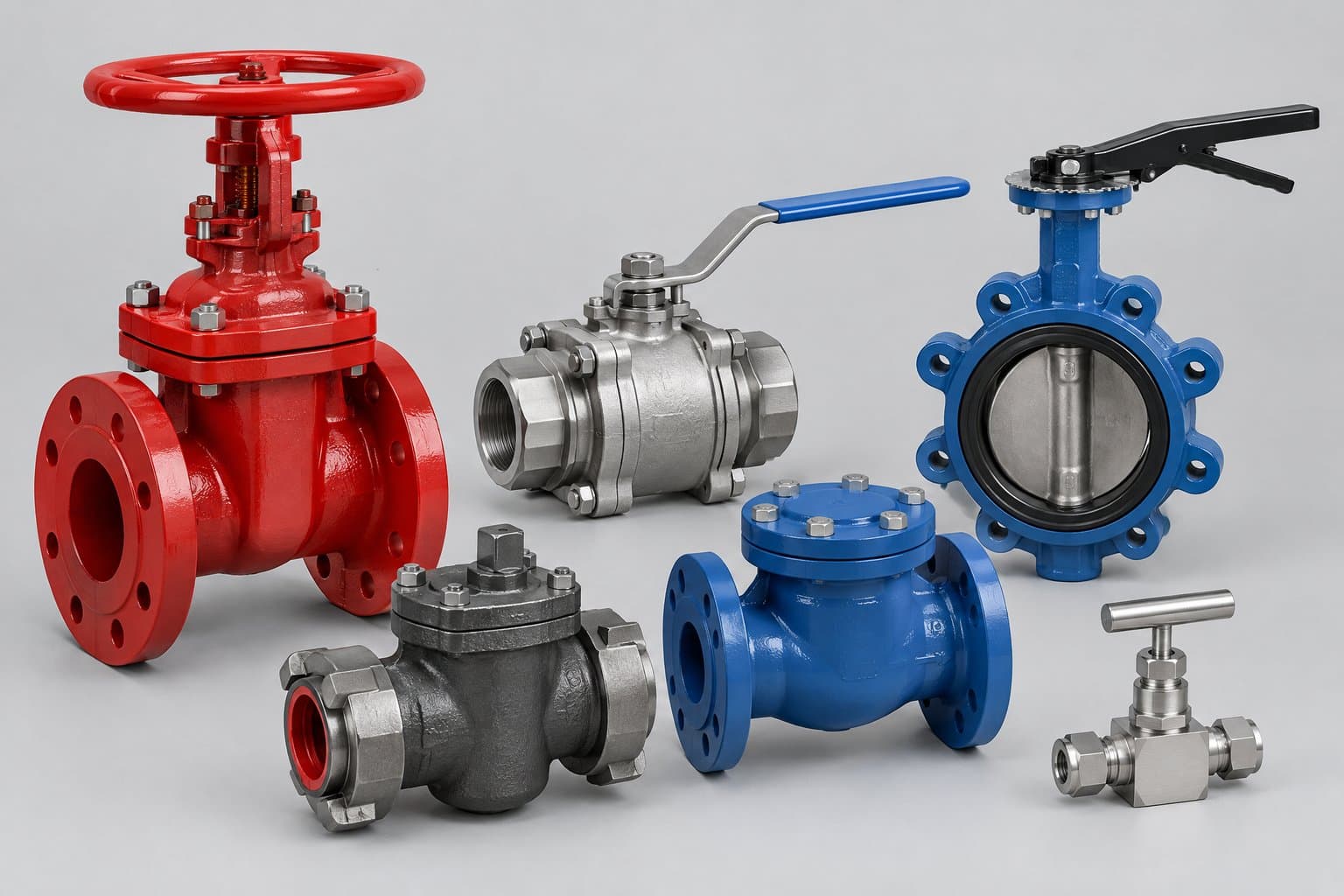
- 01Slab gate or expanding gate valve — what is the difference?
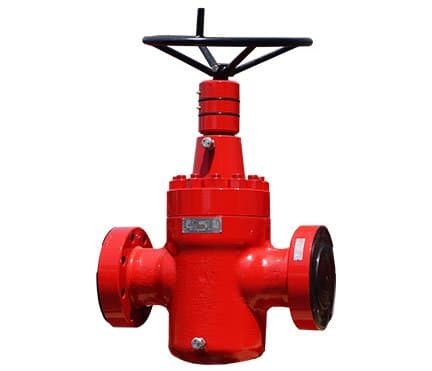
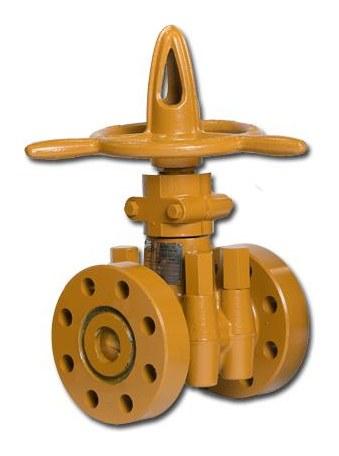
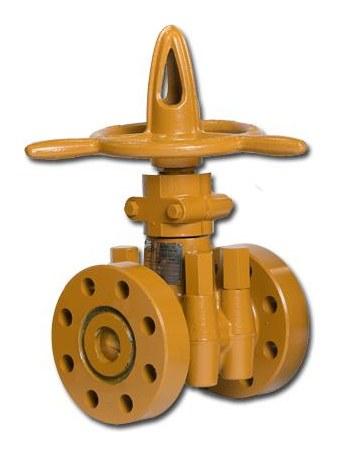
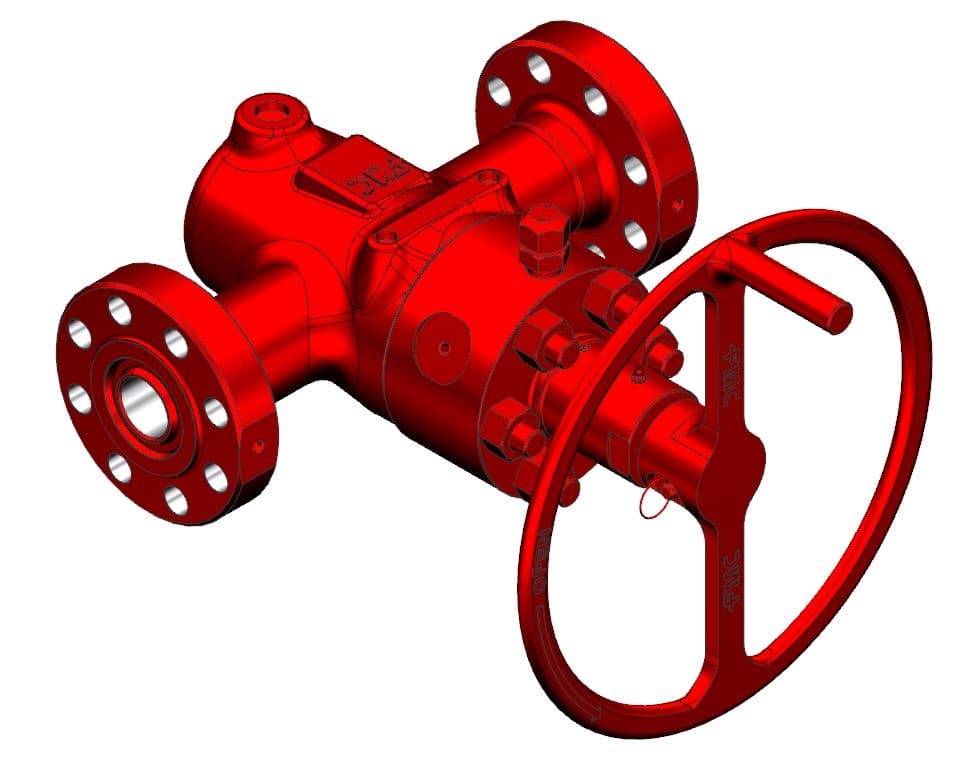
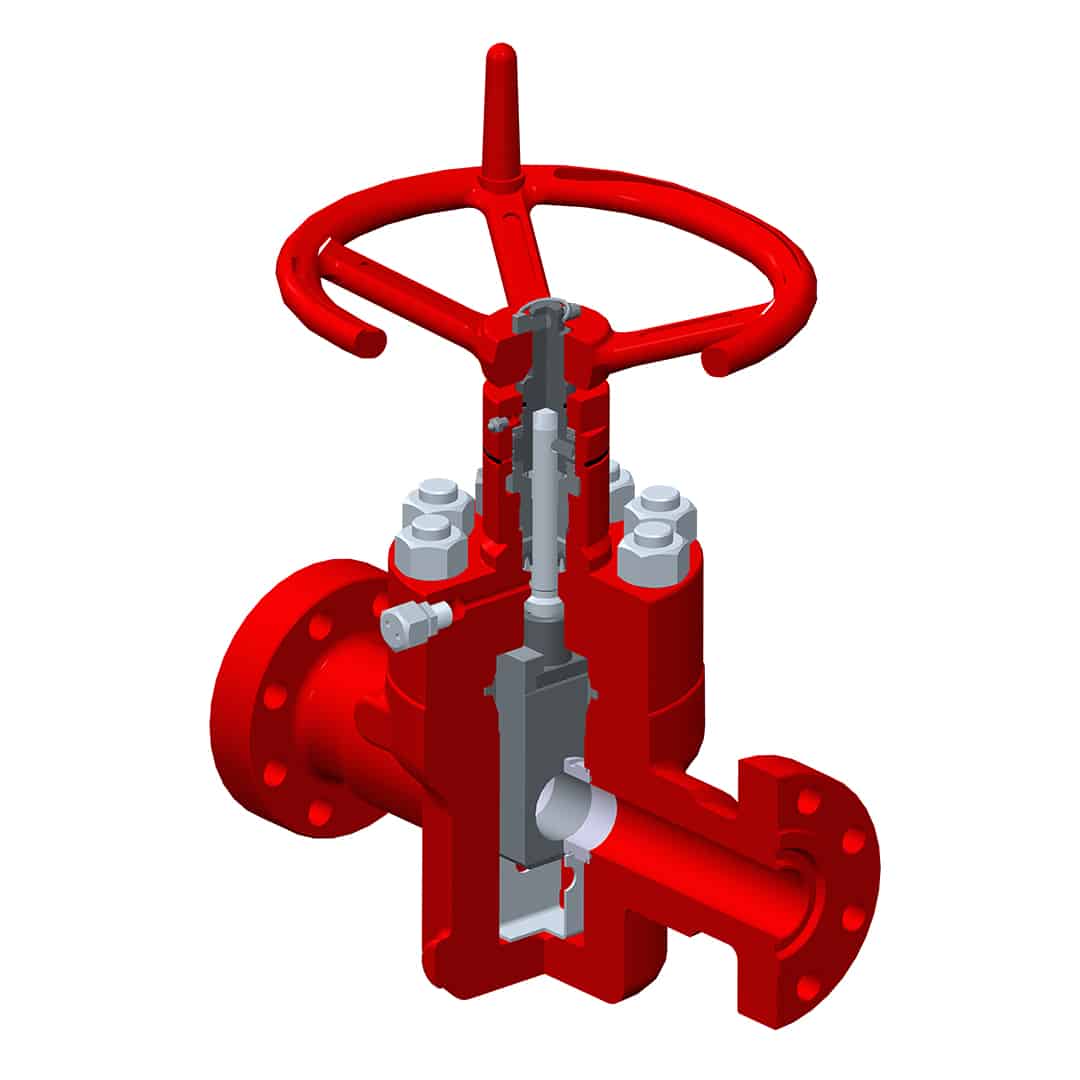
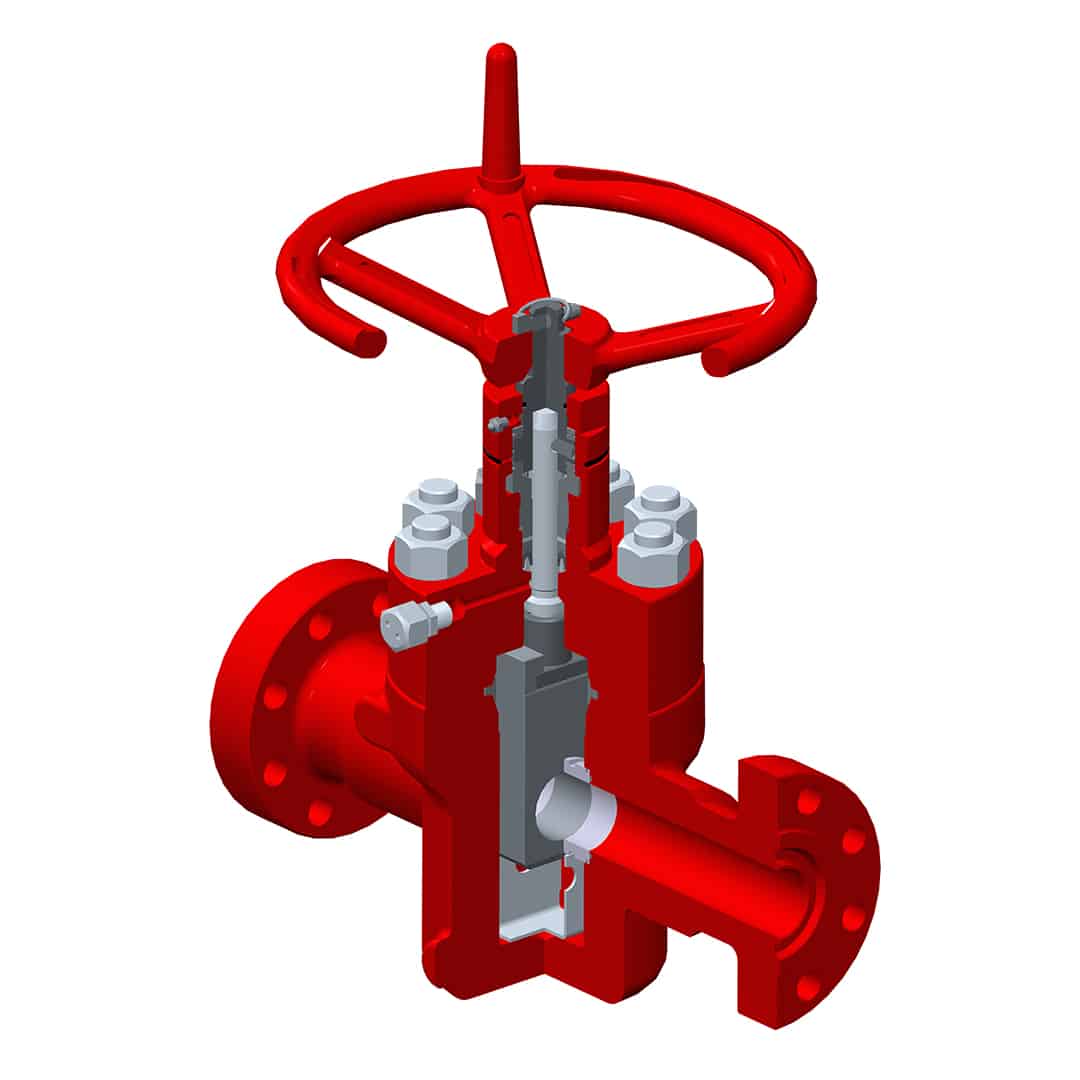
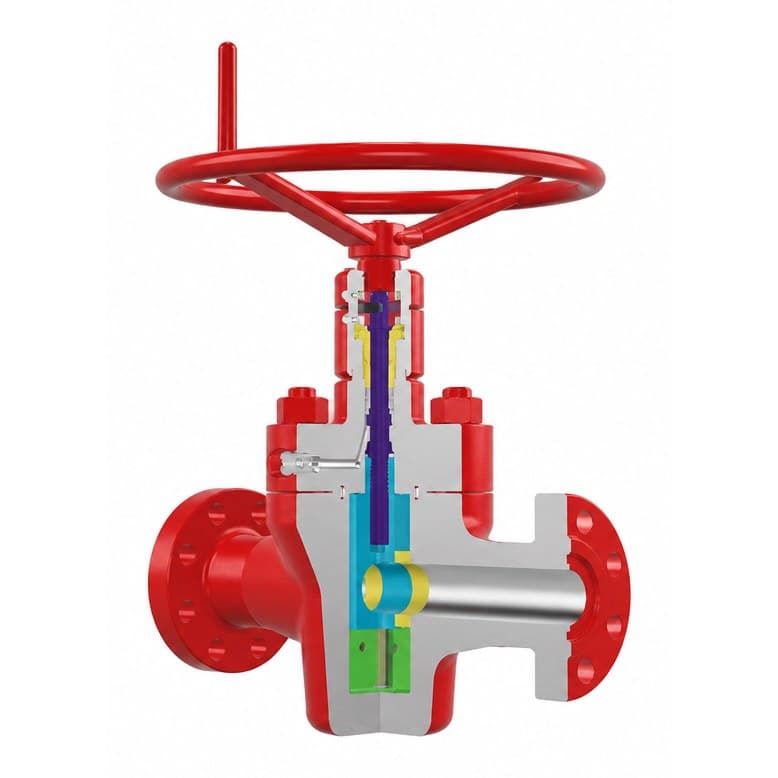
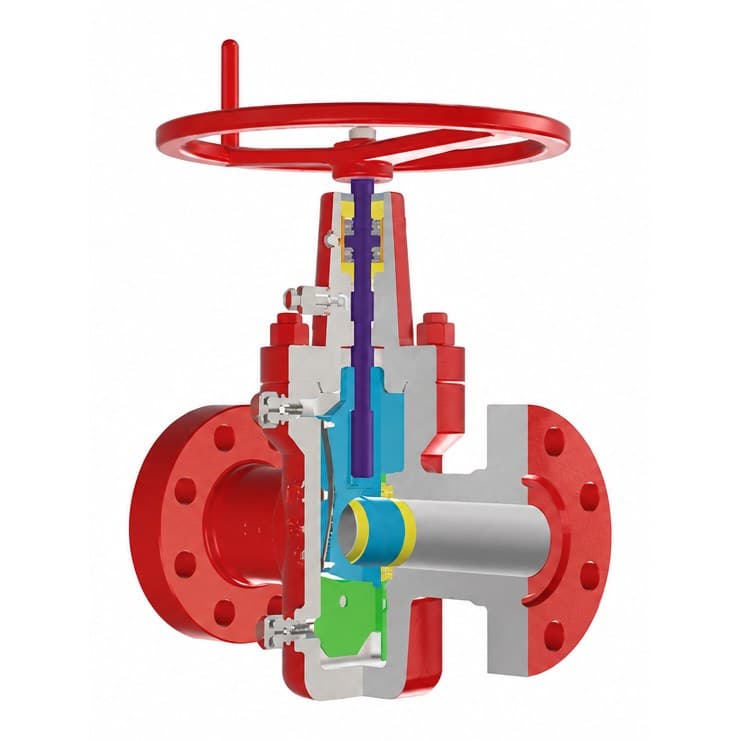
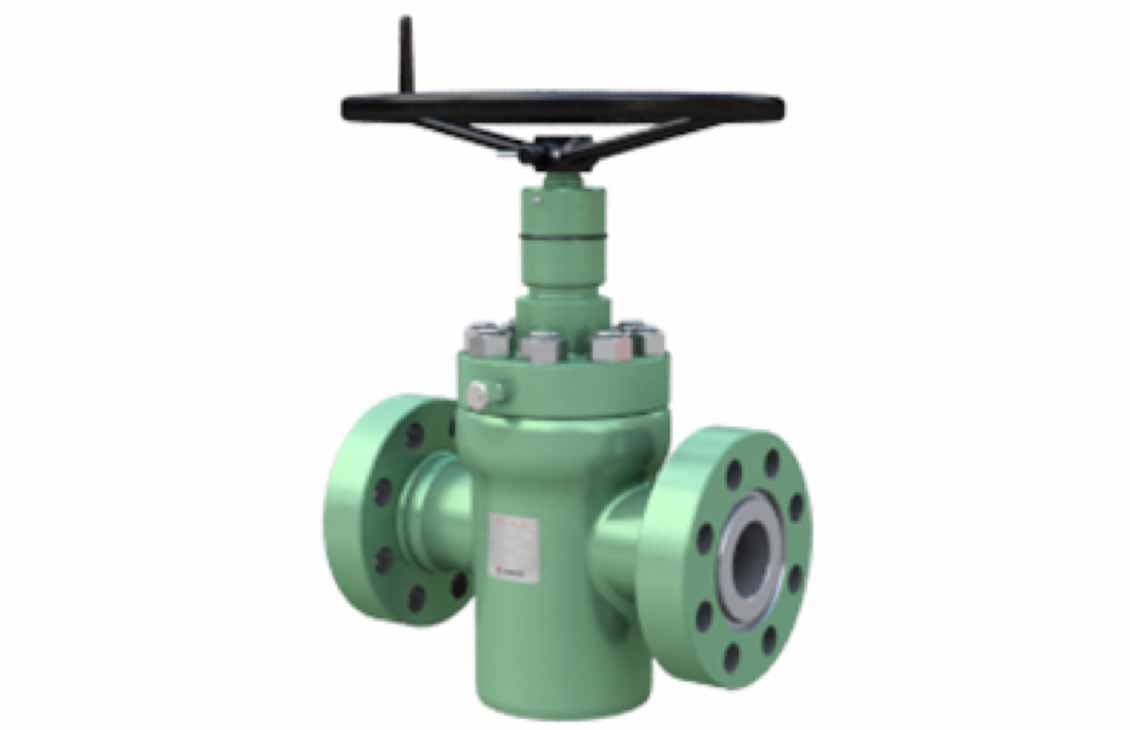
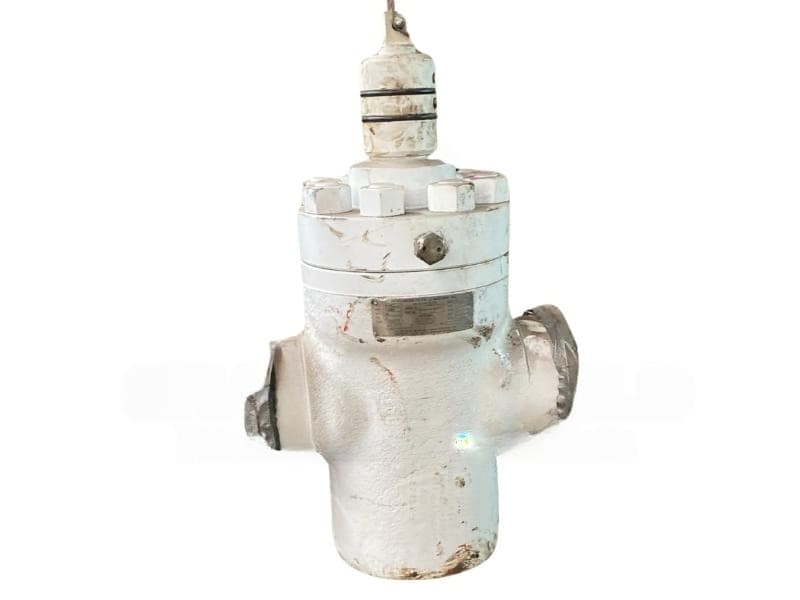
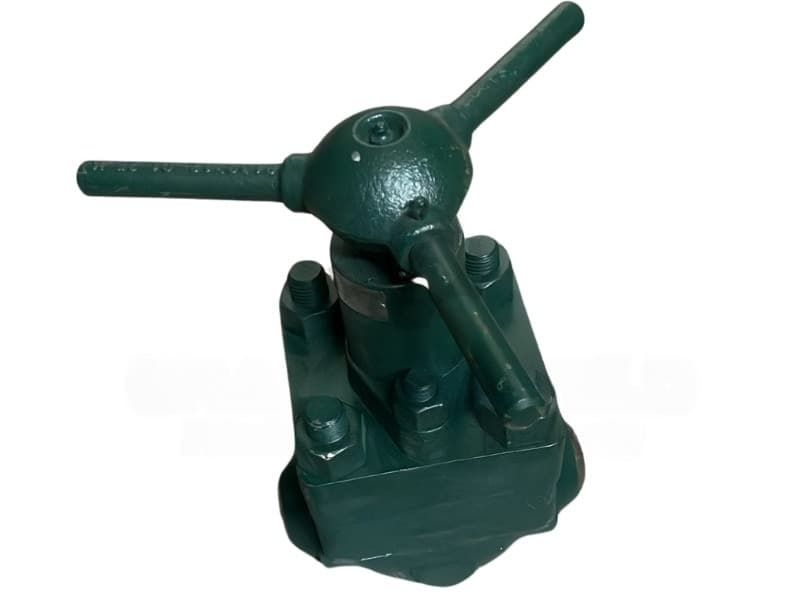
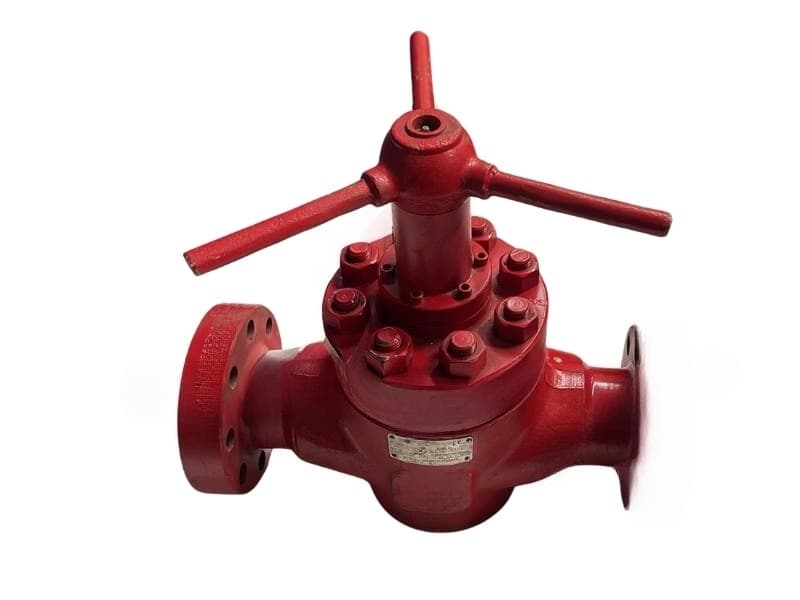
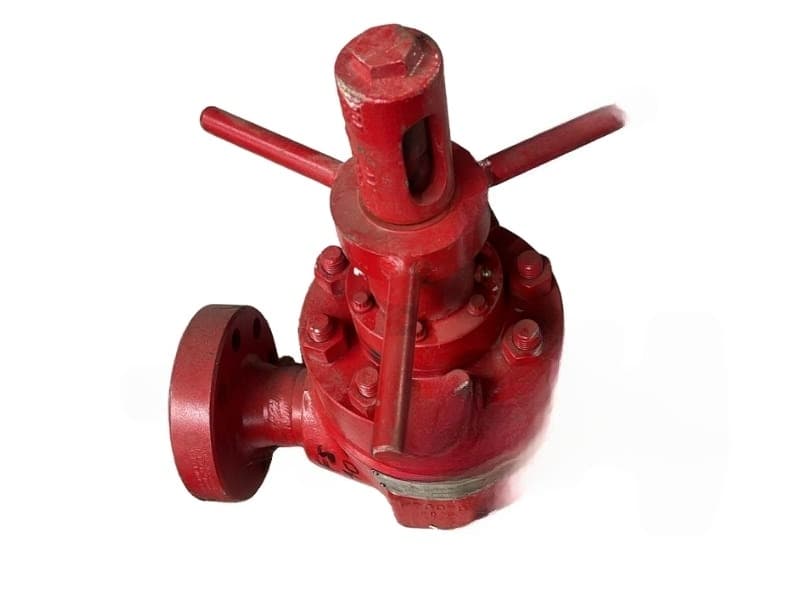
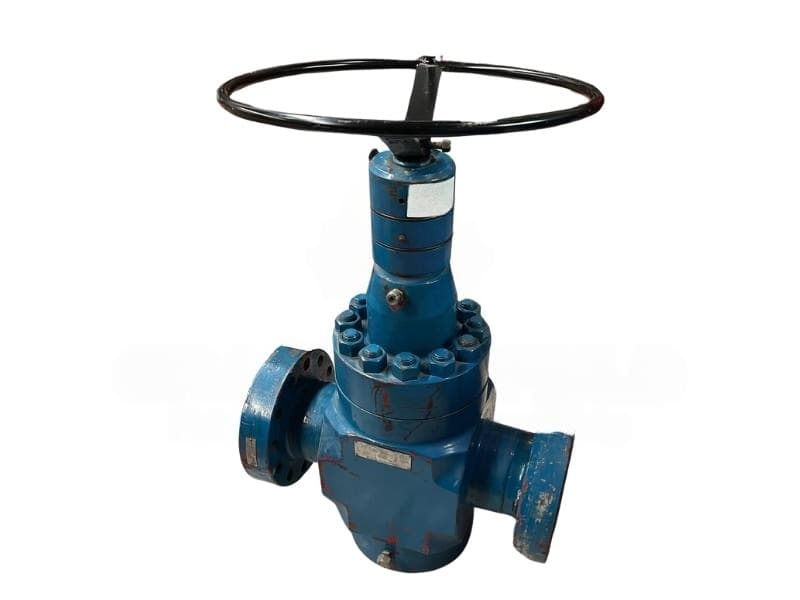
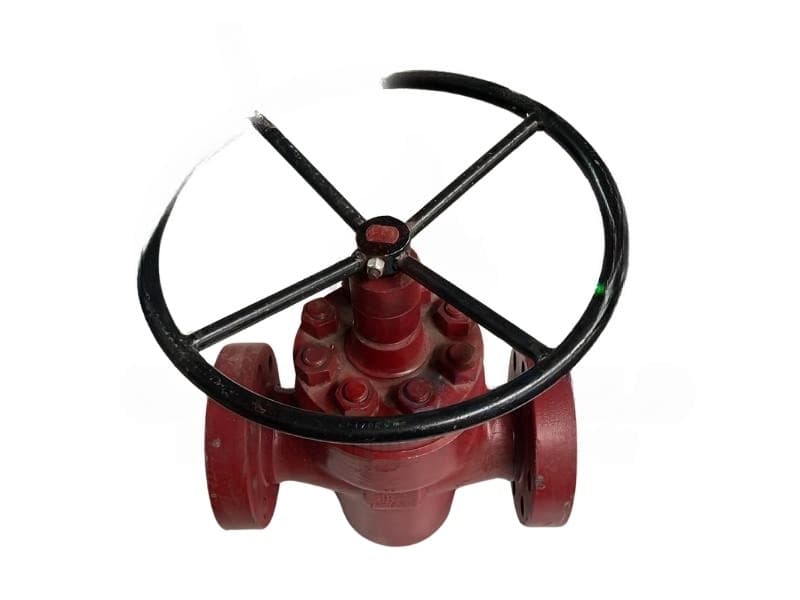
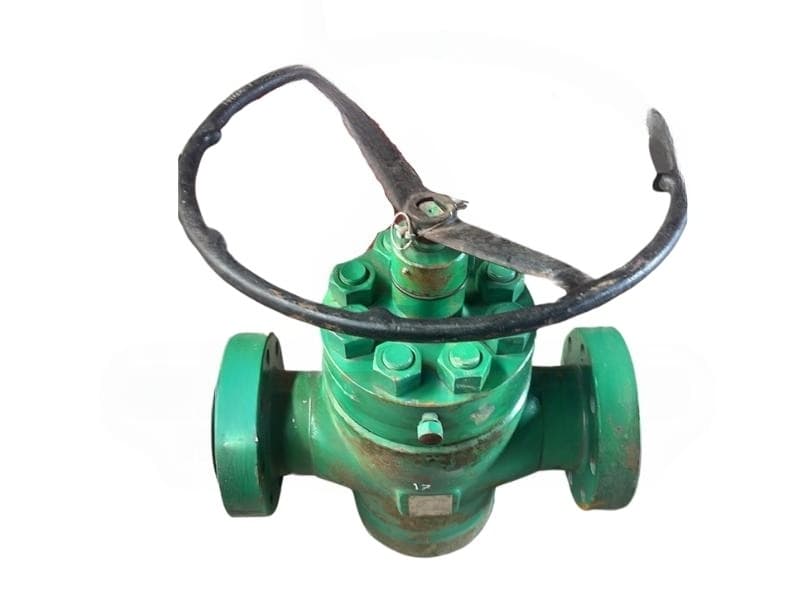
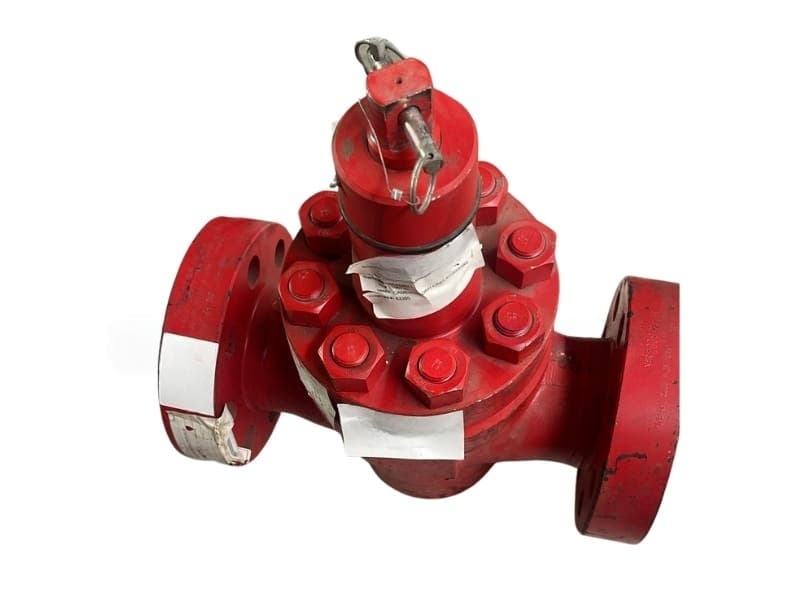
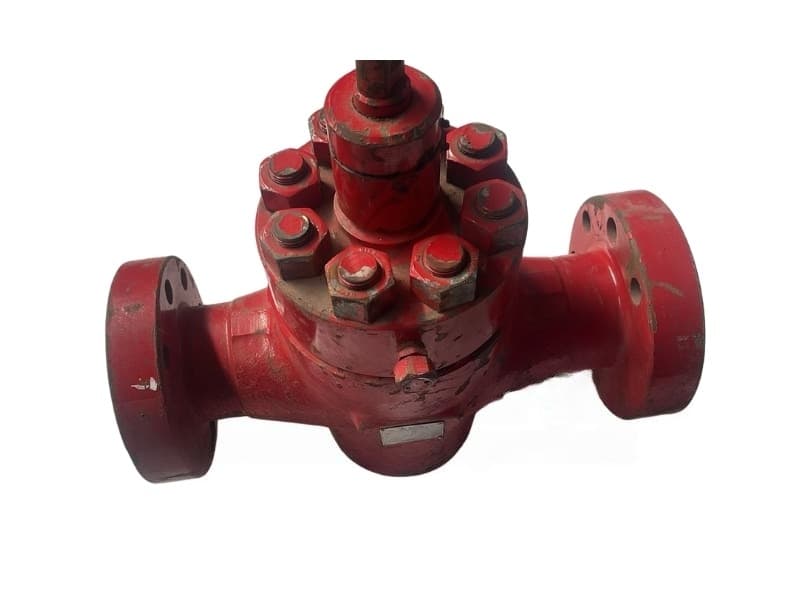
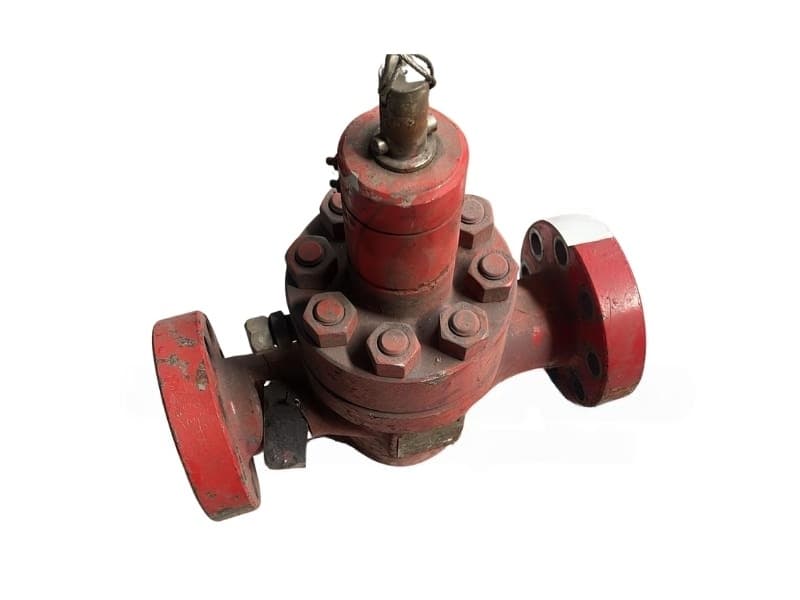
- A slab gate is a single solid gate that floats between two seats and seals when line pressure pushes it against the downstream seat. An expanding gate is a two-piece gate with angled faces that wedge apart at the end of travel, pressing mechanically against both seats, so it seals upstream and downstream even at low pressure. Slab gates are simpler, with fewer parts and a straight-through bore, and are widely used on wellheads and frac trees; expanding gates suit duty where a positive mechanical seal on both sides is wanted.
- 02What does FLS mean on a manual gate valve, and how does a fail-close hydraulic valve differ?
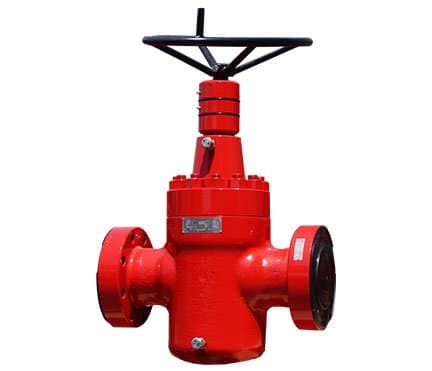
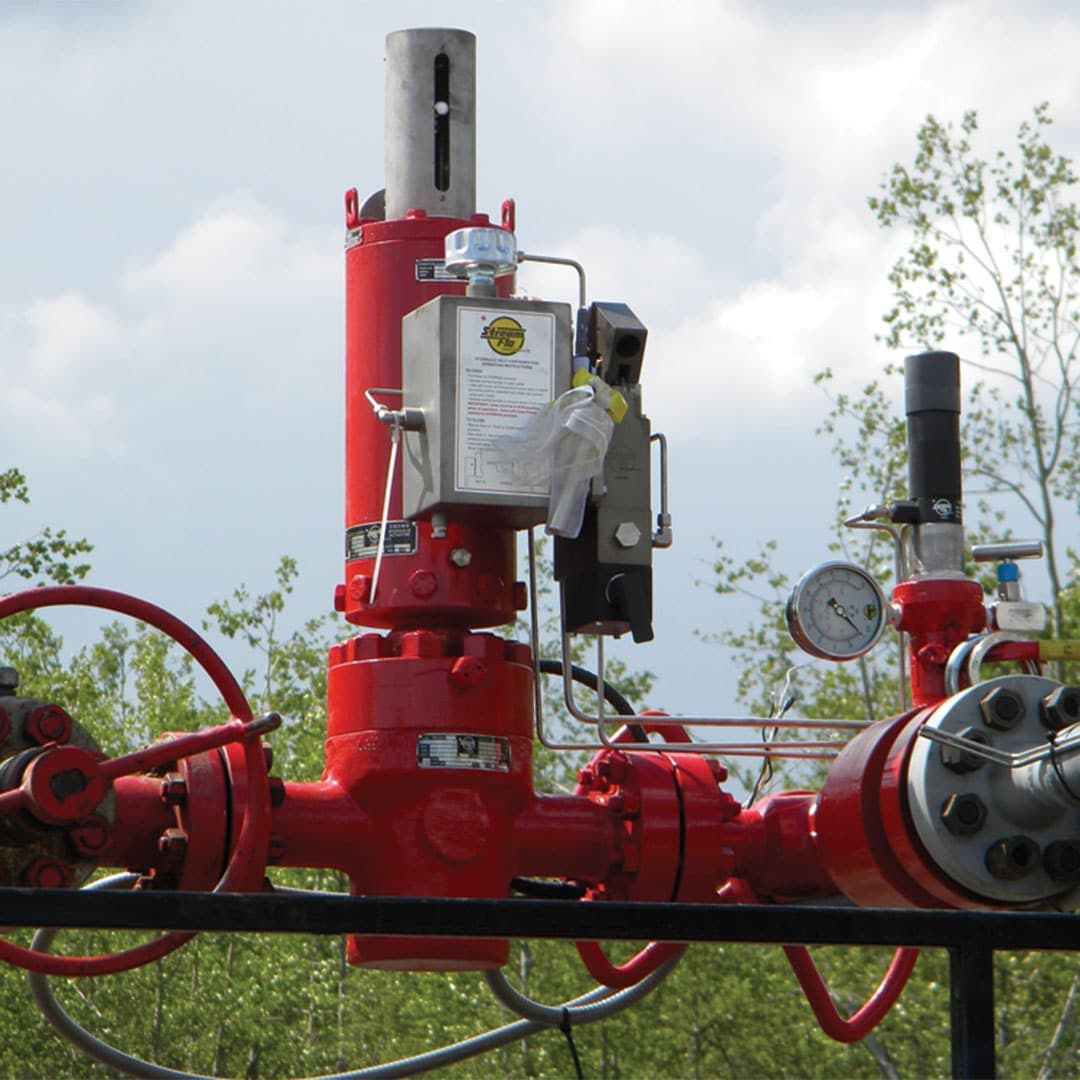
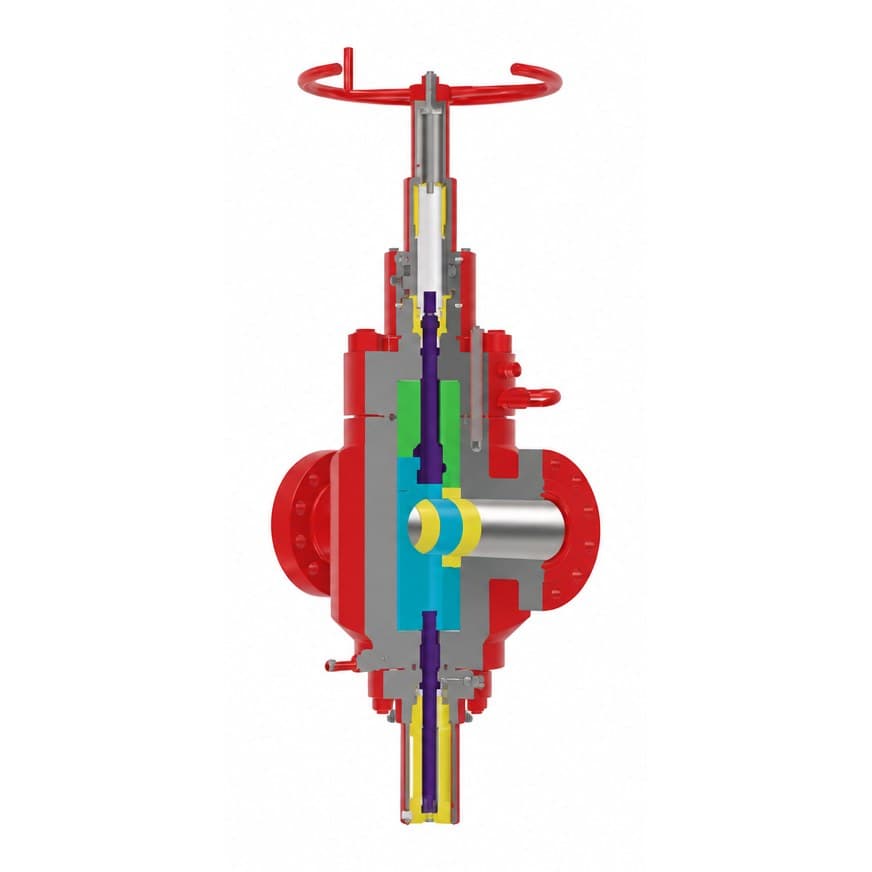
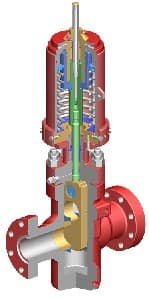
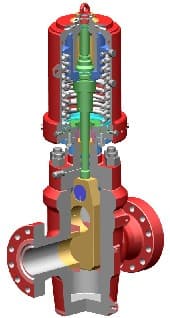
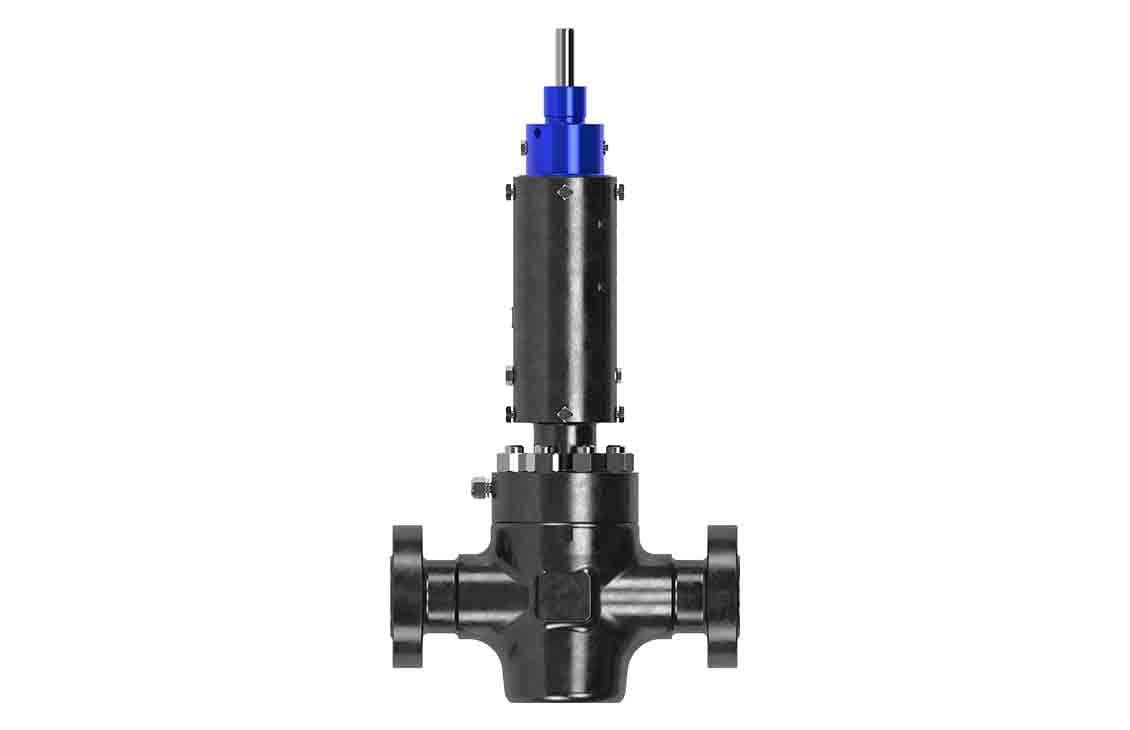
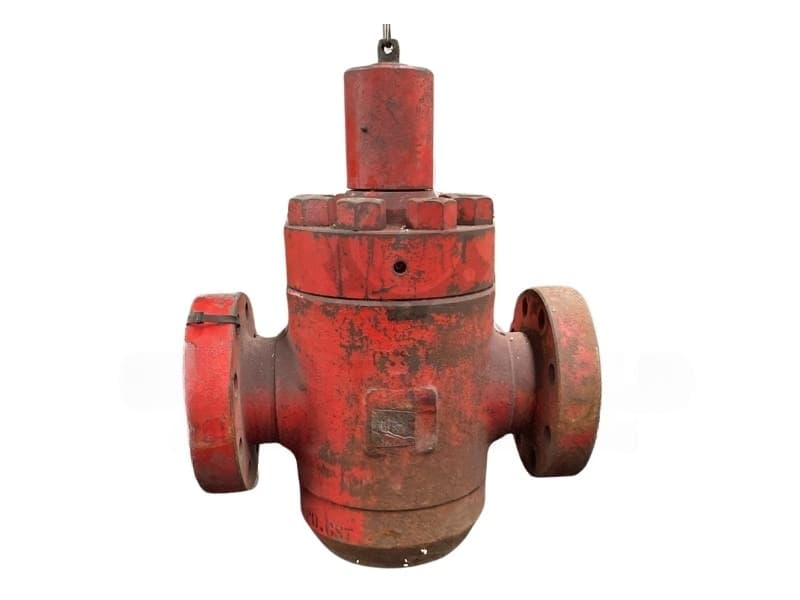
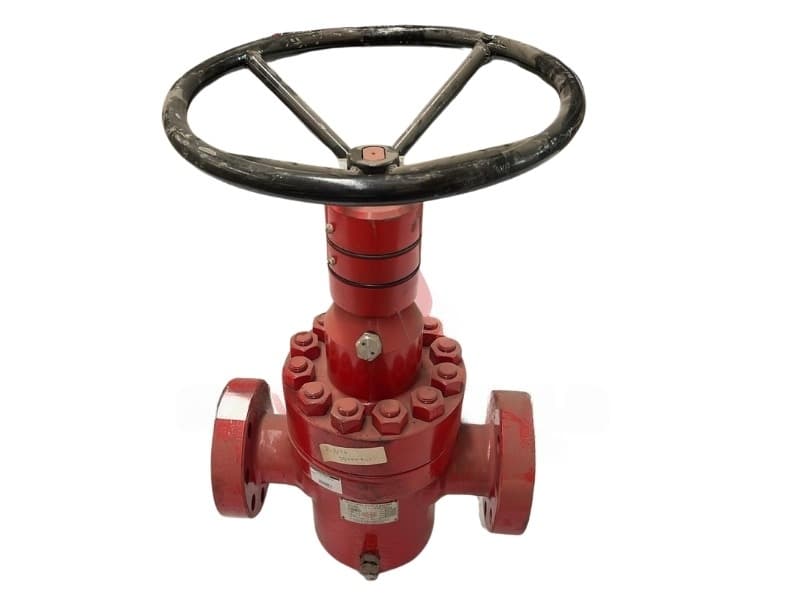
- On a Cameron valve, FLS is the name of the valve model, a forged-body slab gate valve, not an operating mode. A manual gate valve stays where its handwheel leaves it. A hydraulic fail-close gate valve has an actuator whose hydraulic pressure holds the gate open against a spring; when the pressure is lost or vented, the spring closes the valve, which is how a surface safety valve shuts a well in. Specify the actuator's control pressure available and whether a manual override or lock-open cap is needed.
- 03What do PSL 3G and PR2F mean on a gate valve?
- PSL 3G is product specification level 3 with an additional gas test: as well as the PSL 3 hydrostatic tests, the assembled valve is tested with gas, which finds leaks that water can miss, so it is specified for gas wells and high-pressure gas service. PR2F means the design has passed performance verification to API 6A Annex F, the PR2 test programme of pressure and temperature cycles and repeated operations under load. Both are design and test levels the buyer specifies; they are stated in each product title.
- 04Why are there 3-1/8″ and 3-1/16″ gate valves?
- They are the same nominal 3″ bore in the two API 6A flange families. 3-1/8″ is the 6B size for 2,000, 3,000 and 5,000 psi, with an R or RX ring; 3-1/16″ is the 6BX size for 10,000 psi and above, with a BX ring. A 3-1/8″ 5,000 psi valve will not bolt to a 3-1/16″ 10,000 psi flange. Give both the bore and the pressure rating when ordering a valve or a replacement, and check the ring number on the existing flanges.
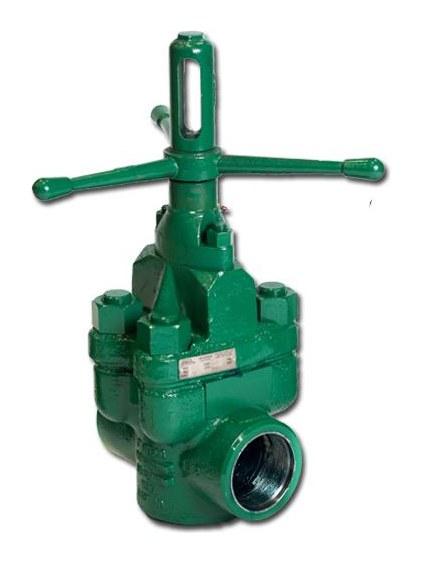
- 05What is a mud gate valve and how is it different from an API 6A wellhead gate valve?
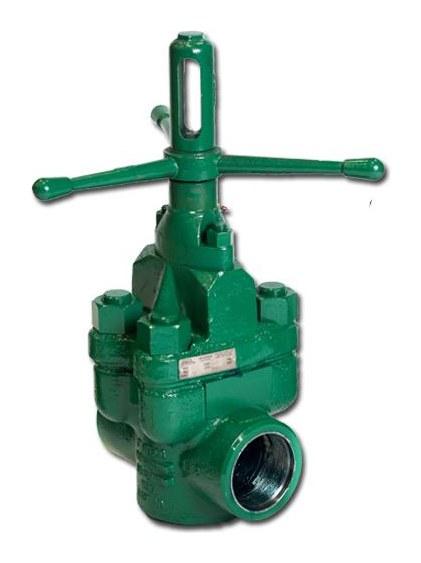
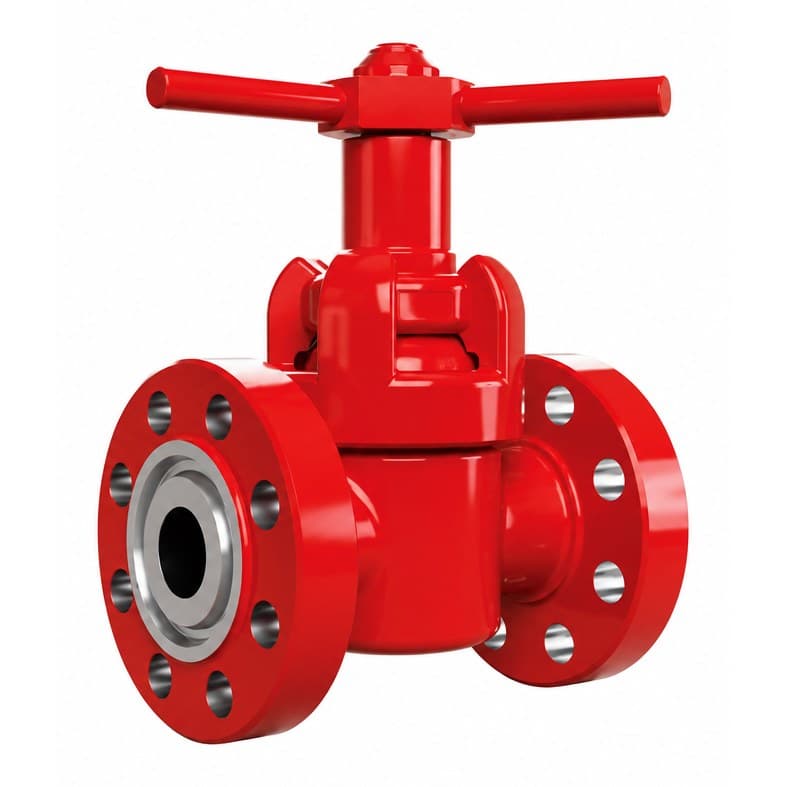
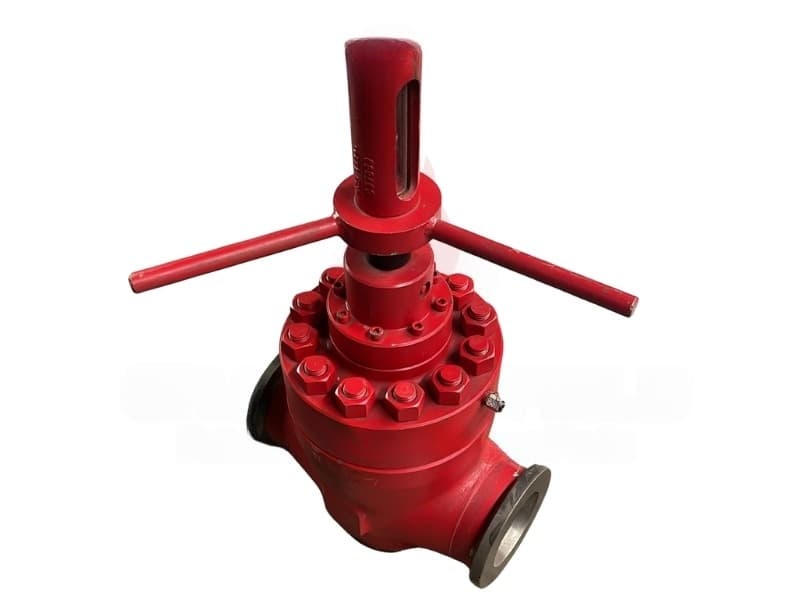
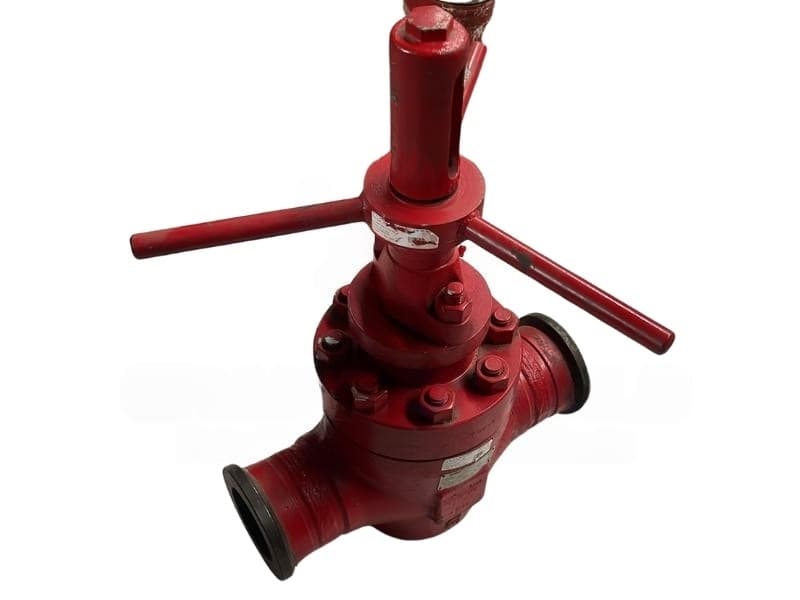
- A mud gate valve isolates drilling fluid in a rig's standpipe manifold, mud pump discharge and mud lines. It is built to tolerate abrasive mud and to be serviced on the rig, often with replaceable elastomer-bonded seats, and its 7,500 psi rating is a maker's rating rather than one of the API 6A rated working pressures. Ends are typically butt-weld, threaded or hammer union. Parts are model-specific: DEMCO DM 2000–5000 and DM 7500 valves look alike but share no seats, gates or kits.
- 06What does HH Inconel 625 cladded mean on a slab gate valve?
- HH is the most severe API 6A material class, for wells with high H2S and CO2, and requires corrosion-resistant alloy on all wetted surfaces. Cladding means a weld overlay of Inconel 625 applied to the bore, seal pockets and other wetted areas of a low-alloy-steel body, which gives the corrosion resistance of the alloy without making the whole body from it. The gate, seats and stem are corrosion-resistant alloy too. Use HH where the well's H2S and CO2 partial pressures and chlorides call for it.