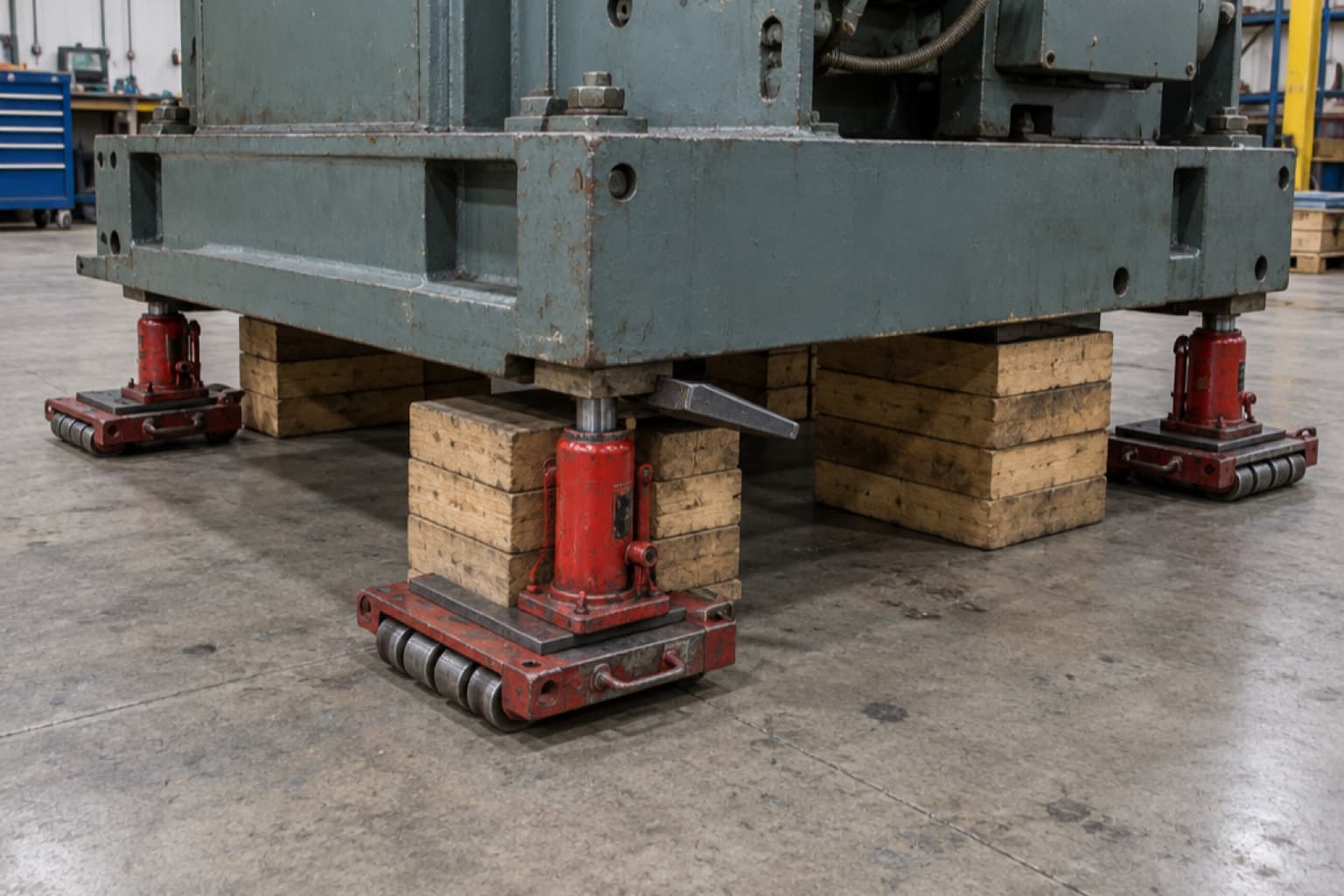
Heavy machinery is rarely lifted by crane inside a building. It is wedged, jacked, cribbed and rolled — a few inches at a time, with the load resting on timber or steel between every lift. Each step uses a different tool, and the accidents come from using one tool to do another’s job: a jack used as a support, a bottle jack on soft ground, a single skate taking a corner of a load it was never sized for.
/01The tools and what each one is for.
| Tool | Capacity | Job |
|---|---|---|
| LW lifting wedge | 16 t | Open a gap from 0.39 in so a jack or toe can go in |
| SOH machine lift (toe jack) | 8.5–20 t | Lift on a toe from 0.79–1.18 in clearance |
| GBJ bottle jackHighlighted | 2–110 t | General lifting with an over-extension by-pass |
| JHA aluminium / JH steel jack | 7–35 t / 30–100 t | Portable lifting at 10,000 psi |
| POW’R-RISER | 60–200 t | Heavy lifts with locking rings for mechanical cribbing |
| Locking jack (Pow’R-LOCK) | — | Continuous positive mechanical lock under load |
| Load skates | Up to 80 t each | Roll the load once it is lifted |
Sizing. Three numbers decide a jack: the load on that lift point (not the whole machine divided evenly, unless it truly is), the closed height — the gap under the lift point — and the stroke you need. Enerpac’s standing advice is to treat the rated load and stroke as maximum safe limits and use only 80% of them. Where the gap is smaller than any jack, a wedge or toe lift comes first.
Moving. With the load raised and cribbed, skates go under the lift points. Enerpac sizes its skate sets so that two skates can take the full load on an uneven floor — a load on four skates will not always be on four.
/02The safety rules.
- Provide a level and solid support for the whole jack base — steel plate on soft or uneven ground.
- The entire saddle must be in contact with the load; never use a cylinder without its saddle.
- Lift slowly and check often; keep out of the line of force.
- Raise the cribbing with the load, so the fall distance is never more than a short step.
- On a POW’R-RISER, never exceed 3 in of total spacer height; use its locking rings as mechanical cribbing.
- Keep hydraulic equipment away from open flame and temperatures above 65 °C (150 °F), and do not kink hoses — Enerpac gives a minimum bend radius of 4½ in.
- Use the oil the maker specifies when topping up a jack or pump.
Common questions
- How do I choose a hydraulic jack capacity?
- From the load on that lift point, with margin — Enerpac advises using only 80% of the rated capacity — then check closed height and stroke.
- Can I leave a load on a hydraulic jack?
- Not as a support. Crib the load or use a jack with a mechanical lock before anyone goes near or under it.
- What if there is no room under the machine for a jack?
- Use a lifting wedge (from 0.39 in clearance on Enerpac’s LW16) or a toe lift to raise it enough to get a jack or cribbing in.
- How many skates do I need?
- Enough that two skates can carry the full load — on uneven floors the load will not share evenly across four.
What we list
Jacks, wedges, machine lifts, skates and the oil for them:
- Enerpac Caterroller Load Skates, Turntables and Leveling Plates
- Enerpac Electric Pow'r-Riser Lifting Jacks
- Enerpac GBJ Industrial Bottle Jacks
- Enerpac JH Aluminium and Steel Jacks
- Enerpac LW Vertical Lifting Wedges
- Enerpac Pneumatic Pow'r-Riser Lifting Jacks
- Enerpac SOH Hydraulic Machine Lifts
- Stillwell Hydraulic Trailer Jacks and Accessories
Jacks and skates
 IH-ENE-GBJEnerpac GBJ Industrial Bottle JacksEnerpac
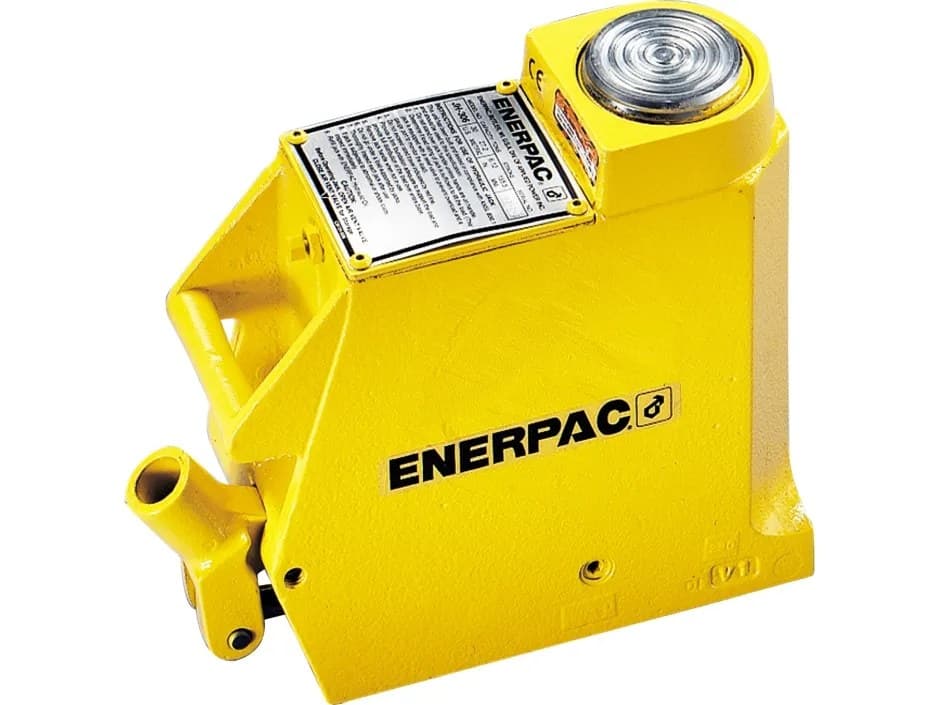 IH-ENE-JHEnerpac JH Aluminium and Steel JacksEnerpac
 IH-ENE-LWEnerpac LW Vertical Lifting WedgesEnerpac
 IH-ENE-SOHEnerpac SOH Hydraulic Machine LiftsEnerpac
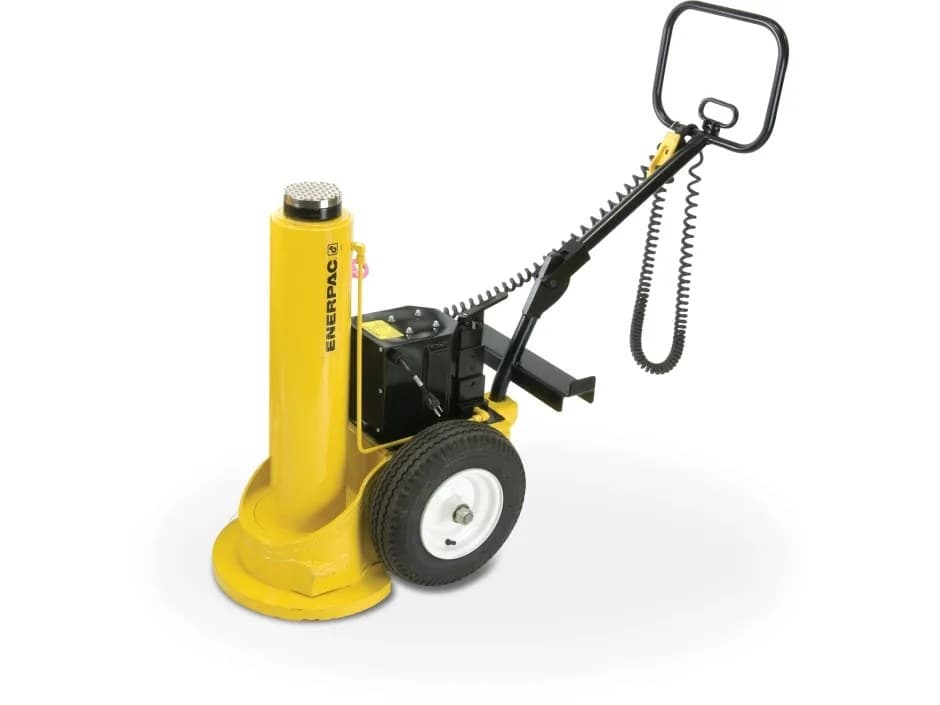 IH-ENE-PREEnerpac Electric Pow'r-Riser Lifting JacksEnerpac
 IH-ENE-EREnerpac Caterroller Load Skates, Turntables and Leveling PlatesEnerpac
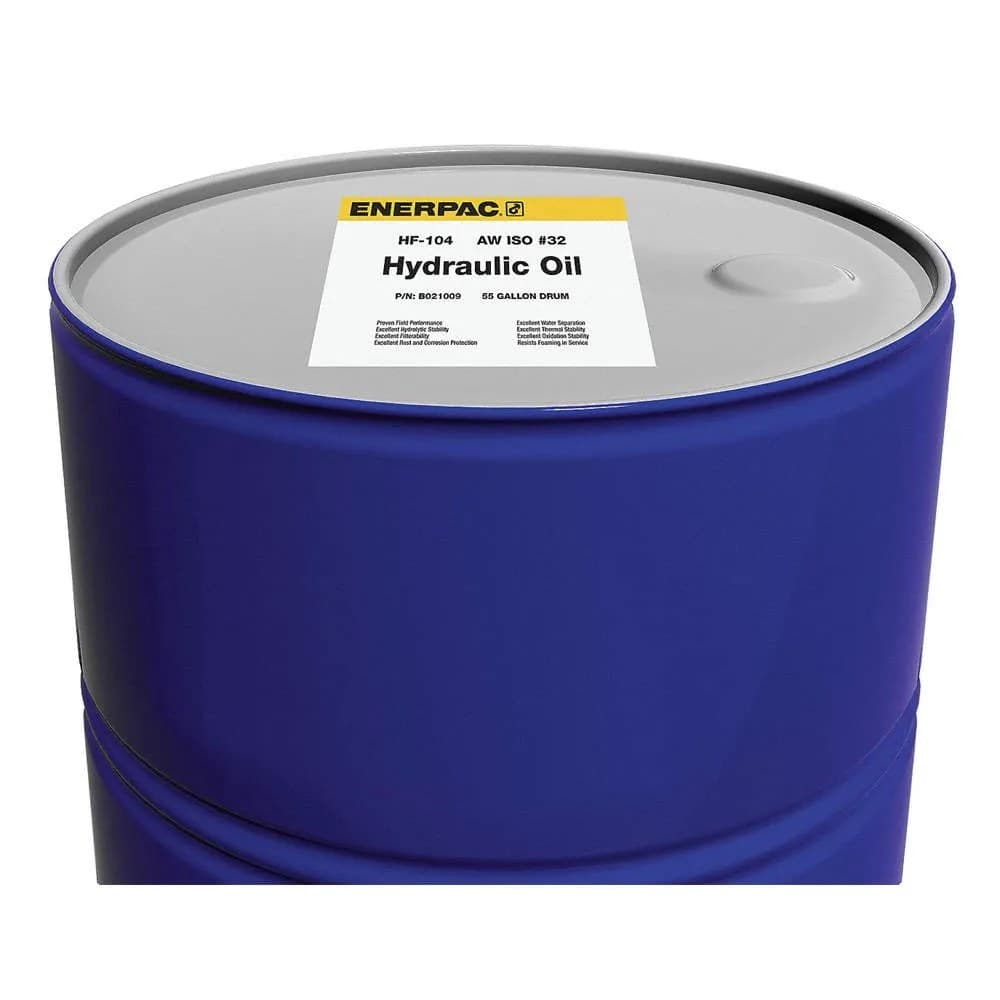 IH-ENE-OILEnerpac HF and LX Hydraulic OilEnerpac