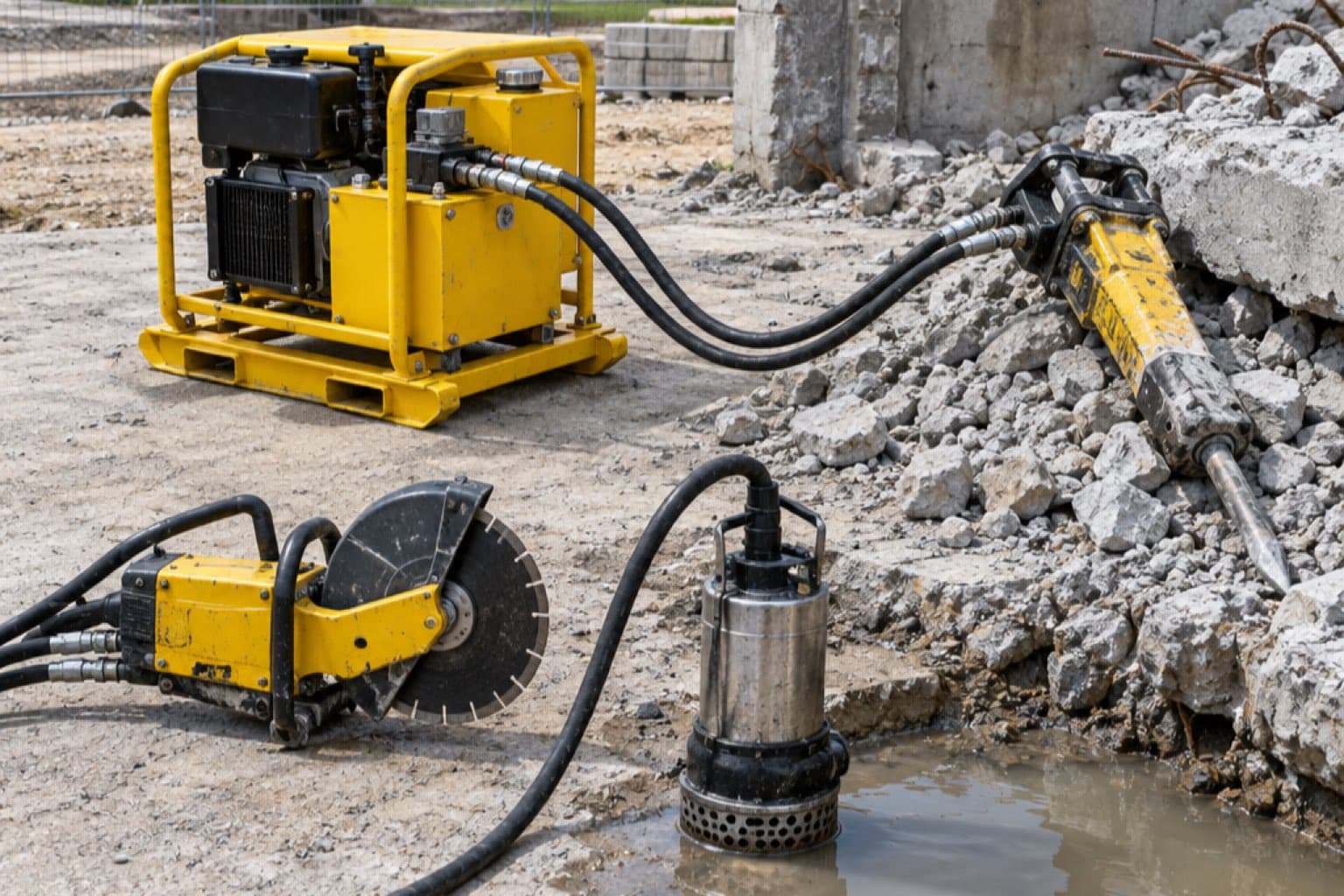
A hydraulic breaker, chain saw or submersible pump carries no engine. It runs on oil from a portable power unit, or from the auxiliary circuit of an excavator, skid steer or truck — which is why one power unit can drive a whole kit of tools on a construction, utility or rail job. The catch is that tool and power source have to agree on flow and pressure, and the industry’s HTMA classes are how they agree.
/01HTMA classes.
| Requirement | Type I | Type II | Type RR | Type III |
|---|---|---|---|---|
| FlowHighlighted | 4–6 gpm (15–23 lpm) | 7–9 gpm (26–34 lpm) | 9–10.5 gpm (34–40 lpm) | 11–13 gpm (42–49 lpm) |
| Nominal operating pressure | 1,500 psi (103 bar) | 1,500 psi | 1,500 psi | 1,500 psi |
| System relief setting | 2,100–2,250 psi | 2,100–2,250 psi | 2,200–2,300 psi | 2,100–2,250 psi |
| Max. back pressure at tool return | 250 psi (17 bar) | 250 psi | 250 psi | 250 psi |
Across all classes STANLEY specifies: oil no hotter than 140 °F (60 °C), full-flow filtration at 25 microns sized for at least 30 gpm, and premium anti-wear, non-conductive petroleum fluid at 100–400 SSU (20–82 cSt). The relief setting caps the pressure the tool can see; the back-pressure limit is why return hoses must not be undersized or run through restrictive couplers.
Each tool is rated for one or more classes — a STANLEY BR67 breaker, for example, is Type II, 7–9 gpm; the BR50 is offered for Type I or Type II. Running a tool above its class over-speeds and overheats it; running it below makes it slow and weak.
/02Power units and tools.
- Power units are petrol, diesel or electric packs with an open-centre pump, tank, filter and cooler. STANLEY’s HP8, for example, gives 5 or 8 gpm at 2,000 psi through HTMA flush-face couplers. Choose by the flow class of the tools, and whether two tools must run at once.
- Percussion tools — breakers, rock drills, post drivers — carry the highest duty; STANLEY asks for hoses rated to at least 2,500 psi.
- Cutting tools — chain saws, cut-off saws, pruners — and grinders, wrenches and drills run continuously, so oil temperature and cooling matter.
- Submersible pumps move water without electricity at the pump: STANLEY’s TP08 moves up to 800 gpm of water on a 7–10 gpm drive.
- Rail maintenance tools — spike drivers, rail saws, drills and tie tampers — run from the same circuits.
Common questions
- What is an HTMA Type II tool?
- A tool designed for 7–9 gpm (26–34 lpm) of flow on an open-centre circuit, at 1,500 psi nominal with a 2,100–2,250 psi relief, per the HTMA table in STANLEY’s manuals.
- Can I run a hydraulic breaker off my excavator?
- Yes, if the auxiliary circuit is open-centre and its flow and relief match the tool’s HTMA class. Do not connect it to a closed-centre circuit.
- Why is my hydraulic tool overheating?
- Common causes are too much flow for the tool’s class, high back pressure from undersized return hoses or couplers, or not enough cooling — STANLEY limits oil to 140 °F (60 °C).
- What hose do hydraulic breakers need?
- STANLEY’s breaker manuals ask for hoses rated for a minimum working pressure of 2,500 psi (172 bar).
What we list
STANLEY hydraulic power units and tools:
Hydraulic power tools
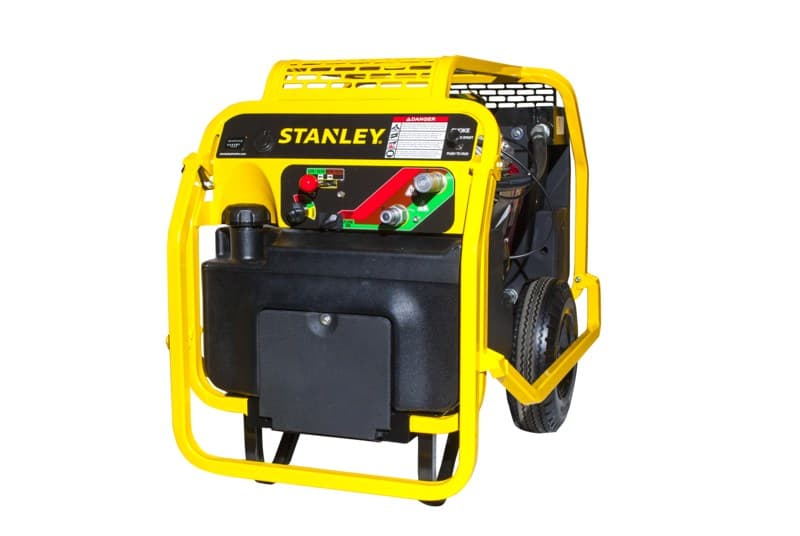 IH-STN-HPUStanley Hydraulic Power UnitsStanley Infrastructure
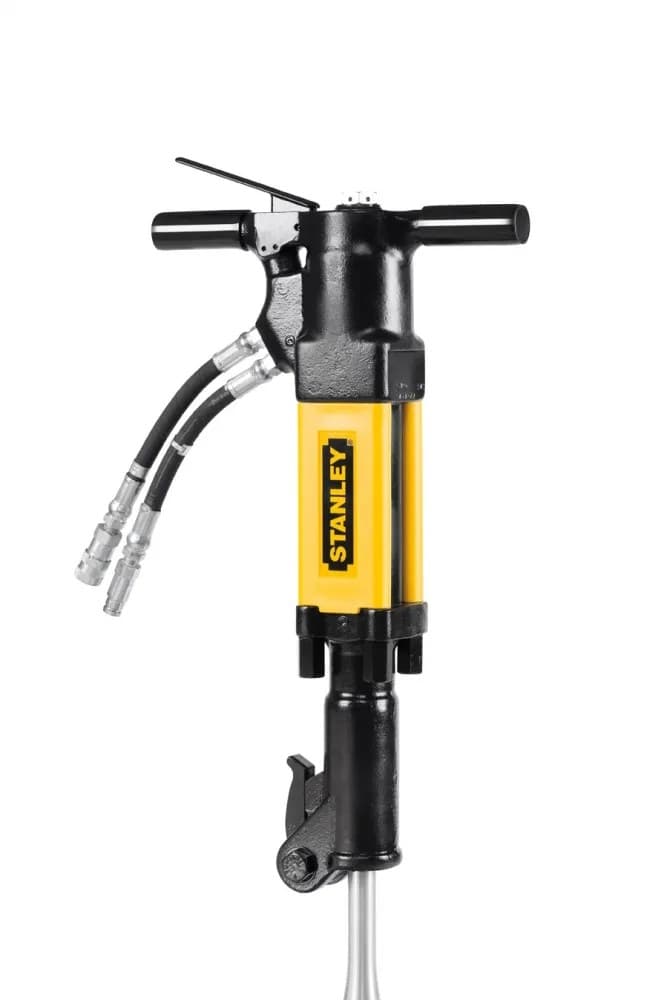 IH-STN-PTStanley Hydraulic Percussion ToolsStanley Infrastructure
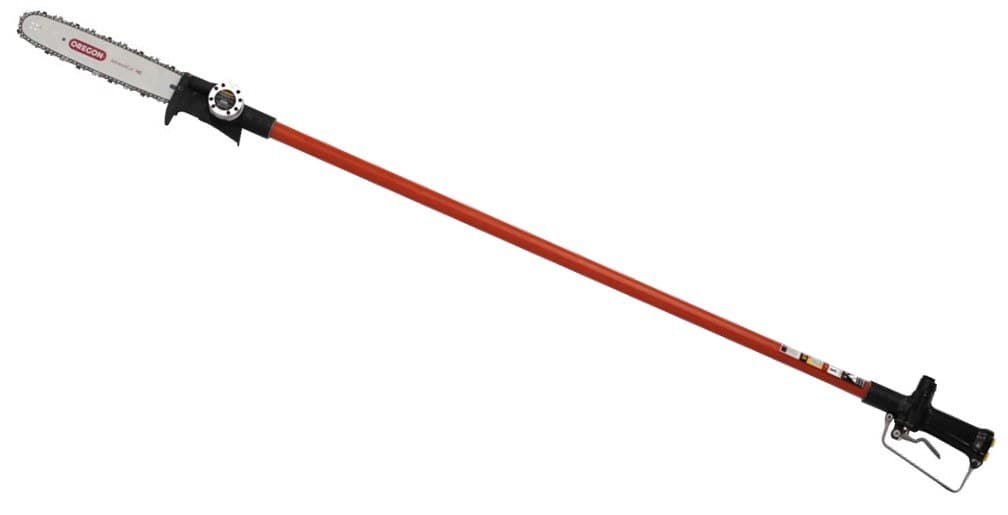 IH-STN-CTTStanley Hydraulic Cutting & Trimming ToolsStanley Infrastructure
 IH-STN-SPStanley Hydraulic Submersible PumpsStanley Infrastructure
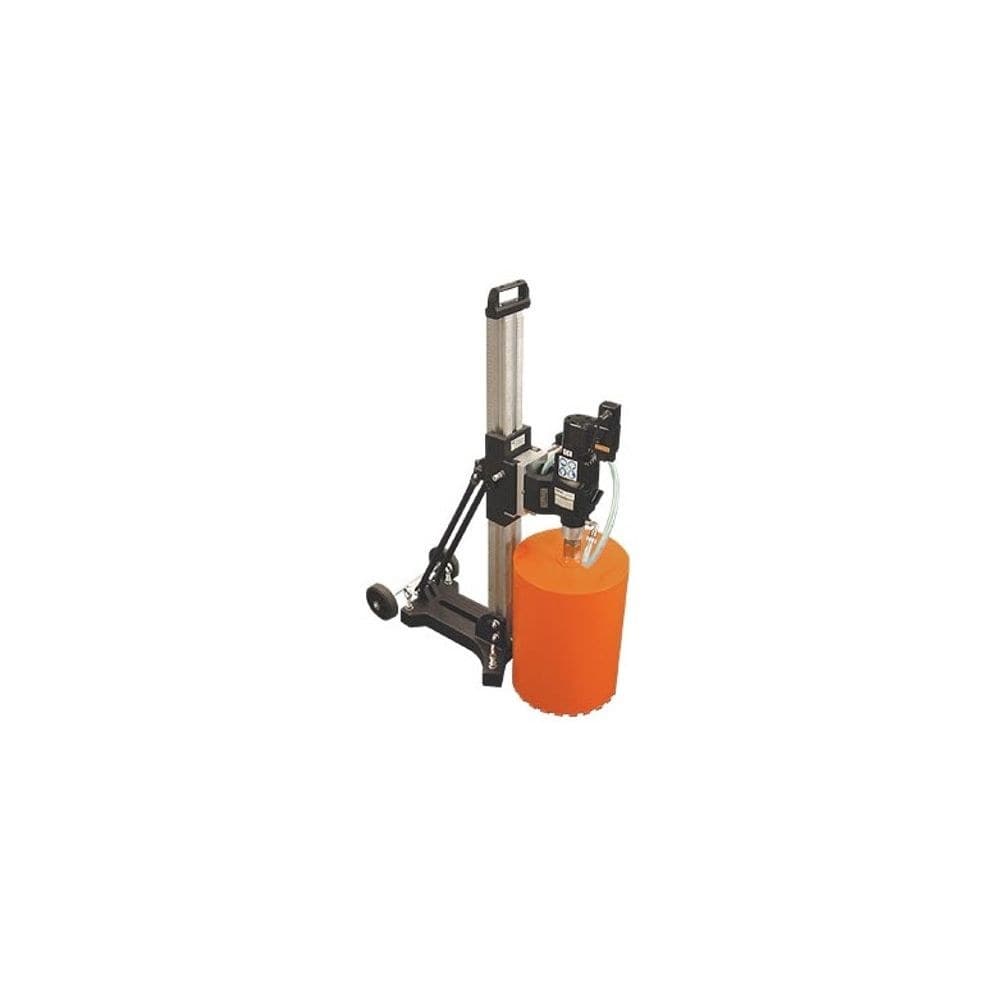 IH-STN-WDStanley Hydraulic Wrenches & DrillsStanley Infrastructure
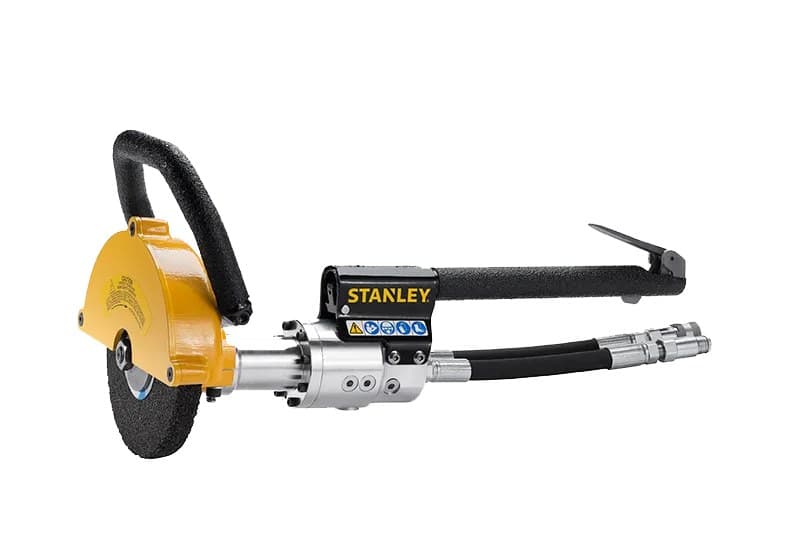 IH-STN-GStanley Hydraulic GrindersStanley Infrastructure
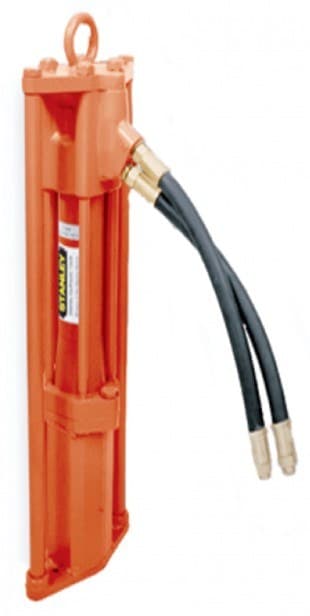 IH-STN-RMTStanley Hydraulic Rail Maintenance ToolsStanley Infrastructure
- IH-STN-HTStanley Hydraulic Braze Units, Pumps, Fans and Other ToolsStanley Infrastructure