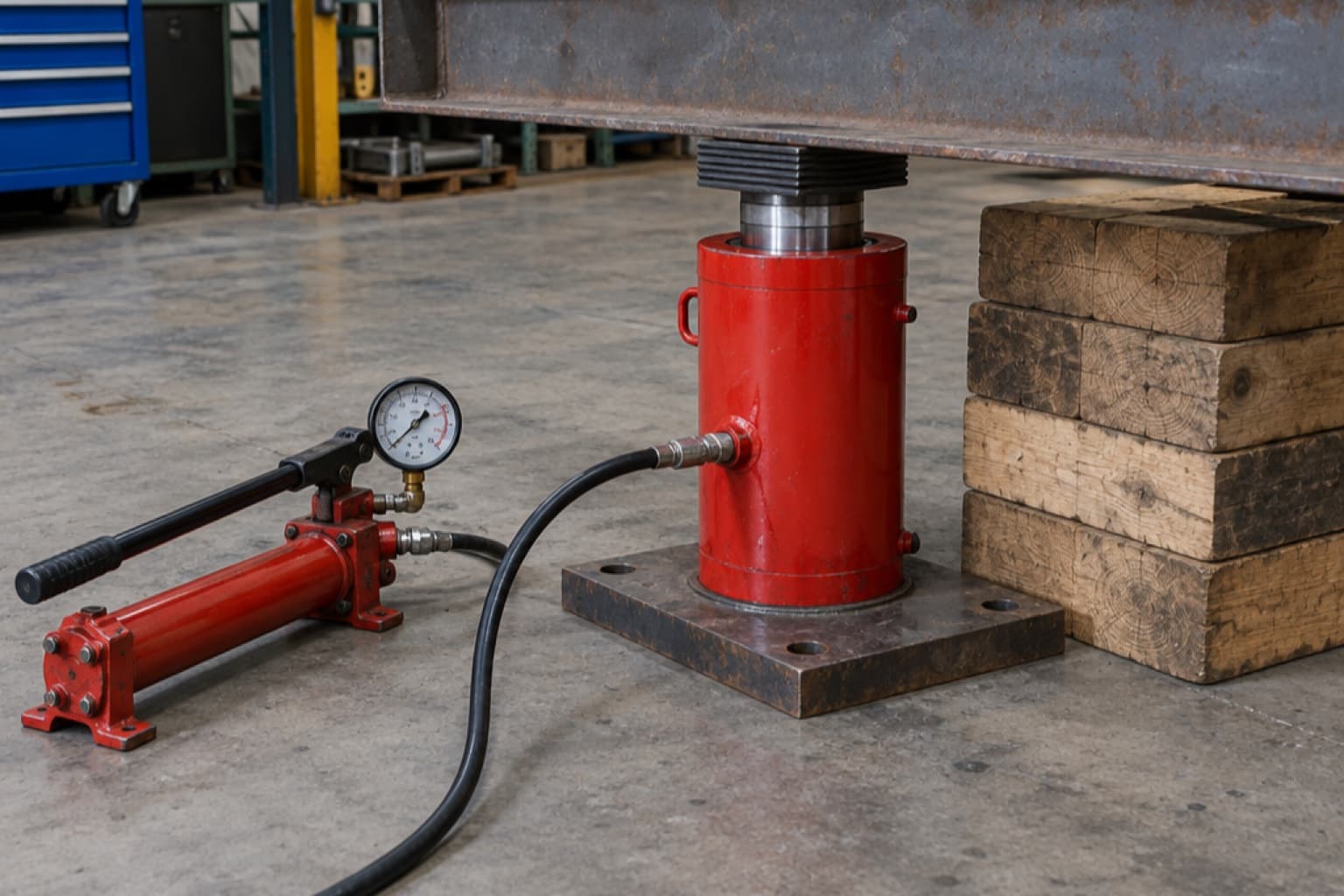
Industrial hydraulics mostly runs at 2,000–5,000 psi. Jacking, pressing, pulling, bending and bolting tools run at 10,000 psi (700 bar), because at that pressure a cylinder small enough to carry by hand can lift a building column or press a bearing off a shaft. The same pressure makes every hose, coupler and gauge in the system part of a safety case. This guide covers choosing the cylinder and the pump as one system, and using them properly.
/01The arithmetic at 10,000 psi.
The rules are the same as for any cylinder — force is pressure × effective area, oil needed is effective area × stroke — but the numbers are larger. Enerpac’s own worked examples:
- An RC-106 has 2.24 in² of effective area; at 8,000 psi it pushes 17,920 lb. To lift 14,000 lb it needs 6,250 psi.
- An RC-256 (5.15 in²) lifting 41,000 lb needs about 7,961 psi.
- Four RC-308 cylinders (6.49 in² each) lifting 180,000 lb share it at about 6,933 psi.
- An RC-158 has 3.14 in² and 8" of stroke: it takes 25.12 in³ of oil to extend fully. An RC-10010 (20.63 in², 10.25") takes 211.46 in³.
Capacities are named by nominal tonnage at 10,000 psi; each cylinder’s actual capacity is on its own data and is often a little above the nominal figure.
/02Cylinder types.
| Series | Type | Capacity | Stroke | Use |
|---|---|---|---|---|
| RCHighlighted | Single-acting, spring return | 5–100 ton | 0.63"–14.25" | General jacking, pushing, pressing |
| RR | Double-acting | 10–500 ton | 2.25"–48" | High-cycle work, controlled retract, pulling |
| RCH / RRH | Hollow plunger, single / double-acting | 12–100 ton (RCH) | 0.31"–6.13" | Pulling and tensioning: bars, cables, pullers |
| RCS | Low height, spring return | 10–100 ton | 1.5"–2.44" | Lifting where clearance is tight |
| LPL | Low height, lock nut, load return | 60–500 ton | 1.77"–1.97" | Lift and hold mechanically |
| RSM | Flat jack, spring return | 5–150 ton | 0.25"–0.63" | Very low clearance: under machines and plates |
| RAC / RAR / RACH / RARH / RACL | Aluminium: single, double, hollow, lock nut | 20–150 ton | 1.97"–9.84" | Where weight matters |
| HCG / HCR / HCL | High tonnage: single, double, lock nut | 50–1,000 ton | 1.97"–11.81" | Heavy lifting, bridge and structure work |
Single-acting or double-acting
Single-acting cylinders return by an internal spring (RC, RCS, RSM) or by the load’s weight (HCG, LPL, HCL). They need one hose and a simple pump valve. Enerpac notes that spring return can be slow on high-capacity, long-stroke cylinders and that load-return cylinders are for intermittent work. Double-acting cylinders (RR, HCR, RAR) are powered back, so retraction is controlled and fast and the cylinder can pull; they need two hoses and a pump with a 4-way valve.
Hollow plunger
A hole through the plunger lets a rod, cable or puller screw pass through the cylinder, so it can pull as well as push: tensioning anchor bolts and cables, pulling bearings and gears with a puller set, testing anchors.
Lock-nut
A threaded collar on the plunger is run down against the cylinder body once the load is raised, holding it mechanically with the hydraulic pressure released. It is the right cylinder for any load that must stay up for more than a moment. The HCL range also withstands 10% side load up to 90% of stroke.
Aluminium
Aluminium cylinders are far lighter than steel ones — useful when a cylinder has to be carried up a structure — but Enerpac rates them for about 5,000 cycles at recommended pressure; steel has the longer fatigue life. Use aluminium for portability, steel for repetitive work.
Finish
For outdoor and corrosive environments — a jetty, a coastal plant, a Gulf site — Enerpac recommends nitrocarburised surfaces, which its high-tonnage lock-nut cylinders carry as standard.
/03Pumps.
Hand pumps
A two-speed hand pump has a large first stage that moves a lot of oil per stroke at low pressure to bring the cylinder up to the load quickly, and a small second stage that takes over automatically as pressure builds. Enerpac’s P-392 is typical: 0.687 in³ per stroke to 200 psi, then 0.151 in³ per stroke to 10,000 psi, with 55 in³ (about 900 cm³) of usable oil. On an RC-308 (6.49 in²) that is about 9 strokes per inch of travel before the load and 43 strokes per inch under it — fine for occasional lifts, slow for repetitive work.
Air-hydraulic pumps
Driven by workshop or site compressed air, with no electrical supply at the cylinder. The right choice where electrical equipment is unwelcome or unavailable. We stock Enerpac PA, XA, ZA and Turbo II (PACG, PAMG, PARG, PASG, PATG) air pumps, and BVA PA pumps.
Electric pumps
For repetitive work, large cylinders and multiple cylinders. Flow at 700 bar sets the speed under load: Enerpac’s ZE4 delivers 0.82 L/min and the ZE5 1.64 L/min at 700 bar, with 20 L reservoirs on common models. The PU economy and ZU and ZE ranges cover workshop and site duty; the XC is cordless.
Torque wrench and special pumps
Hydraulic torque wrench pumps (ZA4T, ZE4T, ZU4T, LAT) run at 700 bar, with some versions at 800 bar for the wrenches that need it — check the wrench’s rating before connecting. The ZU5 post-tensioning pump and the SFP split-flow pumps serve specialist work: the SFP runs several lifting points from one pump with lifting accuracy of 4% across points, for bridge bearing replacement, machinery moving and skidding.
/04Matching pump to cylinder.
- Oil volume. Add up the effective area × stroke of every cylinder on the pump, and the hoses. The pump’s usable oil must exceed it. The P-392’s 55 in³ will extend one RC-158 (25 in³) but not four RC-308s (214 in³), which need a pump such as the P-462/464 with 462 in³ usable or an electric pump with a large reservoir. Enerpac’s warning applies on the way back too: never return more oil to the reservoir than it can hold.
- Action. Single-acting cylinders need a 3-way valve and one hose; double-acting cylinders a 4-way valve and two hoses.
- Speed. Hand pumps for occasional lifts; air or electric for repetitive work, many cylinders or large volumes.
- Gauge. Always fit a pressure gauge between the pump and the cylinders. Enerpac is explicit that without one, relief settings can be exceeded — and the gauge is how you read the load, since force is pressure × area.
- Couplers and hoses rated for 10,000 psi, never ordinary hydraulic hose.
/05The rules that keep a 700 bar lift safe.
- 80% of load and stroke. Enerpac’s guidance is to use only 80% of a cylinder’s rated load and stroke. Most loads are not lifted on their true centre, and off-centre loading puts side load on the plunger; running to full stroke drives the bearing into the stop ring.
- Always use a saddle, in full contact with the load. It protects the plunger thread and stops the plunger end mushrooming. Tilt saddles take up a few degrees of misalignment. Never rely on the plunger thread to carry the load.
- Fully supported base — flat, clean and debris-free, on a base plate where the ground is soft.
- Do not exceed rated stroke. To go higher, block the load, raise the cylinder on a support and continue.
- Never weld on or modify a cylinder.
- Hand-pump technique: short strokes as the handle stiffens; close the release valve finger-tight only; never extend the handle.
- Check the standard. Enerpac states its cylinders comply with ASME B30.1, the safety standard for jacks and industrial rollers.
Choosing a 10,000 psi cylinder
IfGeneral lift or push, occasional use?
RC single-acting, spring return.
IH-ENE-CYL-RCIfRepetitive work, controlled retract, or pulling?
RR double-acting with a 4-way valve pump.
IH-ENE-CYL-RRIfPulling a bar, cable or puller through the cylinder?
RCH or RRH hollow plunger.
IH-ENE-CYL-RCHIfVery little clearance under the load?
RCS low height or RSM flat jack.
IH-ENE-CYL-RCSIfLoad must stay up?
Lock-nut cylinder — LPL, RACL or HCL.
IH-ENE-CYL-HCLIfCylinder carried by hand up a structure?
Aluminium RAC or RAR — for intermittent use.
IH-ENE-CYL-RACIfHundreds of tonnes?
High tonnage HCG or HCR, usually with a synchronised pump.
IH-ENE-CYL-HCG
Common questions
- How much can a 10,000 psi cylinder lift?
- Its effective area × 10,000 psi. A cylinder with 6.49 in² pushes about 65,000 lbf, about 32 short tons — which is why it is sold as a 30-ton cylinder. Use only 80% of the rated load in practice.
- What is the difference between single and double-acting jacking cylinders?
- Single-acting cylinders are pushed out hydraulically and returned by a spring or the load. Double-acting cylinders are powered both ways, so retraction is fast and controlled and they can pull; they need a 4-way valve.
- What is a hollow plunger cylinder for?
- Pulling and tensioning. A rod or cable passes through the hole in the plunger, so the cylinder can tension anchor bolts and cables or drive a puller.
- How do I size a pump for a hydraulic cylinder?
- Add the oil volume of every cylinder (effective area × stroke) and the hoses. The pump’s usable oil must exceed it. Then choose hand, air or electric for the speed and frequency of the work.
- Can I leave a load on a hydraulic jack?
- Not without mechanical support. A hydraulic cylinder is a lifting device, not a holding device. Crib or block the load, or use a lock-nut cylinder with the nut run down.
- Why do I need a gauge on a hand pump?
- Because the gauge is the only way to see the pressure — and so the load — and to avoid exceeding the cylinder’s rating or the relief setting.
- Are aluminium cylinders as strong as steel?
- They carry the same rated load but have a shorter fatigue life — Enerpac rates aluminium at about 5,000 cycles at recommended pressure. Use them where weight matters, steel for repetitive work.
What we list
Every 10,000 psi cylinder, pump and fitting in the range:
- Enerpac Cylinder Accessories
- Enerpac HCG-Series High-Tonnage Cylinders
- Enerpac HCL-Series Lock Nut Cylinders
- Enerpac HCR-Series High-Tonnage Cylinders
- Enerpac LPL-Series Low Height Lock-Nut Cylinders
- Enerpac RAC-Series Single Acting Aluminum Cylinders
- Enerpac RACH-Series Hollow Plunger Aluminum Cylinders
- Enerpac RACL-Series Aluminum Lock Nut Cylinders
- Enerpac RAR-Series Aluminum Cylinders
- Enerpac RARH-Series Aluminum Hollow Plunger Hydraulic Cylinders
- Enerpac RC-Series Single Acting Cylinders
- Enerpac RC-Series Extreme Environment Cylinders
- Enerpac RC-Series Cylinder Repair Kits
- Enerpac RCH-Series Hollow Plunger Cylinders
- Enerpac RCS-Series Low Height Cylinders
- Enerpac RR-Series Double-Acting Cylinders
- Enerpac RRH-Series Hollow Plunger Cylinder
- Enerpac RSM-Series Flat Jack Cylinders
- BVA PA Series Air Hydraulic Pumps
- Enerpac LAT-Series Lightweight Air Hydraulic Torque Wrench Pumps
- Enerpac MP-Series Multifluid Hand Pumps
- Enerpac P-Series Extreme Environment Pumps
- Enerpac P-Series Lightweight Hand Pumps
- Enerpac P-Series Low Pressure Hand Pumps
- Enerpac P-Series Ultima Steel Hand Pumps
- Enerpac P/11-Series Ultra-High Pressure Hand Pumps
- Enerpac PA-Series Air Hydraulic Pumps
- Enerpac PACG-Series Turbo II Air Hydraulic Pumps
- Enerpac PAMG-Series Turbo II Air Hydraulic Pumps
- Enerpac PARG-Series Turbo II Air Hydraulic Pumps
- Enerpac PASG-Series Turbo II Air Hydraulic Pumps
- Enerpac PATG-Series Turbo II Air Hydraulic Pumps
- Enerpac PU-Series Economy Electric Pumps
- Enerpac SFP-Series Electric Split Flow Hydraulic Pumps
- Enerpac XA-Series Air Driven Hydraulic Pumps
- Enerpac XC-Series Cordless Hydraulic Pumps
- Enerpac ZA-Series Air Hydraulic Pumps
- Enerpac ZA4T-Series Air Driven Torque Wrench Pumps
- Enerpac ZE-Series Electric Hydraulic Pumps
- Enerpac ZE4T-Series Electric Torque Wrench Pumps
- Enerpac ZE6-Series Electric Hydraulic Pumps
- Enerpac ZU-Series Electric Pumps
- Enerpac ZU4T-Series Electric Torque Wrench Pumps
- Enerpac ZU5-Series Electric Post Tensioning Hydraulic Pumps
- Enerpac 43-Series Ultra-High-Pressure Fittings & Tubing
- Enerpac Flush-Face Hydraulic Coupler (F-604 Set, Halves)
- Enerpac FZ & BFZ 10,000 psi Hydraulic Fittings
- Enerpac Gauge Adapters & Swivel Gauge Union
- Enerpac High-Flow Hydraulic Coupler (C-604 Set, Halves, Dust Cap)
- Enerpac Hydraulic & Split-Flow Manifolds
- Enerpac Regular Hydraulic Couplers (A-604 / A-630 Sets, Halves)
- Enerpac Spin-On Hydraulic Coupler (T-630 Set, Halves)
- Enerpac 10,000 psi Valves and Air Filter-Regulator
10,000 psi cylinders
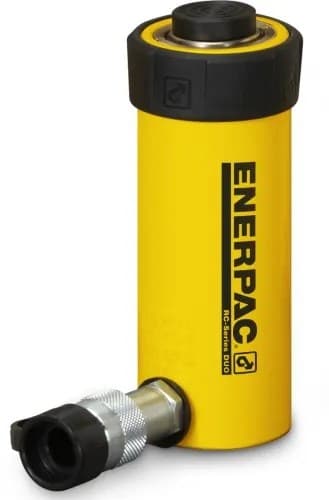 IH-ENE-CYL-RCEnerpac RC-Series Single Acting CylindersEnerpac
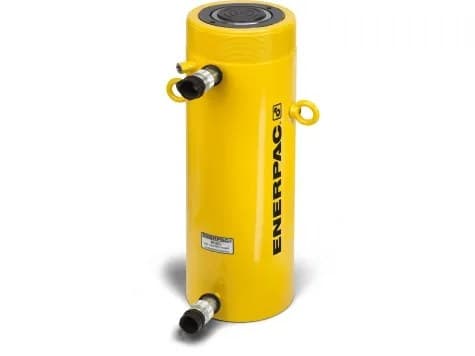 IH-ENE-CYL-RREnerpac RR-Series Double-Acting CylindersEnerpac
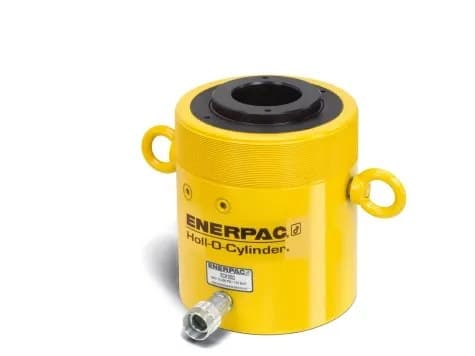 IH-ENE-CYL-RCHEnerpac RCH-Series Hollow Plunger CylindersEnerpac
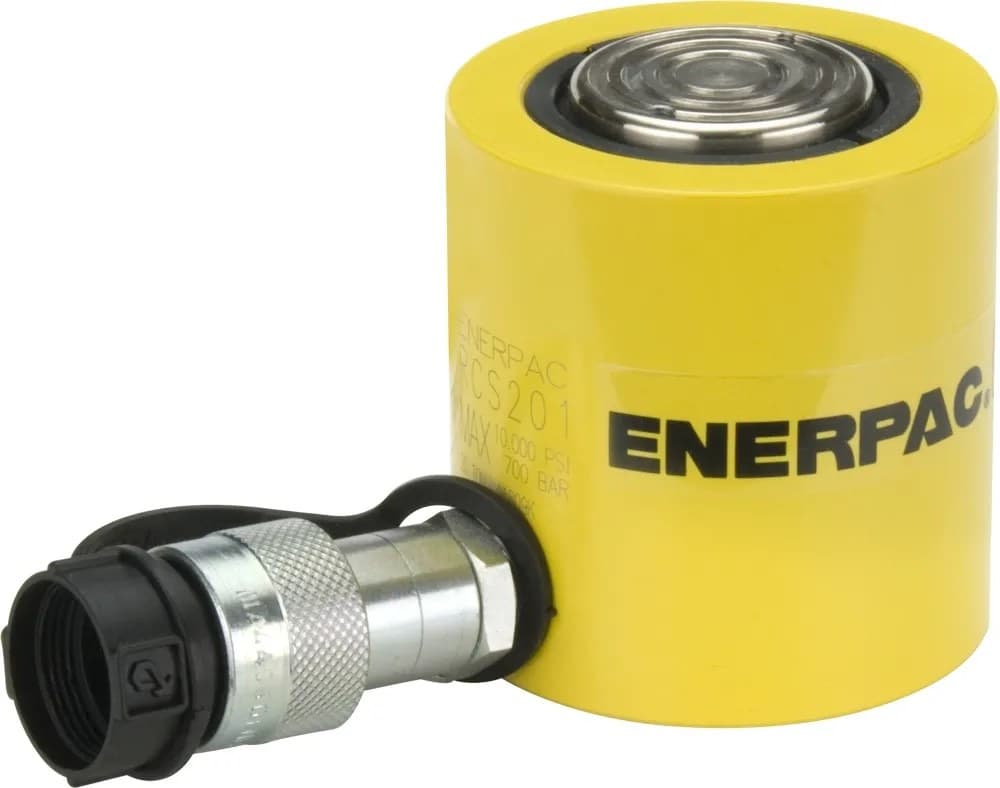 IH-ENE-CYL-RCSEnerpac RCS-Series Low Height CylindersEnerpac
- IH-ENE-CYL-LPLEnerpac LPL-Series Low Height Lock-Nut CylindersEnerpac
- IH-ENE-CYL-RACEnerpac RAC-Series Single Acting Aluminum CylindersEnerpac
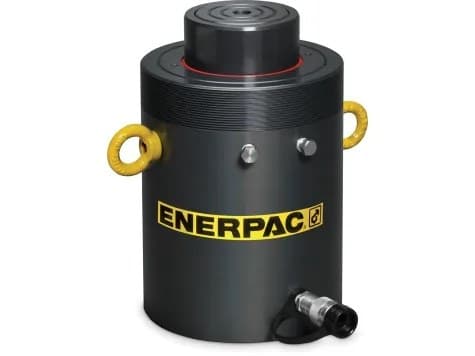 IH-ENE-CYL-HCGEnerpac HCG-Series High-Tonnage CylindersEnerpac
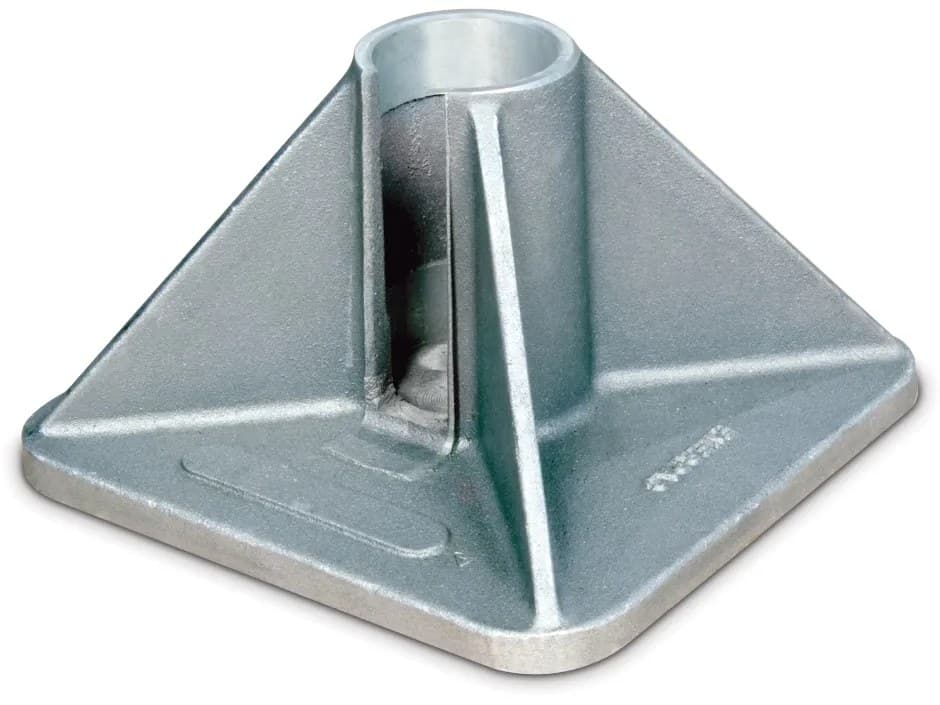 IH-ENE-CYL-ACCEnerpac Cylinder AccessoriesEnerpac
10,000 psi pumps
 IH-ENE-PUMP-P-LIGHTWEIGHTEnerpac P-Series Lightweight Hand PumpsEnerpac
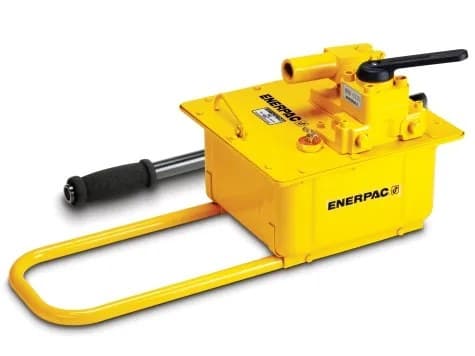 IH-ENE-PUMP-P-ULTIMAEnerpac P-Series Ultima Steel Hand PumpsEnerpac
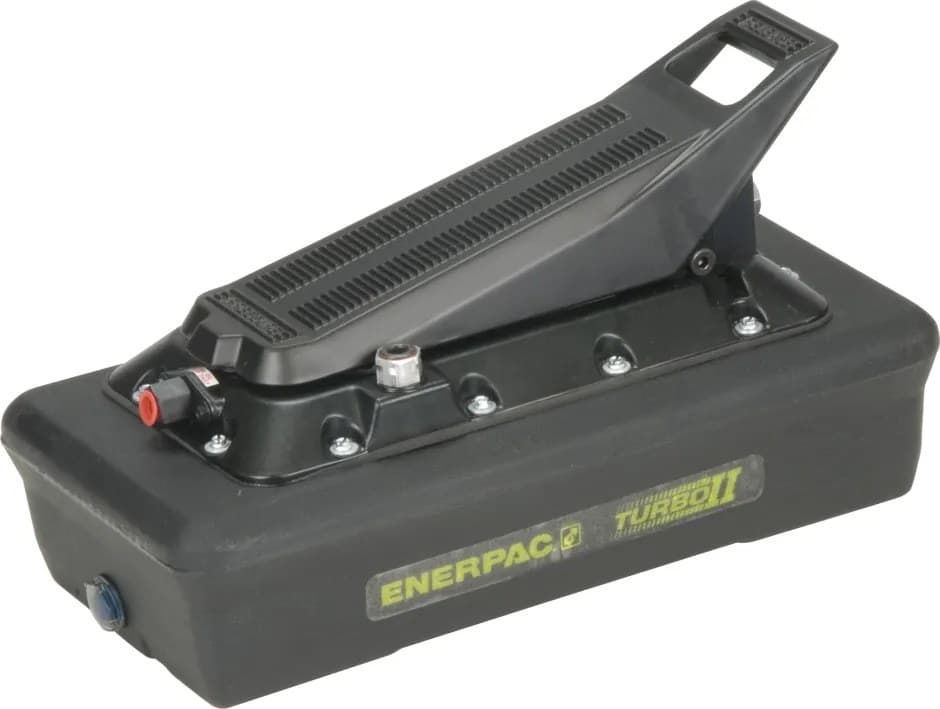 IH-ENE-PUMP-PATGEnerpac PATG-Series Turbo II Air Hydraulic PumpsEnerpac
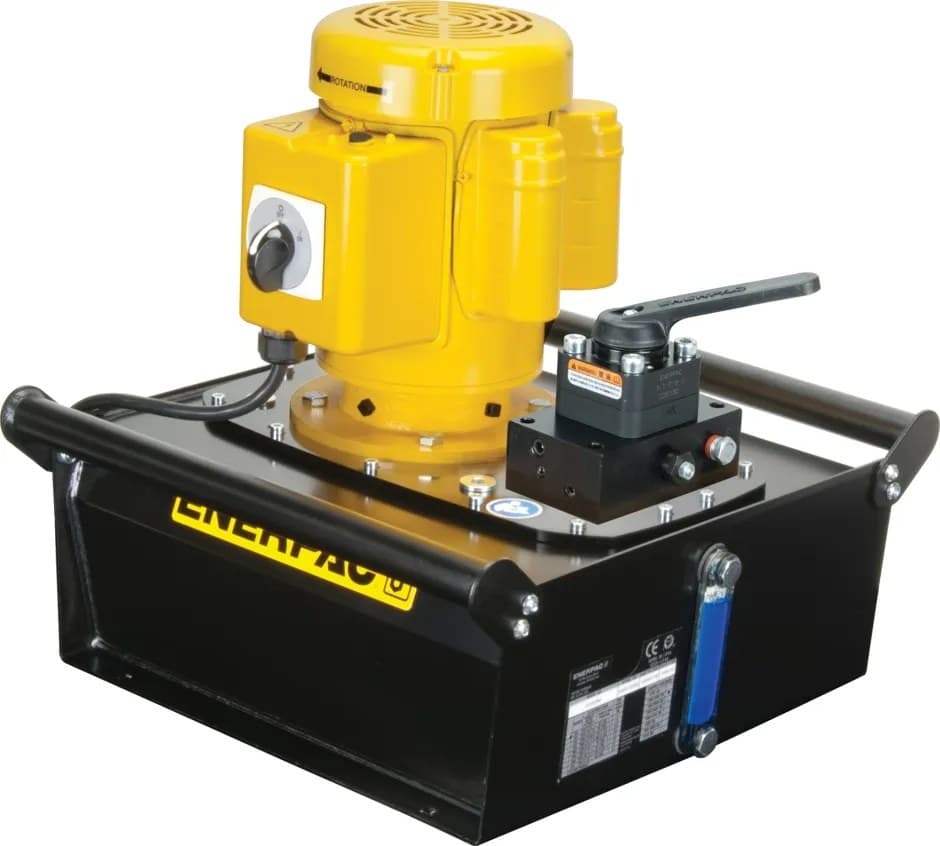 IH-ENE-PUMP-ZEEnerpac ZE-Series Electric Hydraulic PumpsEnerpac
 IH-ENE-PUMP-ZUEnerpac ZU-Series Electric PumpsEnerpac
 IH-ENE-PUMP-XCEnerpac XC-Series Cordless Hydraulic PumpsEnerpac
 IH-ENE-PUMP-SFPEnerpac SFP-Series Electric Split Flow Hydraulic PumpsEnerpac
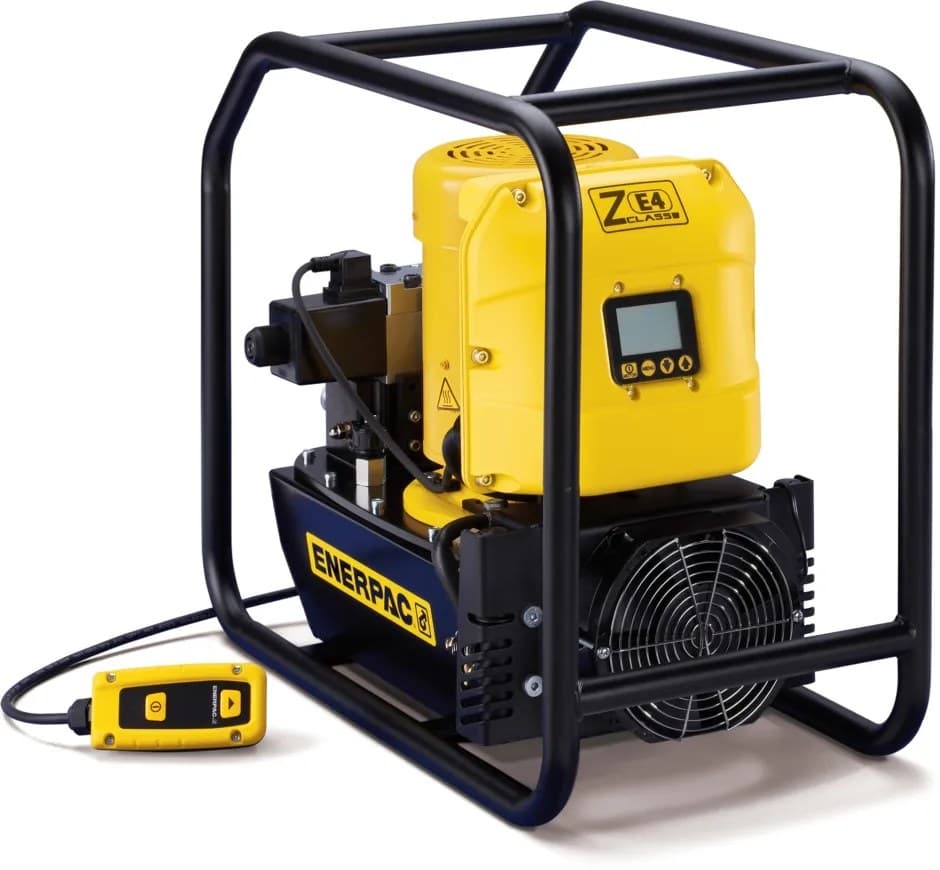 IH-ENE-PUMP-ZE4TEnerpac ZE4T-Series Electric Torque Wrench PumpsEnerpac