Skip to content

Grade 80 Chain Fittings

45 SKUs

Showing 1–45 of 45 SKUs

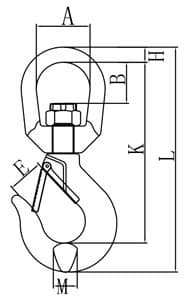
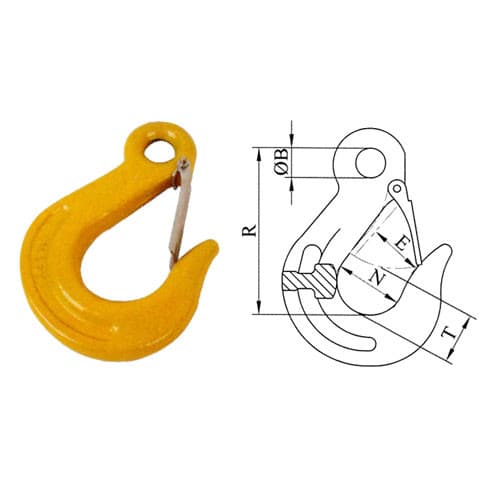
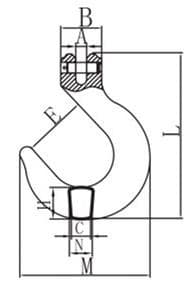
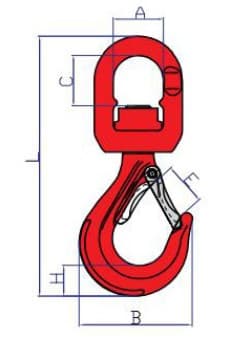
Yellow Grade 80 eye sling hook, beside its dimension drawing

Grade 80 Eye Sling Hook — 3,500–18,100 lbs WLL

Alloy steel (Grade 80)1/4″ to 5/8″
Inquire
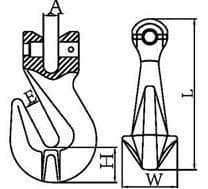
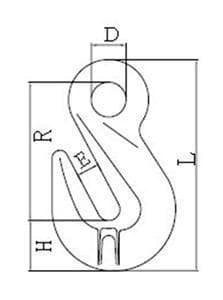
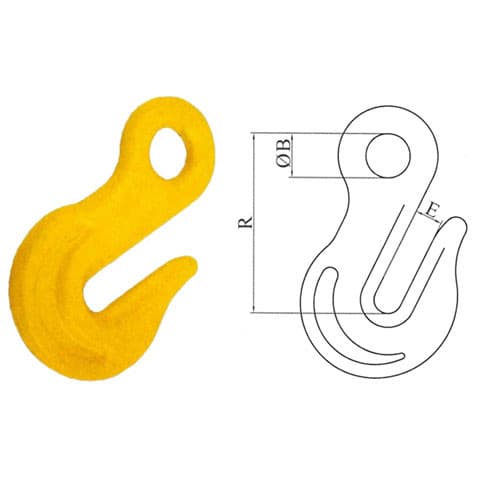
Yellow Grade 80 eye grab hook, narrow chain throat, beside its dimension drawing

Grade 80 Eye Grab Hook — 3,500–34,200 lbs WLL

Alloy steel (Grade 80)3,500 to 34,200 lbs
Inquire
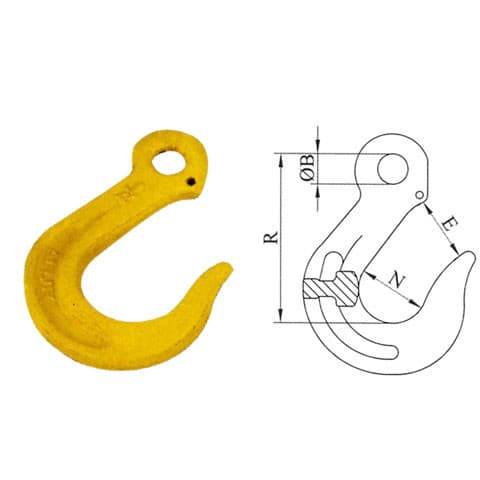
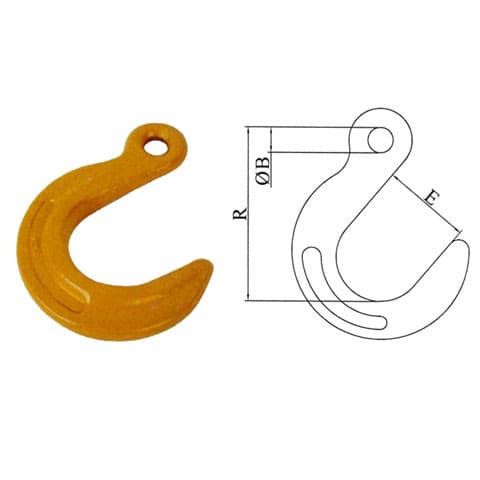
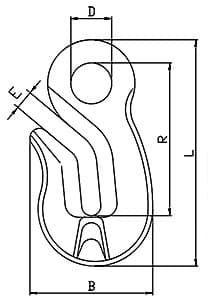
Yellow Grade 80 eye foundry hook, wide open throat, beside its dimension drawing

Grade 80 Eye Foundry Hook — 1.12–15 t WLL

Alloy steel (Grade 80)9/32″ (1/4″) to 22 mm
Inquire
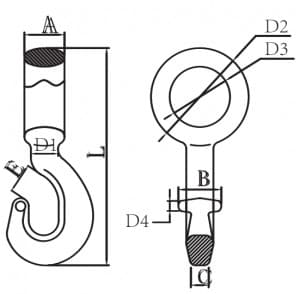
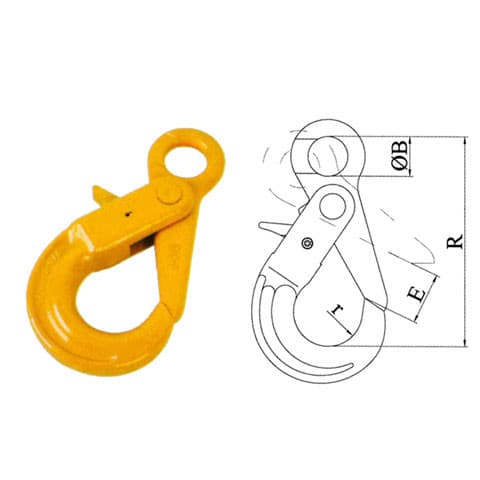
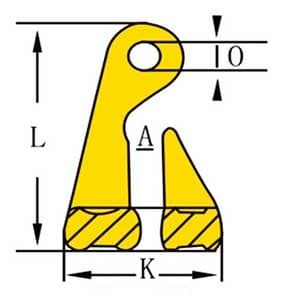
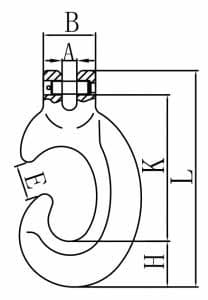
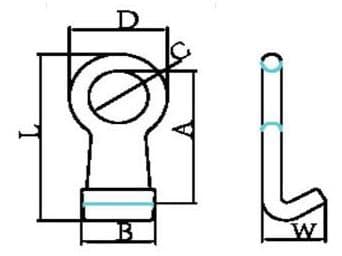
Grade 80 Eye Bend Hook — dimension drawing

Grade 80 Eye Bend Hook — 5/16–1/2″

Powder coated / hot dip galvanized / galvanized5/16″ to 1/2″
Inquire
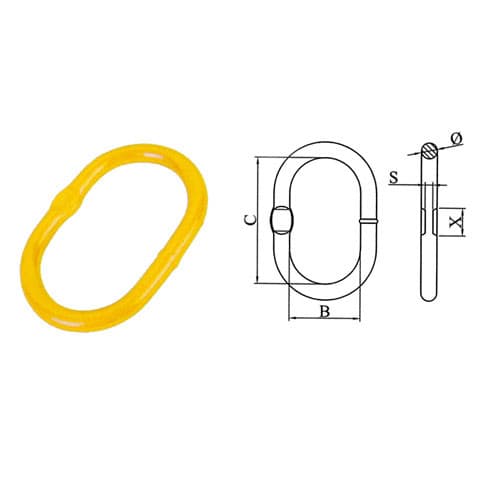
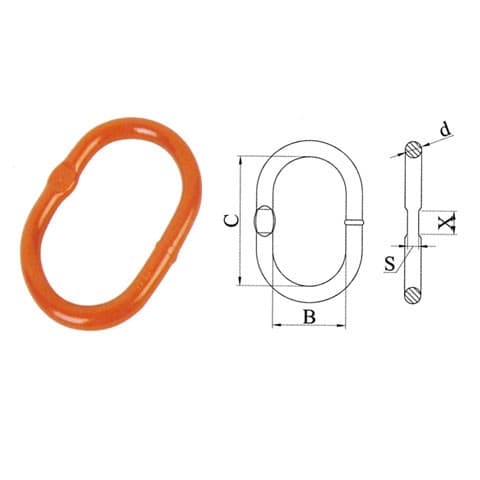
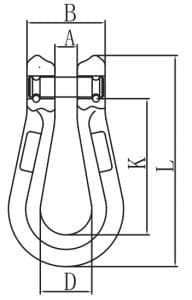
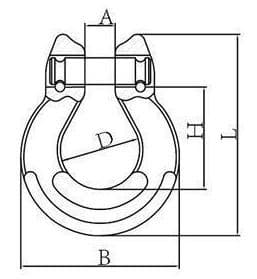
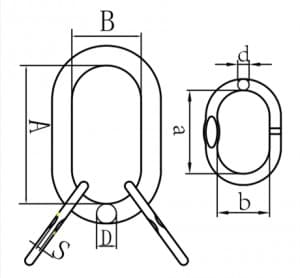
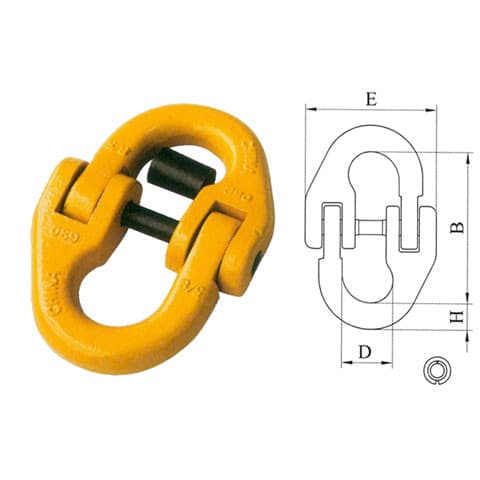
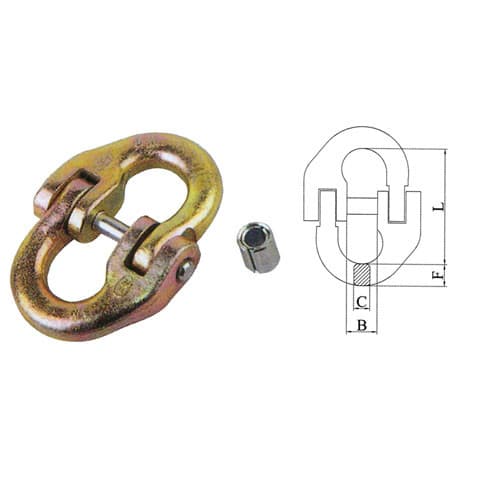
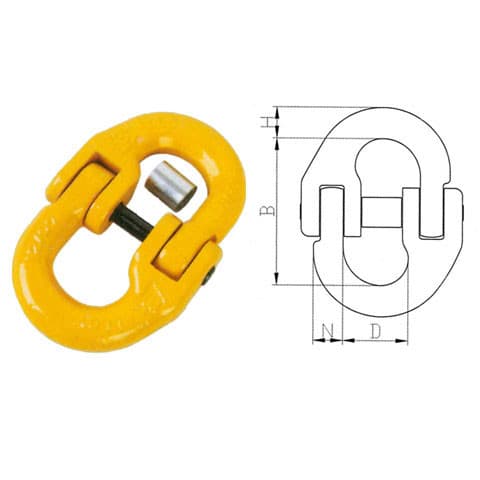
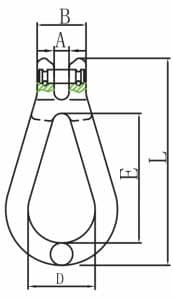
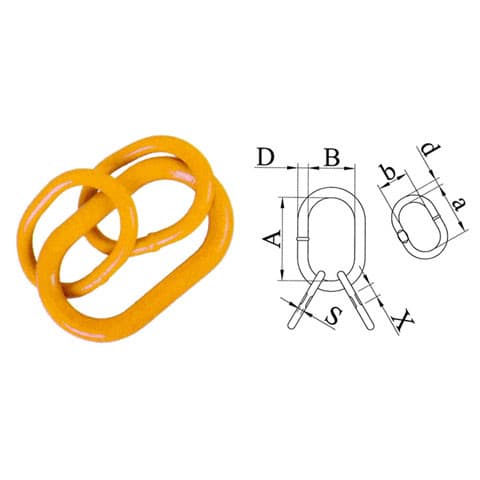
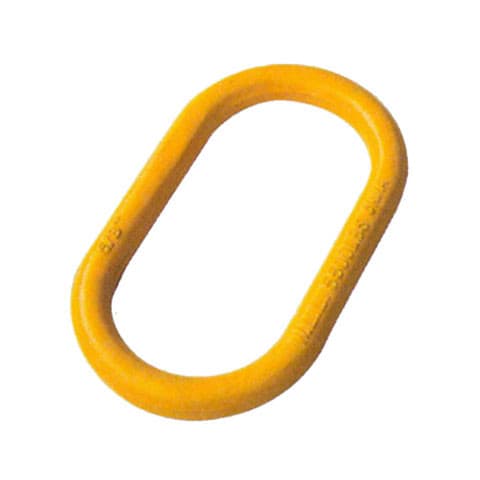
Yellow Grade 80 US-type connecting link (Hammerlok style), beside its drawing

Grade 80 Connecting Link — US Type, 3,500–72,300 lbs WLL

7 mm (9/32″ (1/4″)) to 32 mm (1-1/4″)3,500 to 72,300 lbs
Inquire
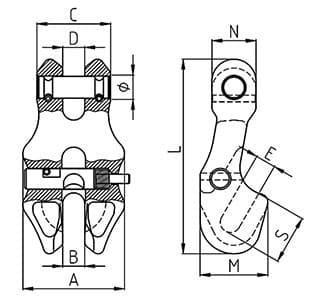
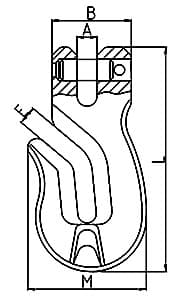
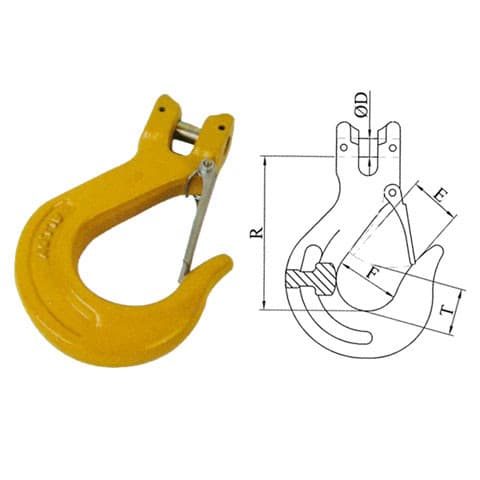
Yellow Grade 80 clevis sling hook, beside its dimension drawing

Grade 80 Clevis Sling Hook — 3,500–18,100 lbs WLL

Alloy steel (Grade 80)3,500 to 18,100 lbs
Inquire
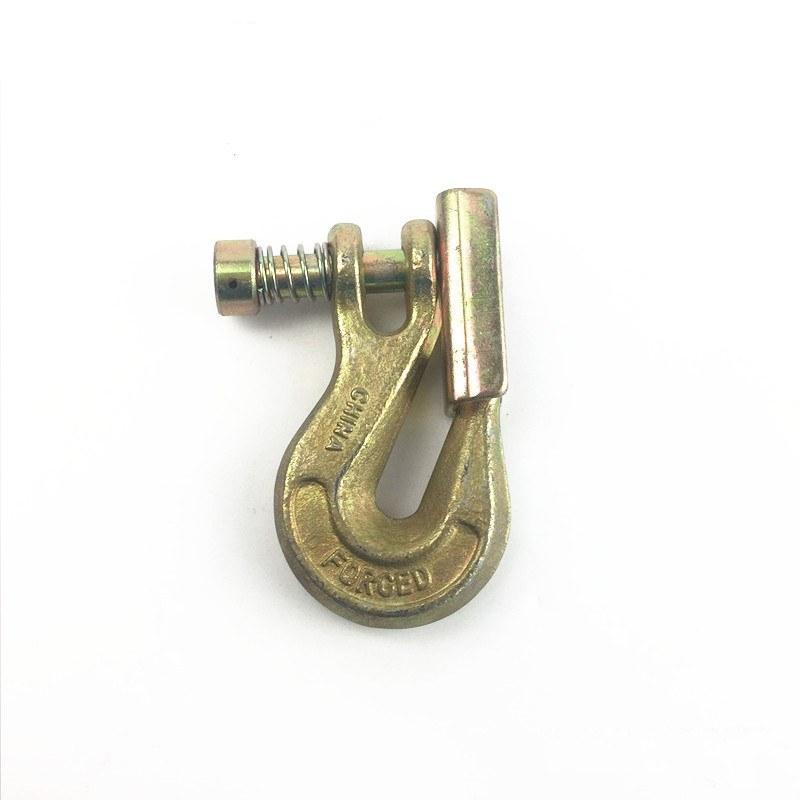
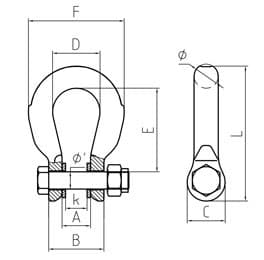
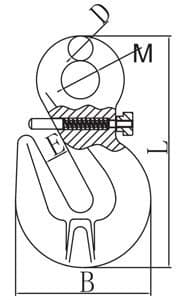
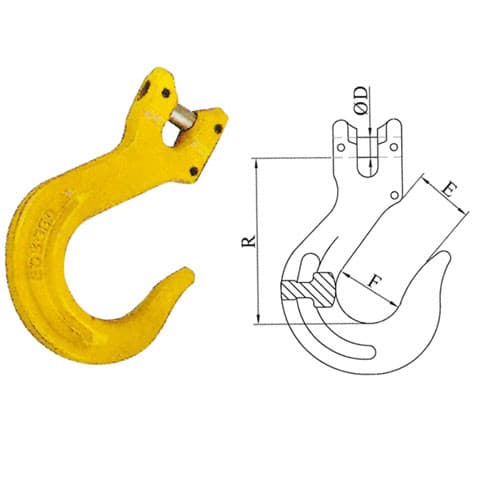
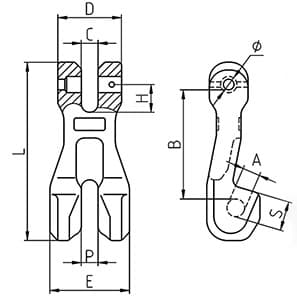
Yellow Grade 80 clevis grab hook with clevis pin

Grade 80 Clevis Grab Hook — 3,500–28,300 lbs WLL

3,500 to 28,300 lbsAlloy steel (Grade 80)
Inquire

Questions we get asked

About this range

01Can I mix Grade 80 chain with Grade 100 fittings?
A chain sling is rated by its weakest component, so a mixed assembly takes the lower grade's rating. Match the fittings to the chain grade and size.
02Do the parts come with test certificates?
Yes. Each consignment ships with the manufacturer's test certificate. If your site needs more — third-party certification or witnessed proof testing — say so on the RFQ and we will confirm what we can arrange.
03Should I choose a clevis or an eye fitting?
Choose a clevis fitting to pin directly onto the chain, or an eye fitting where you want to join it to the chain or a master link with a connecting link. A clevis fitting has no extra component in the load path and gives a shorter, neater sling. An eye fitting is useful for swapping hooks or joining to something a clevis pin cannot reach, such as a wire rope sling eye. Both must be the same grade and sized for the chain.
04What is the difference between a sling hook, a grab hook and a foundry hook?
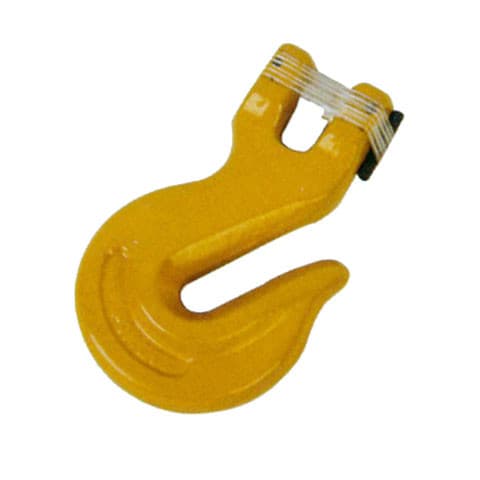
A sling hook has a wide throat to take a lifting point or a sling eye, a grab hook has a narrow slot that grips a chain link to shorten or choke a leg, and a foundry hook has a wide, open throat with no latch. Foundry hooks are for handling moulds and ladles where a latch would foul. Some manufacturers derate a leg shortened on a grab hook without a cradle or support, so check the size table before relying on full WLL.
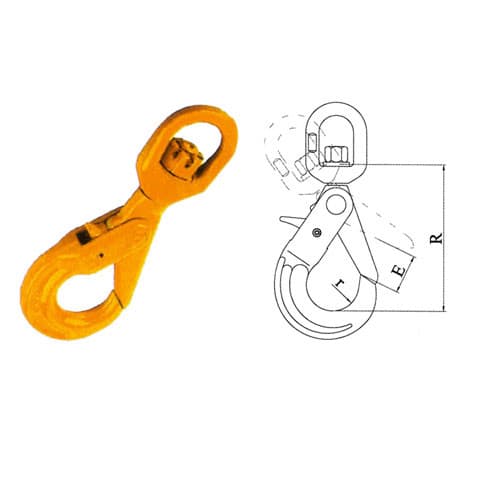
05When do I need a self-locking or positive locking hook rather than a latch hook?
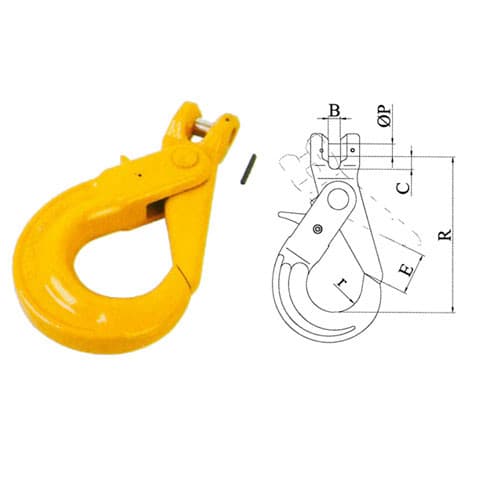
Use a self-locking or positive locking hook where the sling could go slack or the load could shift and lift the eye out of the hook. On a standard sling hook the spring latch only keeps a slack sling in place; it is not a load-bearing part. A self-locking hook closes and locks under load and opens only when the operator releases it, which suits lifts where the rigger cannot see the hook or the load may snag.
06Can Grade 80 fittings be welded, heated or ground?
No. Grade 80 fittings get their strength from quenching and tempering, and welding, heating or grinding can destroy it without any visible sign. Do not weld lugs to a hook, straighten a bent fitting with heat or grind out a nick unless the manufacturer's instructions allow it. A fitting that has been exposed to welding arcs, heat or chemical attack should be removed from service and examined.