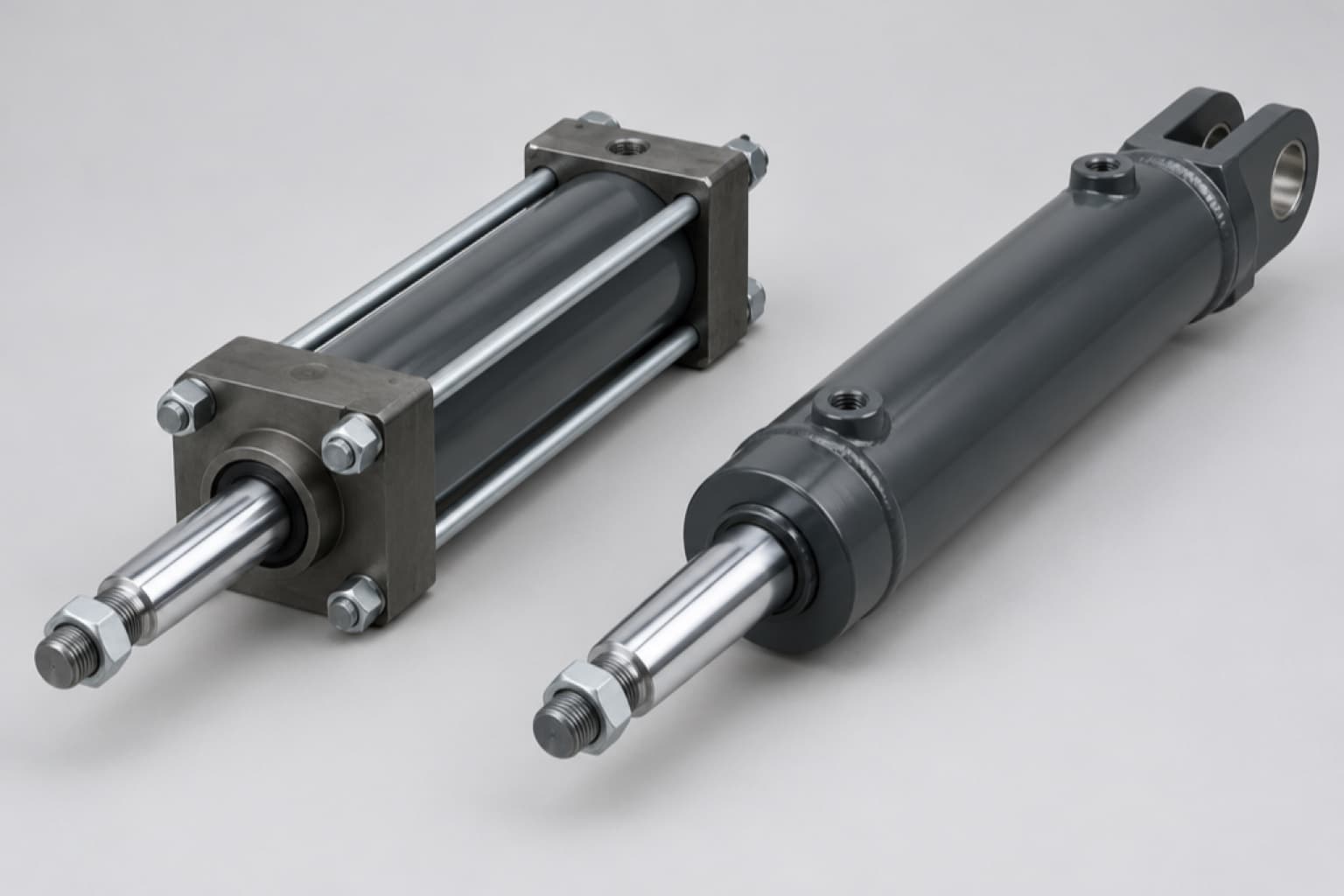
Put the two side by side and the difference is obvious: one has four steel rods running its full length outside the barrel, the other is a plain tube with ends that look forged into it. The choice between them is less about strength than about where the cylinder lives, how it is mounted, and who will have to take it apart when the seals go.
/01How each one is built.
Tie-rod
A square head and a square cap sit on the ends of a honed tube. Four (on large bores, more) high-tensile tie rods pass outside the tube through the corners of both end blocks and are tensioned with nuts, clamping the ends against the tube and its static seals. Mounting features — flanges, clevises, trunnions, side lugs, or simply extended tie rods — are machined into or bolted onto the end blocks. Undo the nuts and the cylinder comes apart into its pieces.
Welded
The cap — usually carrying the mount, a clevis, cross tube, tang or pin eye — is welded directly to the barrel. At the other end, the gland that carries the rod seal, wiper and rod bearing is threaded into the barrel or held by a wire ring or snap ring. There are no external rods, so the outside diameter is not much more than the barrel, and the mounts are integral rather than bolted on.
A third family, mill-type cylinders, uses heavy bolted flanges instead of tie rods: very robust, serviceable, and used in steel mills and heavy presses.
| Feature | Tie-rod | Welded |
|---|---|---|
| How the ends are held | Clamped by external tensioned tie rods | Cap welded to barrel; gland threaded or ring-retained |
| Envelope for a given boreHighlighted | Larger — square ends and rods outside the tube | Smaller — close to the barrel diameter |
| Interchange standard | NFPA (inch), ISO 6020-2 160 bar and ISO 6022 250 bar (metric) | Mostly maker-specific; agricultural sizes follow common patterns |
| Typical home | Presses, machine tools, fixed plant, factory automation | Mobile, agricultural, construction, trucks, lifts, log splitters |
| Field abuse | Tie rods can be bent or stretched by impact | Fewer exposed parts; tolerates mud, knocks and washdown |
| Rebuild | Undo nuts, slide apart, reseal on a bench | Gland must be unscrewed or ring removed; often needs a spanner wrench and care |
| Mounting options | Wide catalogue of standard mounts on the end blocks | Integral mounts — clevis, cross tube, tang, pin eye, swivel eye |
/02The standards behind tie-rod cylinders.
Tie-rod cylinders’ biggest advantage is interchangeability. In inch sizes, the North American industrial pattern follows NFPA dimensions, so a cylinder from one maker fits the mounting holes, rod thread and envelope of another. In metric sizes there are two ISO series:
- ISO 6020-2 — compact series, 160 bar nominal pressure. The Rexroth CDT3 cylinders we stock are built to it: the 100/70 × 500 mm foot-mounted cylinder is rated 160 bar nominal and 210 bar maximum for static loads only.
- ISO 6022 — heavy-duty series, 250 bar nominal, for higher forces in a stronger envelope.
Those standards fix mounting dimensions, rod-end threads and envelope. They do not make every maker’s seals, cushions or rod finishes the same — two “ISO 6020-2” cylinders will bolt into the same place but are not identical inside.
Welded cylinders have nothing equivalent across the whole market. Agricultural cylinders come closest: the clevis, pin and stroke patterns used on tractors and implements are common enough that welded ag-clevis cylinders from different makers often interchange. Our welded listings (Bailey, Chief, Magister, Maxim) are grouped by mount so that matching on bore, rod, stroke, closed length and pin is direct.
/03Pressure and strength.
It is often said that welded cylinders are rated higher than tie-rod ones. That is a generalisation about the markets, not the construction. Mobile welded cylinders are commonly rated 2,500–3,500 psi — our Magister welded range is rated 3,500 psi — and inch tie-rod cylinders for industrial use are commonly rated around 3,000 psi for hydraulic service. Metric tie-rod cylinders are 160 bar (about 2,300 psi) to ISO 6020-2 or 250 bar (about 3,600 psi) to ISO 6022.
What limits a long cylinder of either type is not pressure but buckling. Our 3" bore welded cross-tube and tie-rod listings both quote 21,200 lbs at short strokes — the full push at 3,000 psi — and fall to around 3,200–3,300 lbs at 60" of stroke. Same bore, both constructions, same physics. See cylinder force and speed for the buckling arithmetic.
Where the constructions do differ is in how they fail under abuse. A tie-rod cylinder overloaded in pressure can stretch its tie rods and leak at the end seals; one struck from the side can bend a tie rod. A welded cylinder has no such external members, which is one reason it is preferred where a machine works among rocks, logs and other machines.
/04Size, weight and side load.
For the same bore and stroke, a welded cylinder is narrower and usually lighter, because it has no square end blocks and no rods running outside the tube. On a loader arm, a steering link or a scissor lift, where the cylinder sits inside a structure, that compactness is often the deciding factor.
Neither construction tolerates side load well. A cylinder is a column, not a beam; side load wears the gland bearing and the piston wear ring on one side, scores the rod and barrel, and eventually lets the seals leak. Pivot mounts at both ends — clevis to clevis, cross tube to cross tube — let a cylinder align itself with its load, which is why mobile welded cylinders almost always use them. See mounting styles.
/05Repair and rebuild.
A tie-rod cylinder is the easier one to reseal: support it, undo the tie-rod nuts evenly, slide off the head, withdraw the rod and piston, replace the seals, and reassemble with the tie rods torqued to the maker’s figure in a cross pattern. Uneven torque distorts the end seals and the cylinder will weep at the barrel joint.
A welded cylinder needs the gland out first. Threaded glands are removed with a spanner wrench and can be stubborn after years of corrosion; ring-retained glands are pushed in slightly to release the ring. Once the gland is out the job is the same. Heat is sometimes used to free a seized gland — keep it away from seals you intend to reuse and from the barrel’s honed bore.
Either way, a cylinder is worth resealing when the barrel bore and the rod chrome are undamaged. If the rod is pitted, scored or bent, or the barrel is scored, a new cylinder is often cheaper than re-chroming and honing — especially for the common welded sizes, which are stock items.
/06How to tell which one you have, and what to order.
- External rods running end to end, with nuts at one or both ends: tie-rod.
- Plain tube with a welded cap and a round gland at the rod end, often with spanner holes or a retaining ring: welded.
- Large bolted flanges at both ends of a thick barrel: mill-type.
For a tie-rod replacement, the standard and the mount code are the shortcut: an NFPA or ISO 6020-2 mount code plus bore, rod, stroke and rod-end thread identifies the cylinder. For a welded replacement, measure bore, rod, stroke, retracted length (pin centre to pin centre), mount type and pin diameter at each end, port type and size. Those six numbers find the right stock cylinder far faster than a photograph of a worn-off nameplate.
Which construction?
IfMobile, agricultural, construction or truck equipment?
Welded. Compact, tough, with integral pivot mounts.
IfFixed plant, press, machine tool or automation line?
Tie-rod. Standard mounts, bench-serviceable, easy to source to the same envelope.
IfReplacing a cylinder built to NFPA or ISO 6020/6022?
Tie-rod to the same standard and mount code — it will drop into the existing mounts.
IfHeavy mill or press duty with large bores and shock?
Mill-type or heavy-duty ISO 6022, sized by the maker.
IfCylinder lives in mud, rock or washdown?
Welded, with a good wiper and rod boot where the rod is exposed.
Common questions
- What is the difference between a welded and a tie-rod cylinder?
- A tie-rod cylinder holds its ends on with external tensioned rods and comes apart by undoing nuts. A welded cylinder has its cap welded to the barrel and a threaded or ring-retained gland, so it is more compact and robust but harder to strip.
- Which is stronger, welded or tie-rod?
- Neither in general. Each is rated by its maker for pressure, and long strokes on both are limited by rod buckling. Welded cylinders tolerate impact and mud better because they have no exposed tie rods.
- What does NFPA mean on a cylinder?
- That its mounting dimensions follow the National Fluid Power Association pattern used for inch-size industrial tie-rod cylinders, so a cylinder from another NFPA maker fits the same mounts.
- What is the difference between ISO 6020-2 and ISO 6022?
- Both are metric tie-rod cylinder standards. ISO 6020-2 is the compact 160 bar series; ISO 6022 is the heavier 250 bar series. Same idea, different envelope and pressure.
- Can a welded cylinder be rebuilt?
- Yes. The gland is unscrewed or its retaining ring released, the rod and piston withdrawn and the seals replaced. It is worth doing when the rod chrome and barrel bore are undamaged.
- Why do tie-rod cylinders leak at the ends?
- Usually uneven or lost tie-rod torque, which lets the end blocks lift off their static seals, or tie rods stretched by an overpressure. Retorque in a cross pattern to the maker’s figure, or replace stretched rods.
What we list
Every welded and tie-rod cylinder in the range:
- Bailey Welded Ag Clevis Hydraulic Cylinder, 2.5" Bore
- Bailey Welded Clevis Hydraulic Cylinder, 2.5" Bore
- Bailey Welded Clevis Hydraulic Cylinder, 3" Bore
- Bailey Welded Clevis Hydraulic Cylinder, 3.5" Bore
- Bailey Welded Clevis Hydraulic Cylinder, 4" Bore
- Bailey Welded Cross Tube Hydraulic Cylinder, 1.5" Bore
- Bailey Welded Cross Tube Hydraulic Cylinder, 2" Bore
- Bailey Welded Cross Tube Hydraulic Cylinder, 2.5" Bore
- Bailey Welded Cross Tube Hydraulic Cylinder, 3" Bore
- Bailey Welded Cross Tube Hydraulic Cylinder, 3.5" Bore
- Bailey Welded Cross Tube Hydraulic Cylinder, 5" Bore
- Bailey Welded Swivel Eye Hydraulic Cylinder, 1" Bore
- Chief Welded Ag Clevis Hydraulic Cylinder, 2" Bore
- Chief Welded Ag Clevis Hydraulic Cylinder, 2.5" Bore
- Chief Welded Ag Clevis Hydraulic Cylinder, 3" Bore
- Chief Welded Ag Clevis Hydraulic Cylinder, 3.5" Bore
- Chief Welded Ag Clevis Hydraulic Cylinder, 4" Bore
- Chief Welded Clevis Hydraulic Cylinder, 1.5" Bore
- Chief Welded Clevis Hydraulic Cylinder, 2" Bore
- Chief Welded Clevis Hydraulic Cylinder, 2.5" Bore
- Chief Welded Clevis Hydraulic Cylinder, 3" Bore
- Chief Welded Clevis Hydraulic Cylinder, 3.5" Bore
- Chief Welded Clevis Hydraulic Cylinder, 4" Bore
- Chief Welded Cross Tube Hydraulic Cylinder, 1.5" Bore
- Chief Welded Cross Tube Hydraulic Cylinder, 2" Bore
- Chief Welded Cross Tube Hydraulic Cylinder, 2.5" Bore
- Chief Welded Cross Tube Hydraulic Cylinder, 3" Bore
- Chief Welded Cross Tube Hydraulic Cylinder, 3.5" Bore
- Chief Welded Cross Tube Hydraulic Cylinder, 4" Bore
- Chief Welded Cross Tube Hydraulic Cylinder, 5" Bore
- Chief Welded Cross Tube Hydraulic Cylinder, 6" Bore
- Chief Welded Cross Tube Hydraulic Cylinder, 8" Bore
- Chief Welded Tang Hydraulic Cylinder, 2" Bore
- Chief Welded Tang Hydraulic Cylinder, 2.5" Bore
- Chief Welded Tang Hydraulic Cylinder, 3" Bore
- Chief Welded Tang Hydraulic Cylinder, 3.5" Bore
- Chief Welded Tang Hydraulic Cylinder, 4" Bore
- Magister WBCN Welded Ag Clevis Hydraulic Cylinder, 2" Bore
- Magister WBCN Welded Ag Clevis Hydraulic Cylinder, 2.5" Bore
- Magister WBCN Welded Ag Clevis Hydraulic Cylinder, 3" Bore
- Magister WBCN Welded Ag Clevis Hydraulic Cylinder, 3.5" Bore
- Magister WBCN Welded Ag Clevis Hydraulic Cylinder, 4" Bore
- Magister WCLN Welded Clevis Hydraulic Cylinder, 2" Bore
- Magister WCLN Welded Clevis Hydraulic Cylinder, 2.5" Bore
- Magister WCLN Welded Clevis Hydraulic Cylinder, 3" Bore
- Magister WCLN Welded Clevis Hydraulic Cylinder, 3.5" Bore
- Magister WCLN Welded Clevis Hydraulic Cylinder, 4" Bore
- Magister WCTN Welded Cross Tube Hydraulic Cylinder, 1.5" Bore
- Magister WCTN Welded Cross Tube Hydraulic Cylinder, 2" Bore
- Magister WCTN Welded Cross Tube Hydraulic Cylinder, 2.5" Bore
- Magister WCTN Welded Cross Tube Hydraulic Cylinder, 3" Bore
- Magister WCTN Welded Cross Tube Hydraulic Cylinder, 3.5" Bore
- Magister WCTN Welded Cross Tube Hydraulic Cylinder, 4" Bore
- Magister WCTN Welded Cross Tube Hydraulic Cylinder, 5" Bore
- Magister WCTN Welded Cross Tube Hydraulic Cylinder, 6" Bore
- Magister WPEN Welded Pin Eye Hydraulic Cylinder, 2" Bore
- Magister WPEN Welded Pin Eye Hydraulic Cylinder, 2.5" Bore
- Magister WPEN Welded Pin Eye Hydraulic Cylinder, 3" Bore
- Magister WPEN Welded Pin Eye Hydraulic Cylinder, 3.5" Bore
- Magister WPEN Welded Pin Eye Hydraulic Cylinder, 4" Bore
- Magister WSEN Welded Swivel Eye Hydraulic Cylinder, 2" Bore
- Magister WSEN Welded Swivel Eye Hydraulic Cylinder, 2.5" Bore
- Magister WTGN Welded Tang Hydraulic Cylinder, 1.5" Bore
- Magister WTGN Welded Tang Hydraulic Cylinder, 2" Bore
- Magister WTGN Welded Tang Hydraulic Cylinder, 2.5" Bore
- Magister WTGN Welded Tang Hydraulic Cylinder, 3" Bore
- Magister WUCN Welded Tang Hydraulic Cylinder, 2.5" Bore
- Magister WUCN Welded Universal Hydraulic Cylinder, 2" Bore
- Magister WUCN Welded Universal Hydraulic Cylinder, 2.5" Bore
- Magister WUCN Welded Universal Hydraulic Cylinder, All Bores
- Maxim Welded Ag Clevis Hydraulic Cylinder, 4" Bore
- Maxim Welded Clevis Hydraulic Cylinder, 2" Bore
- Maxim Welded Clevis Hydraulic Cylinder, 2.5" Bore
- Maxim Welded Clevis Hydraulic Cylinder, 3" Bore
- Maxim Welded Clevis Hydraulic Cylinder, 3.5" Bore
- Maxim Welded Clevis Hydraulic Cylinder, 4" Bore
- Maxim Welded Cross Tube Hydraulic Cylinder, 1.5" Bore
- Maxim Welded Cross Tube Hydraulic Cylinder, 2" Bore
- Maxim Welded Cross Tube Hydraulic Cylinder, 2.5" Bore
- Maxim Welded Cross Tube Hydraulic Cylinder, 3" Bore
- Maxim Welded Cross Tube Hydraulic Cylinder, 3.5" Bore
- Maxim Welded Cross Tube Hydraulic Cylinder, 4" Bore
- Maxim Welded Cross Tube Hydraulic Cylinder, 5" Bore
- Maxim Welded Cross Tube Hydraulic Cylinder, 6" Bore
- Maxim Welded Cross Tube Hydraulic Cylinder, 8" Bore
- Maxim Welded Swivel Eye Hydraulic Cylinder, 1" Bore
- Maxim Welded Swivel Eye Hydraulic Cylinder, 1.5" Bore
- Maxim Welded Swivel Eye Hydraulic Cylinder, 2" Bore
- Maxim Welded Swivel Eye Hydraulic Cylinder, 2.5" Bore
- Maxim Welded Swivel Eye Hydraulic Cylinder, 3" Bore
- Bailey Tie-Rod Hydraulic Cylinder, 2.5" Bore
- Bailey Tie-Rod Hydraulic Cylinder, 3.5" Bore
- Bailey Tie-Rod Hydraulic Cylinder, 4" Bore
- Bailey Tie-Rod Hydraulic Cylinder, 5" Bore
- Chief Tie-Rod Hydraulic Cylinder, 2" Bore
- Chief Tie-Rod Hydraulic Cylinder, 2.5" Bore
- Chief Tie-Rod Hydraulic Cylinder, 3" Bore
- Chief Tie-Rod Hydraulic Cylinder, 3.5" Bore
- Chief Tie-Rod Hydraulic Cylinder, 4" Bore
- Chief Tie-Rod Hydraulic Cylinder, 5" Bore
- Magister TRCN Tie-Rod Hydraulic Cylinder, 2" Bore
- Magister TRCN Tie-Rod Hydraulic Cylinder, 2.5" Bore
- Magister TRCN Tie-Rod Hydraulic Cylinder, 3" Bore
- Maxim Tie-Rod Hydraulic Cylinder, 2" Bore
- Maxim Tie-Rod Hydraulic Cylinder, 2.5" Bore
- Maxim Tie-Rod Hydraulic Cylinder, 3" Bore
- Maxim Tie-Rod Hydraulic Cylinder, 3.5" Bore
- Maxim Tie-Rod Hydraulic Cylinder, 4" Bore
Tie-rod and welded cylinders
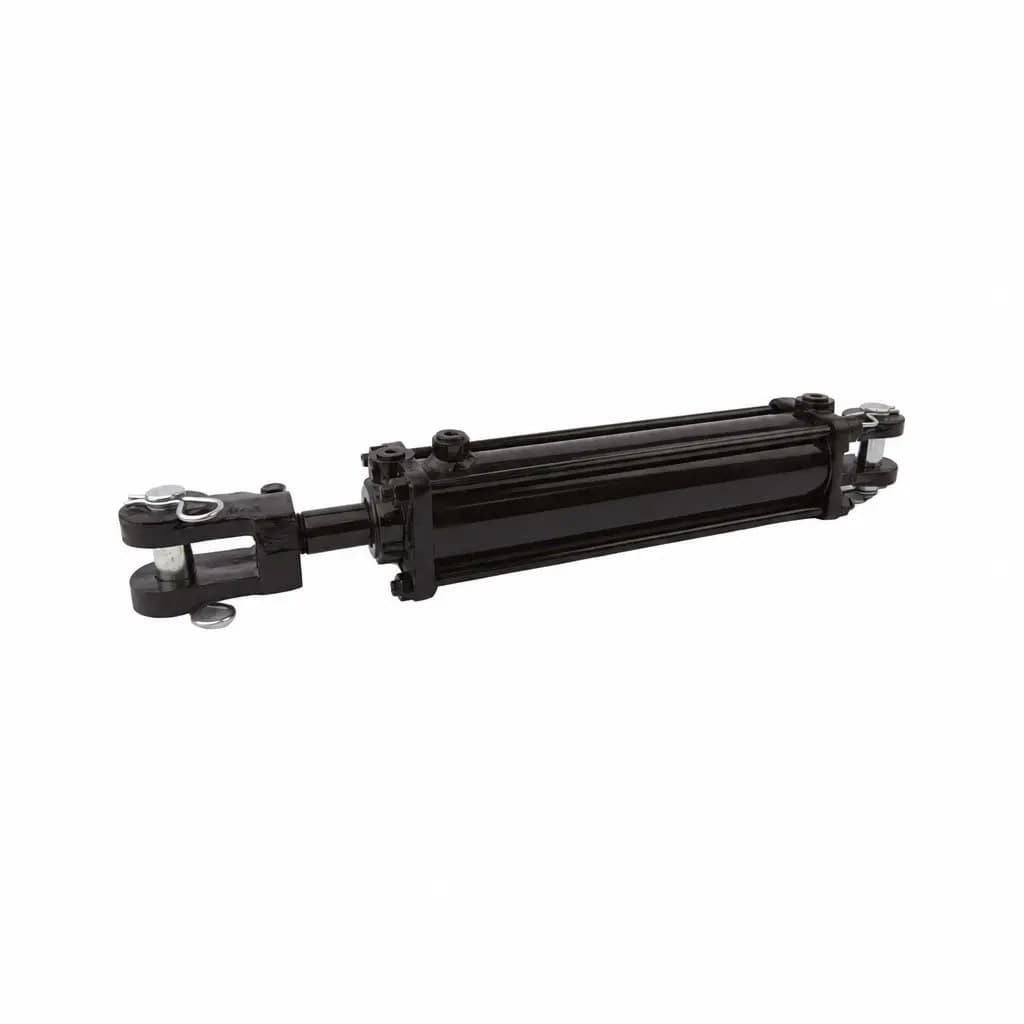 IH-CHF-TR-3Chief Tie-Rod Hydraulic Cylinder, 3" BoreChief
 IH-BLY-TR-4Bailey Tie-Rod Hydraulic Cylinder, 4" BoreBailey International
 IH-MAX-TR-25Maxim Tie-Rod Hydraulic Cylinder, 2.5" BoreMaxim
- IH-CYL-63-45-200Rexroth CDT3 Tie-Rod Cylinder 63/45 × 200 mm, Clevis Mounting MP1 (ISO 6020-2)Bosch Rexroth
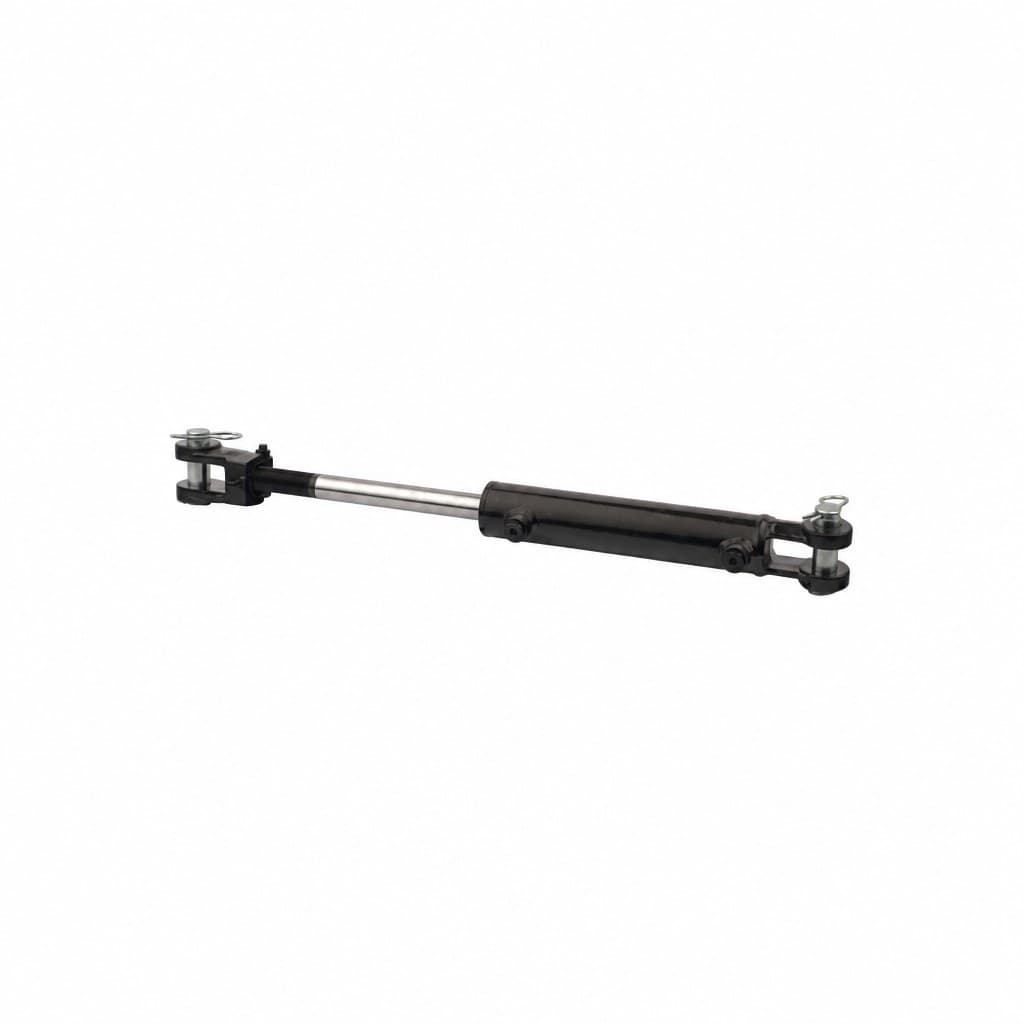 IH-CHF-CL-3Chief Welded Clevis Hydraulic Cylinder, 3" BoreChief
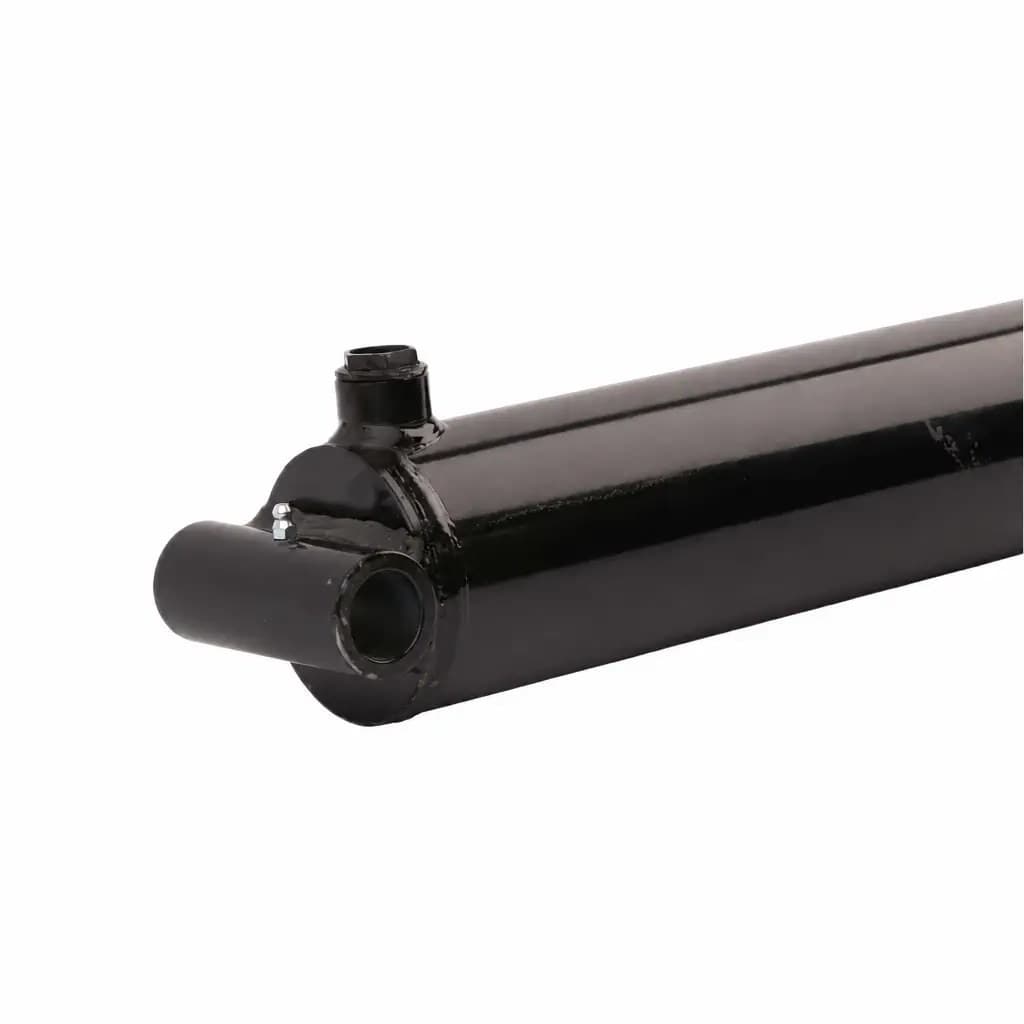 IH-MAG-WCTN-CT-3Magister WCTN Welded Cross Tube Hydraulic Cylinder, 3" BoreMagister Hydraulics
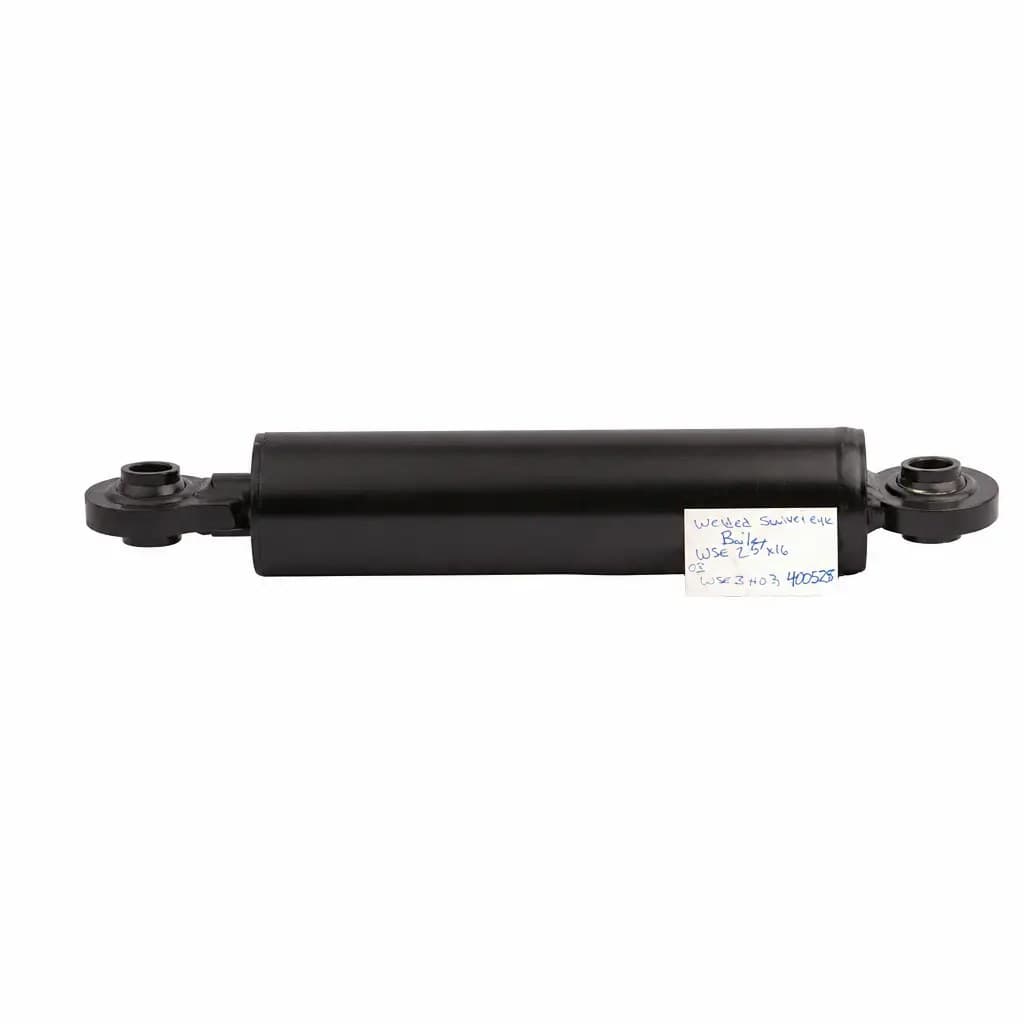 IH-MAX-SE-2Maxim Welded Swivel Eye Hydraulic Cylinder, 2" BoreMaxim
 IH-BLY-AGC-25Bailey Welded Ag Clevis Hydraulic Cylinder, 2.5" BoreBailey International