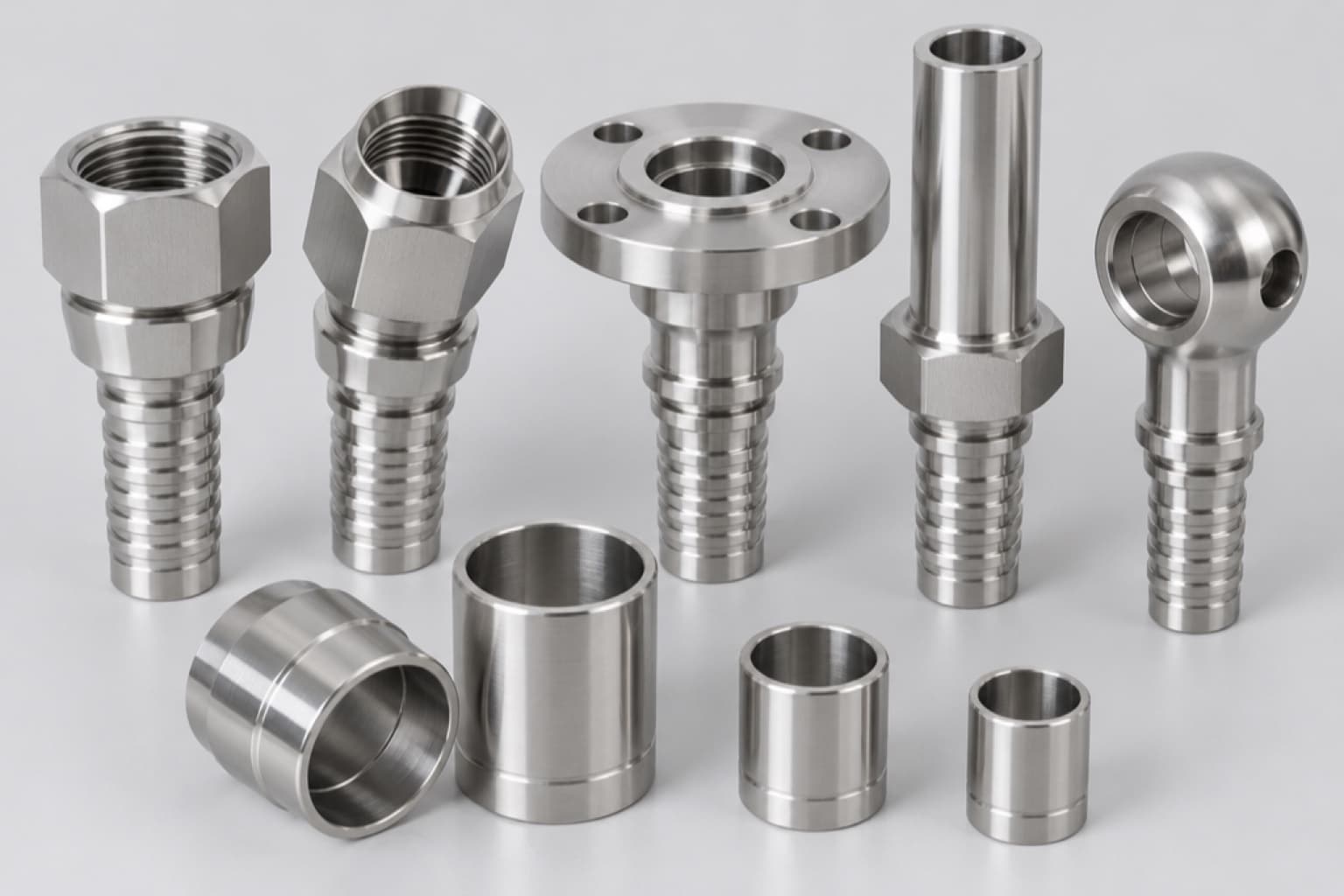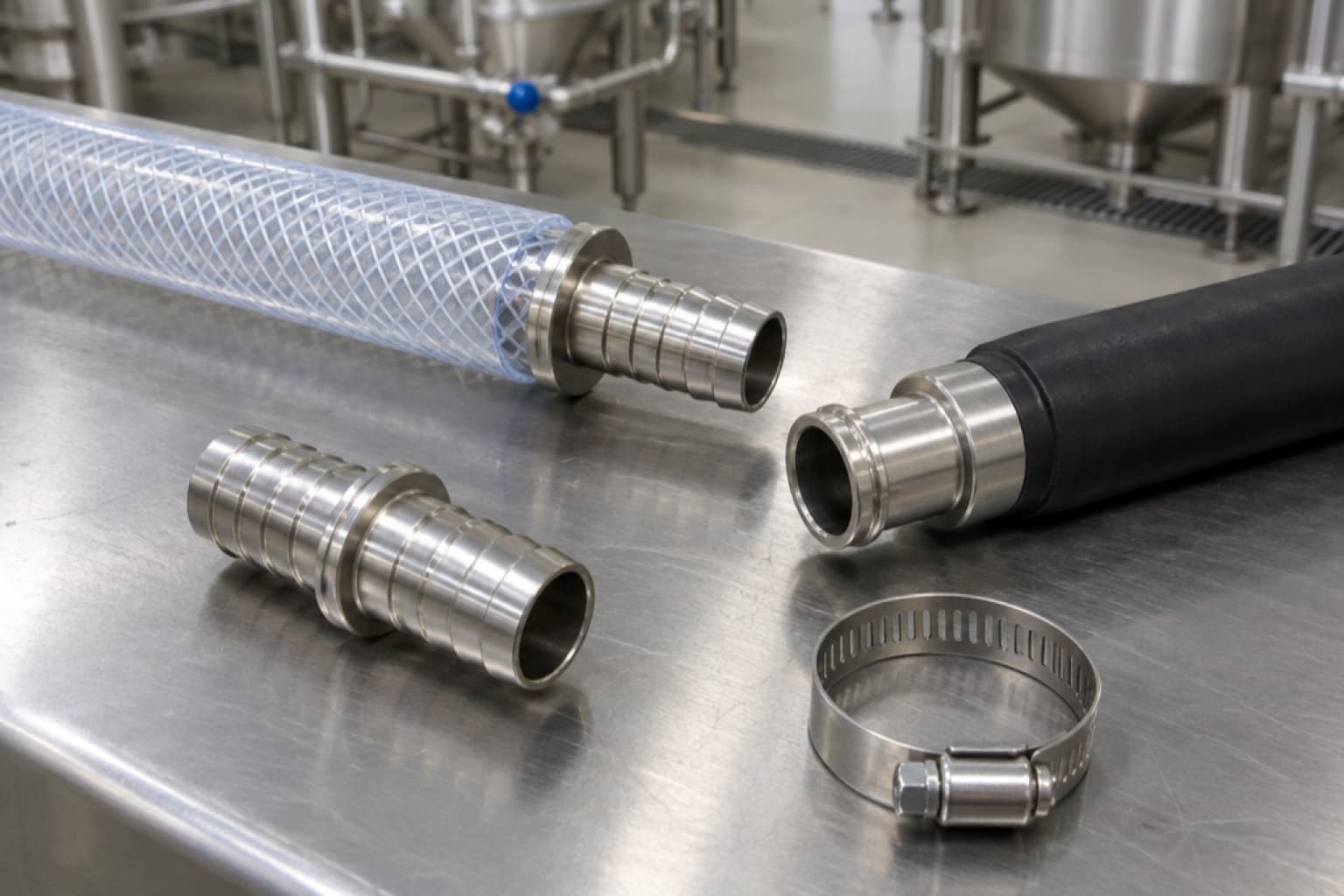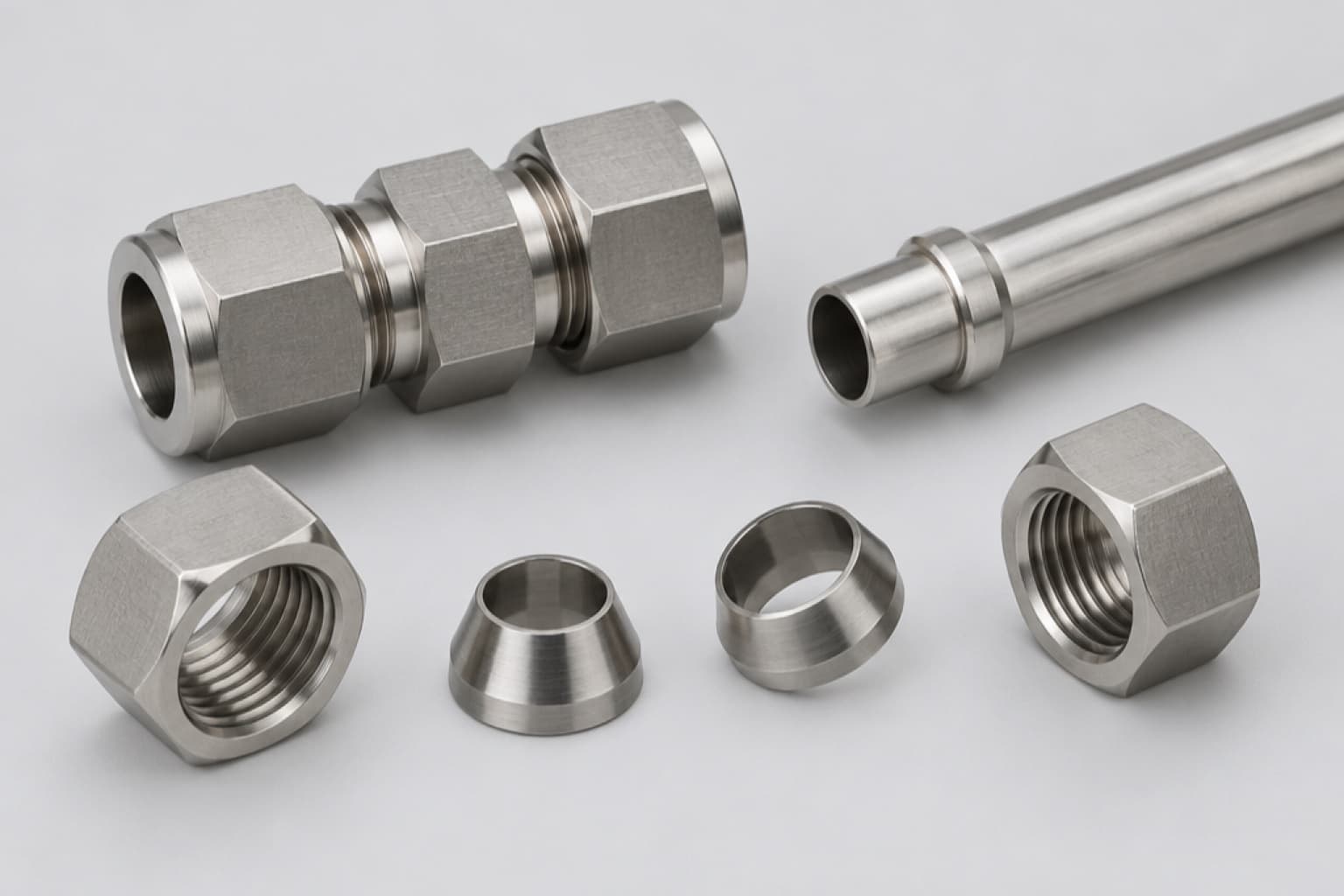
European machinery and most offshore hydraulics are built on the 24° cone cutting-ring fitting: plain metric tube, a ring, a nut and a body, with no flaring and no welding. In carbon steel it is forgiving. In stainless it is not — the tube is harder, the ring must bite deeper, and the rating drops. This guide covers the standard, the series, what stainless changes, and the inch flareless fittings often confused with it.
/01DIN 2353 and ISO 8434-1.
The cutting-ring fitting began as DIN 2353, and Parker describes its EO range as made to DIN 2353, "which today is represented by international standard 8434-1". ISO 8434-1 (DIN EN ISO 8434-1) is now the main standard. DIN 2353 has not simply disappeared, though: its 1991 edition was withdrawn, but DIN 2353:2013 is current and covers the complete fittings with DIN 3852 stud ends that ISO 8434-1 does not contain. "DIN 2353" on a drawing and "ISO 8434-1" in a specification mean the same connection.
The body has a 24° internal cone. Tightening the nut drives the cutting ring into the cone, which closes it so its edge cuts into the tube wall — the bite that holds the tube — and seals ring to cone.
| Series | Use | Tube OD | Example nut threads |
|---|---|---|---|
| LL — extra light | Low pressure, small tube | 4–12 mm | — |
| L — lightHighlighted | General hydraulics | 6–42 mm | L12 M18×1.5, L22 M30×2 |
| S — heavy | High pressure | 6–38 mm | S12 M20×1.5, S38 M52×2 |
/02Ratings: stainless is lower.
| Series | Tube OD (mm) | Steel | Stainless |
|---|---|---|---|
| LL | 4–12 | 100 | 100 |
| LHighlighted | 6, 8, 10 | 500 | 315 |
| L | 12, 15, 18 | 400 | 315 |
| LHighlighted | 22, 28, 35, 42 | 250 | 160 |
| S | 6, 8, 10 | 800 | 630 |
| S | 12, 14 | 630 | 630 |
| S | 16 | 630 | 400 |
| S | 20, 25, 30 | 420 | 400 |
| S | 38 | 420 | 315 |
VOSS rates its stainless cutting ring "up to 315 bar in the L series, up to 630 bar in the S series", consistent with Parker’s top figures. Temperature cuts further: in DNV’s approval of VOSS fittings, pressure reduction factors apply to stainless above 50 °C, against 120 °C for carbon steel. Our stainless DIN listings carry no manufacturer figure, so tell us the series, tube and working pressure and we will confirm them.
/03Tube and presetting in stainless.
Parker specifies seamless cold-drawn stainless tube in 1.4571 or 1.4541 to DIN/EN/ISO 1127, with a maximum hardness of HRB 90 (steel tube is HRB 75). Harder tube resists the bite.
- Preset in a hardened tool. Parker allows presetting steel and copper tube in the fitting body, but for stainless tube it does not recommend it and strongly recommends a hardened pre-assembly tool. Above 18 mm it recommends a hydraulic presetting tool, and strongly so for 30S, 35L, 38S and 42L.
- Turns. Parker’s manual preset is 1½ turns, then final assembly in the body to wrench resistance plus 1/12 turn. Expect stainless to need more force than steel for the same bite.
- Support sleeves go inside thin-wall tube so it does not collapse under the ring; Parker publishes a separate chart for stainless tube.
- Silver-plated nuts. Parker’s stainless nuts in 15L–42L and 12S–38S have silver-plated threads, which it says eliminate galling and cut assembly torque by up to 40%.
On soft-seal and swivel parts, metric makers fit FKM seals to stainless as standard. Our range includes stainless straight, elbow, tee, cross and bulkhead unions, NPT male connectors and elbows, female swivels, nuts, cutting rings, plugs and soft-seal caps in L, S and LL series.
/04SAE flareless bite-type fittings.
The inch-tube system that works on the same principle is the SAE flareless fitting to SAE J514 — Parker’s Ferulok is the best-known example. A one-piece sleeve (ferrule) bites into plain inch tube as the nut is tightened, with a visible bite, and the body has a 24° cone. But it is an inch system throughout: tube by inch OD, and nut threads that follow the 37° JIC thread for each dash size (-4 7/16-20, -8 3/4-16, -16 1 5/16-12). Inch flareless and metric 24° parts look alike on a bench and do not interchange.
- Preset: Parker presets Ferulok sleeves finger-tight plus 1¾ turns in a hardened tool or the fitting body, with hydraulic presetting preferred above size 8, and final assembly at wrench resistance plus 1/6 to 1/4 turn. It warns that wrench torque must never be used as the gauge of a good preset.
- Ratings: in Parker’s tables stainless flareless is rated the same as steel — -4 6,000 psi, -8 5,000, -16 4,000.
- Tube: steel tube to RB72; stainless 304 or 316 to RB90. Parker notes a stainless sleeve springs back more than steel.
Our flareless bite-type range is in zinc-plated carbon steel — unions, connectors, elbows and tees to NPTF, ORB and 37° JIC, nuts and sleeves — for inch-tube systems that do not need stainless. Where they do, ask and we will quote the stainless equivalent.
Common questions
- Is DIN 2353 obsolete?
- No. ISO 8434-1 is now the main standard for 24° cutting-ring fittings, but DIN 2353:2013 is current and covers the stud-end fittings ISO 8434-1 leaves out.
- What pressure are stainless DIN 2353 fittings rated for?
- Less than steel. In Parker’s tables a stainless L-series union is 315 bar for 6–18 mm and 160 bar for 22–42 mm tube; S series 630 bar at 6–14 mm, falling to 315 at 38 mm. VOSS quotes up to 315 bar L and 630 bar S.
- What is the difference between L and S series?
- L (light) is general hydraulics; S (heavy) is the high-pressure series with heavier bodies and different nut threads for the same tube — L12 is M18×1.5, S12 is M20×1.5.
- Can I preset stainless cutting rings in the fitting body?
- Parker does not recommend it for stainless tube; it strongly recommends a hardened pre-assembly tool, and a hydraulic tool for larger sizes.
- What tube for stainless DIN fittings?
- Seamless cold-drawn 1.4571 or 1.4541 to DIN/EN/ISO 1127, maximum hardness HRB 90, per Parker.
- Are SAE flareless and DIN 2353 fittings interchangeable?
- No. Flareless is an inch-tube system with UN/UNF nuts; DIN 2353 is metric tube with metric nut threads.
What we list
Stainless DIN 2353 cutting-ring fittings, and carbon-steel SAE flareless bite-type fittings:
- Stainless Steel DIN 2353 Straight Union, Light Series
- Stainless Steel DIN 2353 Straight Union, Extra-Light Series
- Stainless Steel DIN 2353 Straight Union, Heavy Series
- Stainless Steel DIN 2353 × NPT Male Connector, Light Series
- Stainless Steel DIN 2353 × NPT Male Connector, Extra-Light Series
- Stainless Steel DIN 2353 × NPT Male Connector, Heavy Series
- Stainless Steel DIN 2353 Bulkhead Union, Light Series
- Stainless Steel DIN 2353 Bulkhead Union, Heavy Series
- Stainless Steel DIN 2353 Union 90° Elbow, Light Series
- Stainless Steel DIN 2353 Union 90° Elbow, Extra-Light Series
- Stainless Steel DIN 2353 Union 90° Elbow, Heavy Series
- Stainless Steel DIN 2353 × NPT Male 90° Elbow, Light Series
- Stainless Steel DIN 2353 × NPT Male 90° Elbow, Extra-Light Series
- Stainless Steel DIN 2353 × NPT Male 90° Elbow, Heavy Series
- Stainless Steel DIN 2353 Union Tee, Light Series
- Stainless Steel DIN 2353 Union Tee, Extra-Light Series
- Stainless Steel DIN 2353 Union Tee, Heavy Series
- Stainless Steel DIN 2353 Union Cross, Light Series
- Stainless Steel DIN 2353 Union Cross, Heavy Series
- Stainless Steel DIN 2353 Tube Nut, Light Series
- Stainless Steel DIN 2353 Tube Nut, Extra-Light Series
- Stainless Steel DIN 2353 Tube Nut, Heavy Series
- Stainless Steel DIN 2353 Cutting Ring, Extra-Light Series
- Stainless Steel DIN 2353 Tube Plug, Light Series
- Stainless Steel DIN 2353 Tube Plug, Heavy Series
- Stainless Steel DIN 2353 Soft-Seal Tube Cap, Light Series
- Stainless Steel DIN 2353 Soft-Seal Tube Cap, Heavy Series
- Stainless Steel DIN 2353 Female Swivel Union, Light Series
- Stainless Steel DIN 2353 Female Swivel Union, Heavy Series
- Stainless Steel DIN 2353 × Female Swivel 90° Elbow, Light Series
- Stainless Steel DIN 2353 × Female Swivel 90° Elbow, Heavy Series
- Steel Flareless Reducer, Stand Tube × Tube
- Steel Flareless Tube Nut
- Steel Flareless Cap
- Steel Flareless Tube Sleeve (Ferrule)
- Steel Flareless Tube × NPTF Male Connector
- Steel Flareless Tube × JIC 37° Male Connector
- Steel Flareless Plug
- Steel Flareless Tube × NPTF Female Connector
- Steel Flareless Union
- Steel Flareless Union, Large Hex
- Steel Flareless Tube × ORB Male Connector
- Steel Flareless Tube × ORB Male Connector, Long
- Steel Flareless Bulkhead Union
- Steel Flareless Tube × JIC 37° Male Bulkhead Connector
- Steel Flareless Tube × NPTF Male 45° Elbow
- Steel Flareless Tube × ORB Male 45° Elbow
- Steel Flareless Tube × NPTF Male 90° Elbow
- Steel Flareless Tube × NPTF Female 90° Elbow
- Steel Flareless Union 90° Elbow
- Steel Flareless Tube × ORB Male 90° Elbow
- Steel Flareless Bulkhead Union 90° Elbow
- Steel Flareless Tube × NPTF Male Branch Tee
- Steel Flareless Tube × NPTF Female Branch Tee
- Steel Flareless Union Tee
- Steel Flareless Tube × ORB Male Branch Tee
- Steel Flareless Tube × ORB Male Run Tee
- Steel Flareless Tube × NPTF Male Run Tee
- Steel Flareless Tube × NPTF Female Run Tee
- Steel Flareless Bulkhead Locknut
- Steel Flareless Union Cross
Cutting-ring and flareless fittings
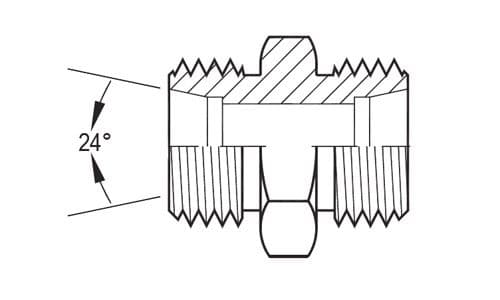 IH-SS-5000LStainless Steel DIN 2353 Straight Union, Light SeriesIndus Hydraulics
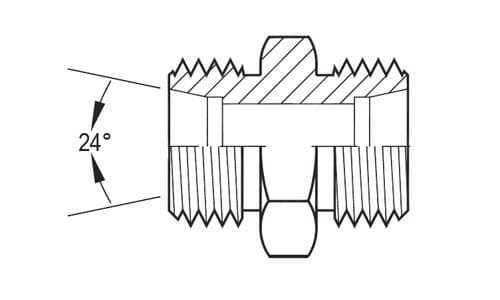 IH-SS-5000SStainless Steel DIN 2353 Straight Union, Heavy SeriesIndus Hydraulics
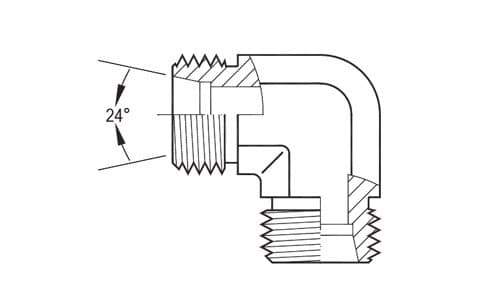 IH-SS-5055LStainless Steel DIN 2353 Union 90° Elbow, Light SeriesIndus Hydraulics
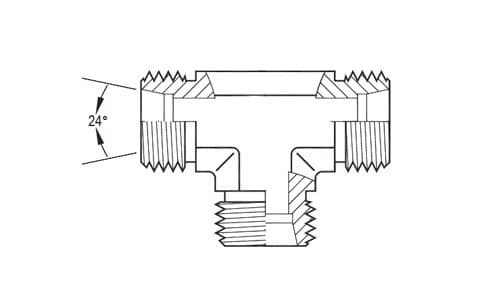 IH-SS-5080LStainless Steel DIN 2353 Union Tee, Light SeriesIndus Hydraulics
 IH-SS-5007LStainless Steel DIN 2353 × NPT Male Connector, Light SeriesIndus Hydraulics
 IH-SS-5300LStainless Steel DIN 2353 Female Swivel Union, Light SeriesIndus Hydraulics
 IH-ST-47305Steel Flareless UnionIndus Hydraulics
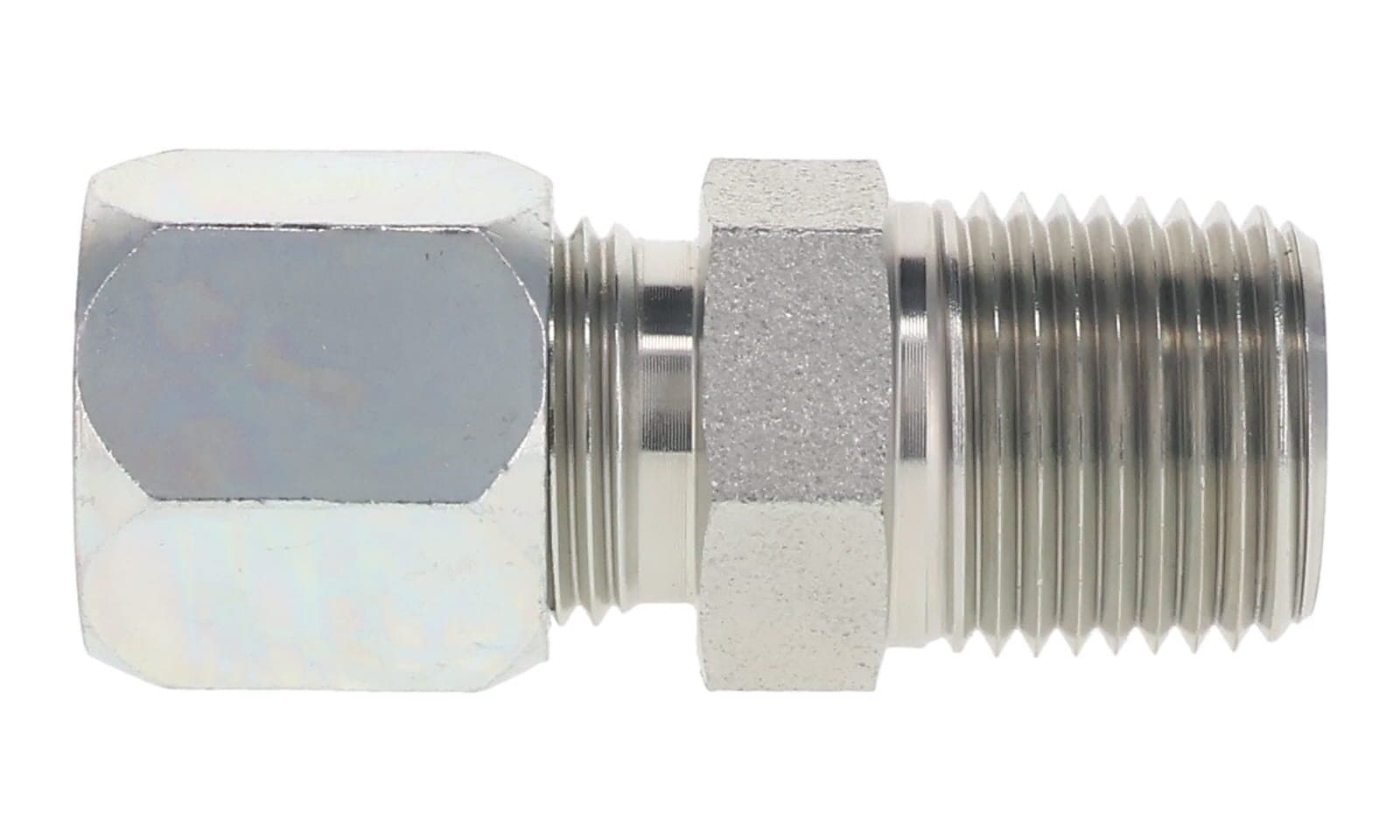 IH-ST-47205Steel Flareless Tube × NPTF Male ConnectorIndus Hydraulics