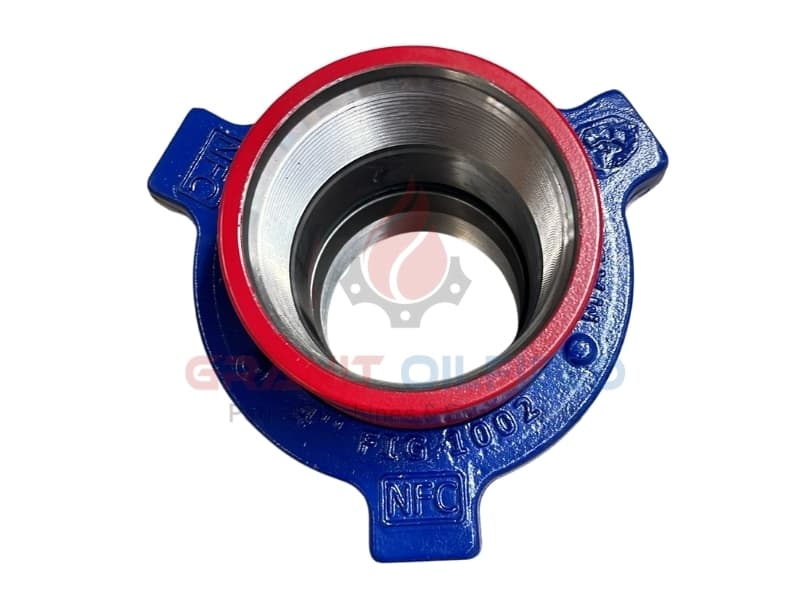
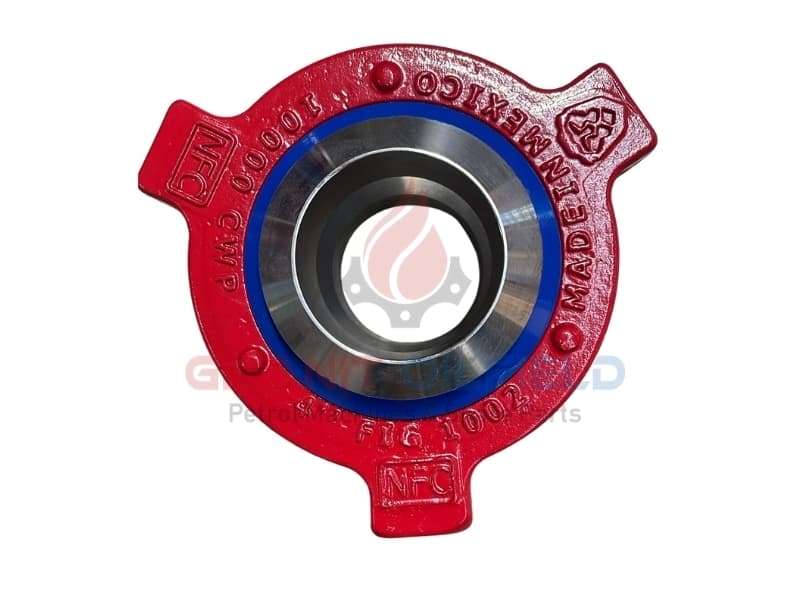
- 01Why is a sour gas Figure 1502 union rated 10,000 psi when the standard one is 15,000 psi?
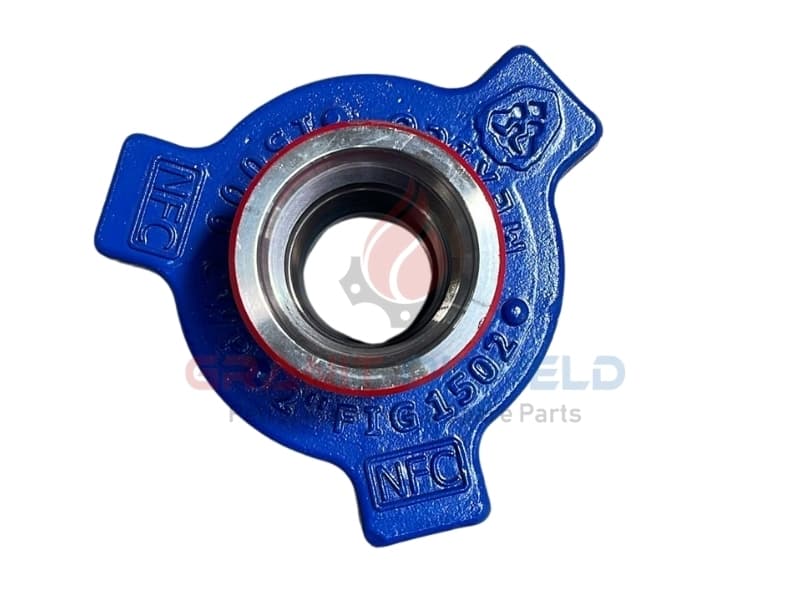
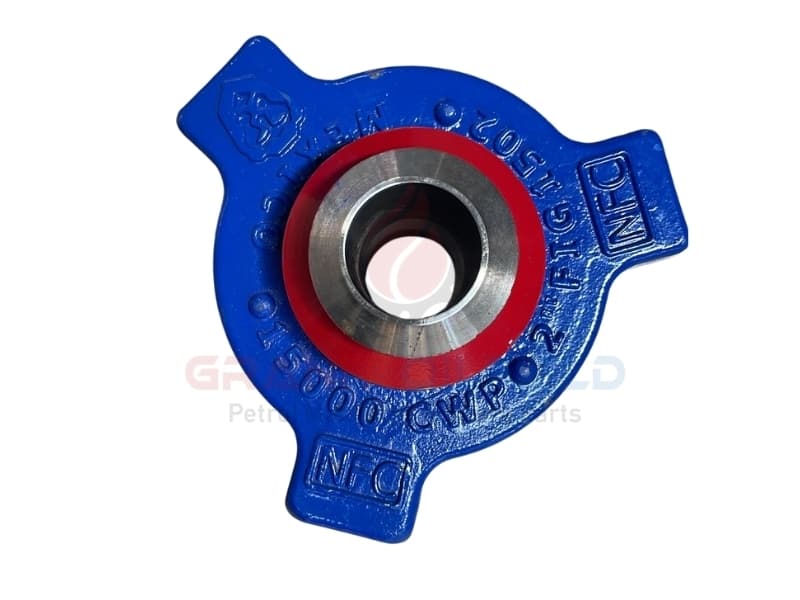
- Because sour service materials are softer. To resist sulphide stress cracking, NACE MR0175 / ISO 15156 limits carbon and low-alloy steel to 22 HRC, and the lower-strength steel in the same Figure 1502 dimensions carries a lower rating, 10,000 psi on this shelf. The same applies to Figures 1002 and 1004, listed at 7,500 psi in sour service. For 15,000 psi in sour gas, use a union designed for it, such as Figure 2202. Always read the rating stamped on the union, not the figure number alone.
- 02What parts make up a hammer union, and can I order them separately?
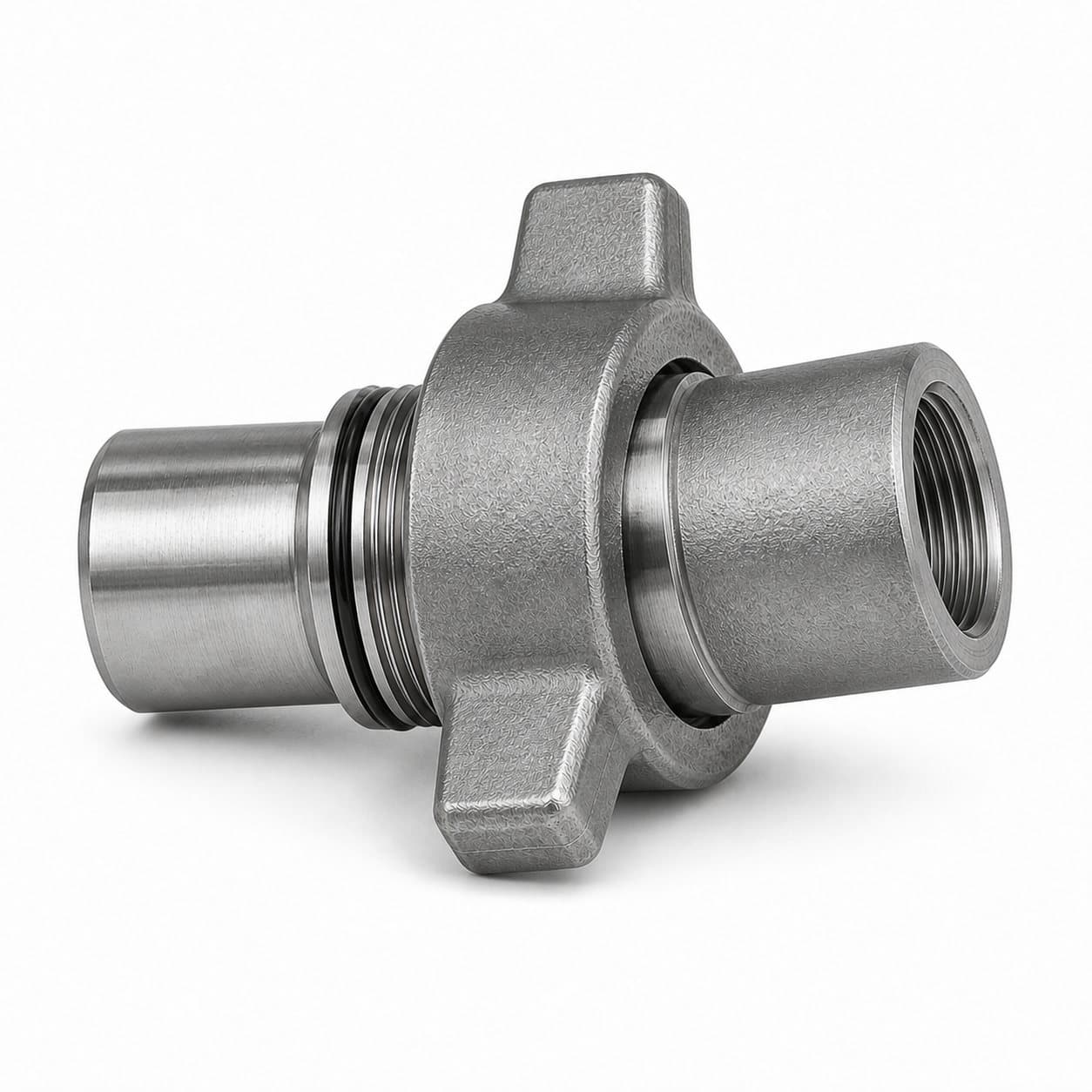
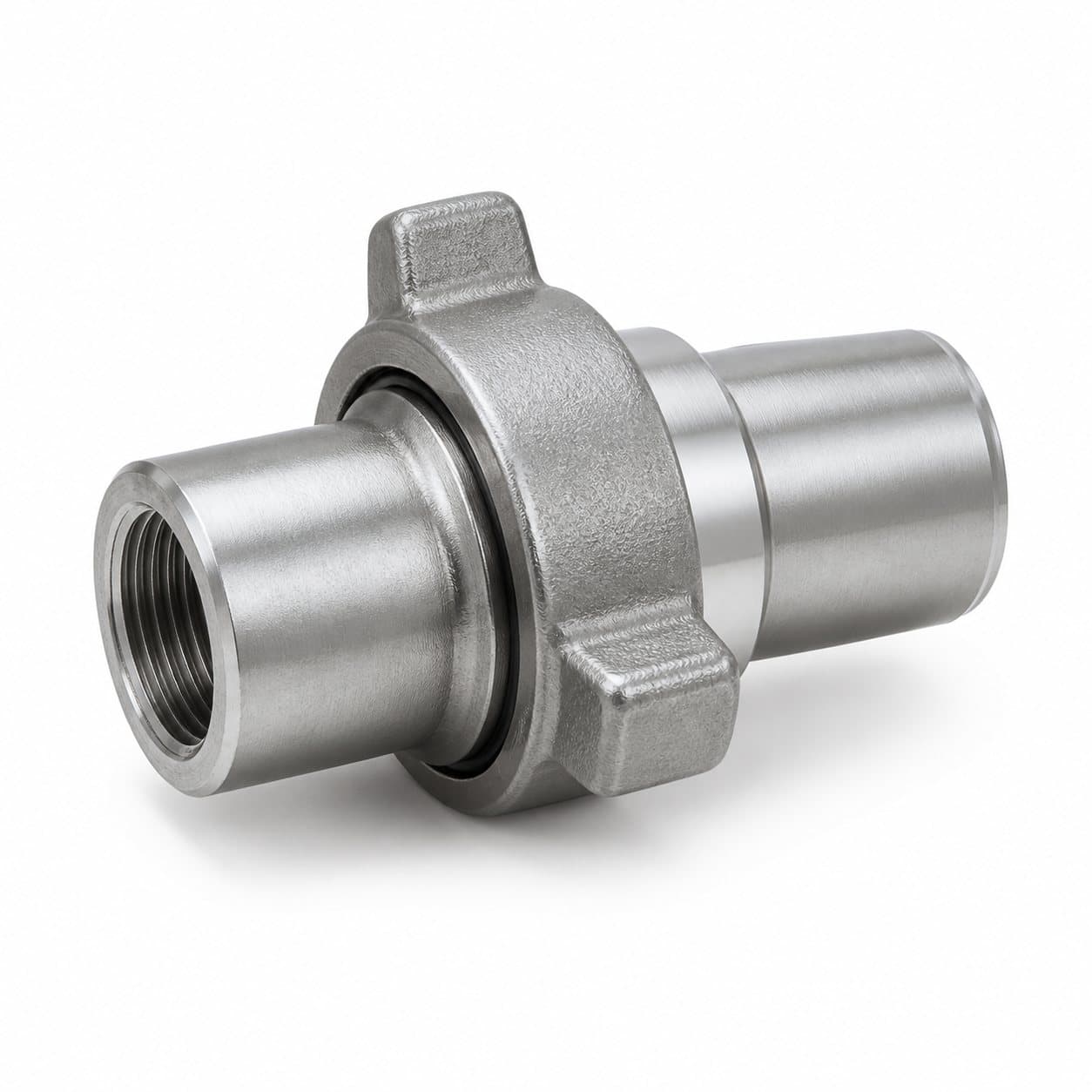
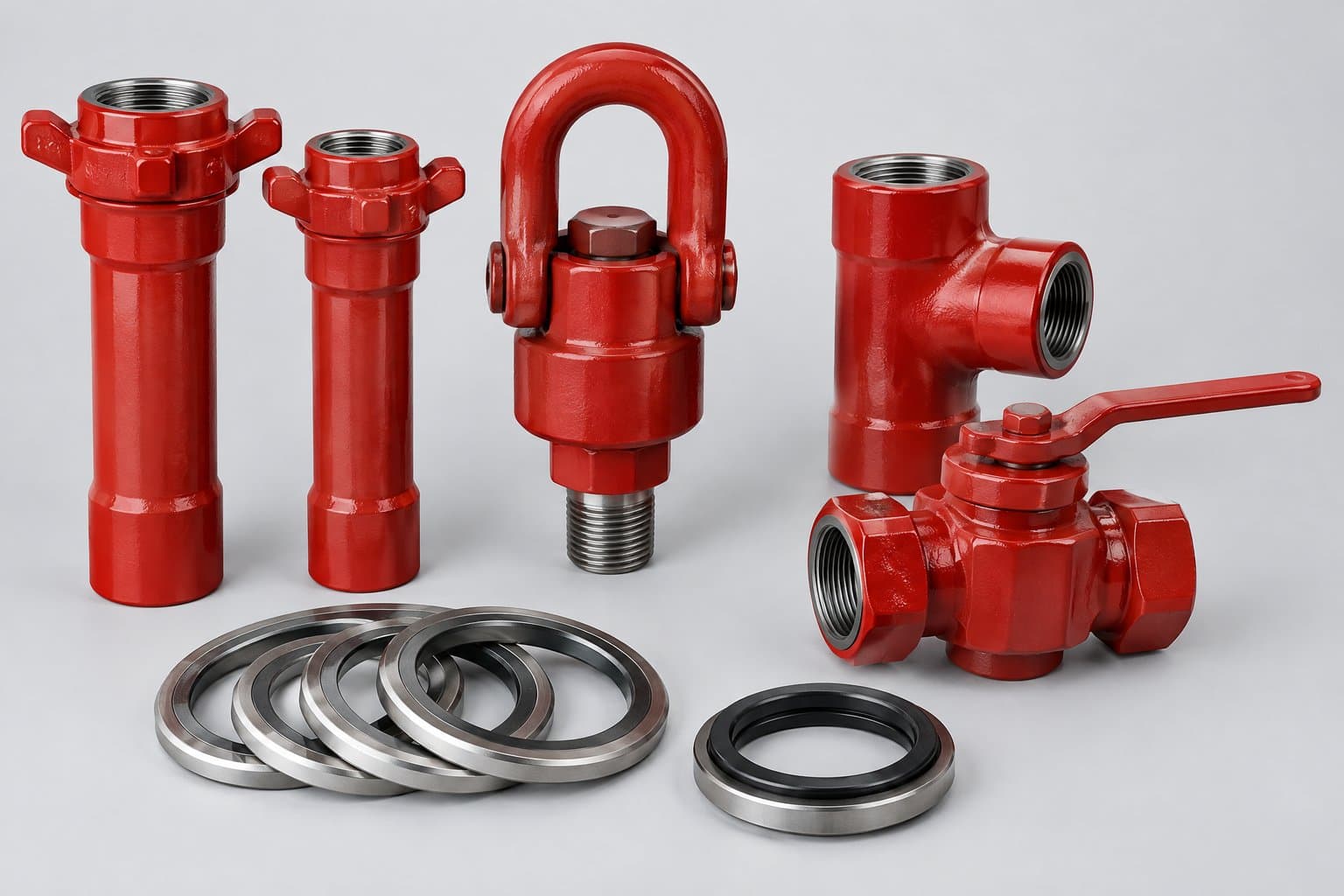
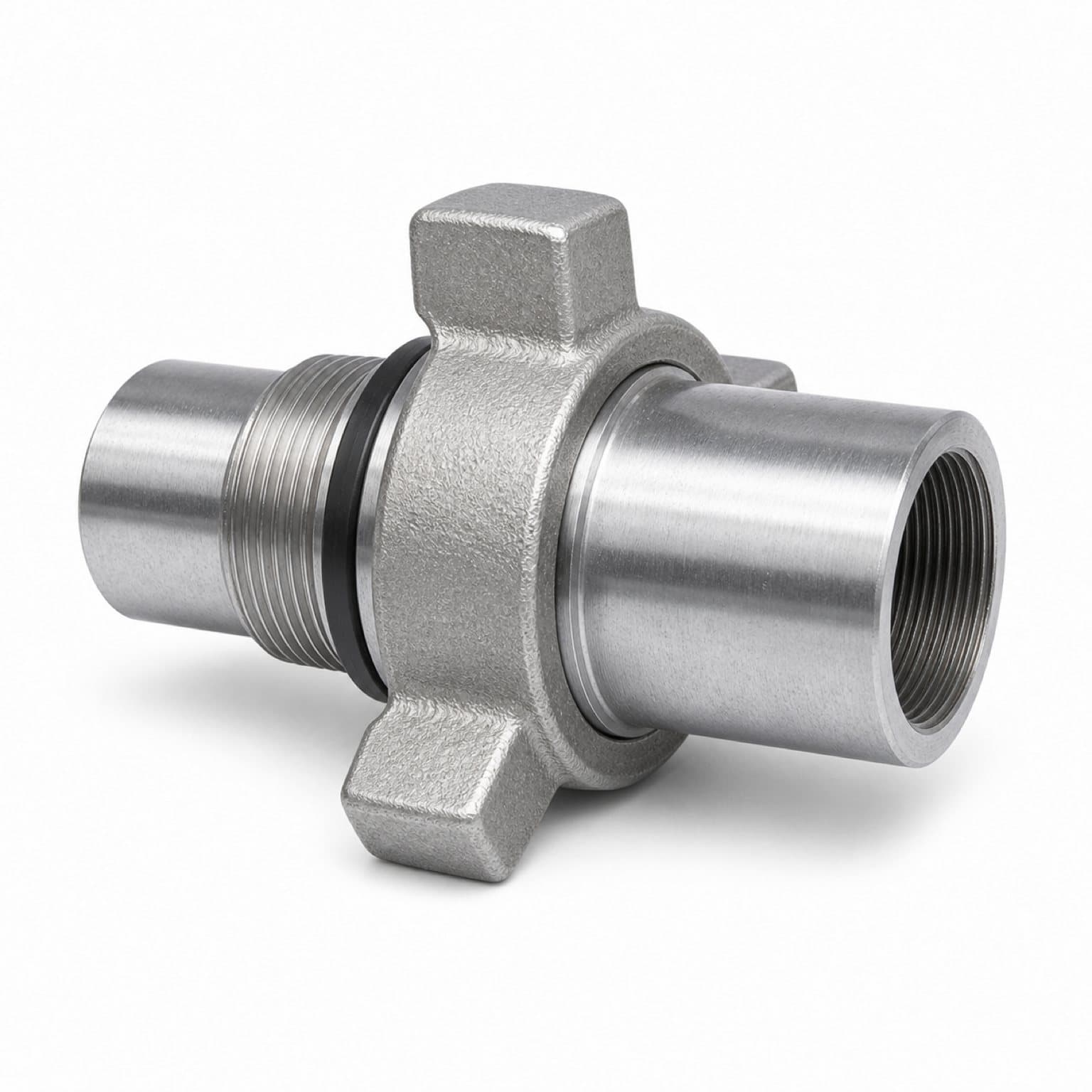
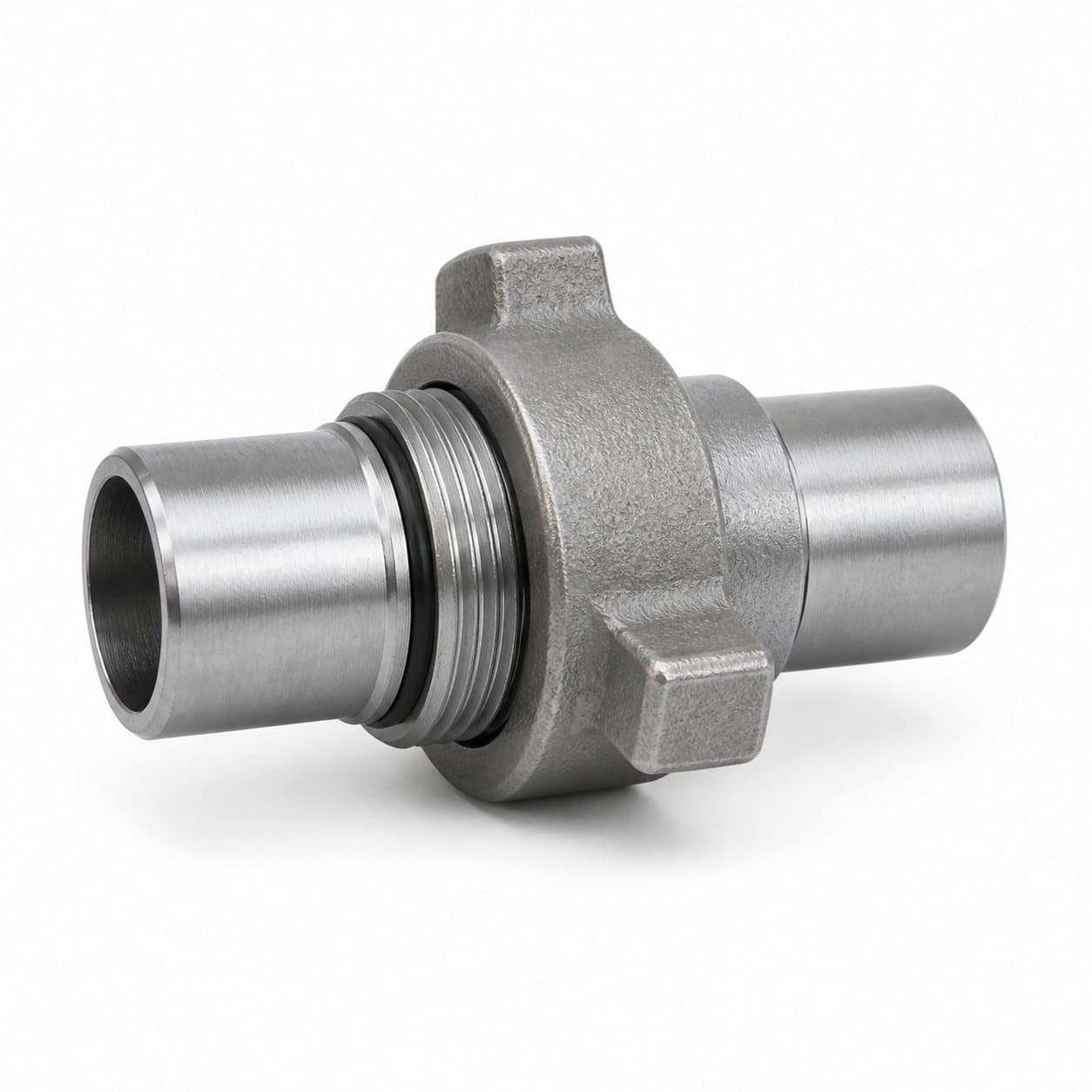
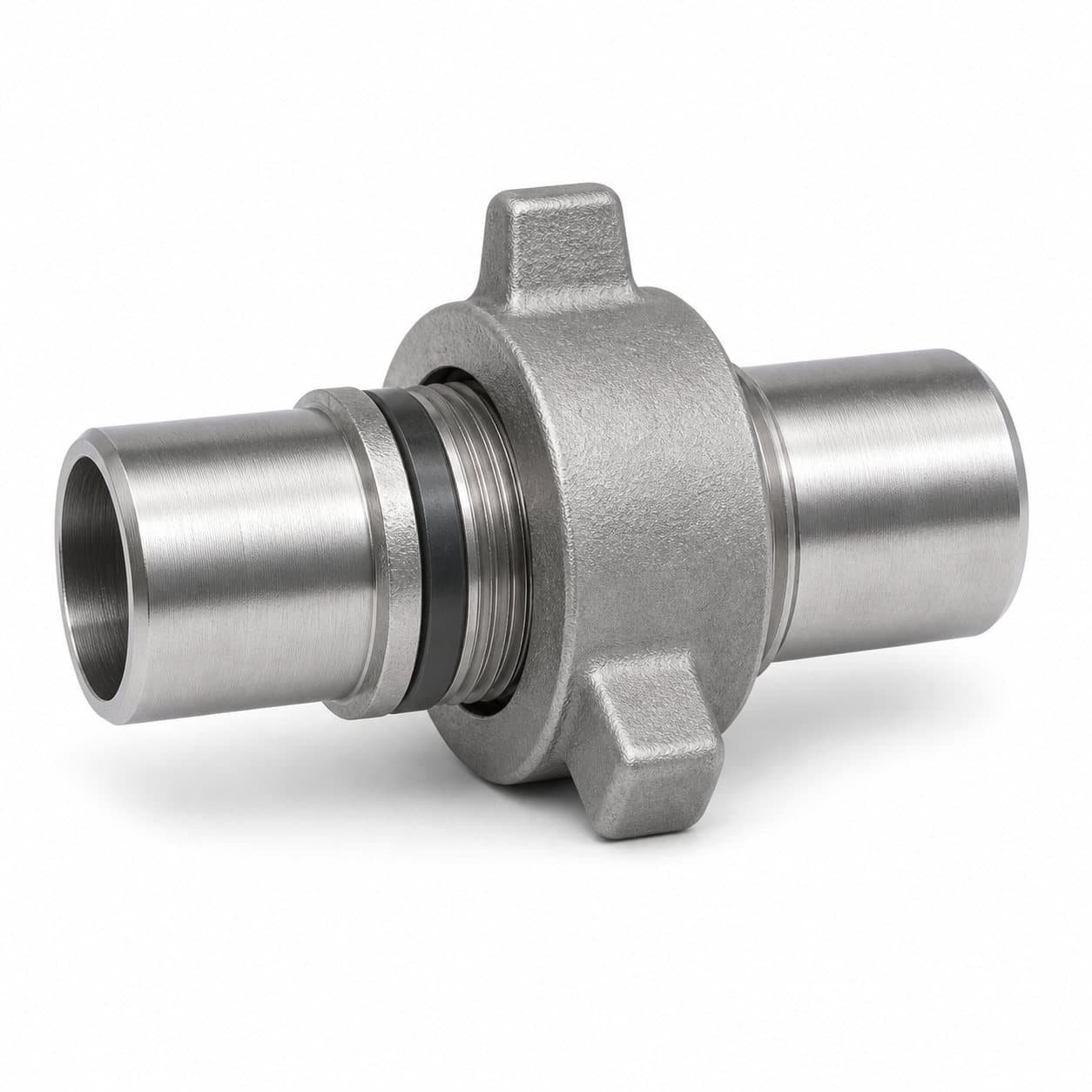
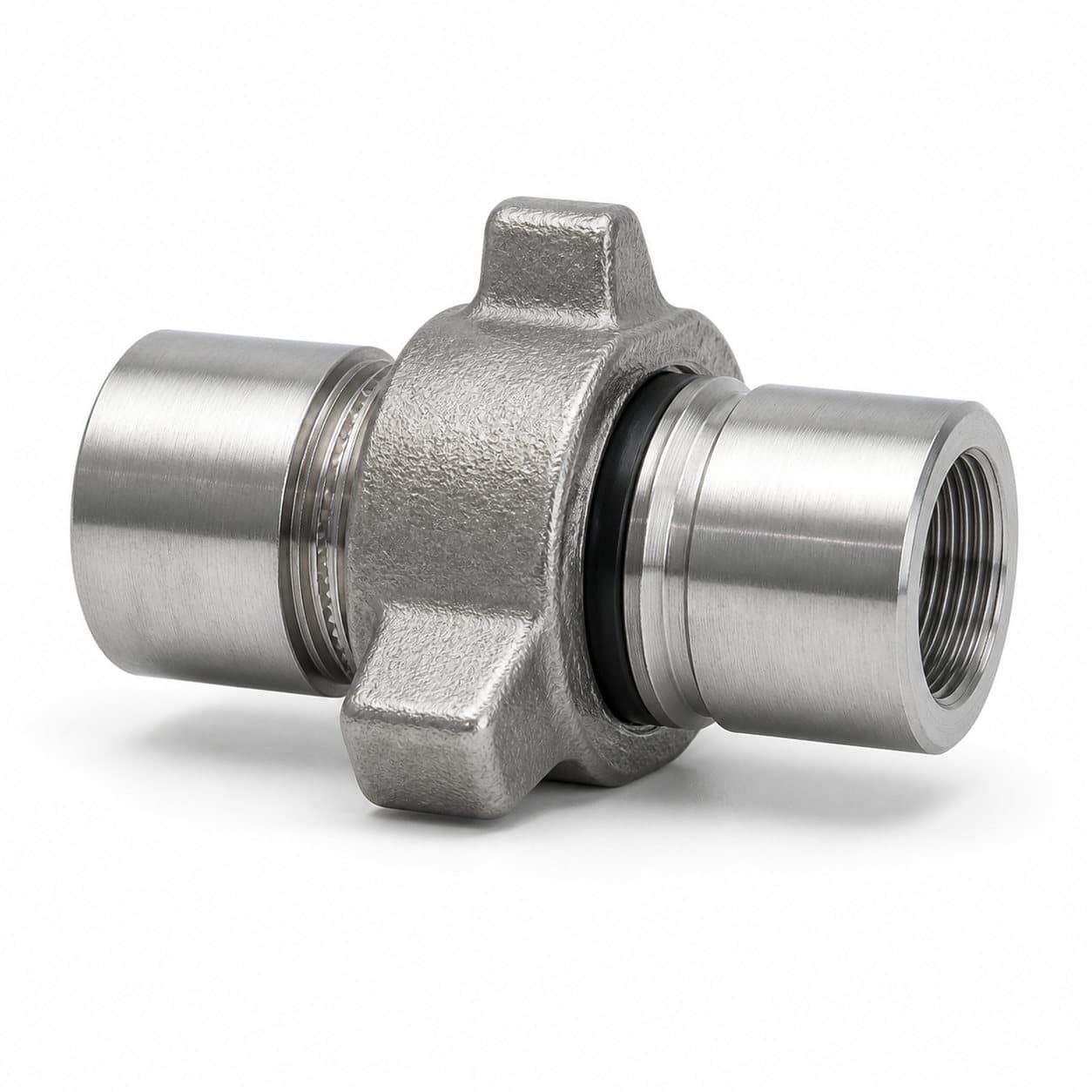
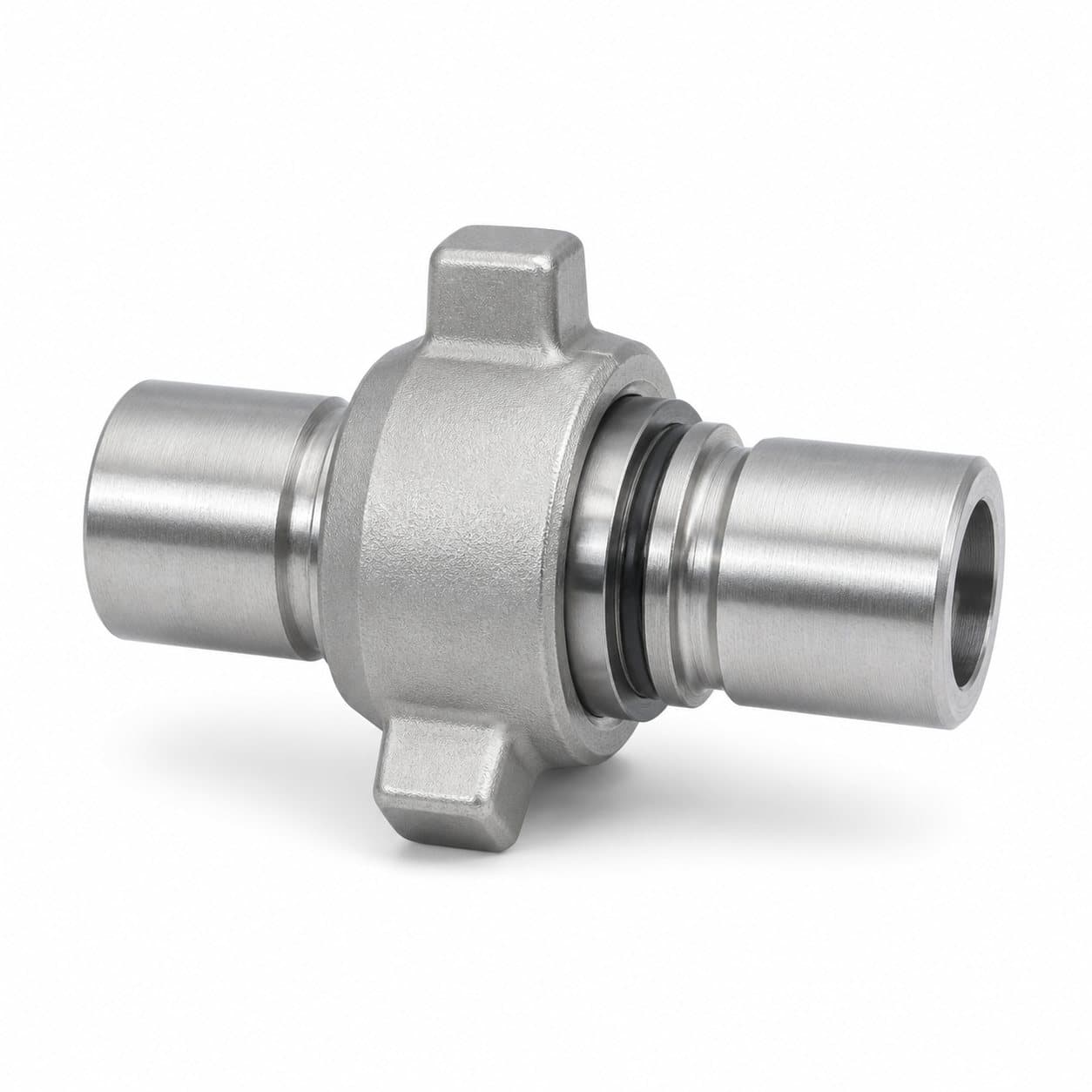
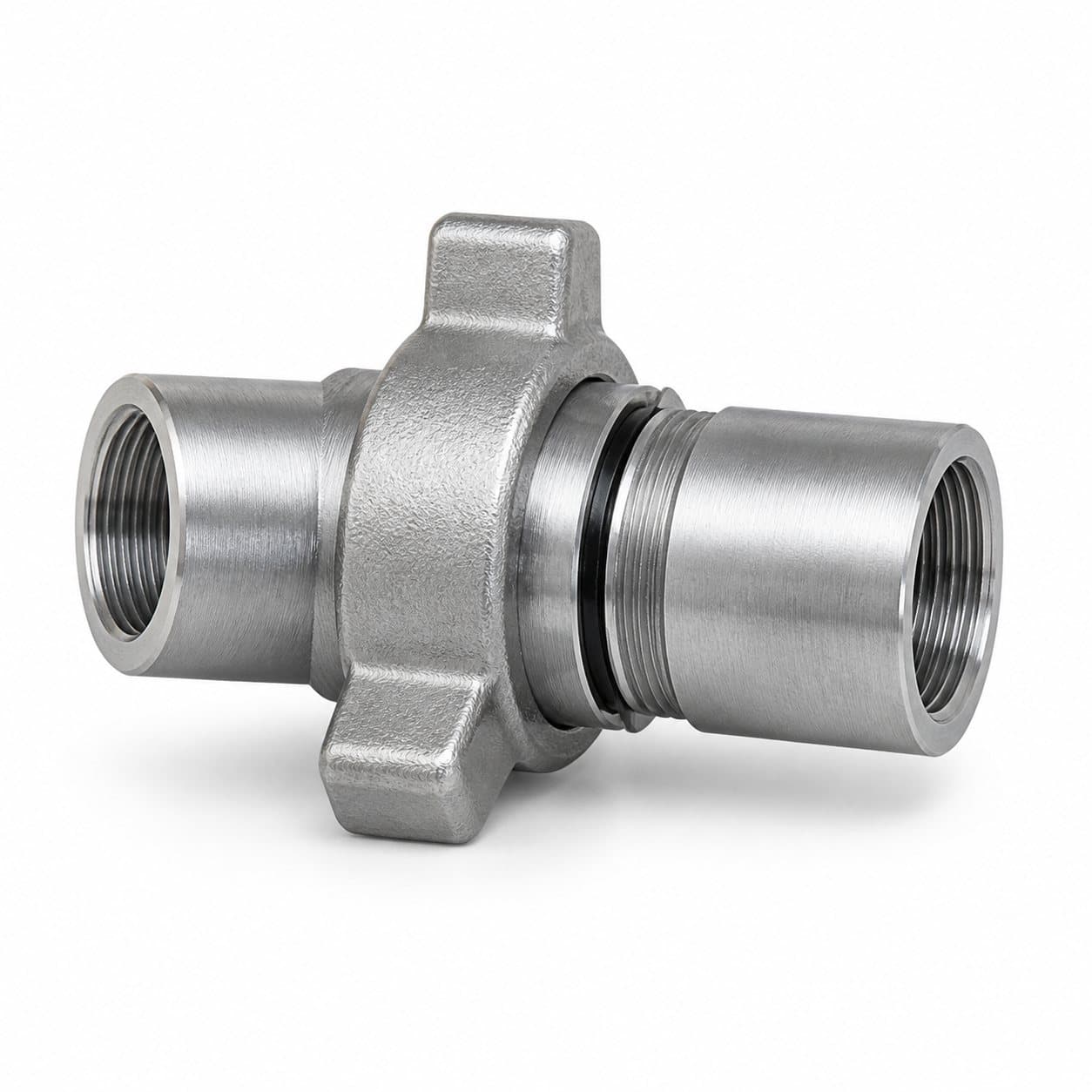
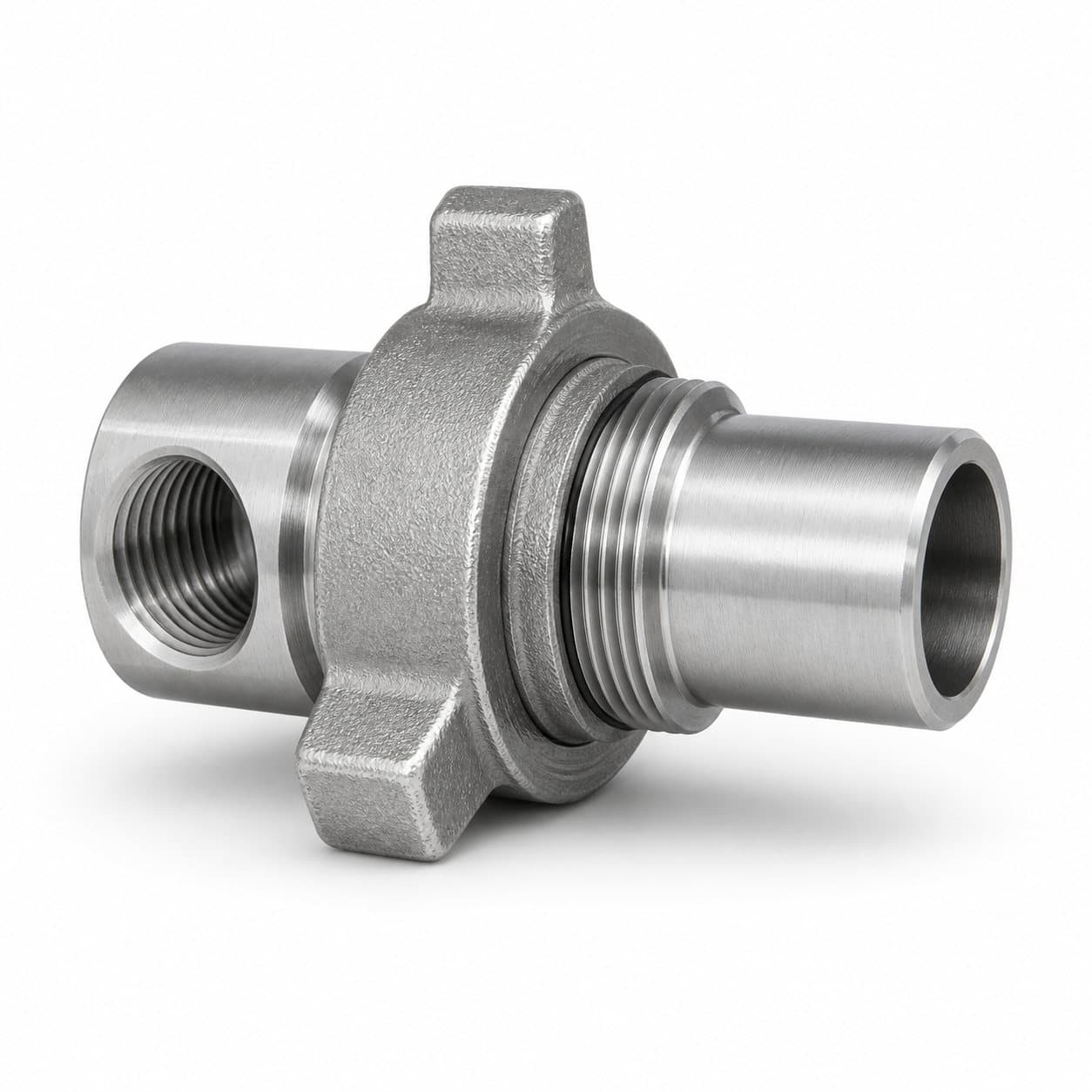
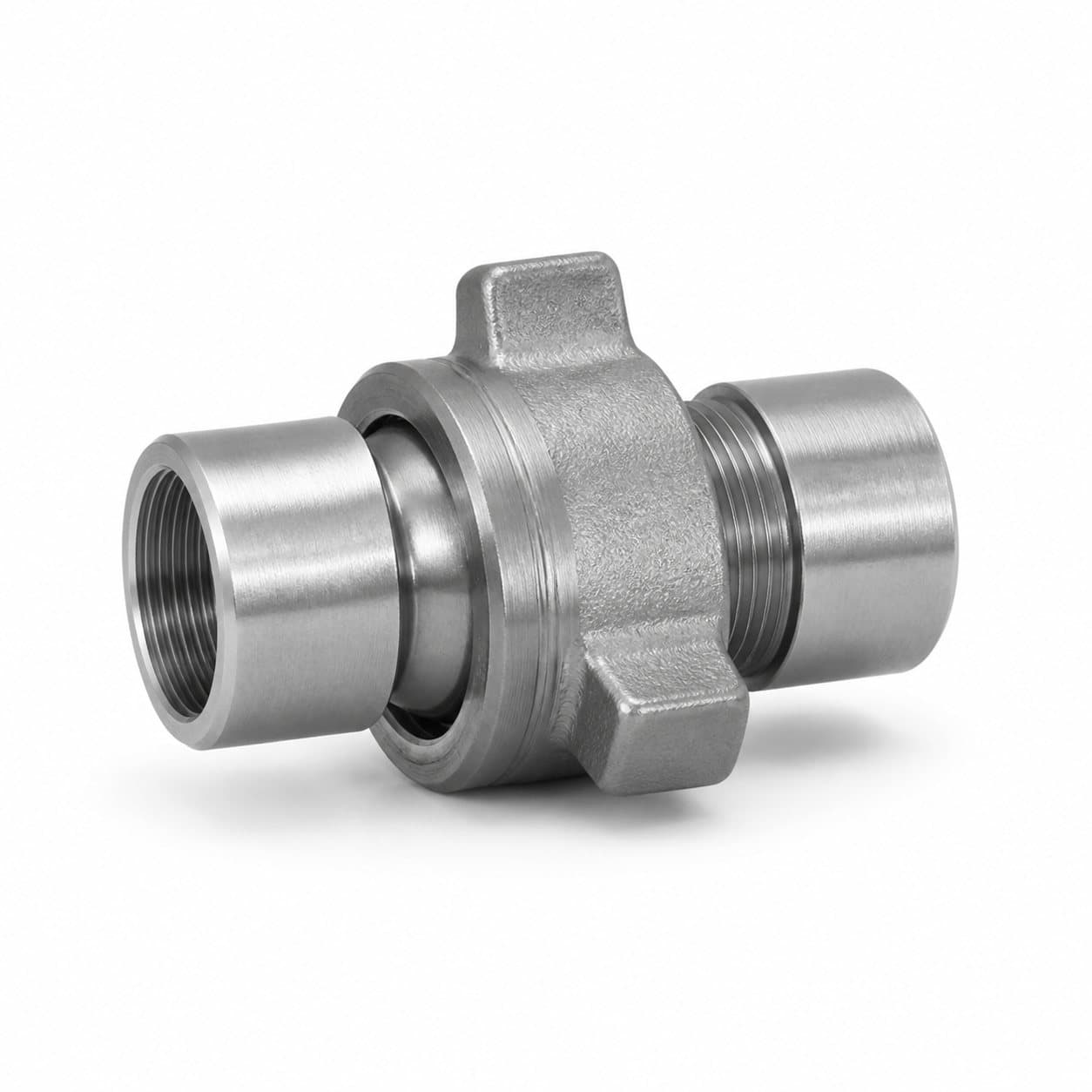
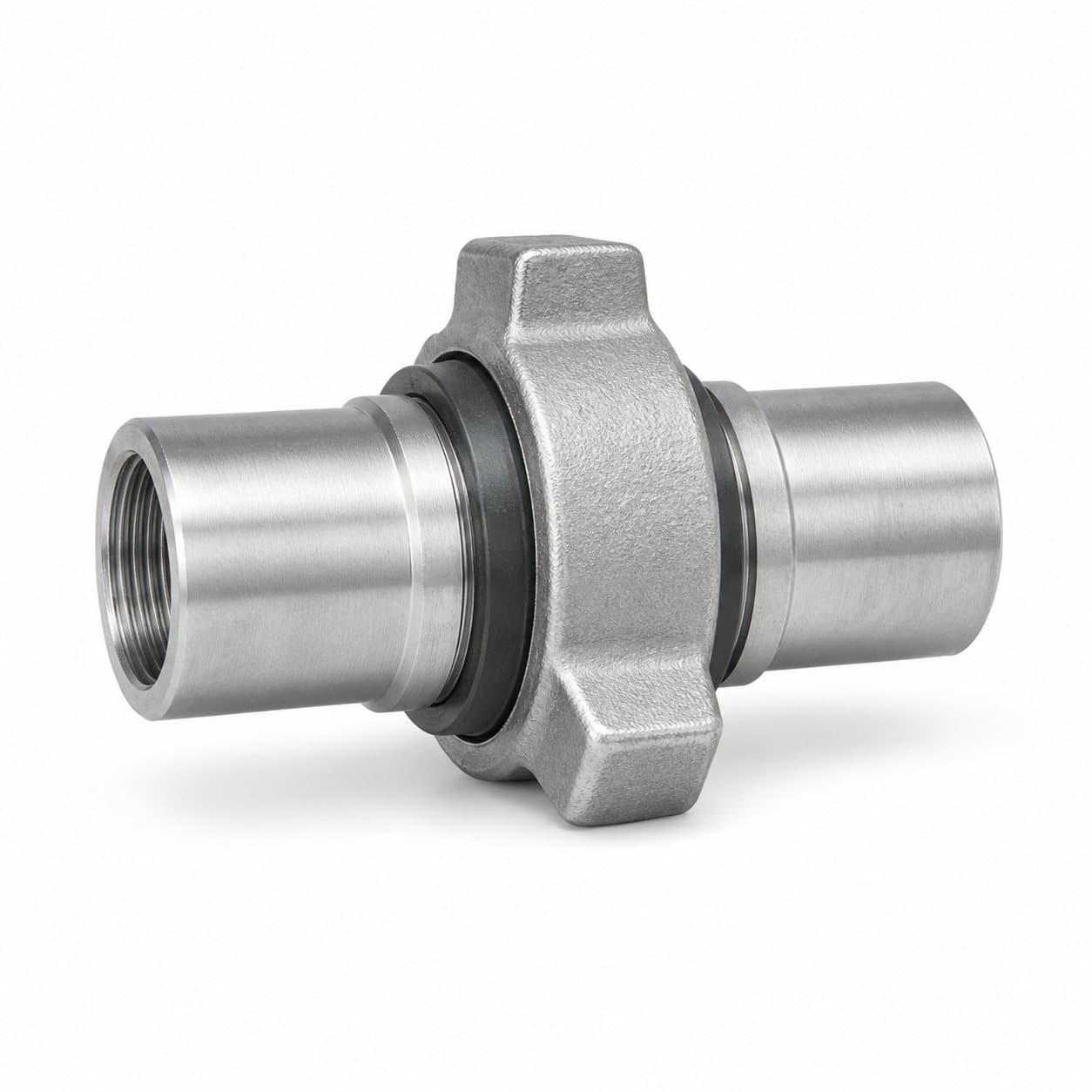
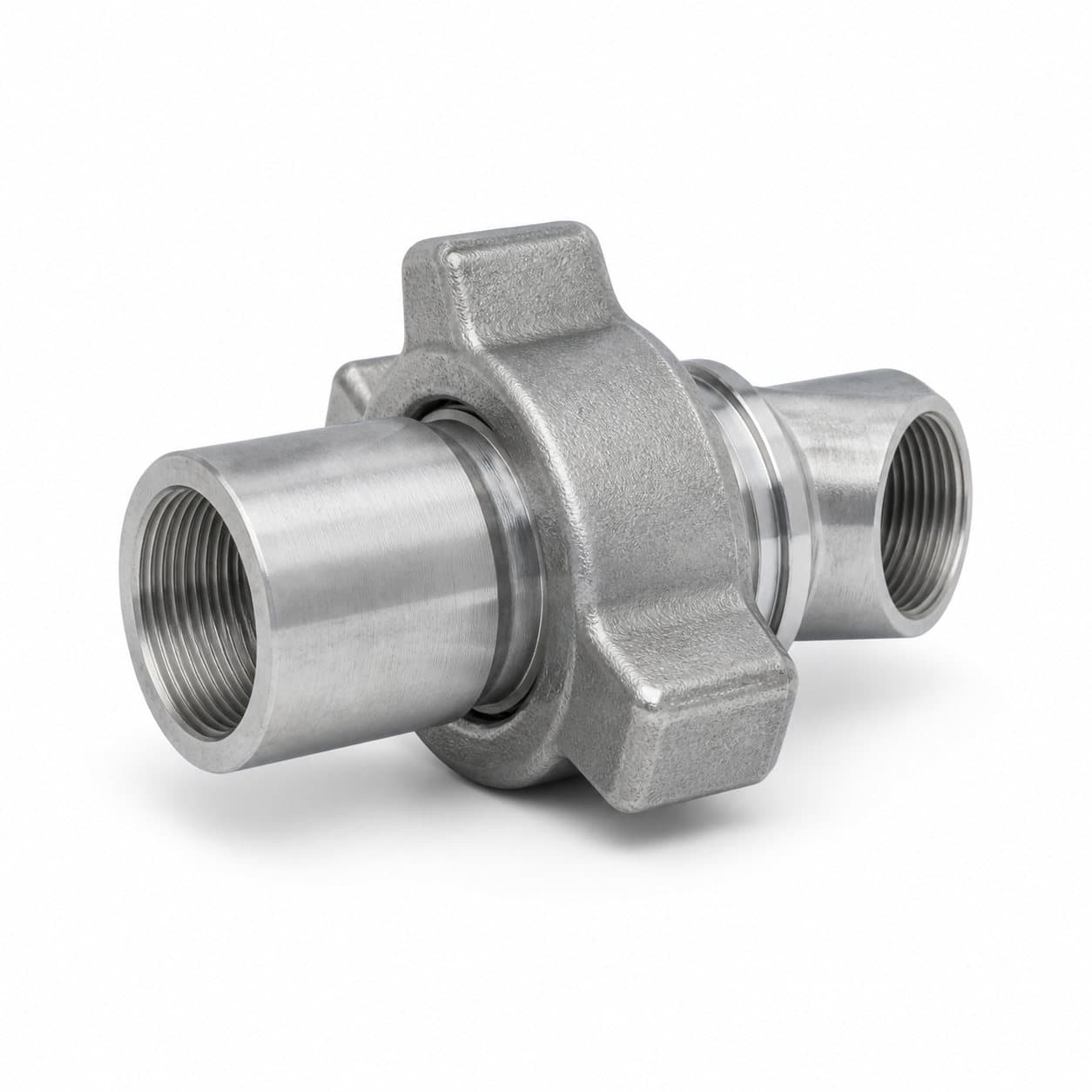
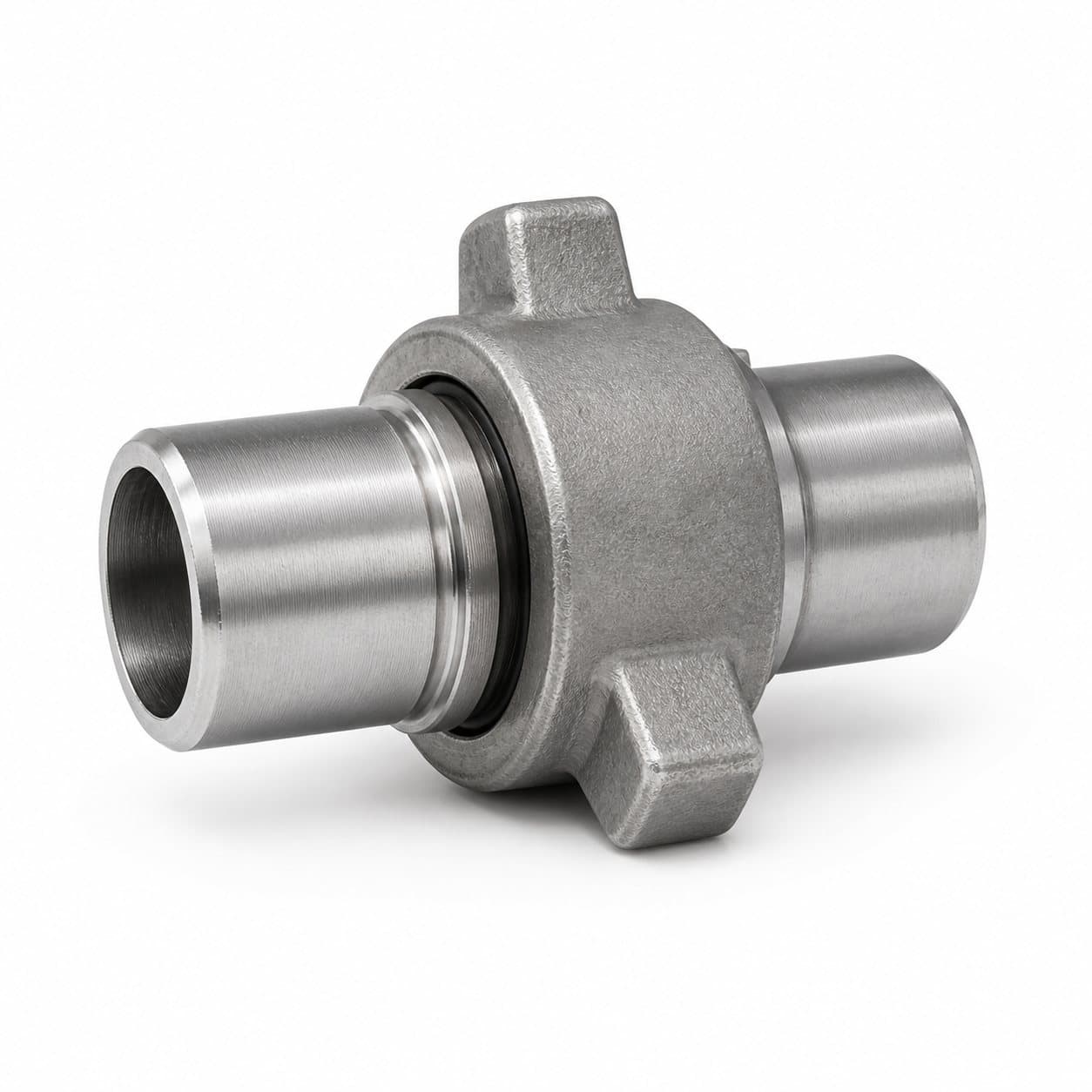
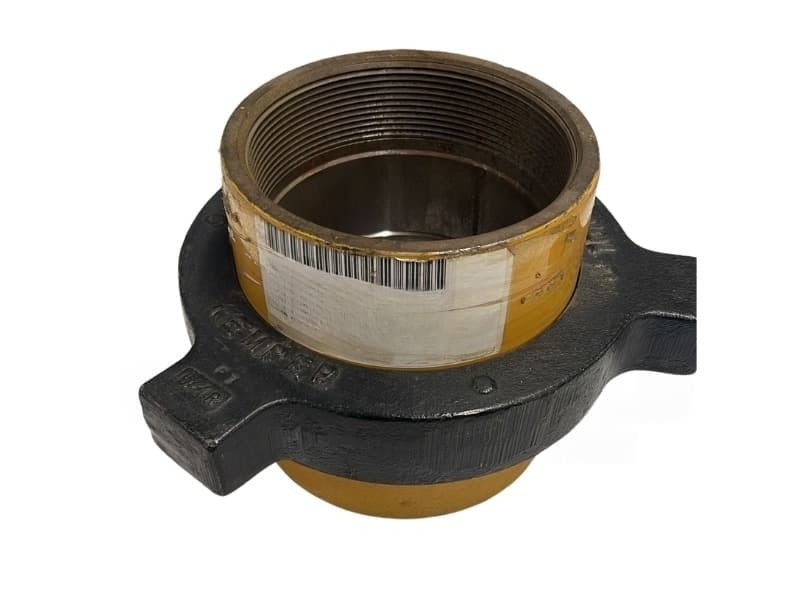
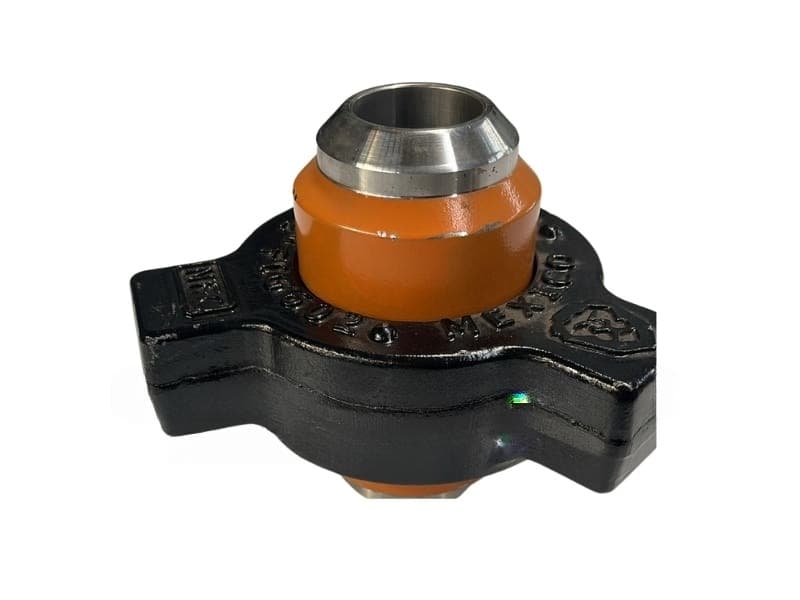
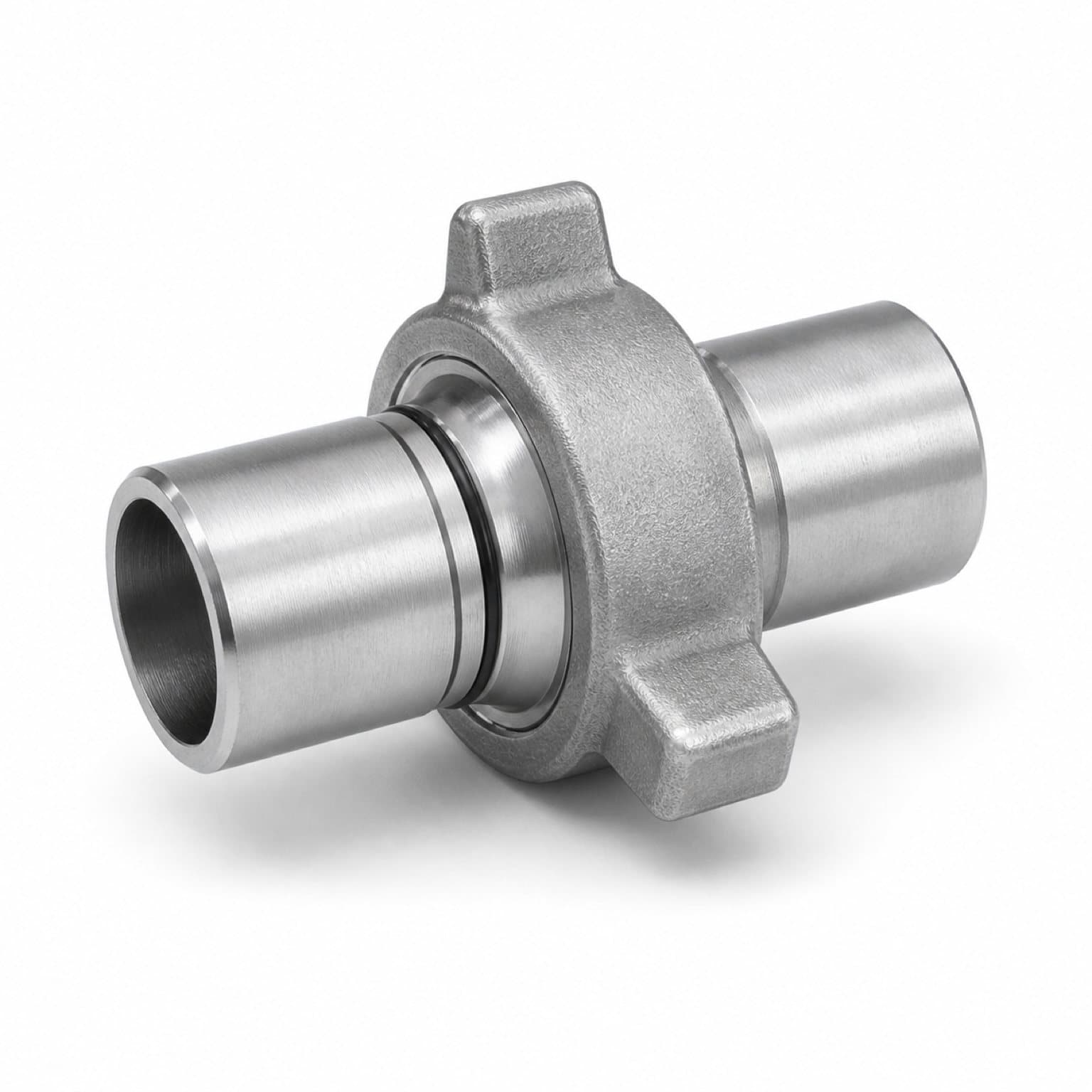
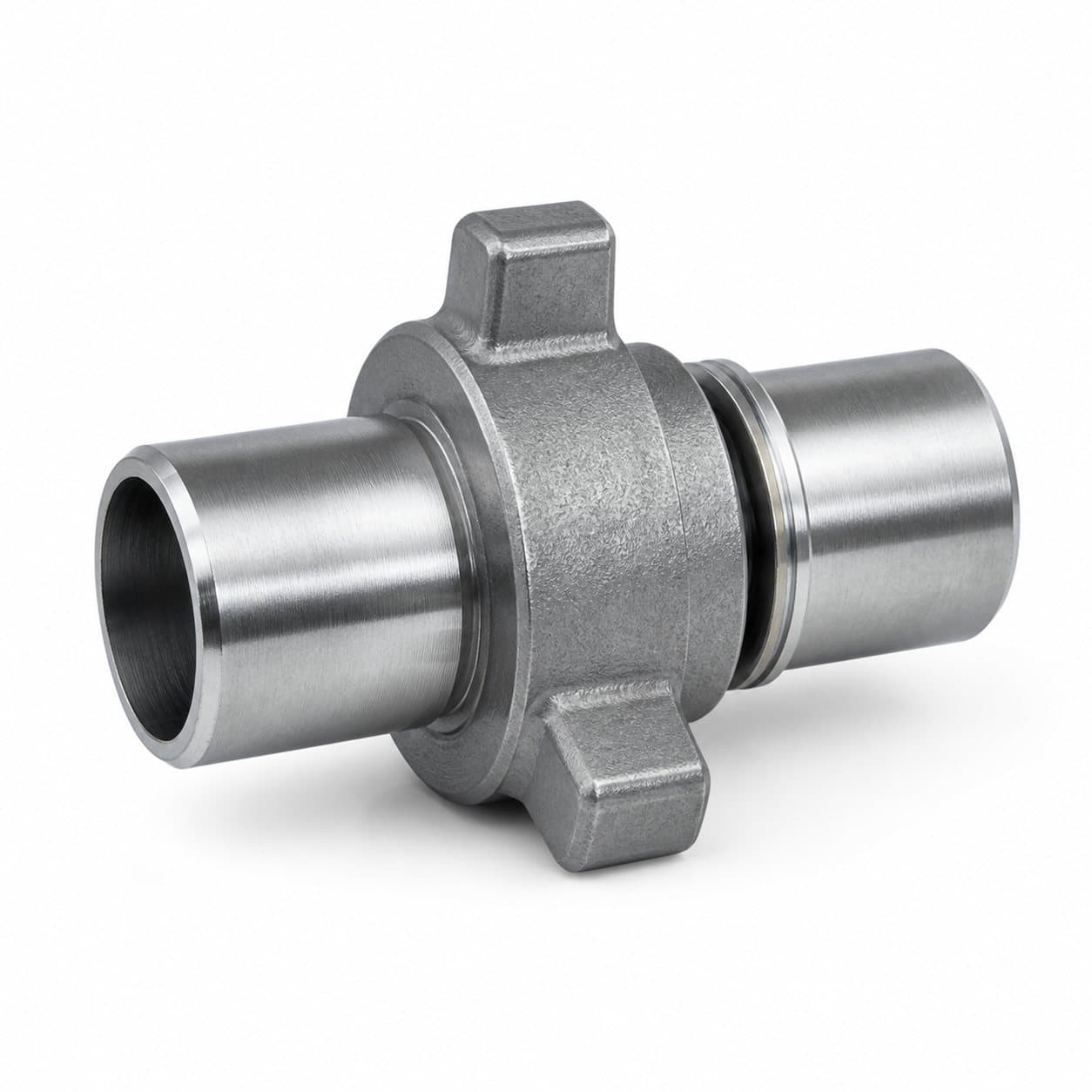
- A hammer union has a male sub, which carries the wing nut, a female sub with the external thread the nut screws onto, and, in figures such as 1502, a replaceable elastomer seal ring seated in the female sub; some designs also use retainer segments to hold the nut. Halves, nuts and seal rings can be supplied separately, but only to the same figure, size and service as the half they mate with. Quote the figure, size, service and end type of the existing part.
- 03Threaded or butt-weld ends — which should I choose?
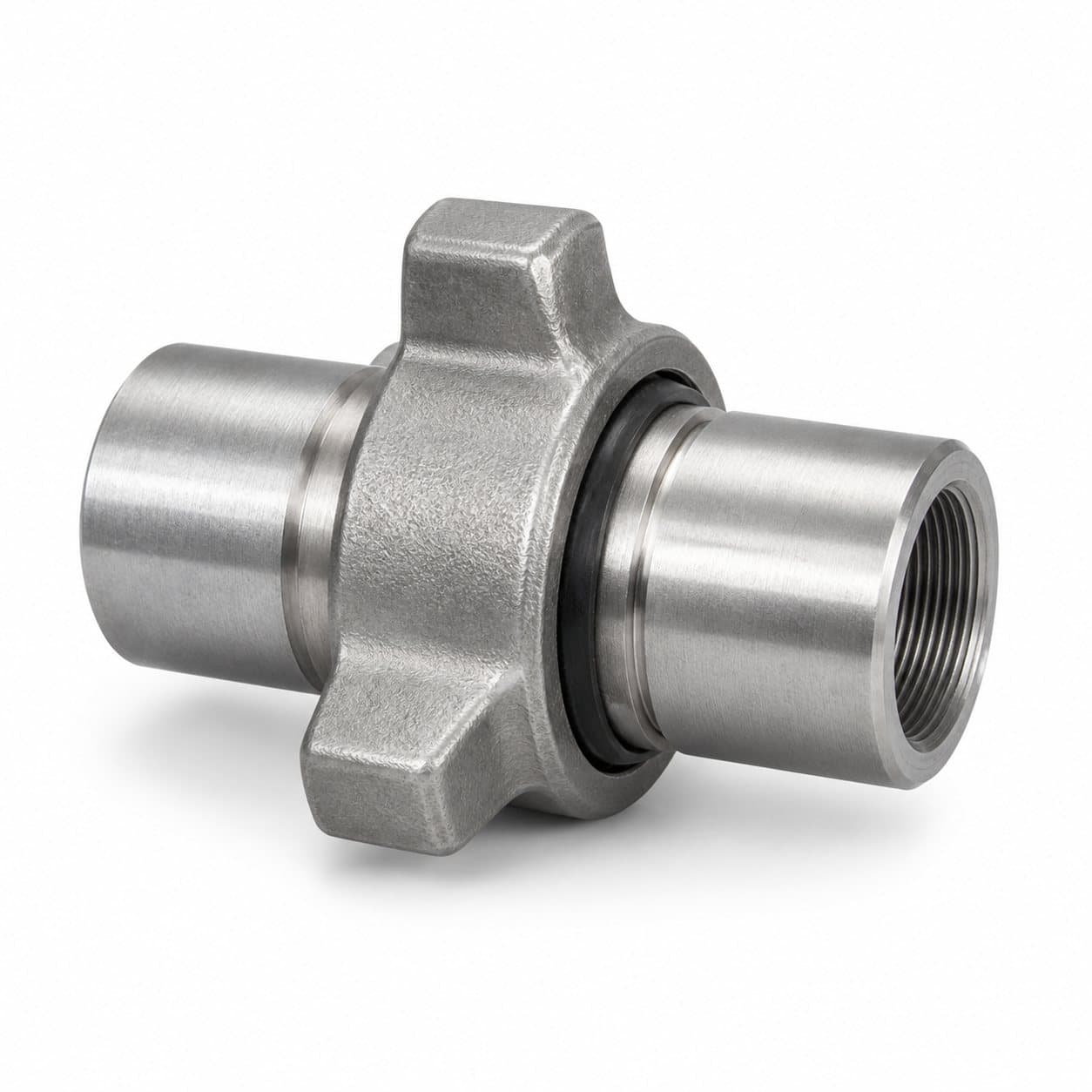
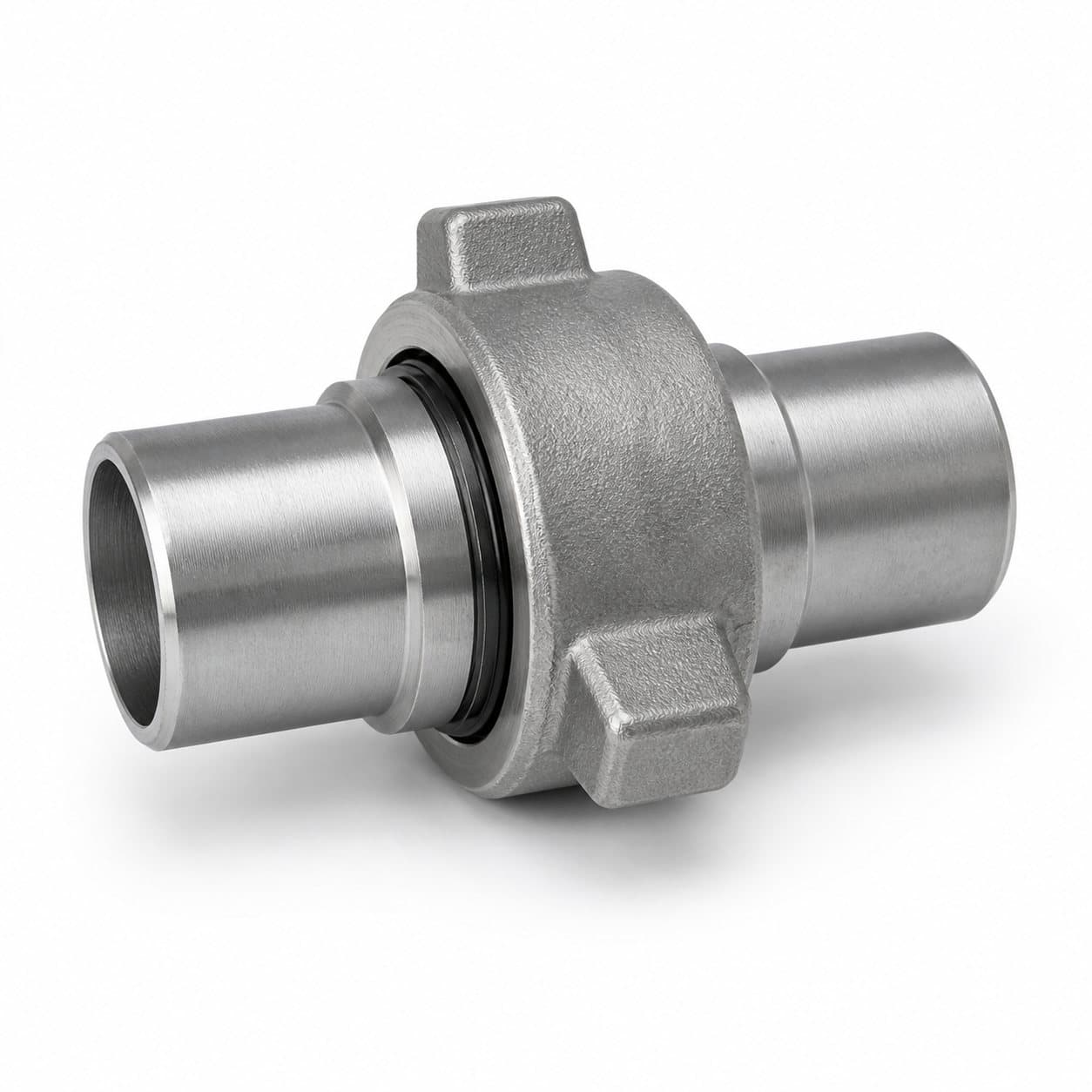
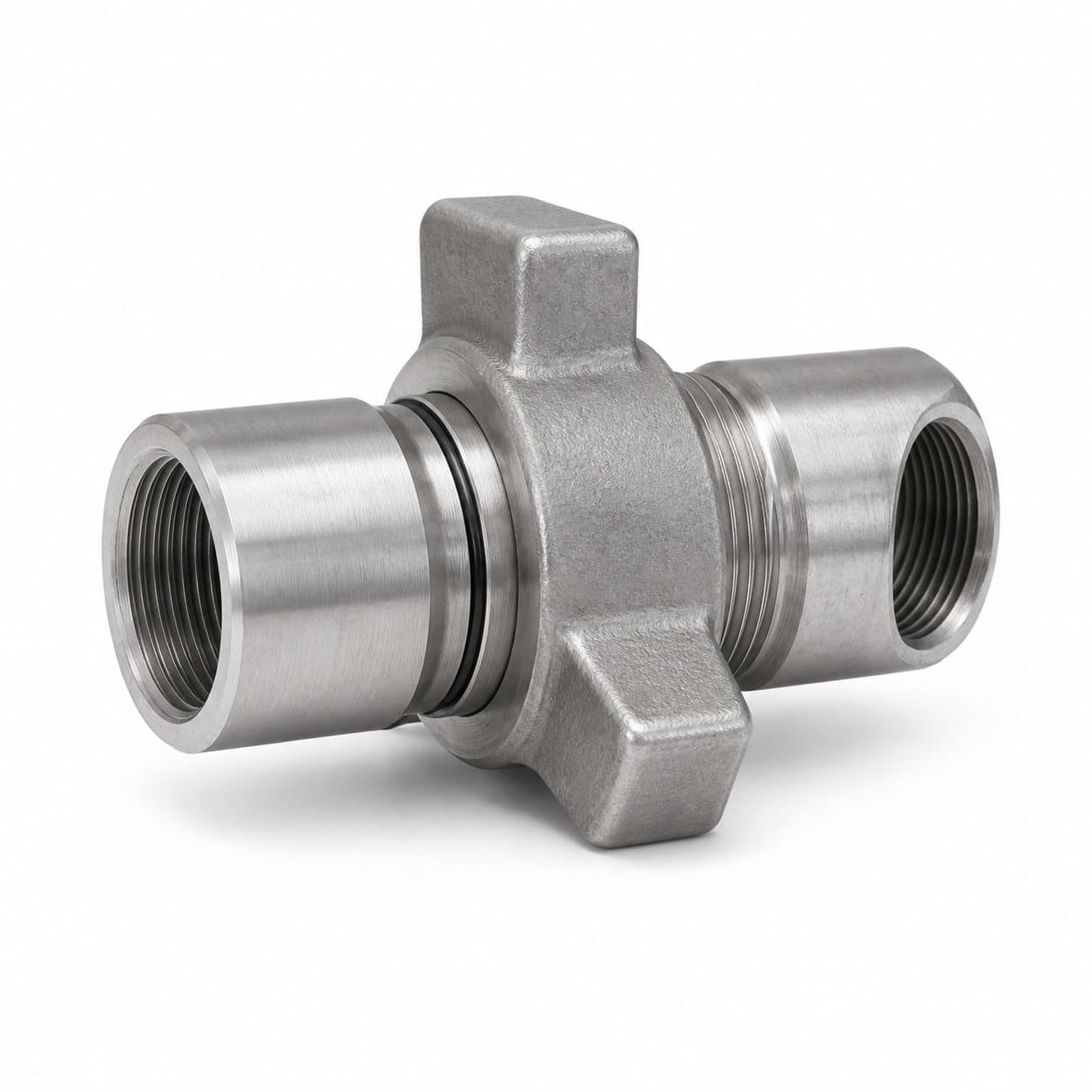
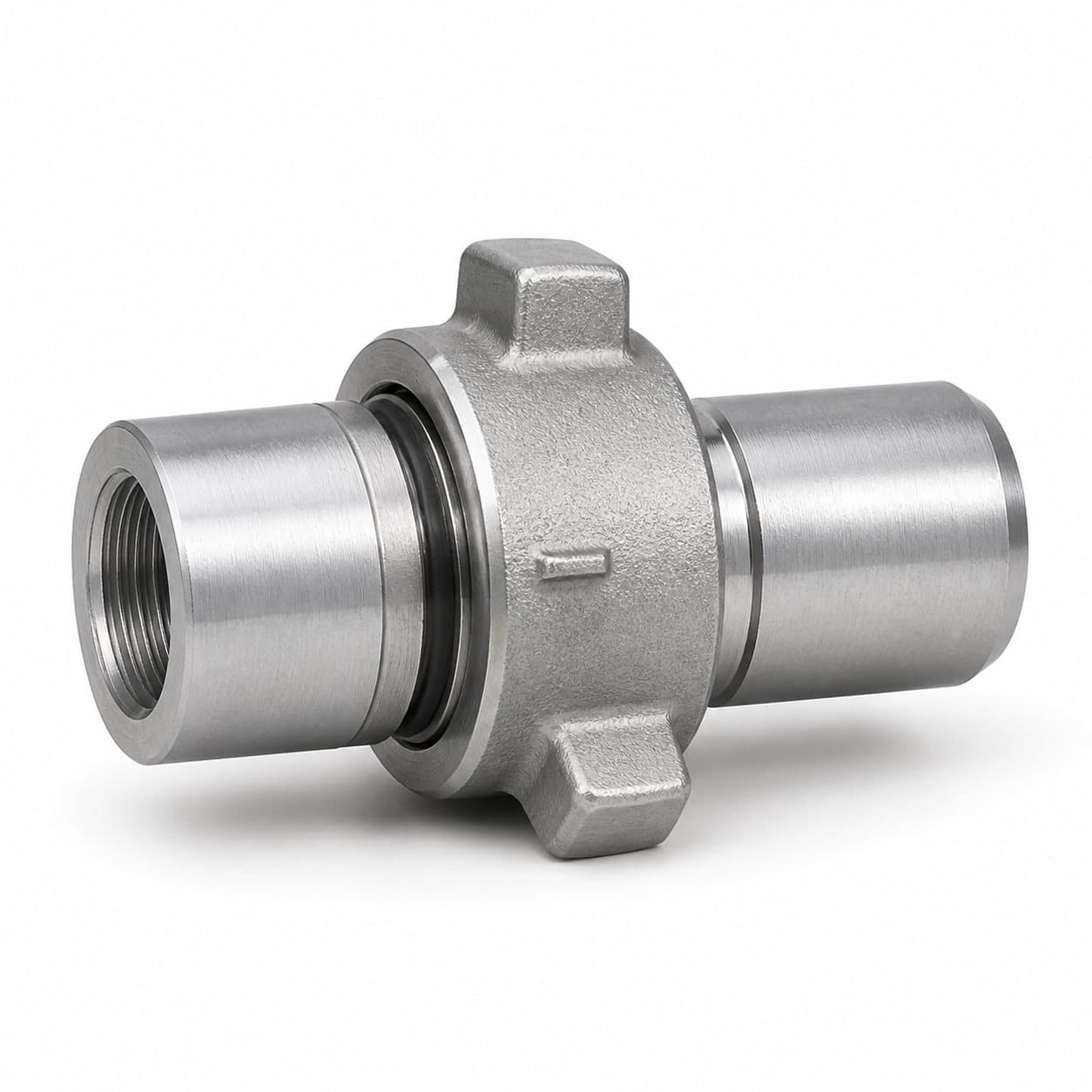
- Butt-weld ends for permanent pipework and the highest pressures, threaded ends for lighter duty and where welding is not practical. A butt-weld union must match the pipe's outside diameter and wall schedule and be welded to a qualified procedure, with hardness control and any post-weld heat treatment the sour service requires. Threaded ends screw onto line pipe threads and can be fitted without welding, but the thread can limit the joint's rating below that of the union. Check the rating for the end type on each product page.
- 04What is a Figure 1003 misaligning hammer union used for?
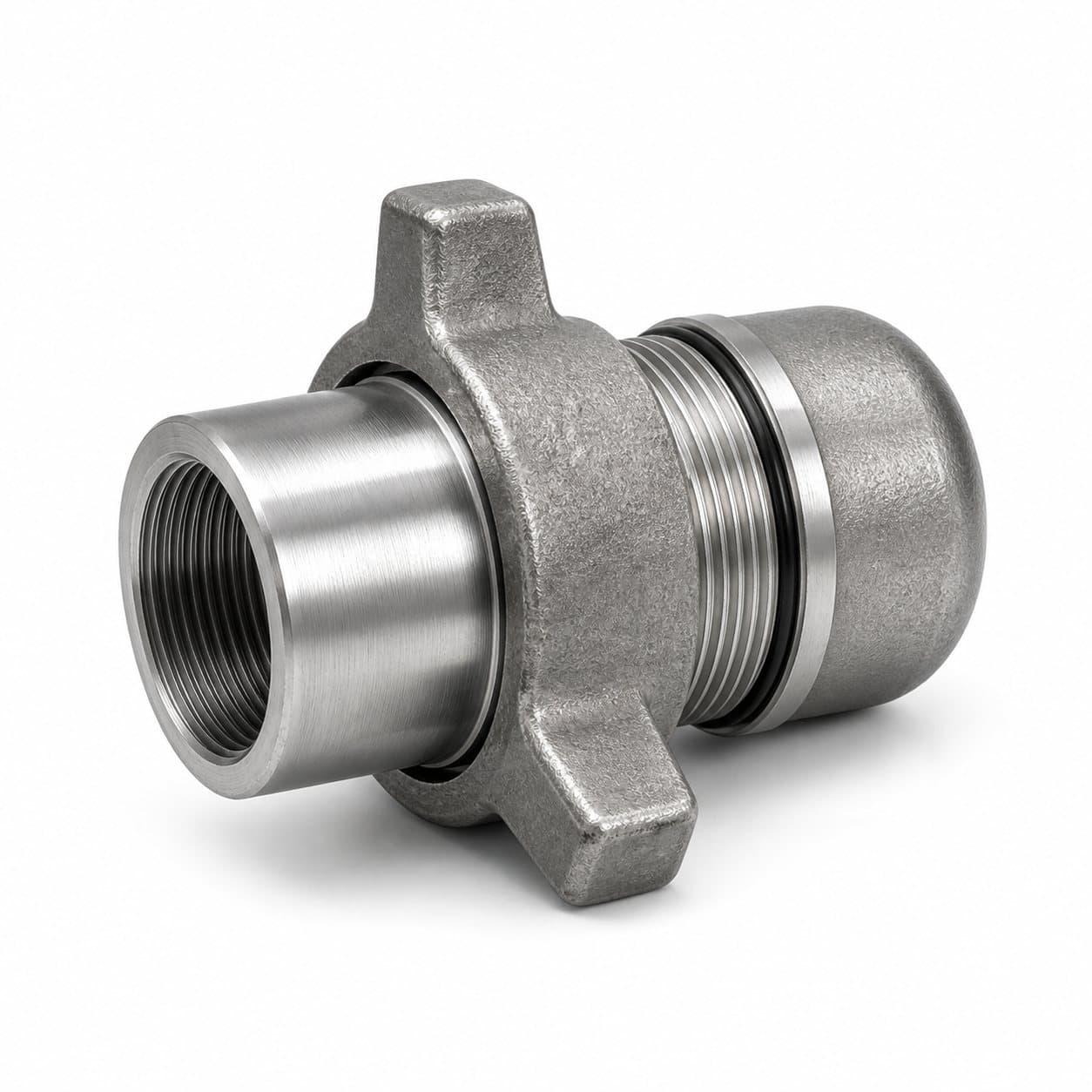
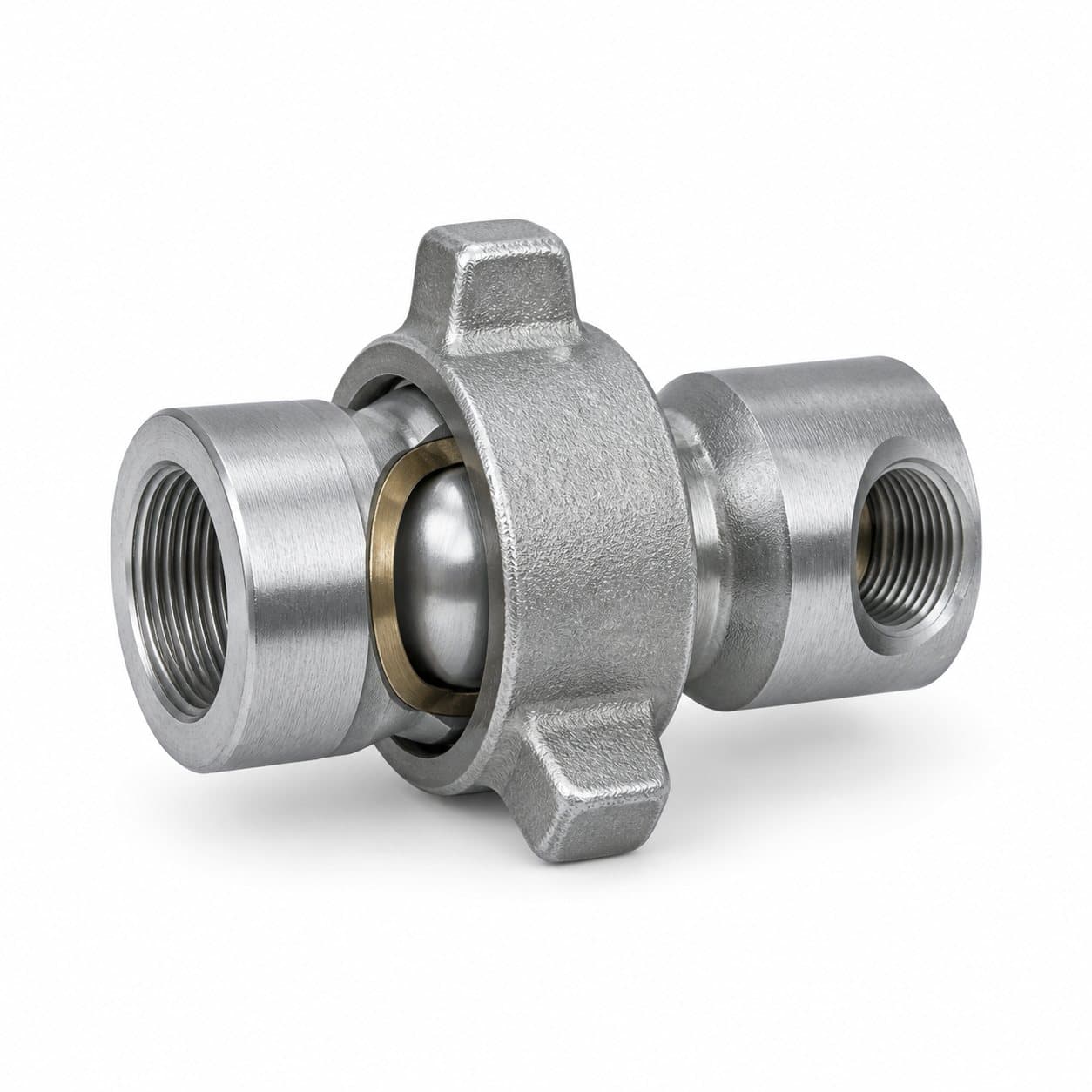
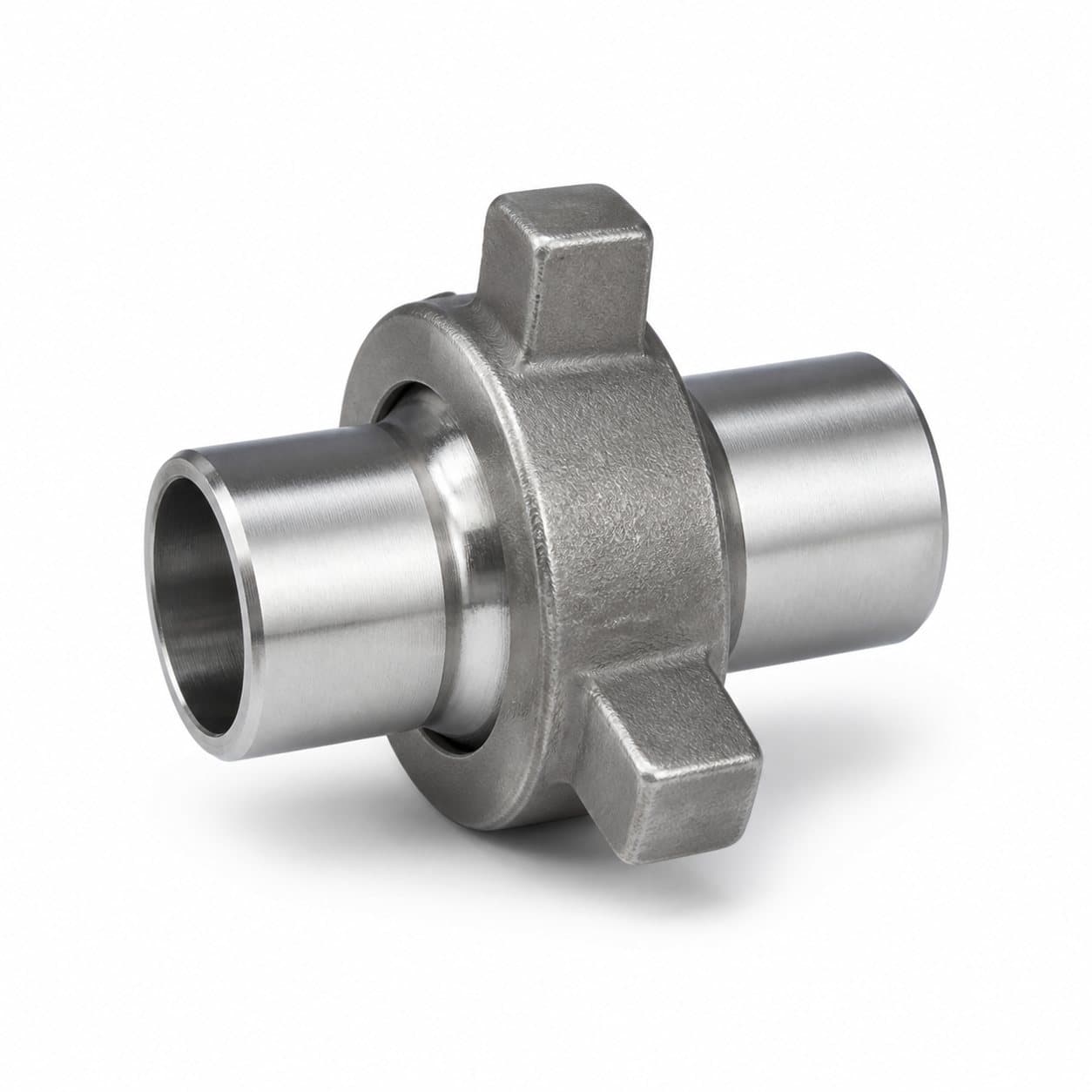
- It joins two lines that do not meet exactly in line. The Figure 1003 has a spherical seat between its subs so the connection seals with a small angle between them, which helps when rigging up temporary lines, manifolds and well test spreads where perfect alignment is hard to achieve. It is still a fixed connection, not a swivel joint, so it does not allow movement under pressure. It comes in standard and sour gas service; check the misalignment angle and rating on the product page.
- 05What is a Figure 211 insulated hammer union for?
- It breaks electrical continuity between two sections of pipe while joining them mechanically. Insulating components between the subs and nut stop current flowing through the joint, which isolates cathodically protected pipework from unprotected equipment and limits galvanic corrosion between dissimilar metals. It is rated 2,000 psi, so it suits low-pressure flow lines and utilities rather than high-pressure treating iron. Test the isolation with a meter after installation.
- 06How should a hammer union be made up and broken out safely?
- Check the figure, size and service stamped on both halves, clean the threads and seat, inspect the seal ring, align the subs, run the nut up by hand, then strike the lugs until the nut is fully home. Never strike a union, or try to tighten or loosen one, while the line is under pressure: bleed the line to zero first. Use a brass or other non-sparking hammer where a hazardous atmosphere is possible, and replace a union whose lugs are mushroomed, cracked or whose threads are worn.