Open a box of instrument fittings and you will find either two little rings behind each nut or one. Both are compression fittings, both seal on the outside of stainless tube, and both appear on the same panels. They are not interchangeable, and the choice between them is usually made once — when the plant standardises on a fitting maker — and then lived with for decades.
/01Double ferrule: two jobs, two rings.
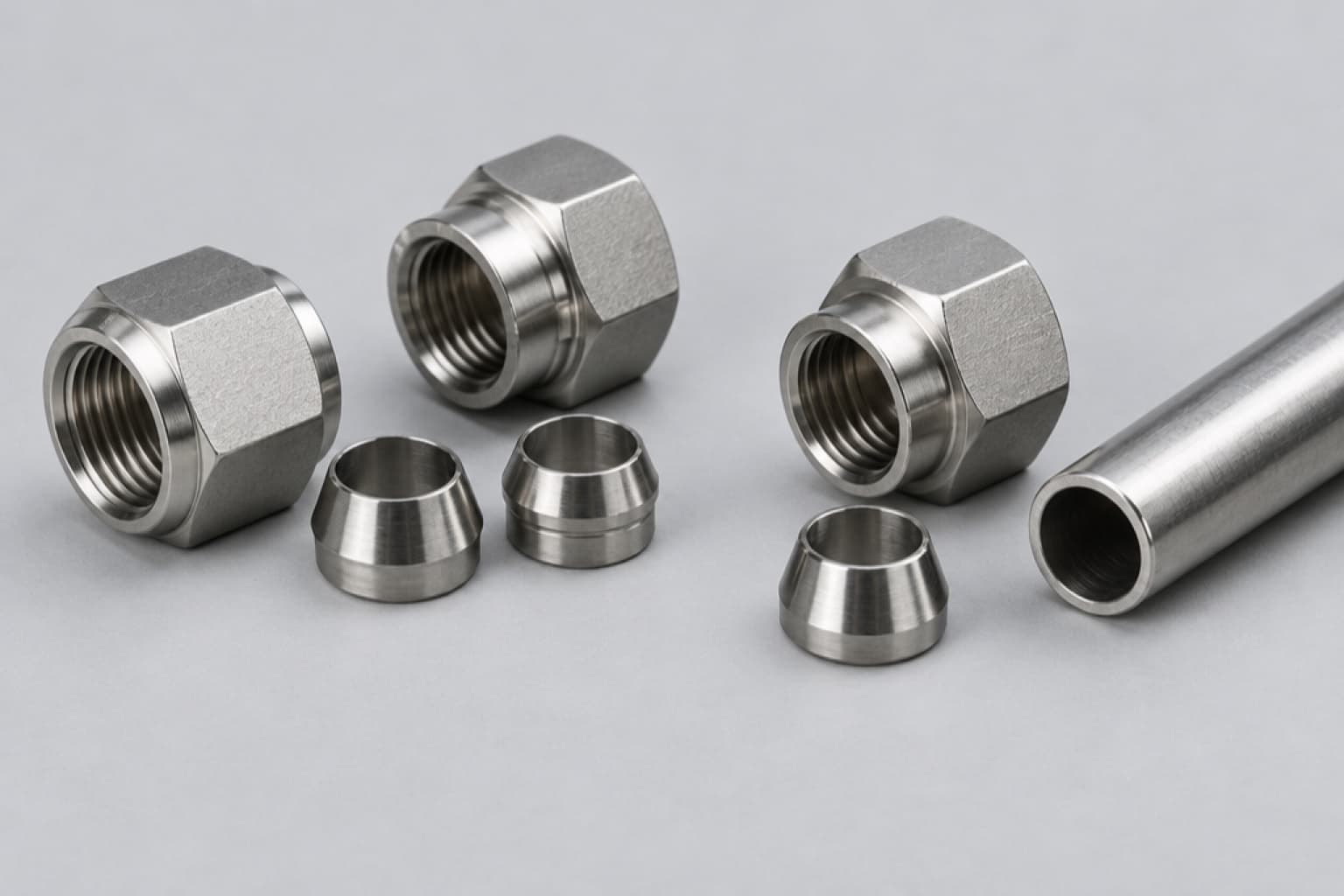
In a two-ferrule fitting the nut pushes the back ferrule, and the back ferrule pushes the front ferrule into the tapered bore of the body. The front ferrule, squeezed between body and tube, makes both seals; the back ferrule is driven inward behind it and grips the tube. The makers’ descriptions are consistent: the front ferrule is the primary seal, the back ferrule anchors the tube.
Splitting the work lets each ferrule be optimised. Swagelok’s back ferrule hinges and collets — gripping the tube and supporting it just behind the grip — to isolate the stress concentration from vibration and resist fatigue at the fitting, which is the classic failure point of small tube on vibrating equipment. Parker’s A-LOK back ferrule is case-hardened, and its nut is silver-plated to prevent galling of the body threads. Makers describe the two-ferrule joint as live-loaded, staying sprung through thermal cycles.
/02Single ferrule: one ring does both.
A single-ferrule instrument fitting has one ring between nut and body. As the nut is tightened, the ring is driven into the body taper and closes onto the tube, sealing on both and gripping the tube. Parker’s CPI is the reference design: one ferrule that both seals and grips, with a molybdenum-disulfide-coated nut. Parker publishes the same make-up turns for CPI as for its two-ferrule A-LOK.
The practical advantages are simplicity — one loose part per joint rather than two, and no way to fit two ferrules in the wrong order — and a compact nut. Our single-ferrule range covers inch tube and metric tube from 2 mm to 38 mm, with NPT, BSPT, BSPP and SAE straight-thread ends.
| Feature | Double ferrule | Single ferrule |
|---|---|---|
| Parts at each tube end | Nut, back ferrule, front ferrule | Nut, one ferrule |
| Seal | Front ferrule on body and tube | The ferrule on body and tube |
| GripHighlighted | Back ferrule, behind the seal | The same ferrule |
| Make-up | 1-1/4 turns (3/4 on 1/16–3/16") | Same turns (Parker CPI) |
| Assembly errors | Ferrules can be reversed or lost | Fewer parts to misplace |
| Rating | To the tube | To the tube |
| Interchange | Not with any other maker’s parts | Not with any other maker’s parts |
/03Not the same as a cutting ring.
The hydraulic 24° cutting-ring fitting — ISO 8434-1, formerly DIN 2353 — is also a single-ring compression fitting, but a different family. Its ring has cutting edges that bite into the tube to seal and hold it; it is standardised dimensionally from 4 to 42 mm, so rings and nuts from different makers are designed to fit the same body; and it is designed around fluid-power ports to ISO 6149, ISO 1179 and ISO 9974. Instrument single-ferrule fittings are proprietary and are not cut into the tube in the same way. Do not use a hydraulic cutting ring in an instrument fitting, or the reverse.
/04Never mix designs or makers.
/05Which to use on a new line.
Both designs are used for the same duties — instrument impulse lines, sample systems, analyser panels, hydraulic and pneumatic control lines — at pressures set by the tube. What actually decides it:
- What is already installed. A plant standardised on one design keeps spares, tools and training for it. Matching it is almost always right.
- The maker you will standardise on. Choose the maker first; the design follows from that maker’s range.
- Service. For heavy vibration, gas service and frequent thermal cycling, ask for the maker’s test data for that duty rather than relying on the generic claim of either design.
- Assembly skill on site. Fewer parts per joint reduces one class of error; a gap inspection gauge, used on first make-up, catches under-tightening on either design.
- Metric or inch. Both designs come in both, but check that the fitting family you choose covers every size on the job.
Common questions
- What is the difference between single and double ferrule fittings?
- A double-ferrule fitting uses a front ferrule to seal and a back ferrule to drive it and grip the tube. A single-ferrule fitting uses one ring to do both.
- Which is better, single or double ferrule?
- Neither in general. Both are rated to the tube and used for the same duties. Match what is installed, standardise on one maker, and check that maker’s test data for vibration, gas or thermal cycling.
- Can I put a single ferrule in a double ferrule fitting?
- No. The body, nut and ferrules are designed as a set. Mixing designs or makers risks leaks or tube blow-out.
- Do single and double ferrule fittings use the same make-up turns?
- For the main makers, yes: 1-1/4 turns past finger-tight for 1/4" (6 mm) and larger, 3/4 turn for 1/16", 1/8" and 3/16" (2–4 mm).
- Is a DIN 2353 fitting a single ferrule fitting?
- It is a single cutting-ring fitting, but a different, standardised hydraulic family (now ISO 8434-1) whose ring bites into the tube. It is not interchangeable with instrument single-ferrule fittings.
What we list
Every double- and single-ferrule 316 tube fitting in the range:
- 316 Stainless Double Ferrule Female Flare Connector, Tube × 37° JIC Female
- 316 Stainless Double Ferrule Bulkhead Reducer, Tube × Tube Stub
- 316 Stainless Double Ferrule Female Adapter, Tube Stub × NPT Female
- 316 Stainless Double Ferrule Female Adapter, Tube Stub × BSPP Female
- 316 Stainless Double Ferrule Male Adapter, Tube Stub × NPT Male
- 316 Stainless Double Ferrule Welding Bulkhead Union
- 316 Stainless Double Ferrule Cap
- 316 Stainless Double Ferrule Bulkhead Female Connector, Tube × NPT Female
- 316 Stainless Double Ferrule Female Connector, Tube × NPT Female
- 316 Stainless Double Ferrule Female Gauge Connector, Tube × BSPP Female
- 316 Stainless Double Ferrule O-Seal Male Connector, Tube × NPT Male (Vacuum)
- 316 Stainless Double Ferrule O-Seal Male Connector, Tube × SAE Straight Thread (Vacuum)
- 316 Stainless Double Ferrule Port Connector
- 316 Stainless Double Ferrule Reducing Port Connector
- 316 Stainless Double Ferrule Socket Weld Connector, Tube × Socket Weld
- 316 Stainless Double Ferrule Male Pipe Weld Connector, Tube × Pipe Weld
- 316 Stainless Double Ferrule Back Ferrule
- 316 Stainless Double Ferrule Front Ferrule
- 316 Stainless Double Ferrule Ferrule Set (Front and Back)
- 316 Stainless Double Ferrule Tube Insert
- 316 Stainless Double Ferrule Union Elbow
- 316 Stainless Double Ferrule Male 45° Elbow, Tube × NPT Male
- 316 Stainless Double Ferrule Positionable 45° Elbow, Tube × SAE Straight Thread Male
- 316 Stainless Double Ferrule Male Elbow, Tube × NPT Male
- 316 Stainless Double Ferrule Positionable 90° Elbow, Tube × SAE Straight Thread Male
- 316 Stainless Double Ferrule Socket Weld 90° Elbow, Tube × Socket Weld
- 316 Stainless Double Ferrule Male Pipe Weld 90° Elbow, Tube × Pipe Weld
- 316 Stainless Double Ferrule Bulkhead Male Connector, Tube × NPT Male
- 316 Stainless Double Ferrule Male Connector, Tube × BSPP Male
- 316 Stainless Double Ferrule Male Connector, Tube × NPT Male
- 316 Stainless Double Ferrule Male Connector, Tube × SAE Straight Thread Male
- 316 Stainless Double Ferrule Thermocouple Connector (Bored Through), Tube × NPT Male
- 316 Stainless Double Ferrule Nut
- 316 Stainless Double Ferrule Male Connector with Metal Gasket, Tube × BSPP Male
- 316 Stainless Double Ferrule Plug
- 316 Stainless Double Ferrule Reducer, Tube × Tube Stub
- 316 Stainless Double Ferrule Reducing Union
- 316 Stainless Double Ferrule Bulkhead Reducing Union
- 316 Stainless Double Ferrule Bulkhead Retainer
- 316 Stainless Double Ferrule Flanged Lapped Tube Connector
- 316 Stainless Double Ferrule Reducing Union Tee
- 316 Stainless Double Ferrule Vent Protector, NPT Male
- 316 Stainless Double Ferrule Union Tee
- 316 Stainless Double Ferrule Male Flare Adapter, Tube Stub × 37° JIC Male
- 316 Stainless Double Ferrule Female Branch Tee, Tube × NPT Female
- 316 Stainless Double Ferrule Male Branch Tee, Tube × NPT Male
- 316 Stainless Double Ferrule Positionable Branch Tee, Tube × SAE Straight Thread Male
- 316 Stainless Double Ferrule Female Run Tee, Tube × NPT Female
- 316 Stainless Double Ferrule Male Run Tee, Tube × NPT Male
- 316 Stainless Double Ferrule Positionable Run Tee, Tube × SAE Straight Thread Male
- 316 Stainless Double Ferrule Union
- 316 Stainless Double Ferrule Male Flare Connector, Tube × 37° JIC Male
- 316 Stainless Double Ferrule Bulkhead Union
- 316 Stainless Double Ferrule Bulkhead Male Flare Connector, Tube × 37° JIC Male
- 316 Stainless Double Ferrule Union Cross
- 316 Stainless Single Ferrule Bulkhead Reducer, Tube × Tube Stub
- 316 Stainless Single Ferrule Female Adapter, Tube Stub × BSPP Female
- 316 Stainless Single Ferrule Welding Bulkhead Union
- 316 Stainless Single Ferrule Cap
- 316 Stainless Single Ferrule Bulkhead Female Connector, Tube × NPT Female
- 316 Stainless Single Ferrule Female Connector, Tube × NPT Female
- 316 Stainless Single Ferrule Female Gauge Connector, Tube × BSPP Female
- 316 Stainless Single Ferrule O-Seal Male Connector, Tube × NPT Male (Vacuum)
- 316 Stainless Single Ferrule O-Seal Male Connector, Tube × SAE Straight Thread (Vacuum)
- 316 Stainless Single Ferrule Port Connector
- 316 Stainless Single Ferrule Reducing Port Connector
- 316 Stainless Single Ferrule Socket Weld Connector, Tube × Socket Weld
- 316 Stainless Single Ferrule Male Pipe Weld Connector, Tube × Pipe Weld
- 316 Stainless Single Ferrule Ferrule
- 316 Stainless Single Ferrule Union Elbow
- 316 Stainless Single Ferrule Male 45° Elbow, Tube × NPT Male
- 316 Stainless Single Ferrule Positionable 45° Elbow, Tube × SAE Straight Thread Male
- 316 Stainless Single Ferrule Female Elbow, Tube × NPT Female
- 316 Stainless Single Ferrule Male Elbow, Tube × NPT Male
- 316 Stainless Single Ferrule Positionable 90° Elbow, Tube × SAE Straight Thread Male
- 316 Stainless Single Ferrule Socket Weld 90° Elbow, Tube × Socket Weld
- 316 Stainless Single Ferrule Bulkhead Male Connector, Tube × NPT Male
- 316 Stainless Single Ferrule Male Connector, Tube × BSPP Male
- 316 Stainless Single Ferrule Male Connector, Tube × NPT Male
- 316 Stainless Single Ferrule Male Connector, Metric Tube × BSPT Male
- 316 Stainless Single Ferrule Male Connector, Tube × SAE Straight Thread Male
- 316 Stainless Single Ferrule Thermocouple Connector (Bored Through), Tube × NPT Male
- 316 Stainless Single Ferrule Nut
- 316 Stainless Single Ferrule Male Connector with Metal Gasket, Tube × BSPP Male
- 316 Stainless Single Ferrule Reducer, Tube × Tube Stub
- 316 Stainless Single Ferrule Reducing Union
- 316 Stainless Single Ferrule Bulkhead Reducing Union
- 316 Stainless Single Ferrule Flanged Lapped Tube Connector
- 316 Stainless Single Ferrule Reducing Union Tee
- 316 Stainless Single Ferrule Union Tee
- 316 Stainless Single Ferrule Female Branch Tee, Tube × NPT Female
- 316 Stainless Single Ferrule Male Branch Tee, Tube × NPT Male
- 316 Stainless Single Ferrule Positionable Branch Tee, Tube × SAE Straight Thread Male
- 316 Stainless Single Ferrule Female Run Tee, Tube × NPT Female
- 316 Stainless Single Ferrule Male Run Tee, Tube × NPT Male
- 316 Stainless Single Ferrule Positionable Run Tee, Tube × SAE Straight Thread Male
- 316 Stainless Single Ferrule Union
- 316 Stainless Single Ferrule Male Flare Connector, Tube × 37° JIC Male
- 316 Stainless Single Ferrule Bulkhead Union
- 316 Stainless Single Ferrule Bulkhead Male Flare Connector, Tube × 37° JIC Male
- 316 Stainless Single Ferrule Union Cross
Double and single ferrule
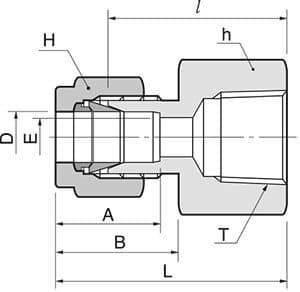 IH-TF-CF316 Stainless Double Ferrule Female Connector, Tube × NPT FemaleIndus Hydraulics
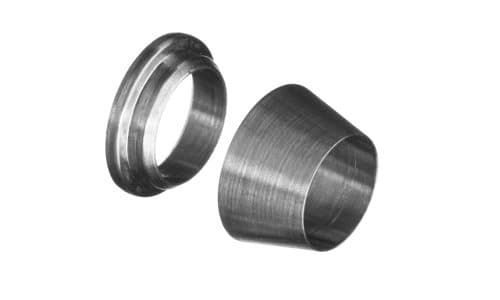 IH-TF-FS316 Stainless Double Ferrule Ferrule Set (Front and Back)Indus Hydraulics
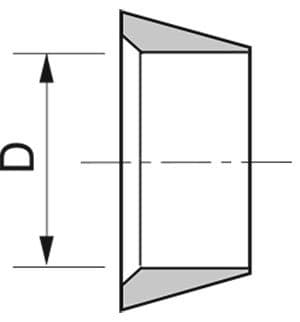 IH-TF-FF316 Stainless Double Ferrule Front FerruleIndus Hydraulics
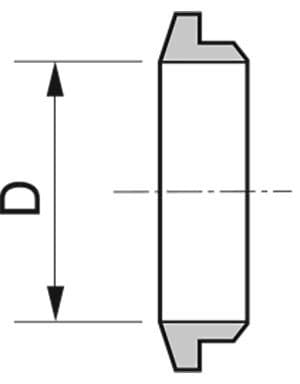 IH-TF-FB316 Stainless Double Ferrule Back FerruleIndus Hydraulics
 IH-TF-CF-SF316 Stainless Single Ferrule Female Connector, Tube × NPT FemaleIndus Hydraulics
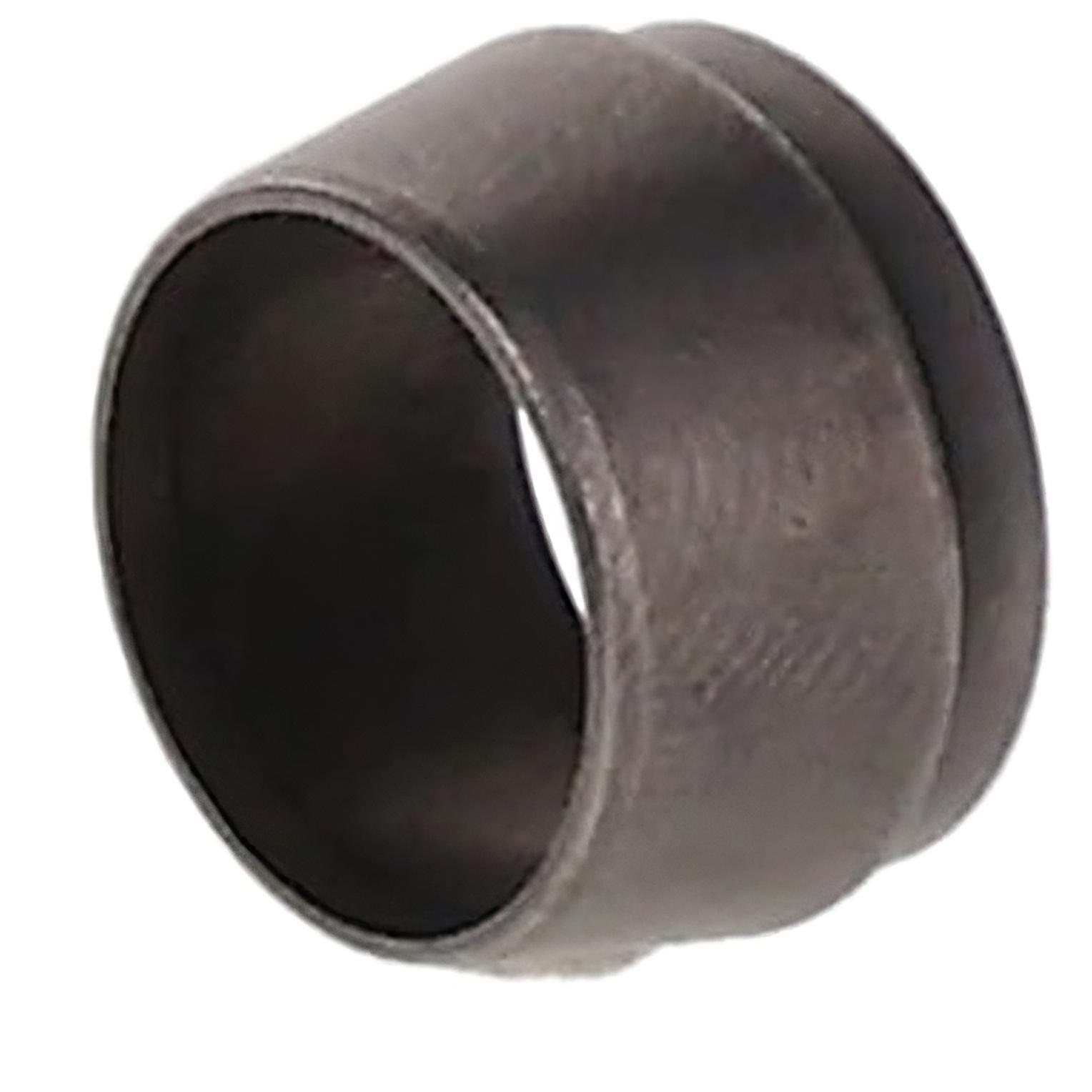 IH-TF-FO-SF316 Stainless Single Ferrule FerruleIndus Hydraulics
 IH-TF-MCN-SF316 Stainless Single Ferrule Male Connector, Tube × NPT MaleIndus Hydraulics
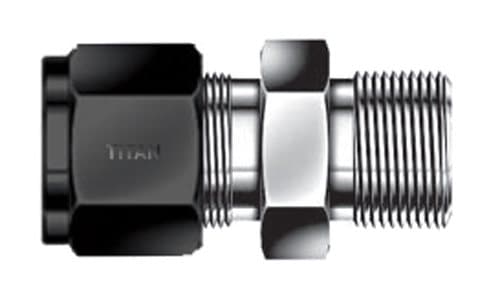 IH-TF-MCR-SF316 Stainless Single Ferrule Male Connector, Metric Tube × BSPT MaleIndus Hydraulics