Instrument valves are small, cheap and easy to get wrong. A gauge isolated by a single valve cannot be changed safely without bleeding the line it is on; a regulating-tip valve used for daily shut-off on gas wears out its seat; a valve sold as “sour service” in 316 may be outside the limits of the well it is fitted to. For the gauges themselves see pressure gauges; for the tube fittings that connect them, instrumentation tube fittings.
/01Needle, gauge and bleed valves.
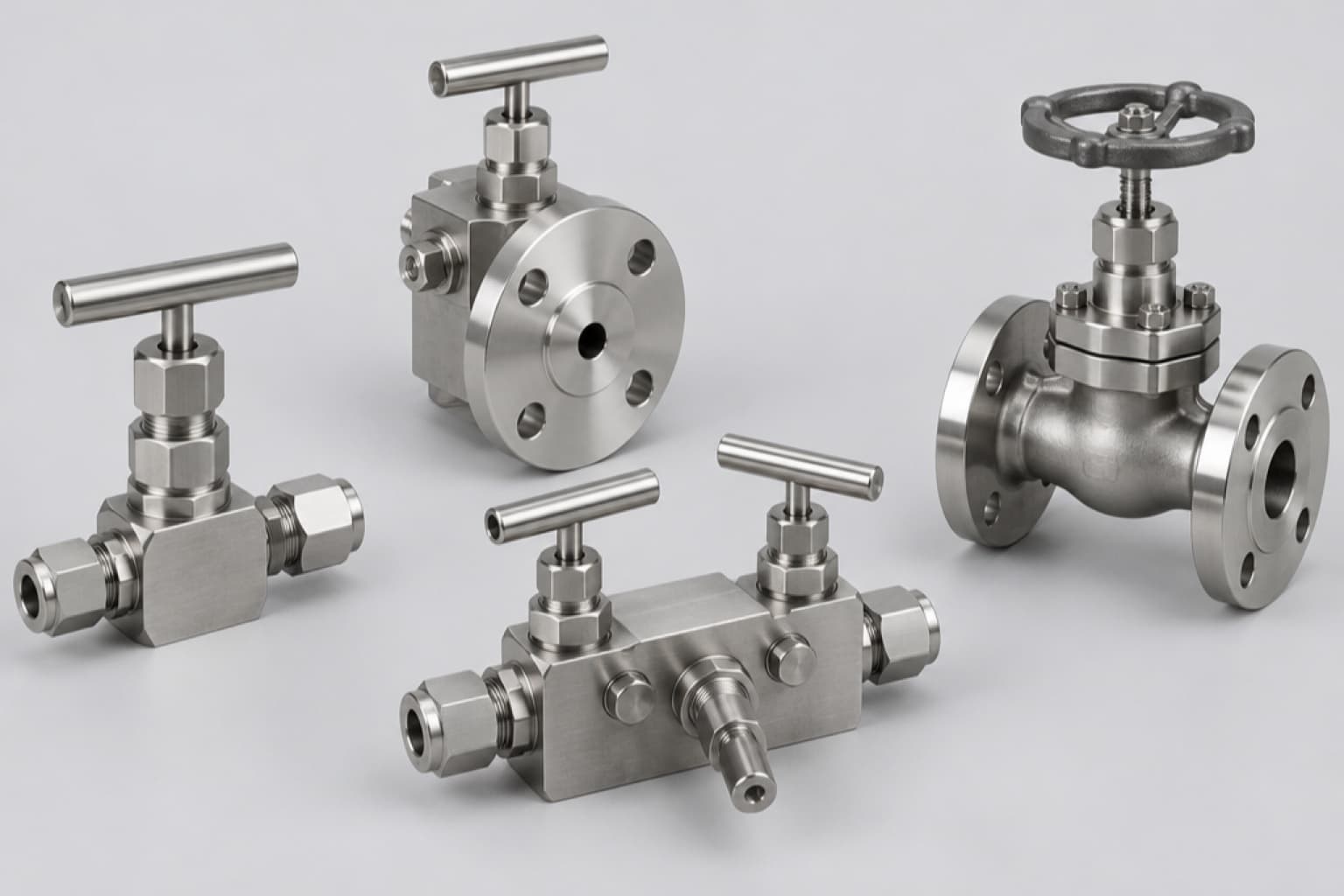
A needle valve closes a small orifice with a fine-threaded stem. Swagelok’s N and HN series, for example, work to 10,000 psig, with the rating falling as temperature rises. The stem tip decides the duty:
- Ball tip — non-rotating, for repeatable leak-tight shut-off.
- Regulating tip — tapered, for fine flow control; Swagelok says these are not intended for repetitive shut-off in gas service.
- Soft-seat tips (PCTFE, PTFE) — tighter shut-off at lower temperatures.
A gauge isolation valve is a needle valve with a gauge port; a bleed valve vents the trapped pressure between the isolating valve and the instrument so the gauge can be removed. A back-seat in the fully open position keeps the stem from blowing out and seals the packing.
/02Double block and bleed, and monoflanges.
| Context | What DBB means | Example |
|---|---|---|
| Instrument valveHighlighted | Two isolating valves plus a vent in one body — isolate twice, then bleed between | Three-handle DBB needle valve, DBB monoflange |
| Pipeline valve (API 6D) | One valve with two seats, sealing from both ends, with a bleed for the cavity between them | Trunnion ball or through-conduit gate valve |
A monoflange builds the block, bleed and block valves into a flange-faced body that bolts straight to the process flange or wellhead outlet, replacing a stack of separate valves and fittings at the tap. It is not the same thing as a 3-valve manifold, which mounts a differential-pressure transmitter with two blocks and an equaliser.
/03Globe valves.
A globe valve closes a disc onto a seat across the flow path, so it can throttle smoothly — the job a gate valve must never do. The price is a higher pressure drop when open. Steel globe valves are built to API 623 (flanged and butt-weld, bolted bonnet) or API 602 (compact, NPS 4 and smaller), with pressure-temperature ratings from ASME B16.34; API 6D covers pipeline gate, ball, plug and check valves, not globes. Order by size, ASME class, end connection, body and trim materials and service.
On wellheads, globe valves for injection, bleed-off, sampling and bypass lines are also made with API 6A flanged or studded ends, working pressures and material classes — our API 6A globe valve runs from 2-1/16″ to 7-1/16″ and 3,000 to 15,000 psi. The valve types API 6A itself lists, as SLB summarises them, are gate, plug, ball and check valves, so for a wellhead globe valve ask which API 6A requirements it is built and tested to.
Common questions
- Which needle valve stem tip should I use?
- A ball tip for repeated shut-off, a regulating tip for fine control (not for repeated gas shut-off), a soft-seat tip for tight shut-off at moderate temperature.
- What is a double block and bleed valve?
- In instrumentation, two isolating valves and a bleed in one body. In API 6D pipeline valves, one valve with two seats sealing from both sides and a bleed for the cavity between them.
- Is a monoflange the same as a 3-valve manifold?
- No. A monoflange bolts to the process flange with block, bleed and block valves; a 3-valve manifold mounts a differential-pressure transmitter.
- Which standard covers globe valves?
- API 623 for flanged and butt-weld steel globe valves, API 602 for compact valves NPS 4 and smaller, with ASME B16.34 ratings. API 6D does not cover globe valves.
What we list
Needle, gauge, bleed, double block and bleed and monoflange valves, and globe valves:
- Bleed Valve, 1/2 in NPT, 10,000 psi, Sour Service, 316SS Body
- Double Block and Bleed (DBB) Needle Valve, Three Handle, 1/2 in NPT, 10,000 psi, Sour Service
- Gauge Isolation Valve, Single-Block, 1/2 in NPT × 1/2 in NPT, 10,000 psi, Standard Service
- Monoflange Valve, Double Block and Bleed, 1/2 in NPT × 2-1/16 in 15M Flanged, 15,000 psi, Sour Service
- Needle Valve, 1/2 in NPT, 10,000 psi, Sour Service, 316SS Body, -50/+250°F
- Needle Valve, 1/2 in NPT, 10,000 psi, Sour Service, Carbon Steel Body, -50/+250°F
- Needle Valve, 1/4 in NPT, 15,000 psi, Sour Service, 316SS Body
- API 6A Globe Valve, 2-1/16" to 7-1/16", 3,000 to 15,000 psi
- Globe Valve, 1 in × 1500# RF, 3,705 psi, Sour Service
- Globe Valve, 2 in × 150# RF, 285 psi, Standard Service
- Globe Valve, 2 in × 300# RF, 740 psi, Sour Service
- Globe Valve, 2 in × 900# RF, 2,220 psi, Sour Service
- Globe Valve, 3 in × 600# RF, 1,480 psi, Sour Service
Instrumentation and globe valves
 IH-OFV-INST-NEEDLE-12-NPT-10K-SOUR-CAMERON-SSNeedle Valve, 1/2 in NPT, 10,000 psi, Sour Service, 316SS Body, -50/+250°FCameron
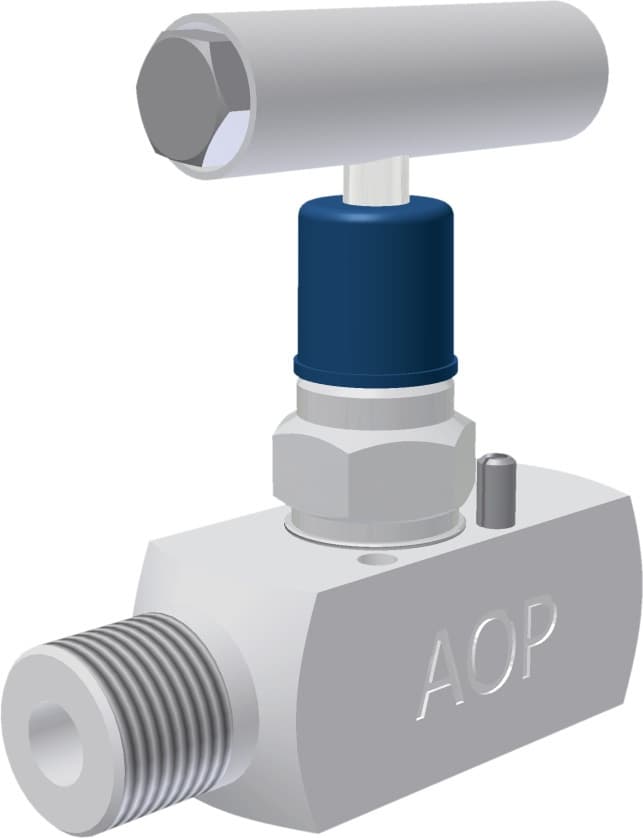 IH-OFV-INST-GAUGE-12-NPT-10K-CAMERONGauge Isolation Valve, Single-Block, 1/2 in NPT × 1/2 in NPT, 10,000 psi, Standard ServiceCameron
- IH-OFV-INST-BLEED-12-NPT-10K-SOUR-INDUSBleed Valve, 1/2 in NPT, 10,000 psi, Sour Service, 316SS BodyIndus Hydraulics
- IH-OFV-INST-DBB-NEEDLE-3HANDLE-CAMERONDouble Block and Bleed (DBB) Needle Valve, Three Handle, 1/2 in NPT, 10,000 psi, Sour ServiceCameron
- IH-OFV-INST-MONOFLANGE-12-NPT-15M-SOUR-CAMERONMonoflange Valve, Double Block and Bleed, 1/2 in NPT × 2-1/16 in 15M Flanged, 15,000 psi, Sour ServiceCameron
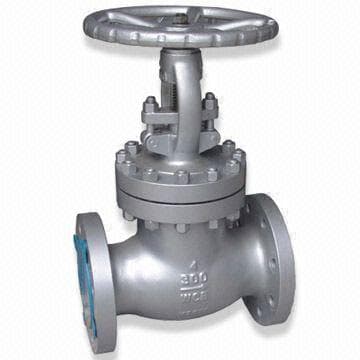 IH-OFV-GLOBE-2-300RF-740-SOUR-FMCGlobe Valve, 2 in × 300# RF, 740 psi, Sour ServiceFMC Technologies
- IH-OFV-GLOBE-3-600RF-1480-SOUR-CAMERONGlobe Valve, 3 in × 600# RF, 1,480 psi, Sour ServiceCameron
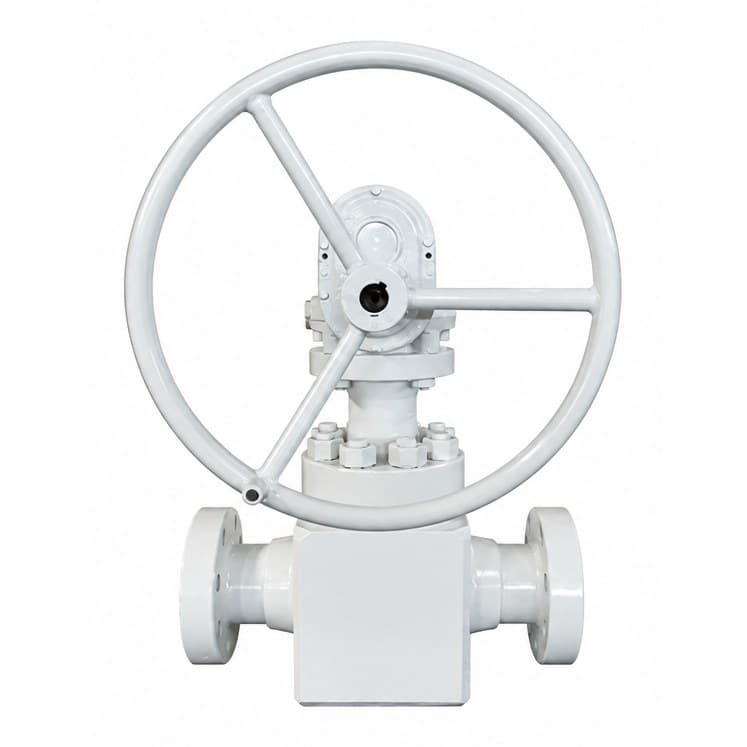 IH-OFE-GLBAPI 6A Globe Valve, 2-1/16" to 7-1/16", 3,000 to 15,000 psiIndus Hydraulics