
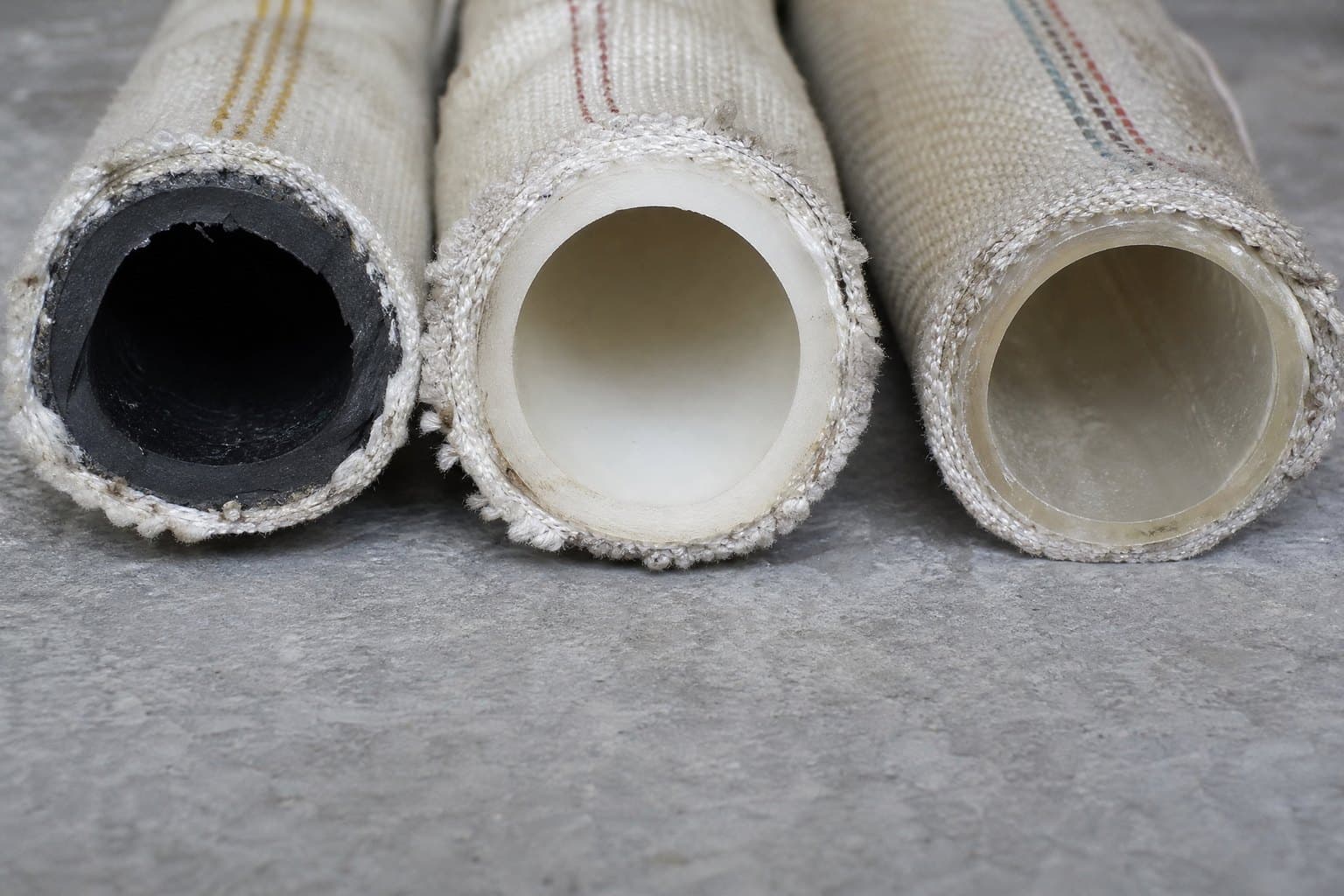
Two fire hoses can look identical rolled on a shelf — same jacket, same colour, same couplings — and age completely differently. The difference is usually the liner, the rubber or polymer tube inside the woven jacket. It decides whether the hose survives ten summers in a hot pump room, how much a crew carries up a stairwell, and what happens when the water carries diesel from a vehicle fire.
/01What the liner does.
In a jacketed fire hose the work is split. The jacket — one woven polyester layer in a single-jacket hose, two in a double-jacket hose — carries the water pressure and takes the abrasion of being dragged. The liner is a thin, bonded tube inside it that keeps the water in. Liners do not add much strength, but they decide four things: how the hose resists ageing and heat, how smooth the bore is (and so friction loss), how heavy and bulky the rolled hose is, and how it copes with oils and chemicals in the water.
/02The four liners compared.
| Liner | Strengths | Watch for | Typical use |
|---|---|---|---|
| EPDMHighlighted | Heat, ozone, weathering and ageing resistance; many chemicals | Not for oils and fuels | Attack and supply hose stored outdoors or in hot plant |
| Natural rubber (NR) | Supple, good abrasion and tear resistance, economical | Ages faster in heat, ozone and sun than EPDM | Industrial hose stations, forestry hose |
| Polyurethane (TPU) | Thin and light, compact roll, abrasion and oil resistant, low friction | Confirm temperature duty for hot service | Cabinet and rack hose, lightweight attack and forestry |
| Nitrile (NBR) | Oil and fuel resistance | Heavier than a thin polyurethane liner | Industrial sites with oil and fuel risk |
/03EPDM: heat and weather.
EPDM (ethylene propylene diene monomer) is a synthetic rubber prized for resisting heat, ozone, UV and ageing. That makes it a strong default where hoses live in hot plant rooms, outdoor hose boxes or Gulf summers, and where they may sit unused for years and still have to work first time. It resists a broad range of chemicals but not mineral oils and fuels. Our double-jacket EPDM-lined fire hose and EPDM-lined forestry hose use it.
/04Natural rubber: supple and economical.
Natural rubber is the traditional liner. It is supple, resists abrasion and tearing well, and keeps cost down — which is why it remains common for mill and industrial hose kept at hydrants and hose stations, and for forestry hose. Its weakness is ageing: heat, ozone and sunlight degrade it faster than EPDM. Store it out of the sun and away from electrical equipment that generates ozone. We supply single-jacket and double-jacket rubber-lined industrial fire hose, and a rubber-lined forestry hose with a polyurethane-coated jacket.
/05Polyurethane: thin, light and compact.
A polyurethane liner is much thinner than a rubber one for the same job, so the hose weighs less, rolls into a smaller coil and folds neatly into a cabinet. It resists abrasion of the bore and oils well, and its smooth surface keeps friction loss low. Those properties suit rack and cabinet hose, lightweight attack lines and hose carried in packs. We supply it in single-jacket and double-jacket construction. For hot water or hot environments, confirm the temperature duty with the quotation.
/06Nitrile: where oil and fuel are present.
Refineries, fuel depots, airports and vehicle workshops expect water to meet oil and fuel. Nitrile rubber resists both, which is why an NBR lay flat fire hose — a nitrile liner inside a high-strength polyester jacket — suits those sites. It is supplied in high-visibility red or yellow, and like any jacketed hose should be washed of oil and dried after use.
/07Choosing by duty.
Which liner?
IfIs oil or fuel likely in the water or on the ground?
Nitrile — an NBR lay flat fire hose.
IH-LF-NBRFIfIs the hose stored in heat, sun or a hot plant room for long periods?
EPDM.
IH-LF-FDEIfMust it be light, compact and fit a cabinet or rack?
Polyurethane.
IH-LF-FRUIfIs it an industrial hose-station or forestry hose where cost and suppleness matter?
Natural rubber.
IH-LF-FSN
Common questions
- Is EPDM or natural rubber better for fire hose?
- EPDM resists heat, ozone and ageing better, so it lasts longer in hot or outdoor storage. Natural rubber is more economical and supple, and suits hose kept indoors at hose stations.
- Why are polyurethane-lined fire hoses lighter?
- Polyurethane liners are much thinner than rubber ones for the same duty, so the hose weighs less and rolls into a smaller coil — useful for cabinets, racks and carried hose.
- Can a fire hose carry water contaminated with oil?
- Choose a nitrile (NBR) hose where oil or fuel is expected. EPDM and natural rubber are not intended for oils.
- Does the liner affect water flow?
- A little. Smooth liners such as polyurethane keep friction loss low; the bore diameter and the hose length matter far more.
- Do these fire hoses carry an approval?
- No approval is published for these lines. Tell us the standard and authority approval you need — EN 14540, BS 6391, NFPA 1961, UL 19 or a civil defence listing — and we will confirm what can be supplied against it.
Fire hose by liner
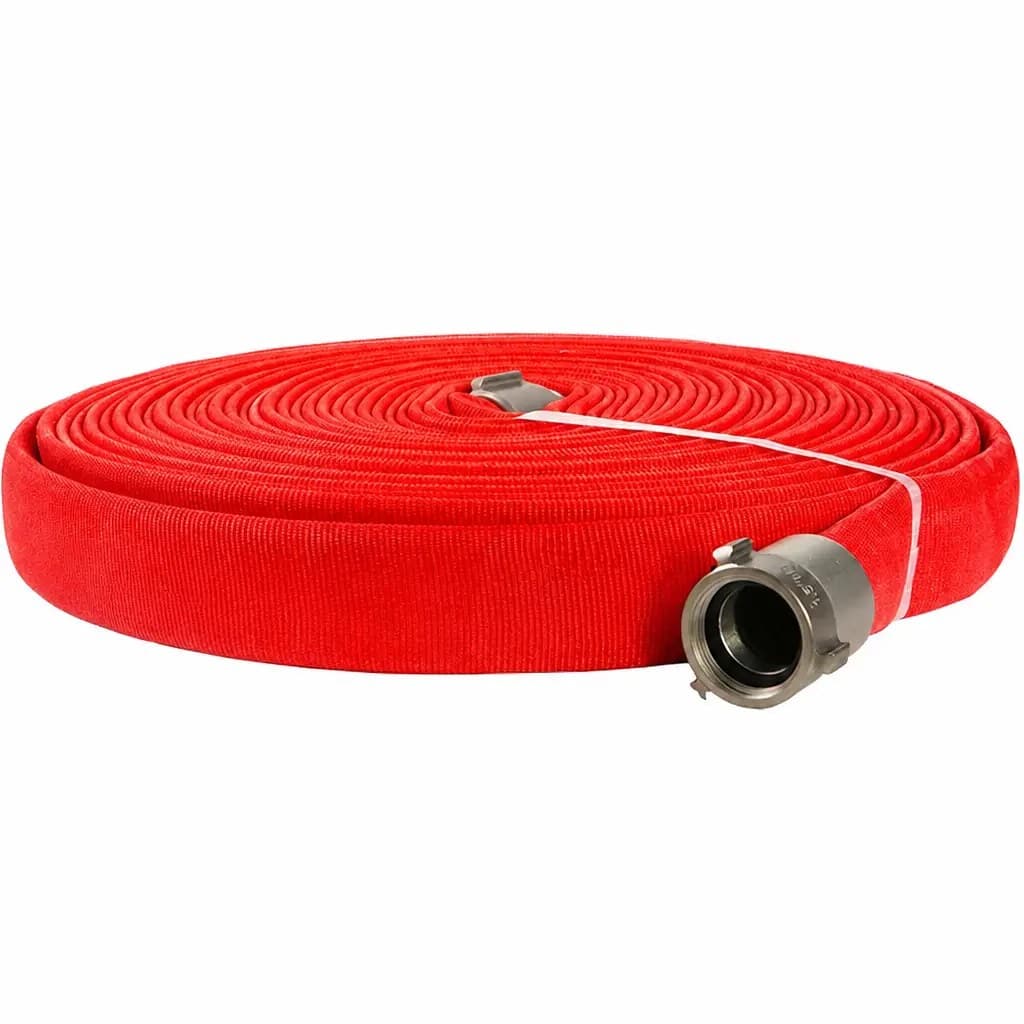 IH-LF-FDEDouble-Jacket Fire Hose, EPDM LinerIndus Hydraulics
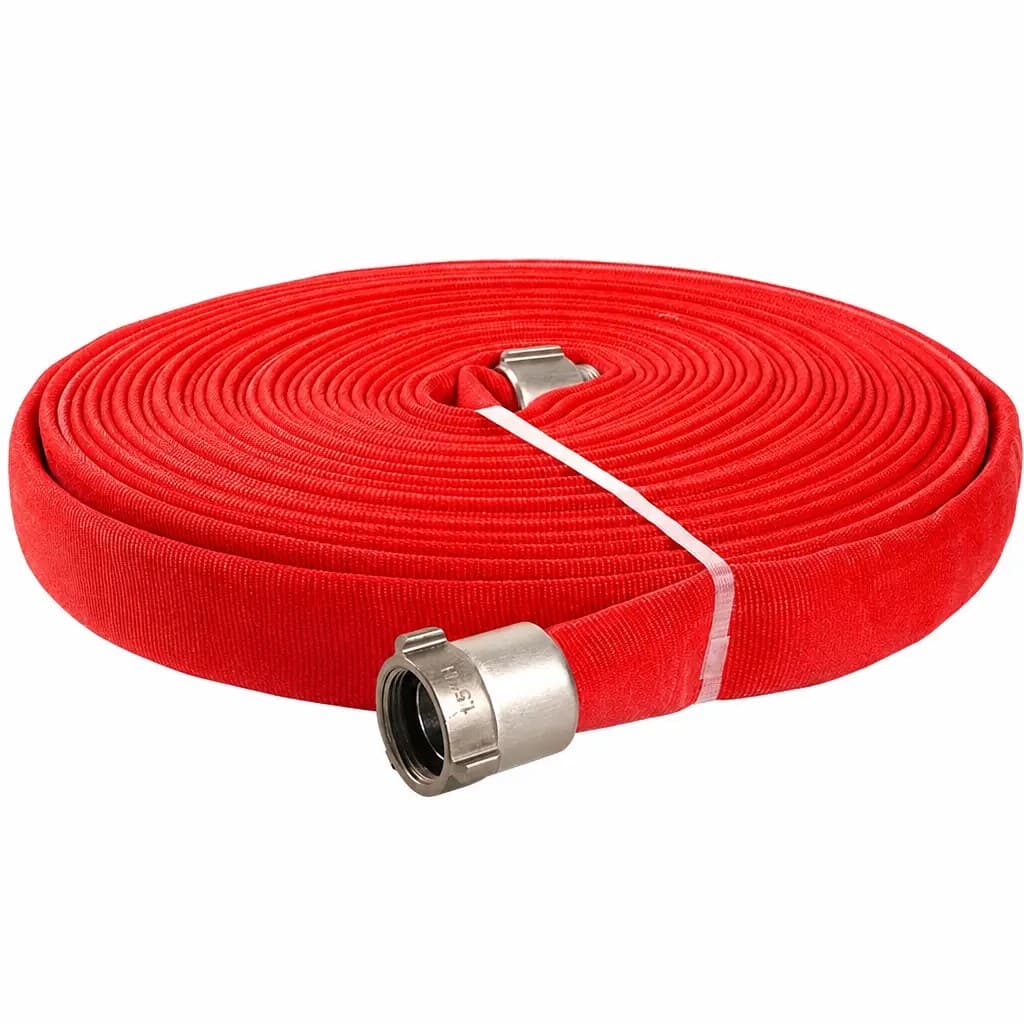 IH-LF-FDUDouble-Jacket Fire Hose, Polyurethane LinerIndus Hydraulics
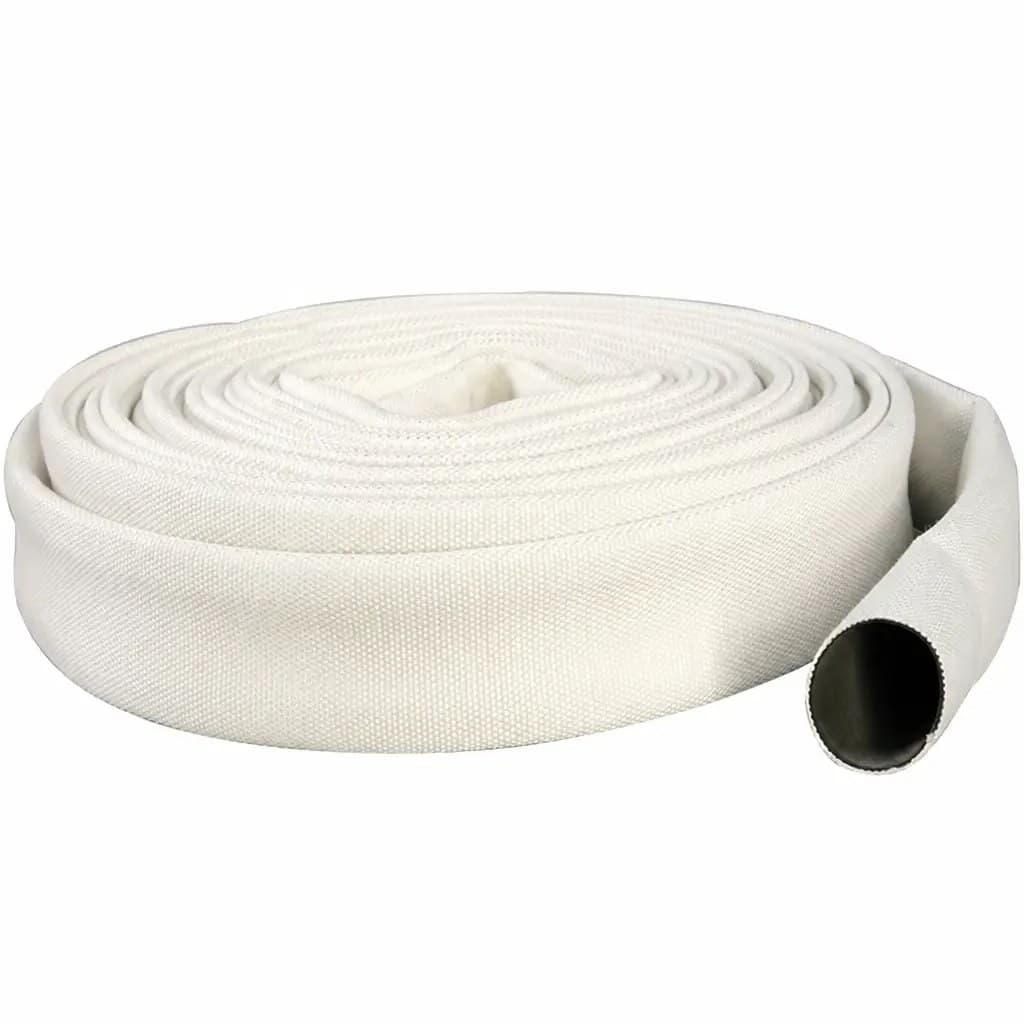 IH-LF-FSNSingle-Jacket Fire Hose, Natural Rubber LinerIndus Hydraulics
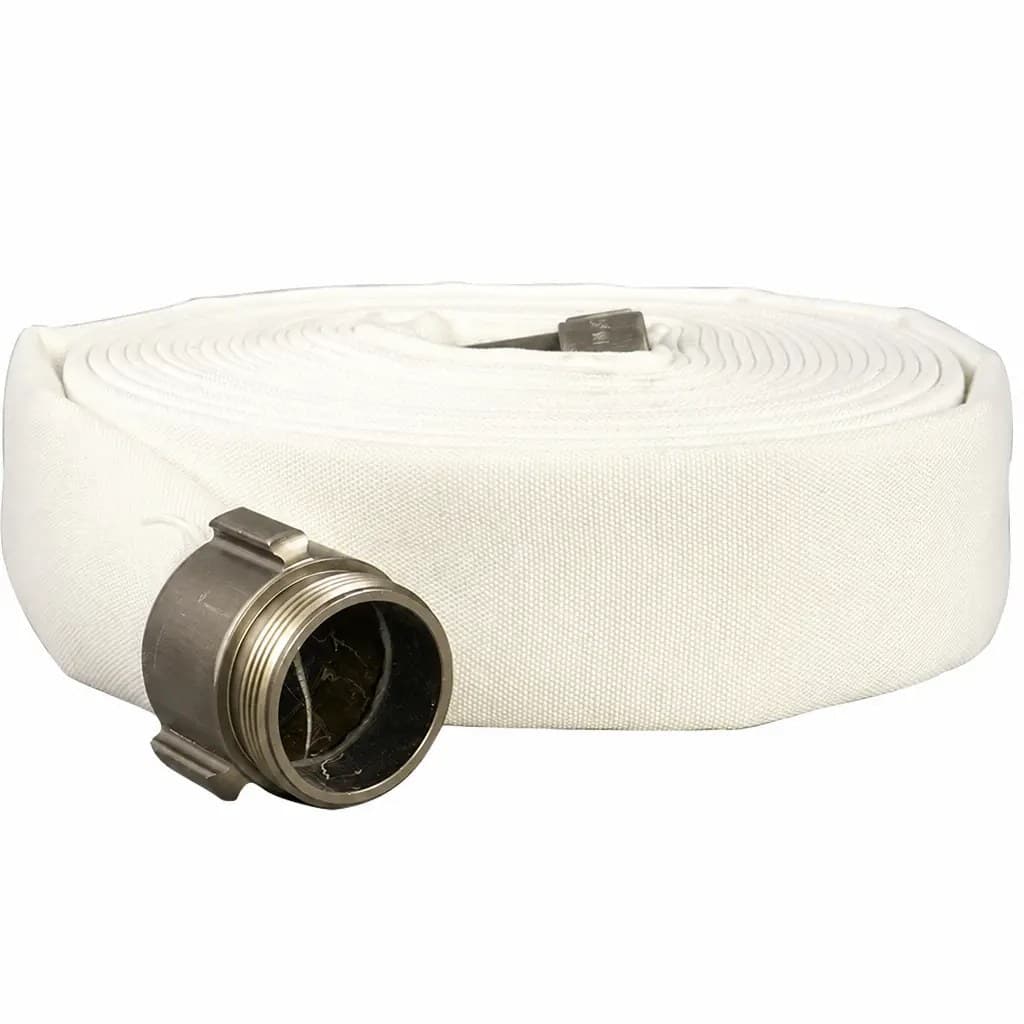 IH-LF-FDNDouble-Jacket Fire Hose, Natural Rubber LinerIndus Hydraulics
 IH-LF-FSUSingle-Jacket Fire Hose, Polyurethane LinerIndus Hydraulics
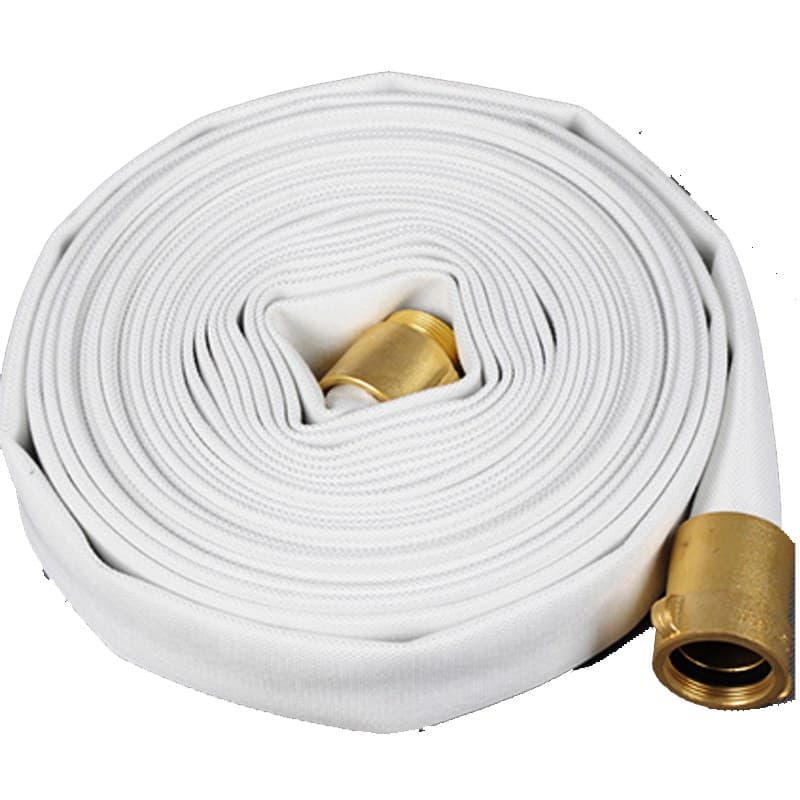 IH-LF-FRURack and Cabinet Fire Hose, Polyurethane LinerIndus Hydraulics
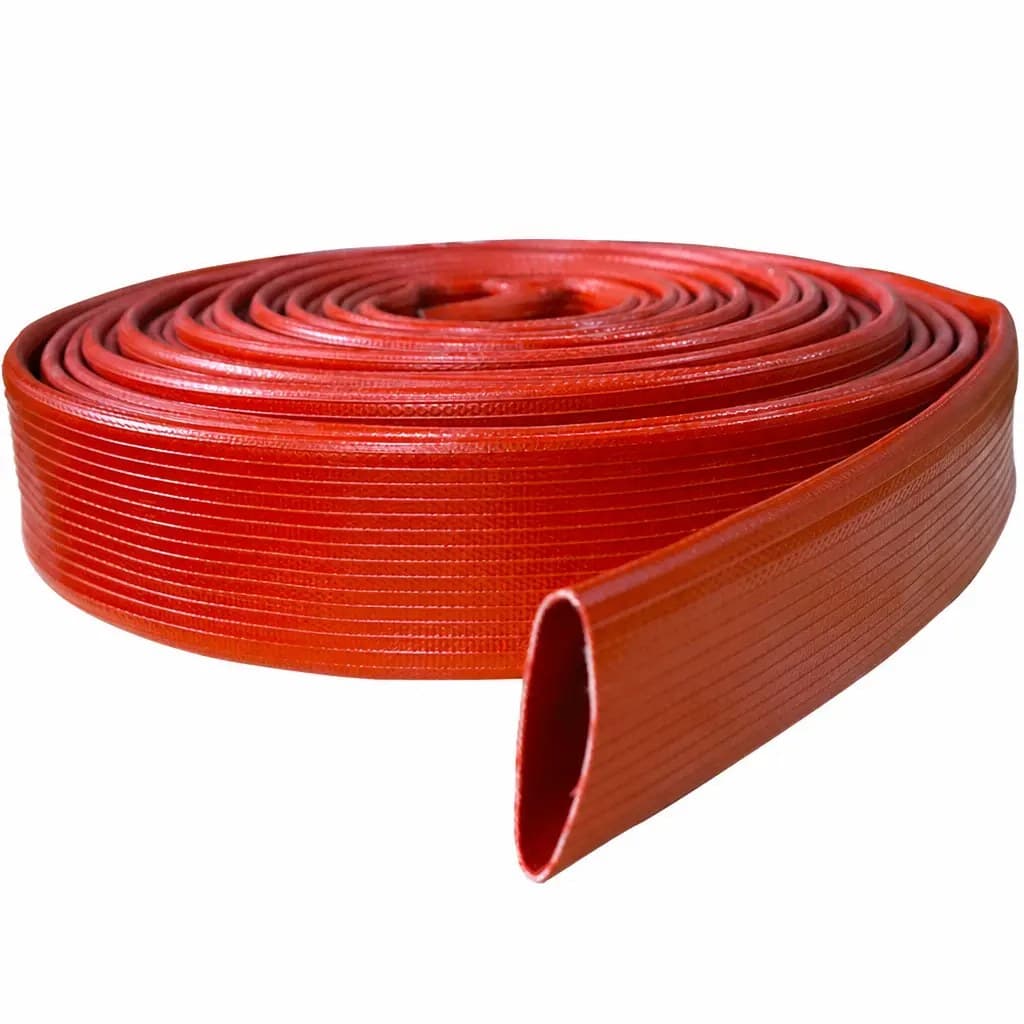 IH-LF-NBRFNBR Lay Flat Fire Hose, Red or YellowIndus Hydraulics
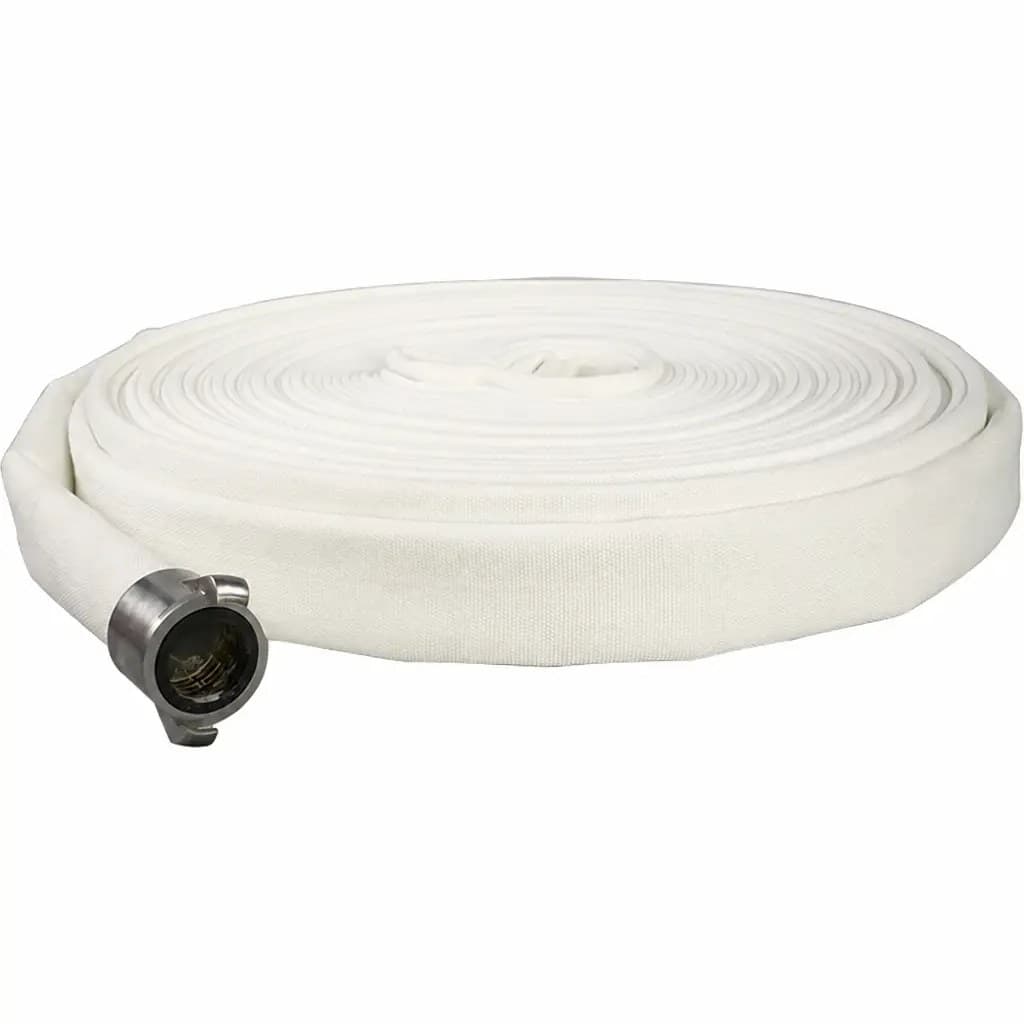 IH-LF-FFEForestry Fire Hose, Single Jacket, EPDM LinerIndus Hydraulics


